
Property Types We Roof in Lewisville, TX
Home //
Property Types We Roof in Lewisville
Two roofs of equal size can need different work because the buildings under them run differently. Lewisville, TX planners set aside districts for industrial parks, commercial and retail use, mixed use and transit-oriented projects, with office, industrial, retail, healthcare and multifamily development drawn to the I-35E and SH 121 corridors and the city's gateways. Each of those uses puts different loads on a roof, from rooftop units to loading-dock traffic to tenant-sensitive ceilings.
We write the roof scope from the building type first, then the membrane, so the access log and the work window fit the way the property actually operates.
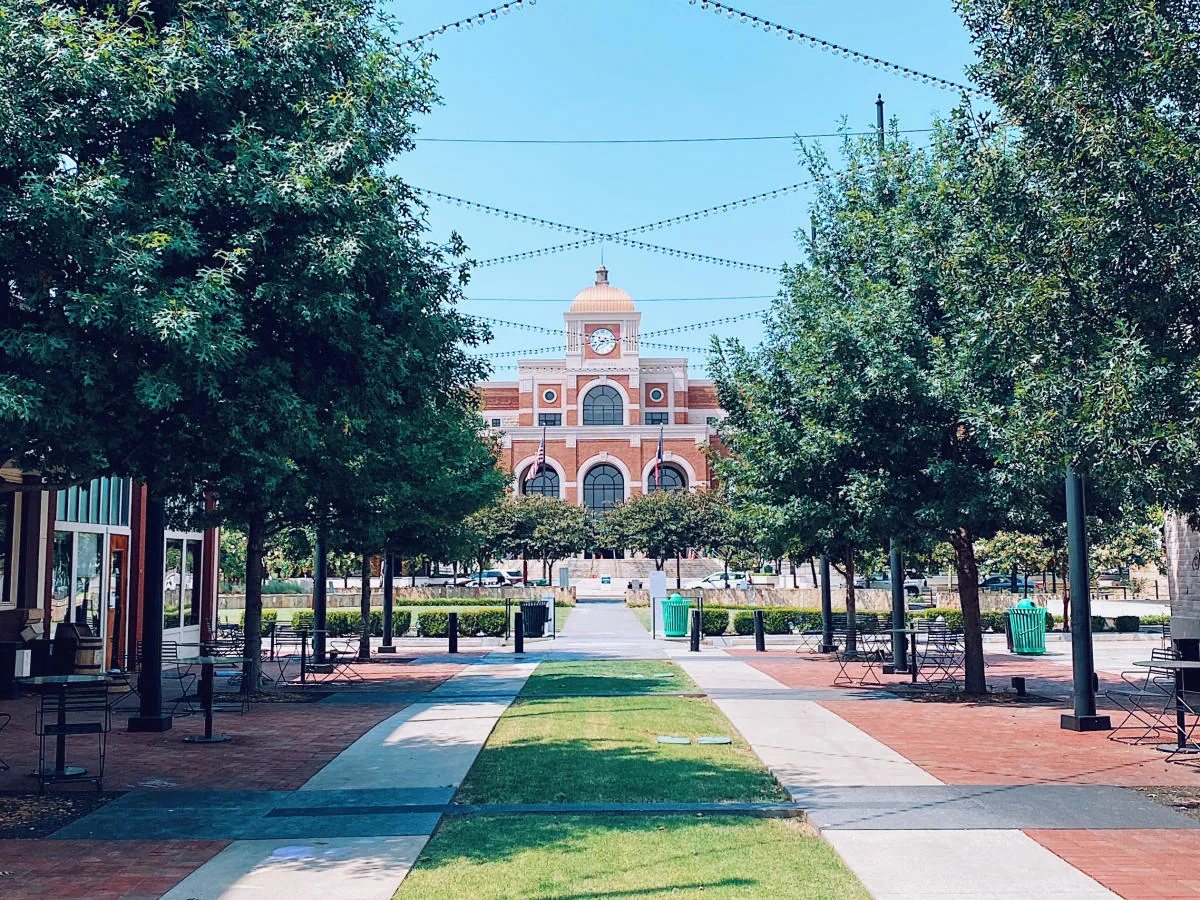
Property Types We Roof
Explore Property Types We Roof
Choose a page for scope details, local conditions and next steps.
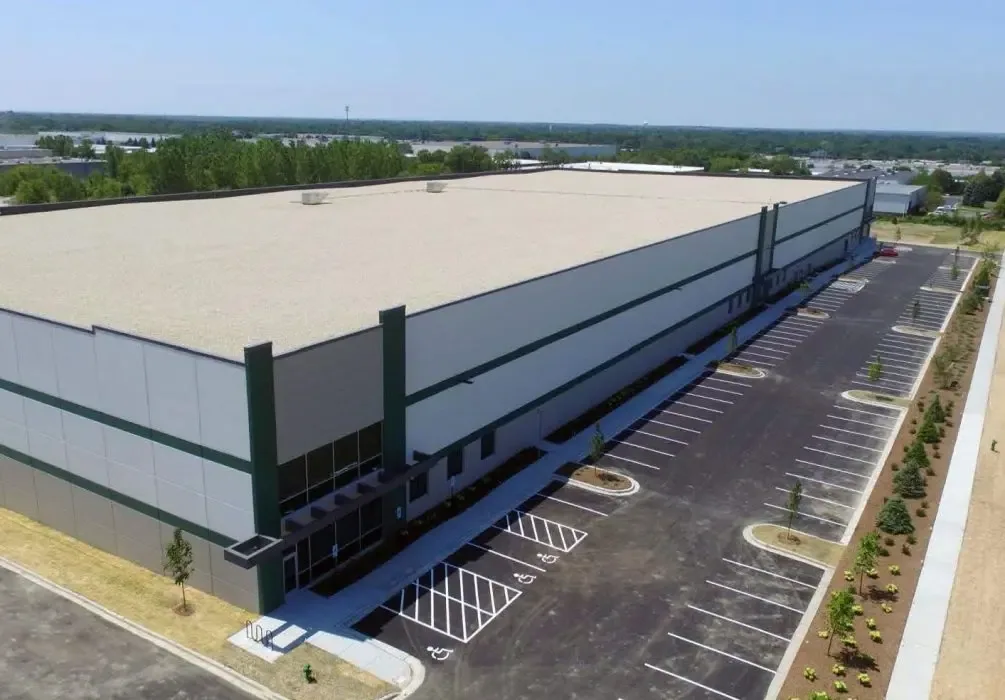
Warehouse Roofing
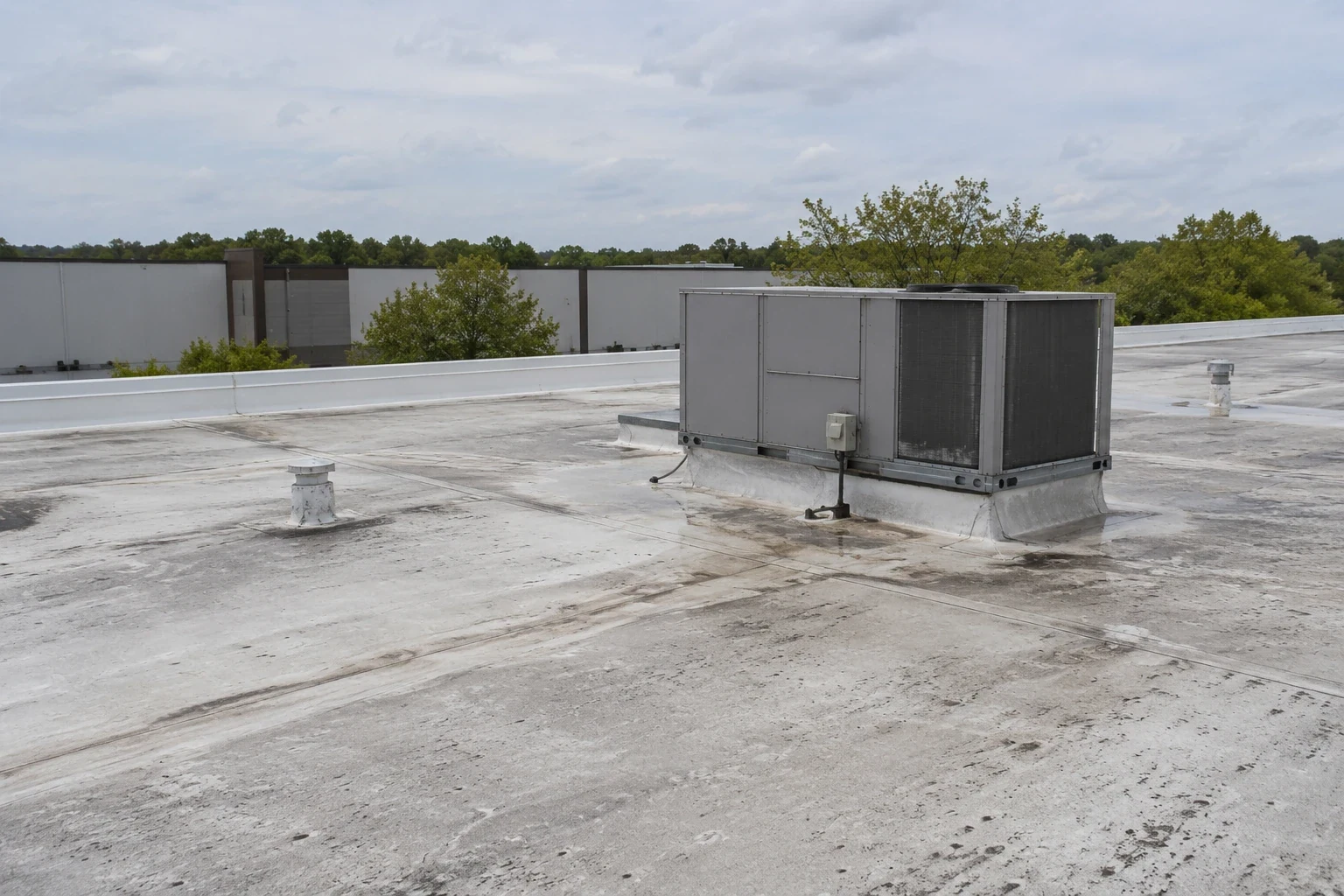
Distribution Center Roofing
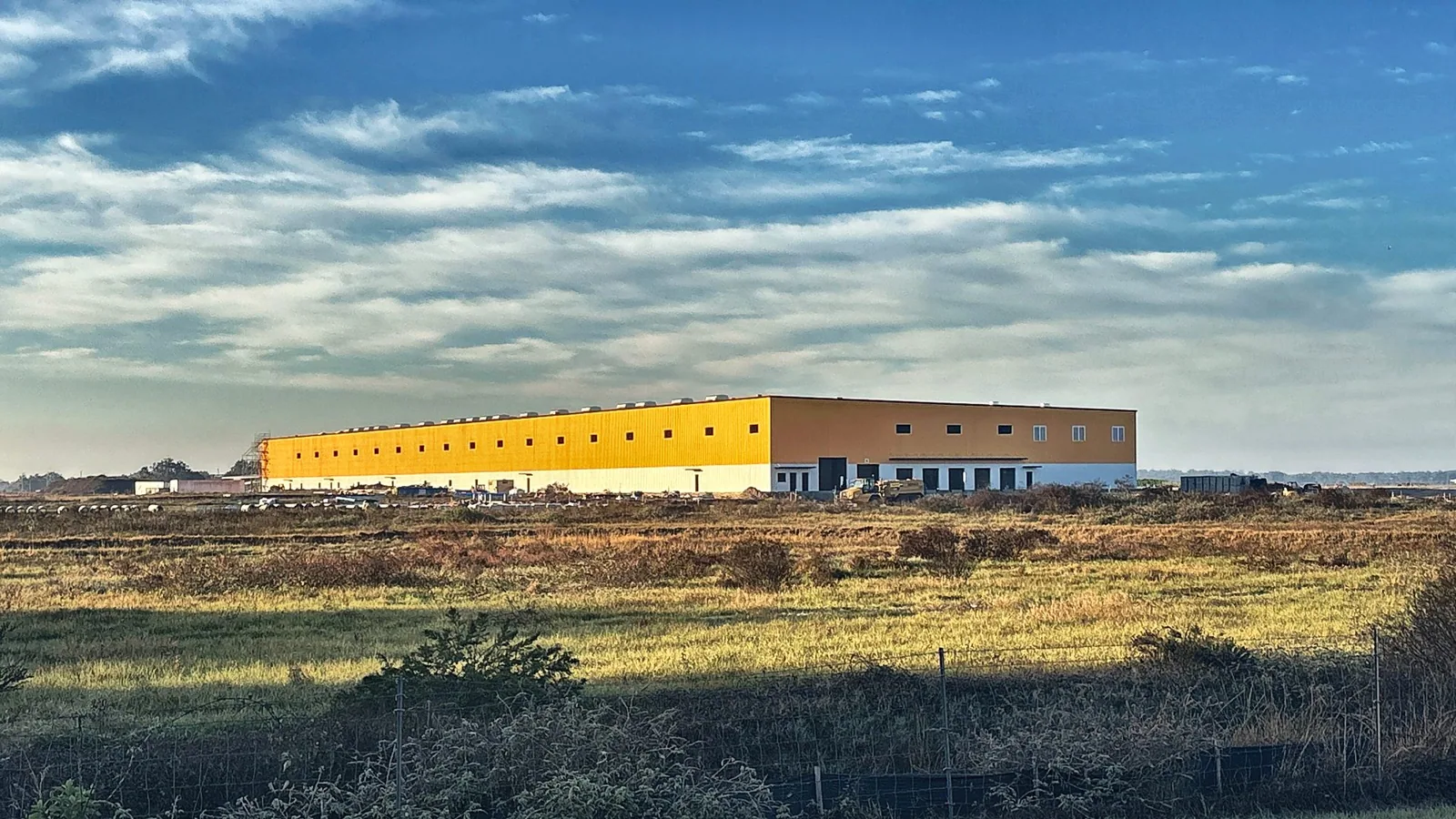
Manufacturing Plant Roofing
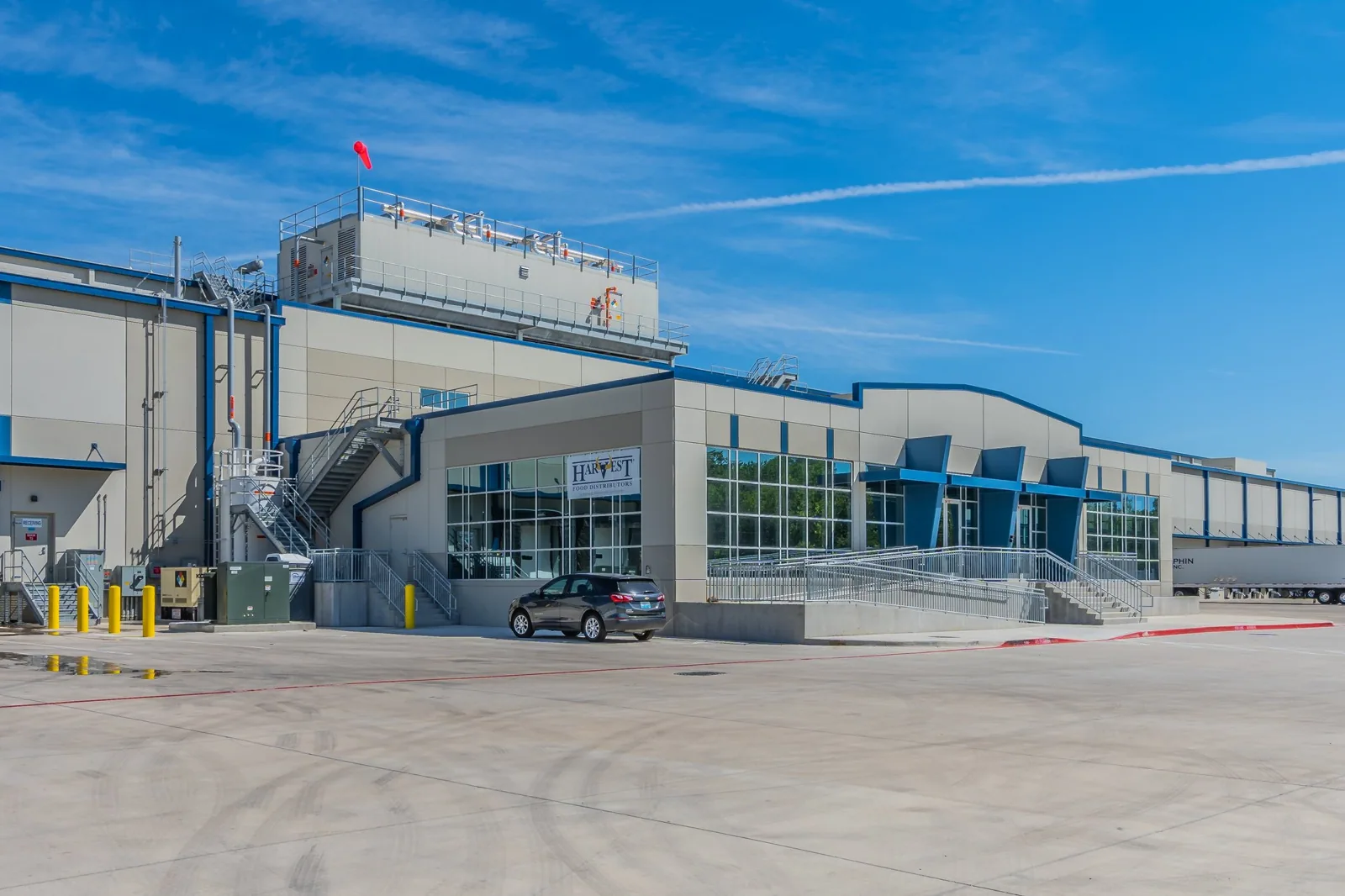
Cold Storage Roofing
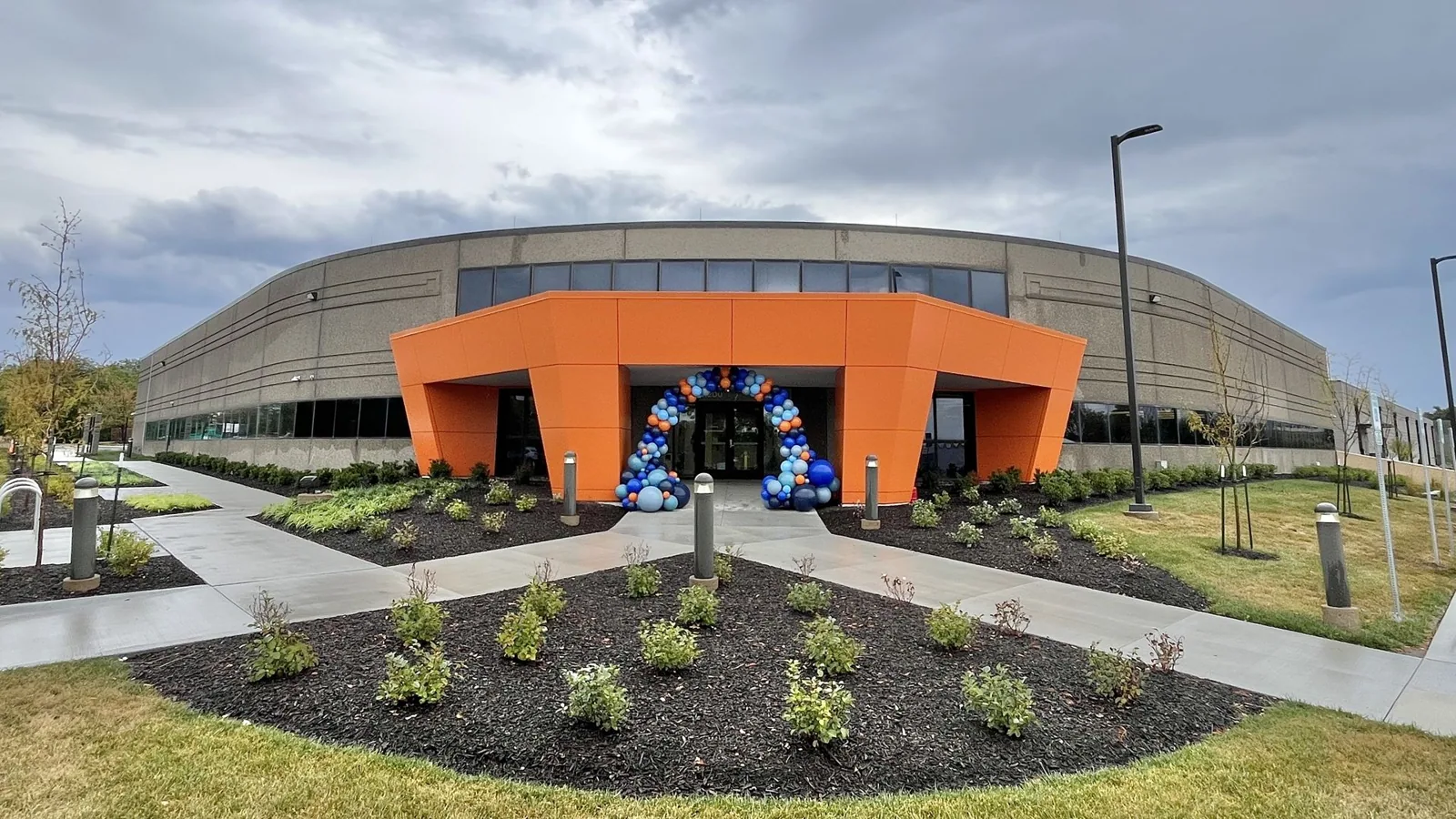
Data Center Roofing
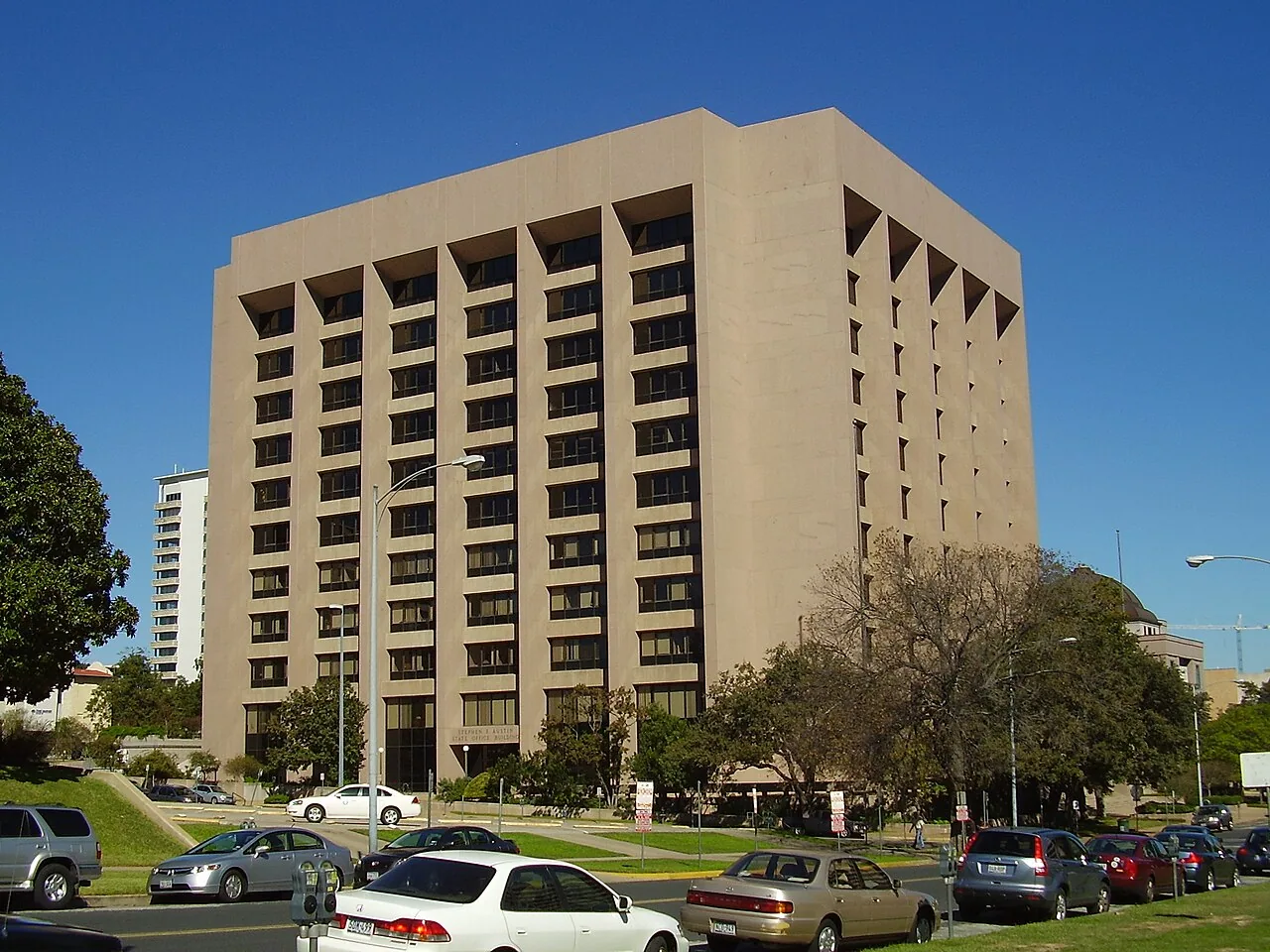
Office Building Roofing
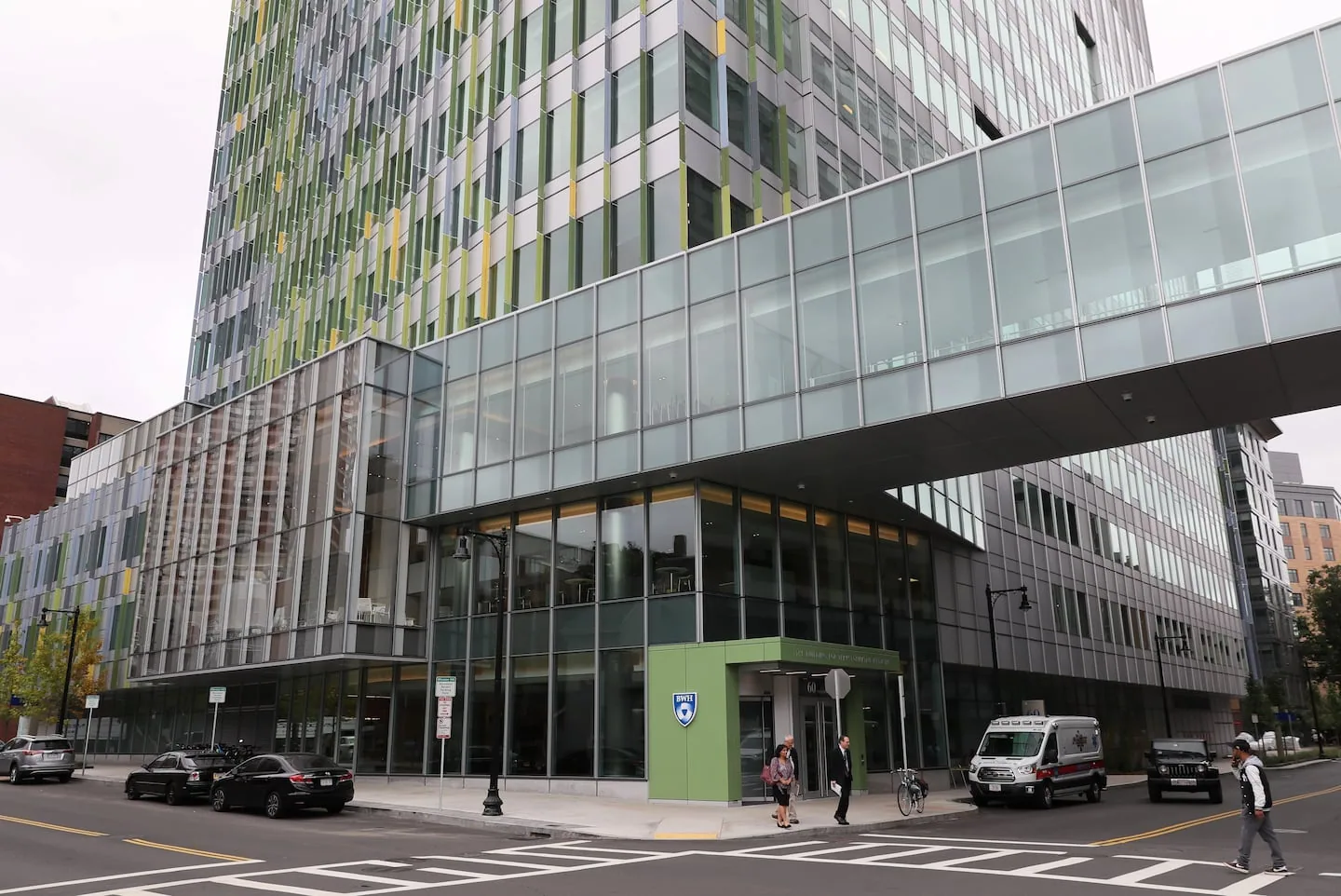
Medical Office Roofing
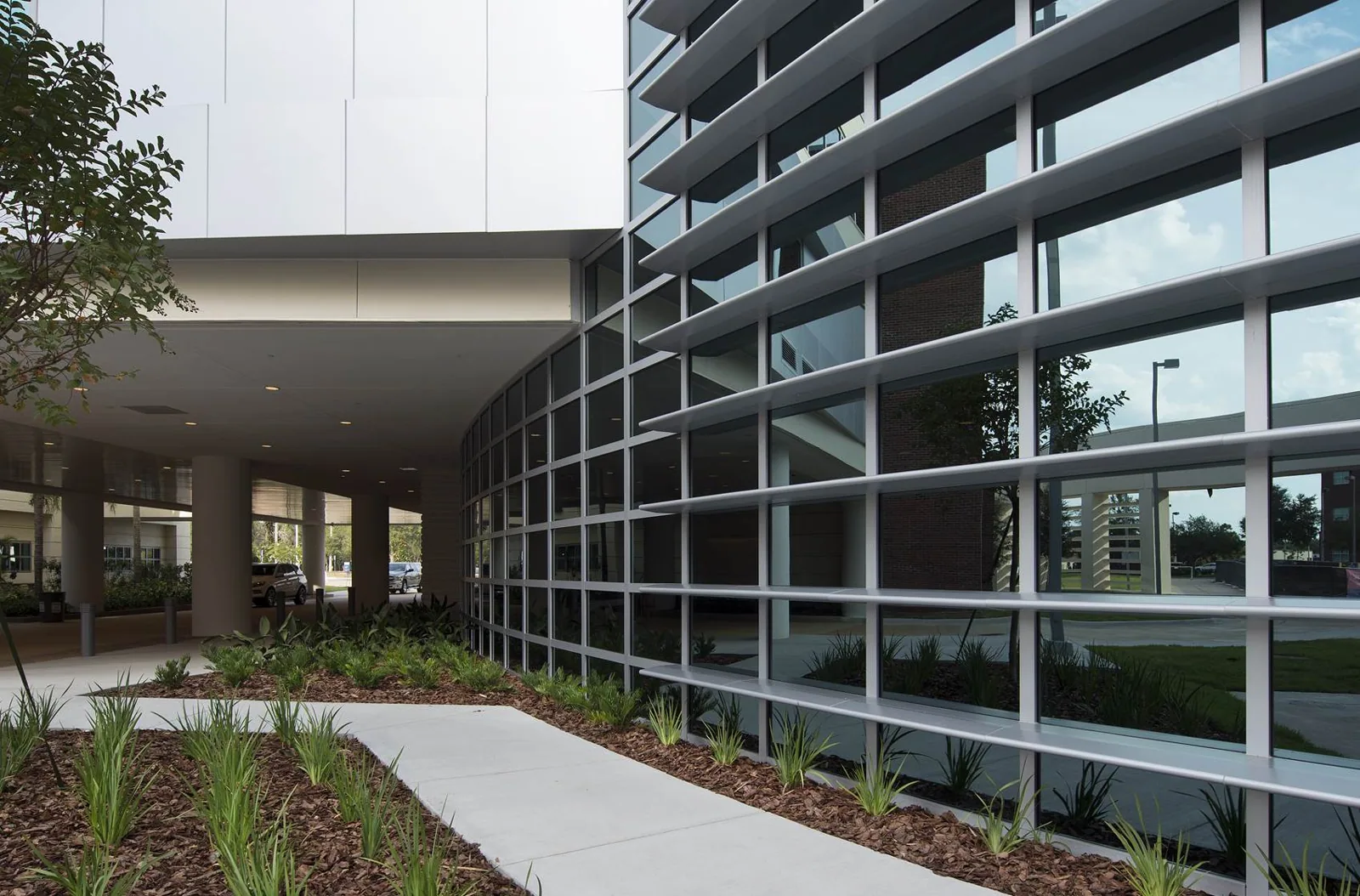
Hospital Roofing
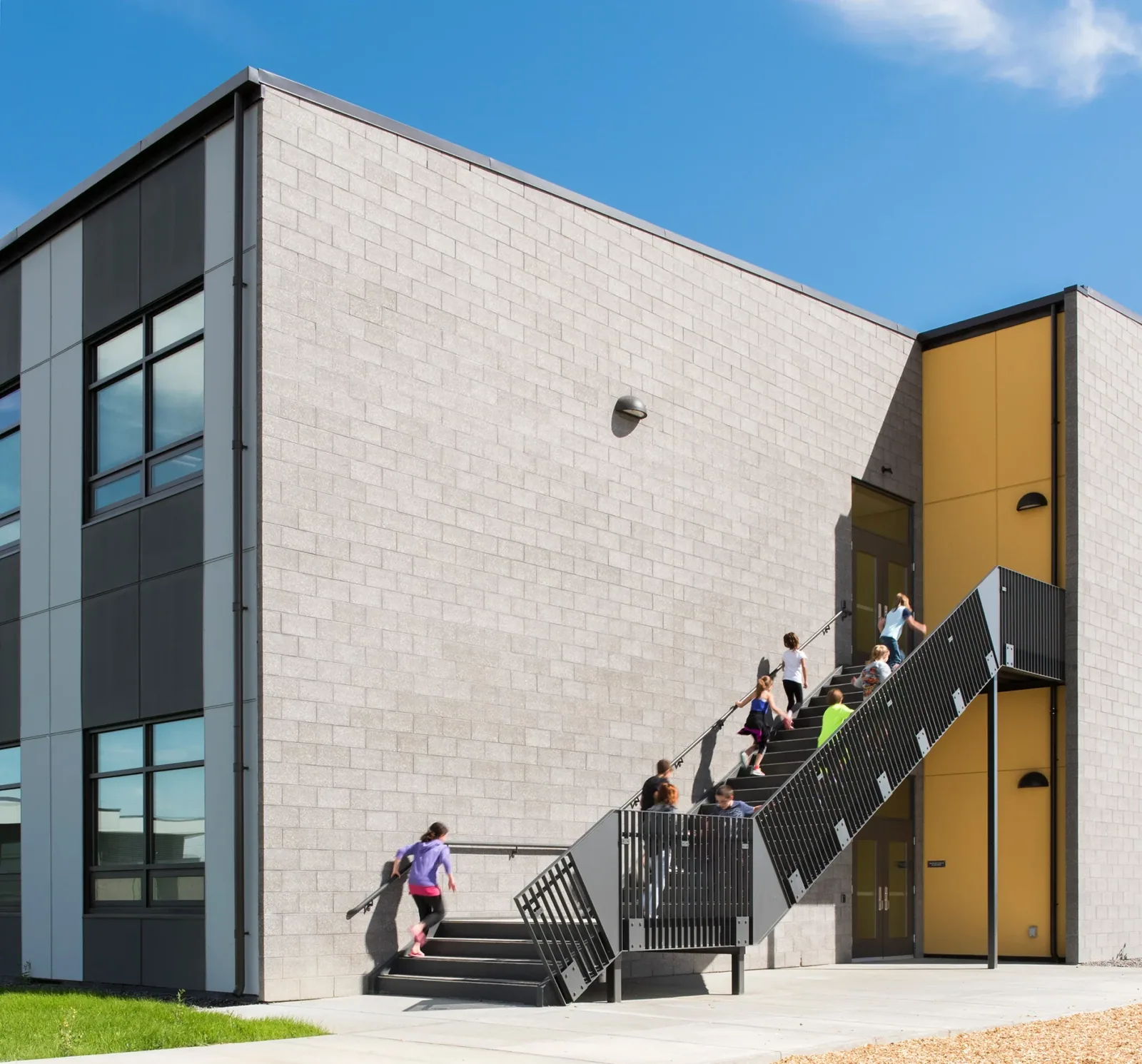
School Roofing
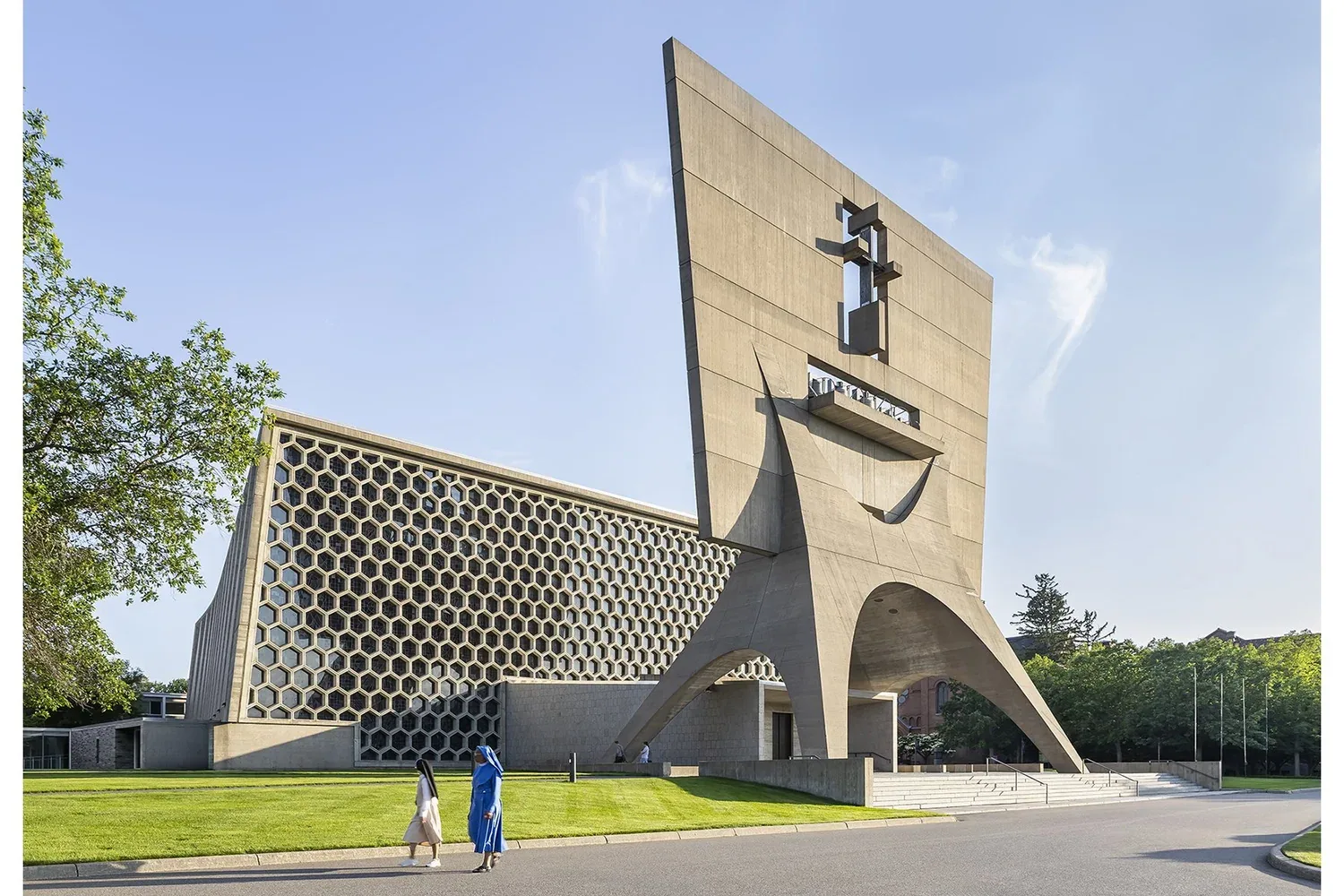
College and University Roofing
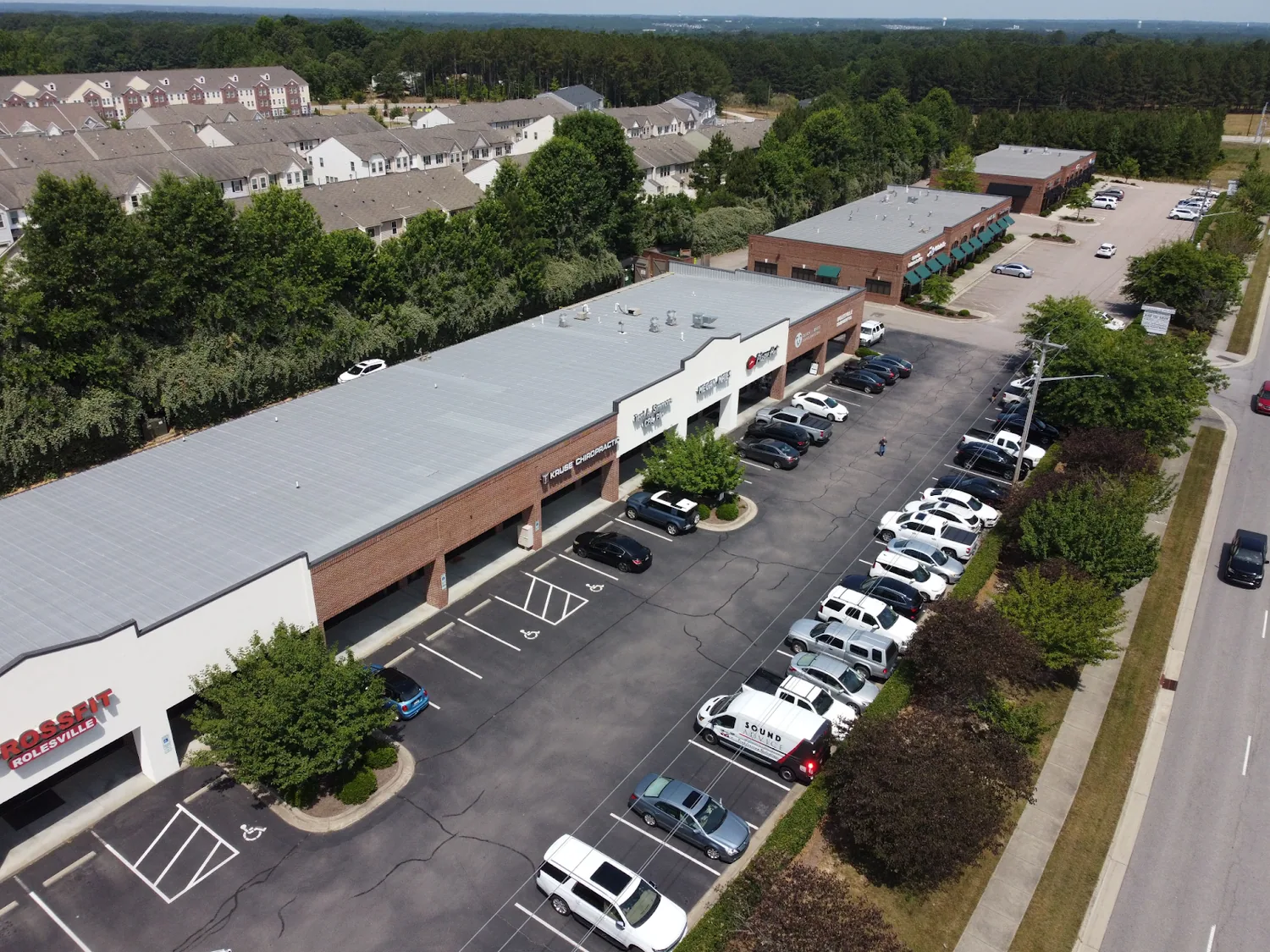
Shopping Center Roofing
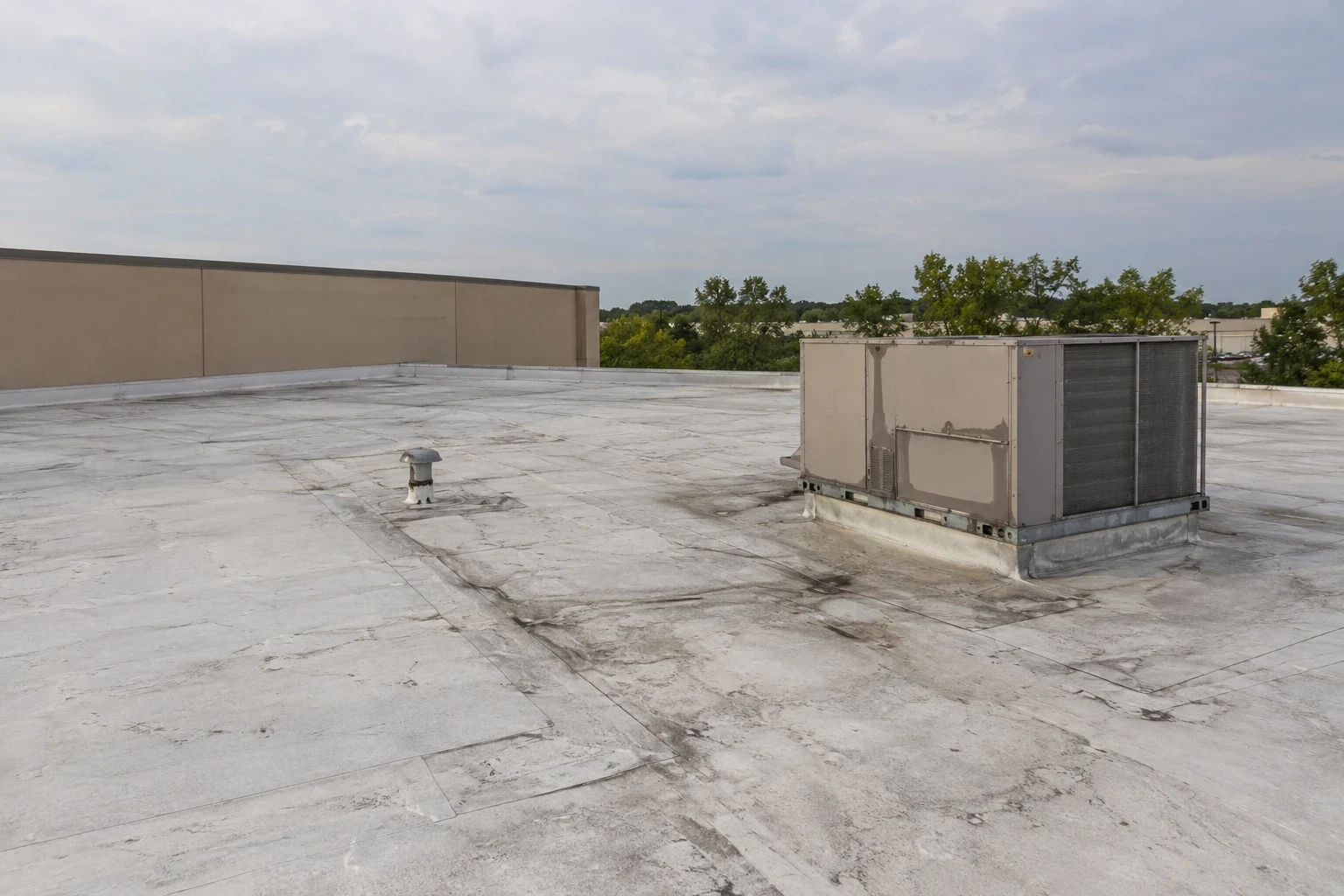
Big-Box Retail Roofing
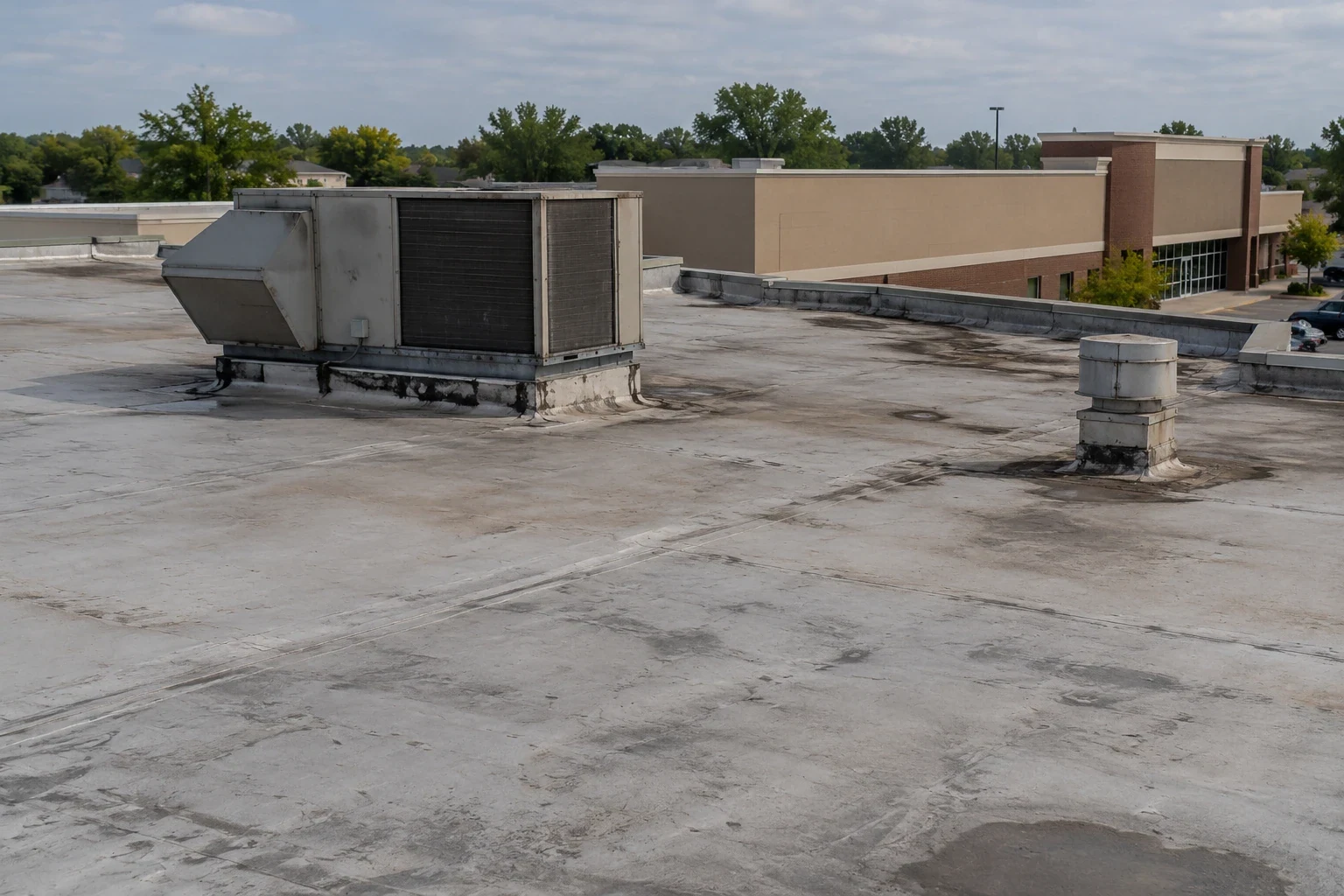
Grocery Store Roofing
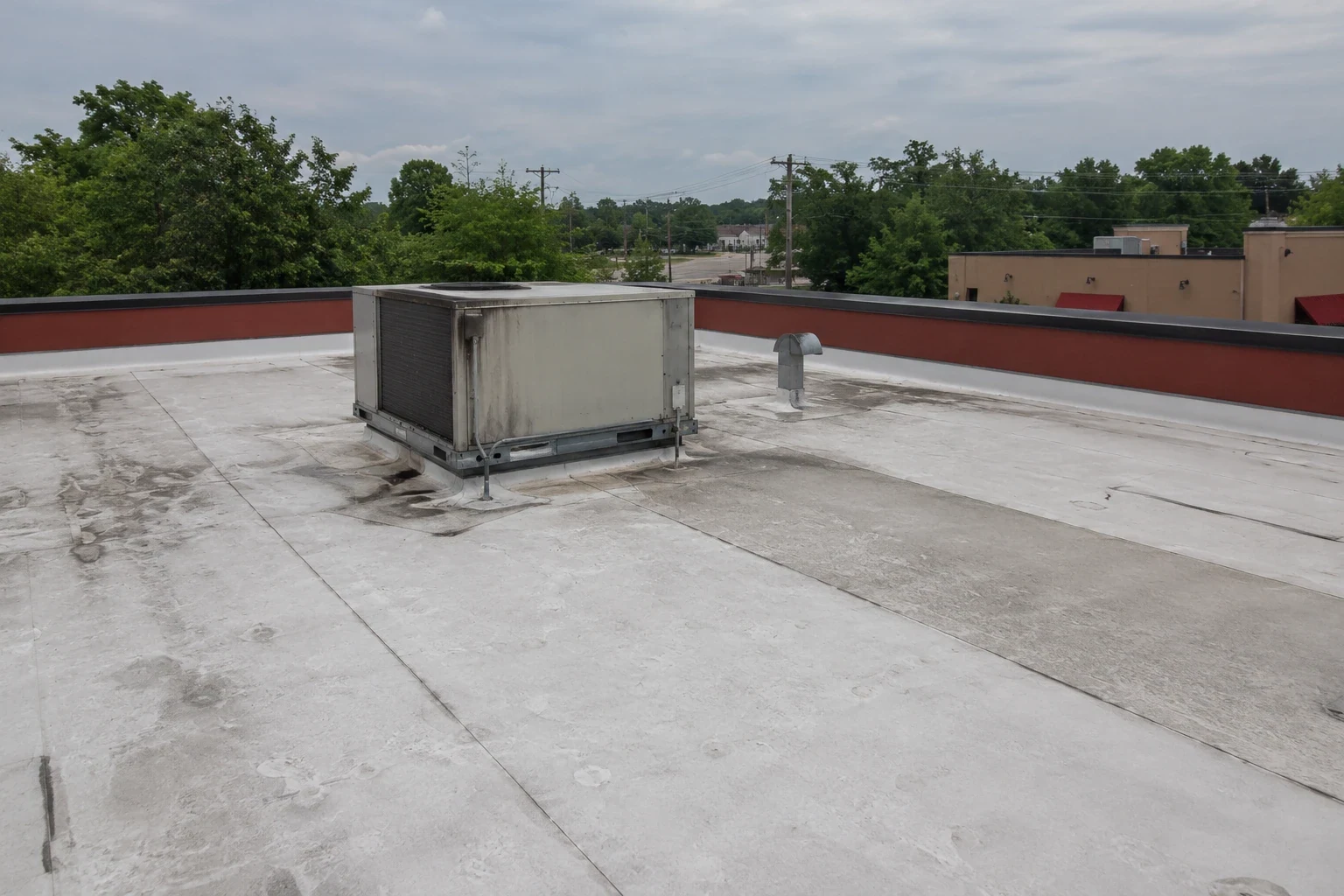
Restaurant Roofing
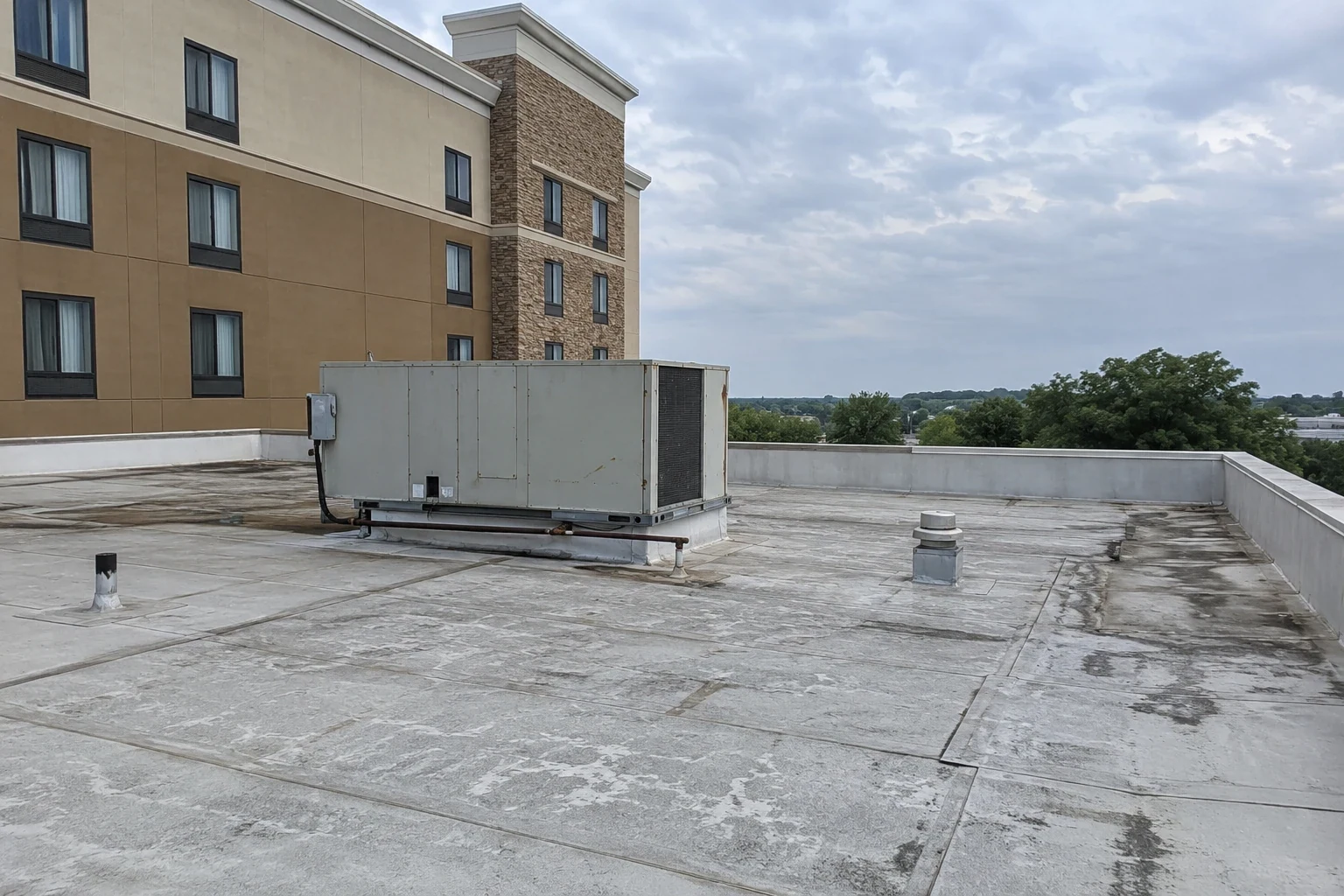
Hotel Roofing
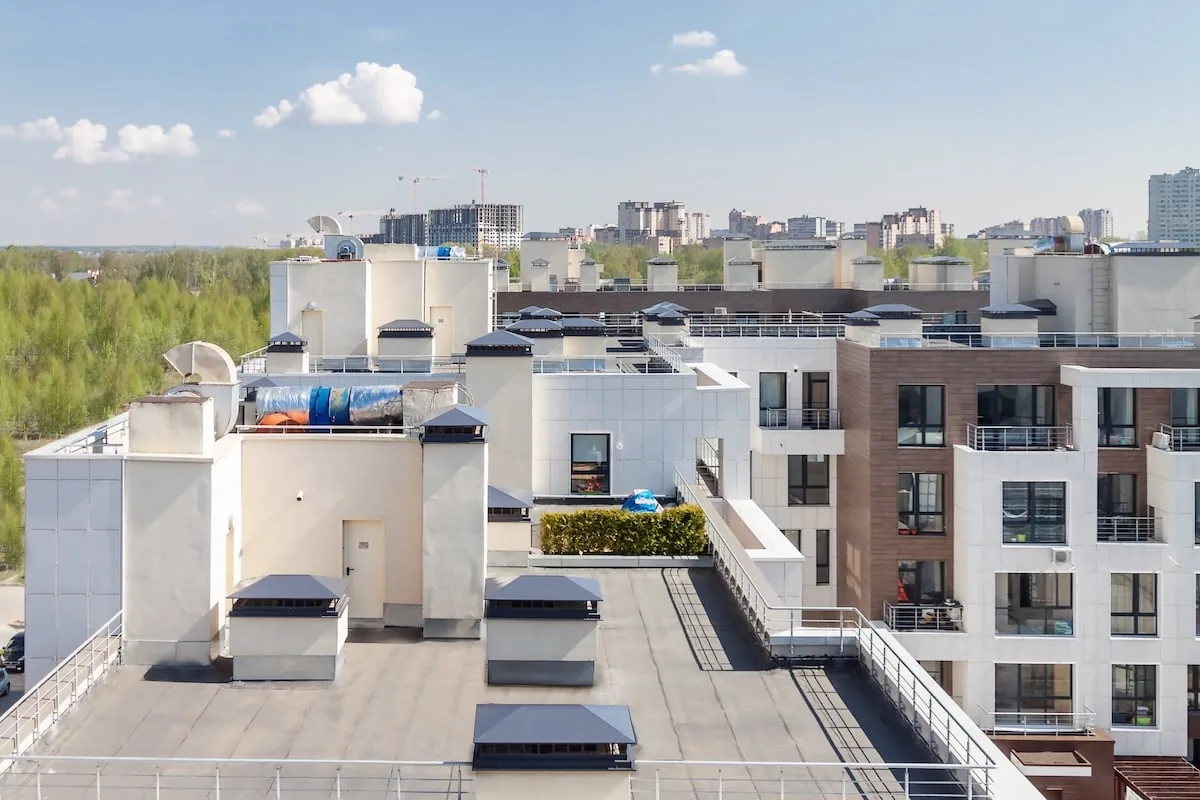
Apartment Roofing
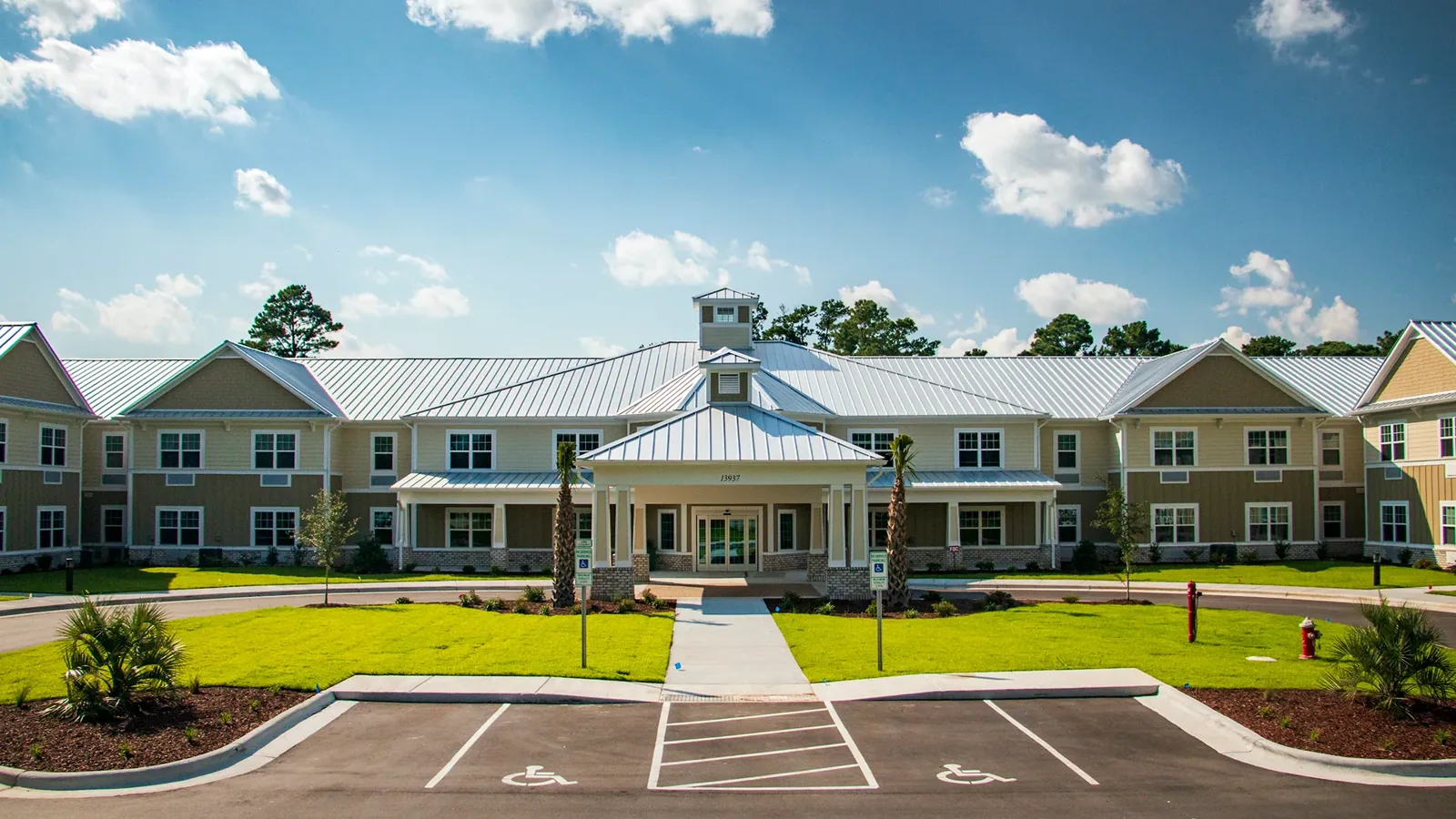
Senior Living Community Roofing
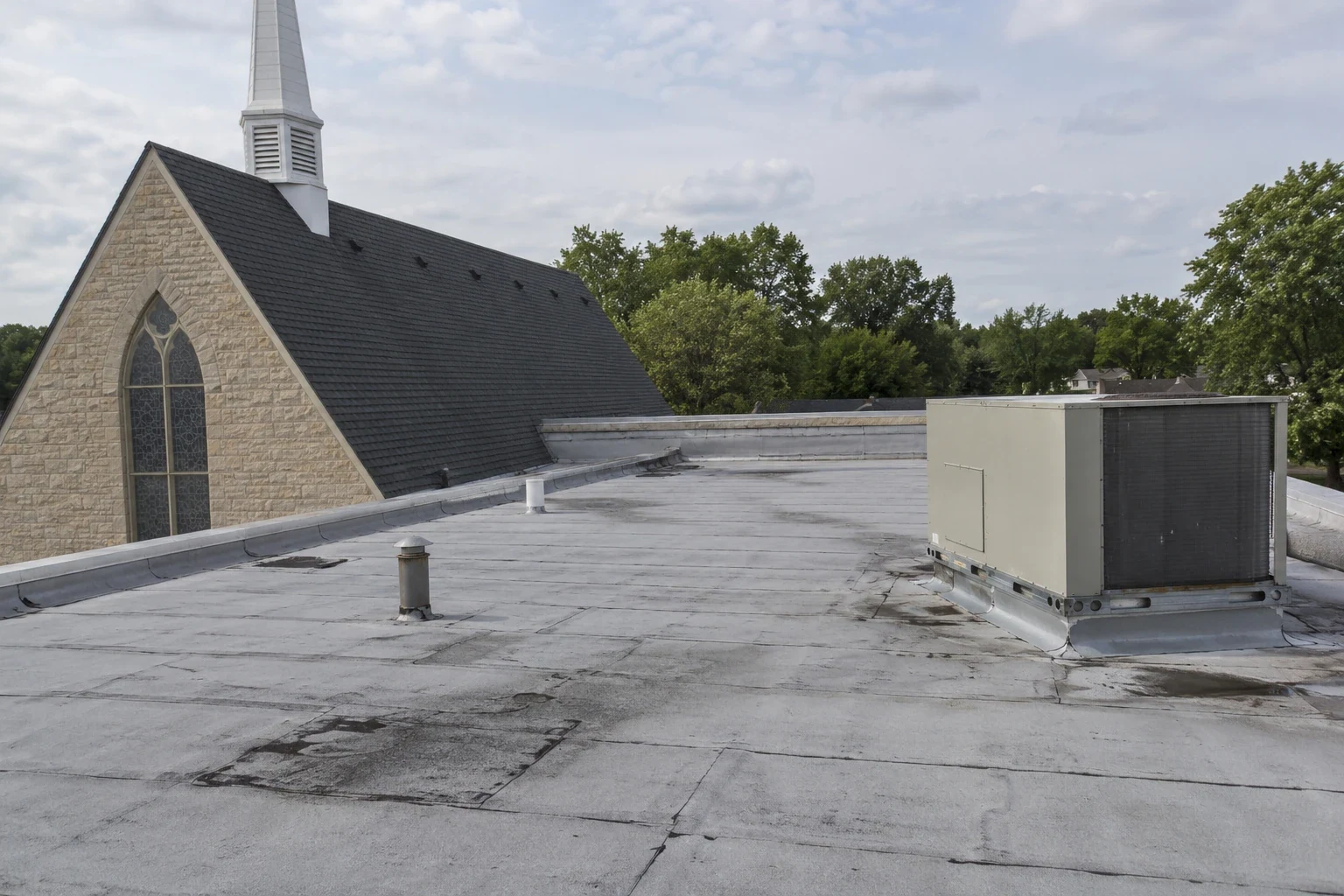
Church Roofing
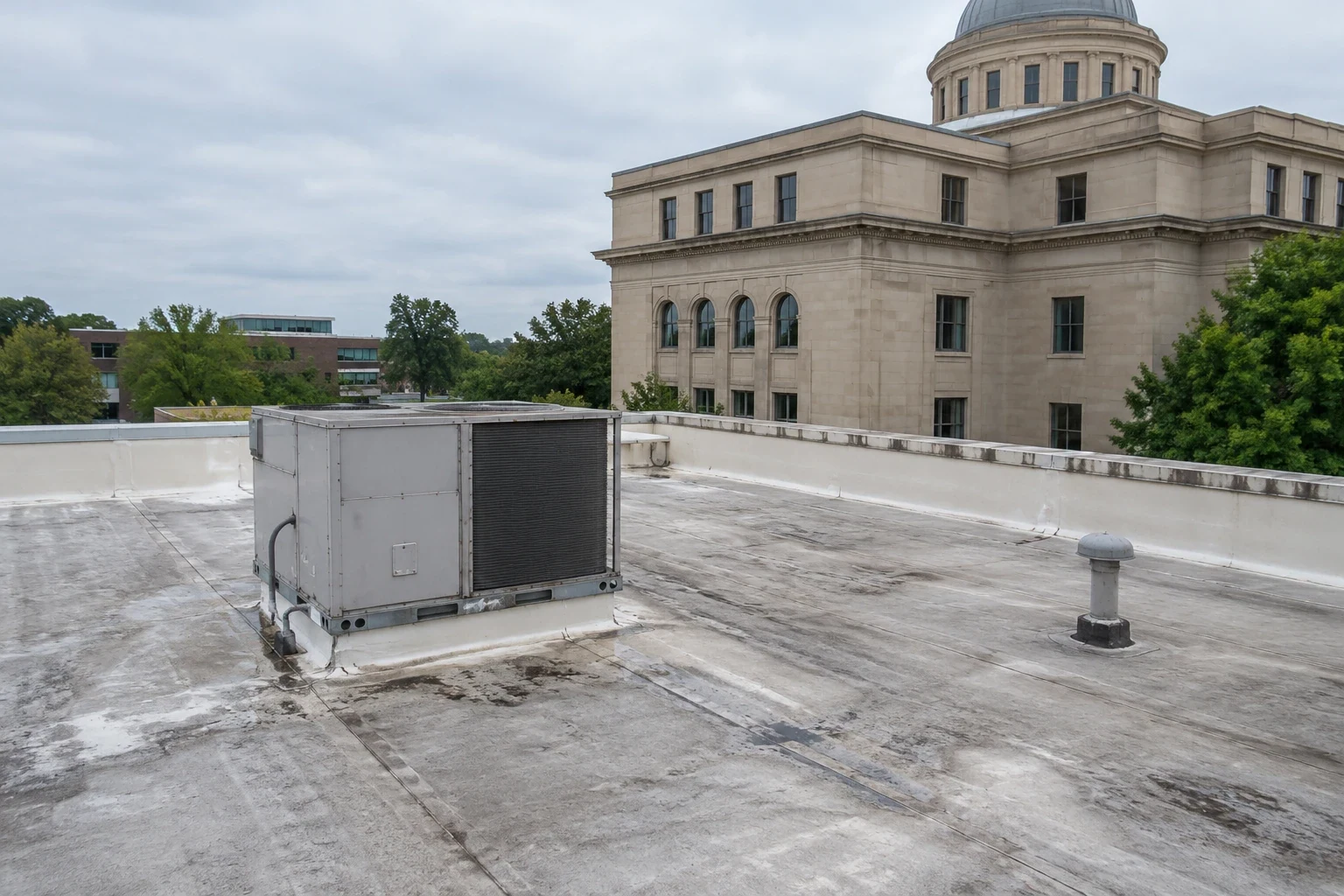
Government Building Roofing
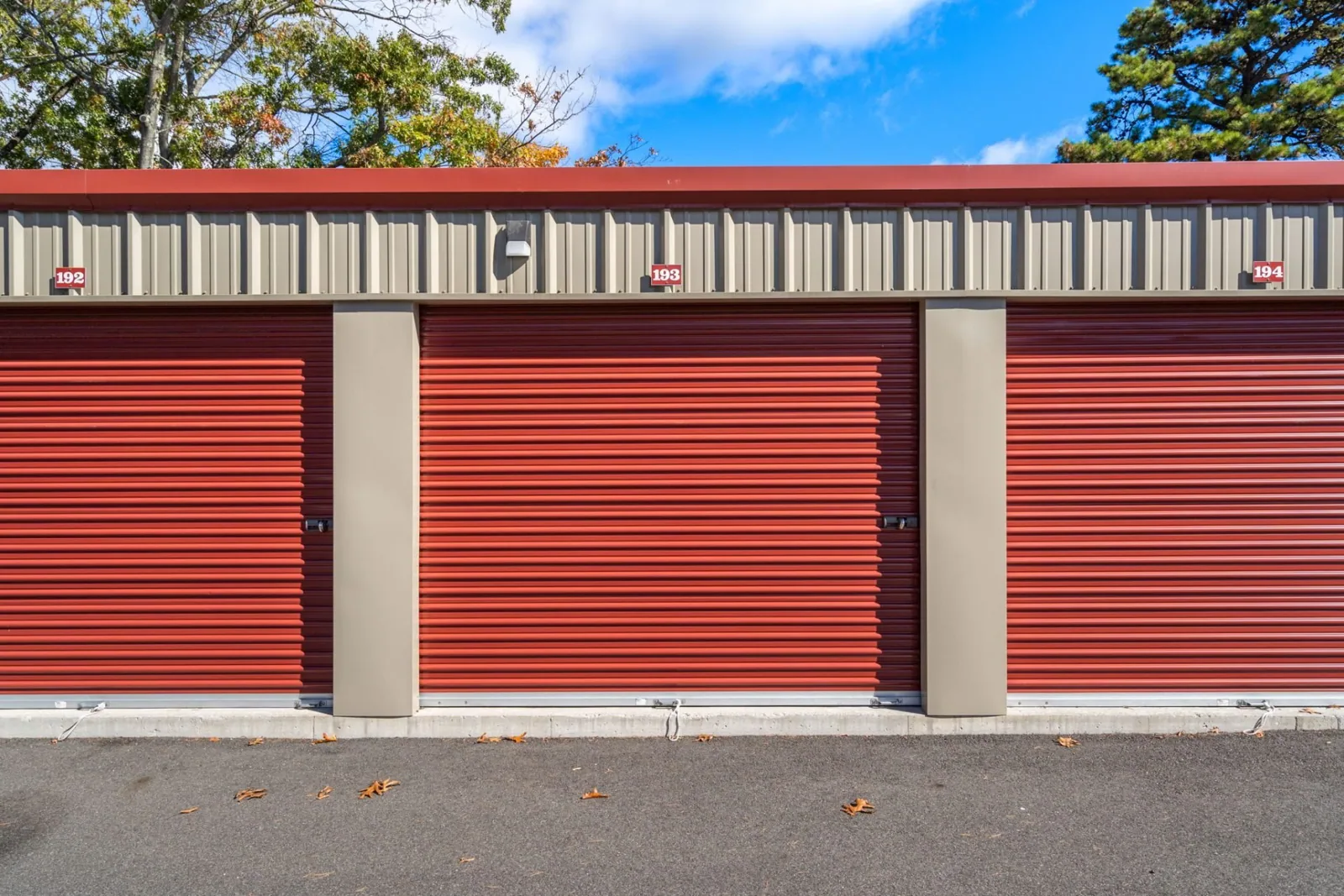
Self-Storage Facility Roofing
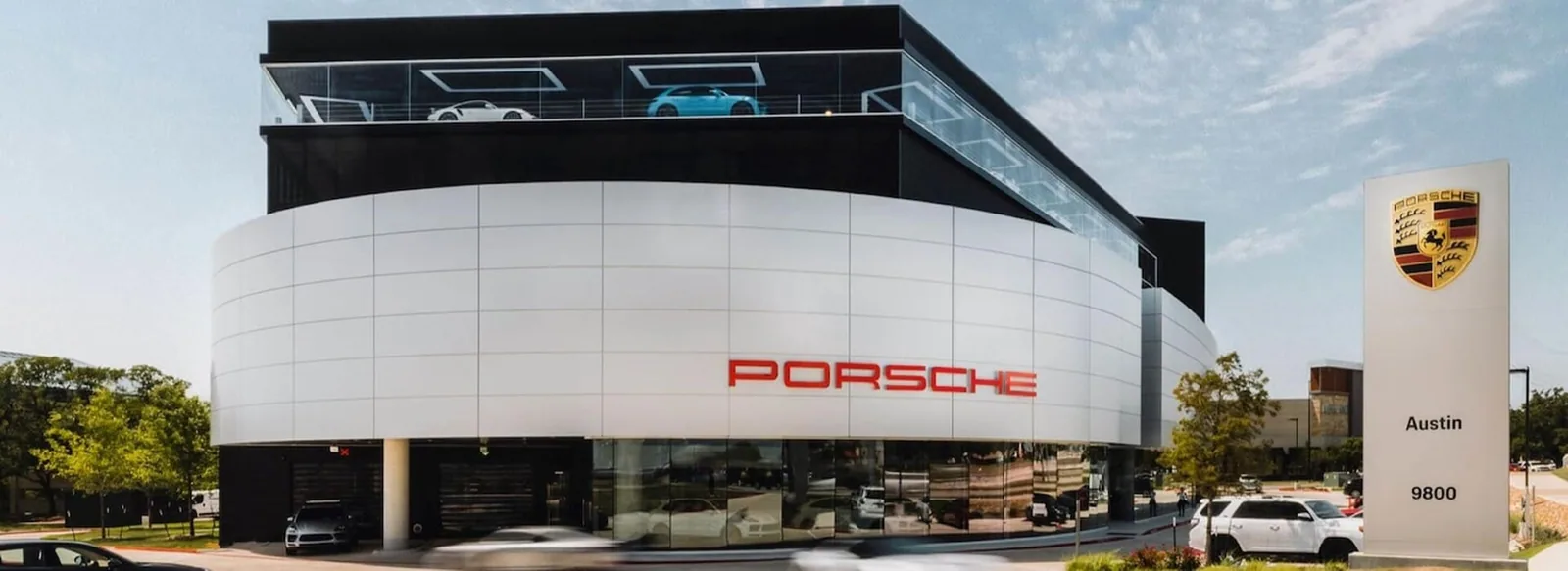
Auto Dealership Roofing
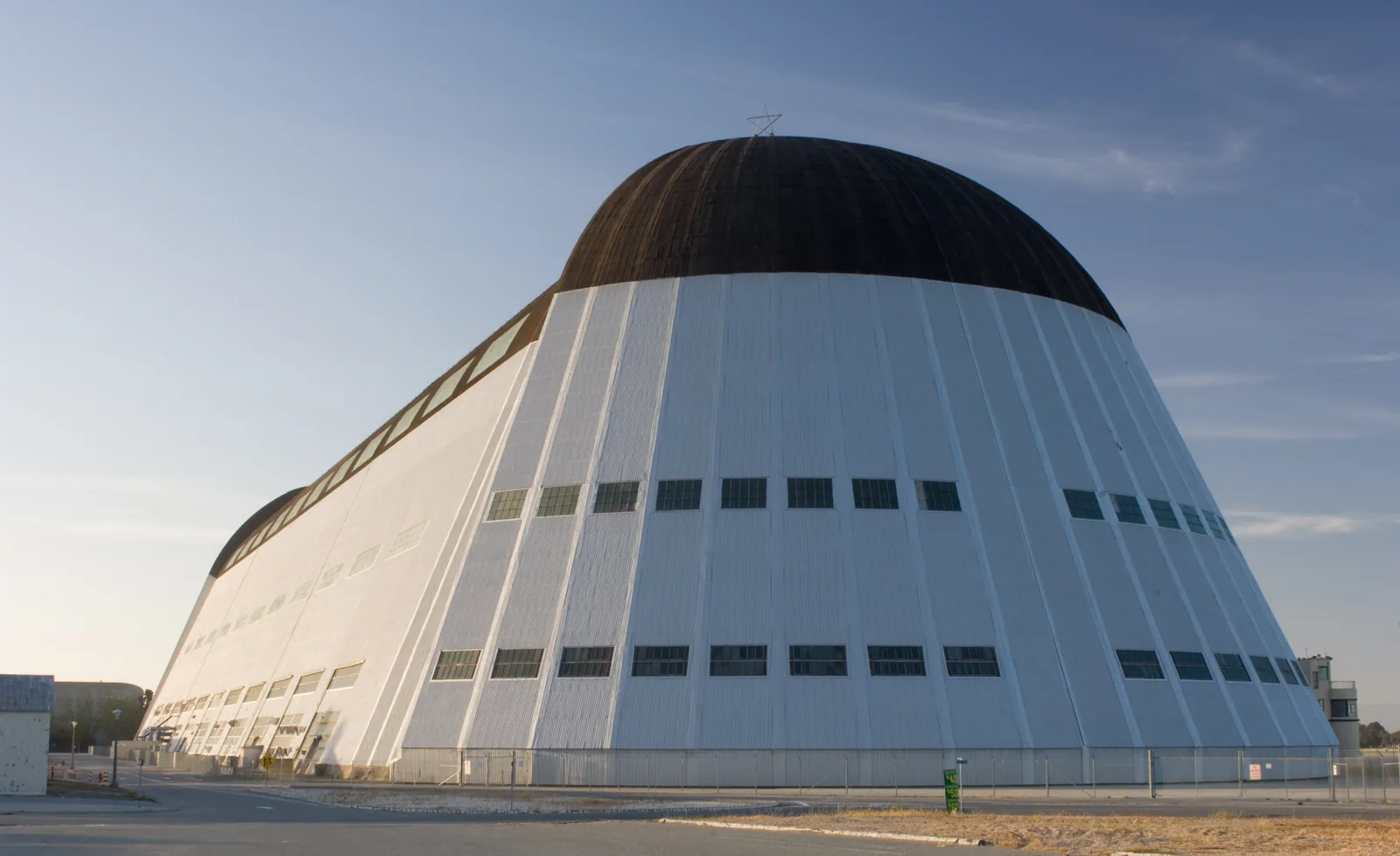
Aircraft Hangar Roofing
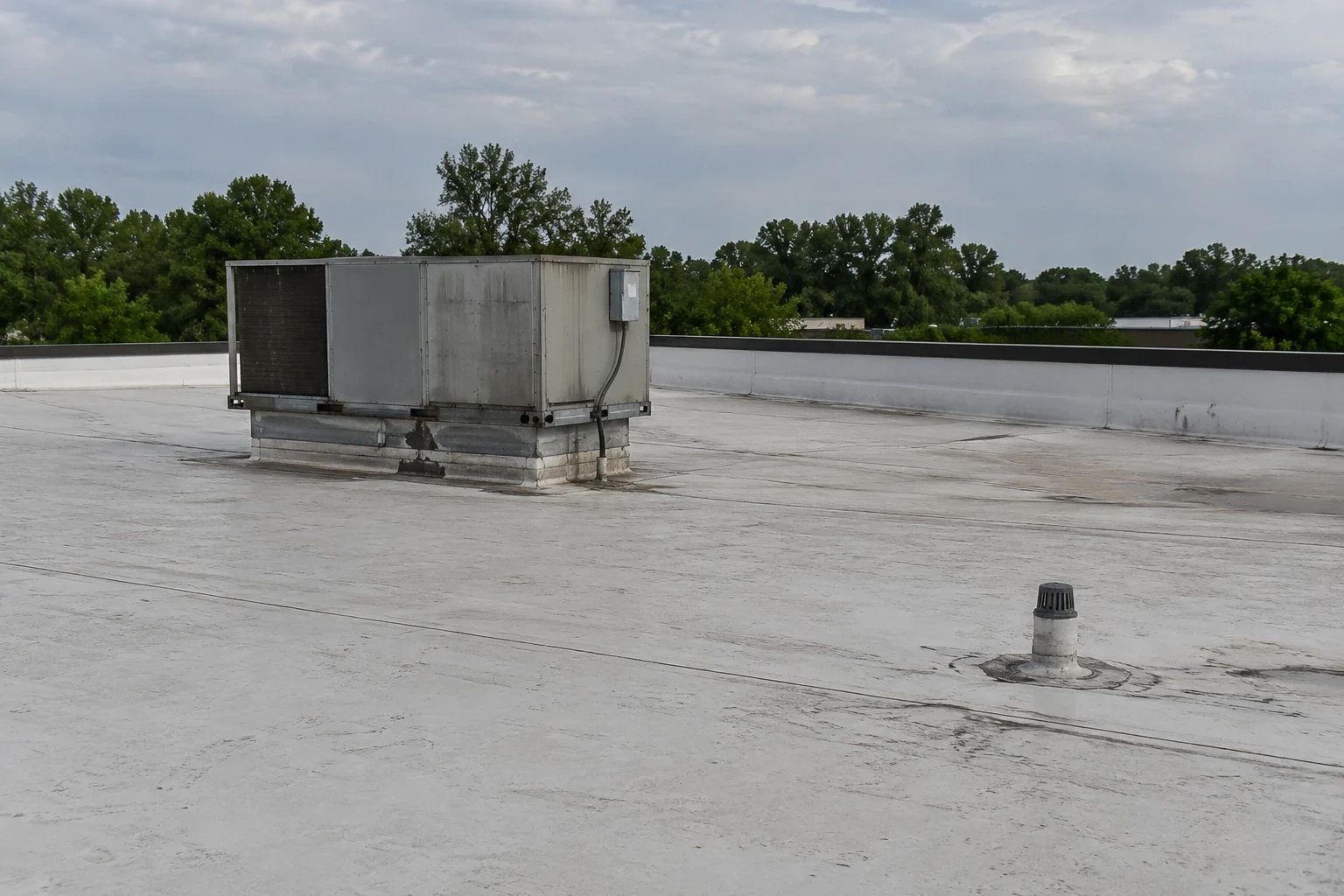
Flex Industrial Building Roofing
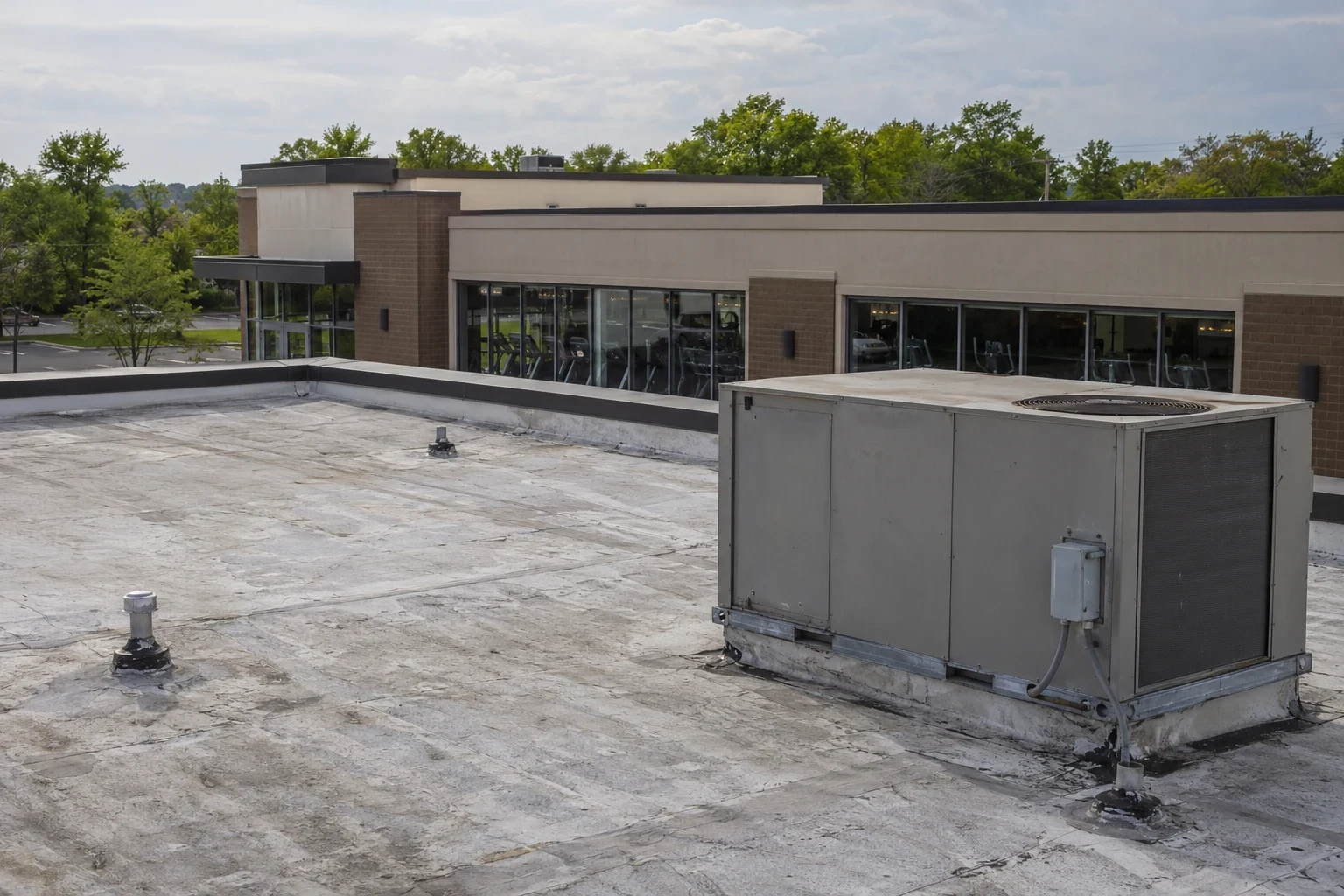
Fitness Center Roofing
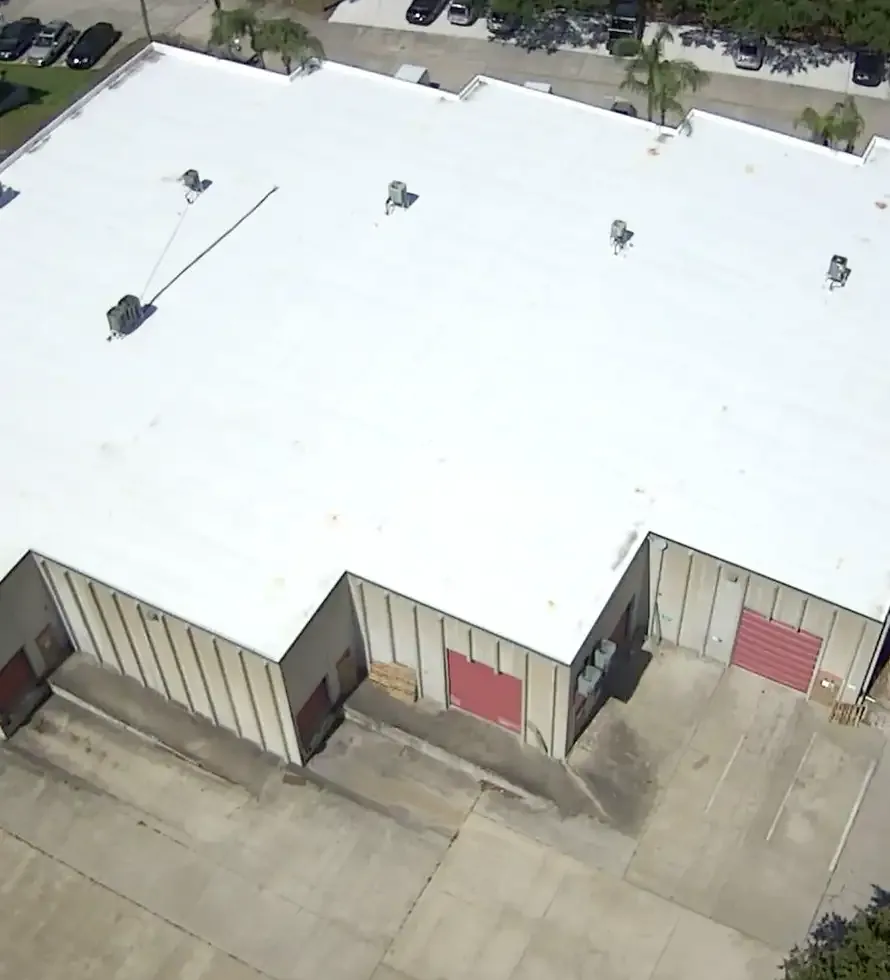
Army Installation Roofing
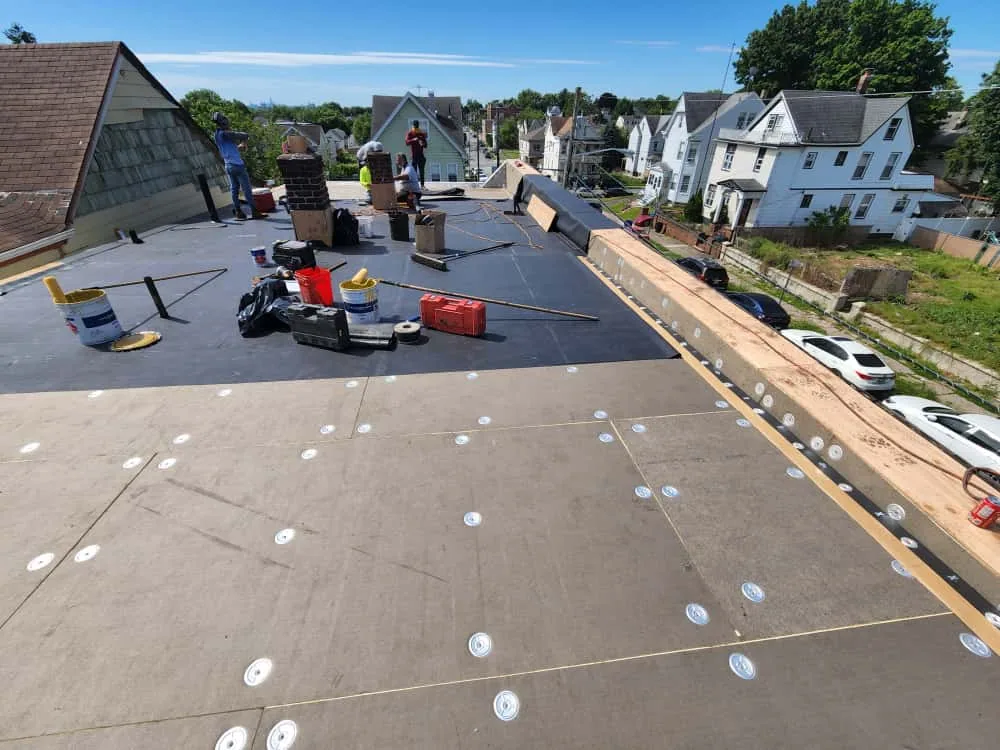
National Guard Armory Roofing
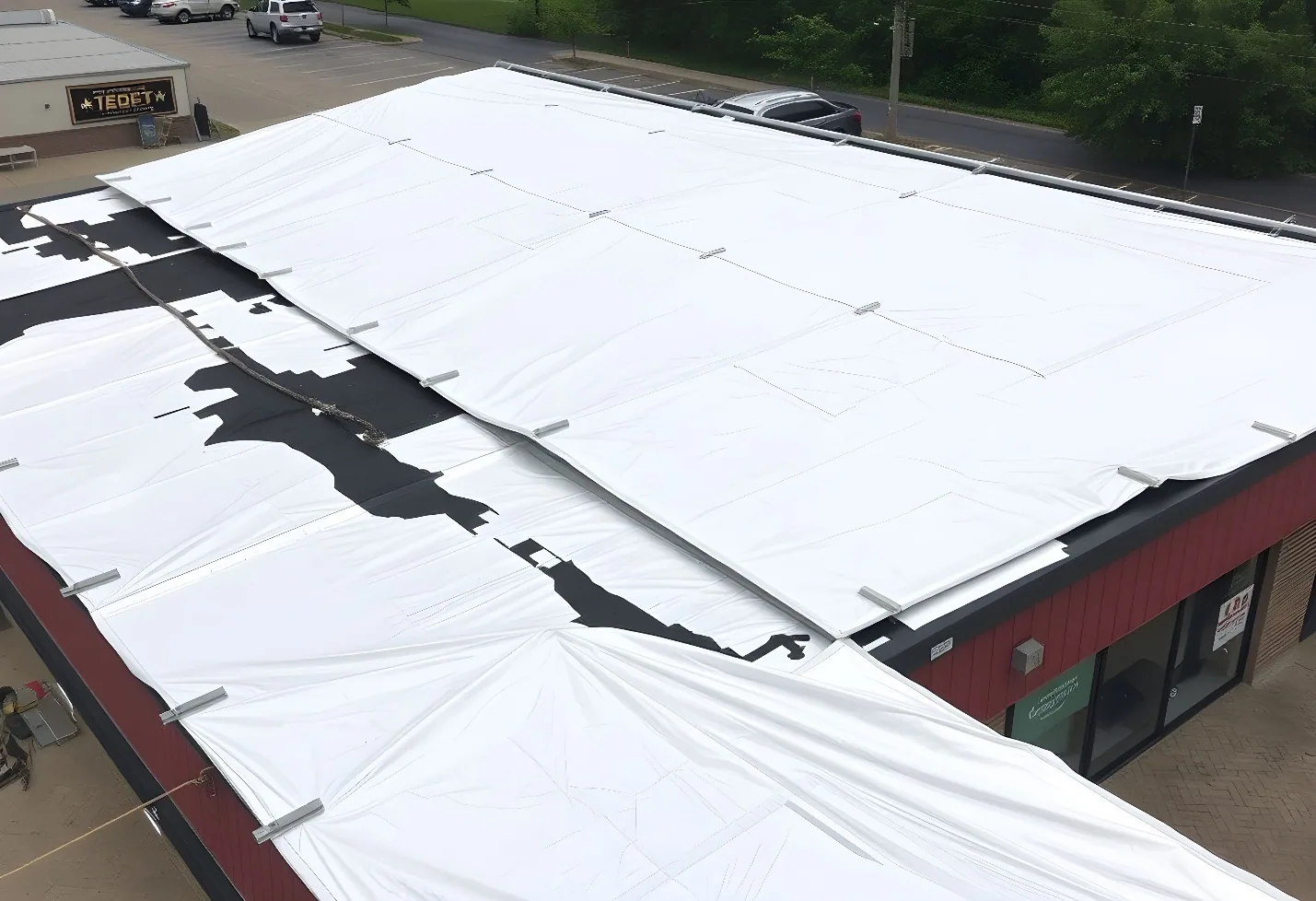
VA Medical Center Roofing
More Detail
Access window: warehouse and industrial roofs
Warehousing and storage are a growing part of the Metroplex economy. Roofs on warehouses, distribution centers and flex industrial buildings tend to be wide and low, so drainage, seams and dock-side flashings get the most attention during a walk. Rooftop equipment on these buildings is photographed with its curb and its penetrations, so a later leak can be traced to a dated condition instead of argued from memory.
Tenant coordination: office, retail and medical
Occupied space changes the schedule more than the roof does. On an office building or in a shopping center, deliveries, entrances and quiet hours set the work window. A medical office adds ceiling and infection-control limits that the plan must record before any tear-off begins. Retail owners also get a plan for rooftop units and signage supports, since those are the penetrations that most often need resealing after a few seasons of heat.
Decision file: institutional and residential roofs
Owners of schools, apartment communities and hotels usually need a capital plan as well as a repair. The condition record sorts roofs into repair now, monitor, and replace in a future budget, so a board or asset manager can compare them side by side.
Installation rules: military and public buildings
Army Reserve centers, Texas Military Department sites and a VA medical center serve the Dallas-Fort Worth area. Army installation roofing, armory roofing and VA medical center roofing follow base access, escort and scheduling rules, and are built to the Unified Facilities Criteria for roofing.
Commercial Roofing Questions
Which building type is hardest to schedule?
Occupied medical and hospitality buildings, because ceilings, noise and guest or patient flow narrow the usable hours. The access log records each approval.
Do apartment roofs need a different approach?
Pitched and low-slope sections often sit on the same property, so the plan separates the two. Residents are notified of work dates and parking limits ahead of mobilization.
How does a flex building differ from a warehouse?
Flex buildings mix office and storage under one roof line, so rooftop units and drainage details are usually more varied. We map each roof zone before pricing.
What does a multi-building owner receive?
A single condition record per roof with a ranking across properties, so repair and replacement dates can be set against one capital calendar.
Send the property list for review
Tell us the building types, the access limits and any recent storm dates. We return a dated condition record with photographs, findings and recommended next steps.
