
Commercial Roofing in Carrollton, TX
Home // Service Areas //
Overview
Carrollton in Lewisville
Industrial roofs in Carrollton are usually judged by the building underneath them, so the first record we build for a property names what sits below each roof zone: dock offices, racking aisles, a manufacturing bay, a tenant suite with a lease clause about water. Carrollton's comprehensive plan sets out three industrial settings (Valwood, Frankford Trade Center and the East Belt Line Road area), while a separate Downtown Master Plan steers historic-district revitalization and mixed-use redevelopment. Those are different kinds of roof work. We treat each as its own inspection problem, and owners here get the same method we use across Lewisville, TX: findings written down before anyone talks about repair.
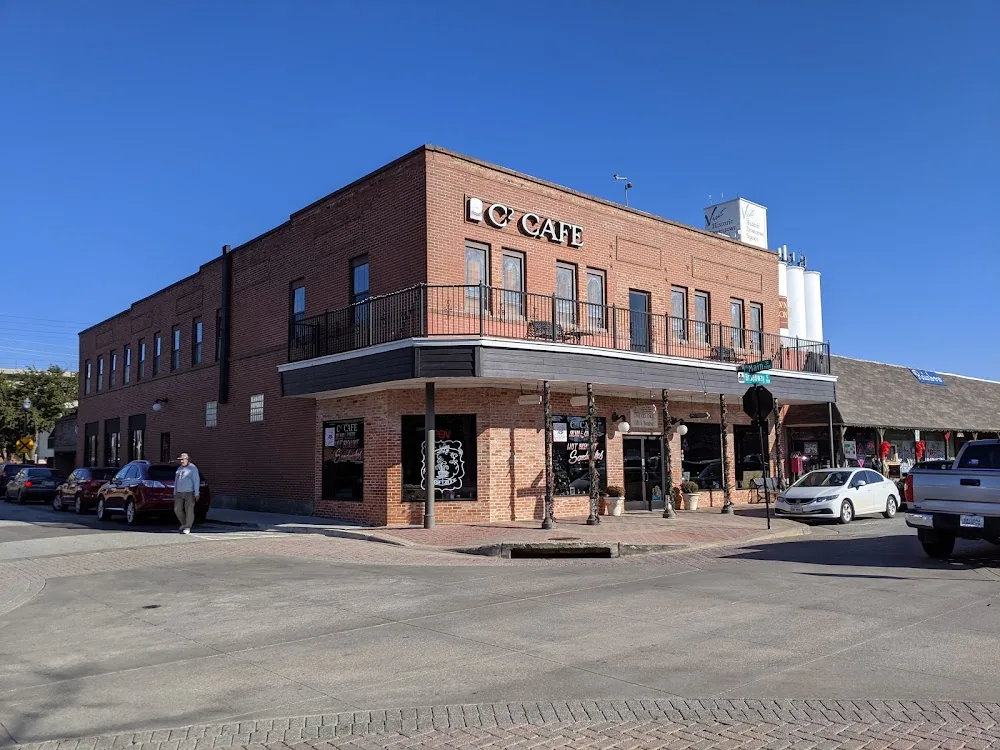
Industrial parks: sequence the inspection by operation
A park building has more than one operating condition on its roof. A distribution bay may run trucks from dawn to dark, a light-assembly suite may only need quiet in the early morning, and a storage tenant may care mostly that the dock doors stay clear. Before we go up, we ask for the access log, the last roof plan and any service tickets, then plan the inspection pass so the busiest zones are scanned when they are least disturbed.
On the roof, the pass is repetitive on purpose. We photograph the full zone from a fixed point, then the drains, the curbs, the seam runs and the edge metal, and we log each finding with a location and a note on the next test. The result is a condition record a facilities manager can hand to a landlord or an asset manager without rewriting it.
When a large industrial building has several tenants under one roof, the record is cut by tenant space, so a leak above one suite does not turn into a dispute about the whole roof. Our warehouse roofing and flex industrial roofing work follow the same method.
Weather record: what a regional report can and cannot establish
The Weather Service gives the Dallas-Fort Worth region hot summers and severe storms in spring and fall, and counts hail, high wind, flood and tornado events among its annual hazards. Any single address can miss all of them in a given year. For a Carrollton owner, that means a storm report is a reason to inspect, and it does not describe the condition of a particular roof.
The inspection answers the building-specific questions. Are there fresh impact marks on the membrane or the metal? Do soft spots follow the dents? Does a moisture reading show water in the insulation under the marked area? Our hail damage review pairs photographs with readings so the claim file and the repair scope rely on the same evidence.
Moisture readings: finding water that has not shown yet
Many large flat roofs hold wet insulation for months before a ceiling stain appears. The deck, the insulation and the membrane form a sandwich that spreads water sideways, and a visible leak can sit far from the entry point. An infrared moisture survey, run when the roof has warmed in the afternoon sun and begun to cool, maps the wet zones, and a core cut or probe confirms the reading at selected points.
For a building in a Carrollton industrial park, the map separates a drain-related problem from a membrane problem. A wet zone around a drain suggests a clamp ring, a bowl or a slope issue. A wet band along a seam suggests a failed lap. The repair boundary follows the wet area, and the map lets a manager show a landlord or an insurer why that boundary was drawn.
Timing for the survey matters in this climate. A scan right after a rain can show surface water in place of trapped moisture, so we choose a dry day with a warm afternoon, and we record the weather, the time and the surface condition beside the images. Without that note, a reader months later cannot tell how much weight the image deserves.
Downtown Carrollton: older buildings, mixed-use change
The Downtown Master Plan points to historic-district revitalization and mixed-use redevelopment, which means a roof may be asked to serve a new tenant long before it is ready to be replaced. We do not assume the age, the construction or the roof type of any downtown building. We read the building: layers at a core cut, flashing at parapets, drains and scuppers, and the way water leaves the roof.
Where a historic facade controls what can be altered, the roof work stays behind the parapet and out of view, and the record shows how access was arranged. Where a space is changing use, we look at rooftop equipment the new tenant will add, since new units mean new penetrations. A commercial roof inspection before a tenant improvement helps set a roof budget alongside the interior budget.
Summer load: what the heat does to the details
Airport normals for DFW put July and August afternoons close to 96 degrees and count roughly twenty triple-digit days in an average year. A dark membrane in that sun runs much hotter than the air, and the daily swing works at laps, sealants and pipe boots. We check the details that move first: termination bars, sealant beads, rubber boots and the corners of curbs.
If those details show hardening or gaps, a repair before storm season costs far less than a leak during one. The dated findings go into the decision file, so the next summer's walk can compare the same spots.
Roof color and reflectivity enter the discussion at replacement time. A lighter surface lowers the heat the roof absorbs, and for owners who pay the cooling bill it can matter. The first question remains condition: a reflective coating over a membrane with wet insulation only hides the problem, so the readings come first and the surface choice second.
Closeout packet: what the owner keeps
After any repair, the owner receives a short packet: before and after photographs in sequence, the moisture readings, a plan marking each repaired area, the materials used and any open items with a recommended date. When the work touches a warranty roof, the packet notes the steps that preserve coverage. Owners with buildings in Coppell and Farmers Branch receive the same packet, so a portfolio stays comparable.
Open items matter as much as completed work. A packet that lists a drain to monitor, a seam to re-probe after the next storm and a date for the follow-up visit lets the property manager plan, and it gives the next contractor a place to start.
Commercial Roofing Questions
What should a Carrollton industrial owner have ready for a roof inspection?
The last roof plan, service tickets and any warranty papers. Roof access details for each tenant space matter too, so the inspection pass fits around operations.
Can an inspection prove that a storm caused a leak?
It can show what the roof looks like and where water is present. Dated photographs and moisture readings give an adjuster evidence to weigh against the storm report.
Is a repair or a recover better on an aging industrial roof?
The moisture map settles that. A dry, sound insulation layer opens the door to a recover. Wide wet zones point to tear-off.
How are multi-tenant roofs documented?
The record is split by tenant space, with each zone photographed and logged. That keeps maintenance responsibility clear between landlord and tenants.
Does the downtown historic district limit roof work?
City review may apply to visible changes. Work behind a parapet usually stays out of view, and the record notes any approvals the owner needs.
Related
Related Roofing Work
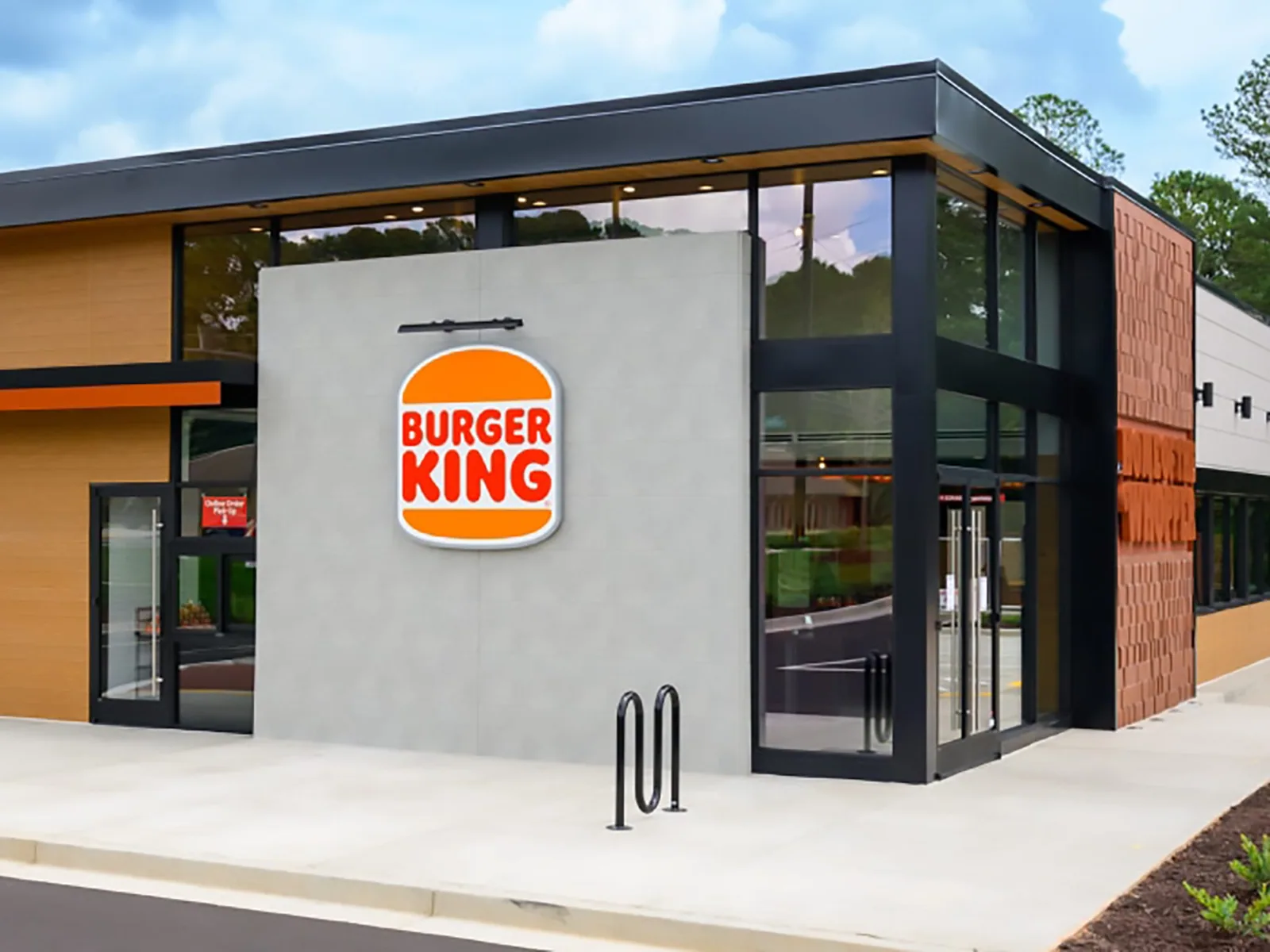
Warehouse Roofing
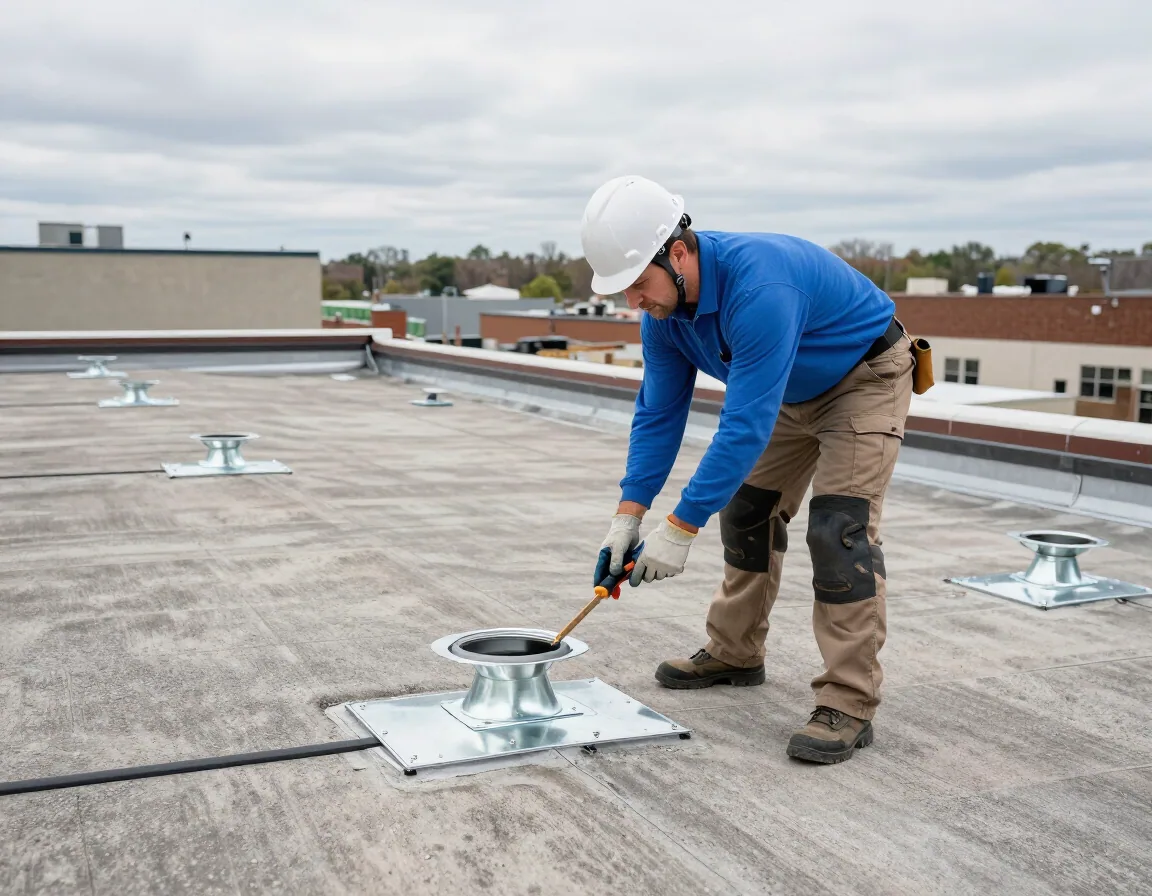
Flex Industrial Building Roofing
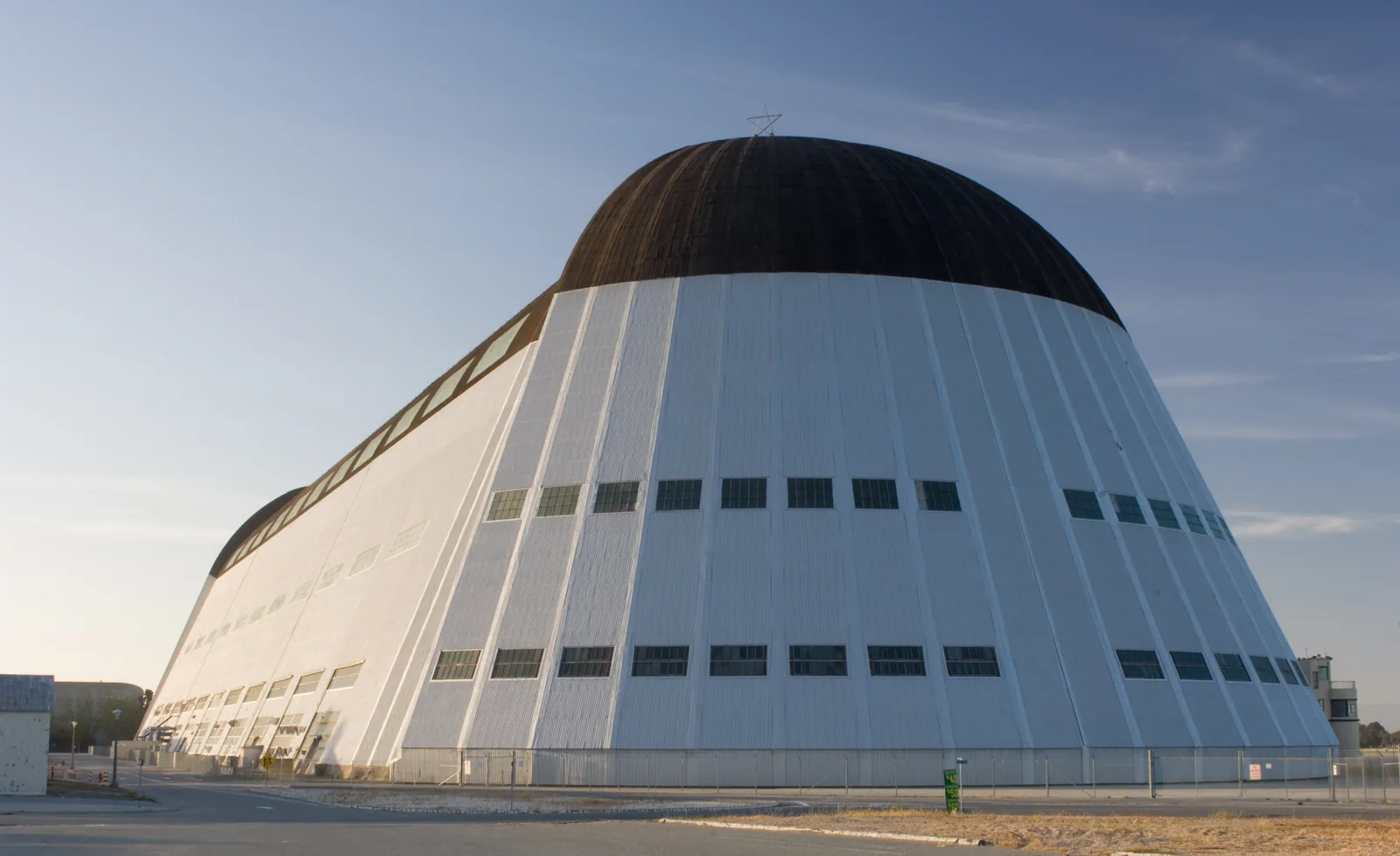
Hail Damage Roof Repair
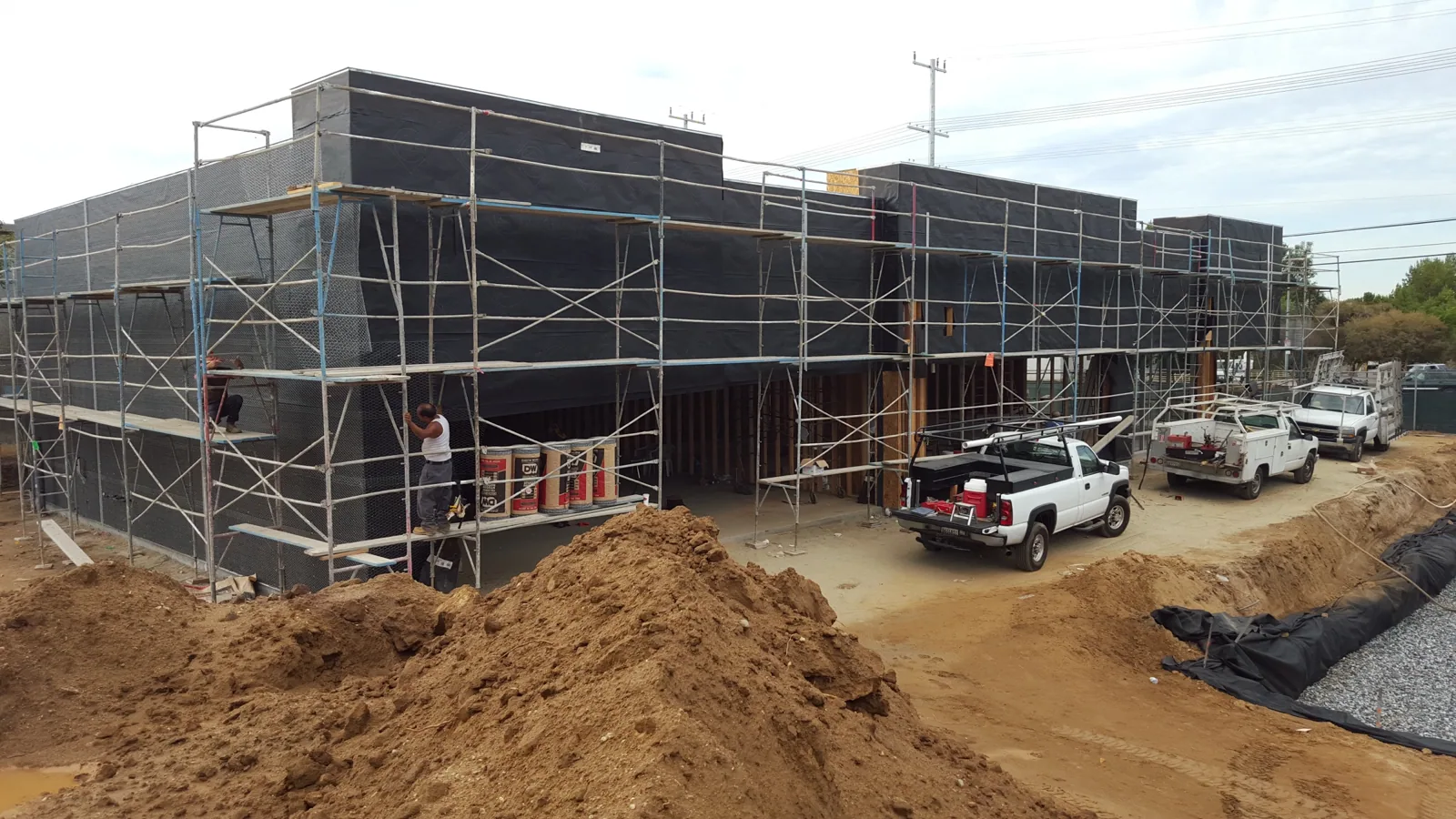
Infrared and Core-Cut Moisture Surveys
Commercial Roof Inspections
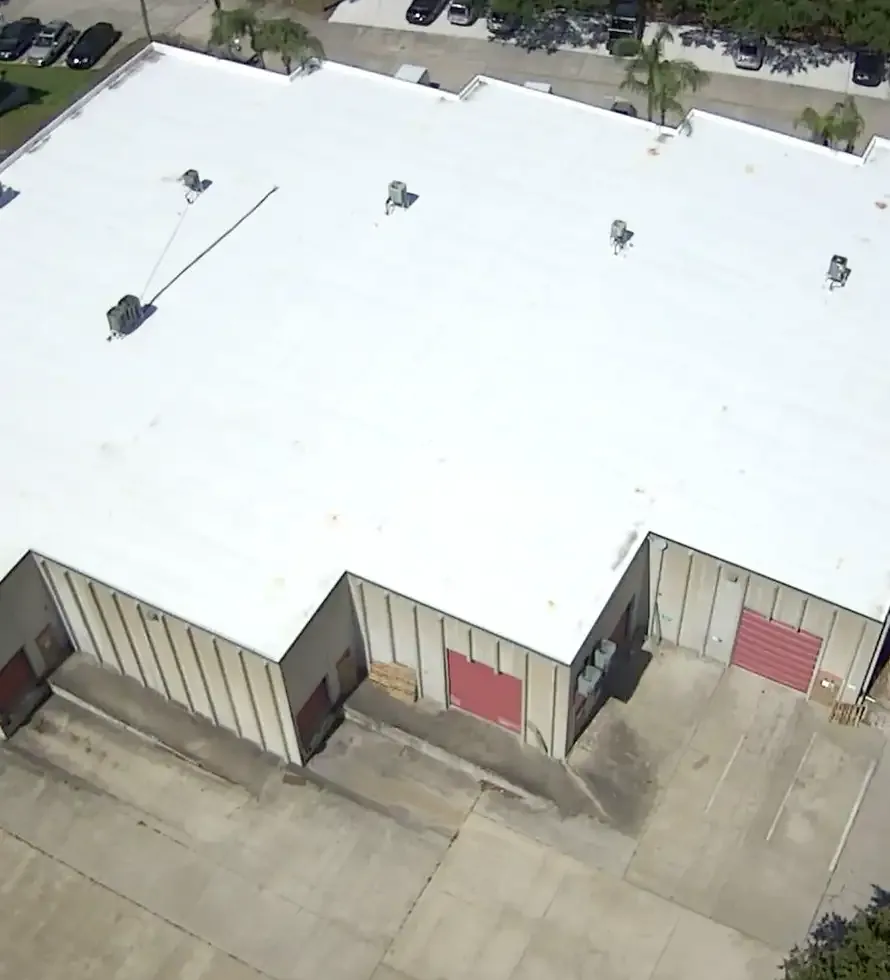
Coppell
Schedule an inspection and get a dated record
Tell us where water appears, how roof access works and which tenants are below. We will inspect the roof, send a dated condition record with photos and findings, and recommend the next steps.
