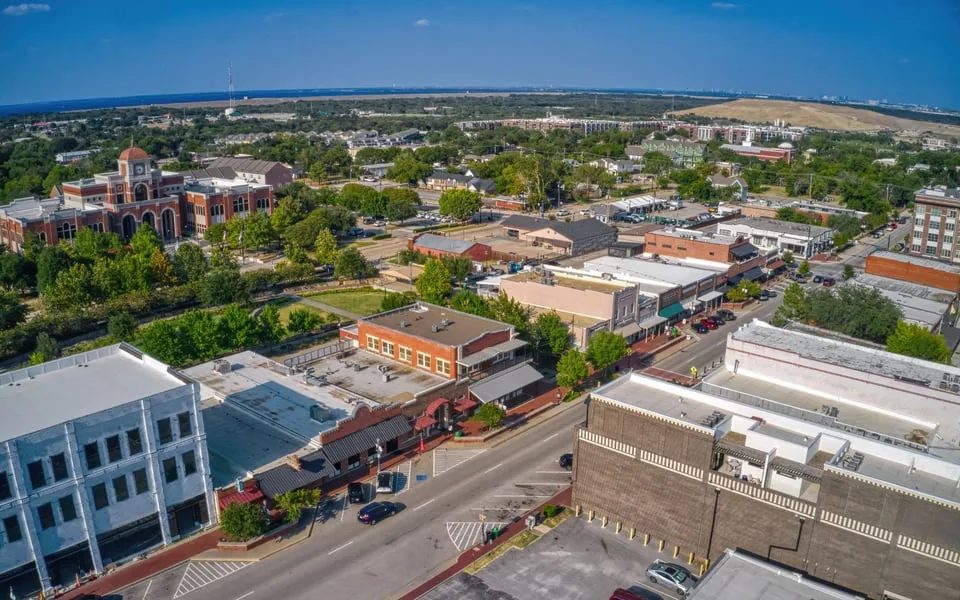
Commercial Roofing in Flower Mound, TX
Home // Service Areas //
Overview
Flower Mound in Lewisville
Operations shape the roof schedule more than the weather does. A distribution building with a shipping window, a manufacturing floor with a shift pattern and an office with a lease clause about noise each lay down a different set of rules for when a crew can be on the roof. The first thing a Flower Mound, TX roof file needs is a list of those rules, collected before anything is priced.
Flower Mound's economic-development profile lists local employers in professional services, distribution, manufacturing and transportation, and the town's master plan covers land use, roadways, infrastructure and economic development. That range puts offices, warehouses and plants on the same calendar. The method is the same for each. What changes is the access plan and the cost of interruption.

Operating rules: what the roof schedule has to respect
We open each file with a short intake: the use below the roof, the hours of operation, the equipment that cannot be shut down, the contents that cannot get wet and the people who have to be told before work begins. For a distribution building, that includes dock hours, racking layout and who owns the inventory. For a manufacturing building, it includes processes sensitive to dust, water or vibration and the shutdown calendar. For an office, it includes tenant quiet hours and any records or server space under the roof.
The answers go into the access log and into the scope. Work windows, lift positions, delivery times and interior protection become separate cost lines, so an owner can see the price of working around operations and decide which constraints are worth the money.
A building that never stops may need night work or sections that are opened and closed within a shift. A building with a quiet week may be able to do a replacement in a block. The scope says which, and shows the alternative. Heat affects crews and materials too, so tear-off in midsummer is placed in the early hours and membrane is kept shaded until it is laid.
Large-footprint roofs: drainage and thermal movement
Distribution and manufacturing buildings often have roofs with long runs and few outlets. A blocked drain on such a roof puts a lot of water in one place, and standing water adds weight and finds seams. Roof areas that large also move with temperature, and the seams, flashing and fasteners work through every cycle.
The inspection pass follows the water. We photograph each drain and scupper, mark low spots, and check the seams and terminations at the edges where thermal movement is greatest. A distribution center roof gets a long seam probe and a check of every penetration, since a leak over racked inventory costs more than a leak over an empty bay.
Plants add exhaust, makeup air and process vents, each a penetration and each a source of heat, moisture or chemical vapor. A manufacturing plant roof is inspected for membrane condition around those discharge points, since some exposures soften roofing materials over time.
Office roofs: equipment, access and tenants
Professional-services buildings carry rooftop units, exhaust, cabling and antennas. Service visits to that equipment are a common cause of damage to an office roof, and a roof file that photographs each curb before and after service shows when a detail was disturbed. We count the penetrations, check each flashing and mark walkway pads on the paths technicians use.
Interior risk is different in an office. A leak over a server room, a records area or a conference space has a cost that is not in the roof bill. The roof file ties each zone to the space below, so a report of water is traced and handled in the right order. The office building roof repair scope lists the interior protection used and the date of the permanent fix.
Climate record: hail, wind and heat across the region
Flower Mound shares the Metroplex's storm calendar, with hail and damaging wind in most years and the worst thunderstorms in spring and fall, and its summers follow the airport record of 96-degree July and August highs and about twenty days a year at 100 or more. A roof here may be missed in any season, so the report describes only what the building shows.
Once a storm has passed, the inspection sets the roof beside its earlier photographs. Hail marks, displaced metal, new punctures and wet insulation are located and imaged. A hail repair scope covers what is documented, and if the roof was already worn, the report says so. The owner and the carrier see the same evidence, and a repair that follows is sized to the documented damage and its margin.
Options review and the nearby towns
Each roof zone gets a recommendation of repair, recover or replace, with separate lines for tear-off and disposal, insulation condition, access, interior protection and weather risk. Owners with buildings in nearby towns, such as The Colony, Highland Village and Denton, can use one inspection format across all of them. A logistics operator or manufacturer with several sites benefits most, since comparison across sites shows where money should go first.
When a job finishes, the photographs, repaired-zone plan, materials list and warranty paperwork are filed together, so the next inspection pass starts from the finished record. Tenant mix can change faster than a roof ages, so each file lists the current use below every zone and the date that use was last confirmed.
Timing in this part of the Metroplex follows the seasons. Spring brings the storm risk, summer brings the heat that stresses seams and sealant, and fall brings another wet stretch. A calendar that puts the drain and edge check before spring, the heat-damage check after summer and the replacement work in the milder shoulder weeks keeps the roof ahead of the weather and keeps heavy work out of the peak of the shipping or leasing year. Emergency calls are easier to handle on that calendar because the file already shows what the roof looked like the last time anyone looked.
Commercial Roofing Questions
What information should a building manager have ready before the first inspection?
Hours of operation, what sits under the roof, equipment that cannot stop and any earlier roof plan or repair record. We use them to set the access plan and to compare the roof's condition against its history.
Can a warehouse roof be replaced without stopping shipping?
Often, in sections, with docks and yard routes kept clear. The scope names the lift position, the delivery windows and the sequence of sections. Each is dried in by the end of the shift, so the building stays protected while operations continue.
How can a leak over racking be traced?
By following the water from the floor stain back along the deck and structure to the roof, then confirming with moisture readings. The entry point is often some distance from where water lands. The file records the path, the readings and the date the entry point was closed.
Why do plants need a different membrane check?
Process exhaust can carry heat, oils or vapor that attack some membranes. The inspection photographs each discharge point and the surface beside it, and the report recommends protection or a resistant material where wear shows.
What proves a roof problem started with a rooftop service visit?
Photographs of the curb and nearby membrane from before and after the visit. They show whether flashing, seams or the surface changed. Lacking them, only the stains are left to argue from.
Related
Related Roofing Work
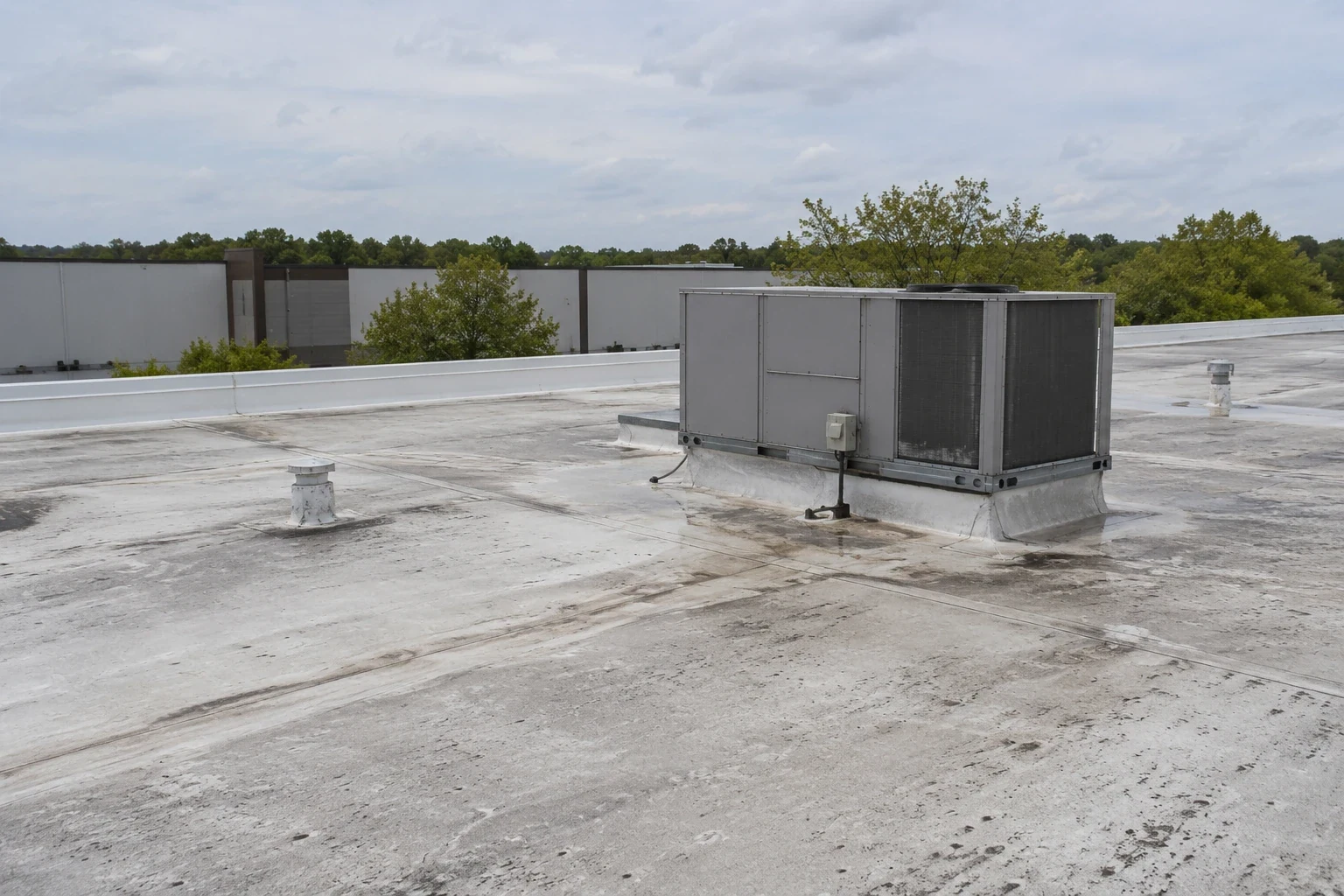
Distribution Center Roofing
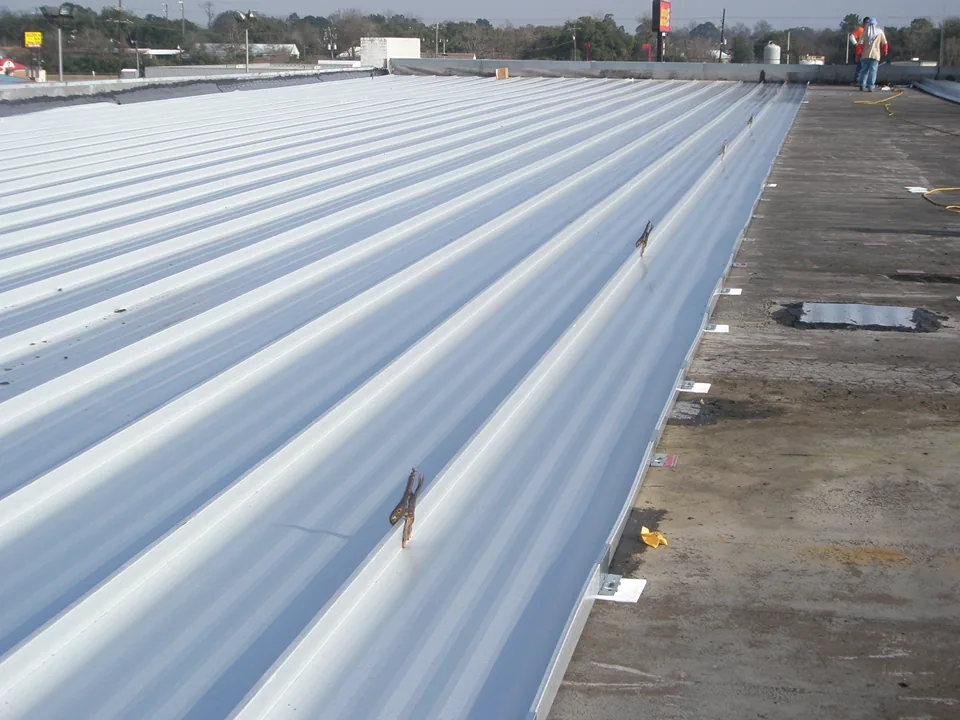
Manufacturing Plant Roofing
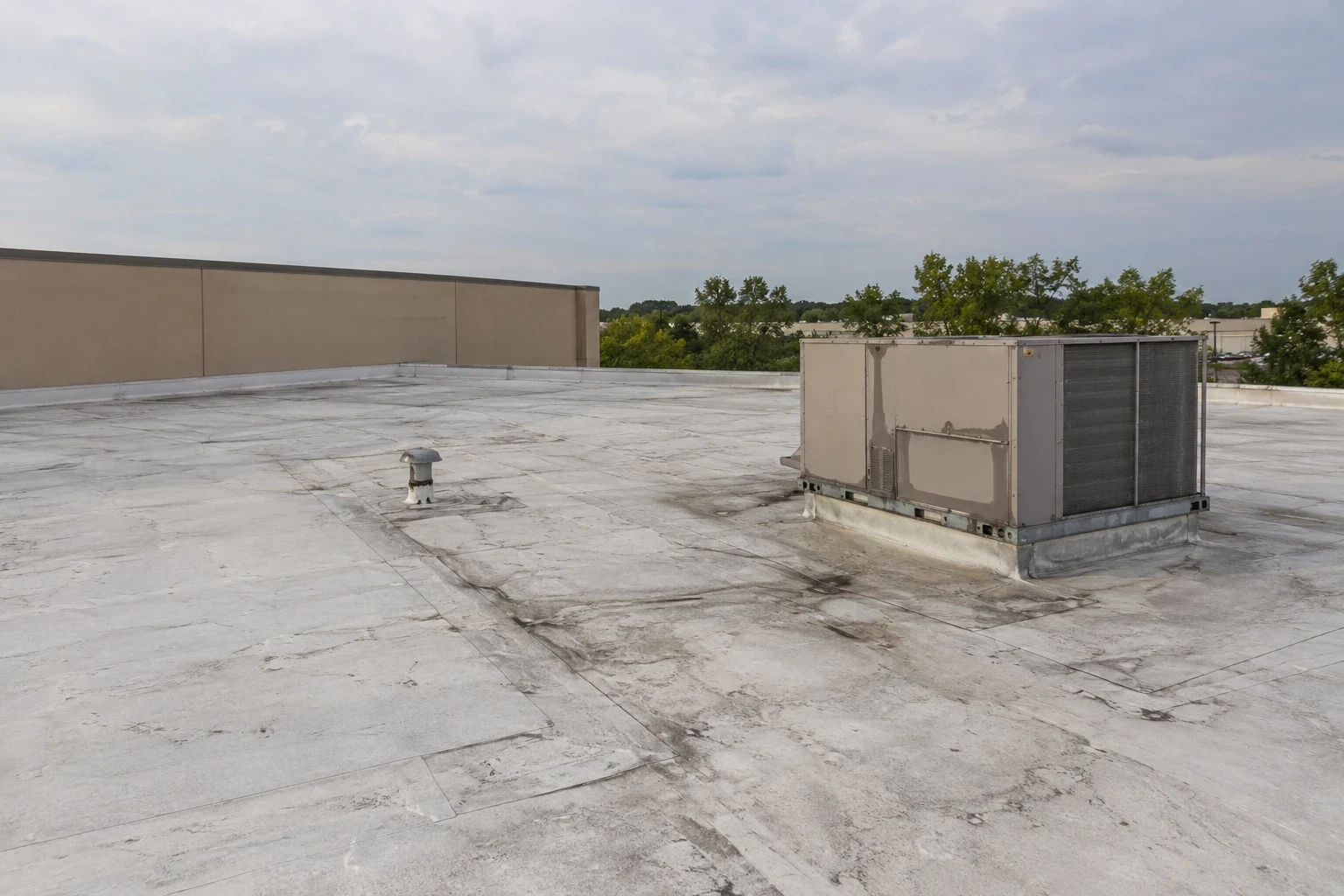
Office Building Roofing

Hail Damage Roof Repair
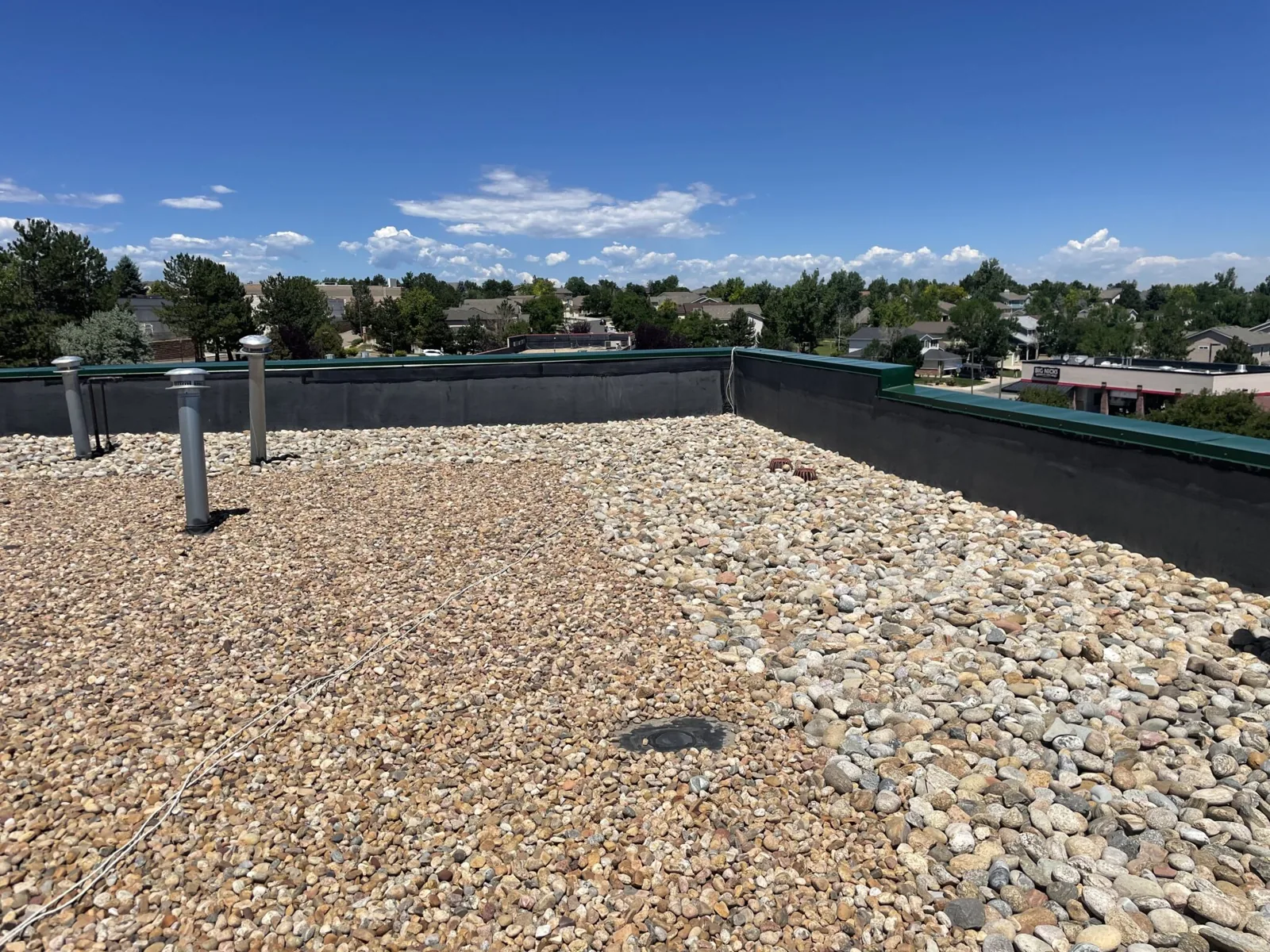
The Colony
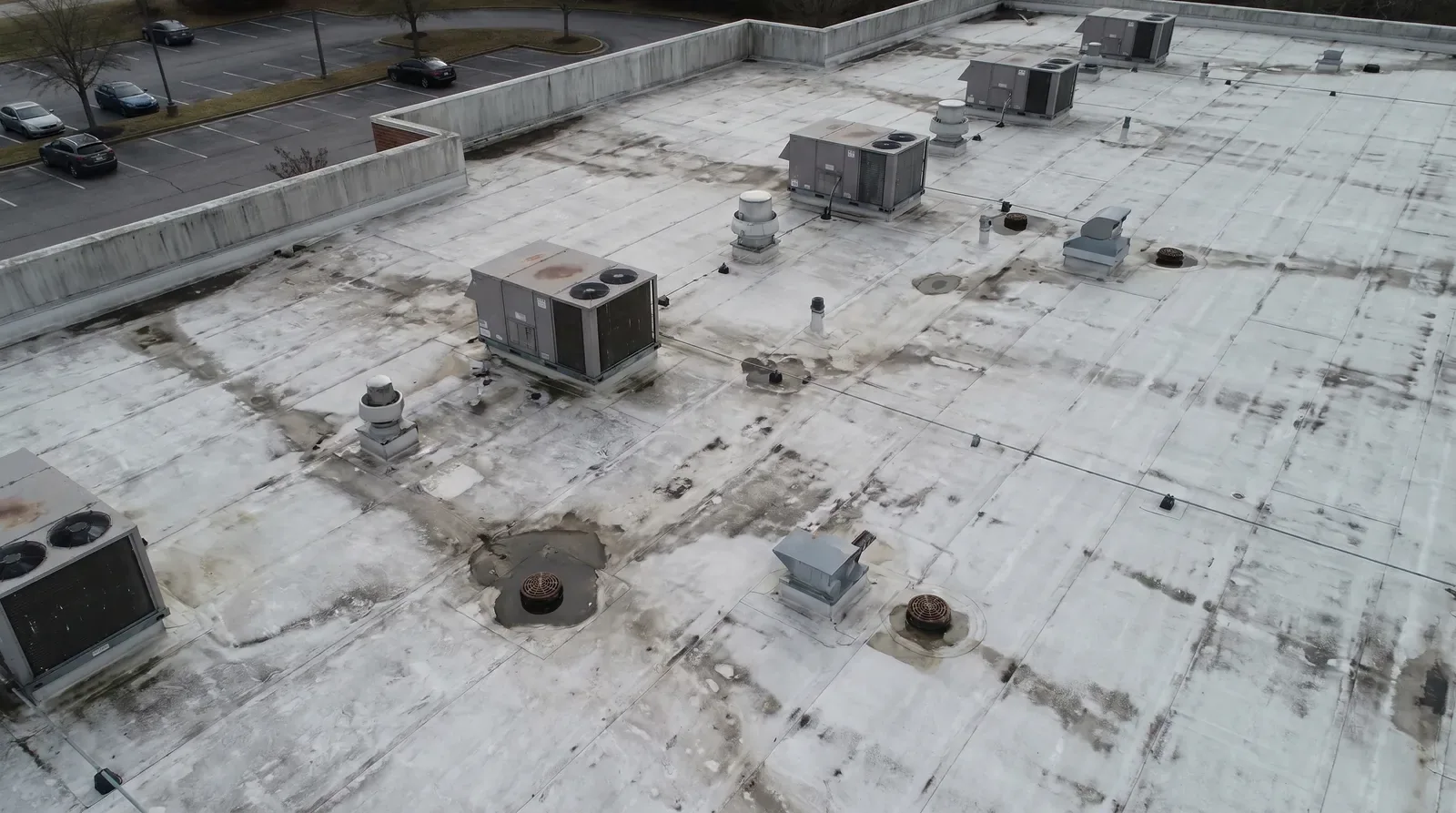
Highland Village
Schedule an inspection pass around your operations
Tell us the hours, the contents and the equipment below the roof. You will receive a dated condition record with photos, findings and recommended next steps, with the work windows that fit your operation.