
About Commercial Roofing Lewisville
Home //
Get to Know Commercial Roofing Lewisville
Commercial Roofing in Lewisville, TX
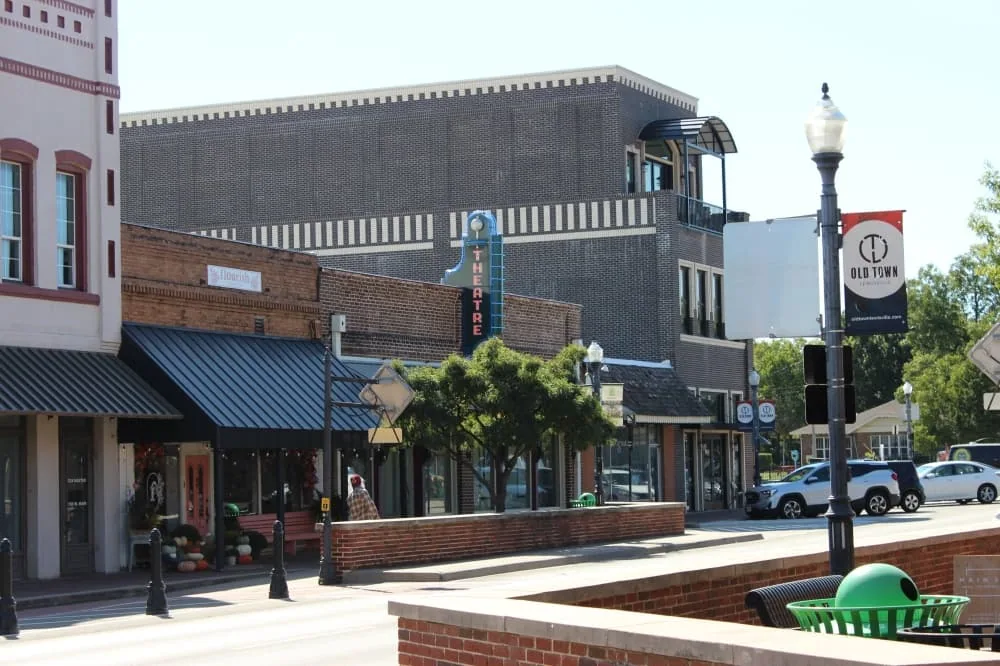
The first thing we hand a property manager is a dated record, not a pitch. It shows the roof as it stands on the day of the visit: wide photographs of each roof zone, close images of drains, seams and edge metal, moisture readings where they apply, and a list of findings with the next step for each. Commercial Roofing Lewisville works on low-slope and metal commercial roofs in Lewisville, TX and the surrounding Denton County area, and everything we do is built to make a roof decision easier to defend.
We repair, replace, recover, coat, inspect and maintain these roofs. Emergency response runs around the clock, every day of the week, holidays included, because storms and failures do not follow a work calendar.
What we do: the work on the roof
Our services cover the full life of a commercial roof. Active water entry is handled through leak repair and commercial roof repair. Aging roofs move to a recover, a restoration coating or replacement, depending on what the evidence shows. We install and repair TPO, PVC, EPDM, KEE, modified bitumen, built-up, standing seam and retrofit metal, spray foam, and silicone and acrylic coating systems.
Between those events sit inspections, drone surveys, infrared moisture surveys, written condition reports with photographs, preventive maintenance programs and insurance claim documentation. Each one ends in a dated file the owner can hand to a lender, an insurer or a board.
Scope is written in plain line items so an owner can see what is repair, what is replacement and what is optional. Drains, scuppers, edge metal, skylights, curbs and insulation are priced as separate details, since most failures begin at a termination or penetration rather than in the open field of the membrane.
How We Work
A dated photo record of every roof visit
A written scope before any work begins
Moisture readings where they apply
Clear options: repair, recover, coat or replace
Protection for occupied buildings
Closeout photos and warranty records
Emergency leak calls answered around the clock
Plain-language findings you can share
Follow-up inspection records for the file
Local conditions: what the Lewisville market asks of a roof
Lewisville sits in the Dallas-Fort Worth Metroplex, which the National Weather Service describes as humid subtropical, with hot summers and severe thunderstorms that peak in spring. The Metroplex draws hail, straight-line wind, flash flooding and tornado activity in most years, though any single address can go a season untouched. Summer highs at DFW Airport average in the mid-90s, the airport logs about twenty days a year of 100°F or more, and winter precipitation is rare.
That combination is hard on roofs in two ways. Months of heat age sealants, seams and flashing, and spring storms then test whatever has weakened. A roof record that tracks both is more useful than one that tracks only the last storm. The city lists the 2021 International Building Code among its adopted standardized codes, so we confirm the current edition and amendments for each permit rather than assuming them.
Building types: the properties we work on
Lewisville's planners mark out industrial park, retail, commercial, mixed-use and transit-oriented districts, and the corridors at I-35E and SH 121 draw office, industrial, retail, healthcare and multifamily projects. Across the Metroplex, the Texas Comptroller counts warehousing and storage among the quickest-growing sectors between 2012 and 2022.
In practice that means warehouse roofs, office roofs, shopping center roofs, apartment roofs, and a range of public and institutional buildings. We work on occupied buildings and plan around tenants, deliveries and operating schedules, so the access log records who approved each roof entry and when.
Inspection record: how a visit works
A visit begins with the service log and the last roof plan, if the owner has them. We then walk the roof in a fixed order: the whole roof zone first, then the controls on water entry, which are edge metal, penetrations, seams and drains. Each finding is recorded with its location, a clear image and the next test needed. Wet insulation is confirmed with an infrared moisture survey and core samples, and difficult slopes are covered by a drone inspection.
The written result is a dated condition record. It names a repair boundary, shows what is storm damage and what is age, and gives the owner priced options. That record is also what an insurer, a lender or a board reads, so it is written to stand on its own.
Where an owner has a history of repairs, we read it for repeats. Three patches at one drain tell a different story than three scattered punctures, and the record notes the difference so the next decision follows the pattern and not the latest leak.
Who we work with: readers of the record
The readers of our records include property managers, investors, manufacturers, logistics operators, school and public facility teams, and general contractors. Their reasons differ. One wants a leak stopped before Monday, another wants a capital number for next year, a third needs an inspection that supports a claim.
For each we keep the same evidence standard and change the format. A single building gets a report. An owner with several properties gets a ranked list across all of them, so repair and replacement dates can be set against one budget. Storm work follows the same method, with the storm date and temporary protection added to the file.
Public and institutional buildings add approval steps, such as board packets, bid documents and summer work windows, and the scope is written so it can be read by someone who has never seen the roof.
Closeout documentation: what the owner keeps
When work ends, the owner receives a closeout packet: dated photographs, material records, test results for seams where they apply, the final scope, and any warranty paperwork that goes with the installed system. We install, repair and maintain manufacturer systems to their published details, and the packet records which details were followed.
The file is meant to be passed along. A new property manager, an insurer or a buyer's engineer should be able to read it and understand the roof without a phone call. If a roof needs a longer plan, roof capital planning turns the same records into a multi-year budget.
Maintenance visits then add short dated entries to the same file: drains cleared, seams probed, sealant renewed, new penetrations noted. Over several years the file shows whether the roof is holding steady or slipping, which is the evidence an owner needs before choosing a coating, a recover or a replacement.
Questions from Lewisville Building Owners
What does a first visit produce?
A dated condition record: photographs of each roof zone, close images of the details that control water entry, moisture readings where they apply, and recommended next steps for each finding.
Do you work on roofs with tenants inside?
Yes. The plan sets entry points, staging, noise windows and escorts with the property manager, and the access log shows each approval.
How quickly can emergency work begin?
Emergency response is available around the clock, including holidays. The first step is temporary protection, photographed so the permanent scope can be priced separately.
Which areas around Lewisville are covered?
Districts inside the city, including Old Town and the I-35E and SH 121 areas, plus nearby cities such as Denton, Carrollton, Flower Mound and The Colony. Coppell, Grapevine, Frisco and Plano sit in the same service area.
Can the same records support an insurance claim?
They are built for it. Dated photographs, test counts and moisture readings separate weather evidence from building evidence, and the scope divides emergency work from permanent repair.
Schedule an inspection and receive a dated record
Send the property address, access limits and any recent storm date. We return a dated condition record with photographs, findings and recommended next steps.
