
Commercial Roofing in Old Town, Lewisville, TX
Home // Service Areas //
Overview
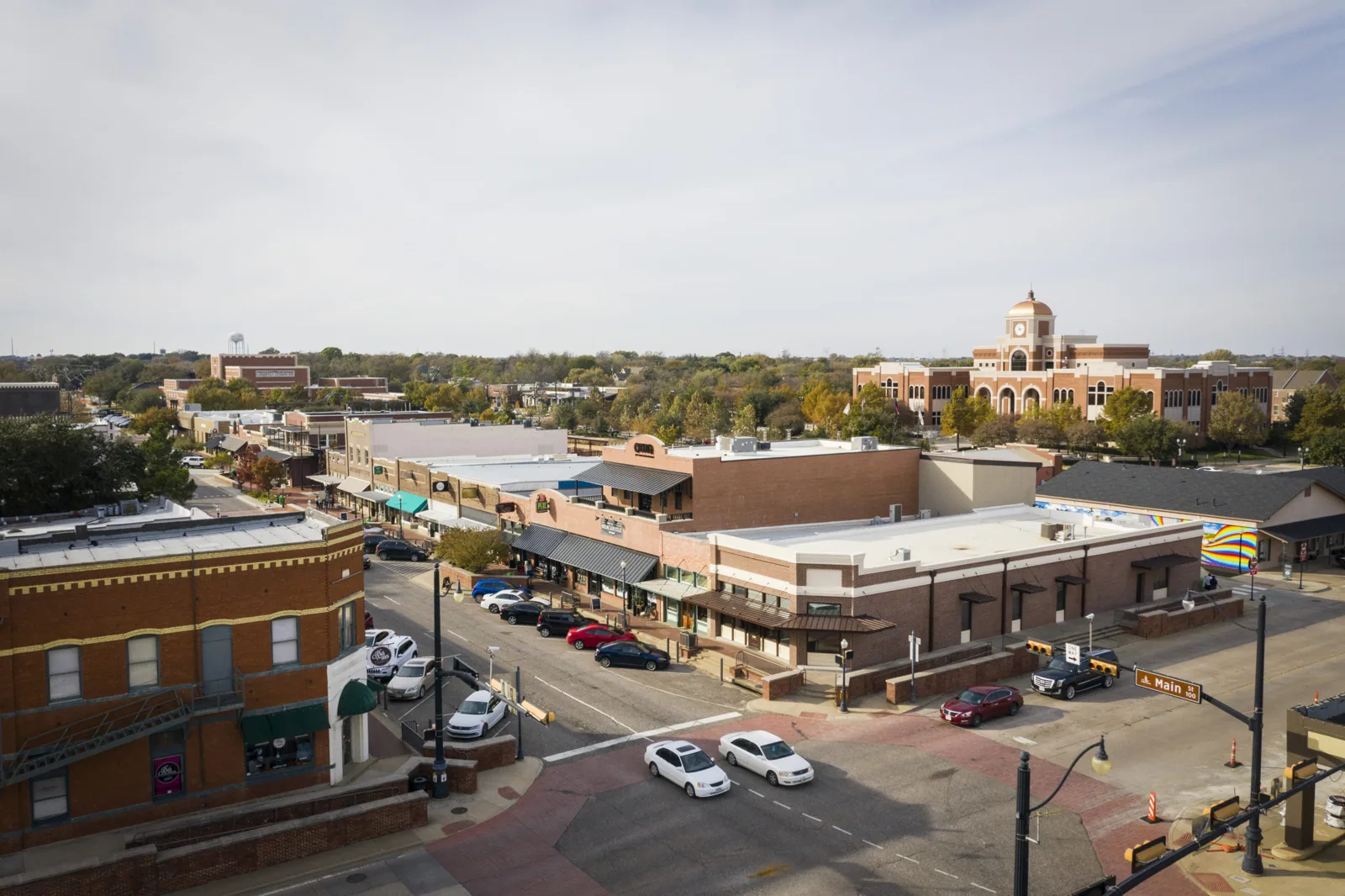
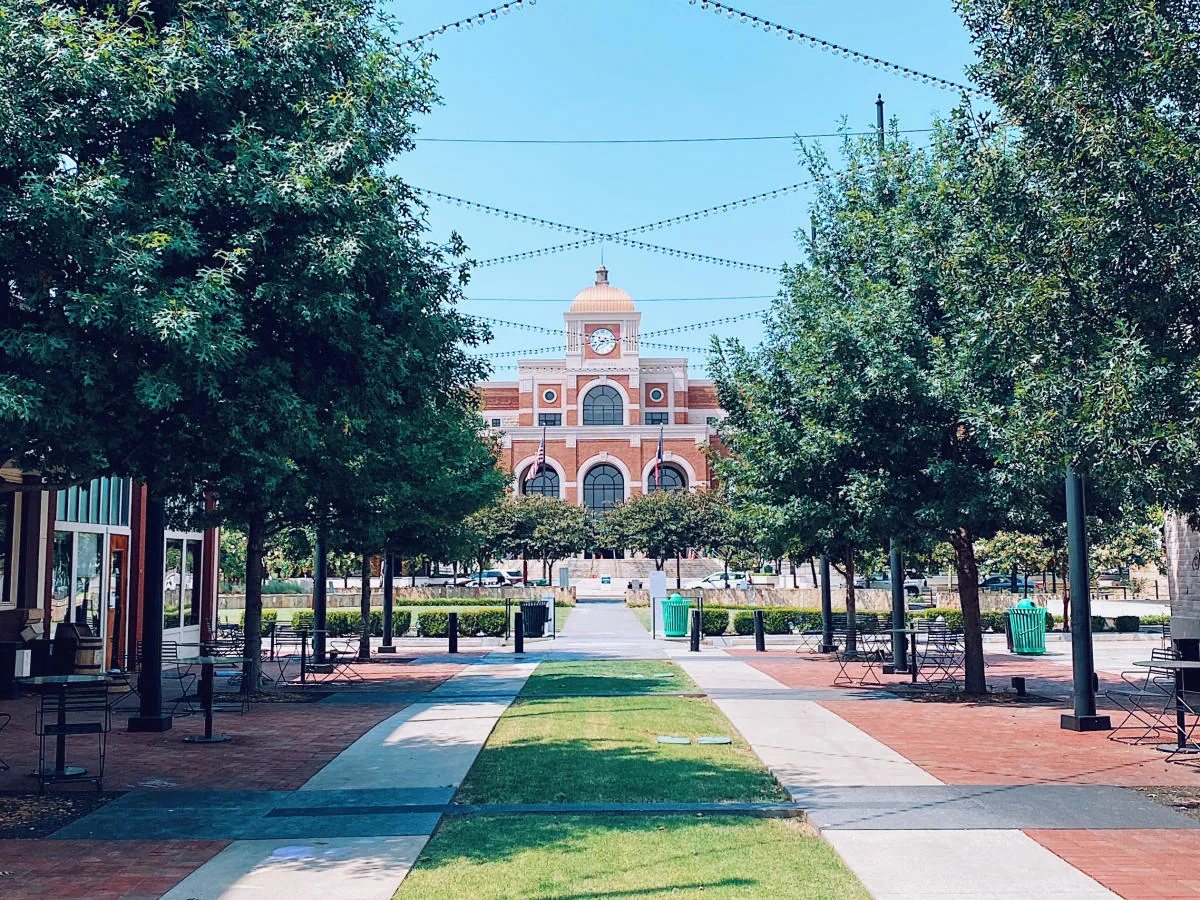
Old Town in Lewisville
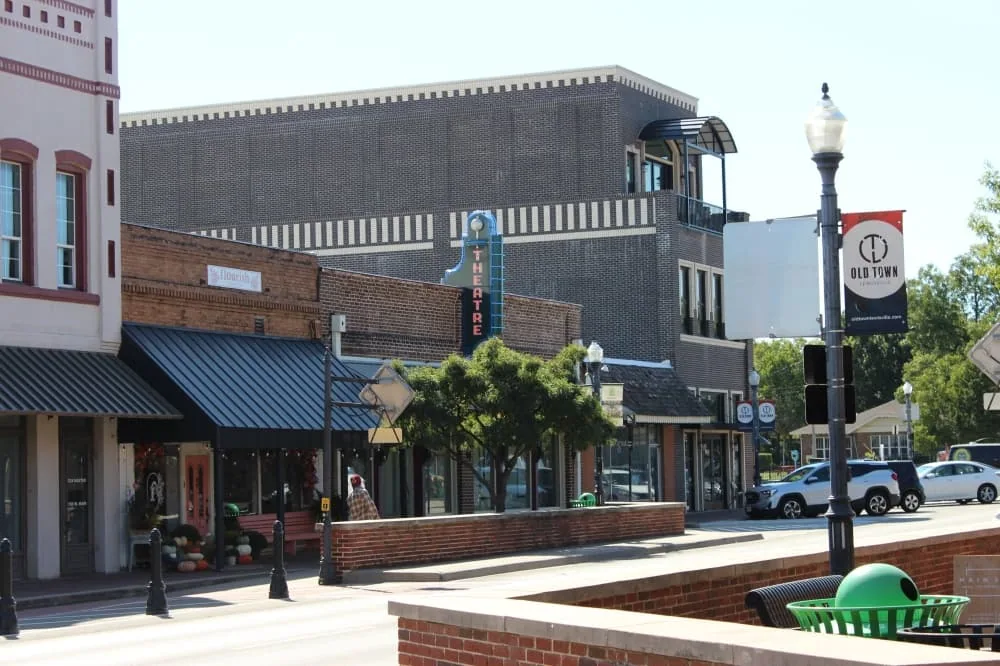
A downtown roof is rarely one roof. On a Main Street block in Old Town, Lewisville, TX, a single run of storefronts can sit under several membranes of different ages, joined at party walls and drained through a handful of shared outlets. The first job on any of them is to learn where one owner's roof stops and the next begins, because a repair boundary that crosses a property line needs two approvals instead of one.
Old Town is Lewisville's historic downtown, and it includes commercial buildings along Main Street. The city also describes mixed-use redevelopment and transit-oriented development around it. That combination, older commercial frontage beside new investment, puts a lot of roof decisions on the table at once: patch, restore, replace, or hold until a larger project reaches the block.
First walk: what we record before anyone prices anything
The first pass on a downtown block produces a photo sequence, not a quote. We start at a fixed point that shows the whole roof zone, then move to the parapet caps, the wall flashing, each drain, each penetration and any seam run that is visible. Every image is dated and tied to a spot on the roof plan.
What the pass can establish is the condition on that day: which details are open, which membranes are worn through at traffic points, where water is standing and where it is leaving. It cannot say how old a stain is unless an earlier record exists, so the file we hand back becomes the baseline the next inspection compares against.
A moisture reading comes next on any section that looks suspect. A moisture survey maps wet insulation without cutting the membrane, which keeps the repair boundary tied to measurement.
Shared walls: where one roof meets the next
Where buildings touch, the wall between them is a flashing problem. Base flashing, counterflashing and the cap on a shared parapet all depend on the condition of the masonry or framing behind them, and a failure there lets water run down inside the wall instead of dripping onto a visible ceiling. That is why a downtown leak can show up in a tenant space two doors from the defect.
We look for the signs: sealant that has hardened and pulled away, flashing that has lifted at its top edge, parapet caps with open joints, and membrane that has shrunk back from the wall. Each gets a location and a photograph. If the wall is shared, the finding goes to both owners in the same packet, so the repair can be scheduled together and the cost split on the facts.
Where one owner has already replaced a roof and the neighbor has not, the transition between the two gets its own scope line. A flashing repair at that line is often the difference between a dry tenant and a repeat call.
Street access: sidewalks, tenants and work windows
Work in a historic downtown happens beside foot traffic, parked cars and open storefronts. The access log for a job here records how the crew reaches the roof, where materials are staged, which sidewalk or lane needs protection, and which hours the tenants below need quiet. Those answers set the work window, and the work window sets a good share of the cost.
Some blocks have an interior hatch or ladder; others need a lift on the street side. Noisy tear-off is scheduled away from restaurant service and retail peaks where possible. We write these constraints into the scope as separate lines so the owner can see what drives the number and what could be traded.
The same discipline applies to occupied building reroofing: open one section, dry it in by the end of the shift, and protect the interior below. On a narrow downtown footprint, the sections are small and the sequence matters more than speed.
Storm record: a regional report is not a building finding
Spring storms test Old Town roofs the way they test the rest of the Metroplex: hail, damaging wind, flooding and tornadoes arrive in most years, and a given block can be missed. A storm in the region is a reason to look at a roof, and on Main Street the roof's own record decides what happens next.
So after a storm we inspect the building, not the headline. The photo sequence shows the roof zone first, then the suspect detail, so a fresh dent or puncture is not confused with older wear. Where hail is visible, a core and a moisture reading show whether the concern stays at the surface or reaches the insulation. The owner receives the finding with its location and the next test.
Heat belongs in the same record. A dark membrane on a Main Street flat roof works through summers of mid-nineties highs, with about twenty days a year at 100 or more by the airport's count. A dated record of what the surface looks like each year is what supports claim documentation when a carrier asks.
Redevelopment: roof decisions beside new construction
Mixed-use and transit-oriented redevelopment changes what a roof is asked to do. A building that is converted or expanded may gain rooftop equipment, new penetrations or a different tenant mix, and each addition is a new place for water to enter. If the roof is near the end of its life, it is usually cheaper to replace it in the same project than to open a new roof for a unit install two years later.
The options review lays out three paths for each roof zone. Repair holds when the membrane is sound and the moisture is limited. A recover over a dry, sound assembly can extend service life where the deck and insulation allow it. Replacement is the right call when wet insulation spreads across sections or the layers cannot carry another roof. Each path is priced with its access, interior protection and weather risk shown as separate lines.
Owners weighing a larger project can pair the survey with a capital plan that sets a replacement year for each building. The same approach carries to Old Town North, the district north of Old Town, and to the Main Street Subdistrict at the highway entrance to Old Town. The city's adopted codes include the 2021 International Building Code, and design is finalized only after the permit office confirms the edition and amendments.
Closeout: the packet that stays with the building
When the work is done, the owner receives a closeout packet: before and after photographs, a plan of the repaired or replaced zones, the materials used and any warranty paperwork, written for someone who was not on site.
That packet is also the starting point for the next maintenance visit. Drains are cleared, flashing is rechecked and new findings are added to the same decision file.
Commercial Roofing Questions
Who approves a repair when two buildings share one parapet?
Both owners, usually. The finding is written with its exact location and photographs, and the packet goes to each party. Repair boundaries that cross the wall are scheduled together so the cost split rests on the record and not on memory.
Can a leak two doors down come from my roof?
Yes, when water travels inside a shared wall or along a ceiling cavity before it appears. Moisture readings and a flashing check trace the path back to the entry point, which often sits at a wall termination, drain or penetration.
What does a roof history change when a building is sold?
A dated condition record lets a buyer price the roof from evidence. Without it, the buyer assumes the worst and discounts the building. With photographs, readings and repair logs, the conversation turns to remaining service life.
How is work kept from disrupting street-level tenants?
By planning access first. The crew's route, the staging spot, the delivery hour and the quiet period for each tenant are written into the scope. Sections are opened one at a time and sealed before the shift ends.
Is a recover possible on an older downtown roof?
Only if the existing assembly is dry, flat enough and able to carry another layer. A core and a moisture reading answer that. Where either fails, the finding moves to replacement, and the scope says why.
Related
Related Roofing Work

Infrared and Core-Cut Moisture Surveys
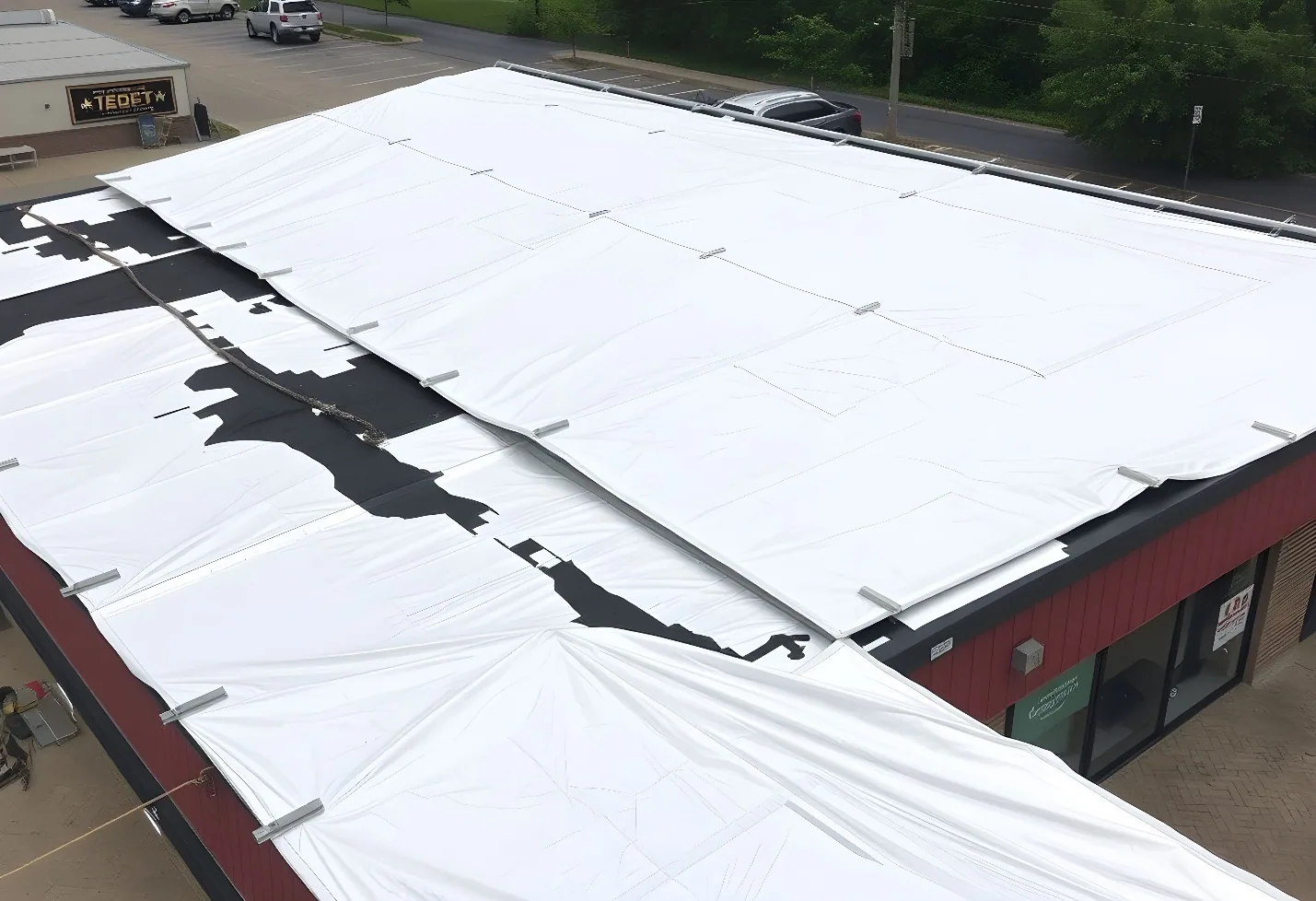
Failed Flashing Repair
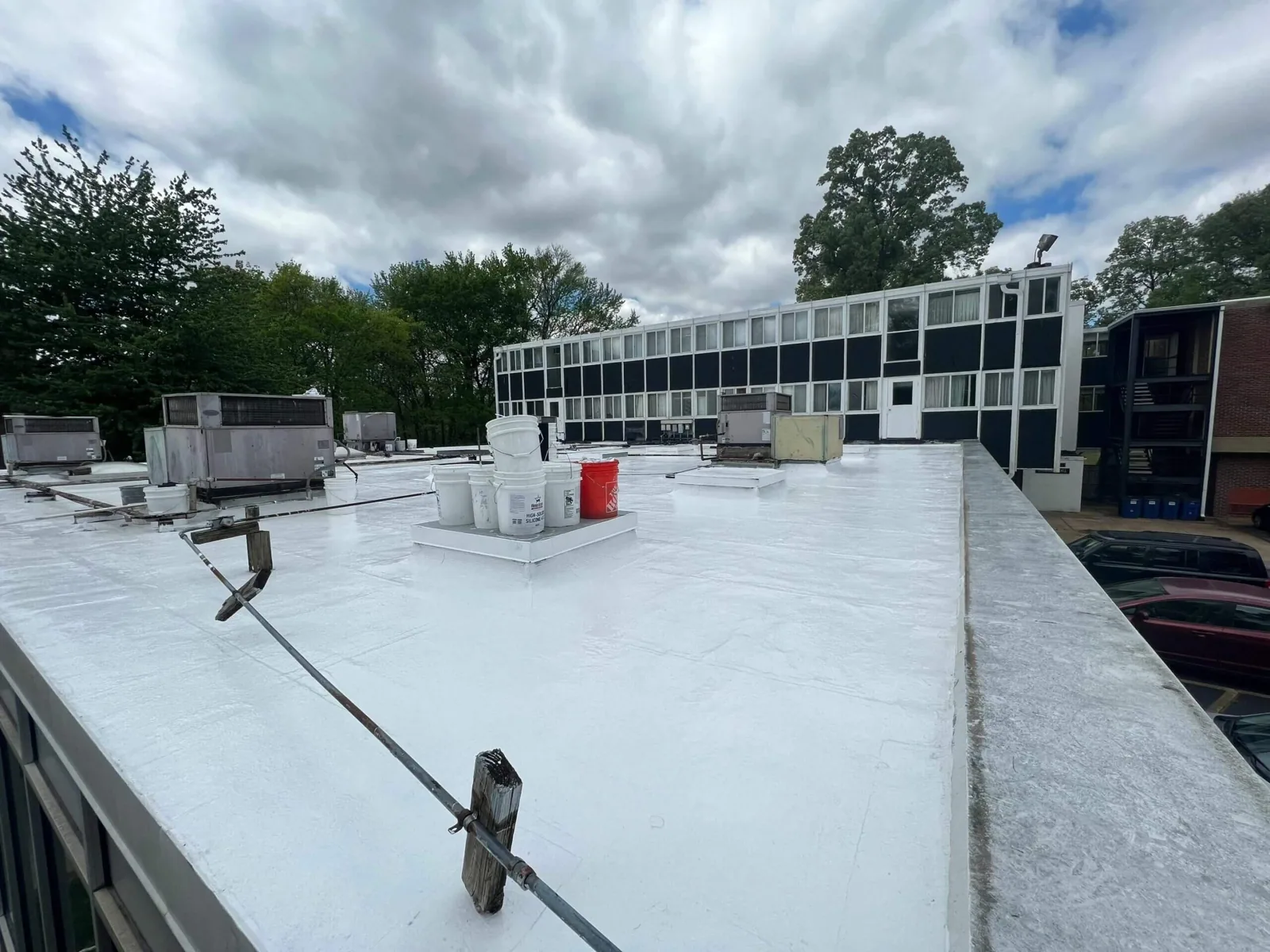
Occupied Building Reroofing
Roof Insurance Claim Assistance
Roof Capital Planning
Old Town North
Schedule an inspection pass for your block
Tell us the building, who owns the neighboring roofs and when the tenants need quiet. You will receive a dated condition record with photos, findings and recommended next steps, marked repair, recover or replace by roof zone.
