Preventive Roof Maintenance in Lewisville, TX
Overview
Preventive Roof Maintenance in Lewisville
A maintenance program is worth what each visit leaves behind: a dated photo sequence of every roof zone, shot from the same spots as the visit before it. Lewisville, TX roofs take a hard seasonal cycle, with severe thunderstorms peaking in spring according to the National Weather Service and July and August normal highs near 96 degrees at the Dallas-Fort Worth airport. Between visits the weather does the testing, and the next pass shows what changed.
A property manager who holds three or four years of those sequences can tell a slow, predictable decline from a sudden failure, and can fund the roof accordingly.
Inspection pass: what each scheduled visit covers
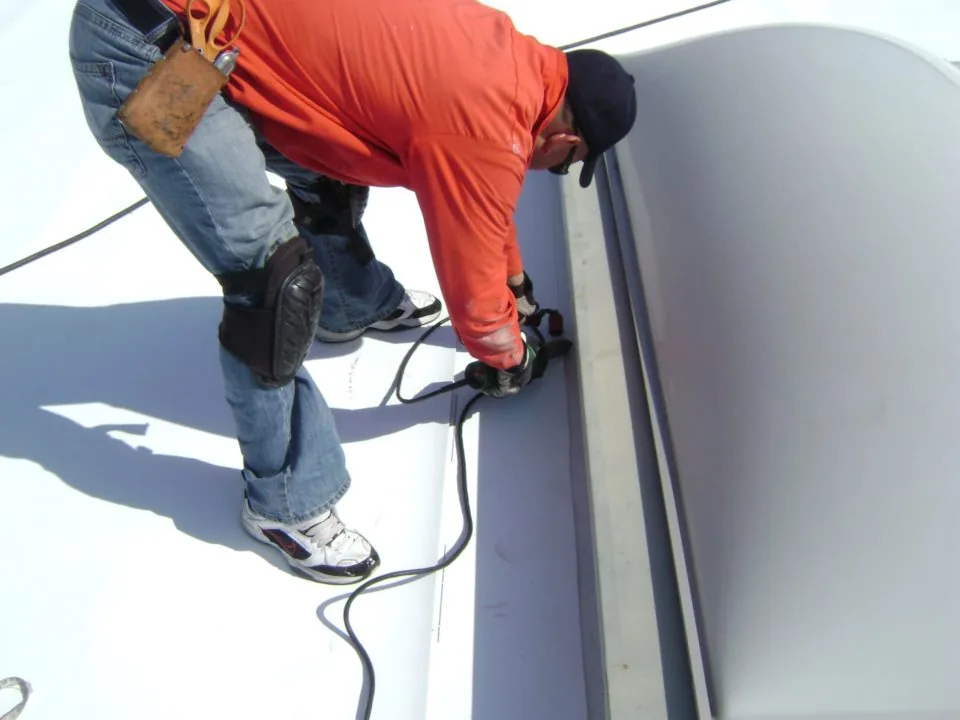
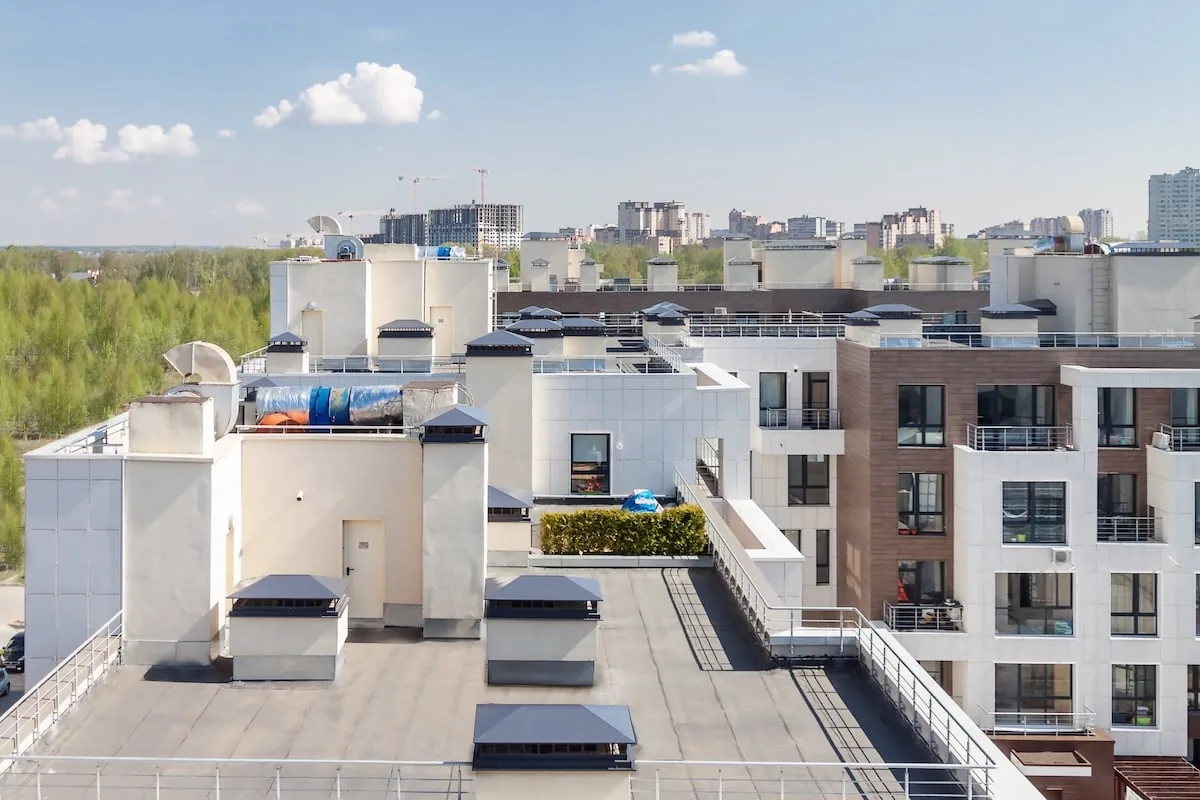
Each visit follows a written route. We clear debris from drains, scuppers and gutters first, since a blocked outlet changes everything else we see on the roof. Then we walk seams, laps and field membrane, edge metal and coping, wall flashings, curbs, pipe boots and every sealant joint, photographing each in the same order.
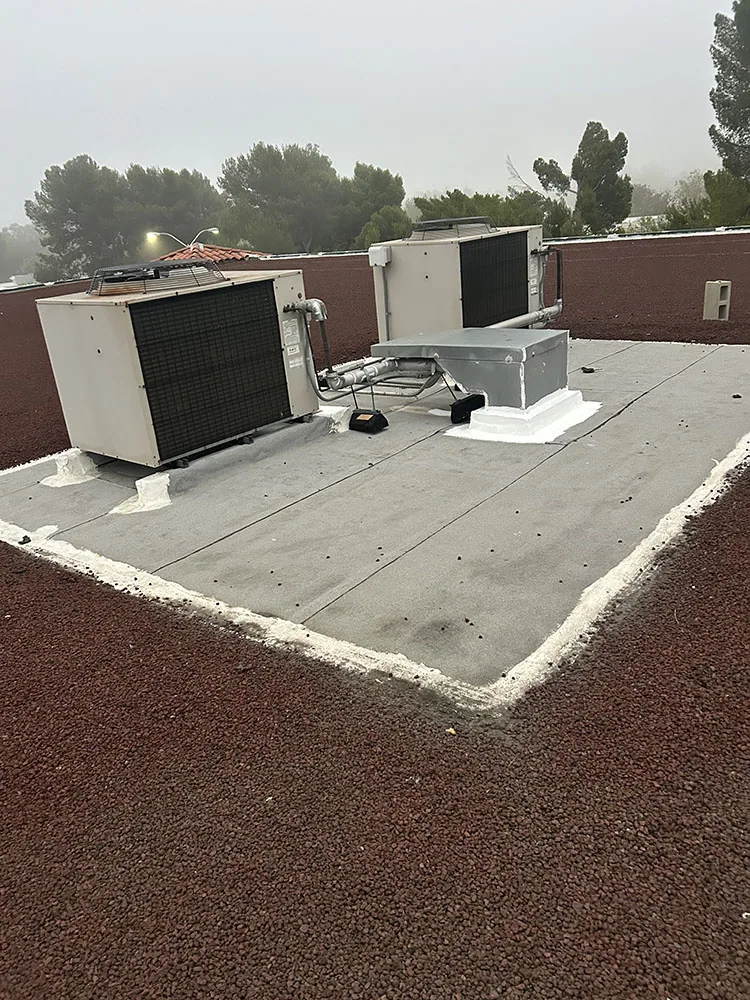
Rooftop equipment gets its own look. Condensate lines, refrigerant line sets and electrical conduit often rest on the membrane, and a line set dragging across a seam wears through it. We note which units were serviced since the last pass, because a technician who has been on the roof is a common source of a new puncture or an unsealed cover. Anything we touch on the visit is recorded as done, and anything we do not touch is recorded as a dated finding with its location.
Roof zone: why a fixed route beats a fresh look every time
We divide each roof into named zones and keep the names across visits. Zone C on this spring's record is the same Zone C on next spring's, with the same reference photograph taken from the same corner. That consistency lets a reviewer lay two photographs side by side and see a lifting lap or a widening crack without relying on memory.
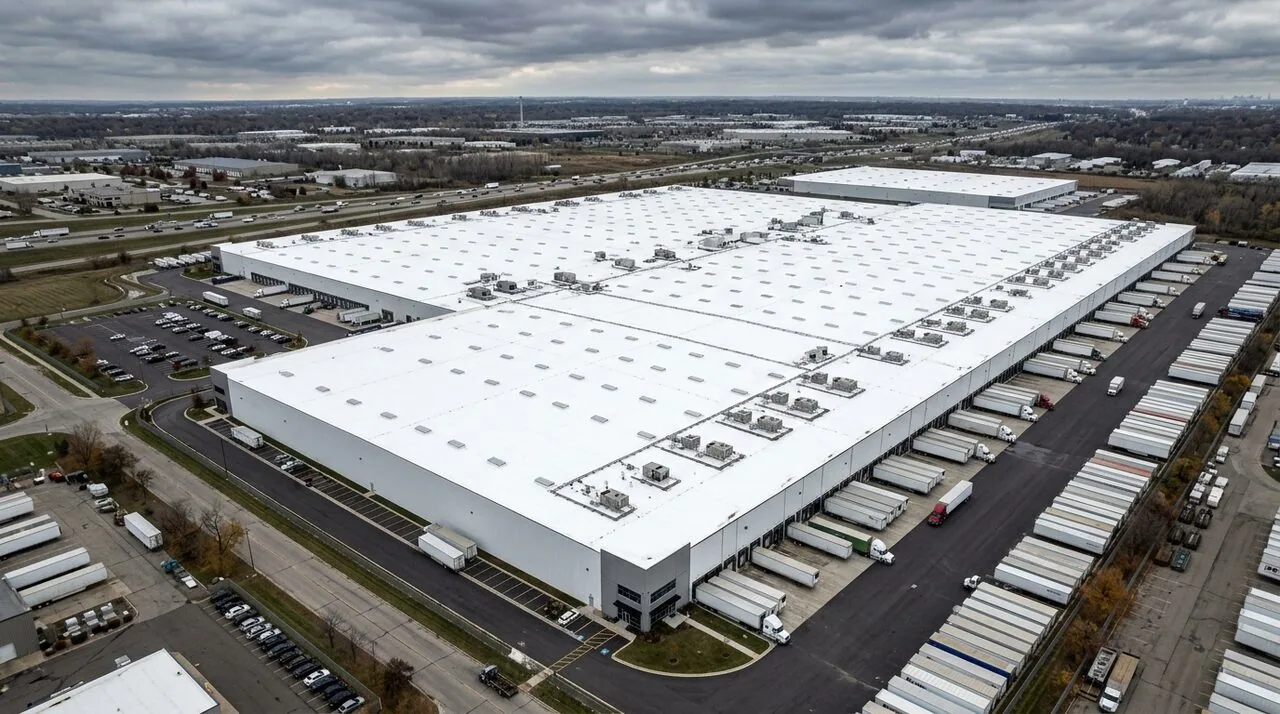
On a multi-building property such as a retail center or an industrial park, the zone list becomes the working index of the whole roof portfolio. Owners with buildings in the Business 121 corridor or in Old Town can compare buildings against one another and put the worst zone at the front of the budget request.
Work window: timing visits to storms and heat
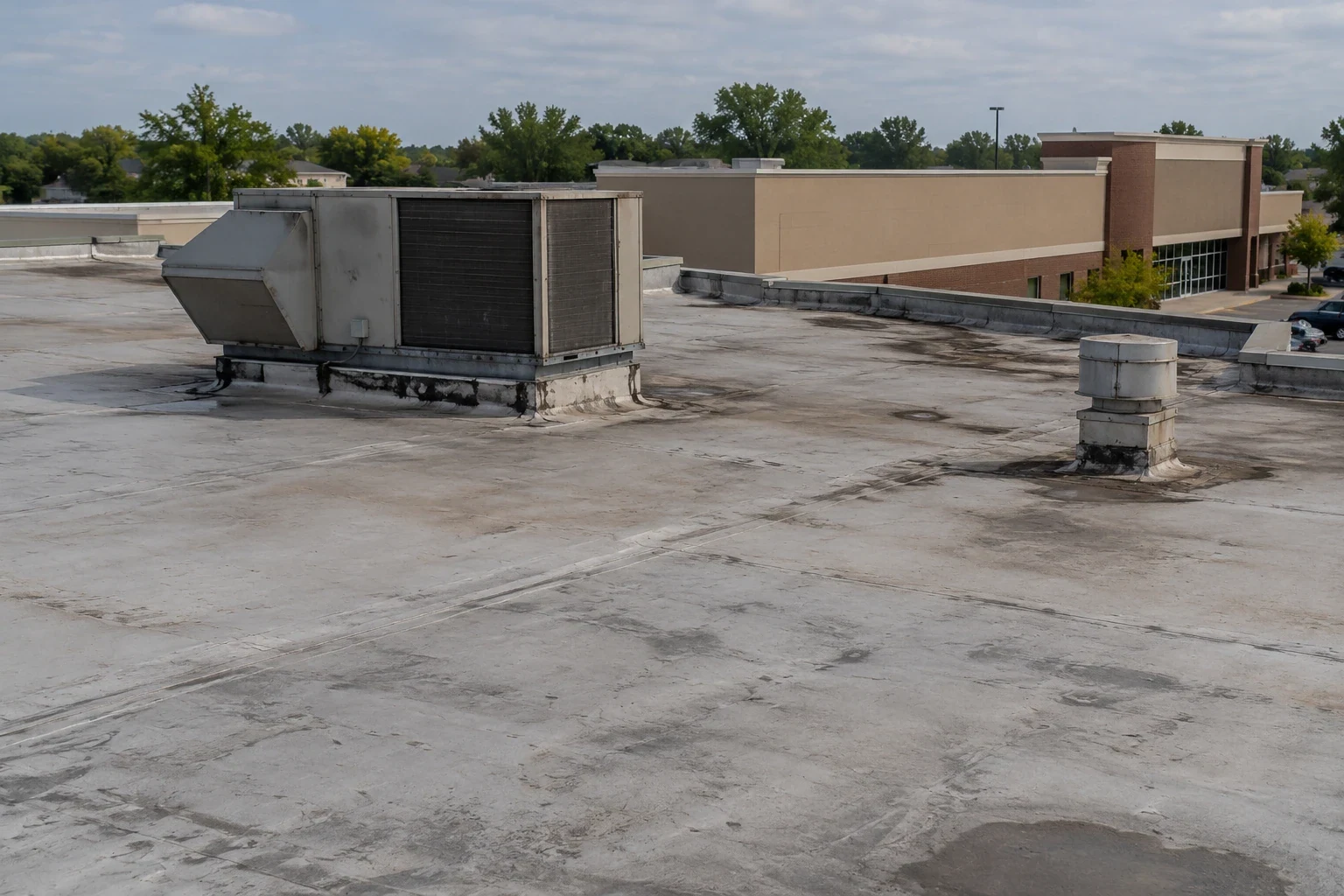
On properties along I-35E and SH 121, access windows differ from one tenant to the next, so we set each visit date with the property manager and log who granted roof entry. According to the Weather Service, the Metroplex sees some mix of large hail, damaging winds, flooding or tornadoes nearly every year, though any single location may miss a given hazard. That argues for a pass before spring, so drains are open and loose edge metal is secured, and another pass after any severe storm, so new damage is separated from old wear. A routine visit after a storm is also the cheapest way to confirm whether a storm damage repair scope is needed, and the commercial roof inspection that follows can go deeper on any zone the pass flagged.
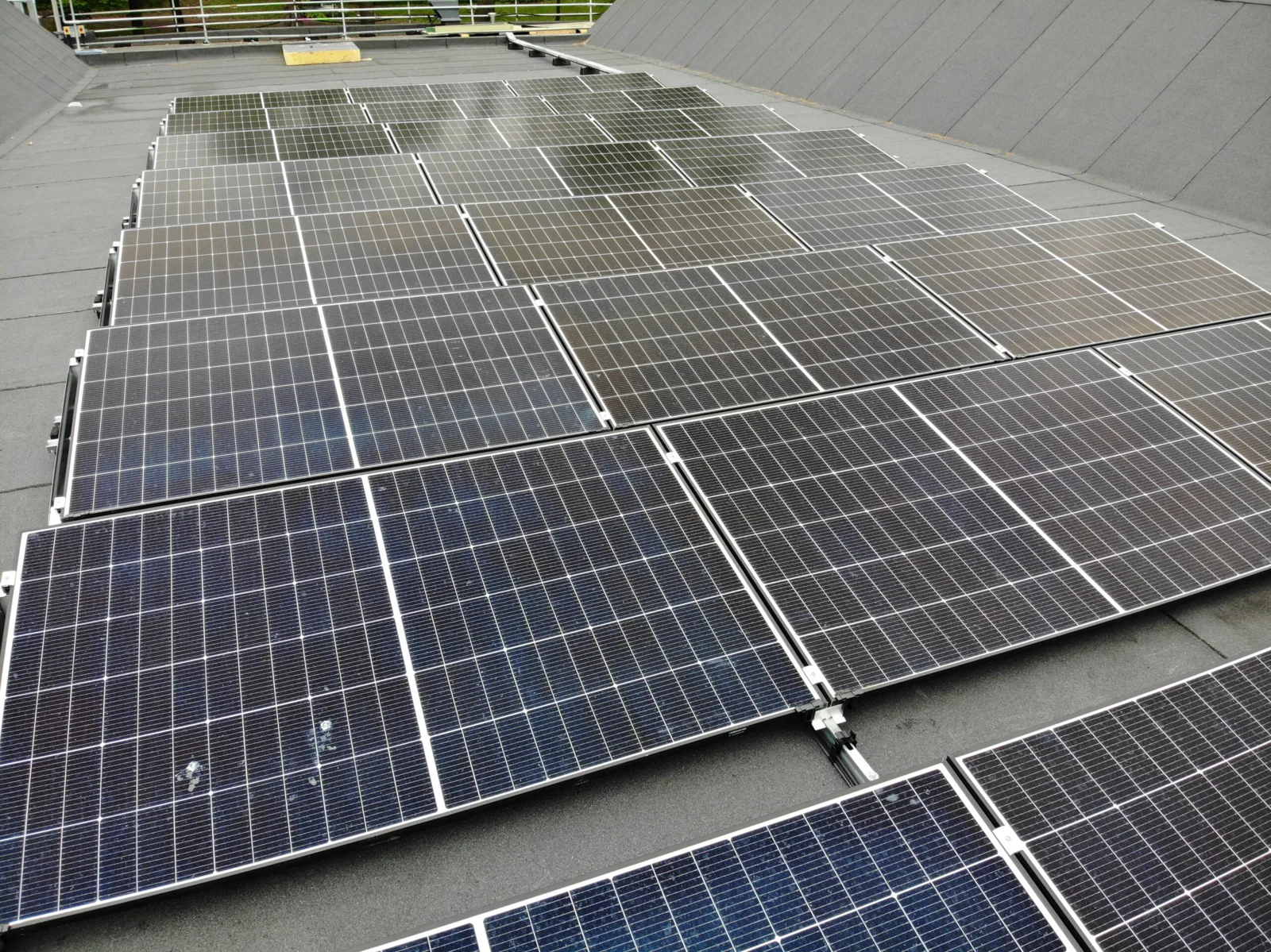
Summer matters as well. The regional airport logs roughly twenty days a year of 100 degrees or more. Sustained heat hardens sealants and stresses membrane at seams, so a late-summer pass catches heat and UV damage before the wetter fall season arrives. Wintry precipitation is infrequent across the Metroplex, so freeze-thaw cracking is a smaller concern here than heat, UV and hail.
Repair boundary: what is fixed on the visit and what is logged
Small items are fixed during the pass: clearing a drain, re-securing a loose coping cap, resealing a pipe boot, closing a failed sealant joint, patching a small puncture. Each one gets before and after photographs and an entry in the log.
Larger items stop at the repair boundary. A section of open seam, a soft area underfoot or a blistered patch is recorded with its location, an image, and the next test needed, which may be a moisture reading or a core cut. We then price the fix as a separate scope so the property manager can approve it without waiting for the next visit. Items that are not urgent go into the decision file with a date and a note on what change would raise their priority, such as a spreading stain or a second report from the same tenant. A drain that clears and then backs up again two visits later, for example, moves from a maintenance line to a drain and scupper scope with a grading check.
Decision file: turning visits into a replacement case
After several passes the log becomes the evidence for a larger decision. A roof condition report pulls the findings together, rating each zone and pairing the rating with photographs and any moisture data. That is the document a lender, an insurer or an ownership group will accept.
It also feeds the roof capital plan. A zone that needs only spot repairs for three years stays in the operating budget, while a zone with repeated leaks and wet insulation moves toward a recover or a replacement, and the dated record shows why. When a program has spent more on patches than a section is worth, the file says so plainly, and the property manager can carry that page straight into a budget meeting without rebuilding the argument from invoices. Each visit also notes the date of the last storm and whether it left anything on the roof, so the next reader can see the order in which things happened.
Commercial Roofing Questions
How many passes a year does a Lewisville flat roof need?
Two is the usual floor: one ahead of spring storm season and one after summer heat. Add a pass after any hail or wind event that the Weather Service reports in the area, and add one after major rooftop equipment service. A building near the I-35E and SH 121 interchange area with several tenants running equipment on the roof may justify a third.
What separates a maintenance repair from a repair that belongs in the capital budget?
The moisture reading. A leak with dry insulation under it is a maintenance item, patched and logged. Wet insulation across a zone is a capital item, because patching a saturated assembly only moves the water. The log records which side of that line each finding falls on.
Does maintenance affect how a roof is treated after a storm claim?
A dated record from before the storm shows the roof condition at that time, which helps separate new damage from existing wear. The record does not decide a claim, and it does not claim a cause from weather alone, but it gives an adjuster and an owner the same starting photographs.
Who should hold the photographs and findings?
The property manager keeps the master file, and we keep a copy. Each entry carries a date, a zone name and a location, so a new manager or a new owner can read it without a walkthrough. Multi-property owners can keep one folder per building, with the zone names kept identical from one visit to the next so photographs can be paired at a glance.
Can maintenance pass be done when tenants cannot allow roof access?
Yes, with a plan. We schedule access with the tenant, log the access times and, where roof entry is restricted, use a drone for the first look and a ground-level check of the drains. Any item found from the air is then confirmed by a short on-roof visit, timed to the window the tenant allows.
Related
Related Roofing Work
Business 121 Corridor

Old Town
Storm Damage Roof Repair
Commercial Roof Inspections
Heat and UV Roof Damage Repair
Roof Drains, Scuppers and Ponding Correction
Start a maintenance record
Book the first visit and receive a dated record of every roof zone, with photos, open findings and a proposed visit calendar for storm and heat seasons.