
Heat and UV Roof Damage Repair in Lewisville, TX
Home // Roof Damage Repair //
Overview
Heat and UV Roof Damage Repair in Lewisville
Rub a gloved hand across the membrane and look at the glove. Chalk on the fingers means the surface layer has begun to break down under sun, and the photograph of that glove, with the date and the roof zone beside it, is the first dated finding in a heat and UV record. The inspection pass in Lewisville, TX moves from that test to the edges, where shrinkage shows first, then to seams, flashings and the places where heat and water meet.
The climate across Dallas-Fort Worth is humid subtropical, and summers are hot. July and August highs at the regional airport come close to 96 degrees Fahrenheit, and twenty-some days a year reach 100. A dark membrane in direct sun runs hotter than the air, so the record documents what the surface itself shows.
Age is a question the walk tries to answer without guessing, because a roof's years and its condition rarely match. Installation records, permit dates and warranty papers go on the first page of the file, and where none exist, a core sample shows the layers and often the era of the work. A roof whose age is unknown is recorded as unknown, with the test that would narrow it.
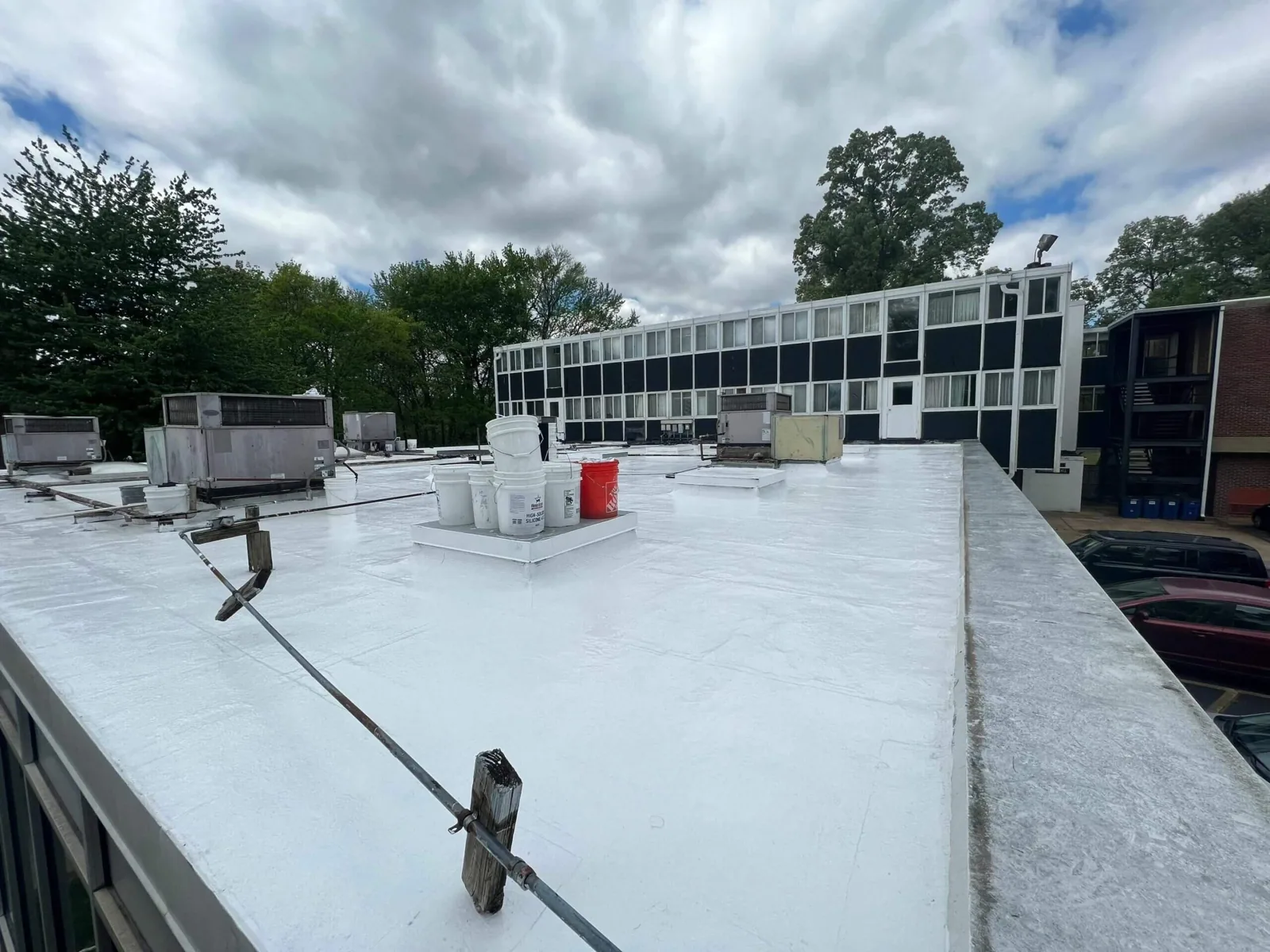
Inspection record: chalking, crazing and shrinkage
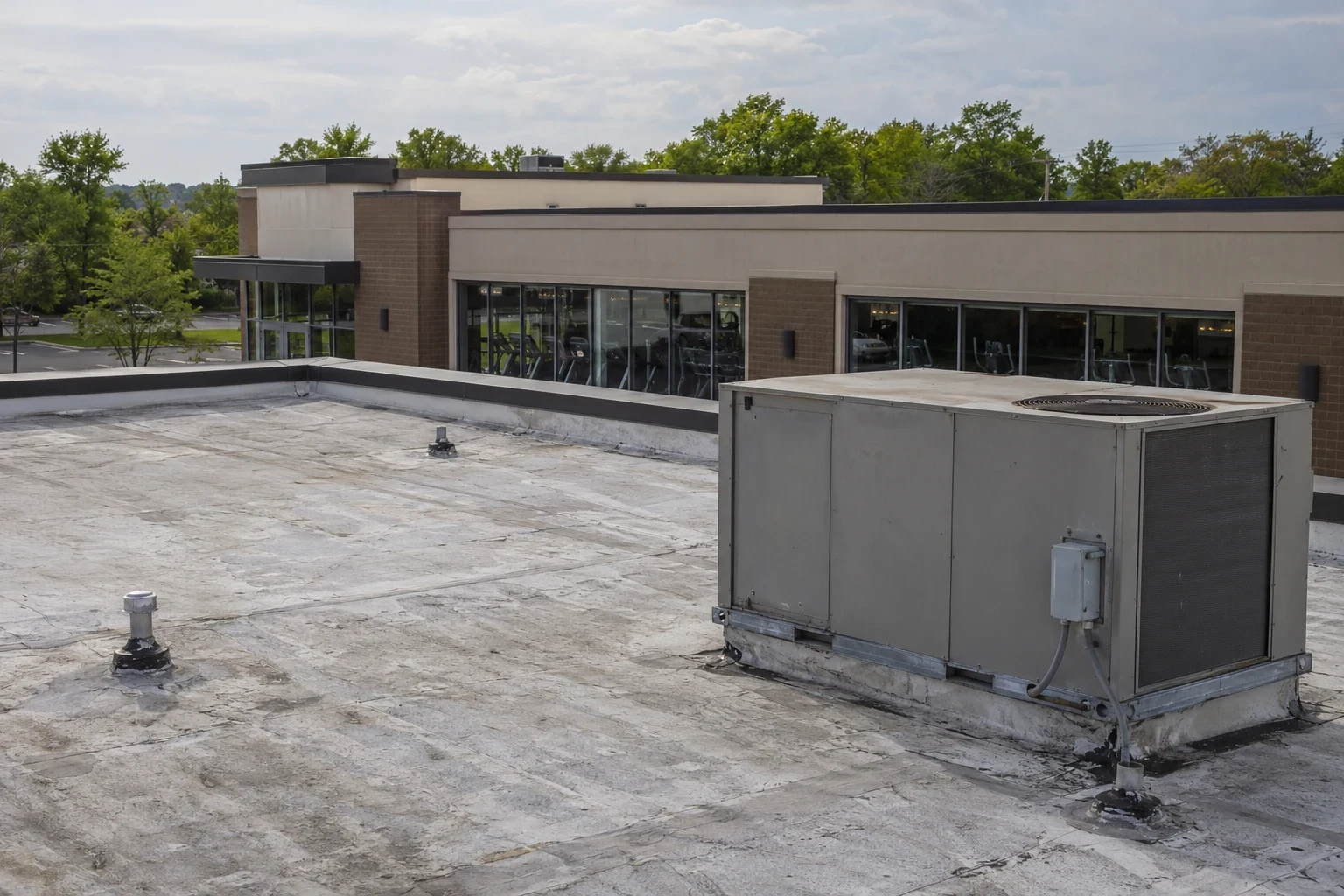
Heat and ultraviolet light age a roof in a few readable ways. Single-ply sheets chalk, craze and harden, and the plasticizers that keep them flexible migrate out over time. Modified bitumen loses granules and cracks at the surface. Coatings fade, flake and thin. Metal panels lose finish and expand against their fasteners. Each sign gets a photograph in the same light and from the same position, so change from year to year is visible.
Shrinkage is the finding that costs the most. A membrane that contracts pulls on its seams and flashings, tents away from walls and curbs, and leaves gaps at terminations. We measure the gap at selected walls and record it, because a gap that has grown since last season marks a roof moving toward failure.
Color and exposure vary by slope. A roof surface facing the afternoon sun ages faster than one that sits in shade for part of the day, and the plan marks the slopes so the record can compare them. Areas beneath rooftop equipment shade the membrane and show less aging, and the contrast helps date the roof.
Attachment detail: seams and terminations under thermal stress
Daily heating and cooling moves every joint. Welds that were marginal at installation open in the first few hot seasons, and adhesive bonds lose strength as the sheet hardens. The pass probes seams along the sun-facing slopes first and logs each opening by length, as set out in seam failure repair.
Terminations get the same attention. A base flashing pulled down by a shrinking sheet cannot shed water at the top of the wall, and a counterflashing that has lost sealant lets water behind it. These failures show up as failed flashing in the record, with measured gaps and photographs.
Walk pads and traffic routes protect an aged sheet from damage. A hardened membrane is less forgiving of foot traffic and tool drops, so a puncture on an aging roof gets patched with a larger margin of sound material.
Moisture reading: whether aging let water in
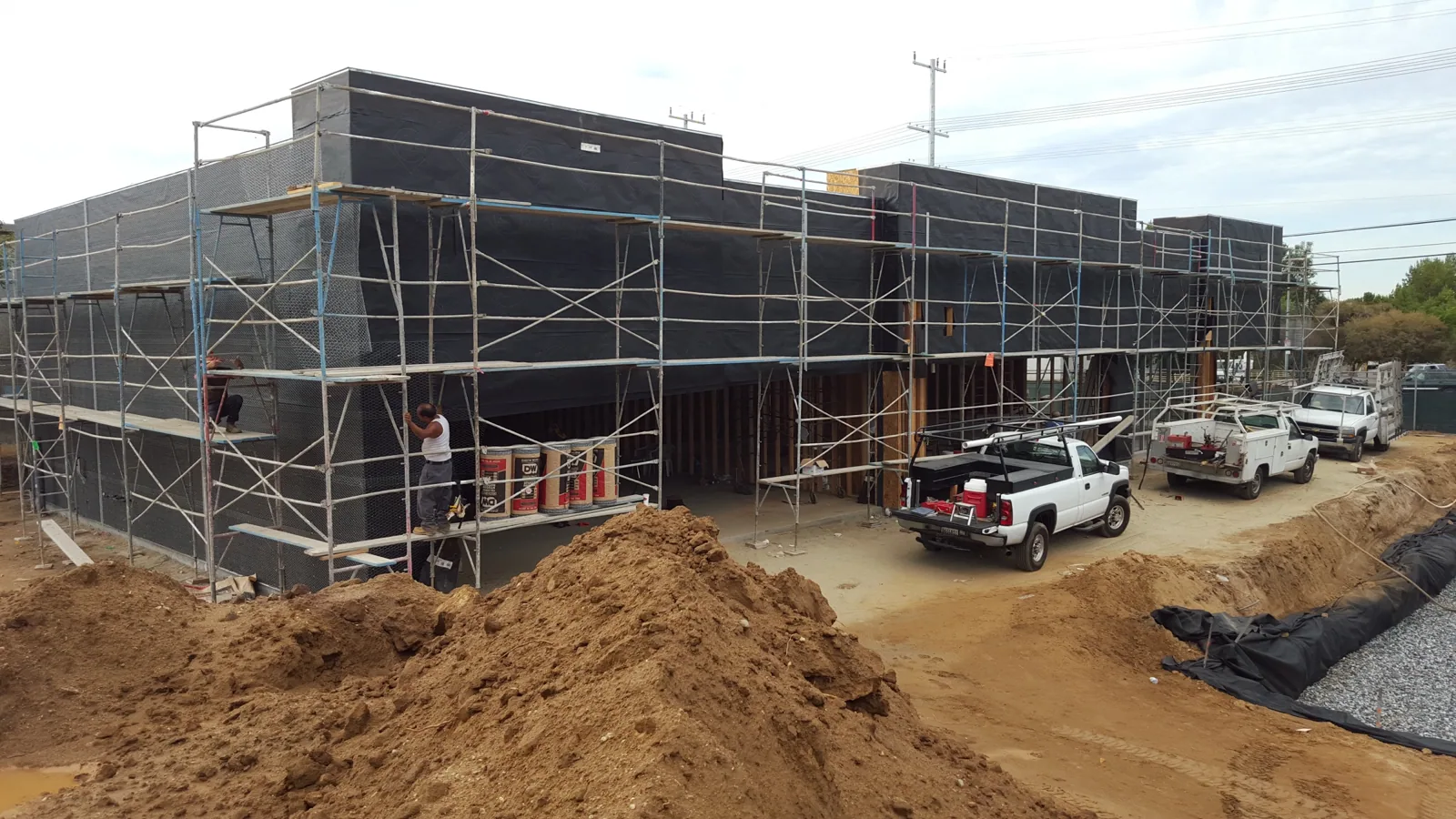
An aged roof often leaks slowly, so the insulation can be wet without any obvious stain. An infrared survey in the evening, when the roof releases the day's heat, maps cool wet areas against warm dry ones, and core samples confirm the readings. The survey is dated and tied to the weather in the days before.
This reading decides the options. A sound, dry roof with surface aging can take maintenance or a coating. A roof with wet insulation in several zones needs those zones opened, and the scope moves toward replacement of the affected sections. Both paths go into the options review with the readings attached.
Insulation can also change in the heat. Some boards shrink or warp, leaving gaps at joints that show up as lines in the membrane above. A core and a close look at the board edges show whether the insulation, and not only the sheet, needs attention.
Work coordination: summer heat and access
Working on a hot roof changes the job. Surfaces soften, adhesives flash off fast and crews tire sooner, so repair work starts early, breaks are scheduled and tools are kept off soft membrane. Walkways and pads are used to protect aged sheets from foot traffic. Spring and fall bring the thunderstorms and the rain, so heat-season repairs are timed around them.
Many Lewisville roofs along I-35E and SH 121 sit above tenants with fixed hours, and the access log records each entry. Rooftop units add heat of their own, and the membrane around exhaust outlets may age faster than the field, so the pass compares those areas with the rest of the roof.
Interior conditions are part of the record. A top-floor space that has become hotter or that shows condensation may indicate a change in the roof's insulation or reflectivity, and the facility team's notes join the file with dates.
Options review: maintain, coat, recover or replace
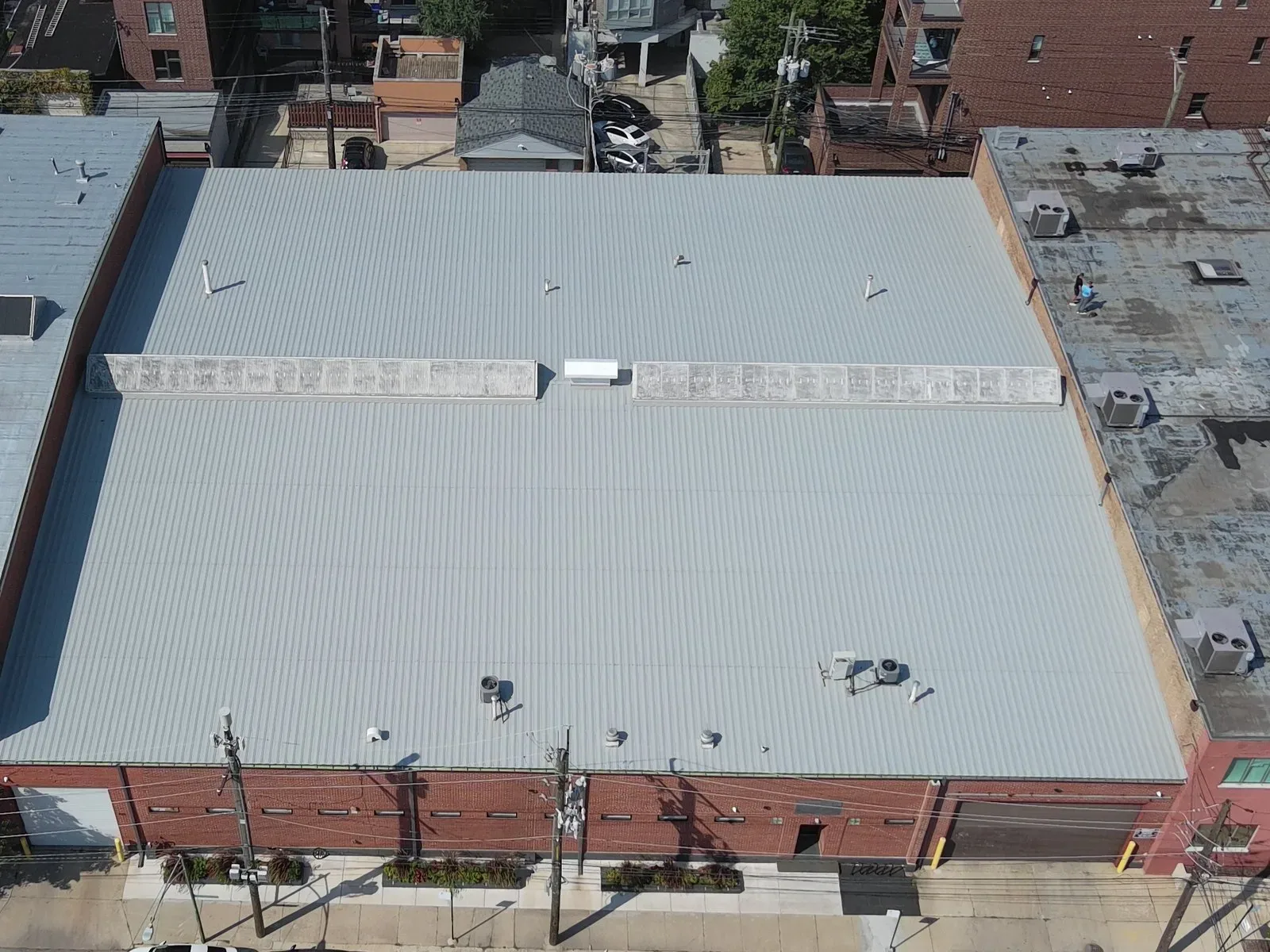
The options follow the evidence. A roof with early chalking and sound seams takes cleaning, resealing and maintenance. A sound, dry roof with advanced surface aging can take a restoration coating, or a cool roof surface that reflects more sun. A roof with shrinkage gaps, brittle sheet and wet insulation moves toward replacement.
Any permit should name the 2021 IBC edition and amendments in force in Lewisville. Cost drivers are area, surface preparation, insulation condition, access and the work window. The options review shows each path with its drivers, and the closeout packet carries the photographs, plan, readings and product data.
Utility use is a related consideration for owners weighing a coating or a cool roof. The record shows the roof's condition, and the energy question is settled with the building's own bills and mechanical records, not with a regional temperature table.
Closeout documentation: tracking change by season
Heat damage builds over seasons, so the record is built to show change. Each visit repeats the same photographs at the same positions, and the packet shows chalking, gaps and seam condition side by side across years. Buildings in Old Town North and other districts can be tracked in the same format, and a preventive maintenance visit each spring and fall keeps small faults small.
Commercial Roofing Questions
What does chalking tell me about the roof?
It shows the surface layer is wearing. Chalking alone is not failure, but with shrinkage, open seams or hard sheet it points to an aging roof.
Can a coating stop heat damage?
A coating can protect a sound, dry roof and slow further aging. It does not repair open seams or wet insulation, which are corrected first.
Is a lighter roof surface worth considering?
Where a roof is being coated or replaced, a reflective surface can reduce heat on the membrane. The options review compares it with other choices.
How often should an aging roof be checked?
Twice a year, in spring and fall, with photographs repeated from the same positions. Roofs with known gaps or seam openings may need more.
Does a dark roof run hotter than the air?
Yes. A dark membrane in direct sun runs well above the air temperature, so the record rests on chalking, shrinkage and seam condition rather than on a weather table.
Related
Related Roofing Work
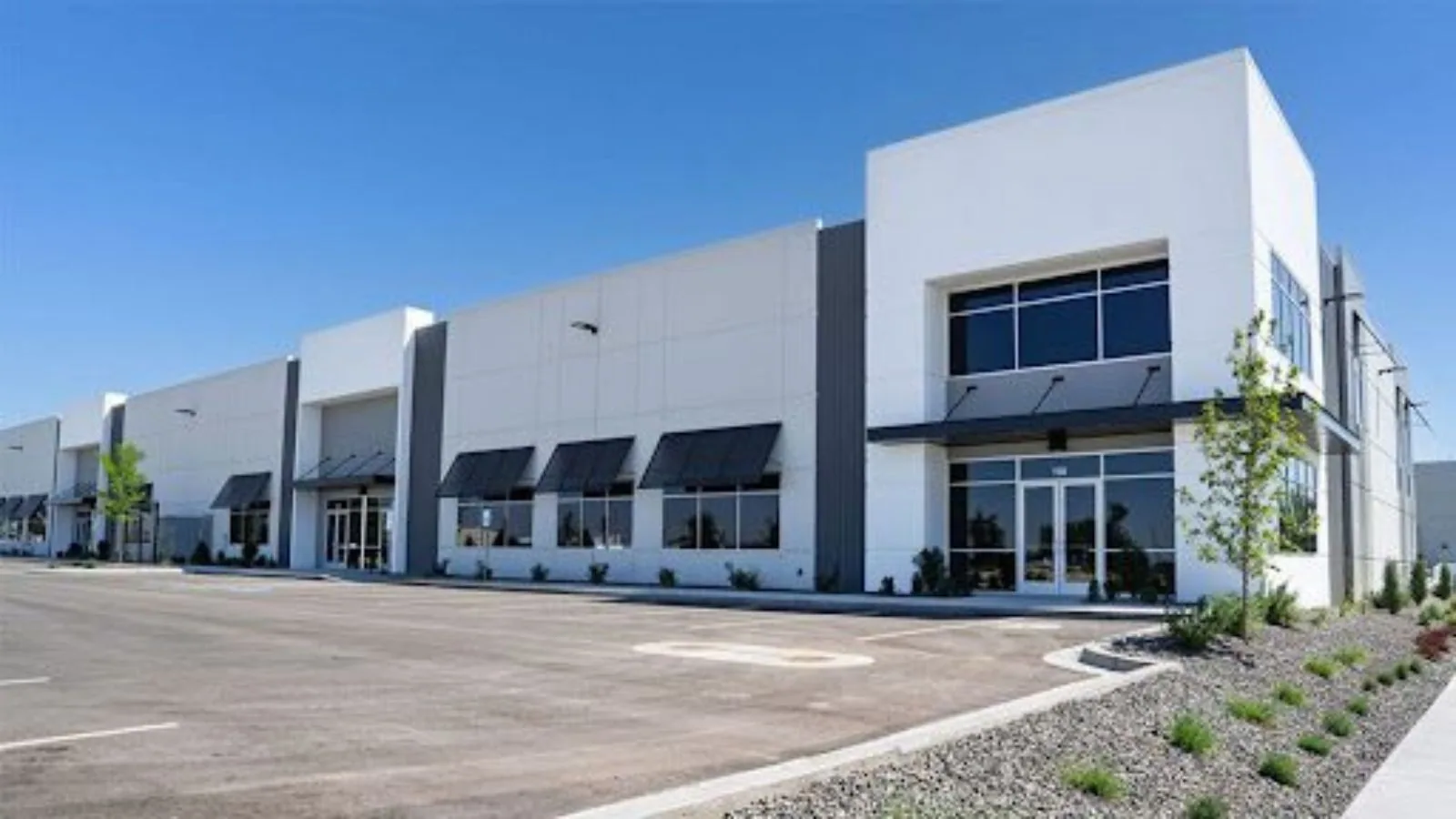
Split and Open Seam Repair
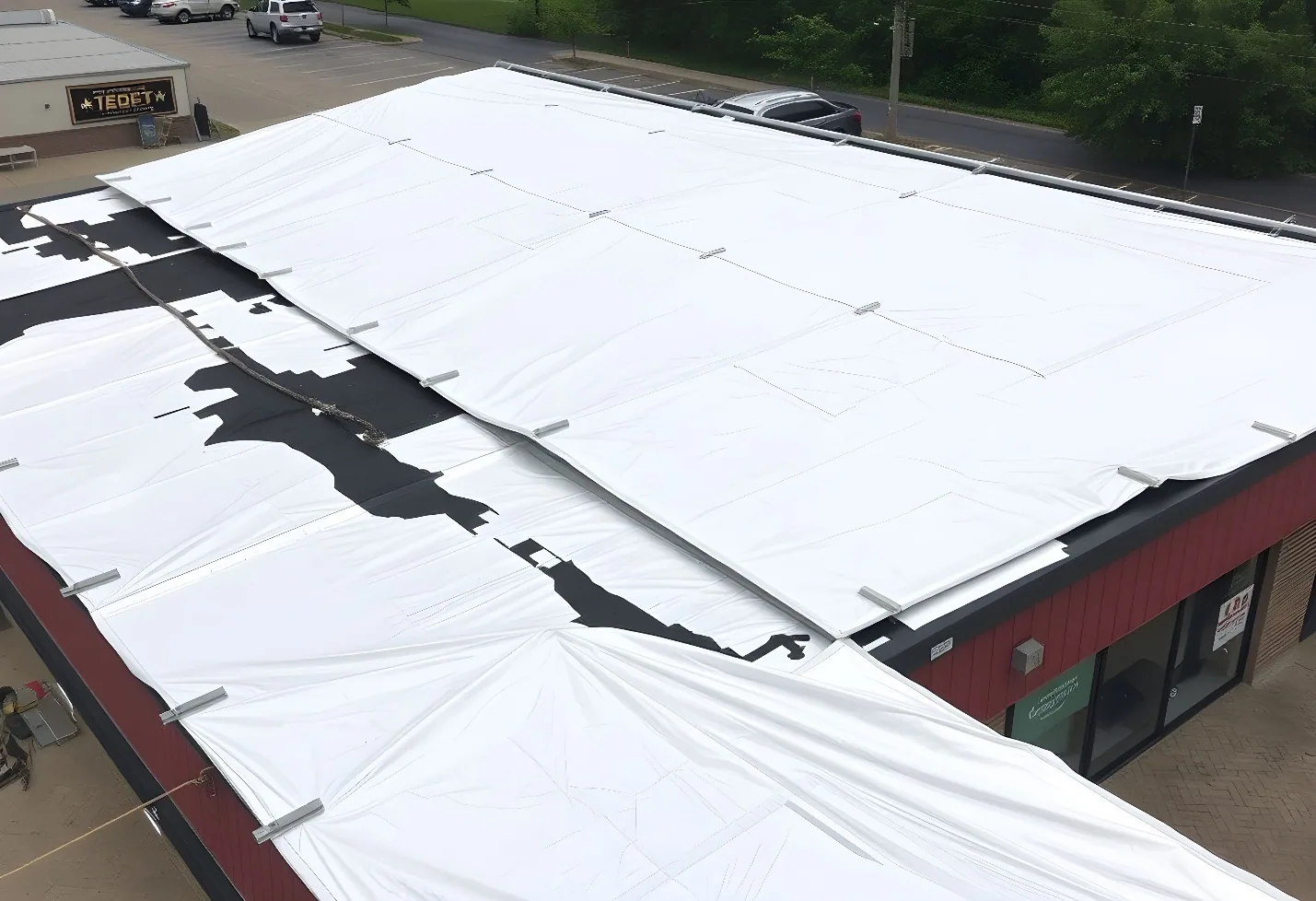
Failed Flashing Repair
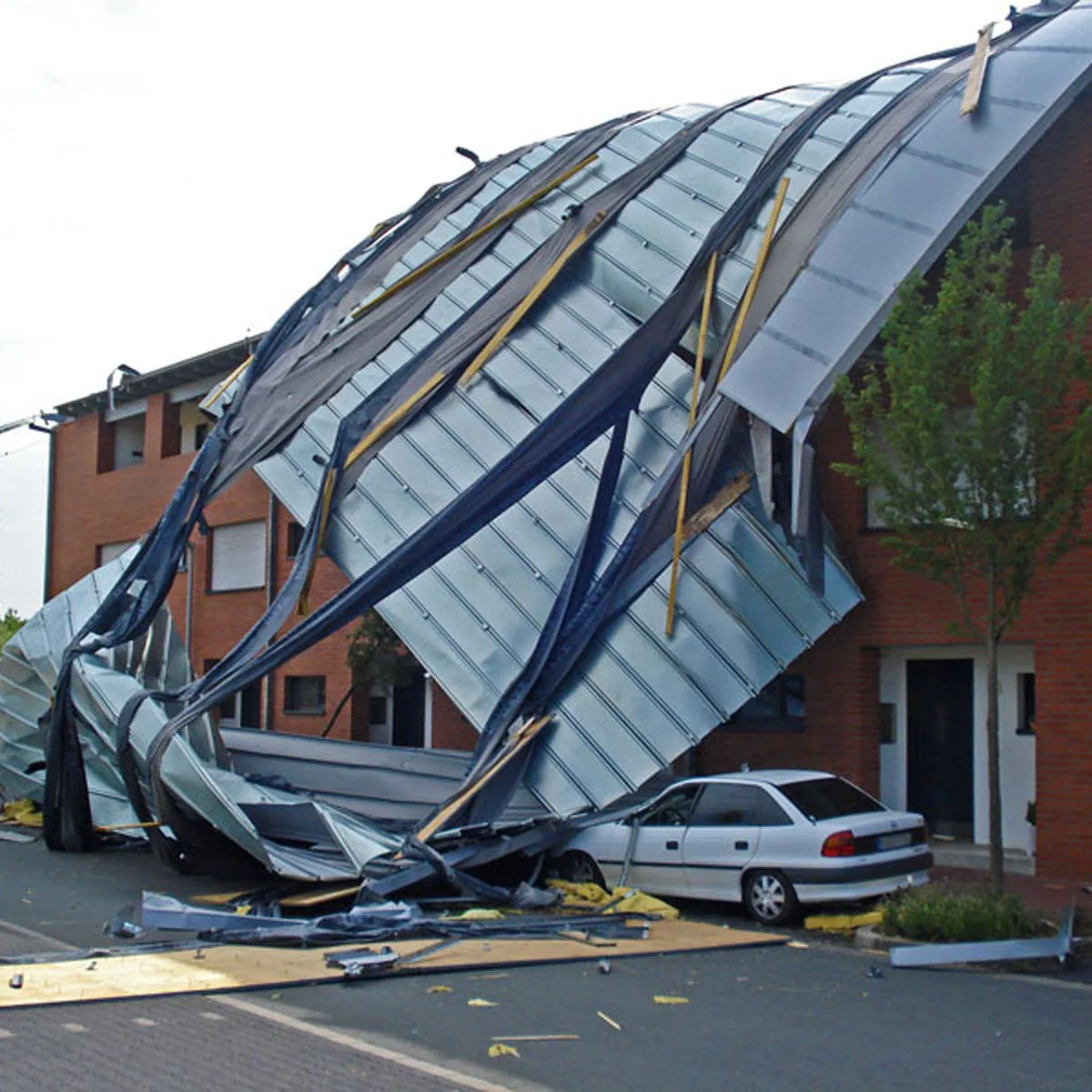
Membrane Puncture Repair
Infrared and Core-Cut Moisture Surveys
Roof Coating and Restoration
Cool Roof Installation
Schedule an inspection and get a dated record
Send the property manager's list of roofs, their ages if known and any access limits. We will return a dated condition record with photographs, findings and recommended next steps.
