Commercial Roof Replacement in Lewisville, TX
Overview
Commercial Roof Replacement in Lewisville
A replacement decision starts with a stack of dated evidence: the last roof plan, the repair log, a run of moisture readings, and a photo sequence that shows the whole roof zone before it moves in on any one detail. For an owner in Lewisville, TX, that stack matters more than the age of the membrane. Hot summers, spring thunderstorms and the occasional hail season wear roofs unevenly, so two buildings of the same age can need very different answers.
Our tear-off and replacement work begins with an inspection pass that tells you what the existing roof is still doing and what it has stopped doing. If patching can no longer hold the water out, the condition record becomes the basis for a replacement scope that a property manager, a lender or an insurer can read without a guide.
Condition record: what points toward tear-off
Replacement is on the table when the findings repeat. Seams that open again after repair, fasteners backing out of the deck, flashing that has split along its fold, and drains that sit above the surrounding membrane all say the system is failing in more than one place. A single leak does not make that case. A map of leaks, drawn from the same roof over several seasons, does.
Moisture readings carry the most weight. When an infrared and core-cut moisture survey shows wet insulation spread across several roof zones, the insulation has to come out with the membrane, and that settles the tear-off question more reliably than a visual impression from the surface.
We also log what is still sound, such as a dry deck or a parapet in good shape, so the record separates what comes off from what stays.
Repair boundary: where the old roof stops and the new one starts
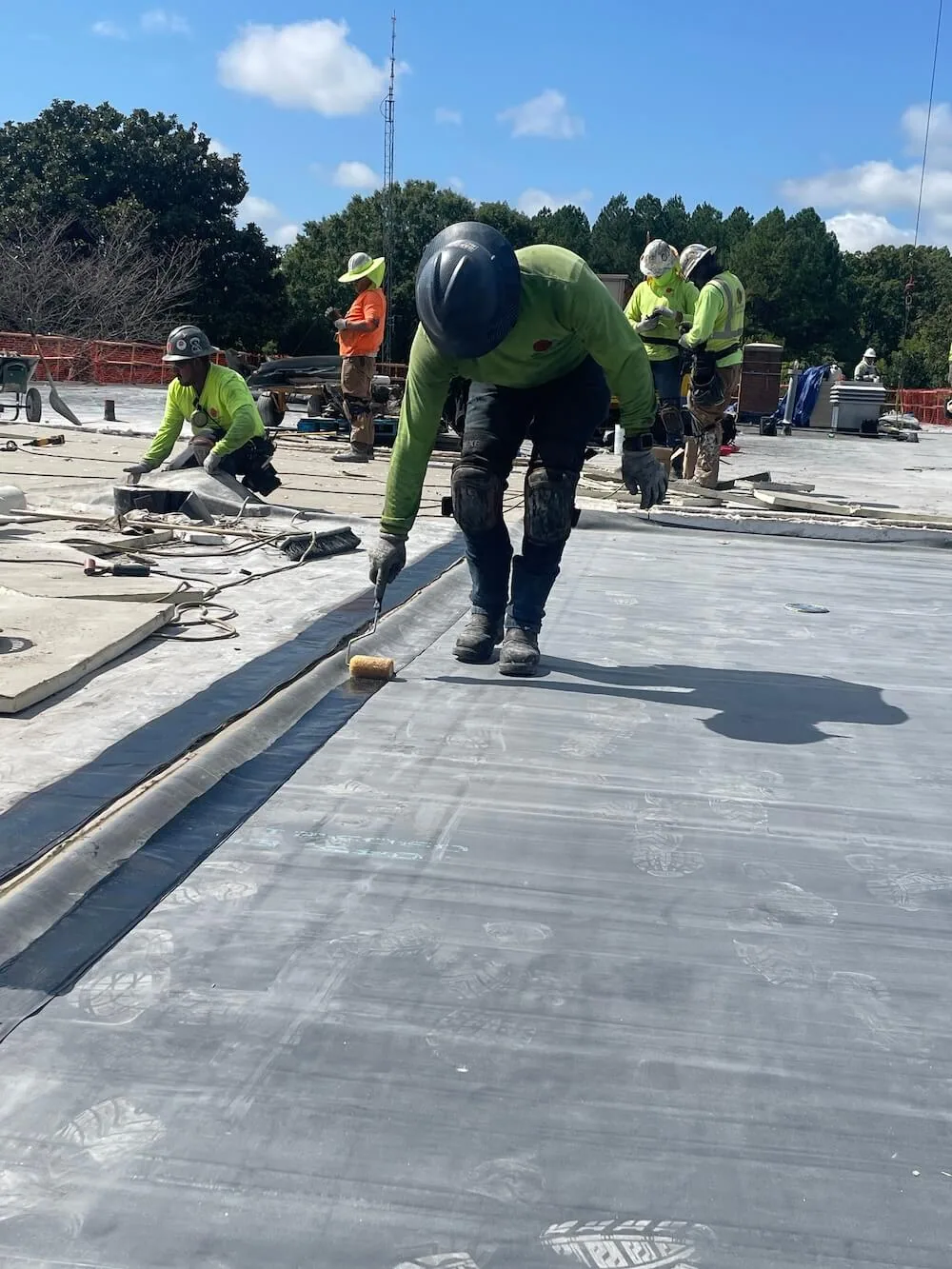
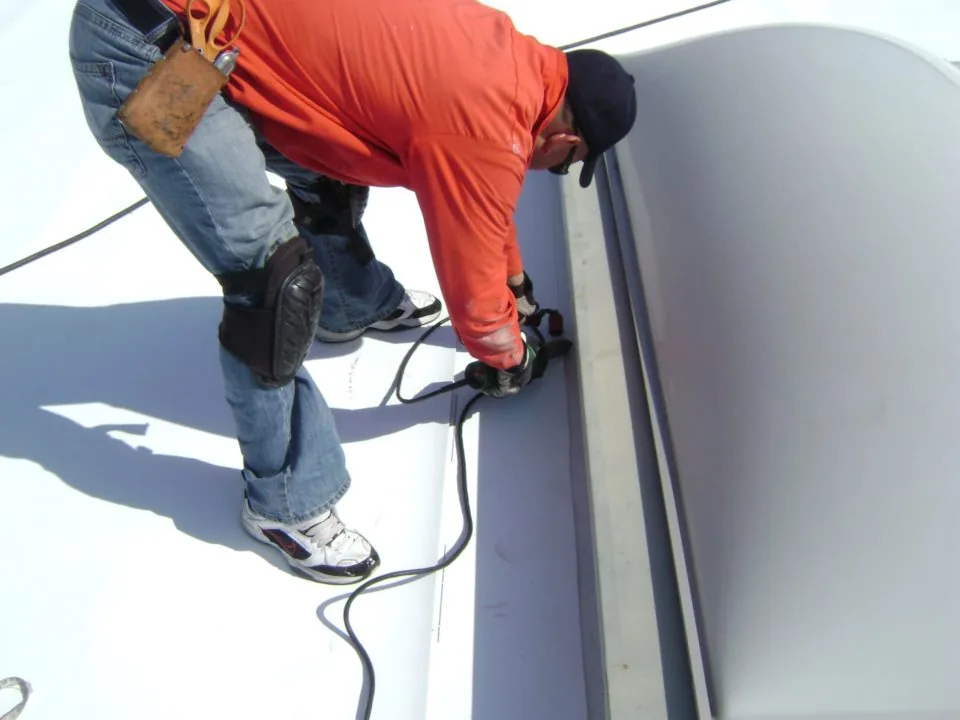
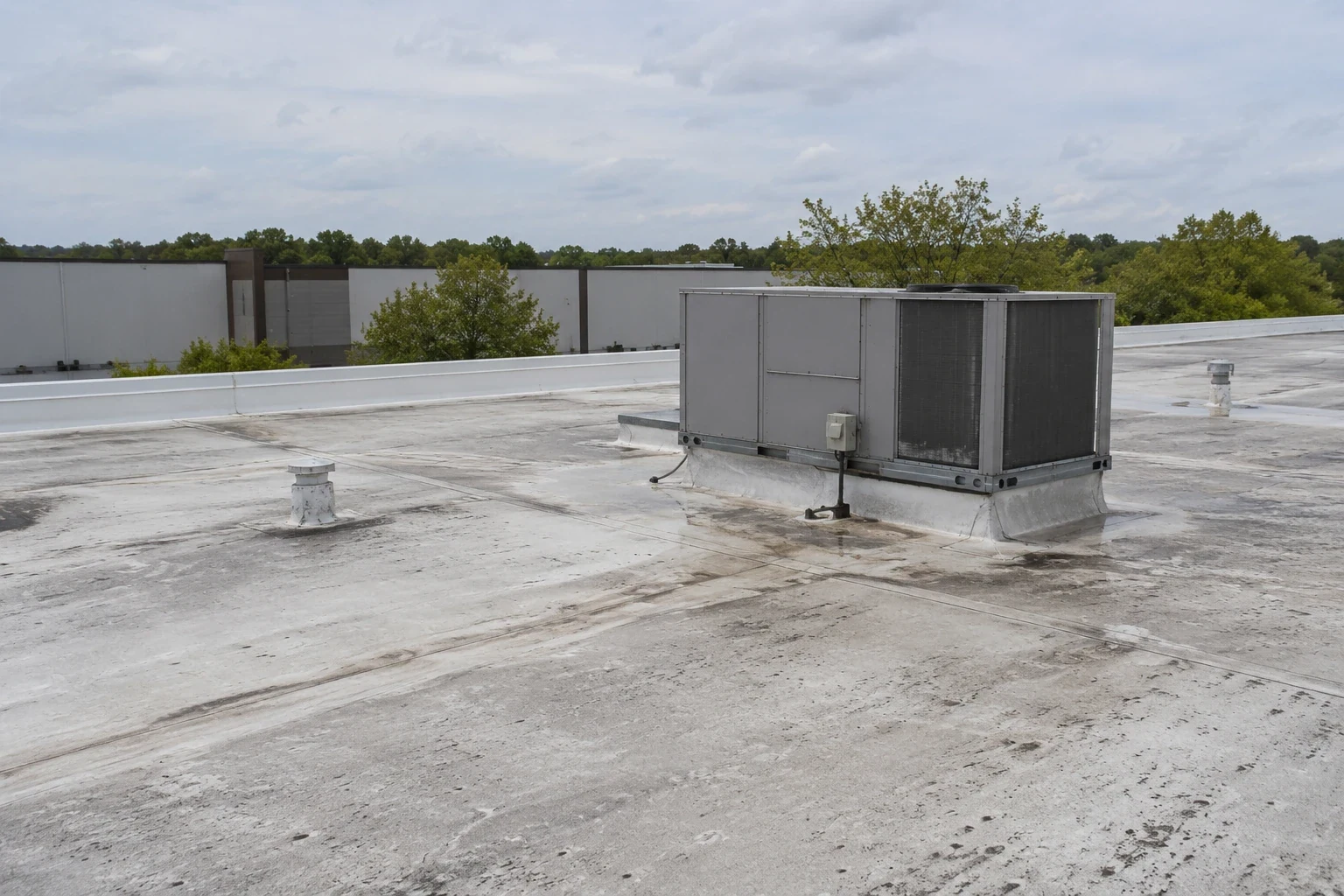
A tear-off scope is only useful if it names its edges. We mark the perimeter of the removal area on the roof plan, list the layers coming off, and state what happens at every transition: the parapet wall, the roof hatch, the rooftop unit curbs, the penetrations through the deck. Each transition gets an attachment detail, drawn or photographed, so a crew does not improvise at the one place water finds first.
Exposed deck is the second thing the scope has to settle. Once the membrane and insulation are off, steel deck can show corrosion at the flutes and wood or concrete decks can show soft spots. We set a rule before the first panel is lifted: damaged deck is cut out and replaced at an agreed unit rate, with a photo and a location for every repair, so the change is a line in the record rather than a surprise on the invoice.
Edge metal and coping belong in the scope too, since the wind rating of a perimeter detail depends on how it is fastened and lapped.
Work window: staging a tear-off on a working property
Lewisville properties rarely sit idle during a reroof. Offices near I-35E keep tenants in the building, retail frontages along SH 121 need clear entrances, and warehouses keep docks moving. We plan the work in sections sized to what the crew can dry in on the same day, so the building is never open to rain at the end of a shift. The access log for each day lists who was on the roof, which zone was open and when it was sealed.
Debris chutes, hoist paths and material drops stay clear of doors and parking, and adhesive odor is timed away from sensitive tenants.
Where a building has an occupied reroof constraint, such as a call center, a clinic suite or a tenant with equipment under the roof, the schedule can run in smaller zones with interior protection at the ceiling below.
Options review: replacement against recover or restoration
Tear-off is not the only path, and the record should show why it was chosen. A dry roof with sound insulation may qualify for a recover over the existing membrane, and a membrane with years left but a worn surface may suit a coating restoration. We lay those options beside the replacement scope so the owner can compare cost drivers, expected service life and disruption on the same page of the decision file.
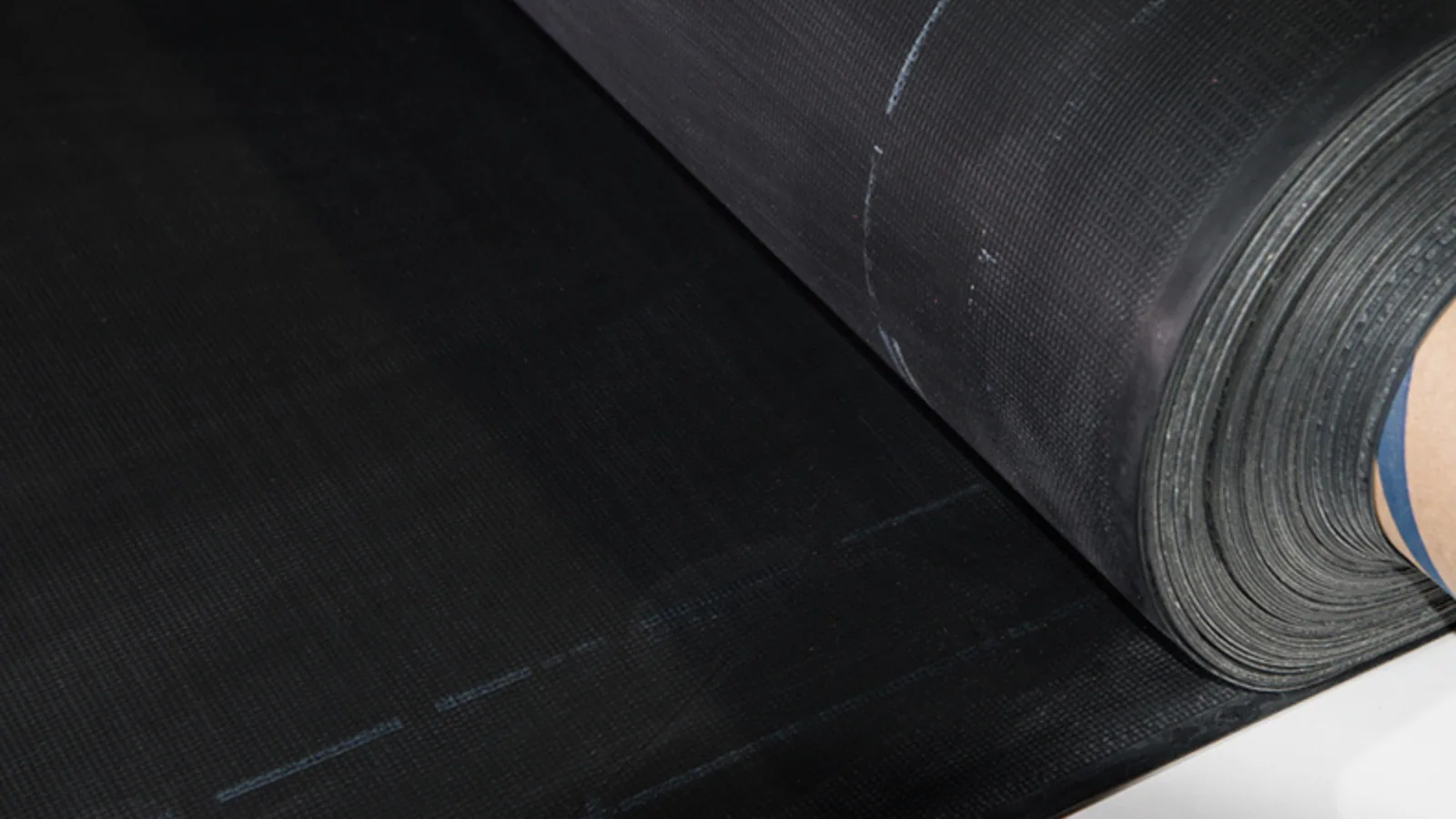
System choice comes next. A single-ply such as TPO is a common fit for large low-slope roofs with reflective needs, while modified bitumen or built-up suits buildings with heavy foot traffic or many penetrations. The right answer depends on deck type, insulation requirement, drainage and what the building does under the roof, not on a standard specification.
Insulation thickness and wind uplift requirements follow whichever code edition the permit office applies. The city's adopted list includes the 2021 International Building Code, and the amendments are confirmed before the scope is priced.
Metroplex weather: what the new roof has to carry
The National Weather Service describes large hail, damaging winds, flooding and tornadoes as occurring nearly every year somewhere in the Dallas-Fort Worth Metroplex, though any one location may be spared in a given year. That regional pattern is a reason to specify a membrane and cover board that can take impact, and a reason to document the condition of the new roof once it is finished, so the baseline exists if a storm does arrive.
Heat is the quieter load. July and August normal highs at DFW sit near 96 degrees, and the 1991-2020 normals count 20.2 days a year reaching 100 or more. Dark membranes on a Lewisville warehouse or a mixed-use building in Castle Hills absorb that heat all afternoon, and seams and adhesives age faster where they bake. Wintry precipitation is infrequent here, so thermal movement and storm impact matter more than freeze-thaw.
Closeout documentation: what the owner keeps
When the last seam is probed and the last drain is flushed, the work is not finished until the file is. The closeout packet holds the final photo sequence, the as-built roof plan showing where every drain, curb and penetration sits, the layer schedule of what was installed, and the dated test results from seam checks and any final moisture readings.
It supports manufacturer warranty registration where one applies, shows an insurer the roof as it stood before any later loss, and gives an ongoing condition report something precise to measure against.
Commercial Roofing Questions
What findings tip a Lewisville office roof from repair into replacement?
Repeat failures settle it. If the same seams, flashings or drains reopen after repair, and a moisture survey shows wet insulation across more than one roof zone, the cost of continued patching starts to exceed the cost of a new system. A single leak with dry insulation around it usually stays in the repair column.
How does the tear-off scope handle wet insulation found only after removal?
The scope sets a rule in advance. We take moisture readings before the work, mark suspect zones on the plan, and agree a unit rate for any additional insulation or deck that must be removed. Each extra area gets a photo, a location and a date in the decision file, so the change order matches what was found.
Will a hail report change what we should replace?
A hail report tells you to look, not what you will find. The inspection pass checks for bruising, split seams and displaced metal on your specific roof, and the findings drive the scope. If damage is present, the record also supports a conversation with your insurer, which is why the photo sequence matters before demolition starts.
Can part of the building stay open to tenants during the work?
Yes, in most layouts. We divide the roof into zones that can be torn off and dried in on the same day, route debris away from entrances and loading areas, and schedule noisy or odorous steps for hours that suit the tenant mix. The access log shows which zone was open, when and for how long.
What does the owner receive when the replacement is complete?
A closeout packet: the as-built plan, the layer schedule, final photographs of every transition, seam test results and any warranty paperwork the manufacturer issues. It is meant to sit in the building file and be useful to whoever manages the roof next, including a lender or buyer reviewing the property.
Related
Related Roofing Work

Infrared and Core-Cut Moisture Surveys
Occupied Building Reroofing
Roof Recover and Overlay Systems
Roof Coating and Restoration
TPO Roofing
Castle Hills
Schedule an inspection before you decide
Ask for an inspection pass on your Lewisville building and receive a dated condition record with photos, findings and recommended next steps, so the replacement decision rests on evidence.