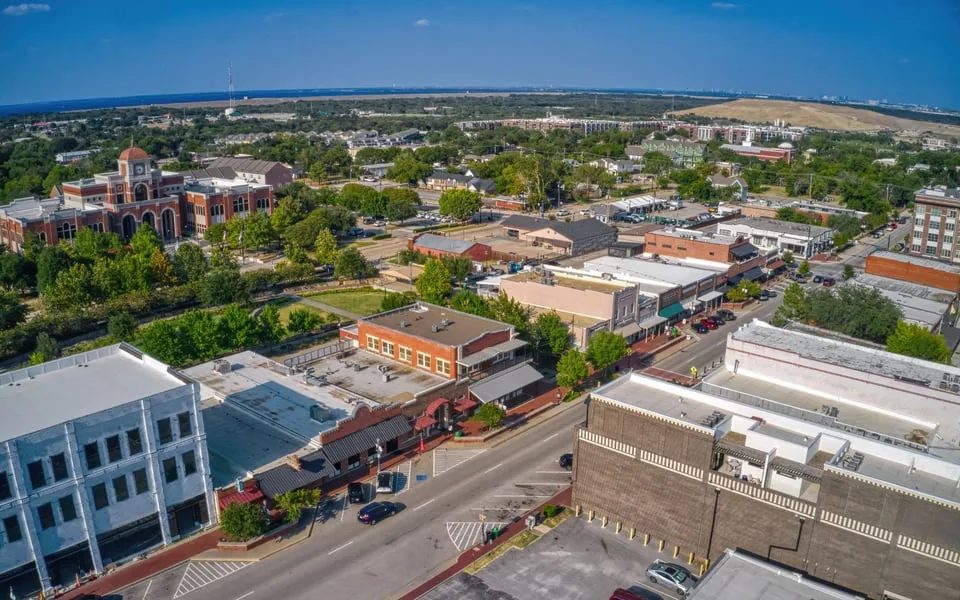
Manufacturing Plant Roofing in Lewisville, TX
Home // Property Types We Roof //
Overview
Manufacturing Plant Roofing in Lewisville
A shutdown calendar is the first record a plant roof needs, and it should arrive before the roof plan does. Production lines in a Lewisville, TX plant do not wait on a roofing schedule, and the few days a year when a line is down, a furnace is cold or a paint booth is empty are the days when exposed work can happen safely. Everything else on the scope, from the number of roof zones to the order they are opened, follows from those windows.
The inspection pass that comes first looks for what a shutdown calendar cannot fix: wet insulation, failed flashings at process penetrations, and exhaust staining that points to a membrane problem.
Local context: manufacturing across the Metroplex
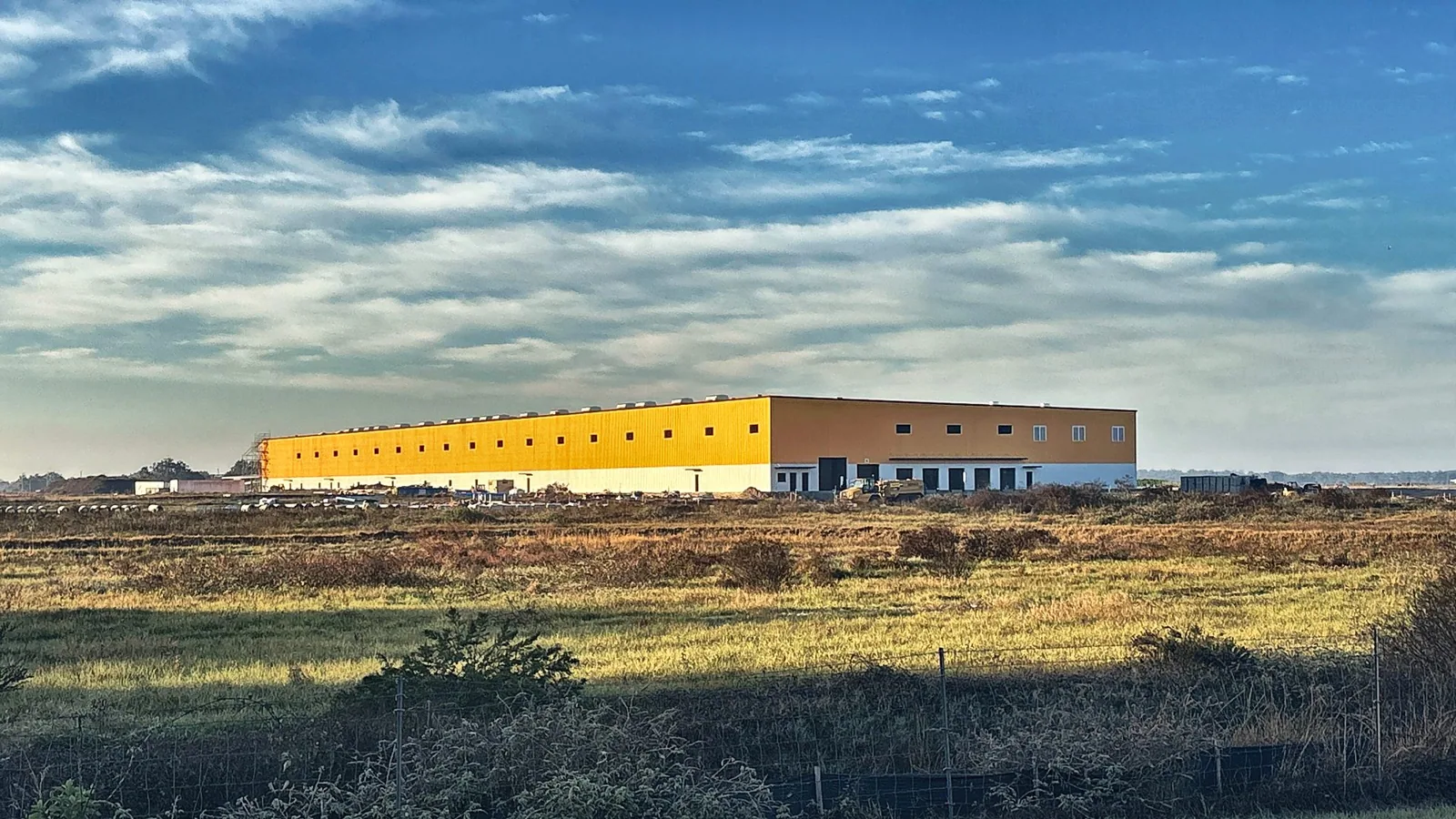
The Metroplex economy includes communications equipment manufacturing, air transportation and warehousing, and Lewisville's own planning identifies industrial park land alongside commercial and mixed-use districts. Flower Mound lists manufacturing and distribution among its local employers, Plano plans manufacturing and research uses along Plano Parkway, and Denton calls out Westpark, a roughly 800-acre industrial reinvestment zone north of Airport Road.
Plants in these places face the same roof questions for the same reasons: large footprints, process loads that change faster than the roof plan does, and little tolerance for unplanned downtime. Manufacturers need records they can hand to an insurer or a plant engineer without translation.
Exposure record: what the plant puts on its own roof
Process exhaust, steam, oil mist and washdown discharge all land on roofs somewhere. We ask the plant engineer for a list of units that vent upward and walk the roof to compare it with what the membrane shows. Staining downwind of a stack, softened sheet near a vent, or a chalky patch under a cooling tower are findings that belong in the record with a location and a clear image.
The exposure record decides which repair materials will last. Some sheets tolerate fats and oils, some tolerate heat, and few tolerate both. Where the exposure is chemical, the scope names a compatible system, for example PVC roofing, and the closeout packet holds the test results.
Cleaning belongs to the same record. A pressure wash aimed at a seam can drive water under a lap, and a solvent used on a stain can soften the sheet it was meant to clean. The plan states how the surface is washed, how often and by whom, and the packet carries that instruction forward for the plant's maintenance staff.
Attachment detail: equipment that moves
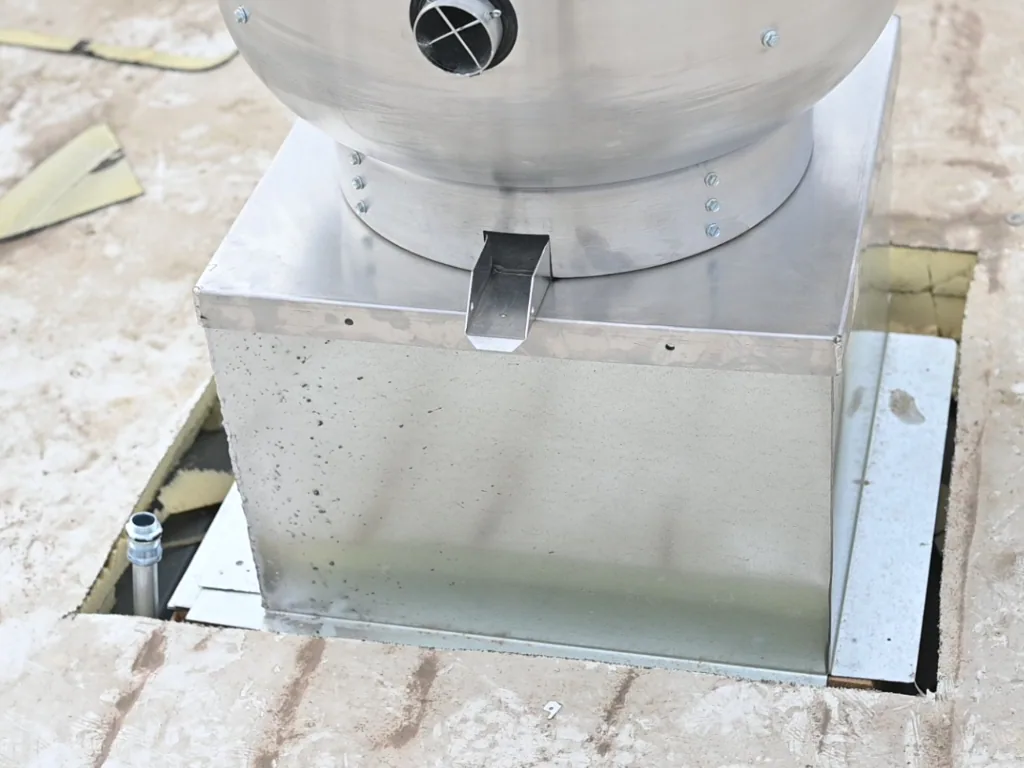
Rooftop plant moves. Fans vibrate, ducts expand, platforms settle and piping shifts as production changes. Each movement works a flashing, and a curb detail that was tight at installation can open within a few seasons. We check every unit's curb, sealant, fastener heads and the support under it, and we photograph each from a repeatable angle.
Added equipment is the usual cause of surprise. A new unit set on sleepers across a drainage path creates a dam, and a conduit run laid on the sheet becomes a wear line. The rooftop equipment curbs and supports findings are numbered by roof zone so a plant engineer can trace each one to a unit on the mechanical drawings.
Condensation is the other trap. Humid process areas push moisture up into the deck, and drips along purlins can look like roof leaks when the membrane is intact. We look at the underside of the deck where access allows, then at the topside, and the finding records which side the water came from before a repair is assigned to either.
Storm evidence: separating weather from wear
North Texas storms bring large hail, wind and flooding most years, though a single plant may go years untouched. A plant roof is large enough that an old repair, a worn walkway and a fresh bruise can all sit on the same sheet. The photo sequence goes from the whole zone down to the suspect detail, so a new mark is read against what was already there.
Where hail damage appears, we pair the visual finding with a moisture reading. The result tells the owner whether the problem stays at the surface or reaches the insulation, and it sets the hail damage repair boundary in dated terms.
Work coordination: hot work, lockout and fall protection
Plant sites carry their own safety rules, and the roofing plan has to fit inside them. The access log lists badge and escort requirements, lockout points for rooftop units, hot work permits where torches or heat tools are used and the fall protection route to each roof zone. A crew member does not touch plant controls. Shutdown of any unit is requested through plant staff and logged.
Noise, dust and fumes are scheduled with the plant's quiet periods and air intake locations in mind. The plan marks intakes that need covering and the hours when covers must stay on.
Weather rules the other half of the calendar. Spring is the wettest season and severe storms peak then, so a shutdown that falls in April carries more risk of a half-open roof than one in October. The plan lists the temporary seal for each zone, tests it before the crew leaves, and records the time in the access log.
Options review: repair, recover or replace by zone
A plant roof is rarely one decision. Older bays may be near replacement while newer additions are sound, and the right answer can differ by zone. The moisture map and core samples fix the boundary between sections that can be repaired and sections that cannot, and the owner sees a priced choice for each.
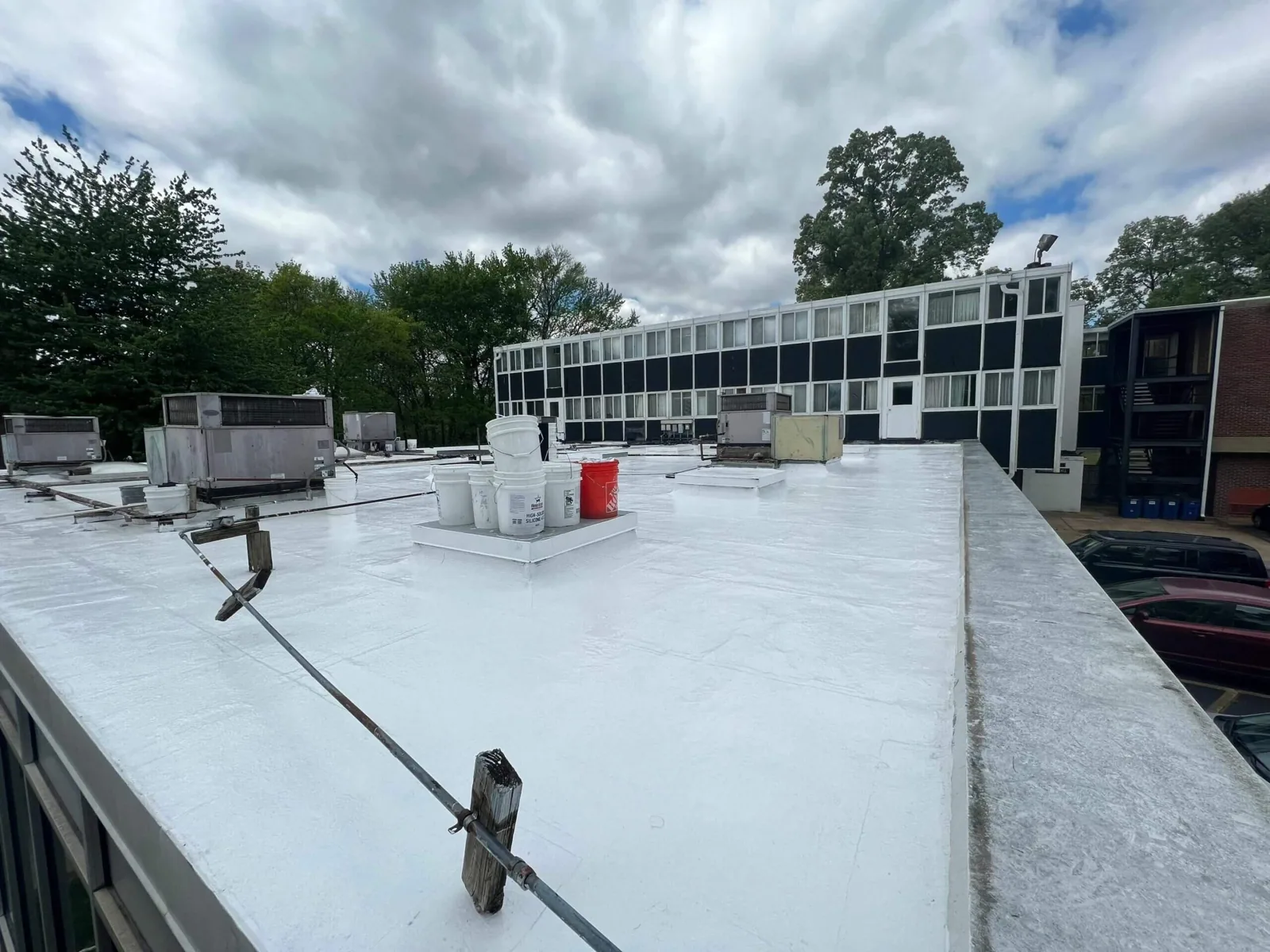
A commercial roof replacement in one bay can be phased around the shutdown calendar while a repair program protects the rest. The decision file records why the order was chosen.
Cost drivers on a plant roof are specific: the number of penetrations, the amount of equipment that must be lifted or reset, the depth of tear-off and the hours of work the shutdown calendar allows. A roof with dozens of curbs costs more per square than an open deck, and the scope prices those items by line so the owner can see what a longer window would save.
Closeout packet: plant-ready documentation
The packet holds the exposure record, zone map, moisture readings, product sheets, the access log and dated findings with photographs. It is formatted to sit beside the records for a data center or cold storage building without conversion, so owners with mixed portfolios can read the roofs in one format.
Commercial Roofing Questions
How is the roof schedule set around plant shutdowns?
Shutdown dates fix the exposed work. The inspection pass and prep work fill the days between them, and each zone is dried in before the line restarts.
What exhaust information do you need from the plant?
A list of units that vent upward, what each releases and how often. Where the plant cannot say, the roof's staining pattern is photographed and flagged for follow-up.
Does a plant roof need different repair materials?
Often, when exhaust is oily, hot or chemical. The exposure record names a system that tolerates it, and the packet keeps the test results.
How do crews handle rooftop units that stay running?
Work stays outside lockout zones unless plant staff shut the unit down, and each shutdown request is logged. Curb and flashing work is timed to the approved window.
Can some bays be repaired while others are replaced?
Yes. The moisture map sets which zones qualify for repair, and replacement is phased around the shutdown calendar.
Related
Related Roofing Work
Denton
Manufacturers
PVC Roofing
Rooftop Equipment Curbs and Supports
Hail Damage Roof Repair
Commercial Roof Replacement
Send the shutdown calendar
Send the shutdown calendar and the list of rooftop units, then schedule an inspection to receive a dated condition record with photos, findings and recommended next steps by roof zone.