Commercial Roofing in Denton, TX
Home // Service Areas //
Overview
Denton in Lewisville
A buyer comparing industrial sites reads the utilities, the zoning and the access before anyone asks about the roof. The roof is easy to leave for last, and it should come sooner, because replacing an industrial roof is a major cost. Denton, TX maintains an economic-development site database for industrial properties and their infrastructure, utilities and zoning. A roof condition record fits naturally beside those items, as one more fact the buyer should have in hand.
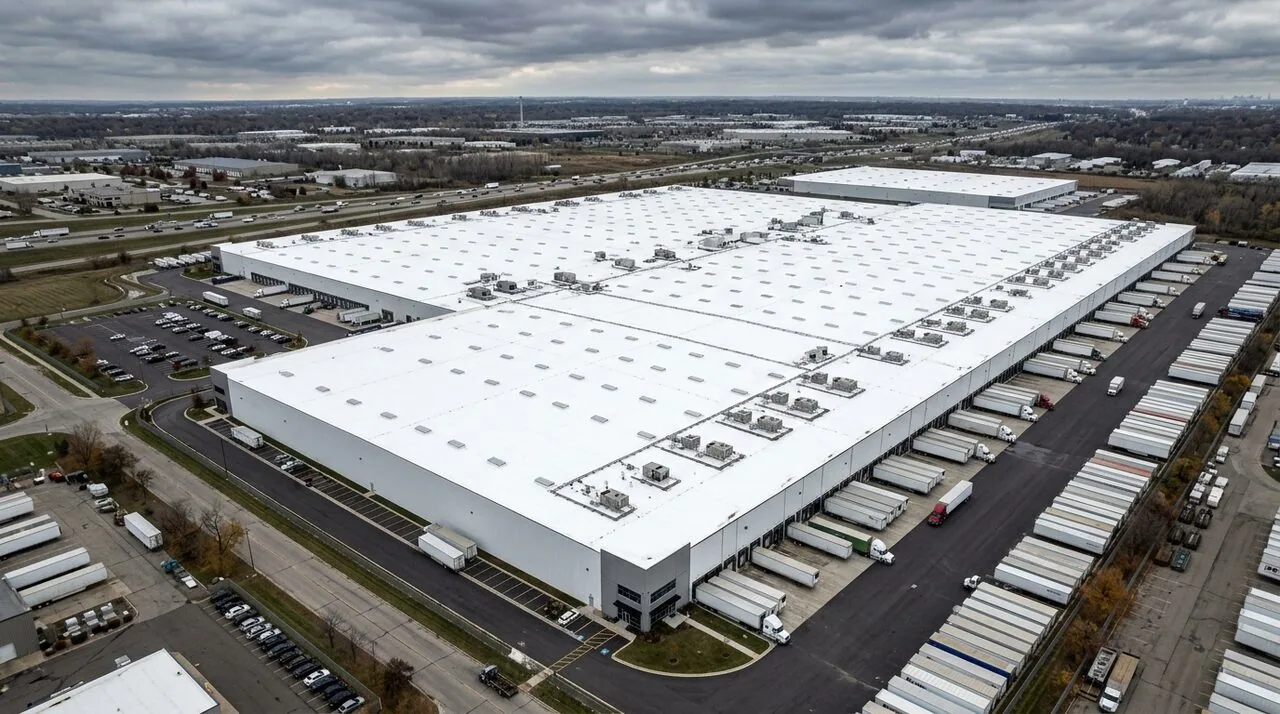
Among Denton's development districts, Westpark is the industrial one: a tax increment reinvestment zone of about 800 acres north of Airport Road. Industrial buildings tend to have wide, low-slope roofs, and the inspection method is built for them.
Site-selection survey: the roof as a due diligence item
A due diligence roof survey gives a buyer or lender the facts they need: the system, its approximate age, the visible condition, moisture in the insulation and the likely cost to keep the roof serviceable through the hold period. It starts with a photo sequence from fixed points, a roof plan with numbered zones and cores in representative areas, with the owner's permission.
For an industrial building under consideration, we also record the rooftop equipment, the drainage layout and any prior recovers. A building with two roofs stacked on one deck carries extra weight, holds heat and hides moisture, so the layer count goes into the replacement estimate. An infrared or moisture survey maps wet insulation without opening the membrane, which gives a buyer a defensible number for the repair boundary.
The survey does not guess at cause. It reports condition on the date of inspection and lists the tests that would answer open questions. A buyer can then negotiate from evidence, and a seller can show what the roof has been through.
The deliverable is short and specific. It holds the roof plan with zones numbered, the dated photographs tied to those zones, the moisture readings, the core findings, a list of defects with locations and a cost range for each path: repair now, repair and monitor, or replace. The buyer's team can read it in one sitting, and a lender can attach it to a file. The dates matter, because a roof that was dry on the day of inspection says nothing about a roof after the next storm, and the report says so. A lender reading it sees the same zone numbers on the plan, in the photographs and in the cost table, so a figure can be traced back to a place on the roof.
Large industrial roofs: drainage, insulation and movement
Industrial roofs usually cover wide areas with little slope and few outlets. That puts weight on drainage. A blocked drain can leave a pool across a large section, and standing water adds load, accelerates wear and finds seams. We photograph every drain and scupper, mark low areas on the plan and check that overflow outlets are open.
Insulation matters as much as the membrane. Wet board loses its value and holds weight, and it can only be dried by removal. A cover board over insulation protects it from hail and foot traffic, and its presence or absence goes into the record. Where a replacement is due, the insulation thickness is set with the energy requirements in mind, and the code edition and amendments in force are confirmed for the permit.
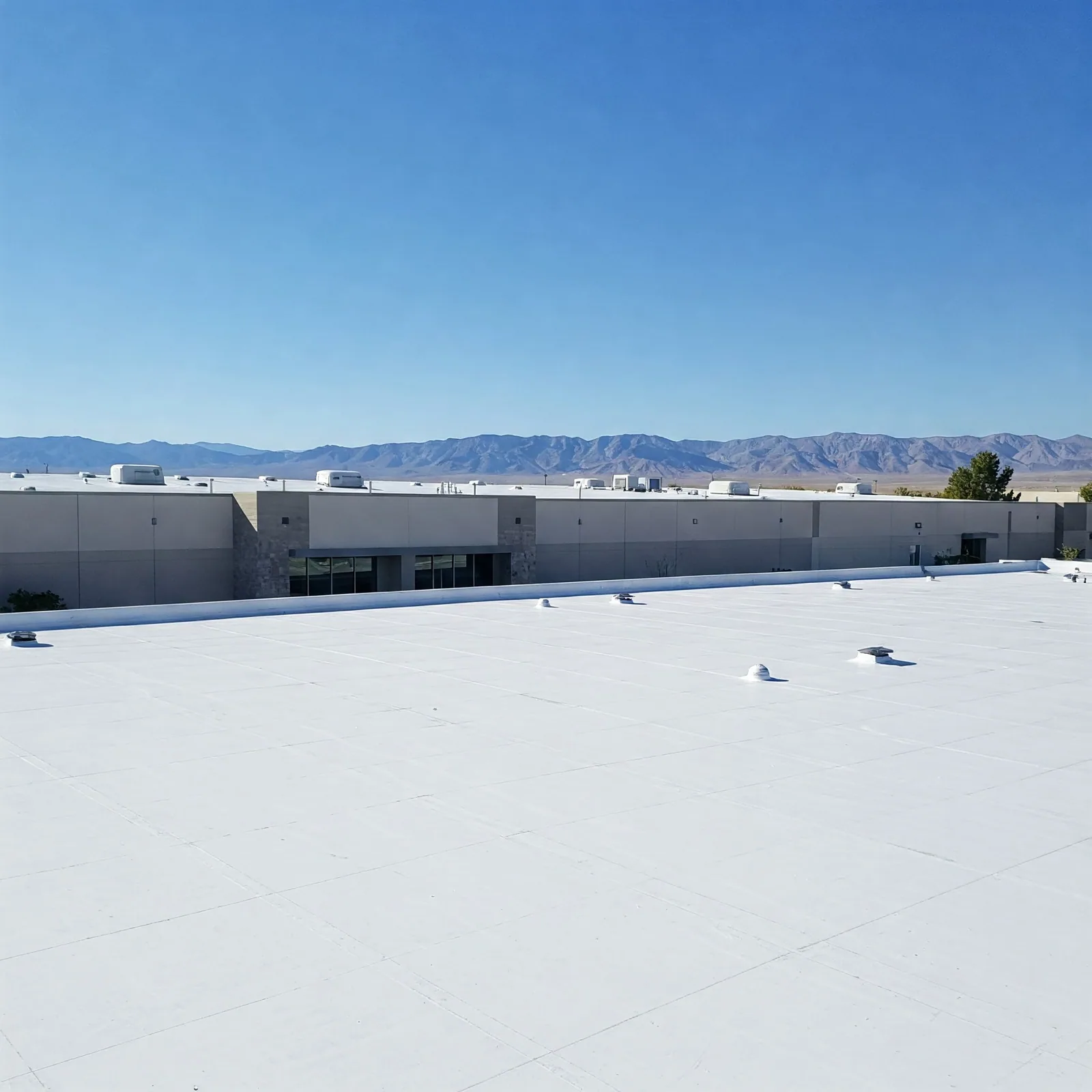
Heat is a design input too. Dallas-Fort Worth summers load the roof for months, and a reflective membrane or coating can lower the temperature of the surface and the space below it. A cool roof option is priced beside the standard system at replacement, so the owner can weigh installed cost against expected benefit. The decision belongs in the same file as the survey findings, because the existing insulation and deck determine which options are open.
Long runs of membrane also move with temperature. Seams, terminations and fasteners work through each cycle, and the places that fail first are edges and corners. The inspection checks them with attention.
Working around production and shipping
A building in use sets the work window. The scope lists operating hours, dock activity, process equipment and anything below the roof that cannot get wet. Lift positions, delivery windows and haul-off routes are written down so trucks and crews do not collide. Sections are opened one at a time and dried in before the shift ends.
Planning for manufacturing plant roofs includes process exhaust, which can carry heat or vapor that affects the membrane. Planning for flex industrial roofs includes the mix of tenants, each with different tolerance for noise and downtime. Interior protection and work hours appear as separate lines in the price. If a shutdown is available, a heavy tear-off in that window costs less than the same work stretched across live operations.
Climate record: the regional pattern, not a verdict
Thunderstorms peak in spring and fall across the Metroplex, hail follows in most years, and summers at the regional airport average 96 degrees in July and August with about twenty 100-degree days. A Denton roof can still go a season untouched, so the report states only what the building shows.
After a storm, the inspection compares the roof with earlier photographs and records any change. A hail finding is located and imaged, and a moisture reading shows whether it reaches the insulation. The report separates storm damage from heat aging so that repair scope and claim documentation rest on evidence.
Options review and the nearby towns
Each roof zone gets a recommendation, and the cost lines are separate: tear-off and disposal, insulation, access, interior protection and weather risk. An owner or lender with industrial property in several towns can use one format across them, including Flower Mound, Lake Dallas and Corinth. A multi-site roof program ranks the buildings and schedules the work by need.
The file closed at the end of a job holds photographs, a repaired-zone plan, the materials and warranty paperwork, ready for the next owner or lender.
Commercial Roofing Questions
When in the site-selection process should a roof survey happen?
Once a building is a serious candidate and before terms are final. The survey gives the buyer a real figure for repair or replacement, which can change the price or the schedule. Waiting until after closing removes the chance to use it in negotiation.
What does a core tell a buyer that a visual check cannot?
Layer count, thickness and whether the insulation is wet. It also shows prior recovers. Those facts set the replacement price and the repair boundary, and none of them are visible from the surface.
Why is a cover board worth recording?
It protects insulation from hail and foot traffic and extends the life of the assembly. If it is present, a damaged membrane can often be repaired without replacing the board beneath it. If it is absent, the same hit can wet the insulation.
Can industrial roof work proceed while the building runs?
Usually, in sections, with delivery and lift positions set away from dock activity. The scope names the hours, the sequence and the interior protection. Some process areas need a shutdown for the work above them, and the plan says.
How does a lender use a roof condition record?
To size reserves and to understand risk. A dated record with photographs, readings and a replacement horizon gives the lender a basis for conditions in the loan. It also helps the borrower plan the spend.
Related
Related Roofing Work
Due Diligence Roof Surveys
Roof Insulation, Tapered Systems and Cover Board
Cool Roof Installation
Manufacturing Plant Roofing
Flex Industrial Building Roofing
Flower Mound
Schedule an inspection pass before you commit
Send the building under consideration, its use and your decision date. You will receive a dated condition record with photos, findings and recommended next steps, with repair and replacement costs shown by roof zone.