
Commercial Roofing in Lake Dallas, TX
Home // Service Areas //
Overview
Lake Dallas in Lewisville
Redevelopment turns on a question the roof can answer: is this building worth reinvesting in, and what will the roof cost over the years ahead? Lake Dallas sits between Lewisville Lake and I-35E, and its Vision 2030 plan guides development and redevelopment, while city planning records refer to a broad I-35 Business Corridor with its own commercial zoning. An owner weighing a purchase, a lease renewal or a remodel along that corridor needs roof facts early. We build them: a dated inspection pass, moisture readings, a core cut where it matters and a plain statement of what the roof will need. Owners with property in Lewisville, TX can compare it against Lake Dallas on one format.
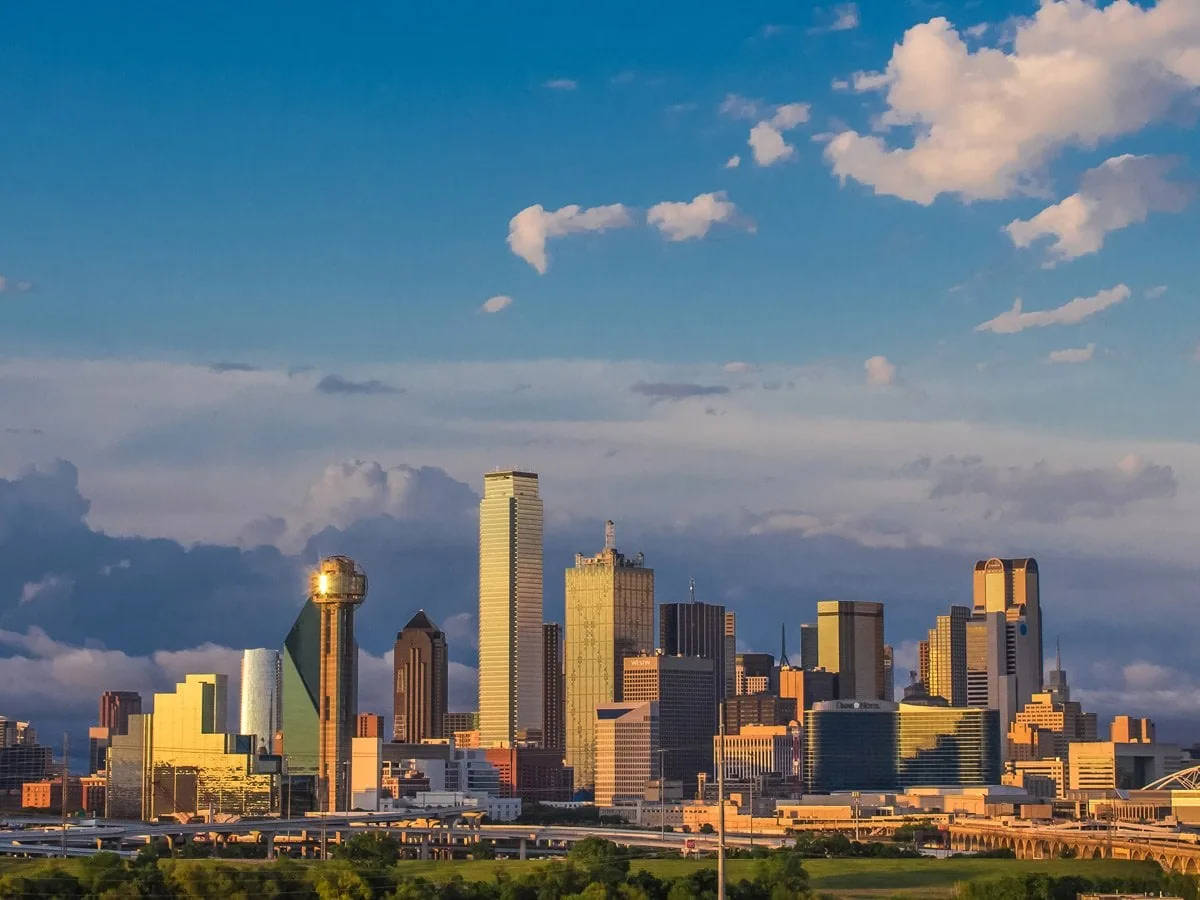
Reinvestment check: what the roof says about the building
Before an owner commits to a building, we ask the roof three questions. How much of the insulation is wet? How many details are failing? How much life does the membrane have left? The answers sit in a short report with photographs and a moisture map, and they set a range for the roof budget that can be placed beside the purchase price.
We do not assume the age or type of any building along the corridor. The roof is read as found. A tired roof with dry insulation points to a recover or a coating, a roof with localized wet zones points to section replacement, and a roof with wide saturation points to full replacement. The decision file records which case applies and why.
A lender or an equity partner reads the same report. They want to see that a roof reserve matches the findings, and a dated record with images gives them a basis to accept it. For a buyer under a short inspection window, we can compress the pass to the essentials: moisture scan, three or four cores, drainage check and a summary of the details most likely to fail.
Recover or replace: the tear-off question
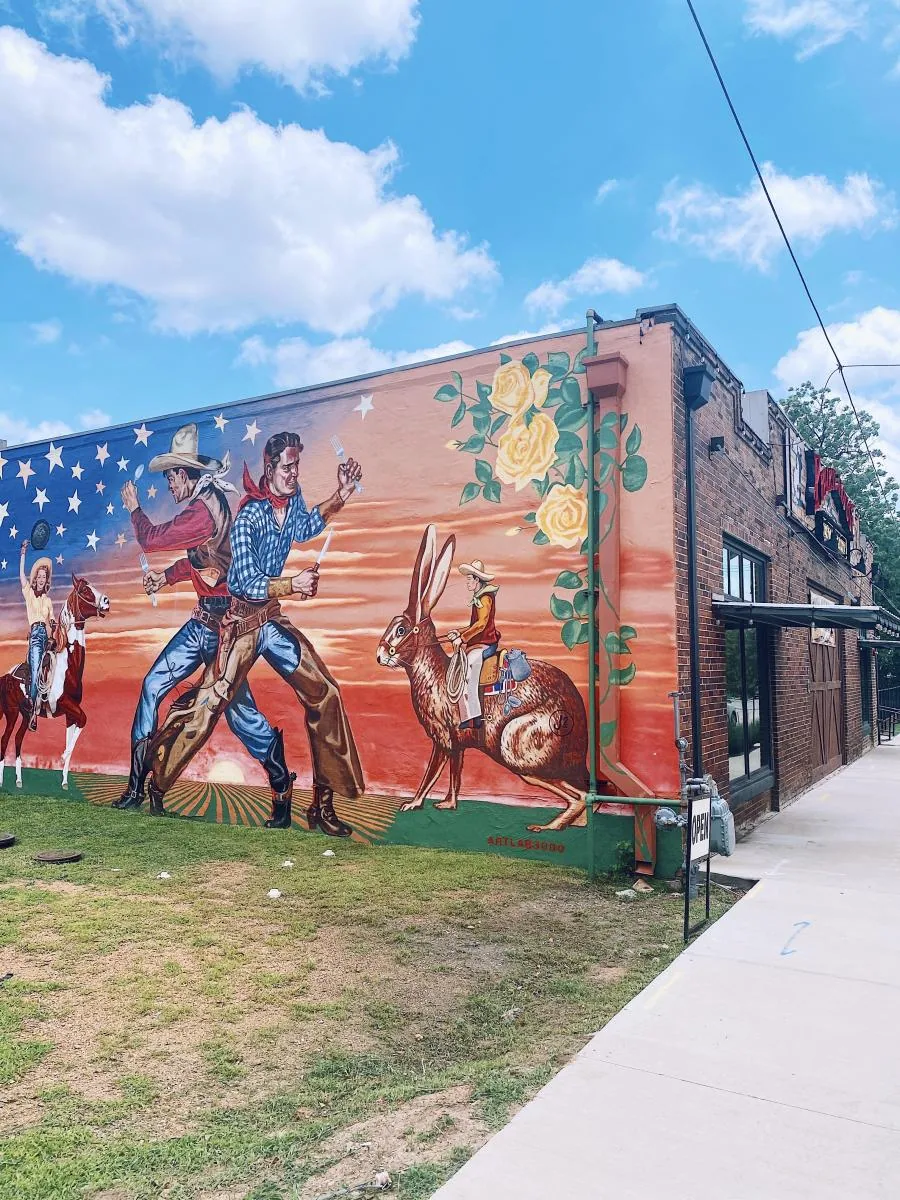
A recover places new membrane over an existing roof, and it saves the cost and mess of tear-off. It is only sound when the existing insulation is dry and the deck is intact, and when local rules allow another layer. A core cut shows the layers and their condition, and a moisture scan tells us whether water has spread. If both are favorable, a roof recover overlay is a strong option.
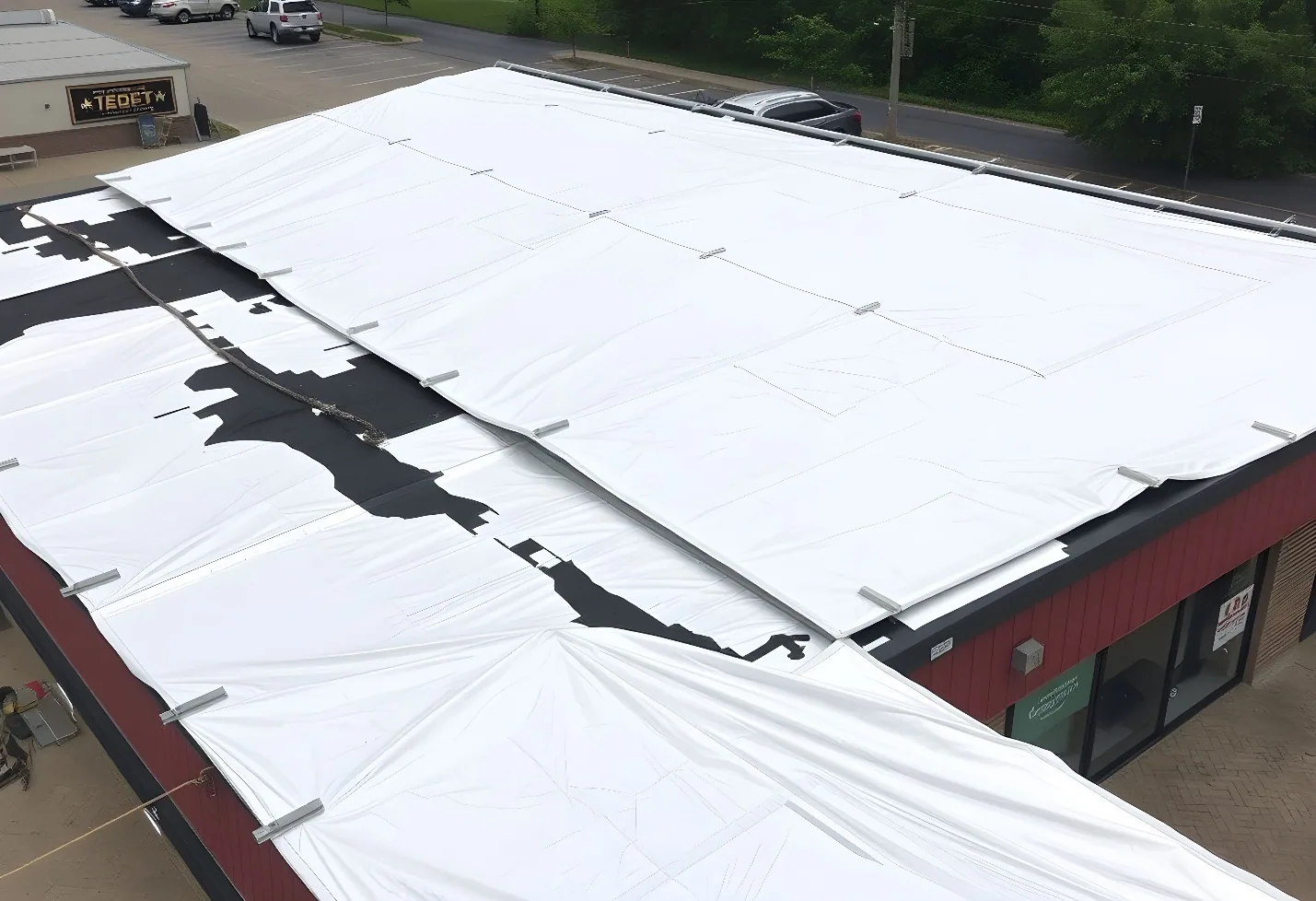
When the scan shows wide wet zones, the recover would trap the water, and a commercial roof replacement is the sound path. The proposal states what drove the call: area, wet insulation, number of penetrations, access and the hours the building allows. Cost differences between options come from those drivers and not from habit.
Insulation depth matters in either case. A new roof has to meet the energy provisions tied to its permit, and the edition varies by city (the 2021 IBC is on Lewisville's adopted list, for one), so the owner should confirm what Lake Dallas applies before the scope is fixed.
Working around businesses that stay open
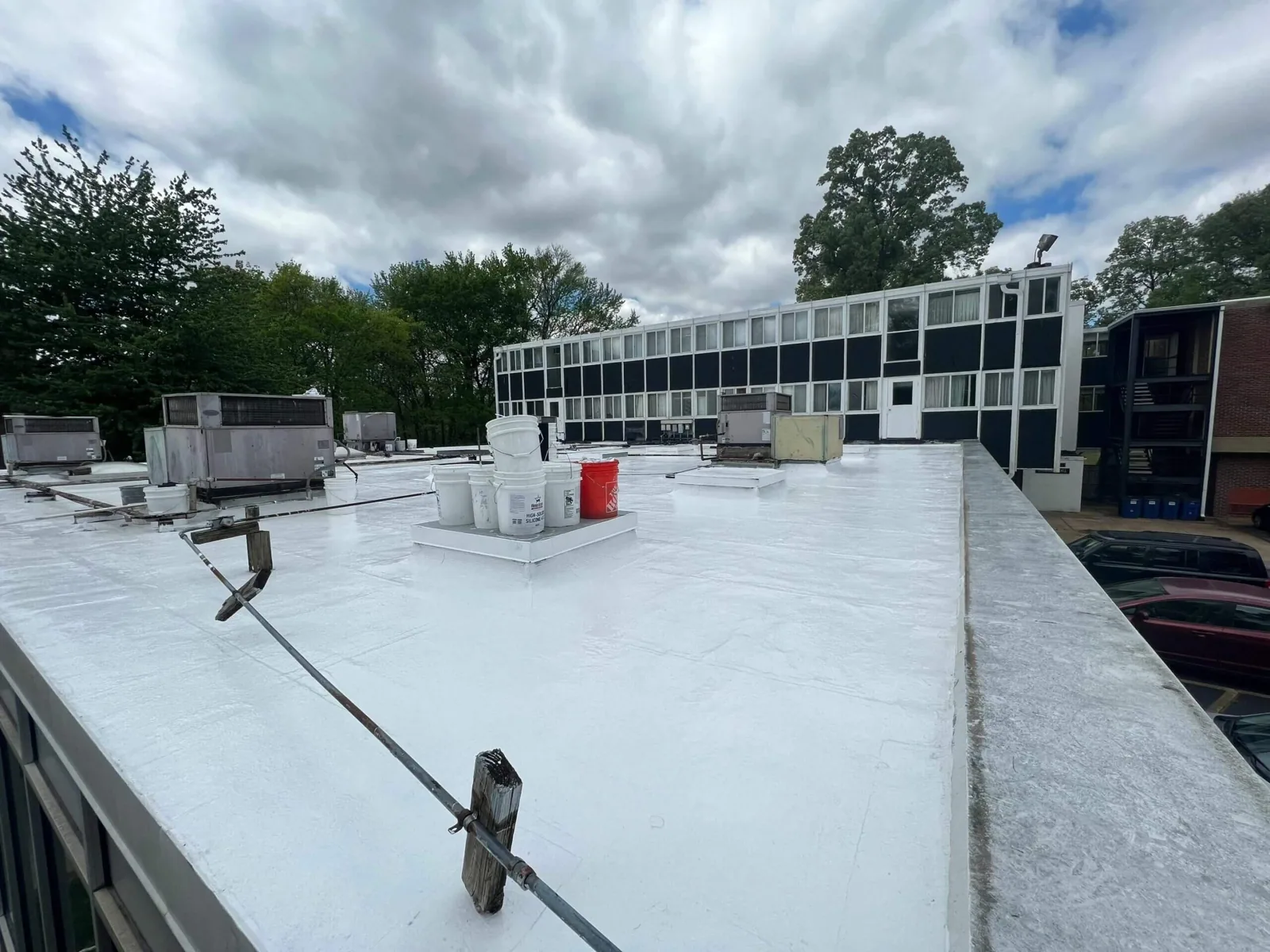
Corridor buildings keep operating through reroofing, and a roof job has to fit around the customer. The plan names the staging area, the closed parking stalls, the hours of loud work and the person who can pause the crew. Our occupied building reroofing method divides the roof into sections, dries each in before moving on, and keeps debris off customer walkways.
Interior protection is part of the plan. We cover sensitive areas, arrange catch systems below any open section and walk the interior with the manager before work starts, so existing stains are recorded and not blamed on the project.
Schedules for corridor owners also depend on weather, so each section is closed in before the crew leaves for the day, with materials covered and tools secured. If a storm arrives mid-project, the open sections are already protected.
Common findings on aging corridor roofs
On aging commercial roofs, the findings repeat: seams opened by heat cycling, flashing split at a wall, sealant hardened at terminations and a drain bowl that no longer sits flush with the surface. Each is logged with a photograph and a location. A seam failure repair restores a lap with a weld, a bond or a cover strip, and a flashing rebuild restores a wall base.
The goal in a redevelopment setting is to separate repairs that buy time from those that reset the roof's life. Both belong in the plan, but the owner should know which is which before signing a lease or a contract.
Edges matter too. Along open corridors, wind pulls at coping and edge metal first, and loose lengths tell us where an upgrade is needed. We test each length by hand, note gaps and recommend heavier cleats or added fasteners at repeat failures.
Photographs of each repaired lap, with a scale and a date, go into the file. At the next spring pass the same laps are probed again, and any that reopened tell us the cause was movement or moisture the first repair did not reach.
Regional weather and building-specific proof
Dallas-Fort Worth has a humid subtropical climate, with the wettest weather in spring and fall and the sharpest thunderstorms in spring. The Weather Service adds that hail, wind, flood and tornado events happen across the Metroplex in a typical year, though a single location may avoid them. That regional pattern does not establish damage to any Lake Dallas roof, so after a storm we check the building itself and compare it with the last dated pass.
The comparison, supported by photographs and moisture readings, is what an adjuster can use. Without a baseline, the owner relies on memory.
Capital plan for a corridor owner
A roof capital plan places each building's repair or replacement in a year with a rough scope, so an owner of several corridor properties can see the next five years of roof needs at once. Owners with holdings in Corinth or Hickory Creek along with Lake Dallas can fold all of them into the same plan.
The plan updates each spring after the inspection pass. Roofs that held their condition stay on schedule, roofs that declined move up, and any emergency repair is logged against the building it protected. Over several cycles, the owner sees which roofs behave as expected and which consume more repair money than a replacement would.
Work windows and cost drivers stay in the plan as notes: the area, the amount of wet insulation, penetration count, lift access and the hours each tenant allows. Those notes let a manager revise numbers quickly when conditions change.
Commercial Roofing Questions
What should an owner learn from the roof before buying?
How much insulation is wet, how many details are failing and how much membrane life remains. Those set the roof budget.
When is a recover not an option?
When insulation is wet, the deck is damaged or the code does not allow another layer. A core cut and moisture scan decide it.
Can a business stay open during a reroof?
Yes, with sectional work, interior protection and agreed hours. The plan names a contact who can pause the work.
What causes most seam failures on older roofs?
Heat cycling, ponding and age. The pattern of failures shows which cause applies.
How does a baseline help after a storm?
It shows what the roof looked like before the event, so new damage is clear and older wear is not mistaken for storm damage.
What is the quickest useful roof check before a lease or purchase?
A moisture scan, a few cores, a drainage test and a review of flashing details. It fits a short inspection window and sets a roof budget range.
Related
Related Roofing Work
Roof Recover and Overlay Systems
Commercial Roof Replacement
Occupied Building Reroofing
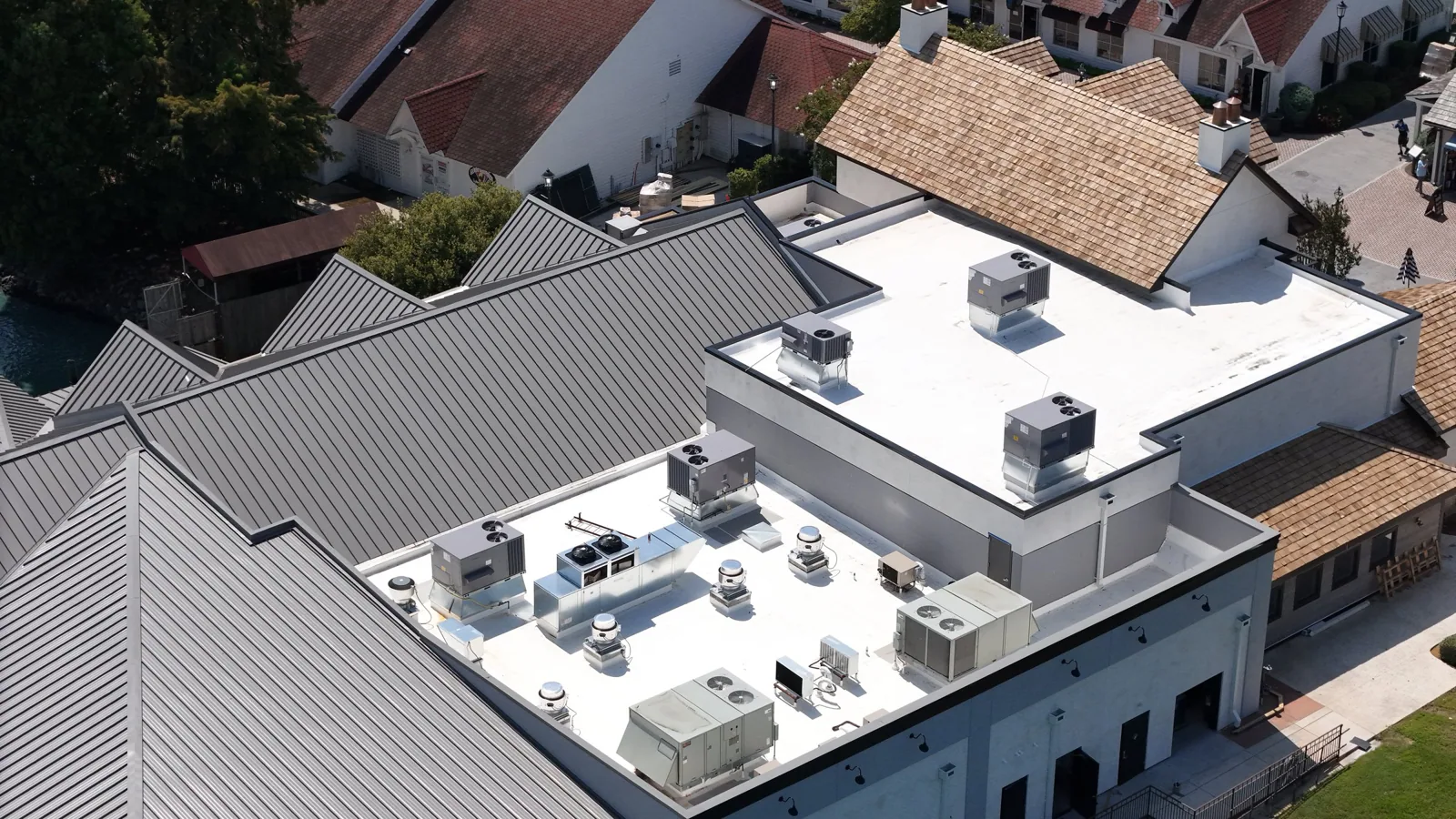
Split and Open Seam Repair
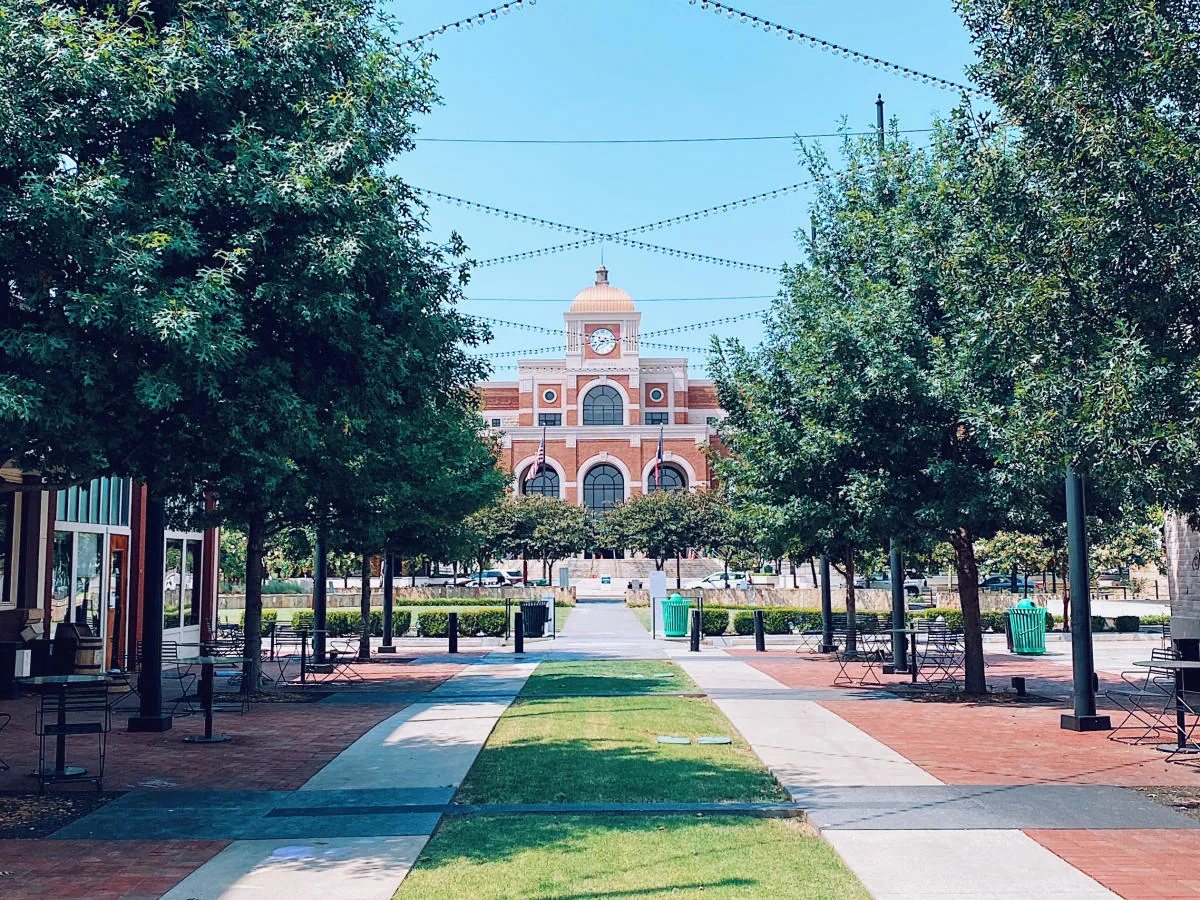
Roof Capital Planning
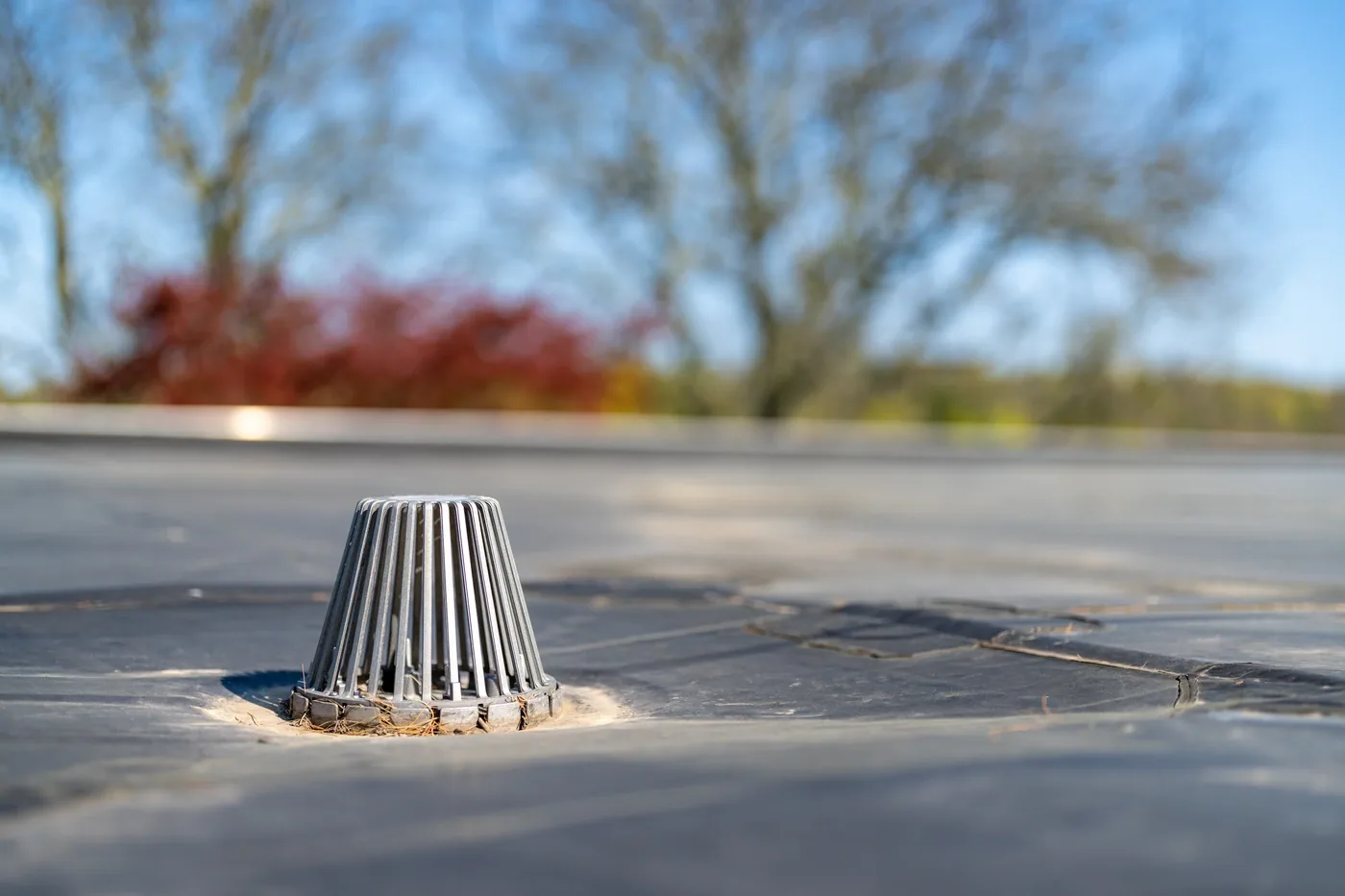
Corinth
Schedule an inspection and receive the dated record
Tell us the building, the decision you face and how roof access works. We will inspect, send photographs and findings with dates, and recommend next steps.
