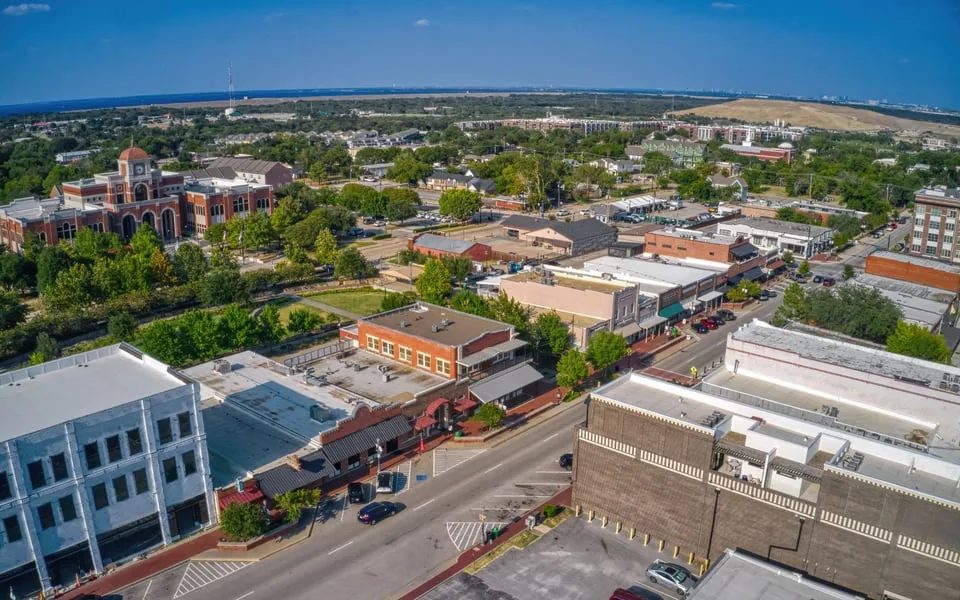
Commercial Roof Leak Repair in Lewisville, TX
Overview
Commercial Roof Leak Repair in Lewisville
A leak file opens with three entries: the hour water appeared, the weather in the day before it, and the room where it showed. Those three lines save more time than any equipment we bring, because they narrow a whole roof to the few roof zones that could be sending water to that ceiling. In Lewisville, TX, where a spring thunderstorm can drop a lot of rain in a short time, the weather entry matters as much as the room number.
Our leak work tries to do two things in order. First it finds the actual point where water enters the roof, which is often a long way from the interior stain. Then it stops that entry in a way that can be tested and recorded, so the owner has an answer and not another round of guessing.
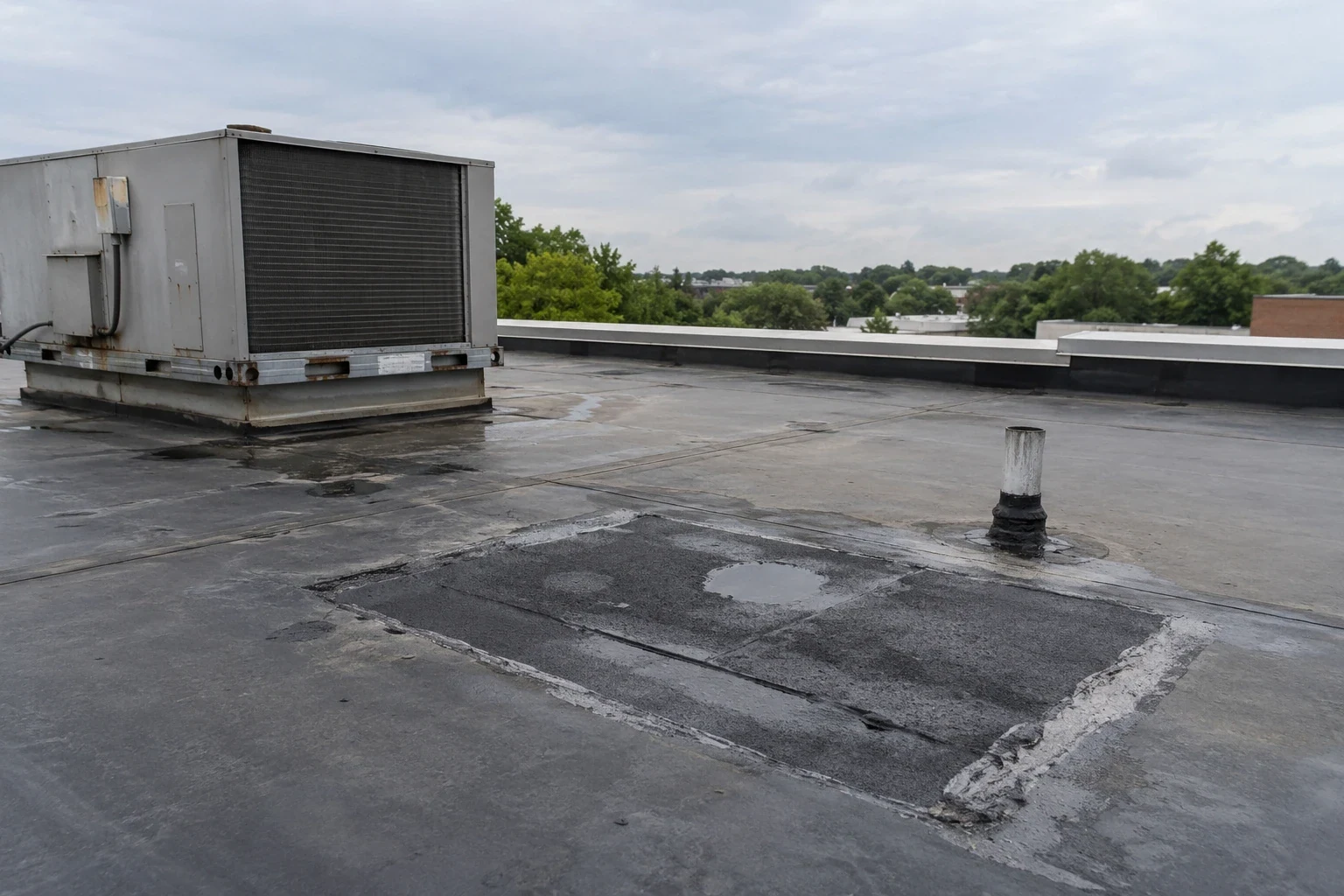
Access log: what we gather before anyone climbs
The interior report is the first piece of evidence. We ask when the leak started, whether it appears only in wind-driven rain, whether it ran during a dry spell, and where else in the building there have been ceiling stains. We also ask for earlier repair records, because a leak that returns to the same area usually means an earlier fix addressed a symptom.
With that history we sketch the water path on the roof plan. Water follows the deck, runs along purlins, drops through insulation seams and travels sideways before it reaches a ceiling tile. A roof zone is a working guess until the survey confirms it. The access log notes who was on the roof, when and what they saw, so a second visit starts from the first, not from nothing.
Evidence sequence: tracing water to its entry
On the roof we begin at the high side of the suspect zone and work down slope. Penetrations come first, since pipes, vents, conduit and rooftop unit curbs account for many entries. Flashing laps, termination bars and sealant joints follow, then seams, then drains and scuppers. A dry day is the best day for visual work, but we use a controlled water test when needed: wetting one section at a time while someone inside watches the ceiling.
That controlled test is slow but conclusive. It isolates one variable at a time, so when water finally appears inside, we know which section produced it. The finding is then photographed in place, tied to a roof plan location and marked with the test method used. Skylights and wall transitions get their own attention, and skylight and penetration flashing are among the first places we run the test.
Moisture reading: how far the water has traveled
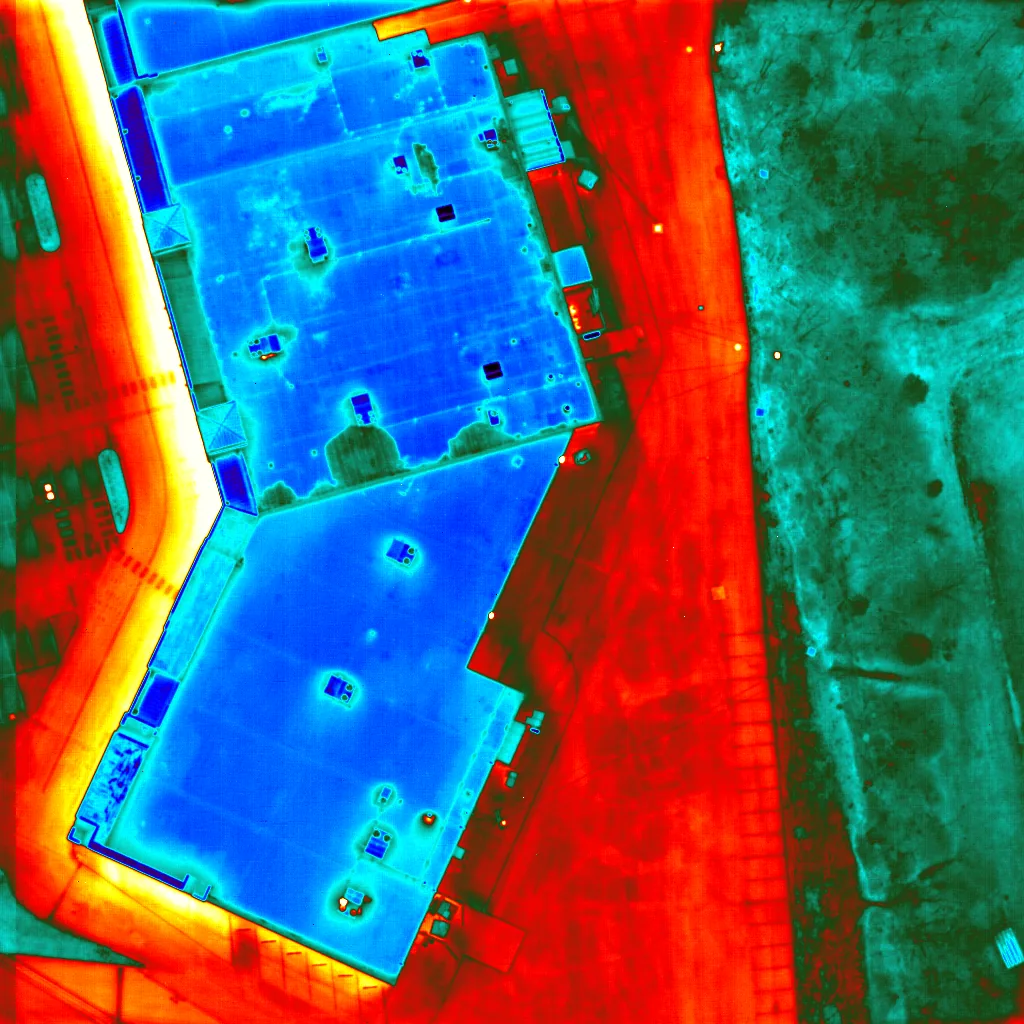
Finding the entry point is half the job. The other half is learning how much insulation the water has soaked, because wet insulation does not dry on its own and keeps feeding a slow leak even after the entry is sealed. An infrared scan after the rain, supported by a few core cuts, shows the extent of the wet area.
If the wet zone is small, the damaged insulation is cut out and replaced as part of the repair. If it spreads, the record shows that the leak was a symptom of a larger moisture problem, and the owner has a defensible reason to look at a broader scope. Either way, the moisture map goes into the file with the date it was taken, so later readings can show whether the area is stable.
Repair boundary: stopping the entry and fixing its cause
A leak repair can mean a new boot on a vent pipe, a rebuilt corner at a curb, a reset coping joint, a cleaned and re-welded seam, or a new sump at a drain. We choose the method by the cause. A failed flashing needs a mechanical correction, not another bead of sealant. Water that stands near a drain suggests a slope or drainage fix, and a patch on ponded membrane will not solve it.
We write the boundary into the report: this area was repaired, this area was tested and left alone, and this area is flagged for follow-up. That clarity helps a tenant who wants to know whether the leak is over, and it helps a landlord who wants a record in case a claim comes later.
Work coordination: interior protection and quick turnarounds
Leaks happen in occupied space, so the first step on the interior side is protection. Buckets, plastic, moved equipment and a cordoned area keep damage from growing while the roof work is arranged. Where a leak is near electrical gear, a server closet or inventory, we treat it as the priority and tell the property manager how soon a dry-in can be put in place.
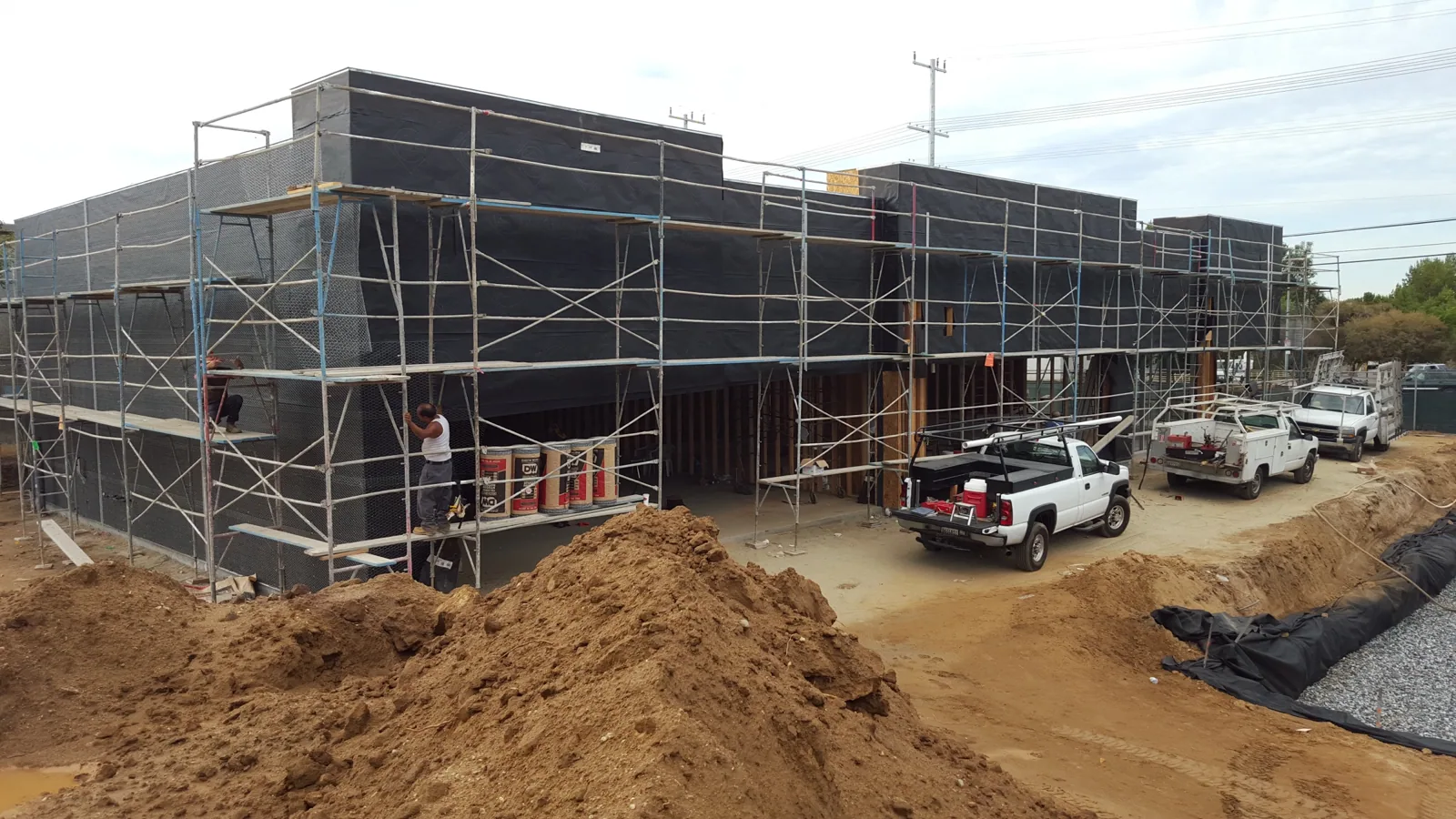
Around the Southern Gateway, where the SH 121 and I-35E intersection and the Hebron 121 transit station draw mixed-use investment, a single property can hold more than one use. In the Southern Gateway we map the water path and confirm which part of a roof sits over which space, so the repair is scoped for the property as it is laid out.
Options review: temporary dry-in or permanent correction
If rain is on the way and the repair needs a part that will take days, a temporary dry-in buys time. We use a patch, a tarp or a temporary membrane covering, and we label it as temporary in the record with a date to revisit it. A temporary measure that is never replaced becomes a permanent problem, so the file keeps it visible. If the leak needs immediate action outside business hours, the emergency response path applies.
When repeated leaks point to a roof that is failing in many places, the record helps the owner weigh further planned repair against a larger project. That comparison is easier with a log of what each leak cost and what was found.
Closeout documentation: proof the entry is closed
The closing packet carries the interior photograph, the roof plan with the entry marked, the repair photographs, the test result and the moisture map. If the next storm is the real test, the packet lists the rain event to watch and the rooms to check.
Commercial Roofing Questions
Why does a leak appear far from where the roof is damaged?
Water travels along the deck, through insulation seams and over structural members before it drips. The ceiling stain marks where the water finally came out, which can be many feet from the entry. That is why we map the water path and test roof zones one at a time instead of patching above the stain.
What is the value of a water test on the roof?
A controlled water test isolates the entry. We wet one detail or section at a time while someone watches the interior. When water appears, the cause is proven, and the photographed result gives the owner something firmer than an educated guess. It is slower than a visual check but it ends repeat visits.
Does wet insulation have to be removed after a leak?
Often, yes, though it depends on how much is wet. A moisture reading separates a small saturated patch from a spreading problem. Small patches are cut out and replaced with the repair, while widespread moisture goes into the record as a reason to review the roof more broadly.
How do spring storms affect leak diagnosis in this area?
Peak severe weather across the Metroplex comes in spring, so leaks often surface after intense rain, wind-driven water or hail. We look at the storm timing against the first interior sign, and we inspect for impact damage before assuming an older seam was to blame, since both can appear together.
Will the leak record help with an insurance claim?
A dated record with photographs, test results and a moisture map gives an adjuster something specific to review. It cannot decide the outcome, because coverage depends on policy terms and cause. It does show what condition the roof was in and what was found at the time of the repair.
Related
Related Roofing Work
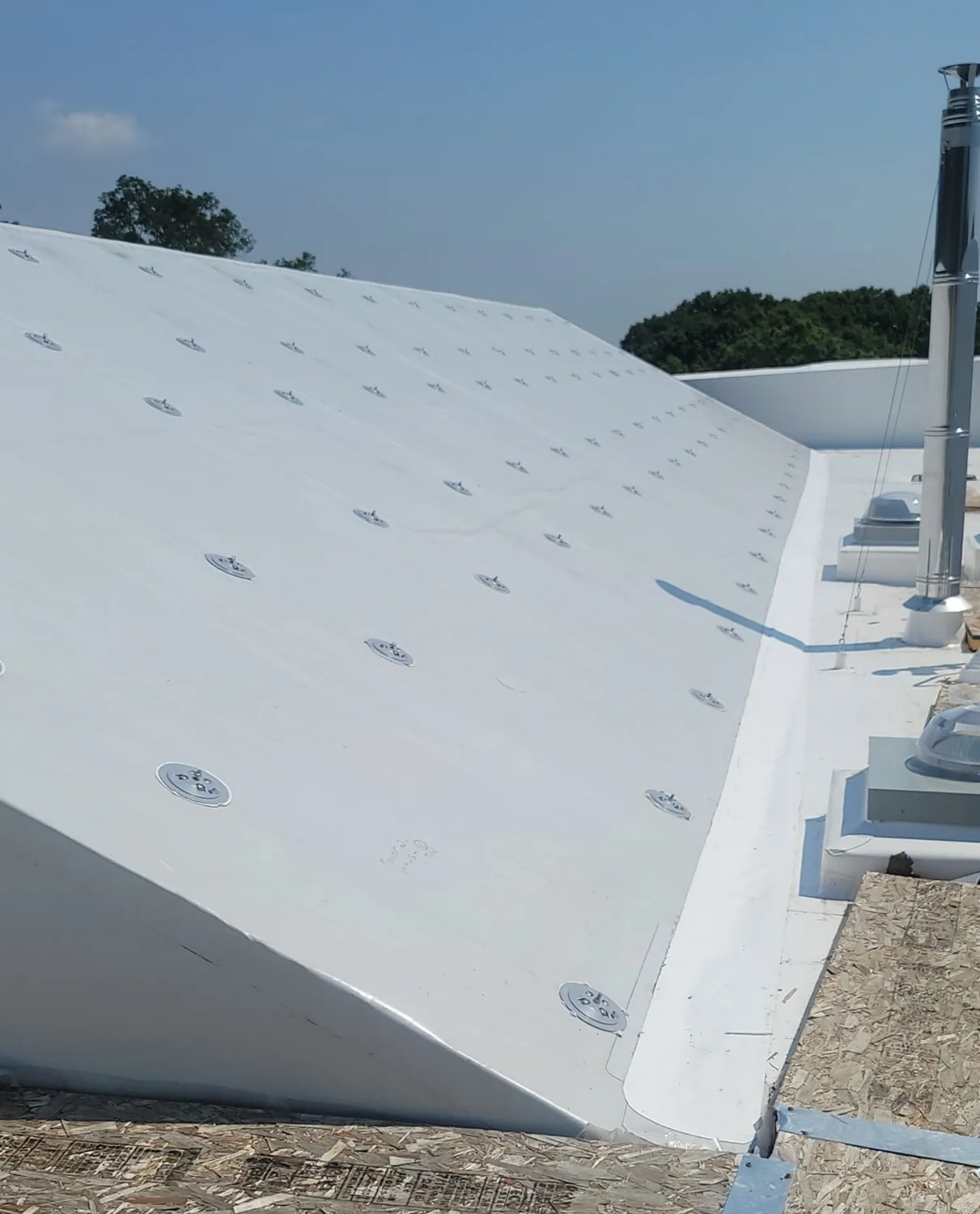
Skylight and Penetration Flashing
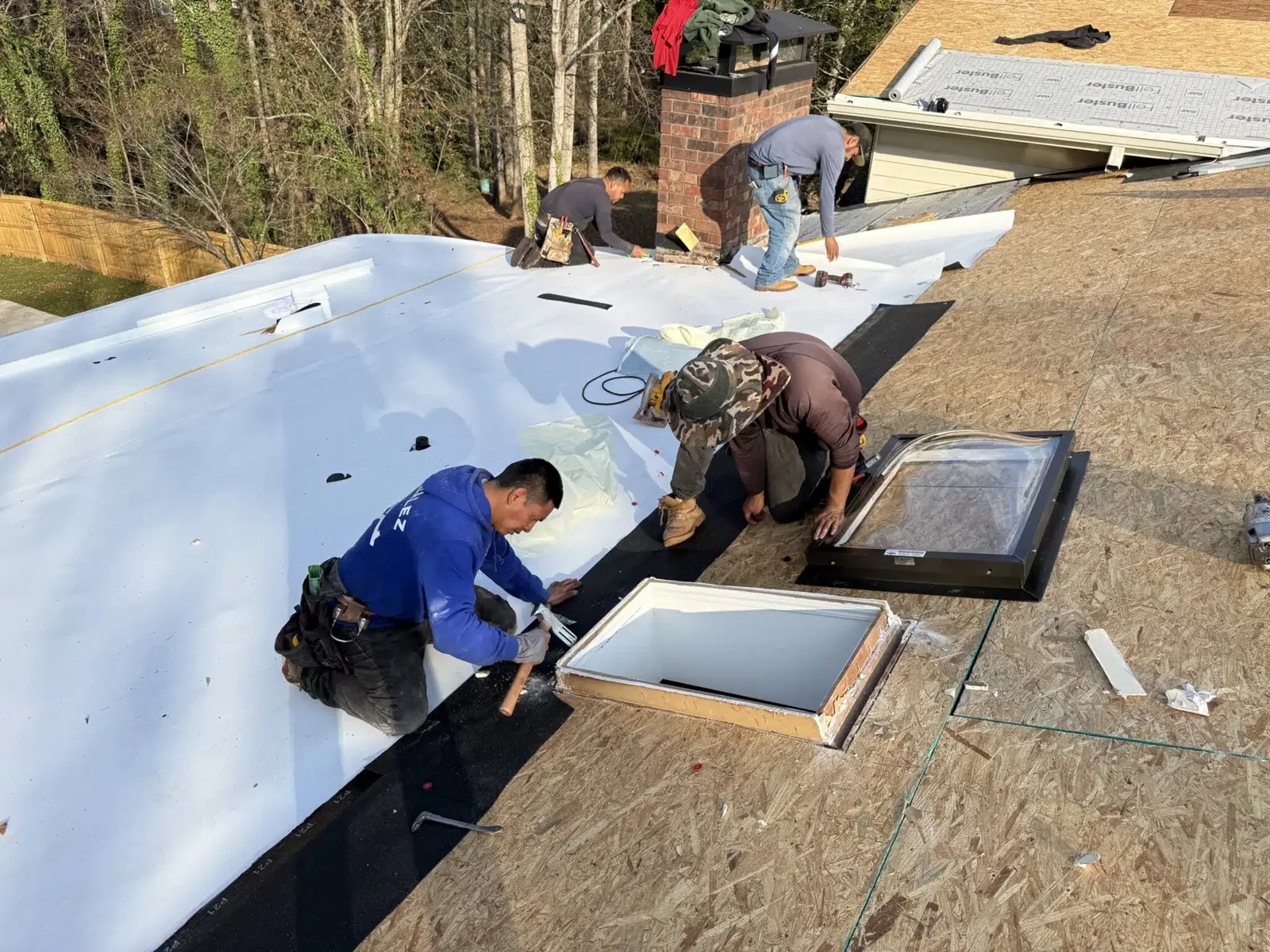
Infrared and Core-Cut Moisture Surveys
Failed Flashing Repair

Roof Drains, Scuppers and Ponding Correction
Southern Gateway

Emergency Roof Repair
Report the leak and start the record
Call with the time, the room and the weather before it. We will schedule a tracing visit and give you a dated record of the entry point, the repair and the moisture findings.