Commercial Roofing in Plano, TX
Home // Service Areas //
Overview
Plano in Lewisville
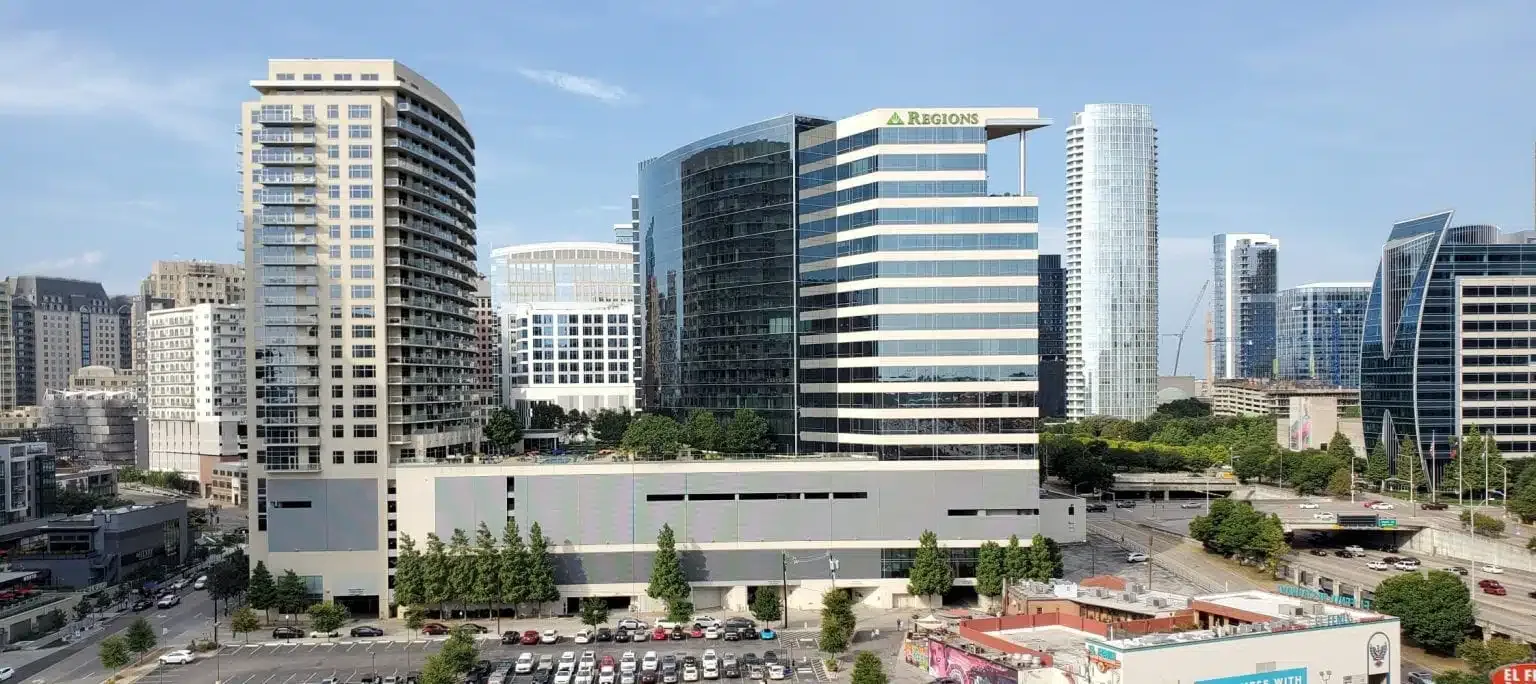
Research and technology space is unforgiving of roof leaks, because what sits below the deck is often more valuable than the roof itself. Plano zones land for corridor retail, light industry, regional employment, research-and-technology users and business-government offices, and the city reports planning for manufacturing, industrial, office and research uses along Plano Parkway. A roof over that kind of space has to protect equipment, records and clean areas, so our file for a Plano property starts with a map of what is below each roof zone and which of those spaces cannot tolerate water. The inspection pass, the moisture readings and the repair sequence follow from that map. Owners who also hold space in Lewisville, TX can run both on one format.
Interior map: what the roof zone protects
A condition record is more useful when each roof zone is tied to the space beneath it. We ask for floor plans or a walk-through list and mark the zones above laboratories, server rooms, clean areas, storage and ordinary offices. A leak over a server closet and a leak over a corridor may look the same on the roof, yet the owner's priority is different, and the map makes that visible.
The map also guides the work order. Zones above sensitive spaces get inspected first, repaired first and dried in most carefully. Temporary protection inside the building, such as covers over equipment and catch systems under known weak spots, is arranged with the facilities contact before anyone goes on the roof.
Building use can change under a roof. A suite that held offices at one time may hold a lab or a data room now, and the roof plan on file may not reflect it. We ask the manager what has changed, update the map and record the date, so a later reader knows how current it is.
Survey sequence: drone pass, then moisture, then hands-on
On large flat roofs with many rooftop units, the best order of work is from wide to narrow. A drone roof inspection captures the whole surface and shows ponding, discoloration and displaced equipment without anyone walking the membrane. An infrared moisture scan then maps the wet zones, and a hands-on walk confirms the findings at selected points with probes and core cuts.
Each step reduces what the next must cover. The drone images guide the walk, the moisture map guides the cores, and the cores confirm what the map suggests. For technology tenants who restrict roof access, the early steps can happen with minimal presence on the roof, and the hands-on visit is limited to the places that need it.
Weather and time of day shape the survey. Infrared works best on a dry day after the sun has warmed the roof, and the scan runs as the surface cools, when wet insulation holds heat longer than dry. We record the sky, temperature and time beside each scan, and we repeat a suspect area on a second day when the first reading is unclear.
Rooftop equipment: dense units, many penetrations
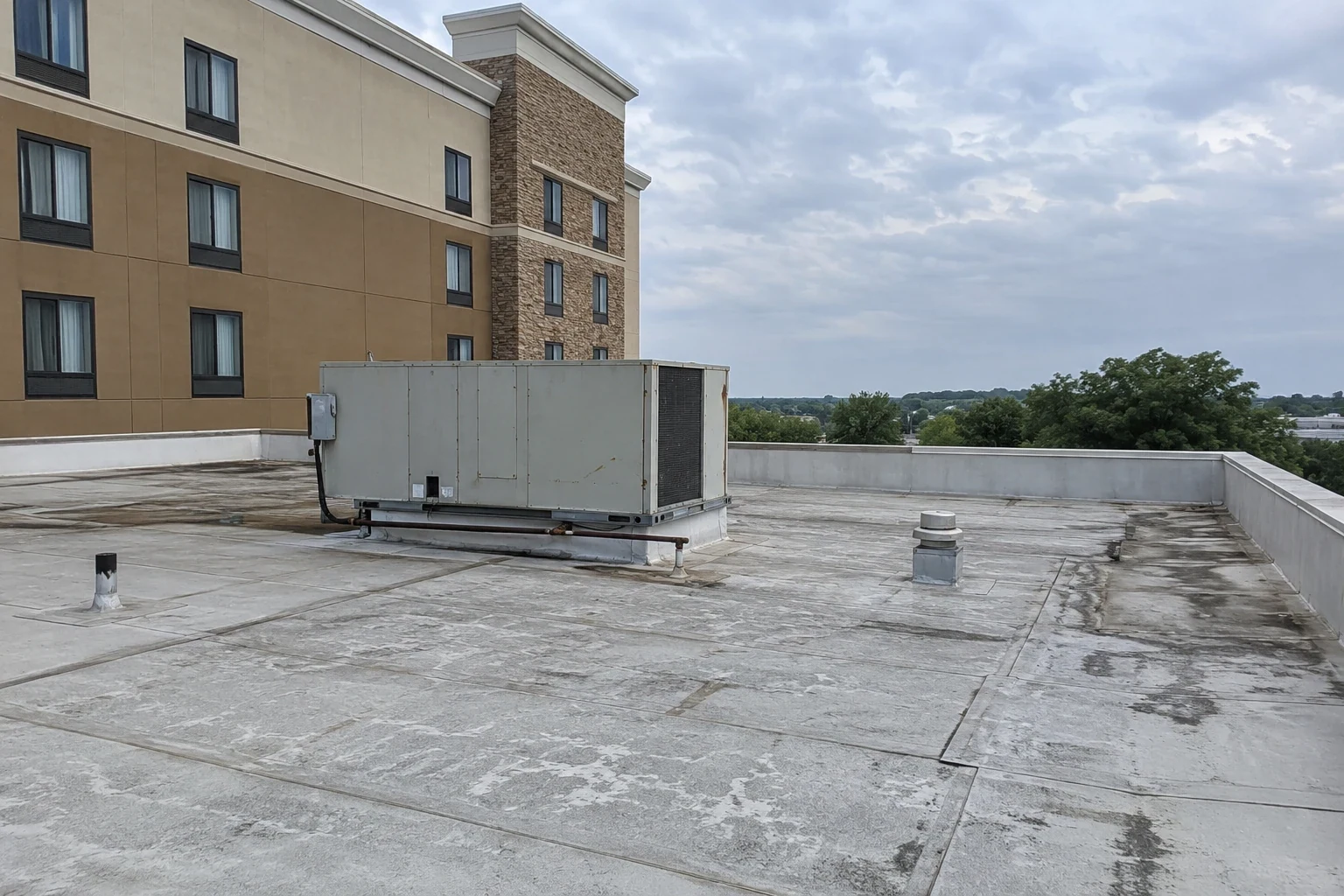
Buildings that support research, technology and office tenants often carry a lot of mechanical equipment on the roof: air handlers, exhaust fans, chillers and piping. Each unit sits on a curb or a rail, and each line that enters the building passes through a penetration. We inventory those items on the roof plan, probe the flashing at each one and check that supports raise lines off the sheet. Our equipment curb and support repairs address cracked curb corners, failed boots and lines that rest on the membrane.
When a tenant plans new equipment, the roof file shows where penetrations already exist and where the deck can carry added weight. That planning step prevents a second round of roof openings after a lease is signed.
Service traffic is a recurring cause of damage. Technicians walk the same routes to the same units, and a worn path shows as scuffed or crushed membrane. Walkway pads along those routes protect the sheet, and the access log shows who used them. Where a unit is near the end of its life, we note it so curb work can be planned with the replacement.
Insulation and energy: why the layers matter inside
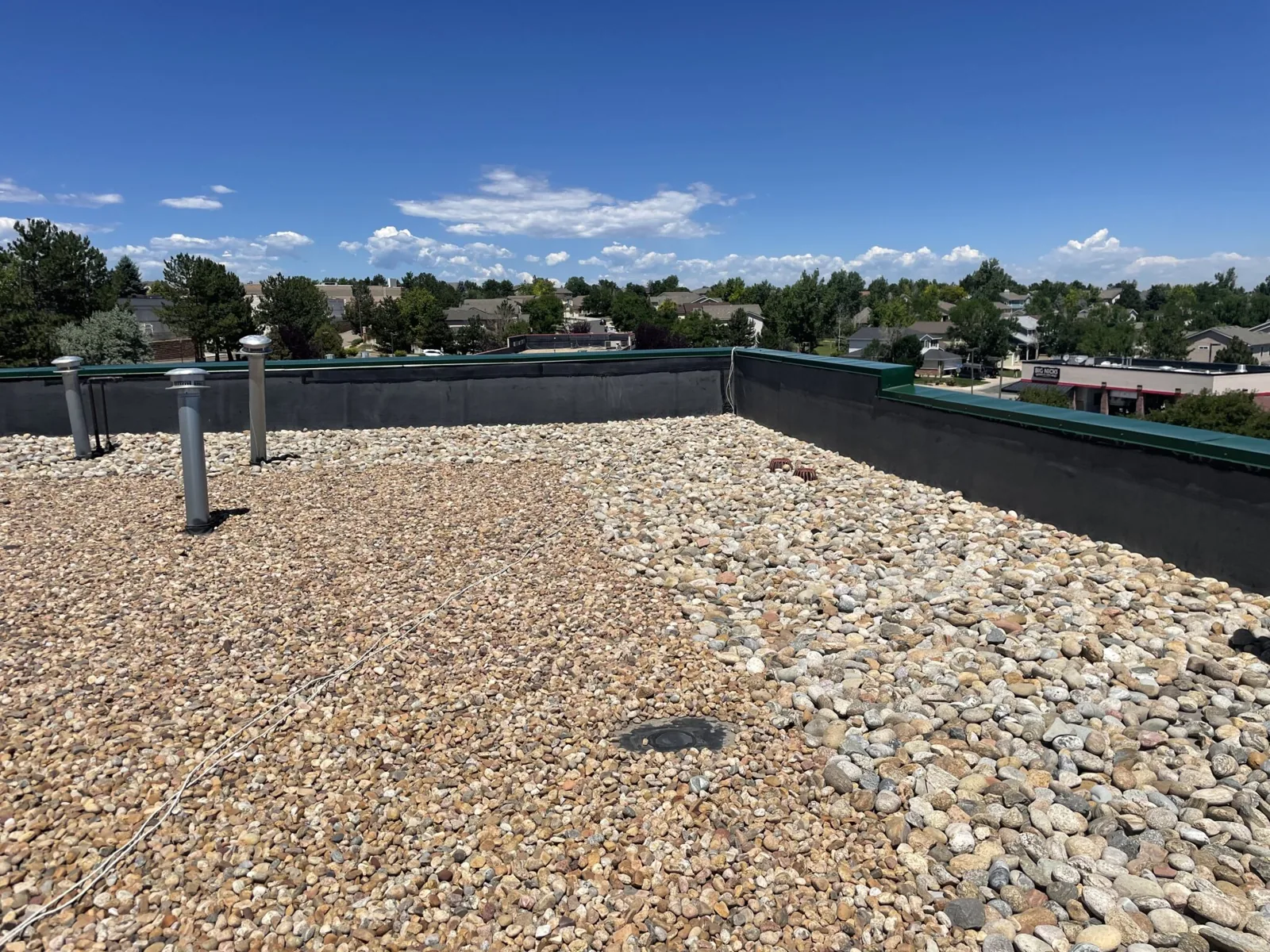
In technology buildings with heavy cooling loads, insulation condition has a direct cost. Wet insulation loses its thermal value, adds weight and feeds a slow leak, and the building's cooling plant works harder to make up the difference. Readings that show saturated board justify its removal, and the replacement layer, with a cover board where the system calls for it, restores both the thermal performance and the surface for the membrane. Our insulation and cover board selection follows the building's existing assembly and the owner's energy goals.
Where board is removed, the new layers are chosen with the existing deck in mind. Steel, concrete and wood decks each take different fasteners and adhesives, and the repair boundary is drawn so that the new insulation ties into dry, sound material on every side. The transition is photographed before it is covered.
Storm baseline: before the spring thunderstorms
Spring brings the worst thunderstorms to the Fort Worth and Dallas side of the Metroplex, and the Weather Service lists hail, wind, flooding and tornadoes as yearly hazards there. Any one Plano roof may be missed in a given season, and a dated baseline taken before storm season is what shows the difference: after an event, a repeat inspection pass compares the same zones and shows what is new.
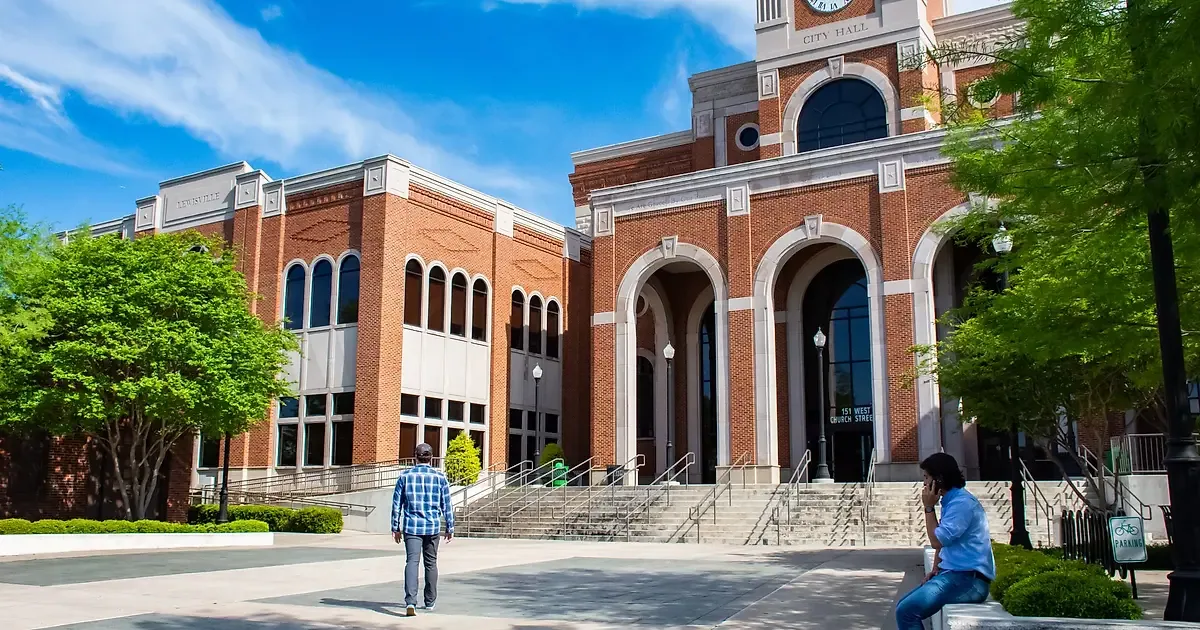
The baseline also supports due diligence. For buyers and lenders, our due diligence roof surveys record membrane condition, moisture and remaining life in a format underwriters read easily.
After a storm, the temporary protection matters as much as the repair. Tarps, patches and sealed openings are photographed in place, listed in the follow-up note and removed or replaced on a stated date. That record separates the event from the response, which an adjuster needs to see.
Portfolio programs for multi-building owners
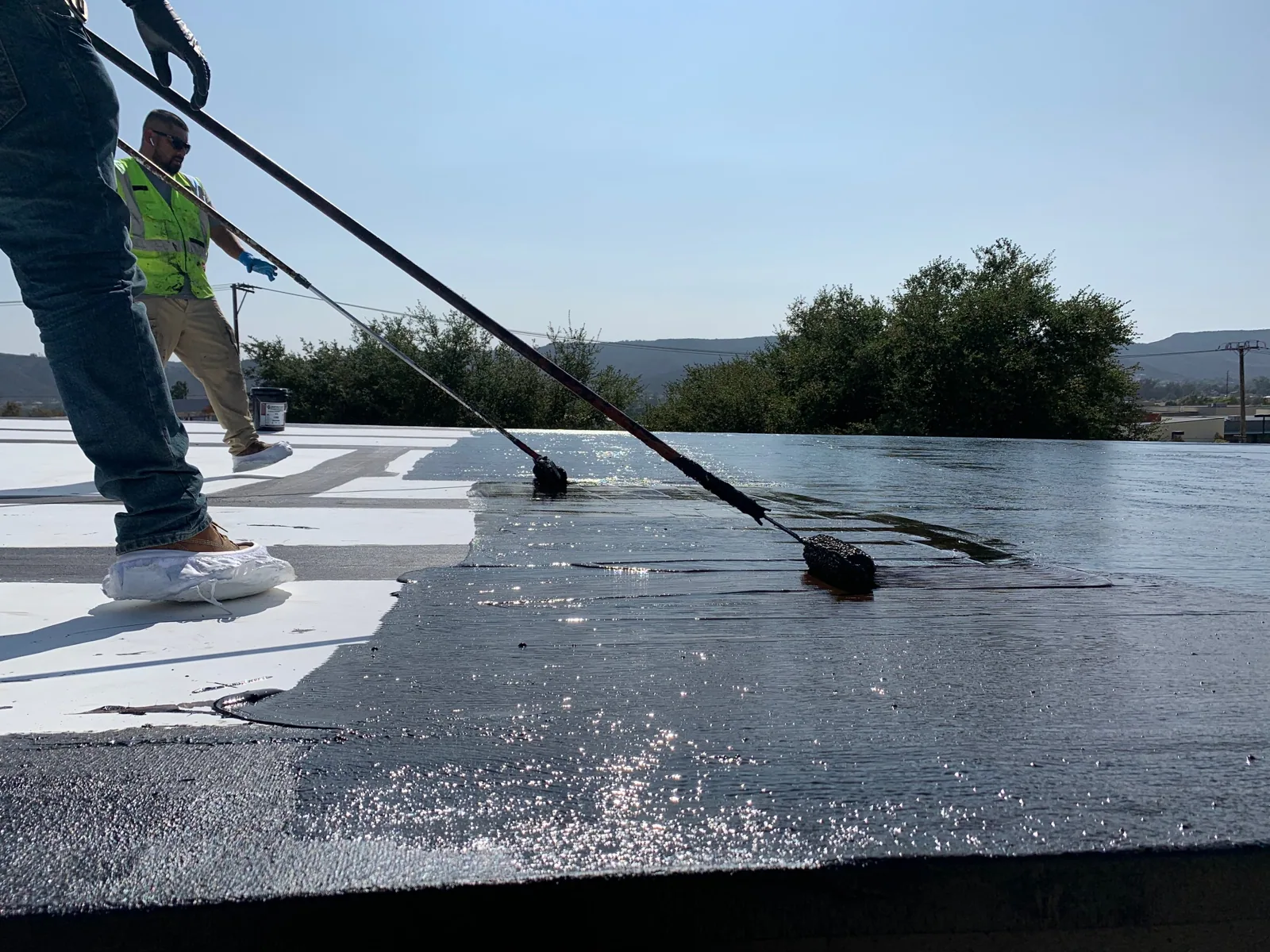
An owner with several buildings in Plano and nearby cities benefits from a standing program. A multi-site roof program sets the inspection schedule, the record format and the repair thresholds in advance, so a new finding triggers a known response. Buildings in Richardson and Addison join the same cycle, and the closeout packets line up for budget review.
Cost and timing in a program follow the same drivers as a single roof: area, wet insulation, penetrations, access and work windows. The difference is that a program lets an owner smooth the spending, replacing the worst roof first and repairing the rest until their turn comes.
Commercial Roofing Questions
How do you protect sensitive interior space during roof work?
By mapping roof zones to the rooms below, working over those zones in dry weather and arranging interior protection with the facilities contact beforehand.
Why start with a drone instead of walking the roof?
A drone covers the whole surface quickly and shows problems without foot traffic. The walk then focuses on places that need hands-on confirmation.
Can new rooftop equipment be added without new leaks?
With planning, yes. Using existing penetrations, raised supports and proper curb flashing reduces the risk.
Does wet insulation affect cooling cost?
It does. Wet insulation loses thermal value, so the cooling plant works harder. Readings show whether it should come out.
What does a pre-storm baseline include?
A full photo sequence, moisture readings, a plan of equipment and drains and a list of open items, all dated.
What decides whether an owner repairs now or waits?
Moisture readings and the space below. Wet insulation over a sensitive area justifies action now, while a dry, stable roof can wait under watch.
Related
Related Roofing Work
Drone Roof Inspections
Rooftop Equipment Curbs and Supports
Roof Insulation, Tapered Systems and Cover Board
Due Diligence Roof Surveys
Multi-Site Roof Programs
Richardson
Schedule an inspection and receive the dated record
Tell us what sits below the roof, where leaks have appeared and how access works. We will inspect, send photographs and findings with dates, and recommend next steps.