Due Diligence Roof Surveys in Lewisville, TX
Home // Roofing Capabilities //
Overview
Due Diligence Roof Surveys in Lewisville
A due diligence window runs on a calendar, and the roof survey has to fit inside it. A short study period between contract and closing leaves room for one scheduled walk, one test visit if the walk finds something, and a written report in time for the buyer's team to price it. The survey is planned backward from that last date: when the report must be in hand, when the moisture work must finish, when the roof walk must happen so there is time to test.
For a Lewisville, TX transaction, the survey answers three questions in order. What is the roof made of and how is it holding up? What will it need in the first few years of ownership? And what in the file supports those answers if a lender, an insurer, or the seller asks how they were reached?

Scope set before the walk: what the survey will and will not establish
Before we visit, we agree on the scope in writing: which roofs, which zones, whether moisture testing is included, whether drone imagery is allowed, and what documents the seller will provide. We ask for any roof plans, past reports, repair invoices, warranties, and insurance loss runs that bear on the roof. Documents that arrive late are noted as late.
The scope also says what a walk cannot establish. A visual survey shows the surface and the visible details. It does not show conditions under the membrane unless moisture testing is included, and it does not show deck condition unless cores or a tear-off expose it. The report states which questions were answered by observation and which are left open, so the buyer sees the edge of the evidence.
Walk day: the route and the photographs
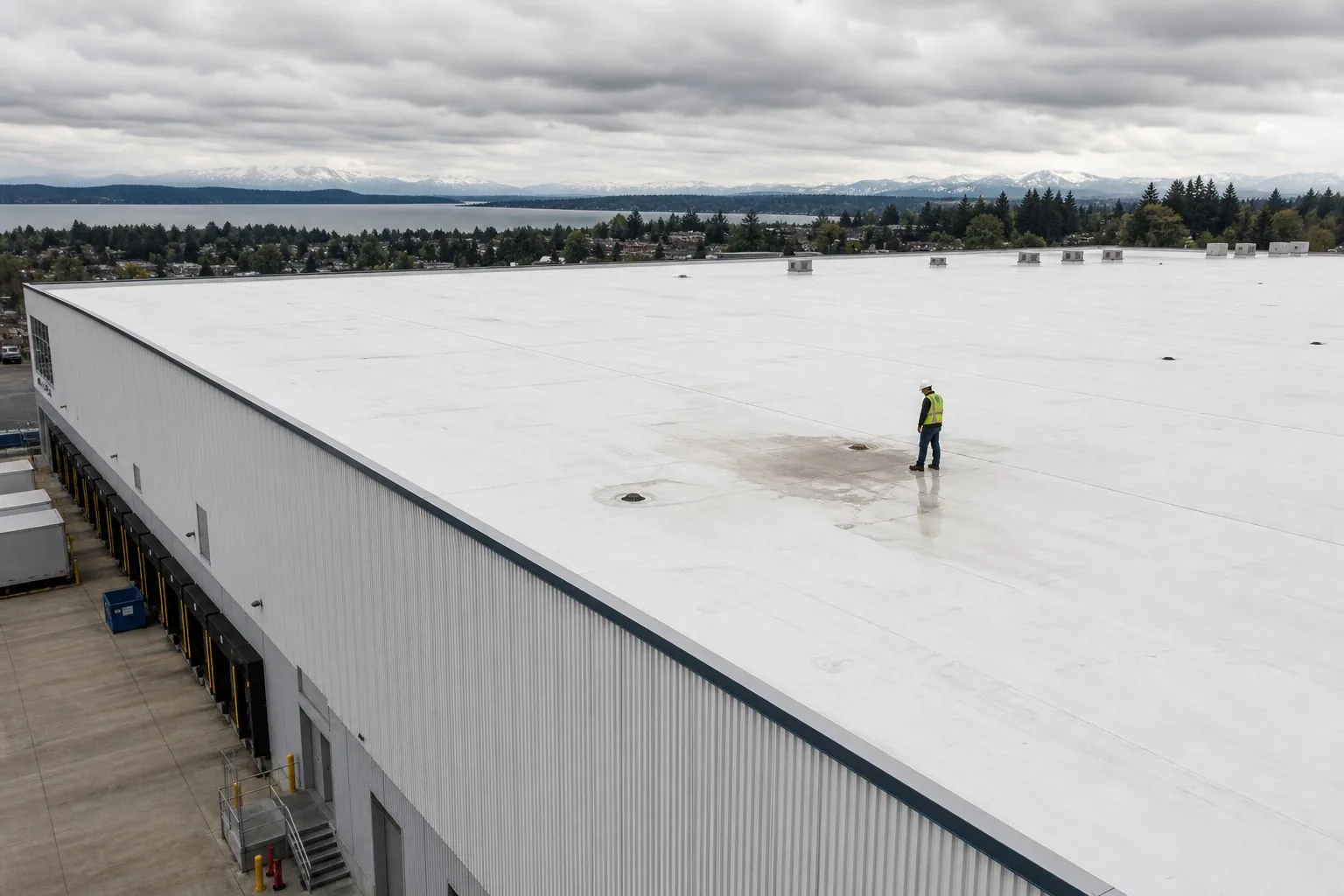
The route is the same on every property: perimeter, penetrations, seams and laps, drains, open field, rooftop equipment. Each zone is photographed from a fixed position and each finding is numbered. A property manager's hours, the access path, and any tenant restrictions are noted and respected, and the access log shows when the crew was on the roof and who accompanied them.
A drone pass can cover large roofs quickly when the property allows it, with the drone inspection supplementing and not replacing the walk. Roof areas that cannot be reached in the window are listed with the reason, and the report flags them as unverified so no one prices them as sound.
Moisture testing: when the study period justifies it
Where the walk shows ponding stains, repeated patches, soft spots, or a membrane near the end of its surface life, an infrared moisture survey with core cuts is worth the added days. Infrared works best on a clear evening after a warm day, so the schedule has to hold a flexible slot. The result is a moisture map and core photographs that fix the extent of wet insulation, which is often the largest unknown in a roof budget.
When testing cannot be done, the report says so and prices the risk as an allowance range tied to the likely extent. The buyer can then negotiate with an open item named, rather than a surprise discovered after closing.
Remaining-life findings: stated as a range with reasons
Buyers ask how many years the roof has left. A fair answer is a range, with the observations that place it there: seam condition, flashing condition, surface wear, moisture, repair history, and the effects of Metroplex heat. At the DFW airport, climate normals put summer afternoons near 96 degrees and count about 20 days a year at 100 or higher; that regional record helps explain steady thermal wear on exposed membrane.
Storm exposure is handled separately. Forecasters at the National Weather Service describe large hail, damaging wind, flooding, and tornadoes as near-annual events across the Metroplex, even though any single address may be spared in a given year. The survey records any impact marks and their pattern, and does not infer a specific event from a regional report.
Repair budget and reserve: what goes in the buyer's model
The survey ends with two lists. The first is immediate repairs, items that should be done within the first months of ownership, with scopes and cost drivers. The second is reserve items, roof zones likely to need a larger scope within a stated range of years, each with the evidence for its place on the list. The two lists let the buyer separate a credit request from a long-term capital line.
We name the drivers and the open questions and leave the final figures to defined bids. For owners who will hold the roof, the lists feed a capital plan. For owners who plan to sell again, they form the beginning of a condition record that travels with the property.
Deal types: gateway mixed-use, industrial, and suburban distribution
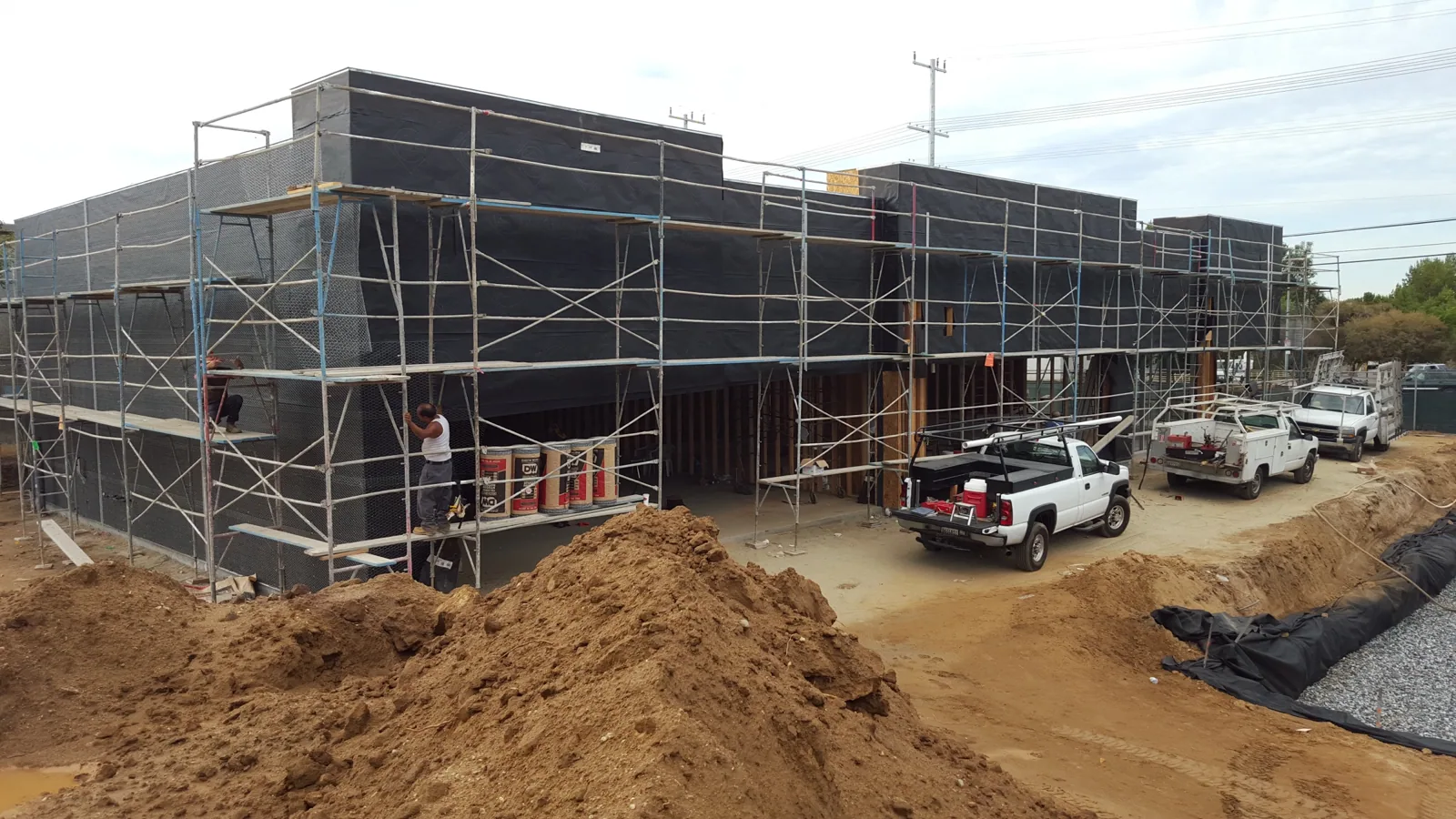
The roofs in a transaction vary with where the building sits. In Lewisville, planning materials describe industrial park, commercial, retail, mixed-use, and transit-oriented areas, and the Southern Gateway is guided by a city plan for mixed-use investment around SH 121 and I-35E. Nearby towns add other profiles: Flower Mound's economic-development profile lists employers in professional services, distribution, manufacturing, and transportation, and Denton identifies Westpark as an industrial TIRZ of about 800 acres north of Airport Road.
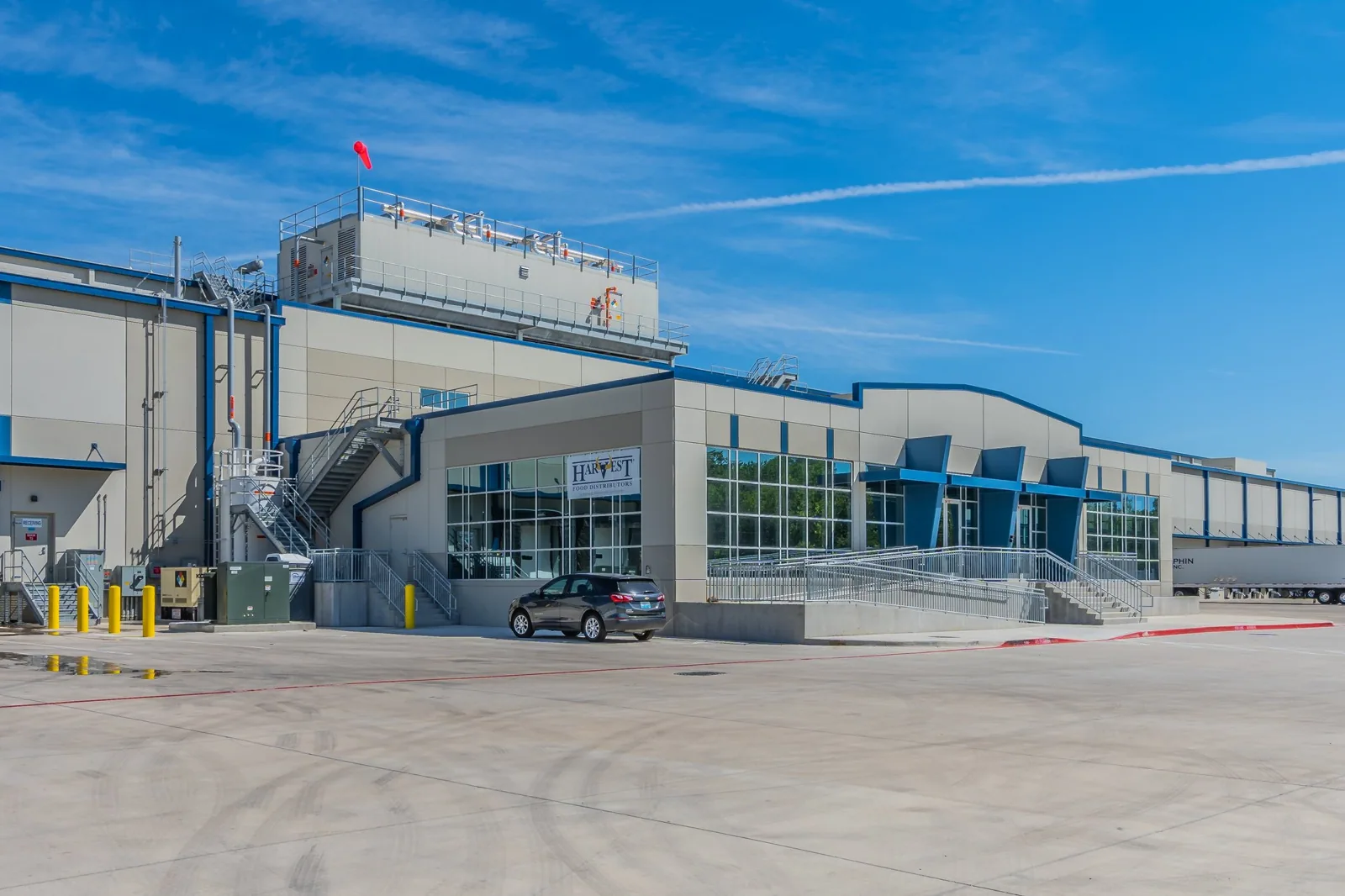
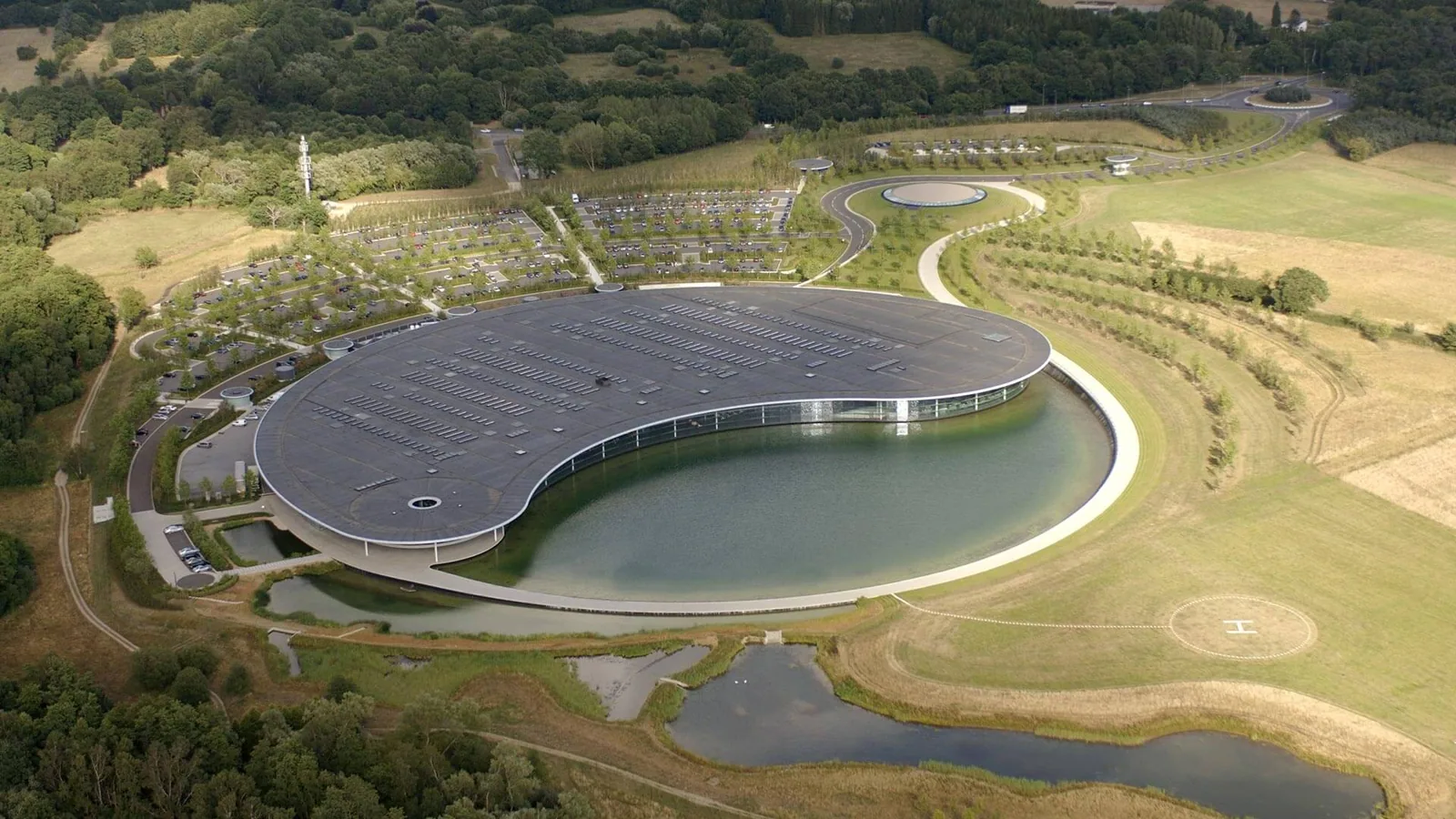
The Texas Comptroller reports that warehousing and storage were among the Metroplex's fastest-growing industries from 2012 to 2022, so a buyer of warehouse roofs is stepping into a growing sector. The survey method is the same across them, and the access plan changes with the building.
Report delivery and lender questions
The report arrives as a document and a photo folder. A one-page summary leads, followed by the zone map, the findings table, the moisture results if any, and the budget lists. Lenders often add questions after reading it; we answer them from the file, with references to the finding numbers.
When the roof carries a warranty, the report notes its status and flags any clause on transfer or notice, since warranty terms can end at sale or require a fee. After closing, the same record becomes the owner's baseline, and the next inspection starts from it. Items the seller agreed to correct are tracked on the same findings table, with the date each was closed and a photograph of the finished detail, so a credit or a repair promise is checked against the roof before the file is shut.
If the buyer plans to hold several properties, the survey is also a first look at the whole group. Roofs that share a manufacturer, an age, or a contractor often share a failure pattern, and the report points out those links so the buyer can plan one program in place of many separate repairs.
Commercial Roofing Questions
How fast can a due diligence survey be done?
A walk and a draft report can often fit inside a short study period, with moisture testing adding days. Access sets the pace, so confirm early that the roof can be reached and that the seller's documents are on their way.
Does the survey replace a property condition assessment?
It supplies the roof section in more depth than a general assessment. Buyers often use both, with the roof survey informing the roof line of the overall report.
What if the seller will not allow core cuts?
The report states that testing was not allowed and prices the risk as a range. Some sellers agree to non-invasive scanning, which still maps likely wet areas.
Can the survey be used to negotiate price?
It gives the buyer dated findings and cost drivers to support a request. Negotiation itself belongs to the parties.
Will you survey a portfolio at once?
Yes. Roofs are walked in a planned order and reported in one format, so the buyer can compare them and rank the work.
Related
Related Roofing Work
Drone Roof Inspections
Infrared and Core-Cut Moisture Surveys
Roof Capital Planning
Roof Condition Reports
Southern Gateway
Warehouse Roofing
Send the contract dates and the property list
Send the study period dates, the property list, and the seller's contact for access. We will schedule the walk, plan any testing, and return a dated condition record with photos, findings, and repair and reserve lists.