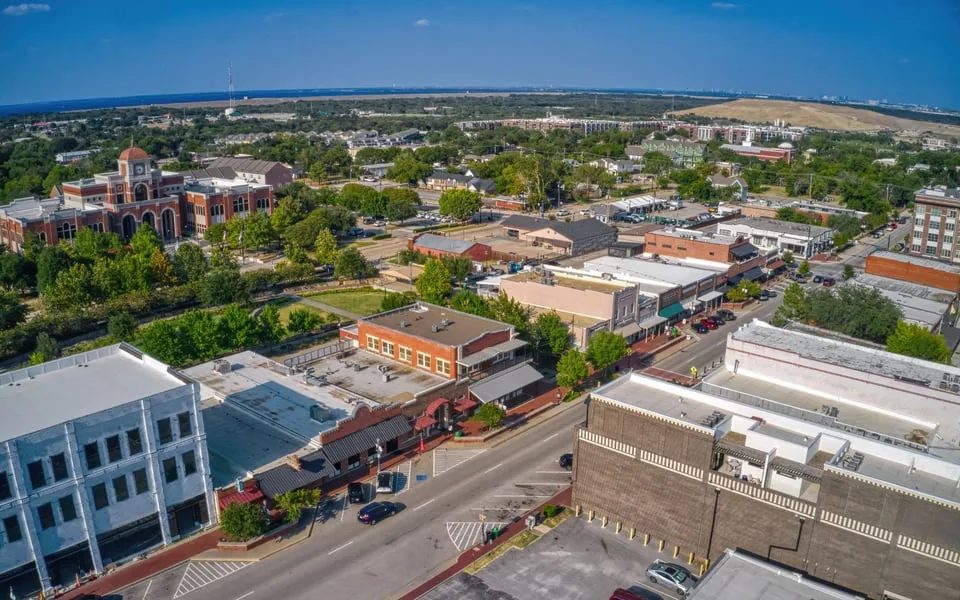
Roof Capital Planning in Lewisville, TX
Home // Roofing Capabilities //
Overview
Roof Capital Planning in Lewisville
A capital request that reads "replace the roof, year three" invites one question from the approver: why year three. The plan answers it with a dated moisture reading, a count of repairs in the last two years, and a photograph of the seam that lost adhesion. Those items turn a guess about timing into an argument, and an argument can be reviewed, funded, or sent back for more evidence without anyone feeling misled.
For a Lewisville, TX owner, capital planning is the step that comes after the condition record. The record says what each roof zone looks like today. The plan says what to do about it, in what order, and what the owner should hold in reserve while waiting.

Timing evidence: what moves a roof up or down the list
Four observations carry most of the weight. The first is moisture: insulation that reads wet over a wide area moves a zone toward replacement, since patches over wet board do not hold. The second is seam and flashing condition across the zone, not at one spot. The third is the repair count: a zone patched repeatedly in the same direction is telling the owner something. The fourth is remaining surface, such as granules on a cap sheet or the thickness of a coating.
Each observation is recorded with a photograph and a location, and the plan states which ones placed the zone where it sits. Age appears too, but only as one input. A young roof with hail damage can need replacement sooner than an older one that has been kept dry.
Cost drivers: what changes a range without changing the roof
Dollar figures belong in a bid, not a general plan, but the drivers can be named now. Roof area is the base. Layers to be removed, wet insulation to be replaced, deck repair uncovered during tear-off, tapered insulation for drainage, and the number of curbs and penetrations to be re-flashed all add or remove scope. Access matters: a roof reached by crane, or one over a live dock, costs more than one reached by a ladder over an empty bay.
The plan lists each driver for each zone and notes which are known and which are open. An open driver, such as deck condition under an old built-up roof, gets a stated allowance range so the owner sees the exposure before approving a number. That keeps a change order from being the first time the owner hears the word.
Metroplex risk: budgeting for the storm that may not come
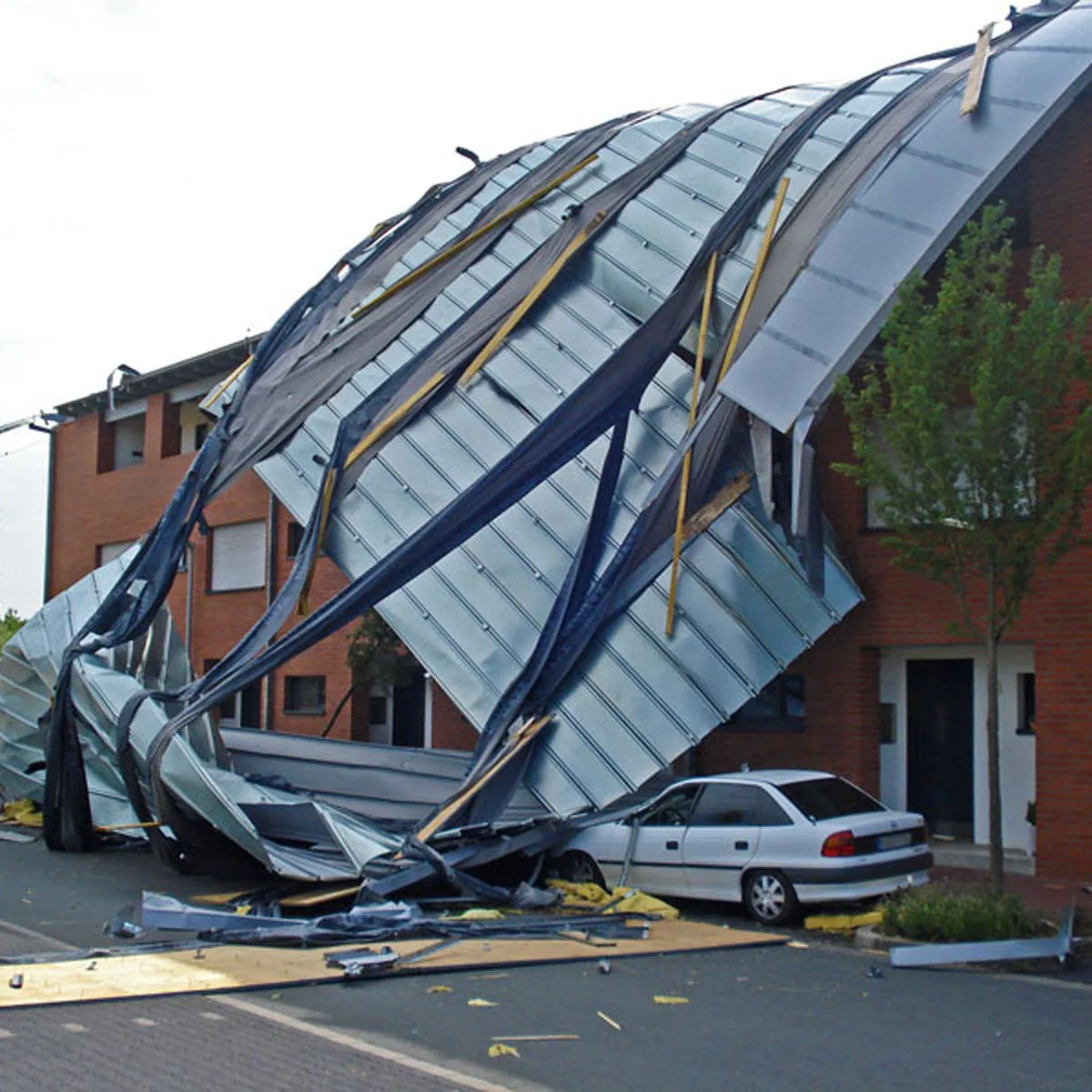
Hail, damaging wind, flooding, and tornadoes appear on the National Weather Service's list of hazards that recur across the Metroplex nearly every year, with no assurance that any one site is spared or hit. The reserve line is sized for that uncertainty. For a capital plan, that is an argument for a reserve line, not for replacing everything early. The reserve covers a post-storm inspection pass and the repairs it finds, with a trigger for when a bigger scope is reconsidered.
Heat is the steadier cost. Midsummer afternoons that average about 96 degrees, plus roughly twenty days a year reaching triple digits in regional airport normals, explain why membranes age under constant thermal cycling. The plan weights heat-worn zones toward earlier review, and it records exposure by zone, because a south-facing field ages differently from a shaded one.
Scenario table: repair, restore, recover, or replace
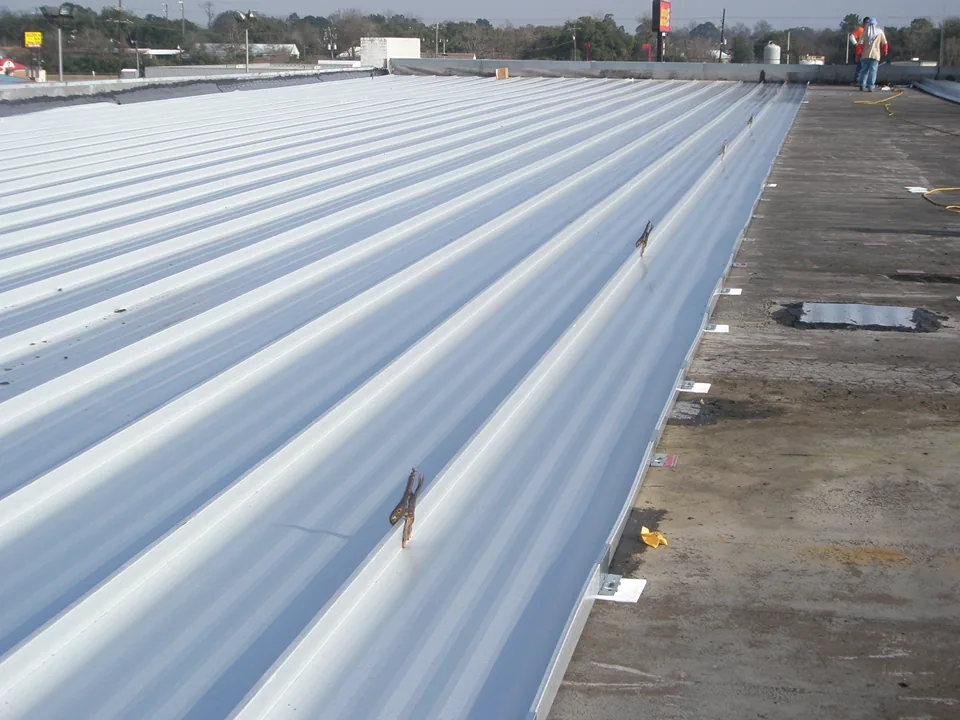
For each zone at repair-soon or replace-planning, the plan sets out the realistic paths side by side. A repair buys time at the lowest cost and leaves the roof's age unchanged. A coating restoration extends a sound, dry membrane. A recover adds a new membrane over a dry existing one. A replacement resets the clock.
Each path lists what it needs from the roof to be possible, what it leaves behind, and when the next decision comes. The point is to let the approver compare the same boundary across options, so a lower number is not a smaller scope in disguise.
Code check: the edition on the permit
The city's adopted codes include the 2021 International Building Code, though a given permit can carry local amendments or another edition, so the requirement is confirmed when the work is scoped. Insulation levels, wind uplift design, and edge details can change what a replacement costs, and a repair that is large enough may trigger the same review.
The plan notes where a zone is likely to be reviewed against current requirements and flags the question for the permit stage. Owners then see the possibility of an added scope item before the budget is set, rather than after a plan reviewer asks.
Newer districts: planning around construction age and access
Lewisville's Northern Gateway plan covers about 300 acres on the west side of I-35E as a mixed-use urban village, and a city plan guides mixed-use investment in the Southern Gateway, where SH 121 meets I-35E. Owners in the Northern Gateway or the Southern Gateway may hold newer buildings whose first capital event is still years away, or older buildings whose roofs are ahead of the redevelopment.
Either way the plan starts from the roof in place. Planning documents describe where the city is headed, not the age or condition of a particular roof, so the dated findings set the schedule and the district plans are noted only where they affect access, staging, or tenant mix.
Annual review: keeping the plan honest
A capital plan that is written once goes stale in a year. Each annual review rescores the zones, compares the findings with the prior year, and moves zones up or down. Repairs made are credited; storms and leaks are logged; open drivers are closed with actual findings. The reserve is adjusted. The result is a one-page summary the owner can hand to a lender, a board, or a new asset manager.
The review pairs with the asset record and, for owners with many buildings, with the multi-site program, so each building's year is placed in the context of the whole portfolio.
Lease and loan dates belong in the review as well. A roof scheduled for replacement the year before a refinance may be better done earlier or later, depending on what the lender will ask to see. A tenant renewal can open a work window that a full lease term will not. The plan lists those dates beside the roof years, so the owner can move a project a few months to meet a deadline without losing the evidence that justified it.
Commercial Roofing Questions
Which matters more for timing, age or condition?
Condition. Age is one input among several. A roof kept dry and sound can outlast its expected life, while a younger roof with wet insulation may need action sooner.
How much should be reserved for storm repairs?
The reserve depends on roof area, system type, and prior repair history. We state it as a range tied to the zones most exposed and revisit it each year after the review.
Can replacement be split over two years?
Often yes, by roof zone. The plan sets the order, the weather windows, and how the seam between old and new roof is protected over the interim.
What happens to the plan after a hail event?
The affected zones are inspected, findings are added, and the plan is rescored. A zone may move up or stay put, depending on what the evidence shows.
Do you give prices in the plan?
The plan names the drivers and the open questions. Prices come from bids on defined scopes, so the owner compares like with like.
Related
Related Roofing Work
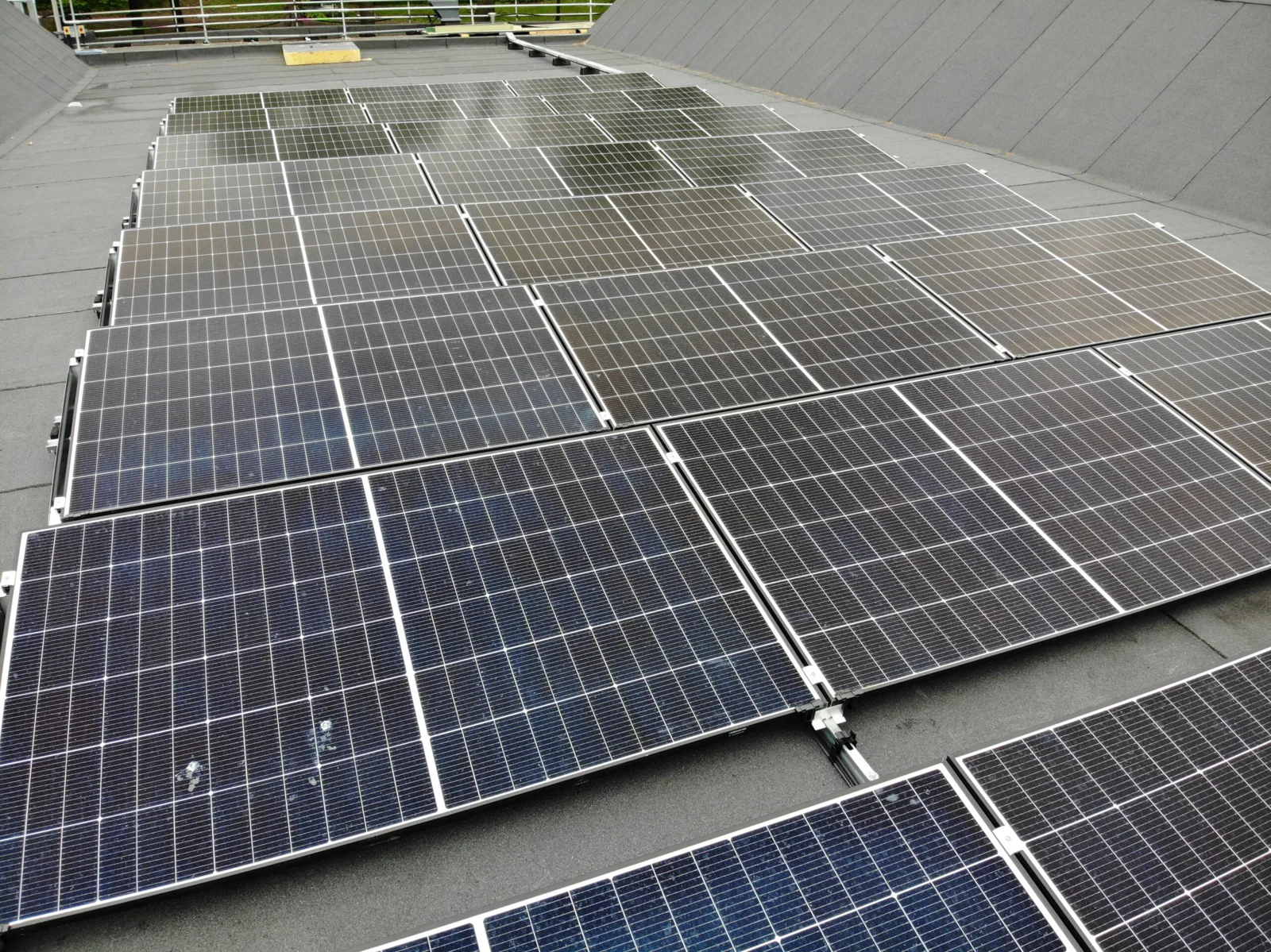
Commercial Roof Inspections
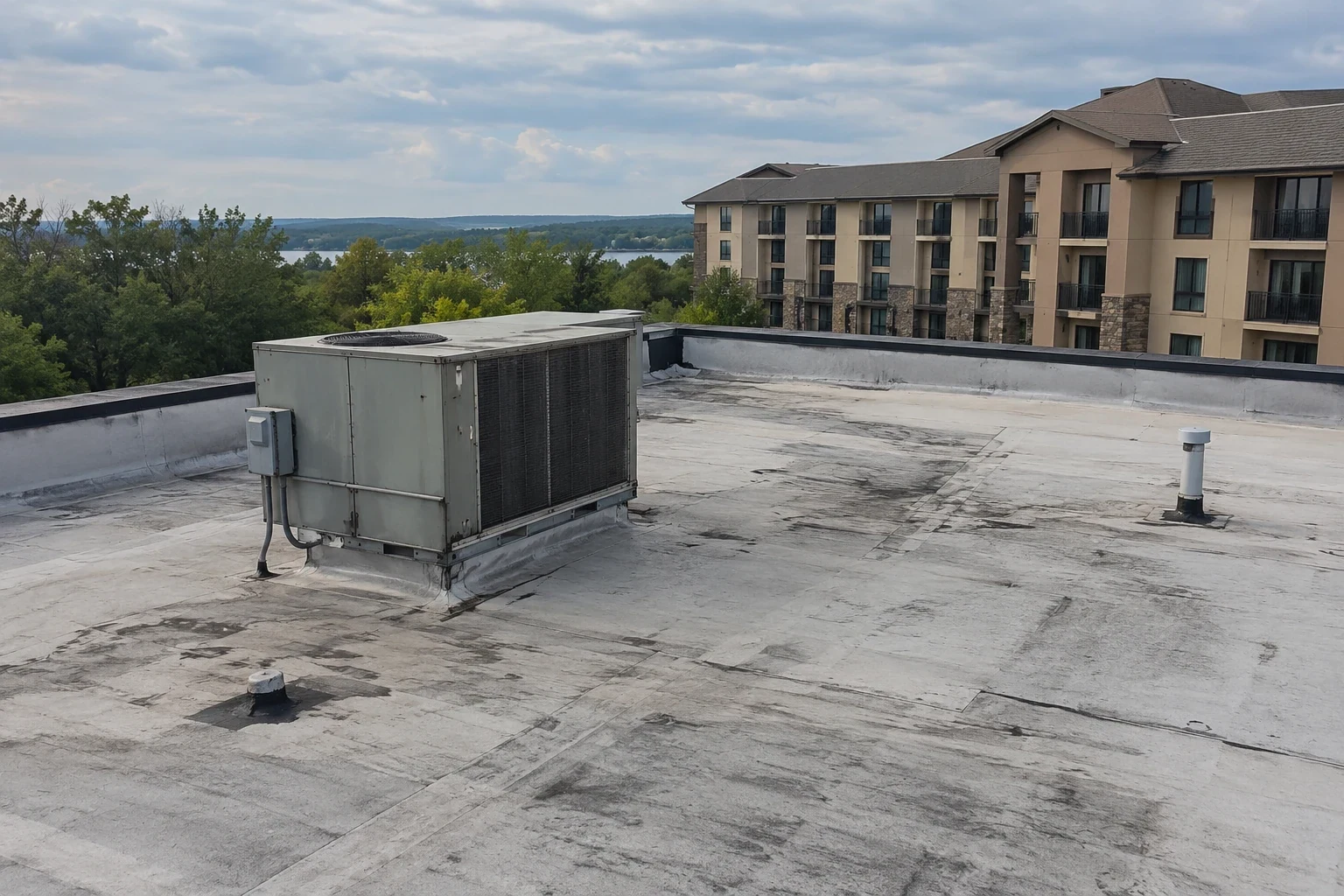
Commercial Roof Repair
Roof Coating and Restoration
Roof Recover and Overlay Systems
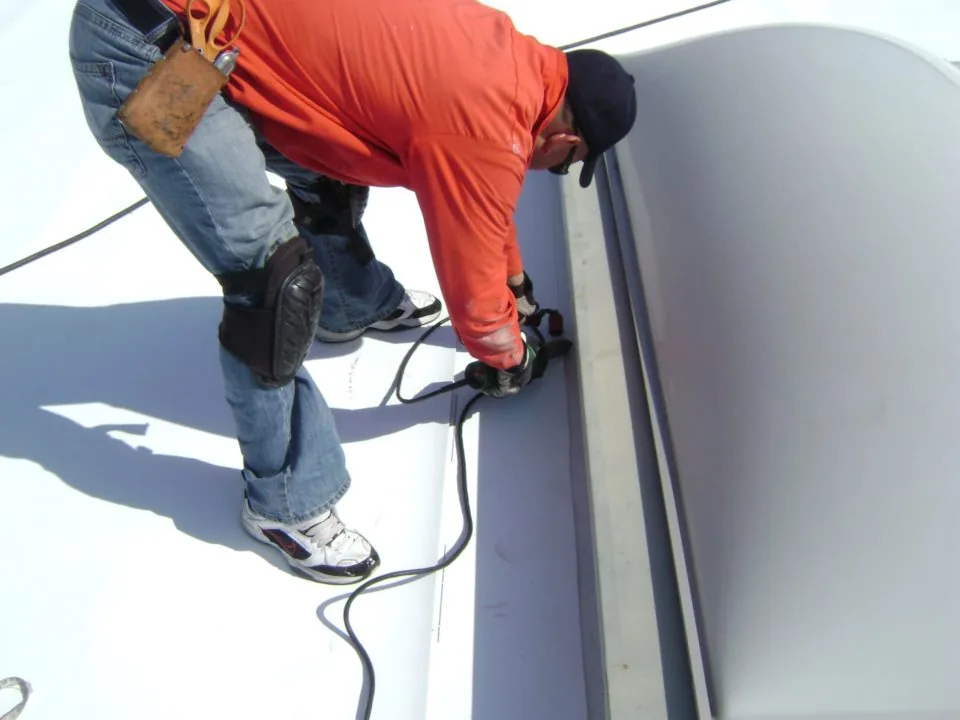
Commercial Roof Replacement
Northern Gateway
Schedule the inspection that feeds the plan
Send the property list and any past roof reports. We will inspect the roofs and return a dated condition record with photos, findings, and a ranked list of next steps for the budget.