
Built-Up Roofing (BUR) in Lewisville, TX
Home // Roof Systems //
Overview
Built-Up Roofing (BUR) in Lewisville
A small core cut from a built-up roof shows the roof's whole history in a few inches: gravel on top, then alternating layers of bitumen and reinforcing felt, then insulation and deck. Each layer tells something about how the roof was built and what has happened to it since. Built-up roofing, or BUR, is a multi-ply system assembled on site from layers of felt or fabric set in hot or cold asphalt or coal tar, finished with gravel, a cap sheet or a coating. In Lewisville, TX, BUR is a system an owner meets on older low-slope buildings in the industrial park and commercial areas, and it is still specified where owners value the redundancy of several plies.
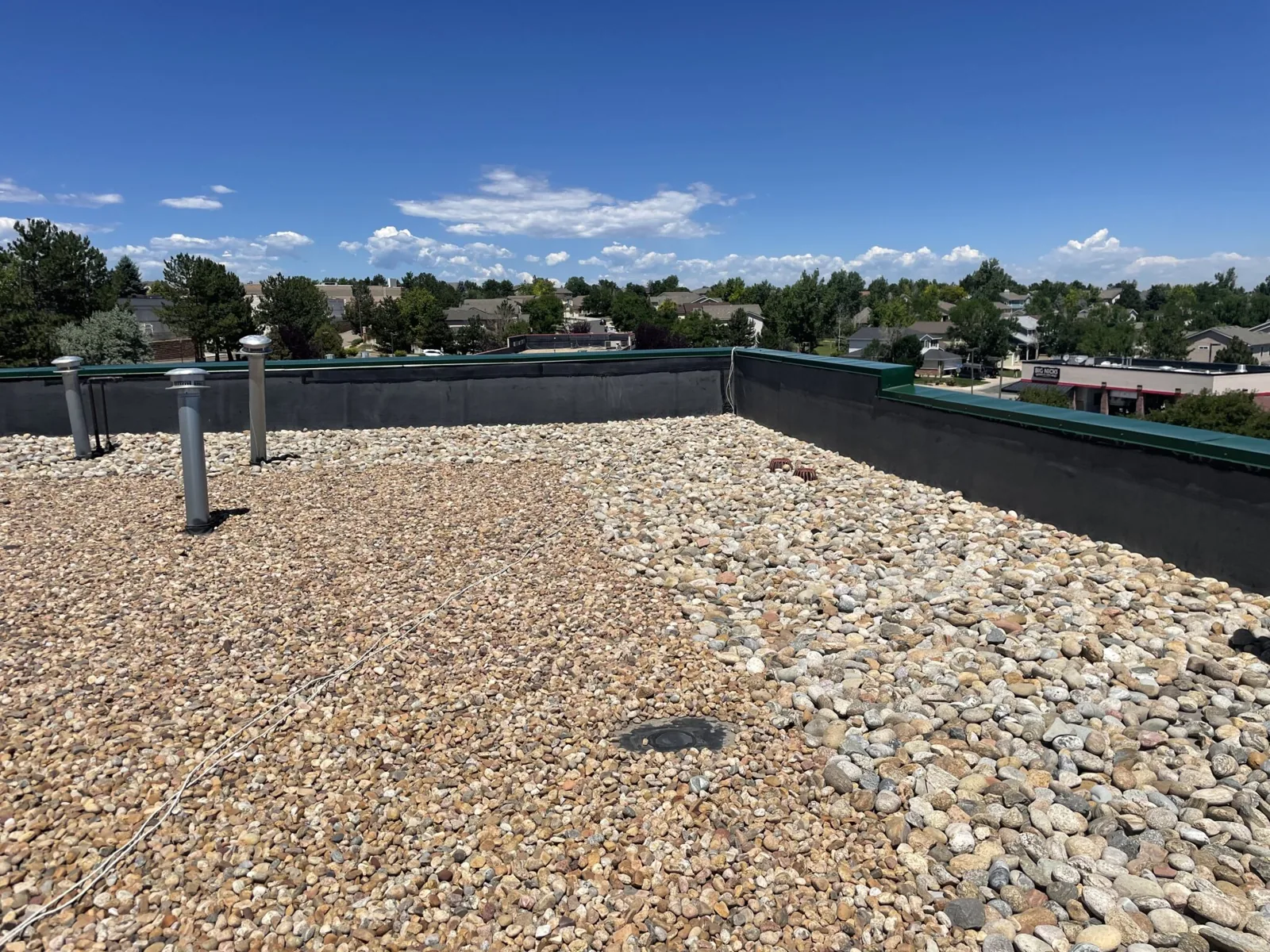
We start by recording the build-up as best the evidence shows, then walk the roof with a moisture meter and a camera and mark each place where the layers have blistered, split or separated.
Inspection record: plies, surface and flashings
A BUR inspection checks the surface first. A gravel-surfaced roof should have even coverage; bare spots expose the top layer to sun and weather, and wind or drainage can scour gravel toward the drains. A cap-sheet or coated surface should be intact, without cracks or alligatoring, the pattern of fine surface cracks that looks like reptile skin.
- Gravel distribution, bare patches and scour near drains
- Blisters, ridges and splits across the field
- Flashing at walls and curbs, which is often a separate system
- Pitch pans and sealant pockets around penetrations
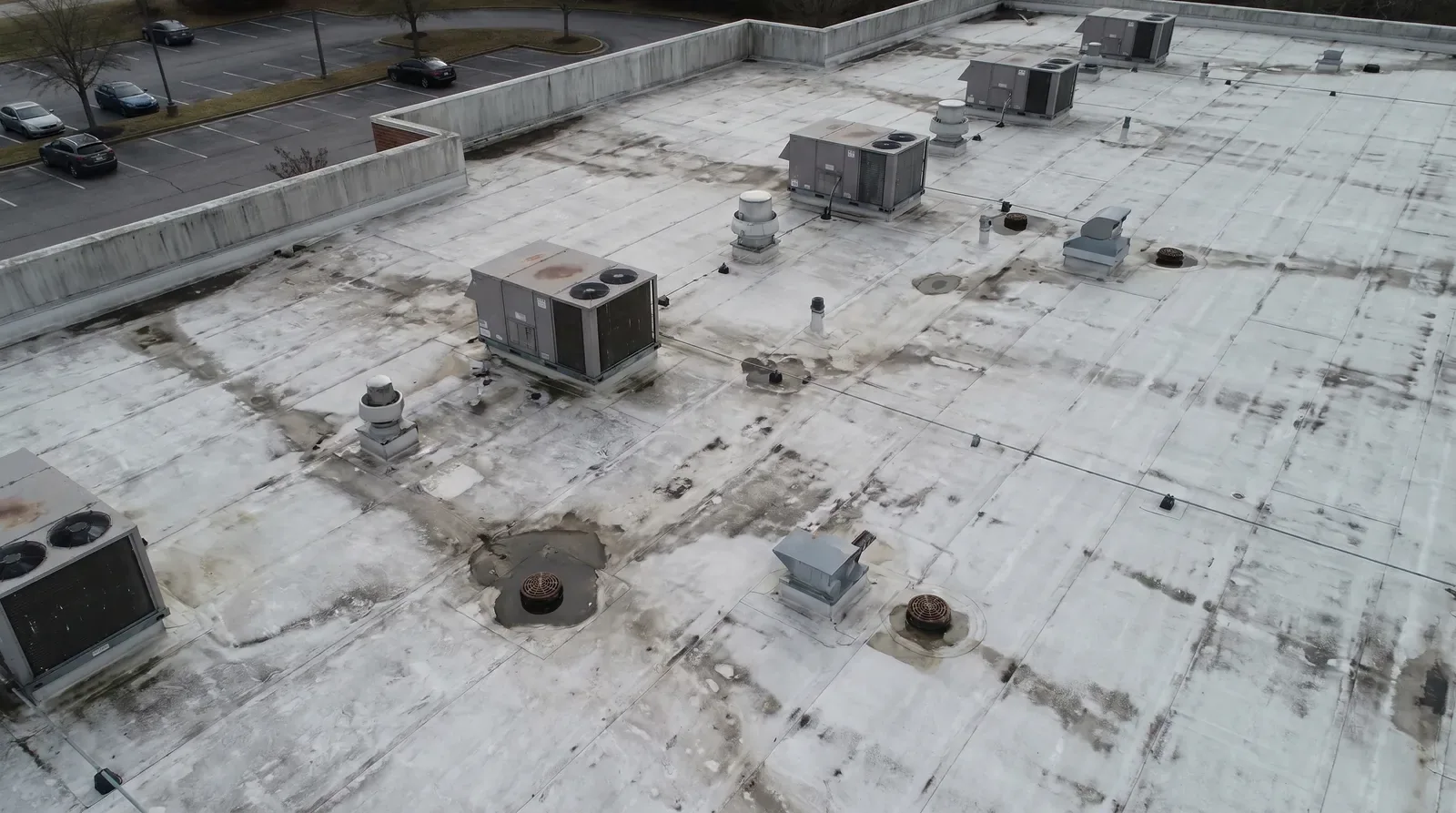
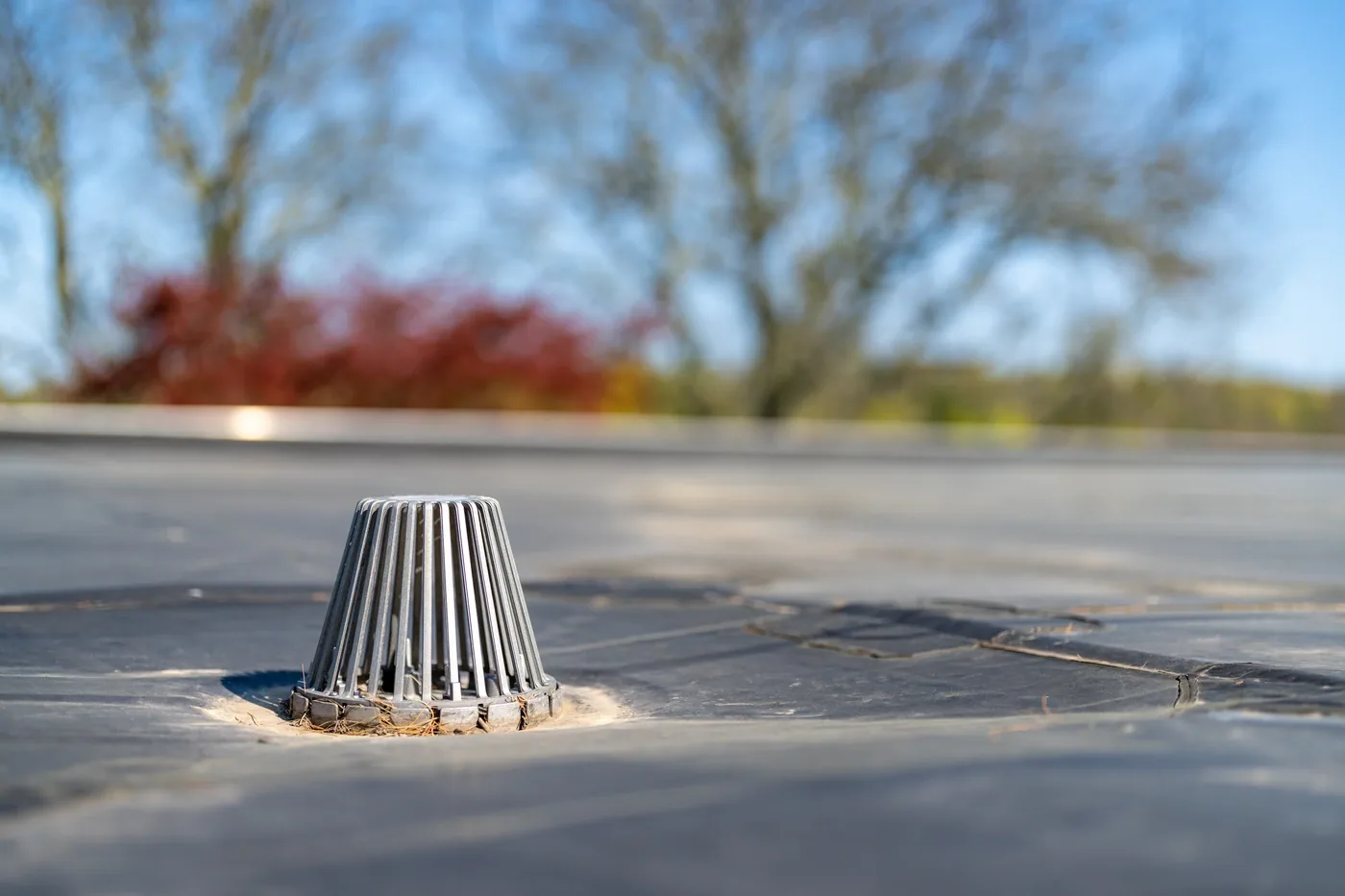
- Drains, scuppers and the area around them
Photographs run from the whole roof zone to the detail, with blisters and splits measured and located on the roof plan. A blister is air or moisture trapped between plies. A split is a tear that often follows the line of the insulation joints below. Both can be stable for a time, but both are dated and watched.
Evidence sequence: moisture, cores and the sequence of plies
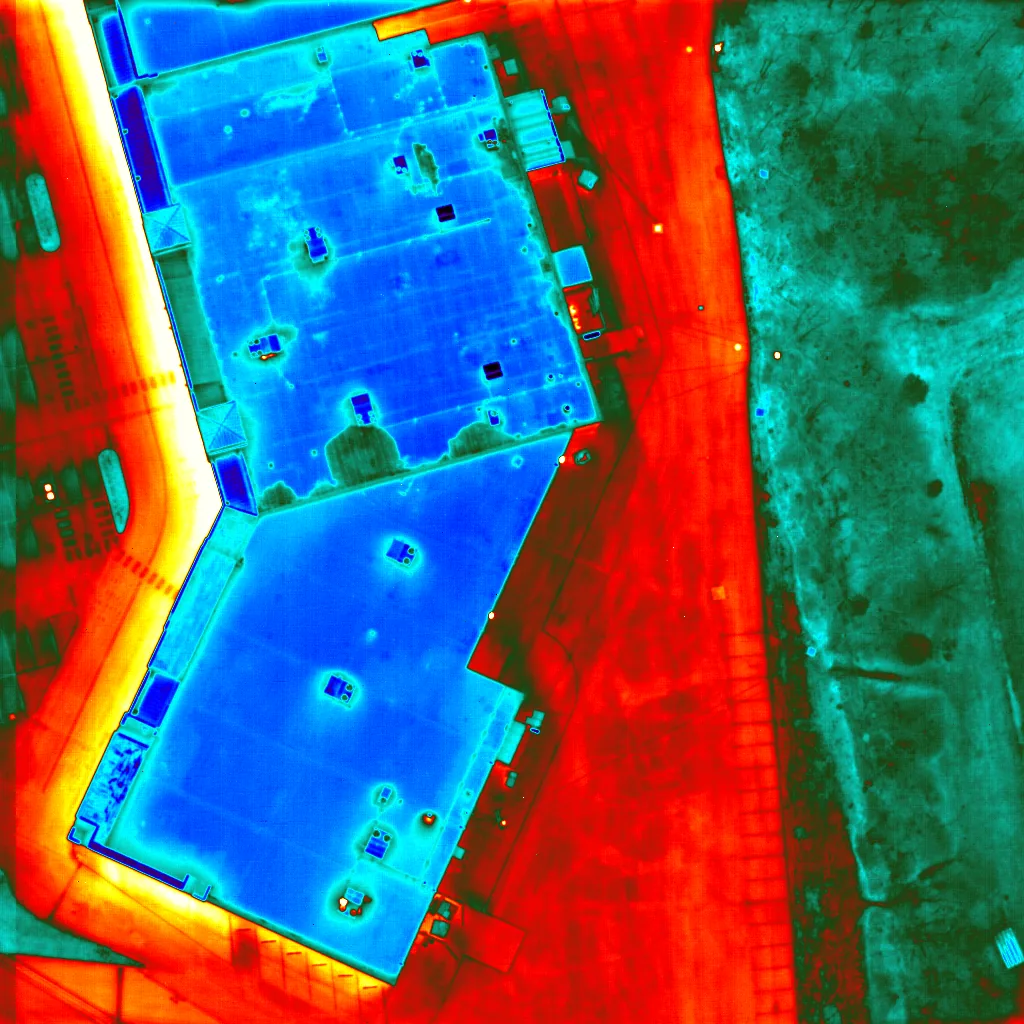
A BUR roof with a leak history needs moisture evidence. An infrared scan on a warm evening shows wet insulation as cooler or warmer areas depending on conditions, and a moisture meter reading confirms the doubtful ones. Where doubt remains, a small core shows the layers and whether water sits between them. The core is photographed, labeled with its location and patched with a cut-in repair.
The core also tells whether the roof can accept a recover. The sequence is: scan, meter, core, record. Together they separate a roof with a surface problem from one with wet insulation and a failing base. A moisture survey costs less than guessing wrong, and the results go straight into the options review. Metroplex warehousing and storage are among the faster-growing industries in the region, according to the Texas Comptroller, and many of the roofs over them are low-slope systems where moisture mapping is the first step before a repair budget is set.
Attachment detail: gravel, flashings and pitch pans
The details on a BUR roof are where leaks start. Base flashings are often built from the same felts as the field and terminate under metal counterflashing. Over time the counterflashing loosens, the flashing shrinks and a gap opens at the wall. Pitch pans, small metal boxes filled with sealant around pipes and posts, dry out and crack as the sealant ages.
We check each termination, each pitch pan and each pipe. A pitch pan that has shrunk and cracked is refilled or replaced with a better penetration detail. A wall flashing with a gap is re-secured and sealed or rebuilt. Gravel is also a detail: where it has moved, the membrane under it is inspected, and gravel is swept back or added so the surface is protected again. Gravel can make a roof harder to inspect, so we brush test areas clear and photograph the surface beneath. Compared with modified bitumen, BUR relies more on its multiple plies, while modified bitumen relies more on its engineered cap sheet.
Repair boundary: blisters, splits and the limit of patching
A blister that is dry and stable may be left under watch. A blister that has opened or holds water is cut out, dried and repaired with new plies lapped over sound material. A split is cut, cleaned and bridged with a reinforced patch, and if it recurs along the same line, the cause is investigated before another patch is applied.
Hail is part of the picture, and the Metroplex sees it almost every year without hitting every roof. Gravel offers some protection, but hail can crater the surface and break plies. After a storm we set new marks against older wear and record each. Heat is another factor: about twenty days a year at 100 or more, on top of July and August highs near 96 degrees, keeps the bitumen working through the summer. When repairs recur, the record supports a decision for a coating restoration, a recover or a full roof replacement.
Work coordination: hot work, fumes and fire safety
Traditional BUR installation uses hot asphalt, heated in a kettle on site or applied through a hot mopping system, and the work calls for fire safety planning. Many properties require hot work permits, fire watch periods, fire extinguishers within reach and kettle placement away from air intakes and combustible materials. Tenants and neighbors notice the smell, so we ask about intakes and operating hours before the kettle is fired.
Cold-applied systems and adhesives avoid the kettle but have their own handling requirements. We record the method, the permit and the safety plan in the access log, along with the time each section is opened and closed. In Lewisville's I-35E and SH 121 districts, office, retail, industrial and mixed-use properties share corridors and neighbors, so we also plan truck access and staging. The method for occupied-building reroofing sets the order of the work on a property that stays open.
Options review: keep, restore or change systems
An owner of a BUR roof can repair and monitor, restore the surface with a coating, recover over the existing roof or replace. The moisture evidence controls the choice. Dry insulation and sound plies keep repair, coating and recover open. Wet insulation or a failing base moves the decision toward removal. A replacement can use another BUR system or change to a single-ply such as TPO or a modified bitumen roof.
We lay the options out with the findings, the cost drivers and the work coordination. Owners with several buildings can rank them through a roof capital plan. Properties in Old Town Lewisville and Carrollton follow the same record.
Closeout documentation: core log and repair map
The closeout file lists the build-up as found, core locations and photographs, moisture readings, the repairs made and the materials used, with each repair on the roof plan. It includes hot work permits, fire watch records and the weather on the work days.
Hot work and roof permits are reviewed against the edition and amendments the city applies at filing, and the 2021 International Building Code is among its adopted codes. Permit and inspection dates are recorded in the same file.
Commercial Roofing Questions
What is a blister and should I worry?
It is trapped air or moisture between plies. A dry, stable blister can be watched; one that is open or wet is cut out and repaired.
Why cut a core?
It shows the layers and whether water sits between them. The core settles the recover question and is patched the same day.
Is gravel a problem for inspection?
It hides the surface, so we brush test areas clear, photograph the membrane beneath and return the gravel afterward.
Does a BUR roof need hot work for repairs?
Not always. Cold-applied materials handle many repairs, and we use them where a property restricts open flame.
What code edition applies when a BUR roof is replaced?
Whatever the city has in force at filing; its adopted codes include the 2021 International Building Code, and a hot-work permit may be reviewed alongside it.
Related
Related Roofing Work

Infrared and Core-Cut Moisture Surveys
Modified Bitumen Roofing
Commercial Roof Replacement
Occupied Building Reroofing
TPO Roofing
Roof Capital Planning
Start with a dated ply and moisture record
Schedule an inspection and receive a condition record with photos, moisture readings, core findings and recommended next steps marked patch, restore or replace.
