
Commercial Roofing in Little Elm, TX
Home // Service Areas //
Overview
Little Elm in Lewisville
A roof that is only a year or two old still needs a record, and the best time to start one is before the first complaint. Little Elm's economic-development corporation is charged with attracting commercial businesses and jobs to the town, and the town has adopted a small-area plan for the US 380 corridor. A business arriving along a corridor like that inherits a roof with no history in its own files, and the early months are when small defects show. We open a Little Elm file with a first-pass inspection that photographs the roof as it stands, lists what to watch and sets the baseline for every visit afterward. The same method serves owners in Lewisville, TX.
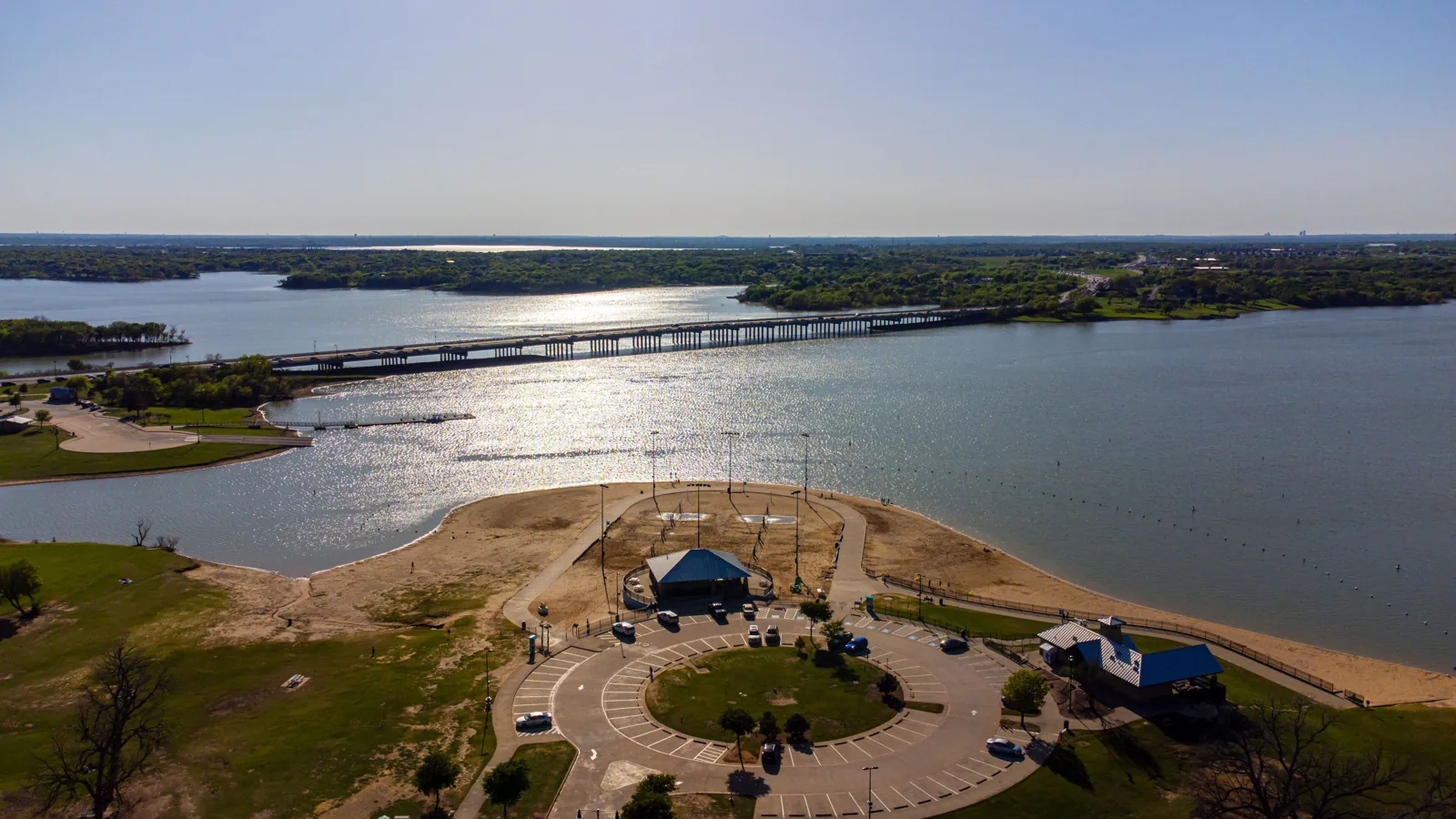
Baseline pass: photograph the roof as it stands
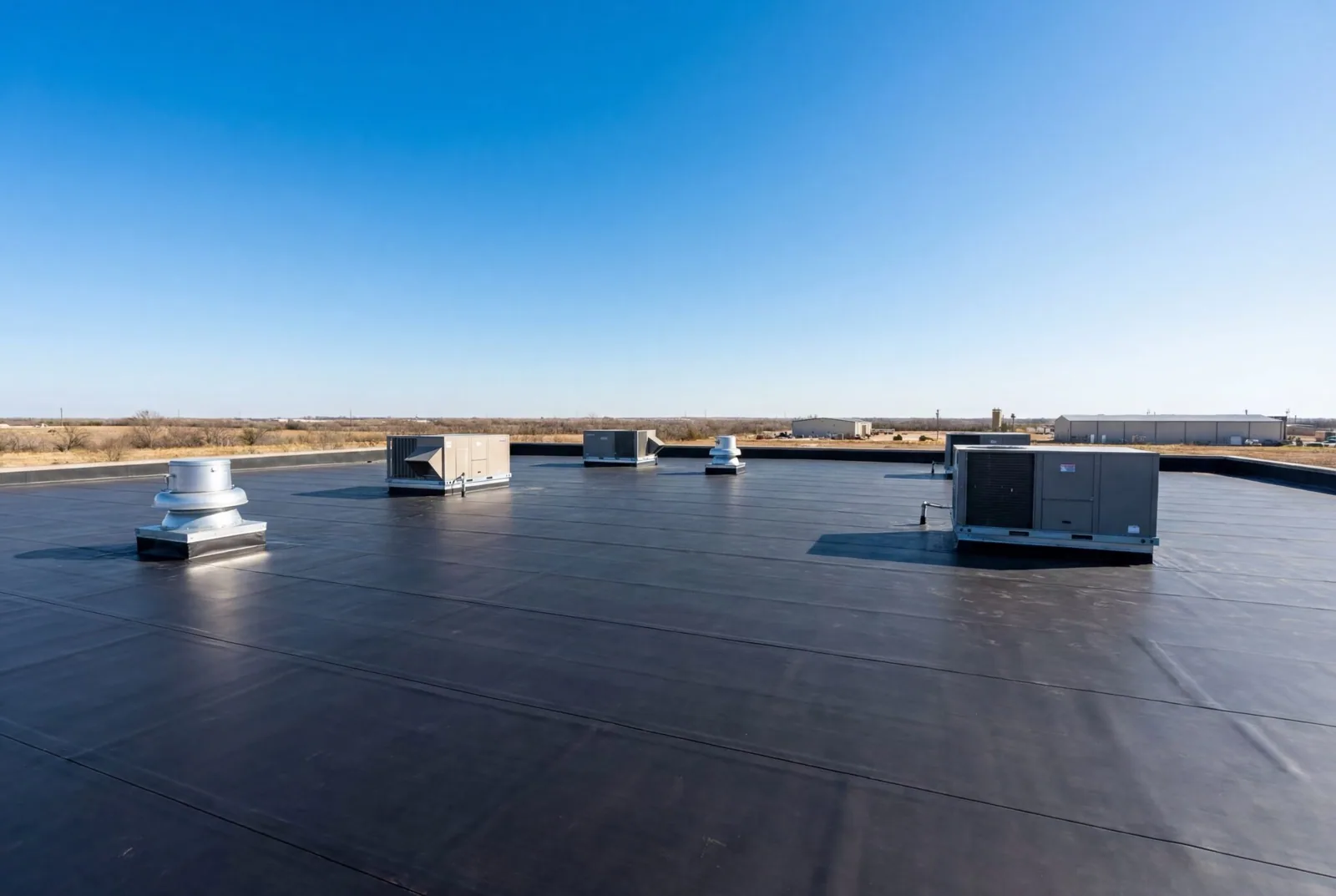
A baseline pass is an inexpensive roof document with a long useful life. We photograph the whole roof zone from a fixed point, then each drain, curb, penetration, seam run and edge. We log fastener patterns where they show, note any ponding and record the condition of sealants and flashing terminations. The date goes on every image.
When a leak appears later, the baseline answers the first question: did the roof change, or was this spot always like that? It also protects against disputes with trades. If an HVAC crew damages the membrane in a service call, the baseline shows what the sheet looked like before they went up, and the access log shows who was there.
The baseline also helps when a building is sold or refinanced. A buyer or lender who sees a dated pass with photographs, readings and an open-items list can price the roof with less guesswork, and the seller avoids a late renegotiation over unknown conditions.
Early defects: what shows in the first seasons
Defects on a young roof tend to come from workmanship and sequence more than from age. Common ones include an unwelded or under-welded seam, a pipe boot cut too tight, a drain clamp ring left loose, a curb flashing that stops short of the specified height and sealant skipped at a termination. None of these is dramatic on day one. Each can become a leak after a few heavy rains or a hard freeze.
We probe seams, press on terminations, pour water at drains and check curb heights against the roof plan. Findings are logged by roof zone. If the roof is still under a contractor or manufacturer warranty, the record is shared with the warranty contact quickly, since some warranties set windows for reporting defects. Our roof warranty management process tracks those dates.
Drainage on a young roof gets a water test. We pour water at each drain and watch the flow, then check the roof an hour later for ponds that formed. A pond on a new roof usually points to a slope or drain-height problem that is easier to correct now than after tenants and equipment are in place. Ponding water repair with tapered insulation or a sump fixes it at the source.
Tenant turnover: roof changes follow lease changes
Corridor buildings change tenants, and each new tenant brings equipment, signage and sometimes a new roof penetration. Without a record, no one remembers where the old openings were or how they were closed. We mark penetrations on the roof plan, flag abandoned curbs and capped lines, and note which items belong to which tenant.
When a tenant leaves, the roof gets a short check before the next lease begins. Abandoned equipment, patched openings and damaged flashing are documented, and the landlord can decide which repairs belong in the make-ready budget. A rooftop equipment curbs and supports inspection is useful at that point, because curbs left behind by a former tenant are common leak sources.
Access control belongs in the lease conversation. A hatch key, a roof access log and a rule that service techs use marked walk paths cost almost nothing and prevent most puncture damage. We write those rules into a one-page roof protocol the landlord can attach to each lease.
Storm season: tornado-producing cells and hail
North Texas spring weather produces thunderstorms that can turn severe, and the Weather Service notes that tornadoes and hail show up somewhere across the Metroplex in most years. Whether a given Little Elm building is hit is a separate matter that only the building can answer. After a severe event, we run the inspection pass again and compare it with the baseline, so new dents, lifted edges and displaced equipment stand apart from older marks.
For wind and debris events, a tornado damage review looks at structural movement and impact points; for hail, a hail damage review samples the surface and checks moisture beneath marked areas.
If a storm opens the roof, the dry-in comes first and the claim record second. We seal or cover the opening, photograph it before and after, list the materials left on the roof and note the time. The permanent repair waits until the roof is dry enough to bond, and the temporary items come off on a stated date.
Summer heat and young membranes
Summer in Dallas-Fort Worth is hot, and regional normals put the average July high near 96 degrees. A dark membrane in direct sun runs far above that temperature, and new sealants are still setting in their first seasons. We check that terminations are staying tight, that seams are lying flat and that no fasteners are backing out. Lighter surfaces and coatings come into play when the owner wants to reduce heat load on the roof and the building.
Edges and flashing take the brunt of expansion. A parapet cap that was sealed in cool weather may open in July, and the opening collects water that freezes in the rare hard cold snap. Wintry precipitation is infrequent in the Metroplex, which means a gap that sat open all summer may not show a leak until a spring storm drives rain into it. The summer walk catches it first.
Cost and timing for early repairs stay modest when caught early: a small crew, a short visit, a sealant or flashing correction and a note in the file. Waiting turns the same item into a wet-insulation problem that needs removal and replacement.
Closeout packet for a growing portfolio
Owners who add buildings over time benefit from one packet format. Each building gets photographs, a plan, readings, warranty notes and open items, and they stack neatly in a decision file. Owners with property in The Colony and Lake Dallas can compare those packets as they plan repairs and capital work.
Commercial Roofing Questions
Why inspect a new roof?
To set a baseline and catch workmanship defects while a warranty is active. Early findings cost less to correct.
What is a baseline pass?
A dated photo sequence and condition log of the whole roof before problems appear. It makes later comparisons simple.
How do you handle abandoned curbs after a tenant leaves?
We mark them on the roof plan, check the flashing and recommend removal or capping as part of make-ready work.
Does a storm report prove roof damage?
No. It points to a reason to inspect. Photos and readings from the building establish what actually changed.
What belongs in a warranty file?
Warranty terms, contractor contacts, completion date, inspection records and repair logs. Reporting deadlines go at the top.
What does a roof protocol for tenants cover?
Who holds the key, which paths to walk, how to log a visit and whom to call after any damage. It fits on one page.
Related
Related Roofing Work
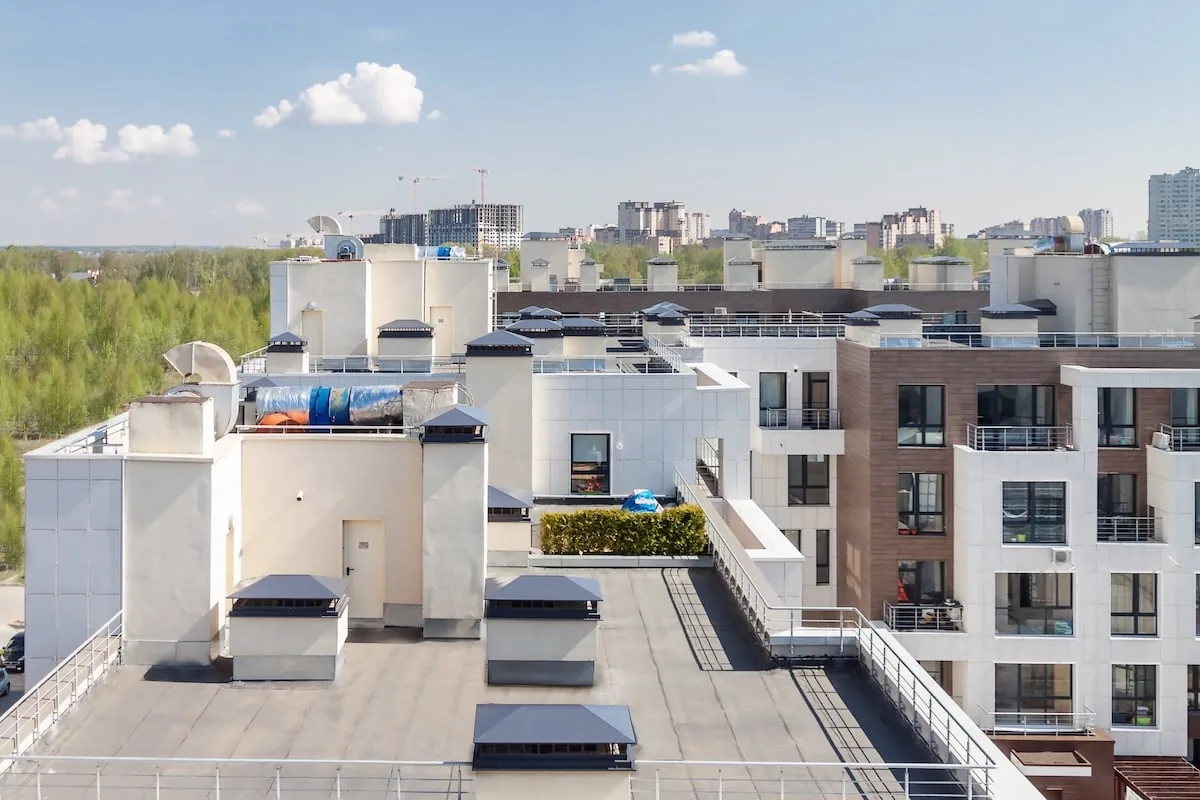
Roof Warranty Management
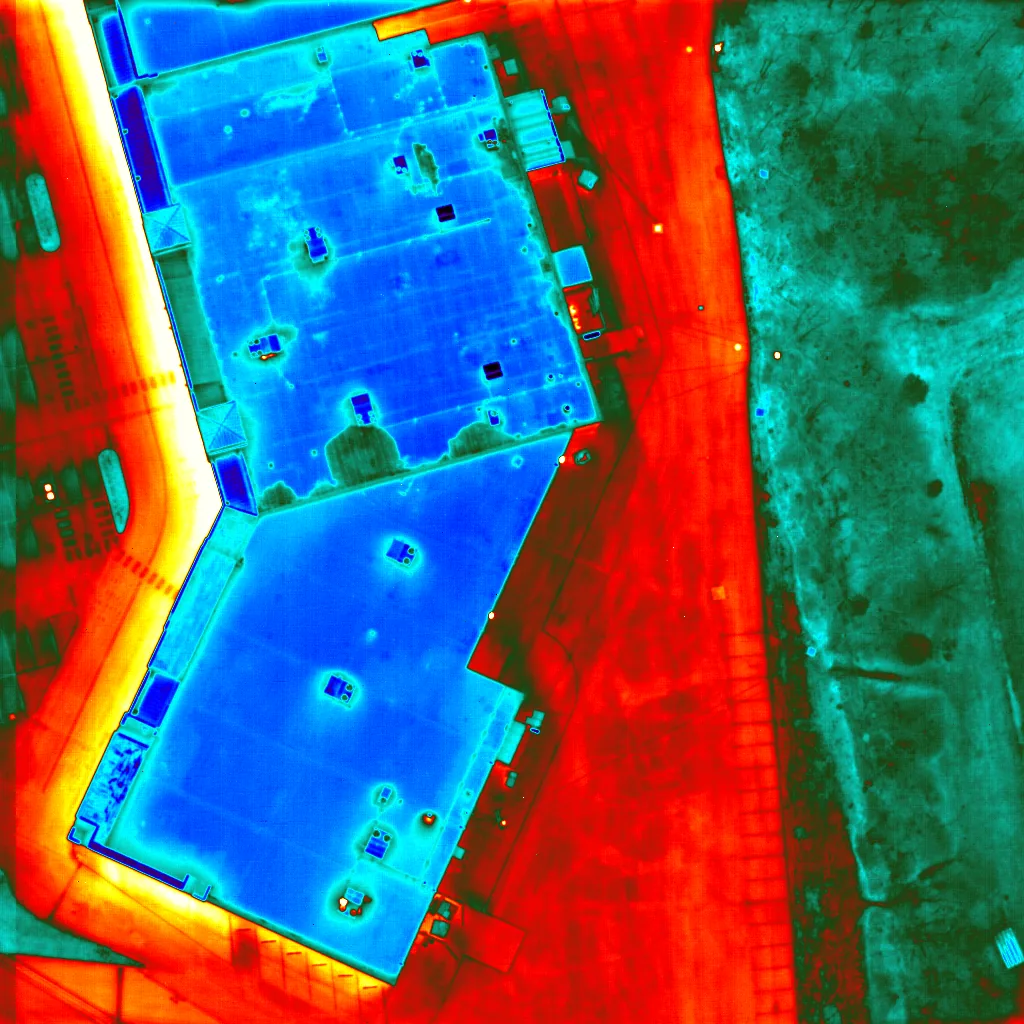
Ponding Water Roof Repair
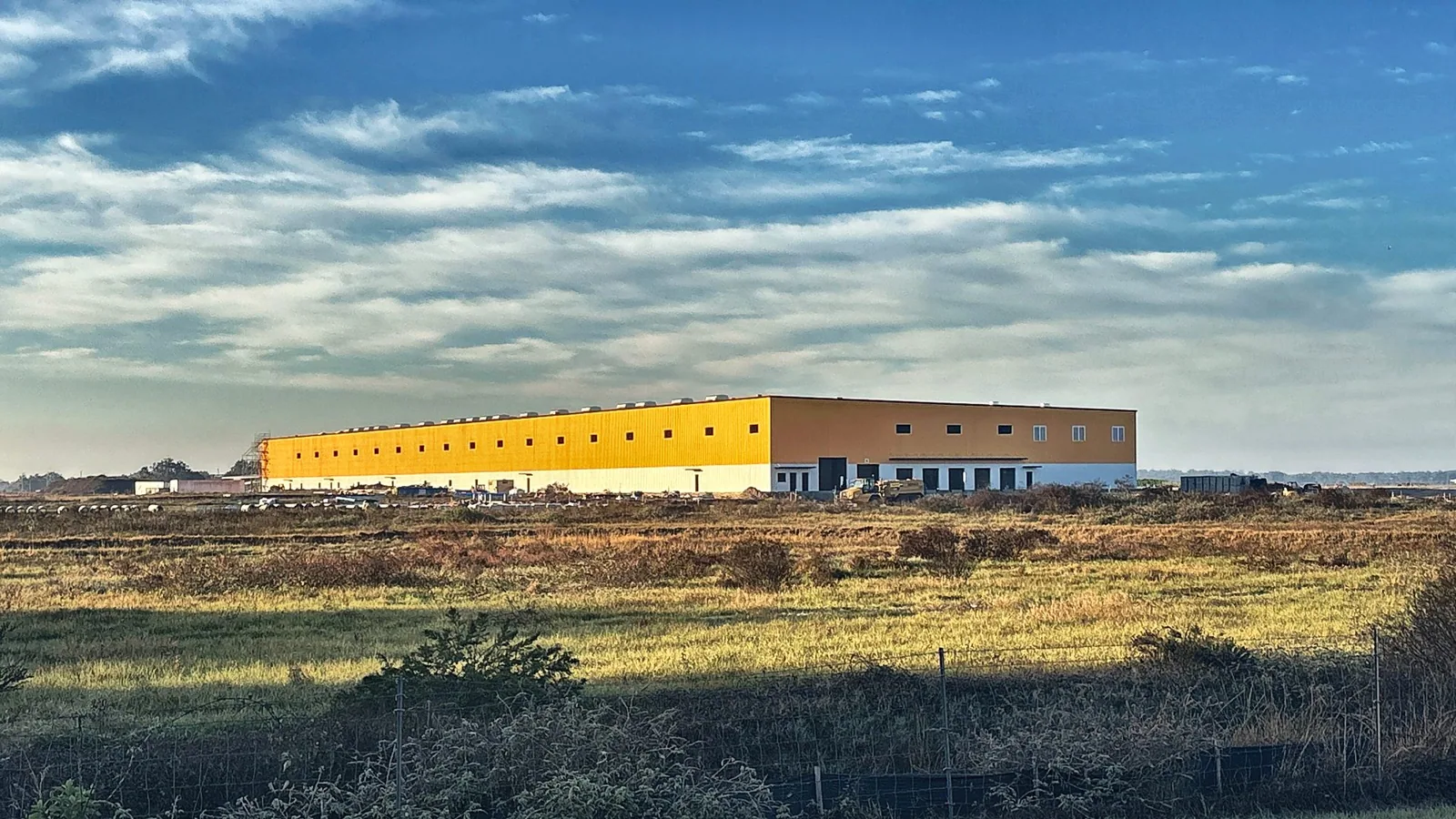
Rooftop Equipment Curbs and Supports
Tornado Damage Roof Repair
Hail Damage Roof Repair
The Colony
Schedule an inspection and receive a dated record
Tell us about the building, its age and any leaks. We will inspect, send photographs and findings with dates, and recommend next steps.
