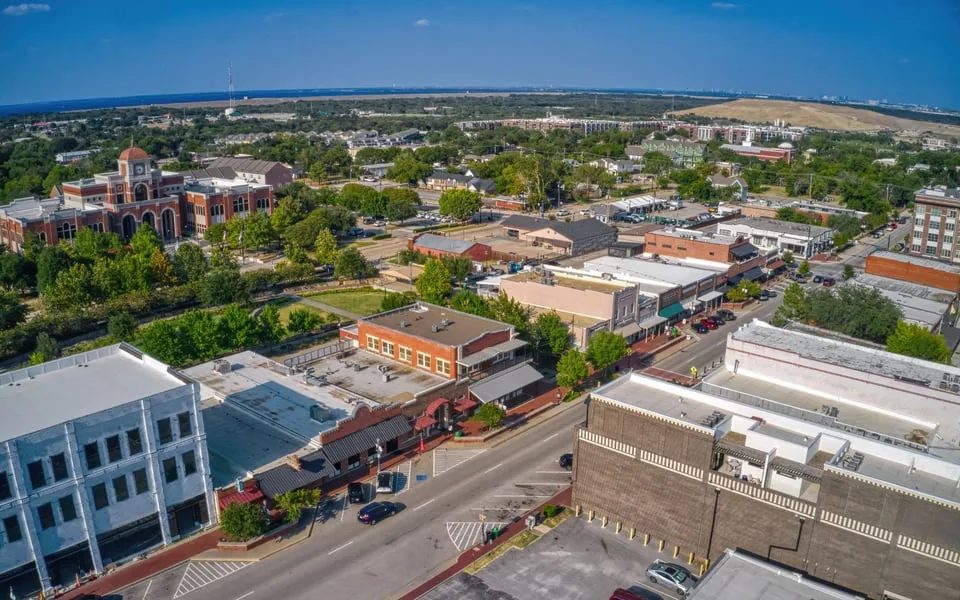
Rooftop Equipment Curbs and Supports in Lewisville, TX
Overview
Rooftop Equipment Curbs and Supports in Lewisville
Count the units on a roof and the curbs come out to the same number, but the leak history rarely lines up evenly: one curb takes most of the repairs. The reason is usually in the attachment, not in the unit. A rooftop unit sits on a curb, the curb sits on the deck, and the membrane has to turn up the side of that curb and finish under a counterflashing, so every unit adds a vertical wall and four corners to a roof that otherwise runs flat. On a Lewisville, TX office, retail or industrial building near I-35E or SH 121, those corners are where heat, hail and service traffic all land.
We start a curb and support review with the roof plan and the unit list, then walk each location and record its condition with a photograph of the whole roof zone and a close view of each corner. The first pass establishes what is sound, what has moved and what needs a test.
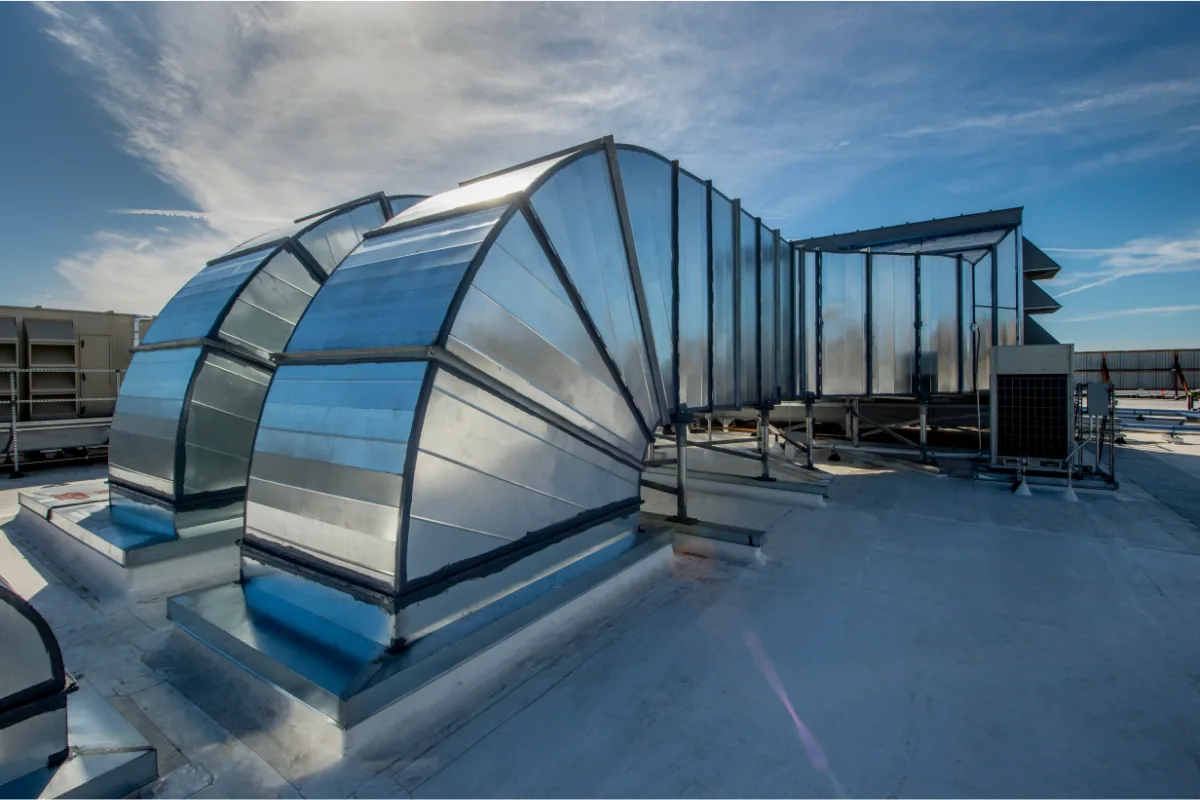
Access log: what is on the roof before anyone cuts
Before any curb is repaired, reset or added, we ask for the equipment schedule, the last roof plan and the service log. The log shows who goes on the roof and how often. A unit that is serviced monthly has a foot path worn across the membrane; a unit that is rarely touched may have a curb that was flashed once and never looked at again.
We list each unit by roof zone with its curb height, the material of the curb, how the membrane terminates at the top and whether the condensate and refrigerant lines pass through or over the roof. Pipe supports get the same treatment, since a rack of gas or refrigerant lines resting on the membrane creates a pressure point at every foot. The list becomes the decision file for the work: each entry has a location, a condition and a next step marked patch, reset or replace.
Attachment detail: where a curb fails
A curb leaks at its corners, its top edge and its base, in that order. At the corners, the membrane is cut and folded, and a flashing that was formed in place may split as it ages. At the top edge, the counterflashing or sealant that closes the membrane against the curb dries and cracks. At the base, the membrane can shrink away from the curb wall or lose adhesion when heat and movement work on it all summer.
- Corner folds and cut-and-patch flashings
- Termination bars, sealant beads and counterflashing at the top
- Membrane adhesion at the base of the wall
- Condensate drains and penetrations through the curb
- Fasteners that have backed out of the curb or unit frame
Where a flashing has failed, the fix is a new flashing sized to the curb with a proper termination, not another bead of sealant over the old one. We probe the welded or adhered edges and photograph the finished corner so the record shows the repair was tested.
Roof zone: supports, platforms and the load beneath them
Equipment that does not sit on a curb sits on supports: rails, sleepers, pipe stands and platforms. Those supports carry weight onto the membrane or the deck, and the contact point is where wear begins. A sleeper without a protection pad concentrates load. A pipe stand with a worn foot grinds through the surface during the day as the pipe expands in the Dallas-Fort Worth summer heat.
Summers at the regional airport average near 96 degrees through July and August and see about twenty days of 100 or more, so pipes, ducts and the stands that hold them move all season, and a dark membrane under a stand can run hotter than the air. We check that each support has a pad or a flashed base, that the feet can move, and that the membrane under them is still flexible. Where a support has abraded the surface, we repair the damage and add a pad. Old supports left in place after a unit is removed are another finding: an abandoned stand adds weight, collects debris and makes a patch harder to reach.
Evidence sequence: separating hail from service wear
Hail reaches the Metroplex almost every year without reaching every address, and a regional report is a reason to look at the roof, not a finding about a particular curb. Hail can dent a curb cap, bend a counterflashing and bruise the membrane at the top of the wall, and those marks look a lot like damage from tools and ladders.
The photo sequence separates them. We shoot the roof zone first, then the unit, then the curb corner, then the detail, and compare the marks with the service log. Fresh impact marks across several units on the same side of a building read differently from scuffs along a single foot path. Where hail damage is likely, a moisture survey shows whether water has reached the insulation around the curb. For storm claims, the same photographs feed insurance claim documentation.
Work window: crane lifts, shutdowns and tenant hours
Resetting a curb often means lifting the unit. That needs a crane or a lift, a shutdown window for the system and a plan for the space the unit serves. On an operating property the work window is set by the tenant, not by the roofer: a medical office, a data room or a production line may allow only a few hours without cooling.
We schedule the lift, the curb work and the reconnection as one sequence, dry in the opening at the end of the window and record the times. If the unit has to come off for a new curb, we bring the new curb pre-flashed where possible so the opening stays small. In a reroofing project on an occupied building, the curbs are often the last details to finish, because they depend on mechanical trades. Our roof replacement plans set the order of those trades before the old membrane comes off.
Closeout documentation: the curb file
The closeout packet has a page for each curb and support: location on the roof plan, before and after photographs, the repair performed, the test result and any open item. When a unit is replaced later, the next contractor can read what the curb is made of and how it was flashed. Owners with several buildings, among them Old Town Lewisville properties and buildings on the Business 121 corridor, can keep one page layout across addresses.
Equipment changes can need a permit, and the permit office decides which edition and amendments of the adopted 2021 International Building Code govern the review. We record which curbs were altered so a later inspector can find them.
Commercial Roofing Questions
Why does the same curb keep leaking after a sealant repair?
Sealant covers a gap but does not fix the flashing behind it. Heat and movement reopen the bead, so the lasting repair is a properly formed flashing with a secure termination at the top.
Can a curb be repaired without lifting the unit?
Sometimes, if the failure is at the top edge or counterflashing. A corner or base problem usually needs the unit lifted, and we plan the shutdown window with the tenant first.
What decides whether to add pads under supports?
The contact load and the membrane condition. A sleeper or stand resting on a brittle or worn surface gets a pad, and a worn spot gets repaired first.
Do abandoned curbs and stands need to come out?
They should be recorded, and usually removed. An unused curb is a leak point with no benefit, and an old stand adds load and collects debris.
Is permit review needed for curb changes?
It can be, depending on the equipment change. The permit office sets the code edition and amendments for the review, and the curb record shows exactly what was altered.
Related
Related Roofing Work

Infrared and Core-Cut Moisture Surveys
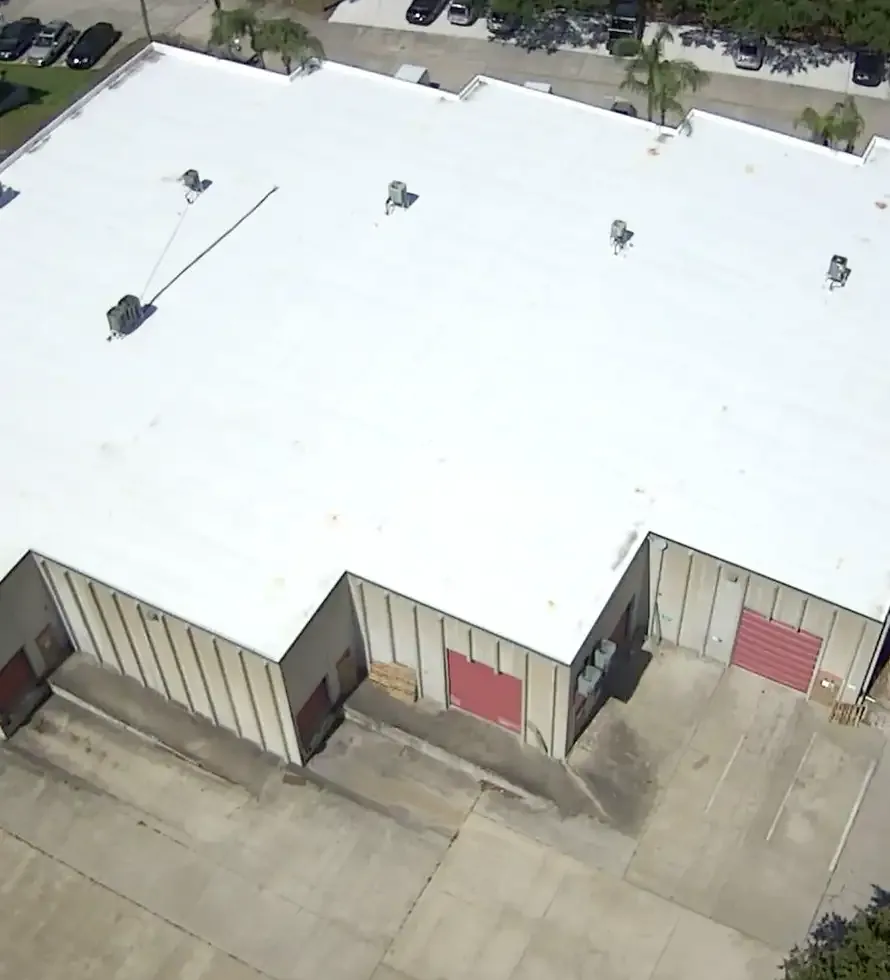
Roof Insurance Claim Assistance
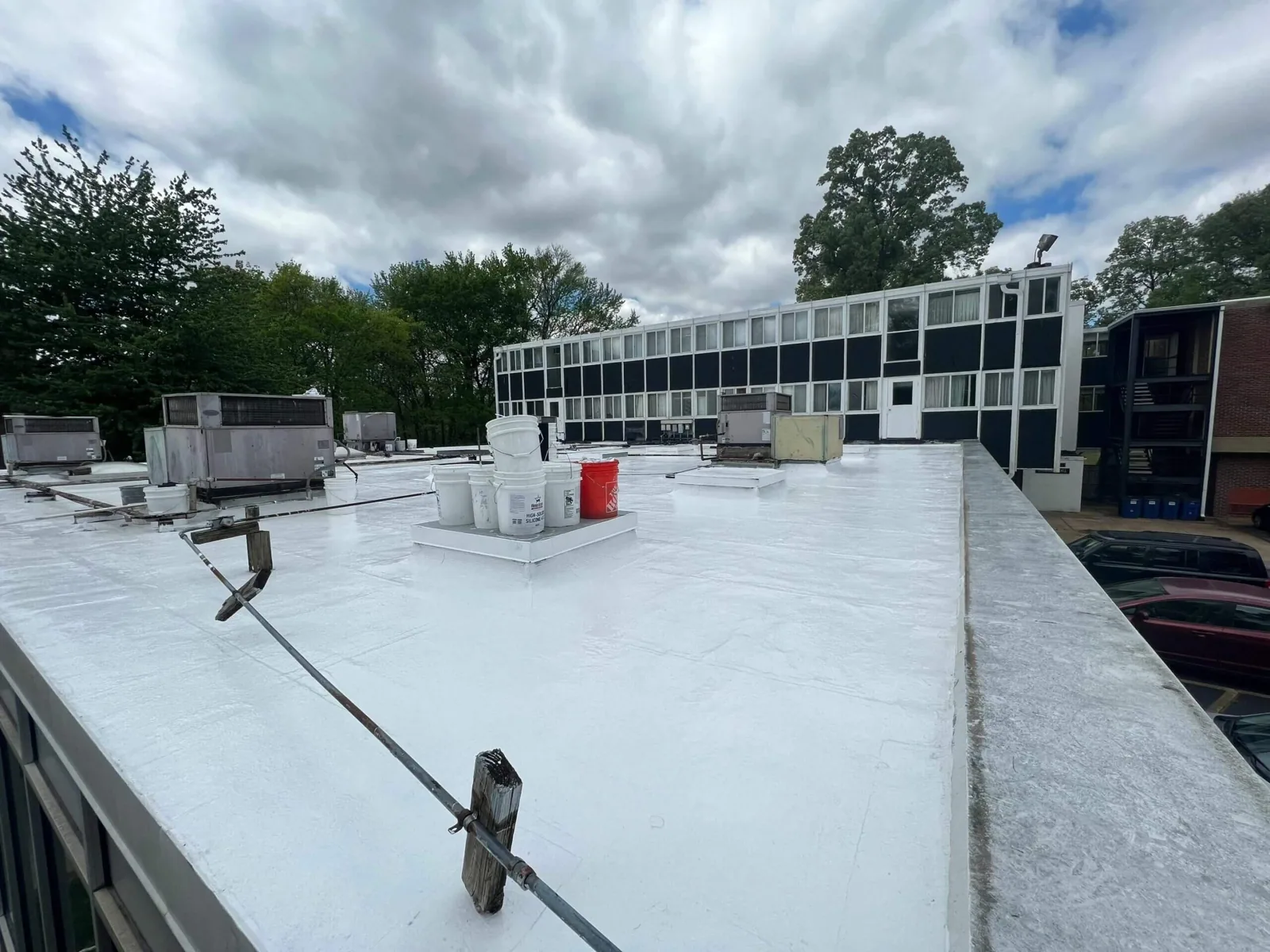
Occupied Building Reroofing
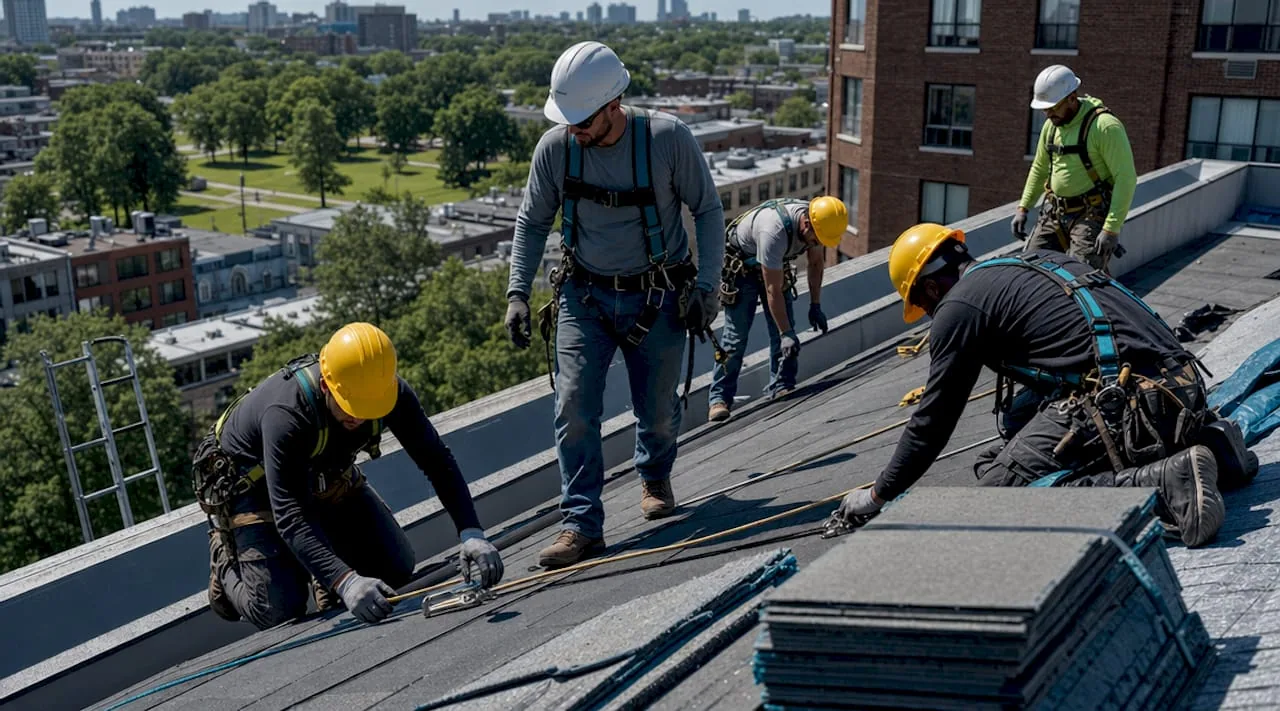
Commercial Roof Replacement

Old Town
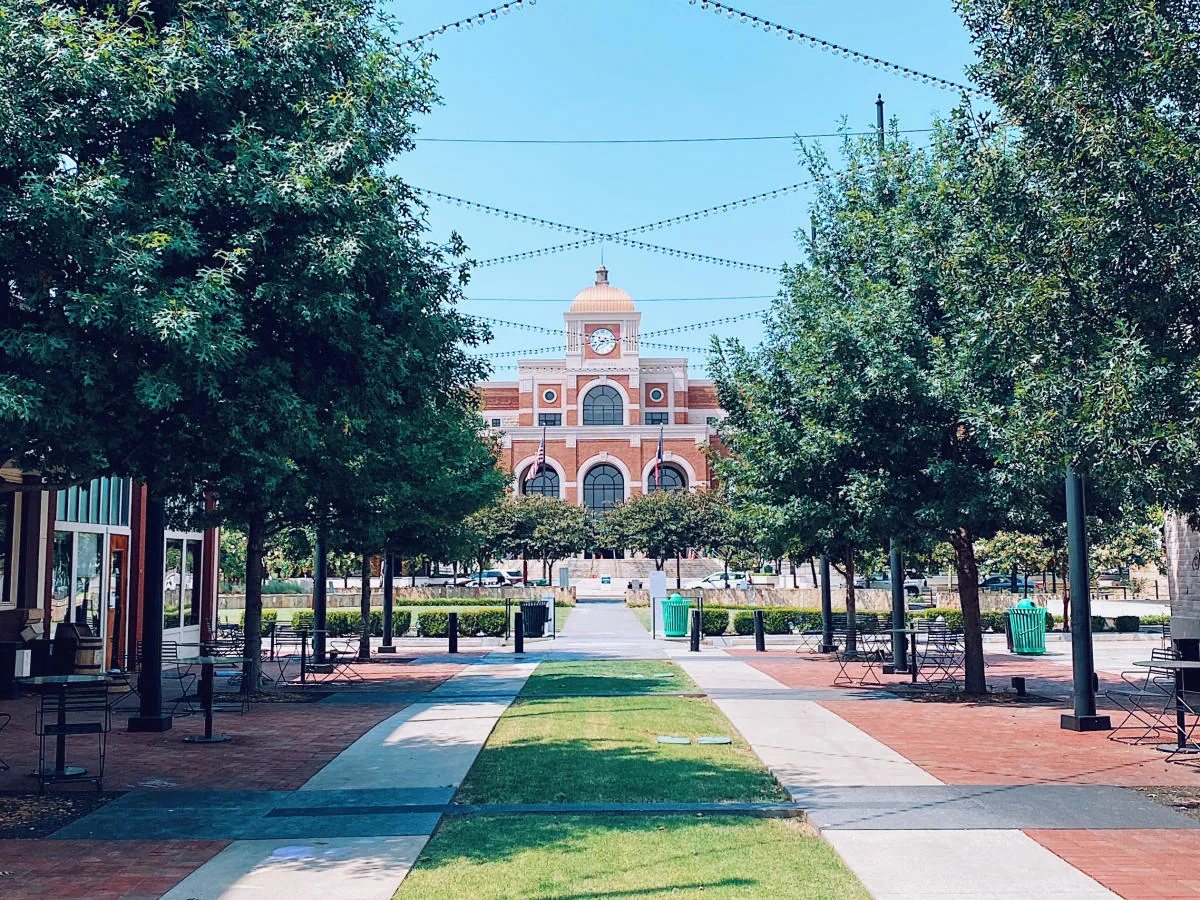
Business 121 Corridor
Start with a dated curb inventory
Schedule an inspection and receive a condition record with photos of every curb and support, findings by roof zone and recommended next steps marked patch, reset or replace.