
Commercial Roofing in Central I-35E, Lewisville, TX
Home // Service Areas //
Overview
Central I-35E in Lewisville
Rooftop equipment tells the story of a building faster than its permit file. Count the units on a roof near the middle of Lewisville, TX, note which curbs are new and which are original, and you can read the tenant history in the flashing. Every swap leaves a mark: a disturbed seam, a new penetration, a bead of sealant where a proper termination should be. That is where the first inspection pass begins on a Central I-35E property.
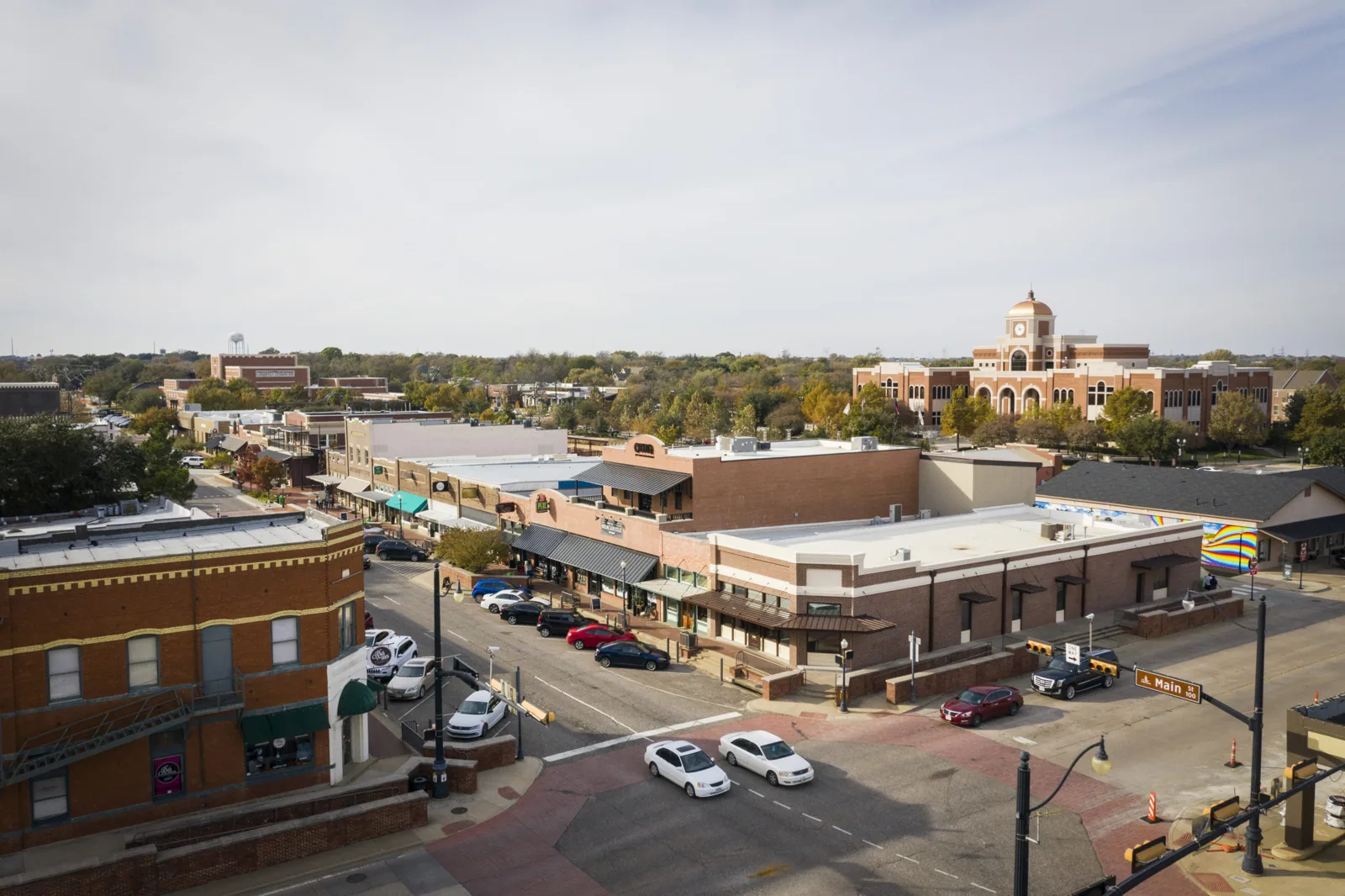
The Central I-35E focal point sits where Business 121 and I-35E meet, near the geographic center of the city. Lewisville also maintains an I-35E corridor overlay framework for redevelopment along the highway. A corridor with an overlay is a corridor where buildings are expected to be upgraded over time, and roofs are among the first things an upgrade touches.
Equipment record: curbs, units and the flashing under them
Rooftop service visits are a frequent source of roof damage that nobody reports. A technician replaces a compressor, sets a panel on the membrane, drags a hose across a seam, and leaves. The leak appears weeks later and gets blamed on age. A condition record that photographs each curb and its flashing before and after service turns that guess into evidence.
We check each curb for a sound base, a termination that is mechanically fastened and not only caulked, and a membrane that has not shrunk back from the vertical face. We look at refrigerant and conduit lines for supports that let the line rest on the roof, and at walkway pads along the route technicians use. Each finding gets a location and a photograph, and the curb and support work that follows is scoped by item. Walkway pads belong on that record too: where technicians keep stepping across the same stretch of membrane on their way to the same units, a pad laid along the route costs far less than the patch it prevents.
Where units are being replaced, we recommend inspecting the curb before the new unit is set. Fixing a curb with the unit off is a small job. Fixing it with the unit on is a crane job.
Edge record: where wind gets under a membrane
A typical year brings hail and damaging wind to the Metroplex. Wind acts on a roof at its perimeter and corners first. If the edge metal is loose or the membrane is poorly attached at the edge, uplift starts there and moves inward.
So the edge gets a close look: coping and fascia fastened and sealed at joints, the membrane terminated and secured, and any previous repairs that rely on adhesive alone. We record the condition, not a verdict about any storm. If a wind event has passed, the photo sequence shows what moved. A wind repair scope covers the documented damage and restores the edge to a state that resists the next event. Where a tornado-producing storm has crossed the region, the same record, taken before and after, is what separates new damage from old, the way a tornado damage repair scope relies on it.
Heat record: summers that work the roof
At the airport, July and August run near 96 degrees on average, with 100-degree readings on 20.2 days a year. A dark membrane in that heat surface-heats well beyond the air temperature, and the expansion and contraction each day work at seams and flashing.
We look for the usual signs of heat aging: chalking and crazing at the surface, shrinkage at walls and curbs, open laps, and sealant that has hardened and split. None of those is a finding about a storm, and none of them prove a particular summer did the harm. They define the roof's remaining service life, which drives the recommendation.
Spring and fall run wettest, so drainage gets its own pass. We check every drain and scupper for debris, look for standing water on the roof a day after rain, and mark low spots where ponding sits. Water that stays for days adds weight and shortens membrane life, and it is cheaper to correct with added drains or tapered insulation at a planned replacement than to chase leaks around it.
Where a replacement is due, a reflective surface may reduce heat load on the roof and the space below. A cool roof option is priced beside the standard system, installed cost against expected performance, before the owner decides.
Overlay and redevelopment: timing the roof with the building
When a corridor framework encourages redevelopment, owners may renovate in stages: an interior fit-out first, a façade next, and the roof when it fails. That order can cost more than it needs to. A roof replaced as part of a larger project shares access, scaffolding and interior protection with the rest of the work.
The options review at the end of the inspection sorts each roof zone into repair, recover or replacement, with the access and interruption cost shown for each. Occupied buildings add interior protection and limited work windows, which belong in the price. Weather holds belong there too, since open sections in a thunderstorm season carry risk.
Before the design is set, the permit office confirms which edition and amendments apply; the adopted list includes the 2021 International Building Code. A capital plan then schedules each building's replacement year so the roof is not the surprise in a renovation budget.
Along the highway: the neighboring districts
Central I-35E sits among other districts that the city has identified along the highway. The Main Street Subdistrict surrounds I-35E at West Main Street, the Business 121 Corridor runs along the 8.4-mile route that meets the highway here, and the Southern Gateway sits where SH 121 crosses I-35E. An owner with buildings in several can run one inspection cycle through all of them, which keeps the records comparable and the work scheduled by need.
Each job ends with a packet of photographs, a repair plan, a materials list and any warranty paperwork, ready for the next inspection pass.
Commercial Roofing Questions
Why inspect a curb before a new rooftop unit is set?
Because the curb flashing is easiest to fix with the unit off. A termination that is only caulked or a base that has shifted can be corrected in an hour. After the unit is in place, the same repair needs a crane and a shutdown.
How does an edge failure show up before a leak does?
As loose coping, open joints in edge metal, a membrane that is lifting at the perimeter or sealant pulling away. Each is visible from the roof and photographed. A fix at that stage is a small repair rather than a section replacement.
Can a reflective roof be added without a full tear-off?
Sometimes, if the existing roof is dry and sound enough to take a new membrane or a reflective coating. Cores and moisture readings answer that. If they do not, replacement is the path and the reflective system is part of it.
What proves a roof problem came from a service visit?
Photographs of the curb and nearby membrane taken before and after the visit. Without them, stains are all there is to argue from. With them, the owner can show what changed and ask the right party to correct it.
How are overlay-driven renovations coordinated with roof work?
The roof findings go to the design team early. Equipment locations, drains and penetrations are settled before walls are framed, and the roof work is placed in the schedule where access is cheapest.
Related
Related Roofing Work
Rooftop Equipment Curbs and Supports
Wind Damage Roof Repair
Tornado Damage Roof Repair
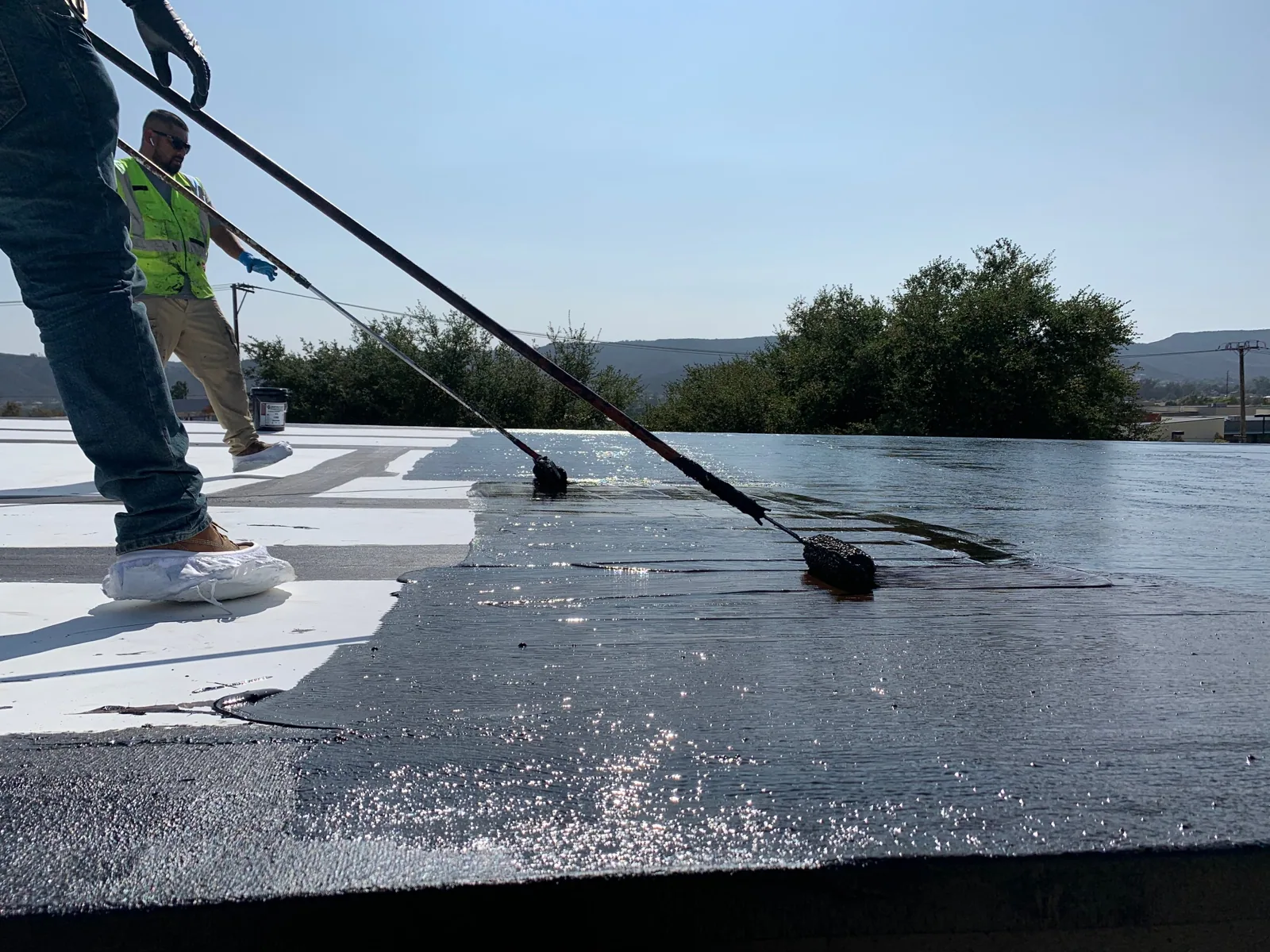
Cool Roof Installation
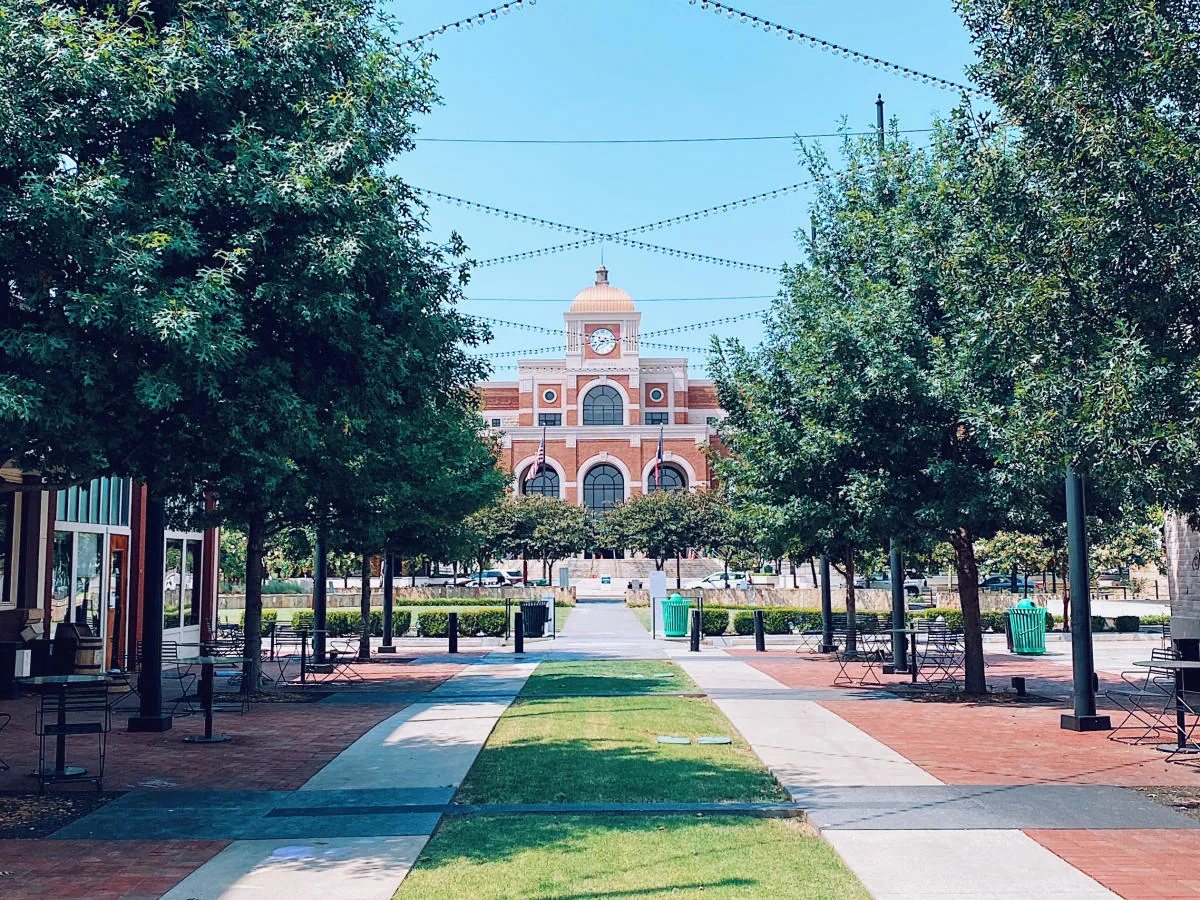
Roof Capital Planning
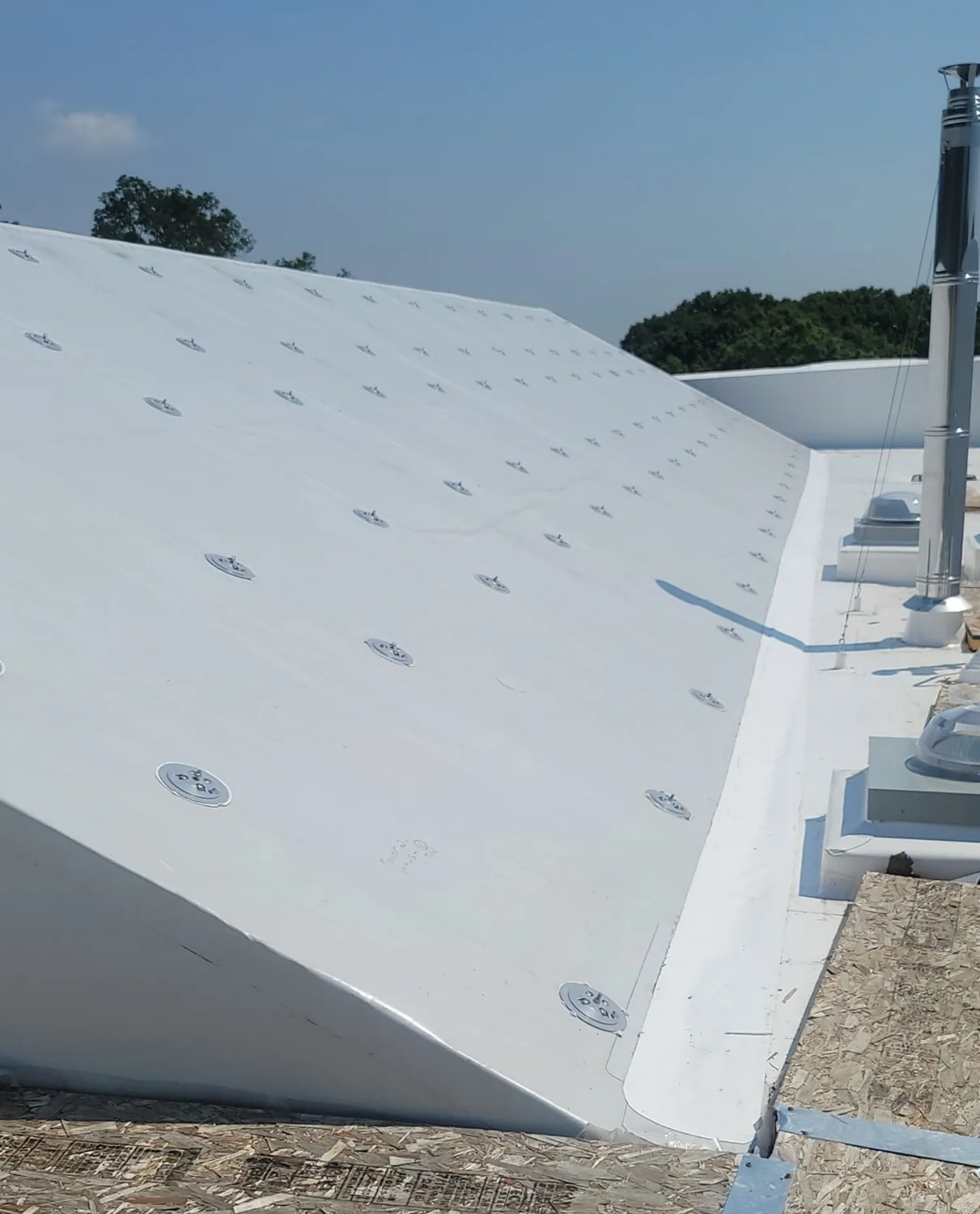
Main Street Subdistrict
Schedule an inspection pass for your property
Tell us the building, the rooftop equipment and any recent service visits. You will receive a dated condition record with photos, findings and recommended next steps, marked by roof zone.
