
Cool Roof Installation in Lewisville, TX
Overview
Cool Roof Installation in Lewisville
Surface temperature on a dark roof in July is a number that rarely appears in a roof file, and it is the one that explains the cooling bill and the way the membrane ages. The Dallas-Fort Worth normals put July and August highs around 96 degrees Fahrenheit and count about twenty days a year at or above 100, and a roof surface in direct sun runs well above the air temperature. A cool roof changes that by reflecting more sunlight and absorbing less of it, which lowers the heat the membrane and the building take on.
On a Lewisville, TX warehouse, office or retail center, the useful first step is a record of what the roof is now: its color, its condition, its insulation and what sits on it. From that record we can say whether a reflective membrane, a reflective coating or a different roof entirely makes sense, and what each option leaves unchanged.
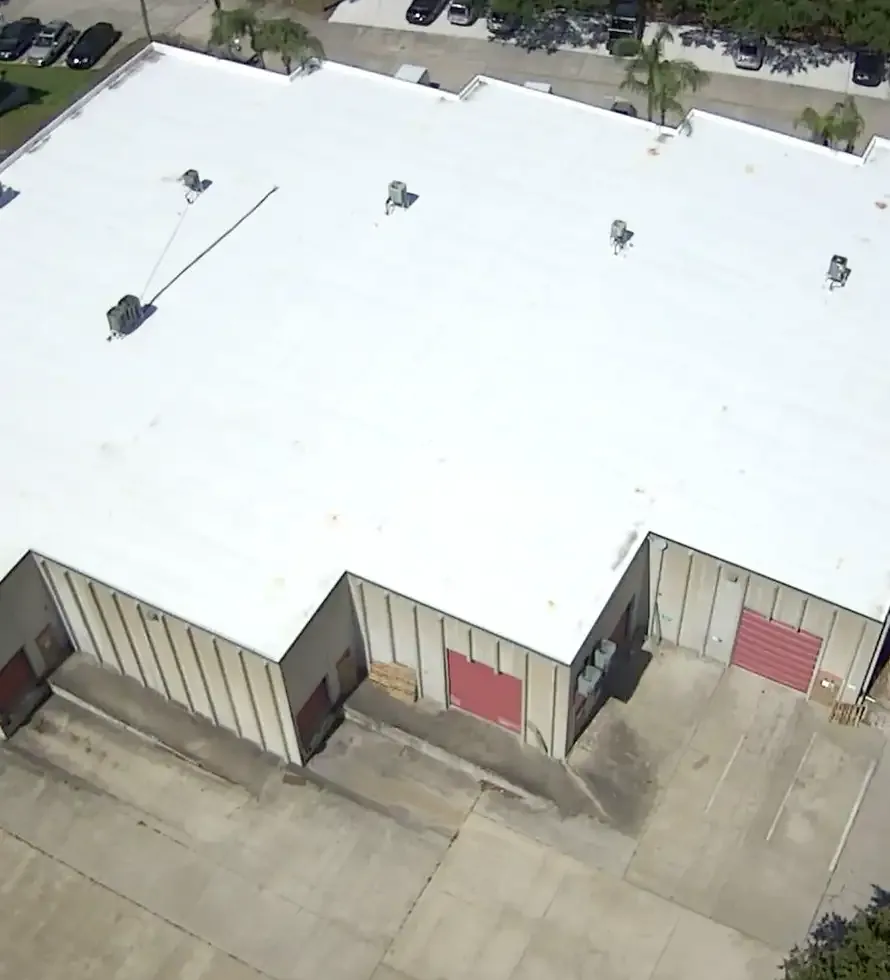
Inspection record: what the existing roof has to offer
A reflective surface is only as good as the roof under it. We begin with a dated inspection that records the membrane type, the number of layers, the surface condition, the slope and the drainage, then adds a moisture reading to find wet insulation. A cool coating over wet insulation seals the water in. A reflective membrane over a roof with ponding inherits the ponding.
We also record what shares the surface: rooftop units, ducts, walk pads and anything that shades or heats parts of the roof unevenly. The photo sequence runs from the whole roof zone to the detail, so the owner can see where the surface is clean, where it is stained and where it has already lost color. That record sets the starting point. Without it, a later claim that the roof is performing or not performing has nothing to compare against.
Options review: membrane, coating or both
There are three ordinary routes to a reflective roof. The first is a new light-colored single-ply membrane, such as TPO or PVC, installed in a replacement or a recover. The second is a reflective coating applied over a sound existing roof, using acrylic or silicone chemistry after repairs. The third is a cool metal finish on a standing seam or retrofit metal roof.
Each route has a different decision point. A new membrane suits a roof at the end of its service life or one with wet insulation. A coating suits a sound roof with a dry base, and it is a lower-cost way to add reflectivity and extend service when seams and flashings are repaired first. A metal finish depends on the panel system. We lay out the choices side by side with the condition findings next to each, so the owner can compare which routes the roof qualifies for before price enters the discussion. Any manufacturer conditions for a reflective product go into the same file, since coating and membrane makers set their own preparation and thickness requirements.
Repair boundary: what a reflective surface does not fix
A cool roof lowers surface heat; it does not close an open seam, dry a wet insulation board or correct a low spot. We mark those items in the record before any reflective product goes on. If the base roof has split seams, the repair comes first. If insulation is saturated, the wet area is cut out and replaced. If water ponds, the drainage is corrected at the next replacement or by a drain reset.
Reflectivity also changes over time. Dirt, algae and airborne dust darken a bright surface, and a roof near heavy traffic or industrial activity may need cleaning to hold its reflective value. Hail adds its own issue: large hail reaches the Metroplex in most years, and a hailstone can dent a coating or bruise a membrane. After a storm, the inspection pass separates new impact marks from older wear, and the record shows what, if anything, the reflective layer lost.
Evidence sequence: what heat has already done to the roof
Heat damage is quieter than hail damage. A membrane that has run hot for many summers loses flexibility, cracks at the edges and splits at corners, and the surface can chalk or craze. We look at seams, flashings, curb corners and pipe boots, the places where a stiff material gives out first, and we press and probe where it is safe.
For owners comparing options, a heat and UV damage repair record shows where the surface has aged most. That map often explains why one side of a building has leaked and the other has not. It also shows where a reflective layer would protect an area that is still sound. The Denton Army Reserve Center, which the Army describes as having reflective roof surfaces among its energy features, shows that reflective roofing is a design choice on public and institutional buildings as well.
Work coordination: installation on an operating property
A reflective installation changes little for tenants, but the work still needs a plan. A coating job requires clean dry surfaces and favorable weather, so we check the forecast and the day's temperature window before opening a section. A membrane install follows the usual sequence of tear-off or recover, insulation, membrane and flashing. Both involve staging materials, lifts and access routes on a property that stays open.
We ask the manager about work windows, parking, entrances and rooftop equipment shutdowns, then lay out the sequence by roof zone. In Lewisville's I-35E and SH 121 districts, where office, retail, industrial and mixed-use buildings sit near each other, neighbors' hours matter too. Where a building is leased, we record which tenants are under which section, so they can be told when each section will be worked. Noise and air-intake questions are handled the way they are in occupied-building reroofing.
Closeout documentation: surface, seams and baseline
The closeout packet records the system installed, the surface preparation, the repairs made before the reflective layer, the weather conditions on the application days and the final photographs by roof zone. For a coating, it records coverage and thickness checks. For a membrane, it records seam probing and flashing details.
The packet also holds the baseline the owner will want in a year: photographs of the finished surface and the date they were taken. A spring and fall preventive maintenance pass against that baseline shows whether cleaning or recoating is needed. Owners with other buildings in Old Town Lewisville or Castle Hills can use the same record format at each address.
Commercial Roofing Questions
Is a cool roof right for a roof with wet insulation?
Not until the wet insulation is found and removed. A reflective layer would seal the moisture in, so the moisture reading comes before any product is chosen.
Which gives more control, a coating or a new membrane?
The condition of the existing roof. A sound, dry roof can take a coating. A roof with split seams across the field or saturated insulation points to a new membrane.
Do reflective surfaces stay reflective?
Not without upkeep. Dirt and algae darken them, so the maintenance pass includes a look at the surface and a cleaning plan.
Does hail change the choice?
It can. Hail exposure is a regional fact, so the record shows existing impact marks, and the owner can weigh a coating against a thicker membrane for resilience.
Do energy provisions change a cool roof scope?
They can. The permit office names the edition and amendments that apply, and the 2021 International Building Code is on the city's adopted list.
Related
Related Roofing Work
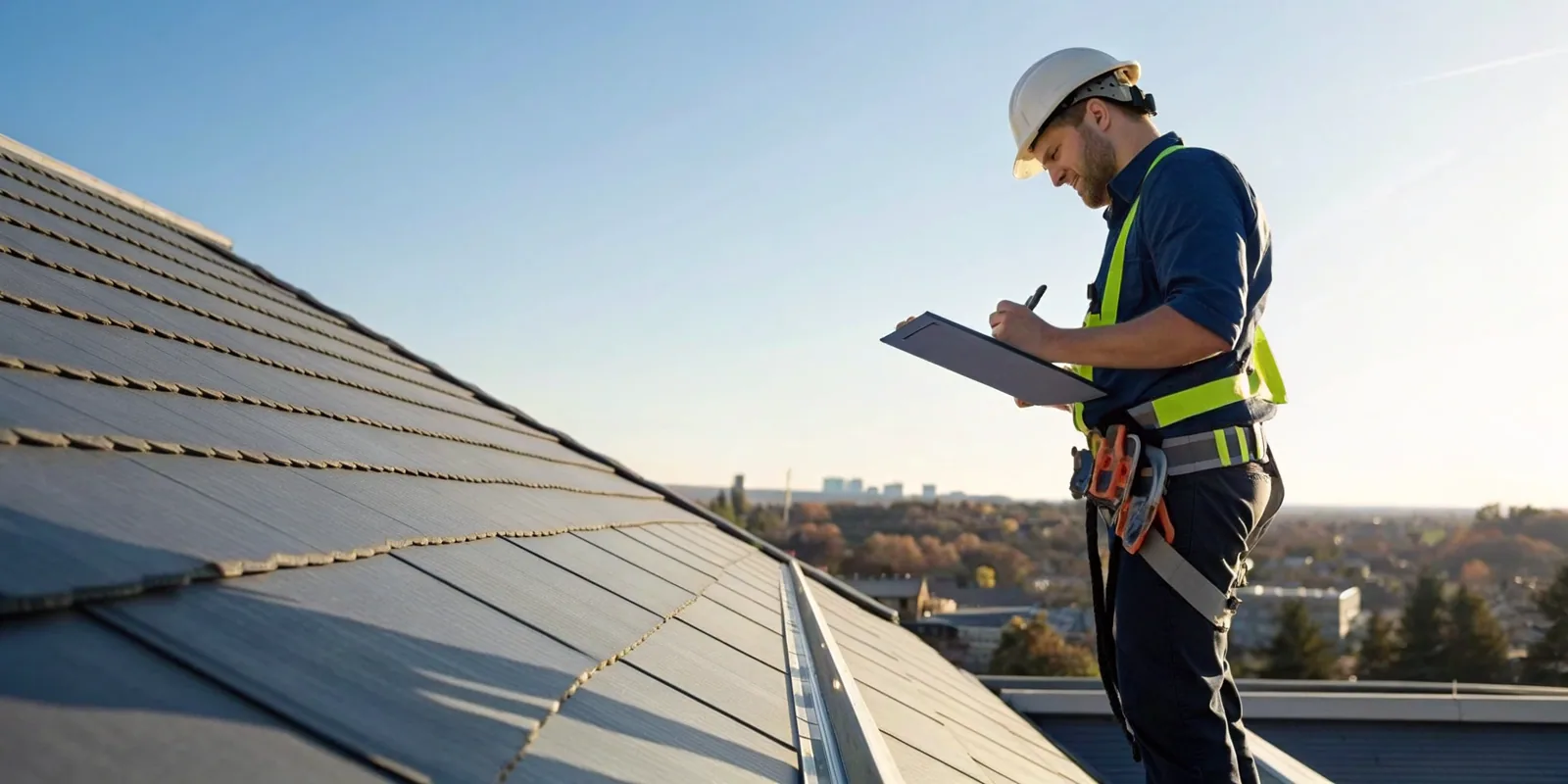
TPO Roofing
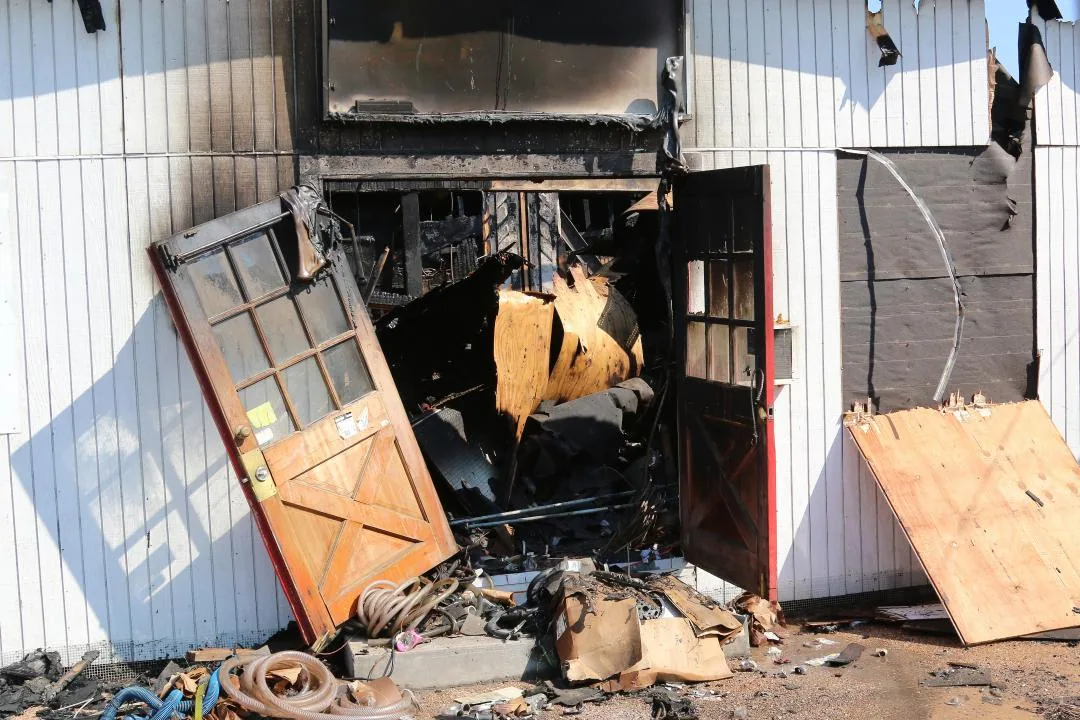
PVC Roofing
Acrylic Roof Coatings
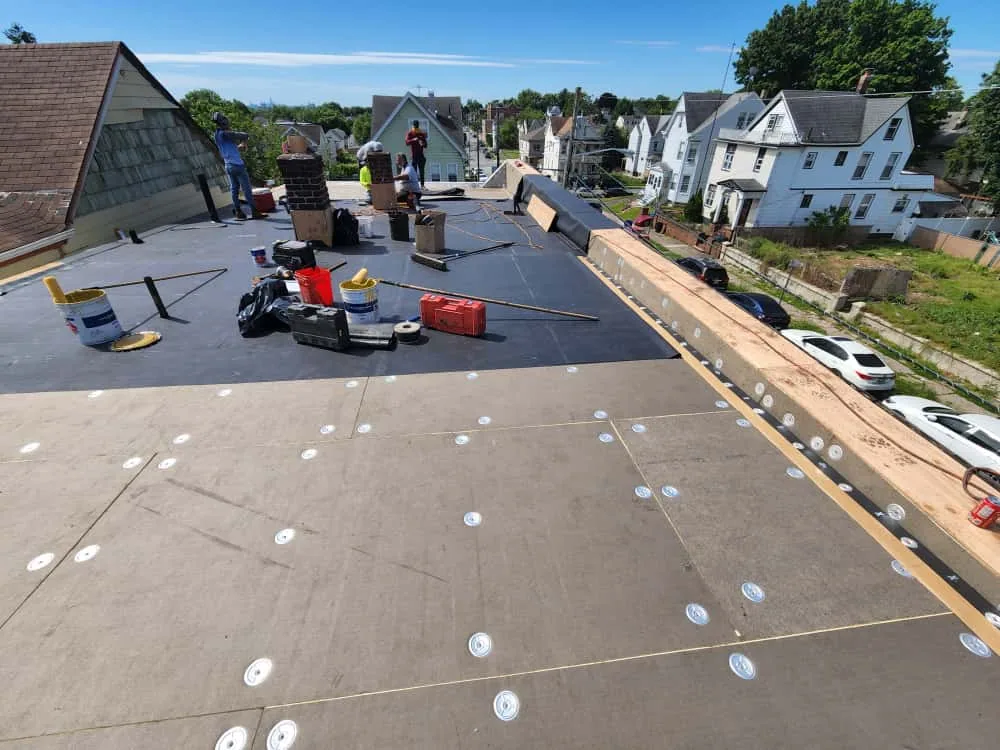
Silicone Roof Coatings
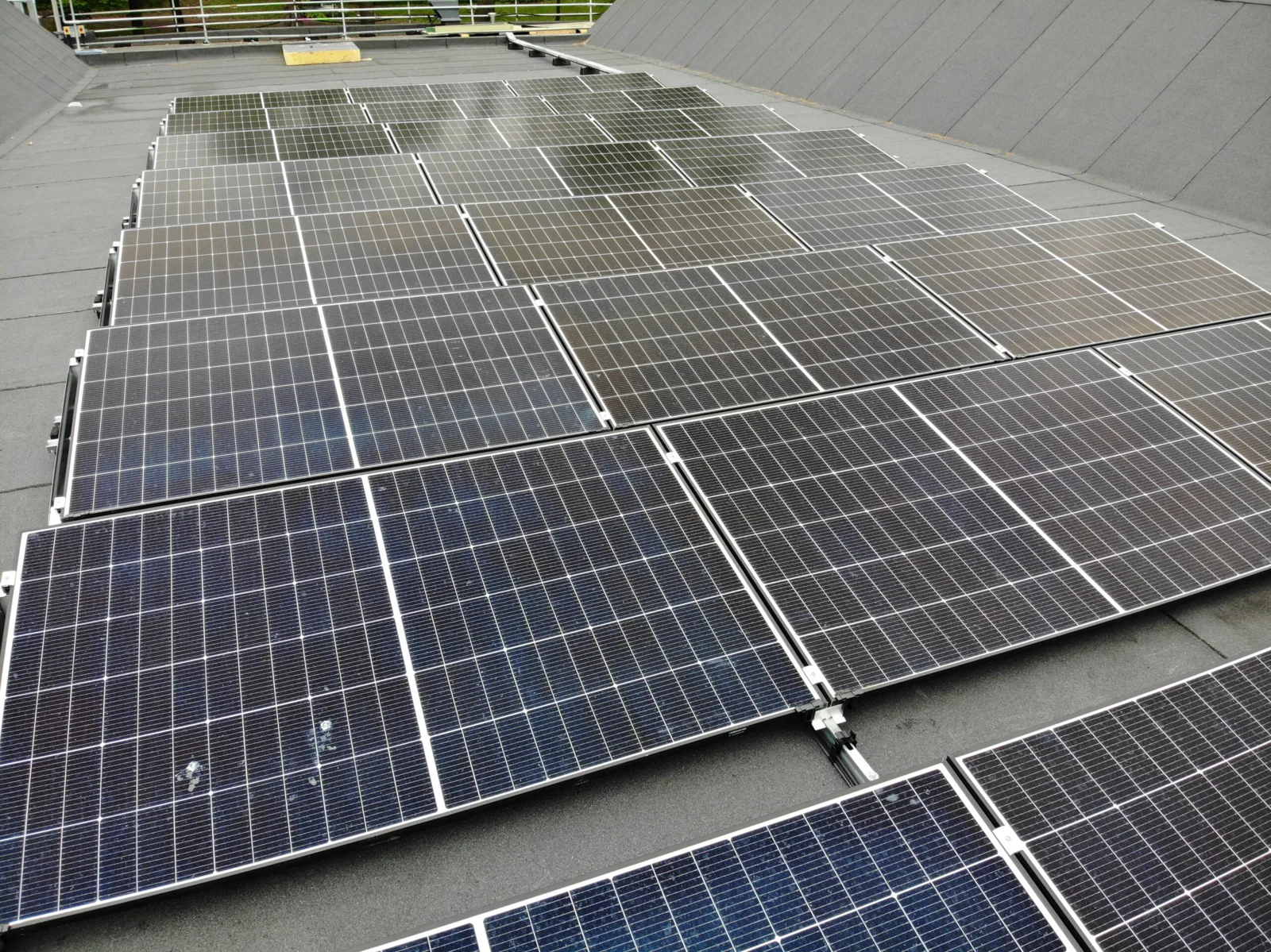
Heat and UV Roof Damage Repair
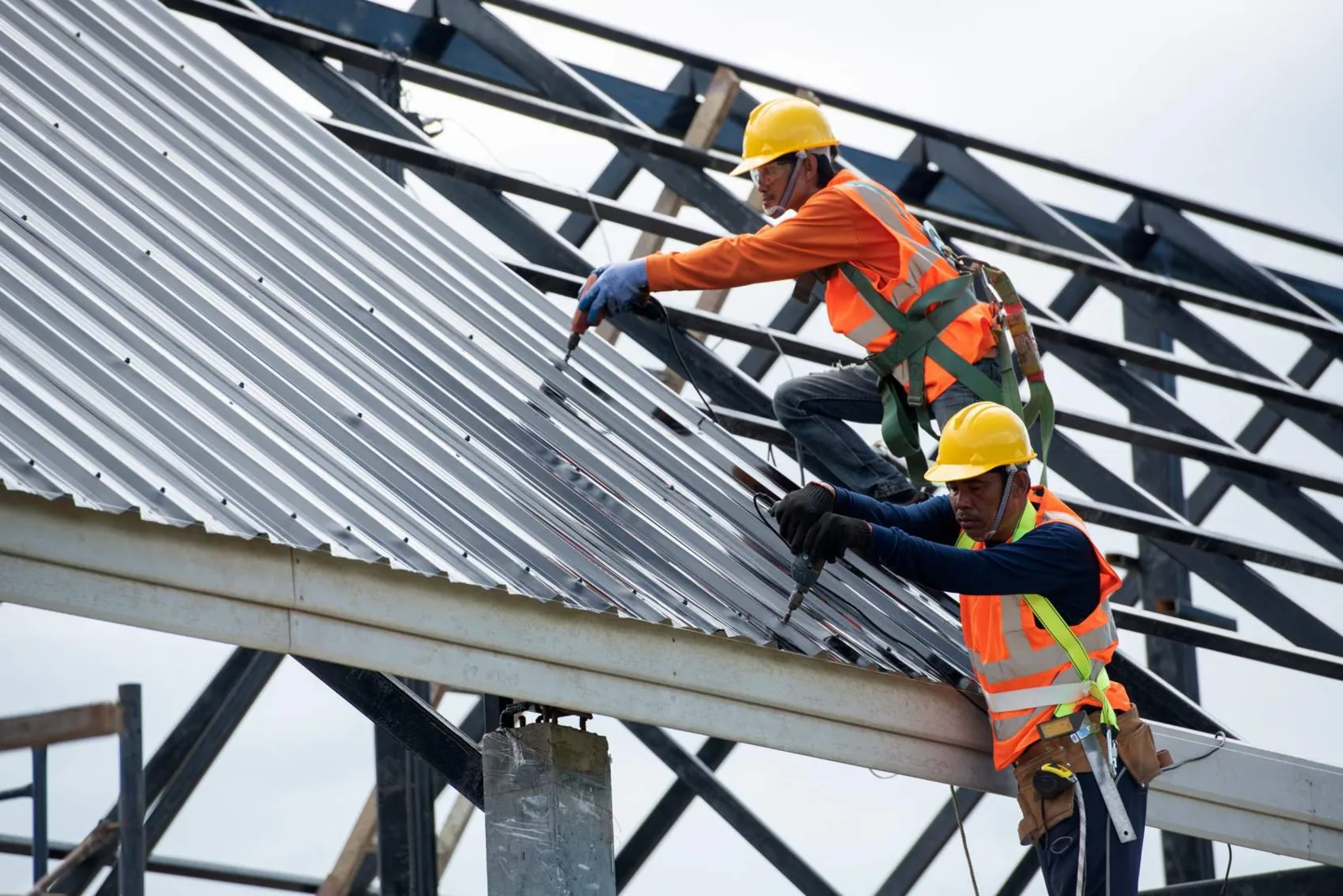
Occupied Building Reroofing
Start with a dated surface record
Schedule an inspection and receive a condition record with photos, moisture readings and findings, plus recommended next steps for a reflective membrane or coating.
