Roof Systems in Lewisville, TX
Home //
Roof Systems in Lewisville
Every roof system in Lewisville, TX faces the same two stresses from different directions: summer heat that works on a membrane for months, and spring storms that test it in minutes. July and August highs at DFW Airport run near 96°F, with about twenty days a year at 100°F or more, while hail and damaging wind reach the Metroplex in most years according to the National Weather Service. A system suits a building when its surface, seams and attachments answer both.
We install and repair single-ply, asphalt-based, metal, foam and liquid-applied systems, and each one fits or fails on what the existing roof record shows.
Roof Systems
Explore Roof Systems
Choose a page for scope details, local conditions and next steps.
TPO Roofing
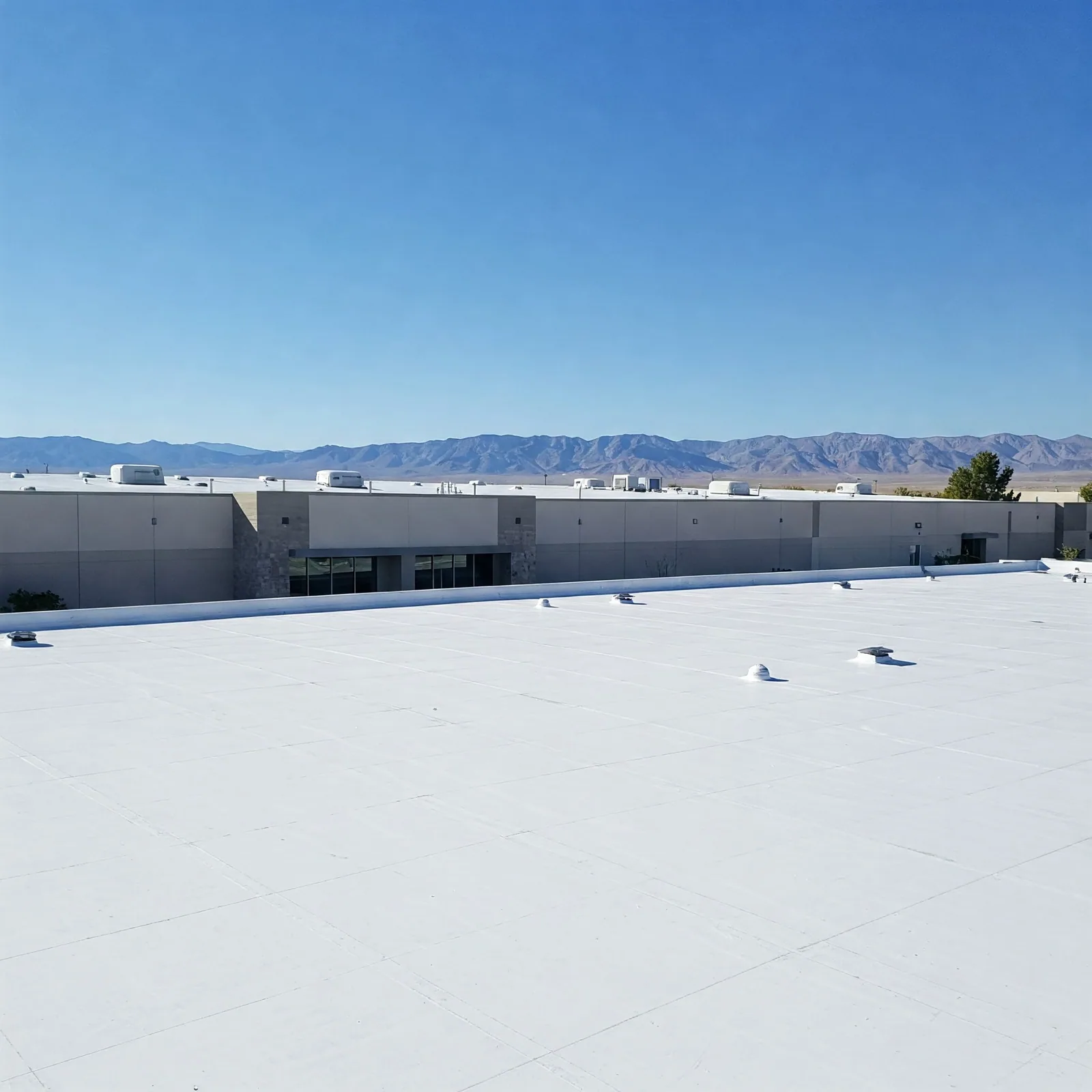
PVC Roofing
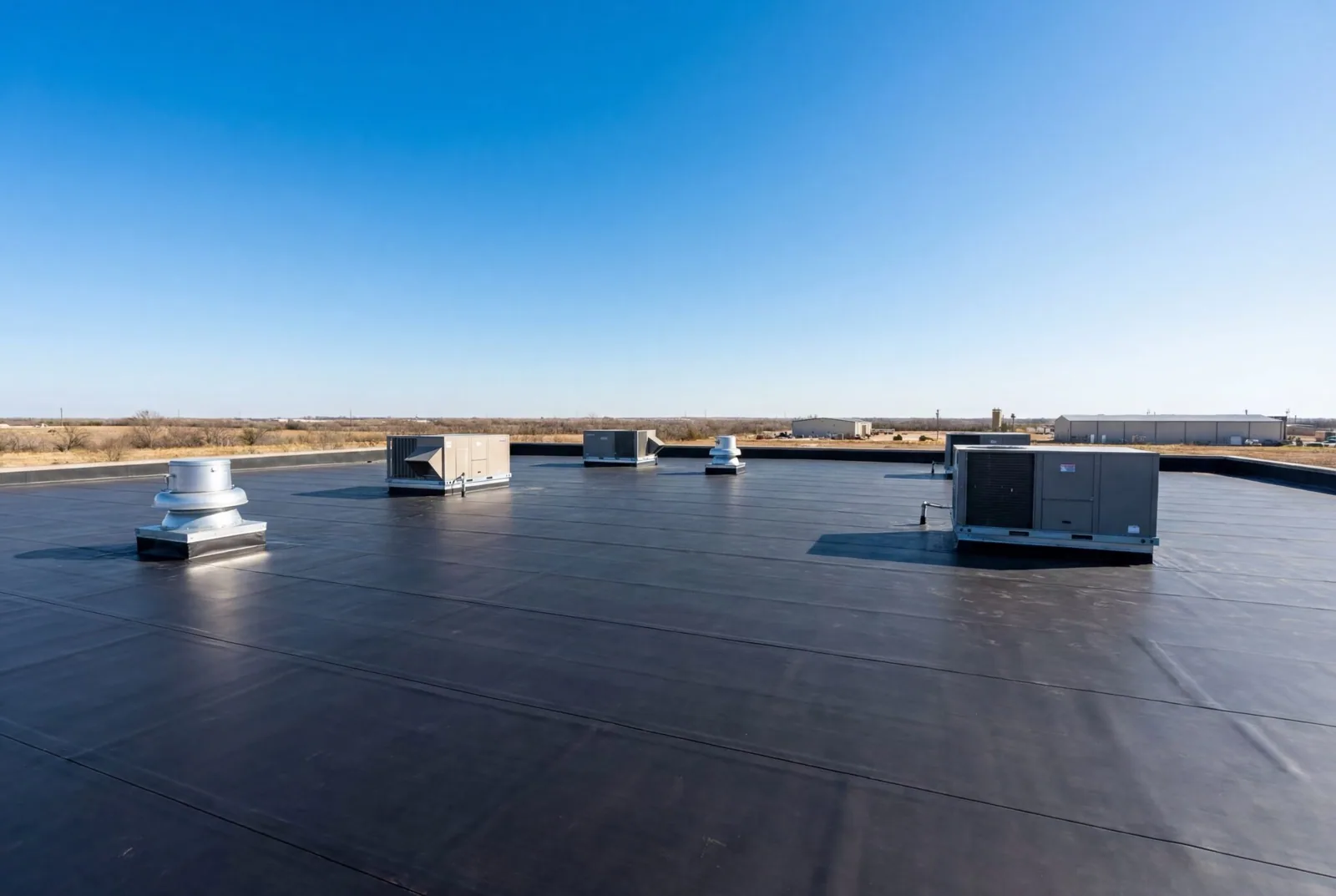
EPDM Roofing
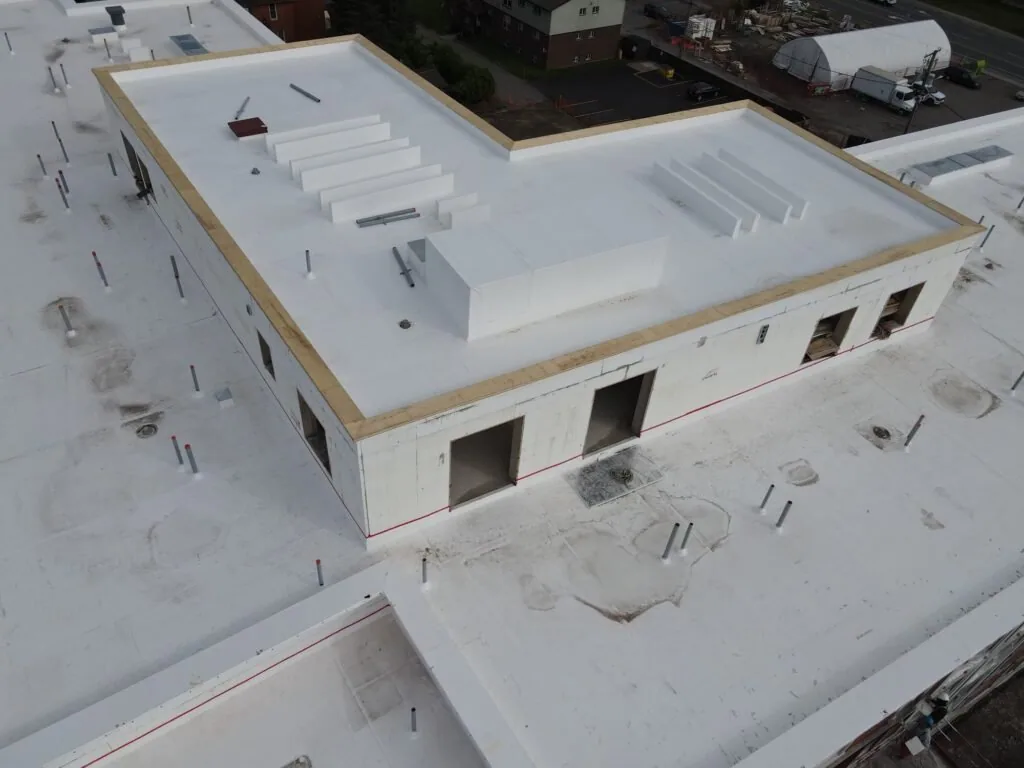
KEE Roofing
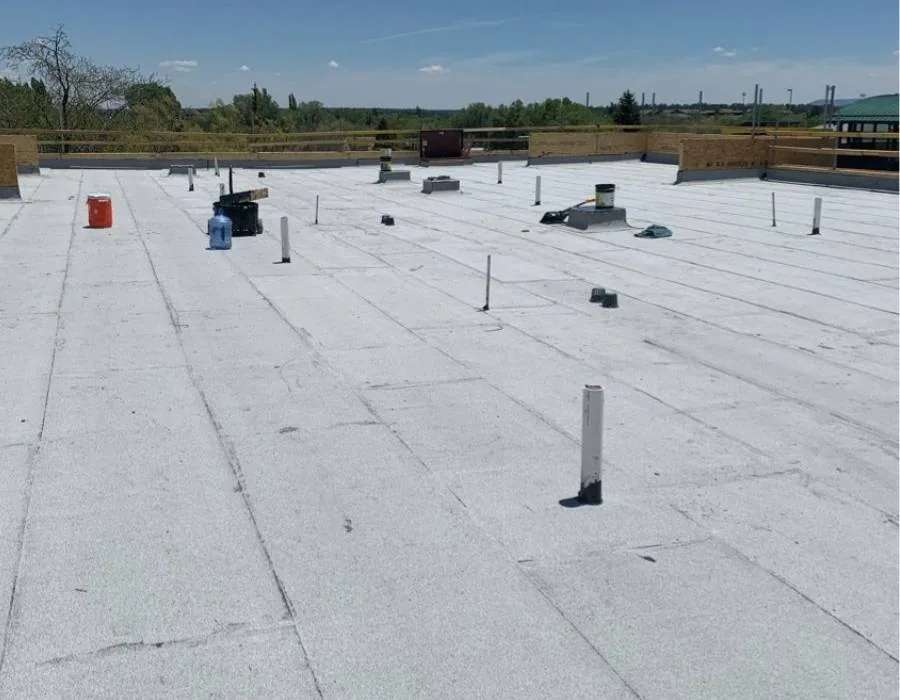
Modified Bitumen Roofing
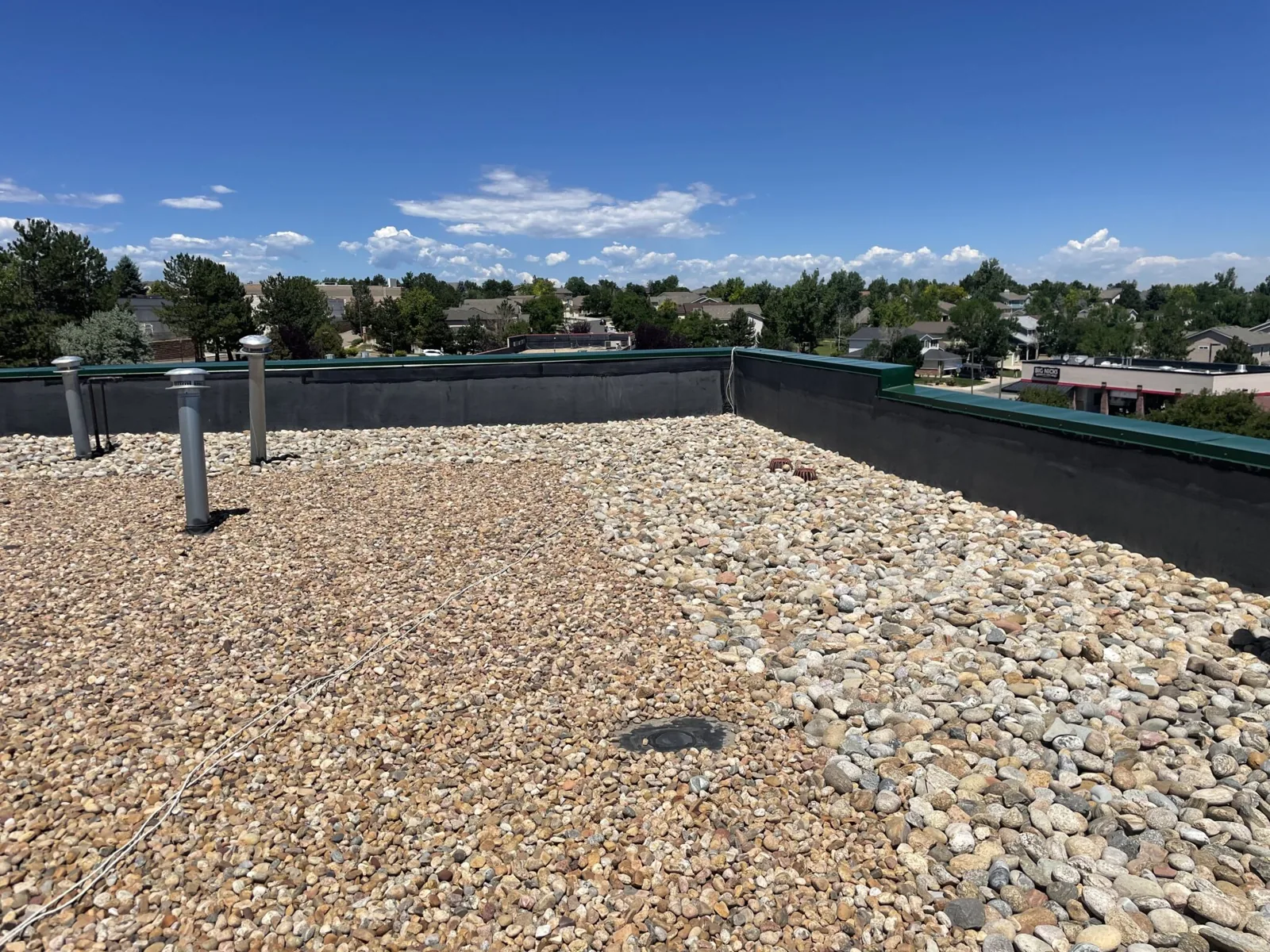
Built-Up Roofing (BUR)
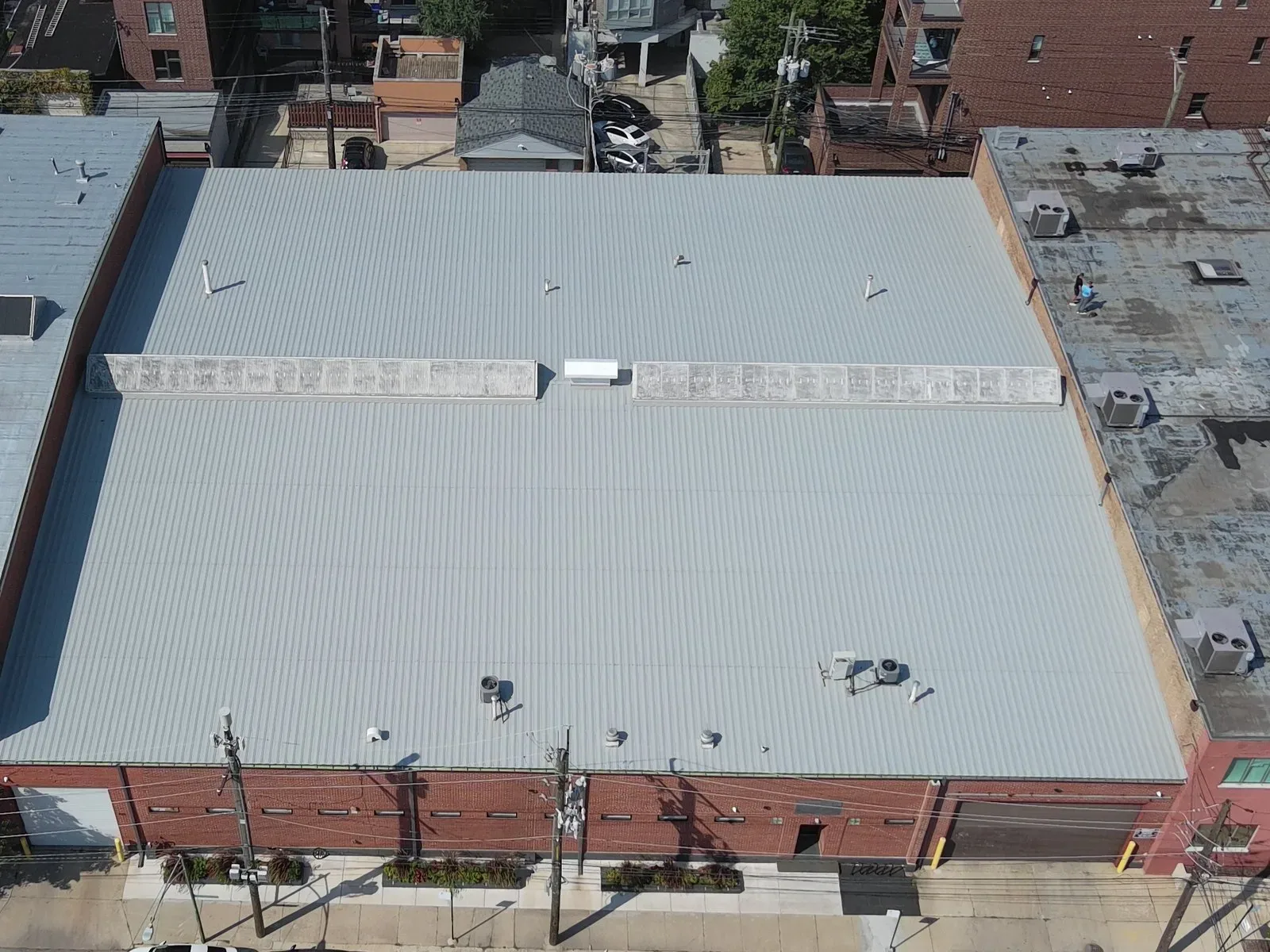
Standing Seam Metal Roofing
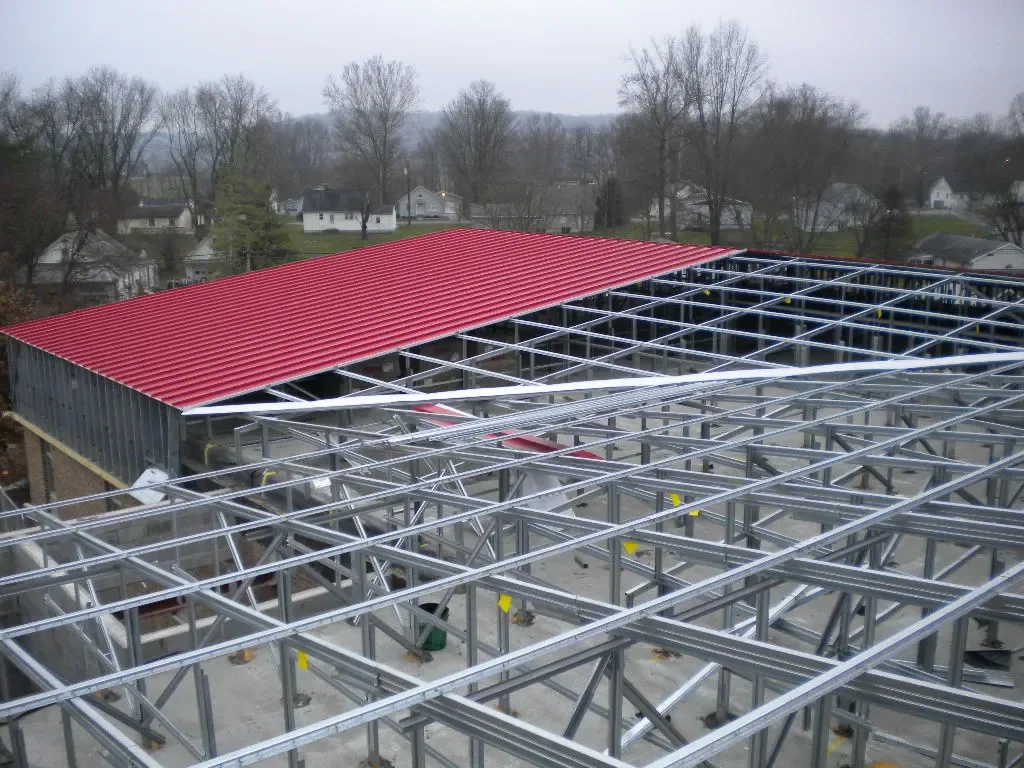
Metal Roof Retrofit and Restoration
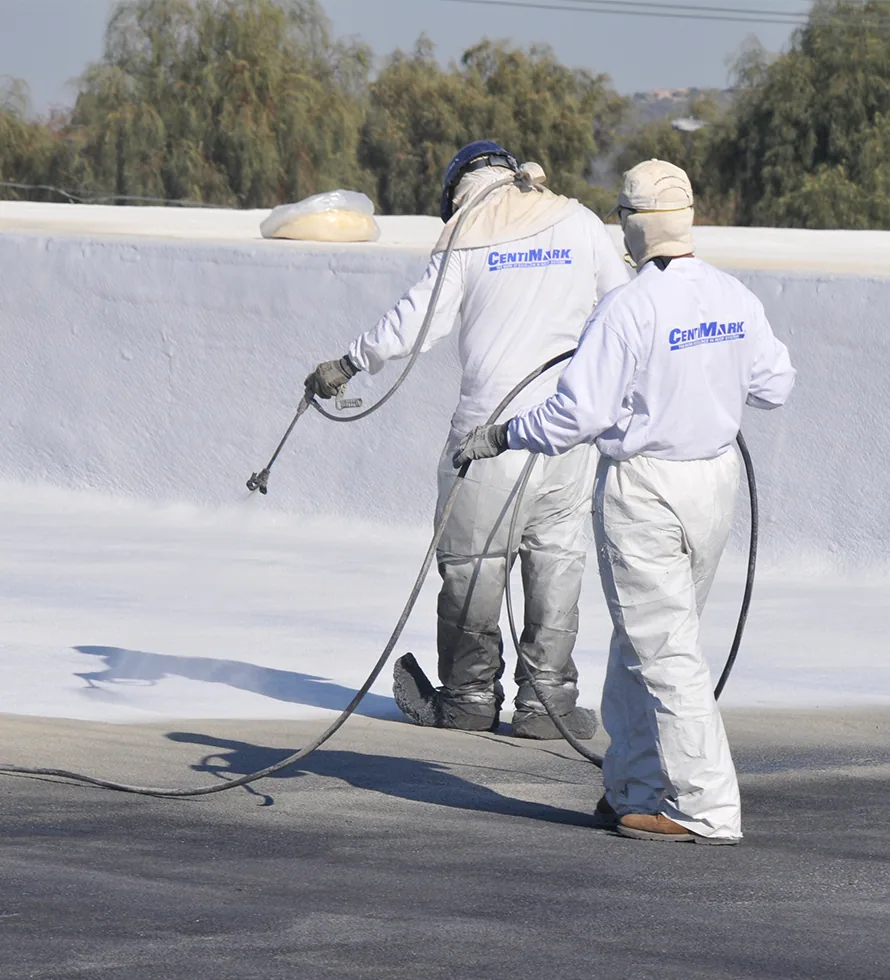
Spray Polyurethane Foam (SPF) Roofing
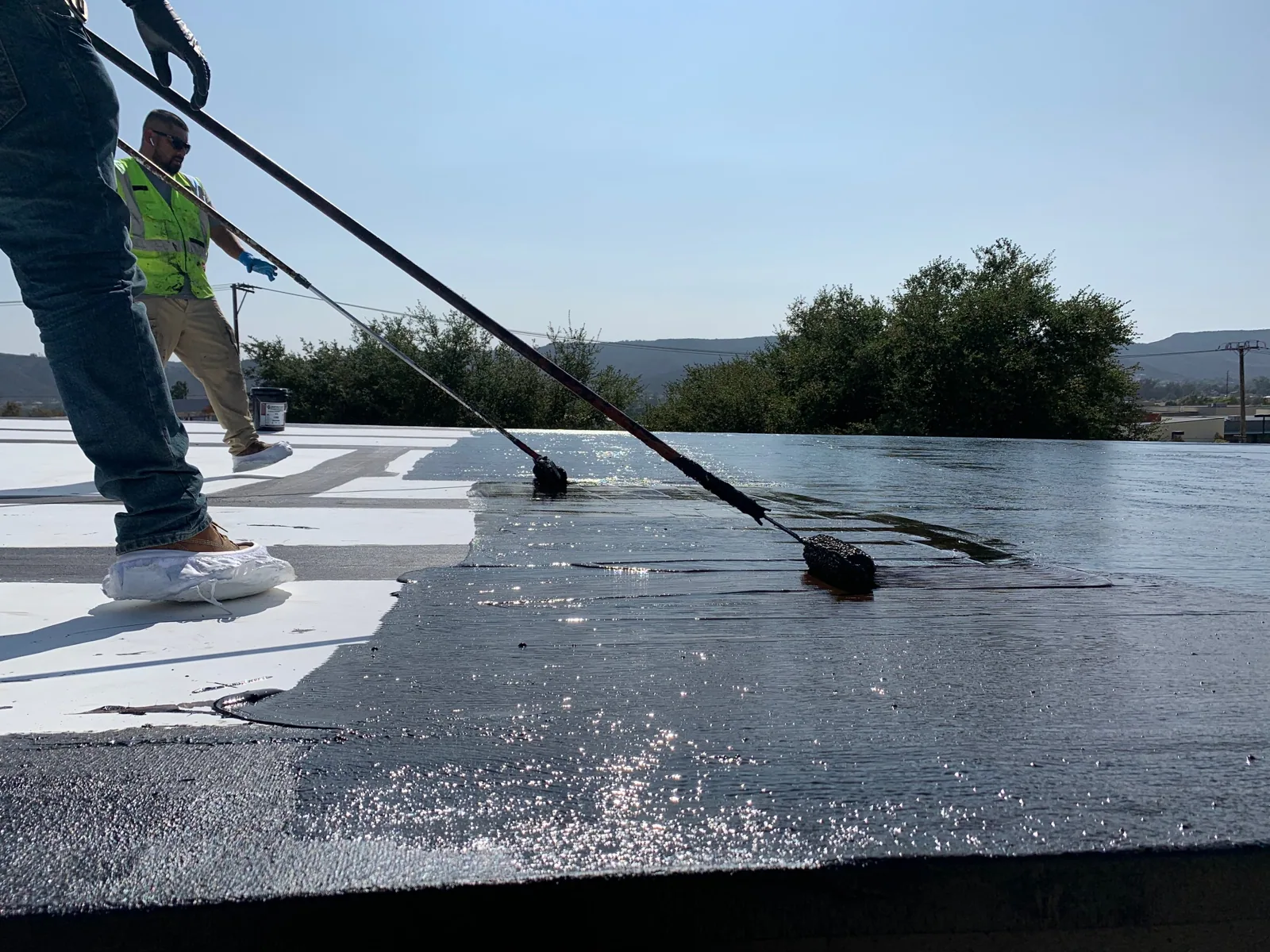
Silicone Roof Coatings
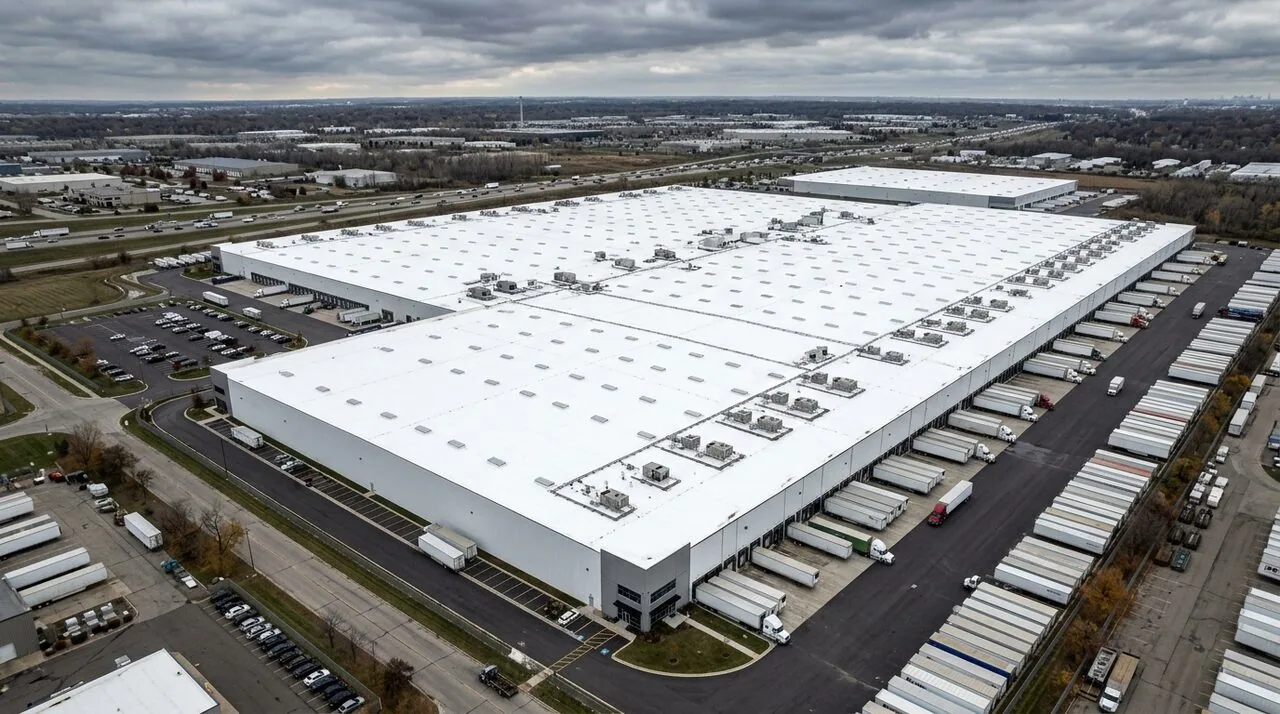
Acrylic Roof Coatings
More Detail
Membrane choice: single-ply sheets
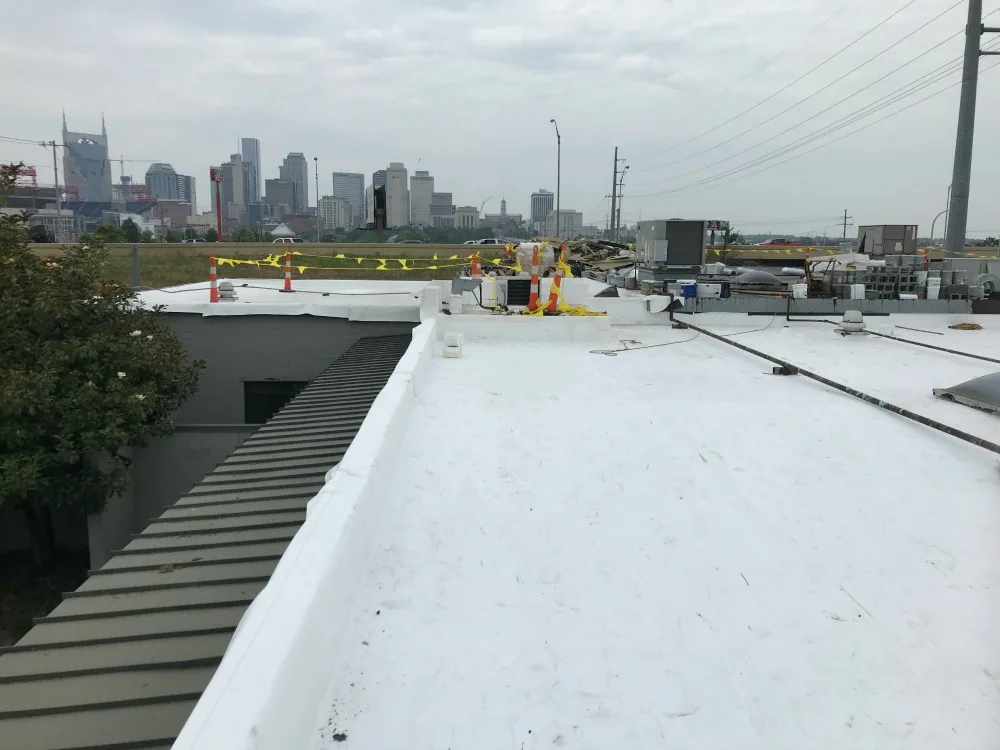
White reflective sheets are a common choice on low-slope warehouse and retail roofs because they reduce heat load on the roof surface. TPO roofing is the usual low-slope choice, with heat-welded seams that need a careful probe check. PVC roofing holds up where grease or chemical exhaust reaches the surface, and EPDM is a rubber sheet valued for flexibility. KEE roofing is a PVC-family sheet formulated for harsher grease and chemical exposure.
Hail resistance: layered asphalt systems
Layered roofs absorb impact differently from a single sheet. Modified bitumen and built-up roofing rely on plies and a surfacing that hail can knock loose, so the condition record counts granule loss and cracks after a storm. The added mass also helps protect the deck under rooftop foot traffic, which matters on buildings with mechanical equipment.
Wind and water path: metal and retrofit
A standing seam panel sheds water fast and resists wind when its clips and edge metal are installed correctly. Standing seam metal roofing suits long, steep or architectural roofs, while a metal roof retrofit places new framing over an aging low-slope roof when removal would disrupt tenants below.
Restoration layer: foam and coatings
Spray foam builds slope and insulation in one pass. Where the roof tests dry, silicone coatings resist ponding water and acrylic coatings reflect heat, each with limits that a moisture survey sets before the work is priced.
Commercial Roofing Questions
How does a manager compare two systems for one building?
Start from the roof record: deck type, insulation condition, drainage and the equipment on top. Those findings narrow the field before color or brand comes into it.
Why does heat matter if hail is the bigger fear?
Heat drives the slow damage that opens a roof to the fast damage. Seams stressed by months of expansion and contraction fail first when wind or hail arrives.
Can a system be changed during replacement?
Yes, provided the deck, insulation and building code allow it. Switching from built-up to a single-ply sheet is common, and the tear-off scope records which layers came out.
Does a coating replace a membrane?
No. A coating extends a sound membrane that tests dry. If wet insulation or open seams are found, repair or a recover is the safer boundary.
Request a system review for your roof
Send the roof plan or the address. We return a dated condition record with photographs, findings and recommended next steps.