
Standing Seam Metal Roofing in Lewisville, TX
Home // Roof Systems //
Overview
Standing Seam Metal Roofing in Lewisville
A dented metal panel and a leaking metal panel are two different findings, and a good inspection says which one it is looking at. A standing seam roof is built from long panels whose edges fold up and lock together, with the fasteners hidden beneath the seam in clips that allow the panel to move. Because there are no exposed fasteners in the field, the panels shed water well on slopes, and the system is common on roofs where owners want a long service life. In Lewisville, TX, where hail season returns in spring and summer heat runs long, the useful questions are about the seams, the clips and the details, not the paint.
We begin by recording the panel profile and gauge if known, the seam type, the clip system, the trim and the penetrations, then walk the roof from eave to ridge and photograph each finding.
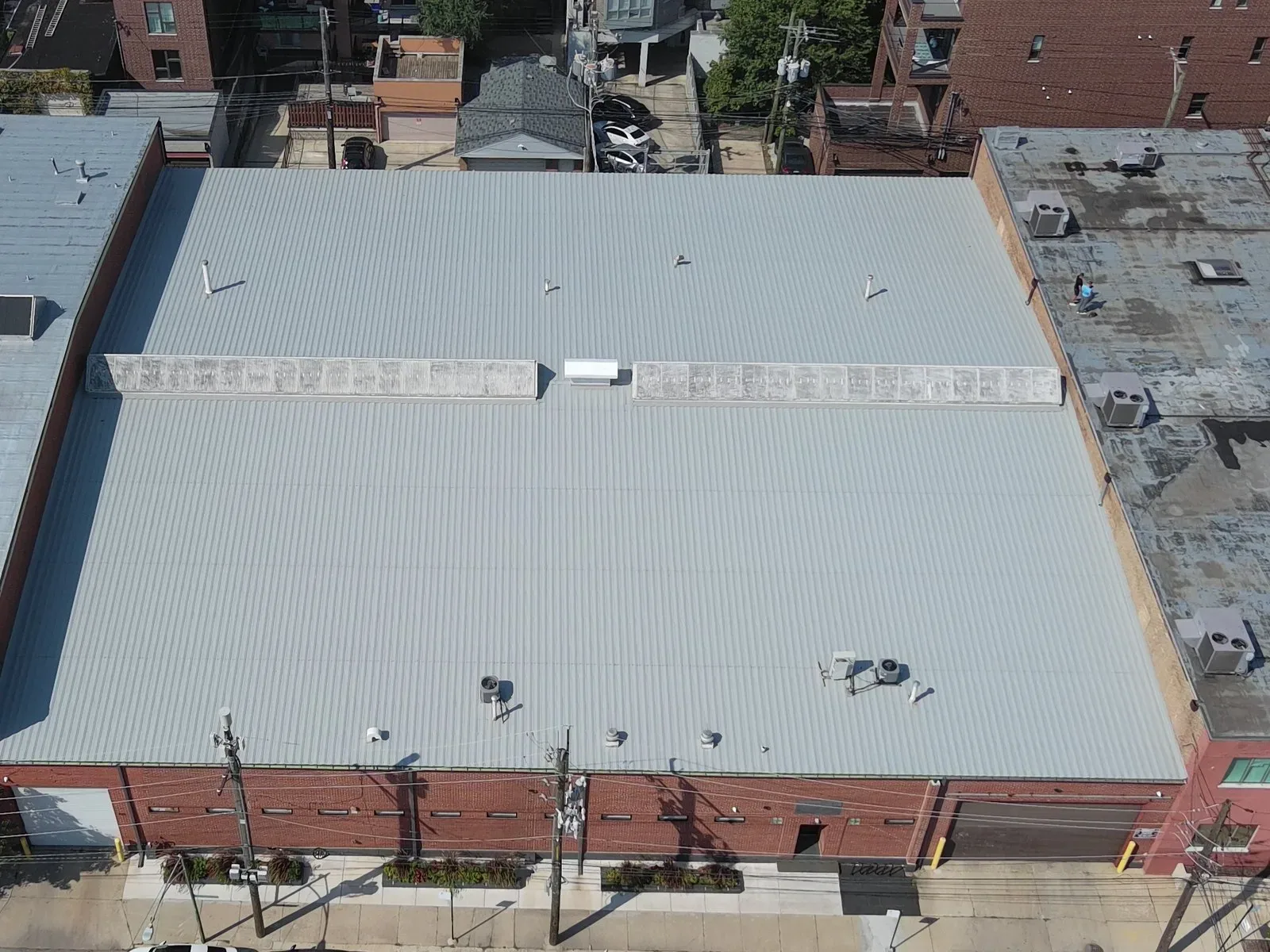
Inspection record: panels, seams and clips
The inspection follows the water. We start at the ridge and work down each slope, looking at the seams for gaps, kinks or places where the lock has opened. We look at panel ends and laps, the transition at the eave and the closure at the ridge. Where we can see them, we check clips for movement and the panel for wear where it slides across the clip.
- Seam locks, checked along their length for gaps or distortion
- Clip positions and any panel pulling out of a clip
- Panel ends, laps and the sealant in them
- Eave, rake and ridge trim and its fasteners
- Penetration flashings, curbs and skylight surrounds
The record maps each finding on a roof plan, with a photograph, and marks it as cosmetic, watch or repair. A scratched finish is cosmetic. A seam that has opened is a repair. A fastener at a trim piece that has backed out is a small repair that prevents a larger one.
Attachment detail: thermal movement and the details that restrict it
Metal expands and contracts with temperature, and a standing seam panel is designed to slide on its clips as it does. Between a hot afternoon and a cool night, a Dallas-Fort Worth roof sees large daily swings, and the airport's mid-nineties summer highs and roughly twenty triple-digit days a year widen them. The system works as long as the panel can move.
The problems appear where movement is restricted. A penetration fastened rigidly through the panel, a curb that spans several panels or a trim piece fixed on both sides of a seam can bind the panel. The bound panel buckles, tears at a fastener or opens a seam. We look for oil canning that is more than cosmetic, for slotted holes that no longer slot and for sealant that has split at a panel end. Correct detailing uses sliding or floating attachment at penetrations and curb flashings that allow the panel to move beneath them. Where a roof was built with a rigid detail, we record it with a photograph and a location, and propose a revised detail that lets the panel slide again.
Evidence sequence: separating hail dents from leaks
Hail is a near-annual visitor to the Metroplex and misses some addresses. It can dent metal panels, and denting is visible even when water entry is not at issue. Whether a dent matters depends on whether the finish is cracked, a seam is distorted or a panel edge is deformed.
We photograph the dents by slope and by location first, then look at the seams and trim beside them. A dent in the middle of a flat panel is typically cosmetic; a dent that bends a seam or breaks the finish can start a leak or corrosion. A roof can have many dents and no leaks, or few dents and a seam that has opened. The record keeps those apart and shows where damage affects function. That separation supports a hail damage repair scope and, if a claim is filed, an accurate set of claim photographs.
Repair boundary: resealing, re-clipping and replacing a panel
Small repairs on a standing seam roof include resealing a panel end, replacing a fastener at trim, re-forming a seam lock that has opened and installing a new flashing at a penetration. More serious repairs include replacing a panel, resetting clips or reworking a curb detail. The boundary is set by what the panel can do after repair: if it still slides, locks and sheds water, the repair holds.
Where a roof has been repaired with surface-applied sealant over and over, the sealant is itself a finding. It may be hiding a seam or fastener problem and can trap moisture. We remove failed sealant, find the cause and repair the cause. Wet insulation under a metal roof is possible too, since condensation and leaks can both wet it, and an infrared moisture survey or a moisture meter reading tells us whether it is a leak problem or an insulation problem.
Options review: repair, restore or retrofit
An aging standing seam roof can be repaired, restored with a coating if the finish has weathered but the panels are sound, or covered with a new system through a retrofit. A silicone roof coating may be an option for a sound metal roof with a weathered finish, once the seams and fasteners are secured. A metal roof retrofit adds a new layer when the existing panels cannot be restored. Replacement is the option when panels are corroded or deformed, clips have failed or the substrate is damaged.
We lay out the options next to the findings and the cost drivers: the number of panels affected, access by lift or crane, the condition of the substrate and the tenant impact. Metal roofs suit the warehouse, retail and light industrial buildings that Lewisville's industrial park, commercial and retail areas hold. Owners with several buildings may use roof condition reports to compare them.
Closeout documentation: the panel and clip file
The closeout packet lists the panel profile, gauge and finish, the seam and clip type, the trim details and penetrations, each repair and its location and the weather on each work day. It includes photographs by slope before and after each repair and a marked roof plan.
A given filing is reviewed under whichever edition and amendments the permit office applies; the city's adopted codes include the 2021 International Building Code. Dates for the permit and its inspections sit in the same file. Owners with metal roofs in Old Town Lewisville or Flower Mound can use the file as a baseline for later comparison.
Commercial Roofing Questions
Is a dented panel a leak?
Not by itself. We check whether the finish is cracked or a seam is bent, since those are the dents that affect function.
Why do panels buckle or oil can?
Often because movement is restricted at a fixed detail. We look for rigid fasteners and curbs that bind the panel as it expands.
Can I just seal the seams?
Sealant can hold for a time, but it may hide the cause. We find why the seam opened and fix that, then seal if needed.
Does a metal roof still need inspection?
Yes. Trim fasteners, panel ends and penetrations are the usual weak points, and a seasonal check finds them early.
Does a standing seam replacement follow a different code path?
The path is the same: the permit office sets the edition and local amendments at filing, starting from the 2021 International Building Code on the city's adopted list.
Related
Related Roofing Work
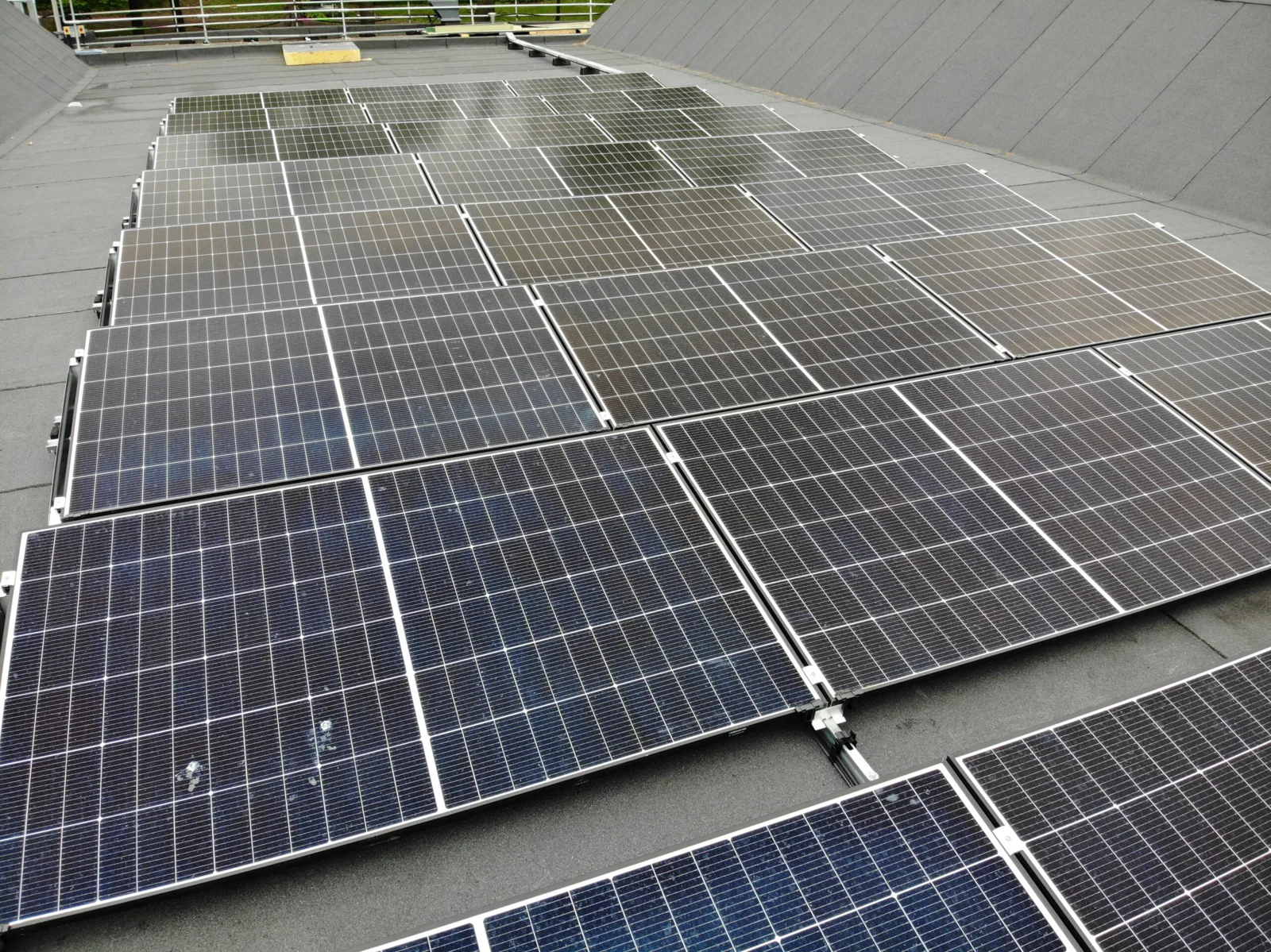
Hail Damage Roof Repair
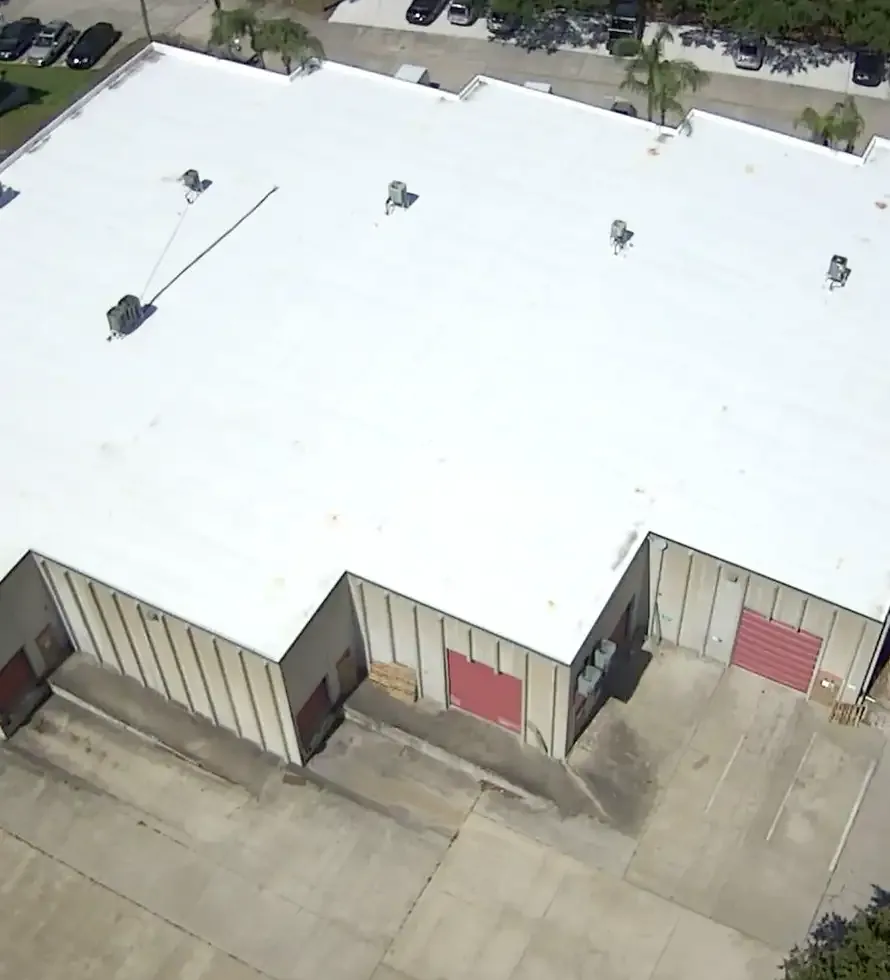
Roof Insurance Claim Assistance
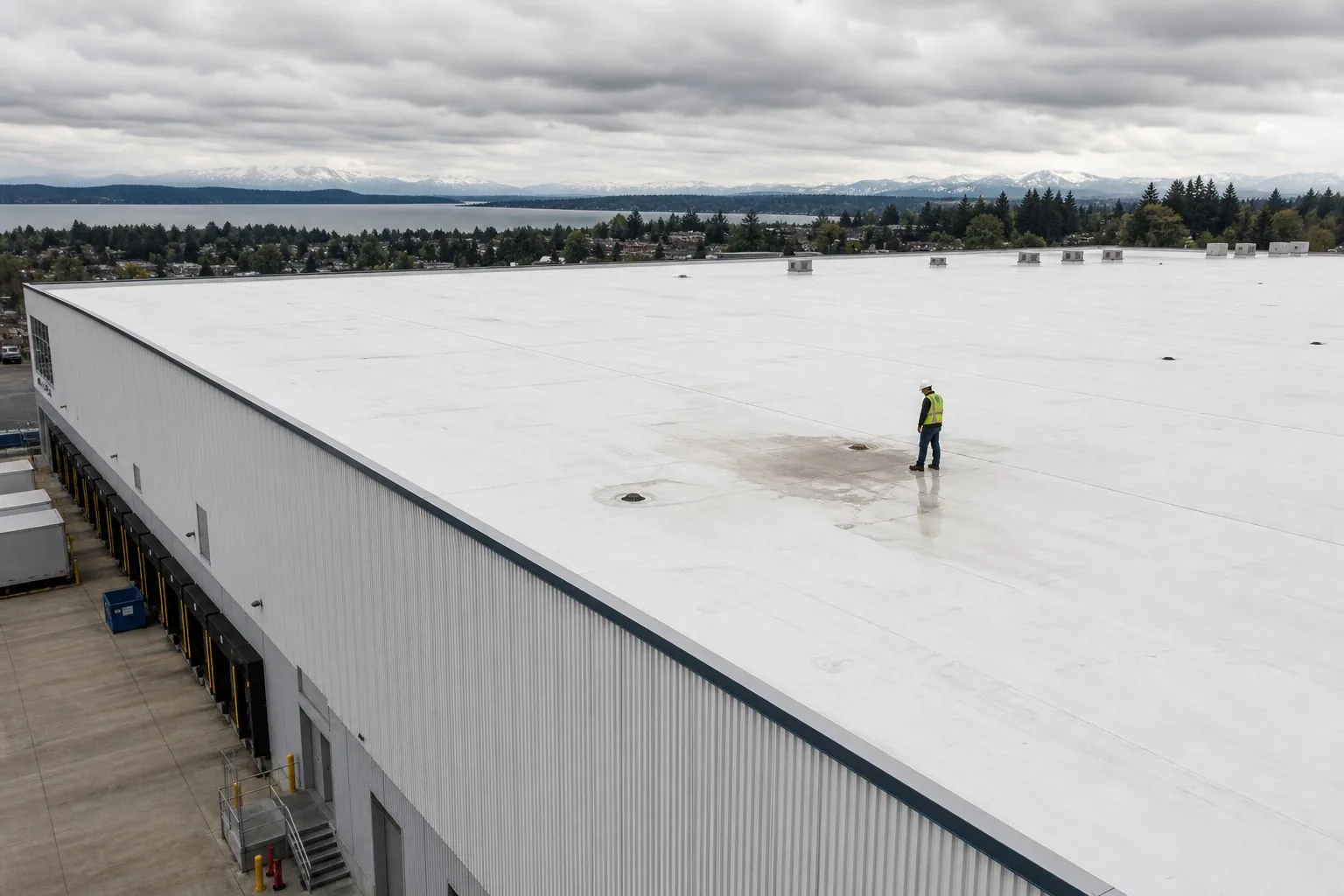
Infrared and Core-Cut Moisture Surveys
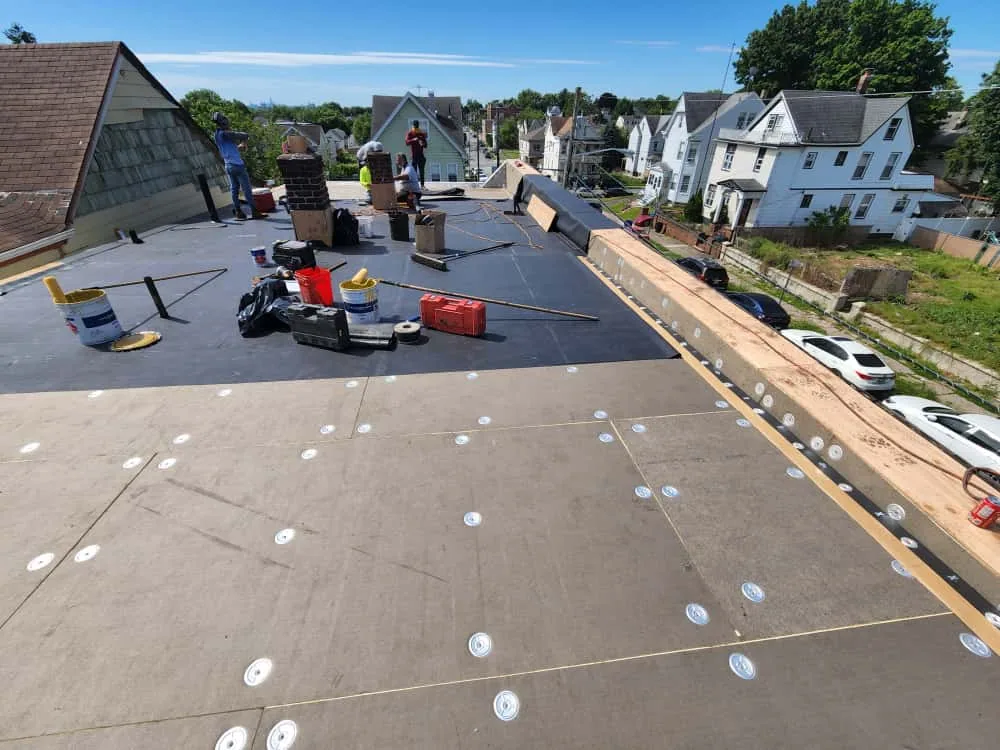
Silicone Roof Coatings
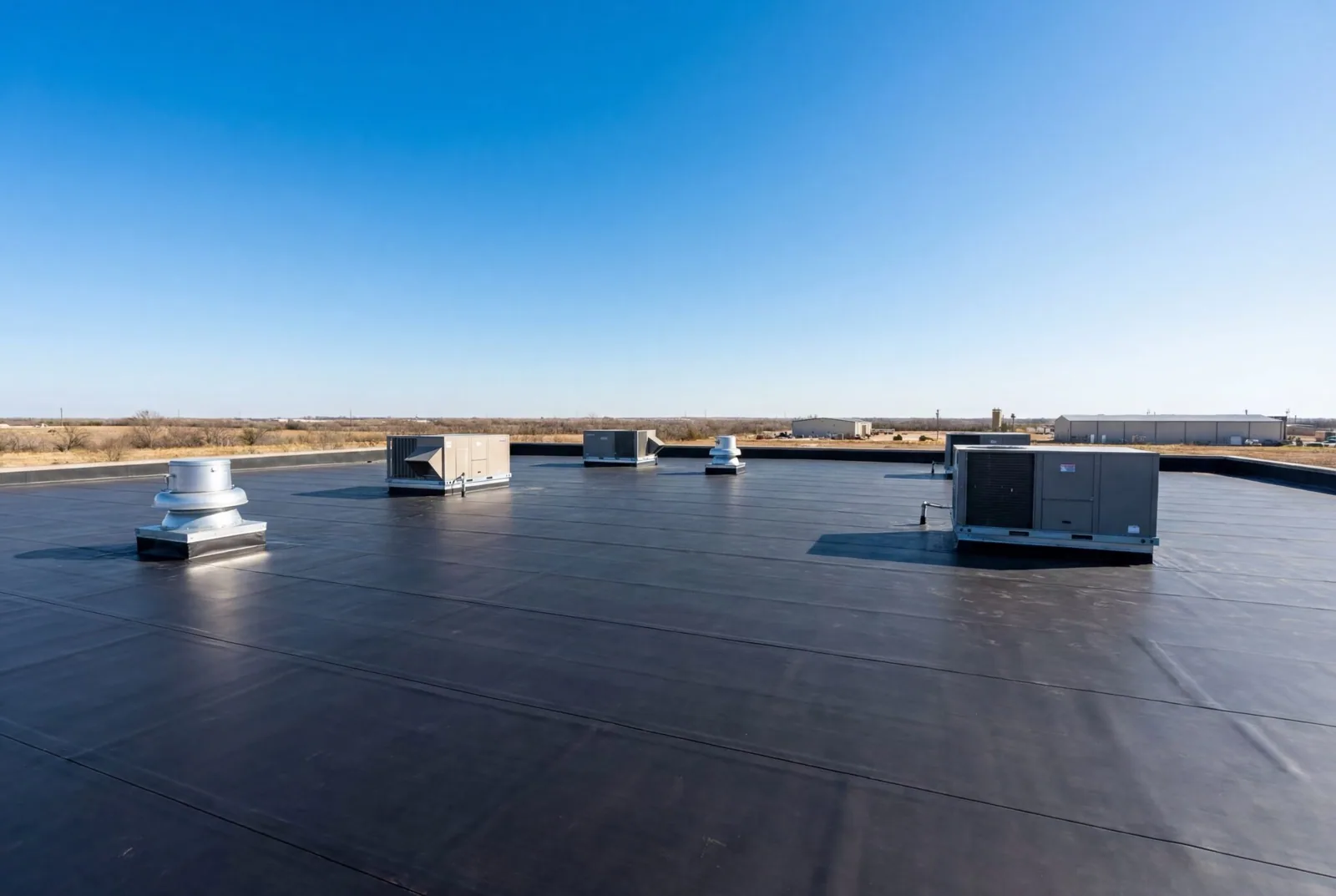
Metal Roof Retrofit and Restoration
Roof Condition Reports
Start with a dated seam and clip record
Schedule an inspection and receive a condition record with photos, seam and trim findings, dent classification and recommended next steps marked repair, restore or replace.
