
Metal Roof Retrofit and Restoration in Lewisville, TX
Home // Roof Systems //
Overview
Metal Roof Retrofit and Restoration in Lewisville
On an exposed-fastener metal roof, the screws are the first thing to count: how many are backed out, how many have a cracked washer, how many sit in a rust ring. Each fastener is a hole through the panel, sealed by a rubber washer that ages in the sun, and a roof with thousands of them has thousands of small chances to leak. This is the common profile on metal warehouses, light industrial buildings and agricultural-style structures, and in Lewisville, TX, where the Metroplex economy includes growing warehousing and storage, an owner of one deserves a clear answer on how much life is left.
We start by sorting the roof into what is sound, what is worn and what is failing, using photographs by roof zone and a fastener count on sample areas. The record tells the owner whether a restoration will do or whether a retrofit with a new layer is the better route.
Evidence sequence: fasteners, washers and rust
The evidence begins with sample areas. We select representative zones, photograph them at a consistent distance and count the fasteners that show backing out, washer cracking, rust staining or missing parts. If the percentage is low and the panels are sound, re-fastening and sealing may be enough. If it is high, the roof is losing its attachment and its seal across the field.
- Fasteners backed out of the purlin or showing a gap under the head
- Washers cracked, flattened or rotted by sun
- Rust rings around heads and along panel edges
- Panel laps with open sealant or tape
- Panels with oil canning, distortion or wind damage
The photo sequence runs from the whole zone to the close-up, with the sample locations marked on the roof plan, so a later pass can use the same areas for comparison. Dates matter here because fastener loosening accelerates with each season of heat cycling.
Condensation is a separate question on metal. A building with warm, humid air inside and an uninsulated panel above can drip in cool weather without any hole in the roof, and a leak survey that ignores it will chase the wrong cause. We look for dripping at the panel underside in the early morning, for stained or wet insulation and for rust on the inside face of the panel, and we say in the record whether the symptom matches a leak path or a condensation pattern. The repair, or the added insulation in a retrofit, follows that finding.
Inspection record: panels, laps and the structure beneath
Corrugated and ribbed panels are fastened through the flat to purlins or decking. Over time, expansion and contraction work the fasteners, and the holes in the panel elongate. A fastener that no longer grips can be replaced with a larger one, but only where the structure underneath is sound. We check the purlin or deck condition from below where we can, look for rust at the connections and mark leaks that have stained the interior.
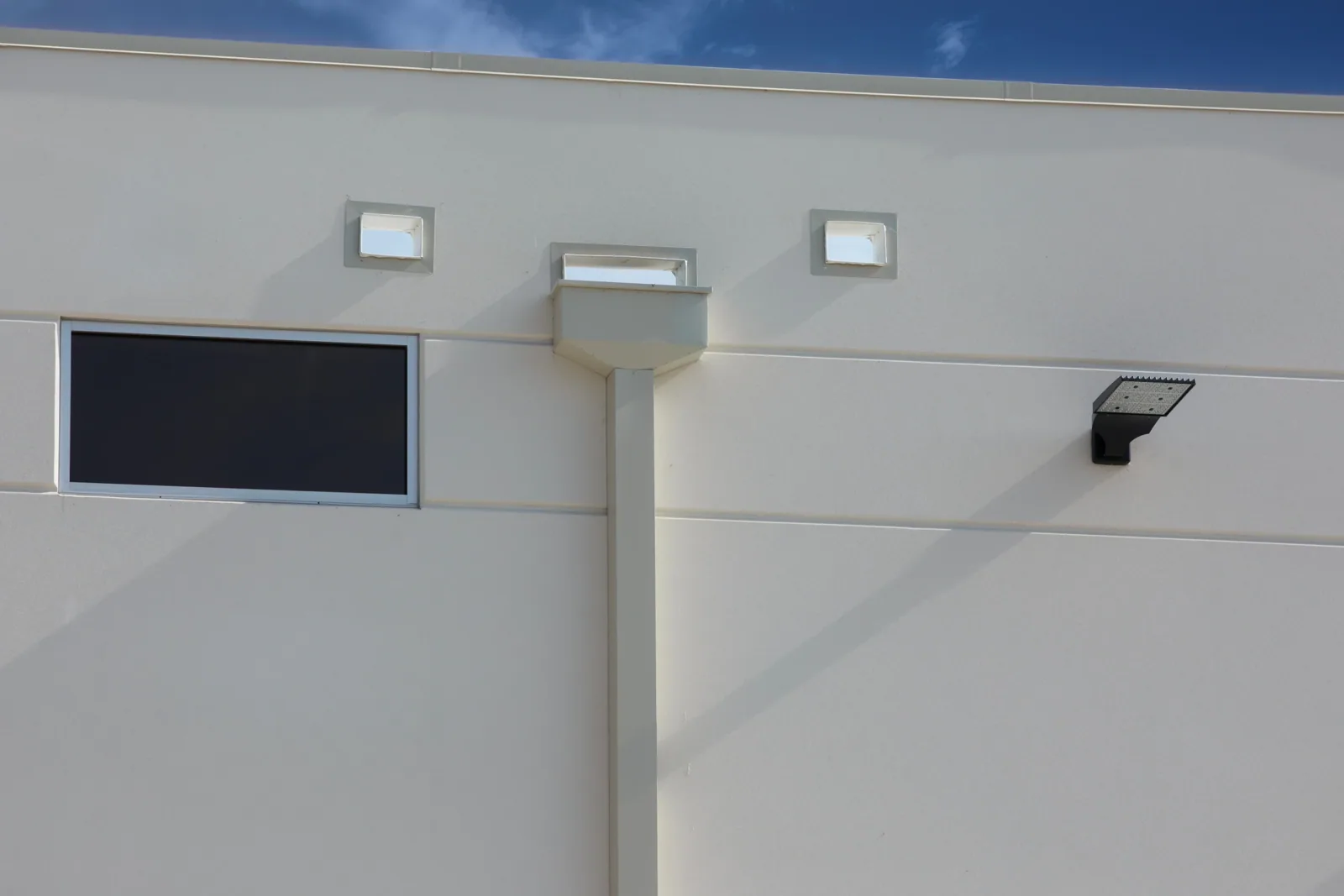
Panel laps are the other main leak path. The side lap seals with tape or sealant, and the end lap depends on overlap and sealant too. Where the sealant has dried and cracked, water can run along the lap and into the building. We also look at ridge caps, eave trim, gable trim and penetration flashings. A flashing failure repair at a penetration is often the first step on a metal roof with otherwise sound panels.
Repair boundary: re-fastening, sealing and panel replacement
The repair ladder is straightforward. Backed-out fasteners are replaced with the next size up or with a new type that suits the substrate. Failed washers are replaced. Open laps are cleaned and resealed with sealant or tape rated for the panel. Corroded or deformed panels are replaced section by section. The boundary falls where panel condition no longer supports a repair: thin, pitted or broken metal does not take a new fastener.
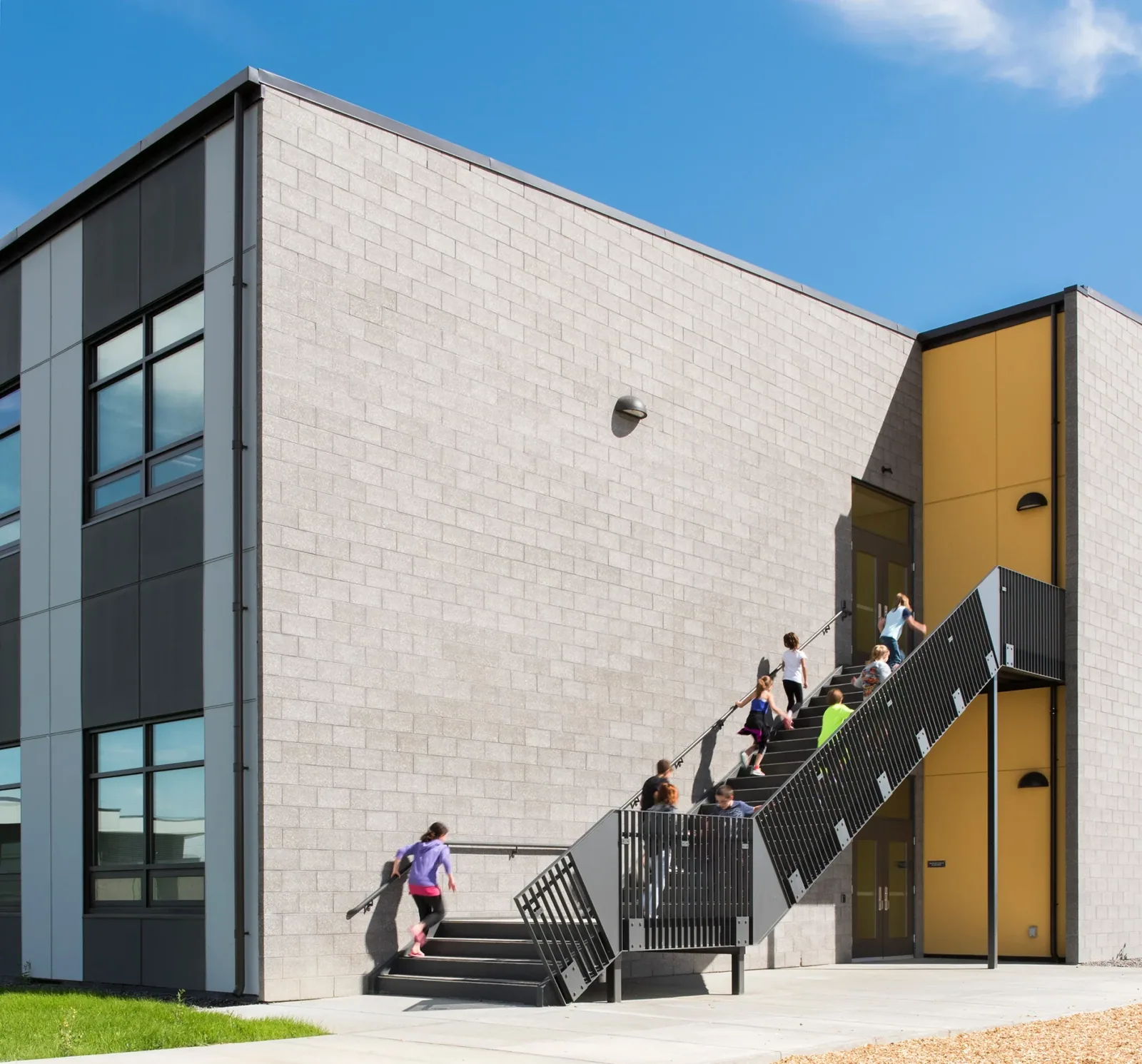
Hail and wind can also shift the boundary, and the Metroplex sees both in most years even where one address is spared. After a storm we mark dents, bent panels and torn laps against older wear. Summers with mid-nineties highs and about twenty triple-digit days a year at the airport mean heavy heat cycling, and heat cycling is what loosens fasteners over many seasons. A wind damage repair record documents lifted panels and displaced trim.
Options review: restore with a coating or retrofit with a new layer
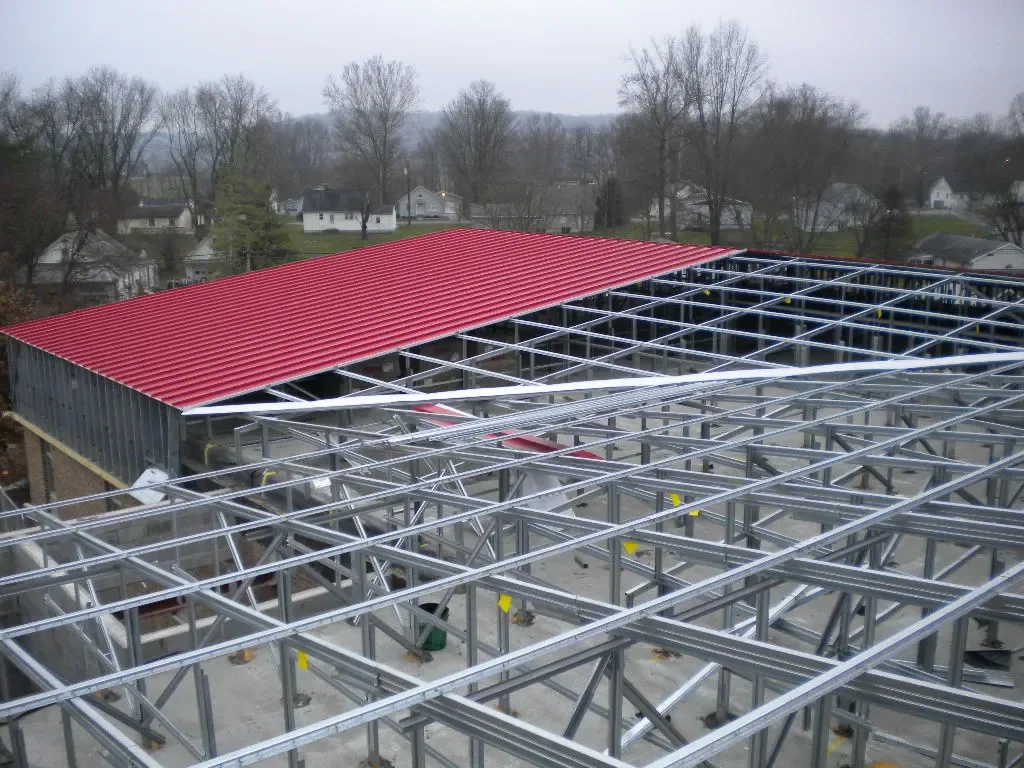
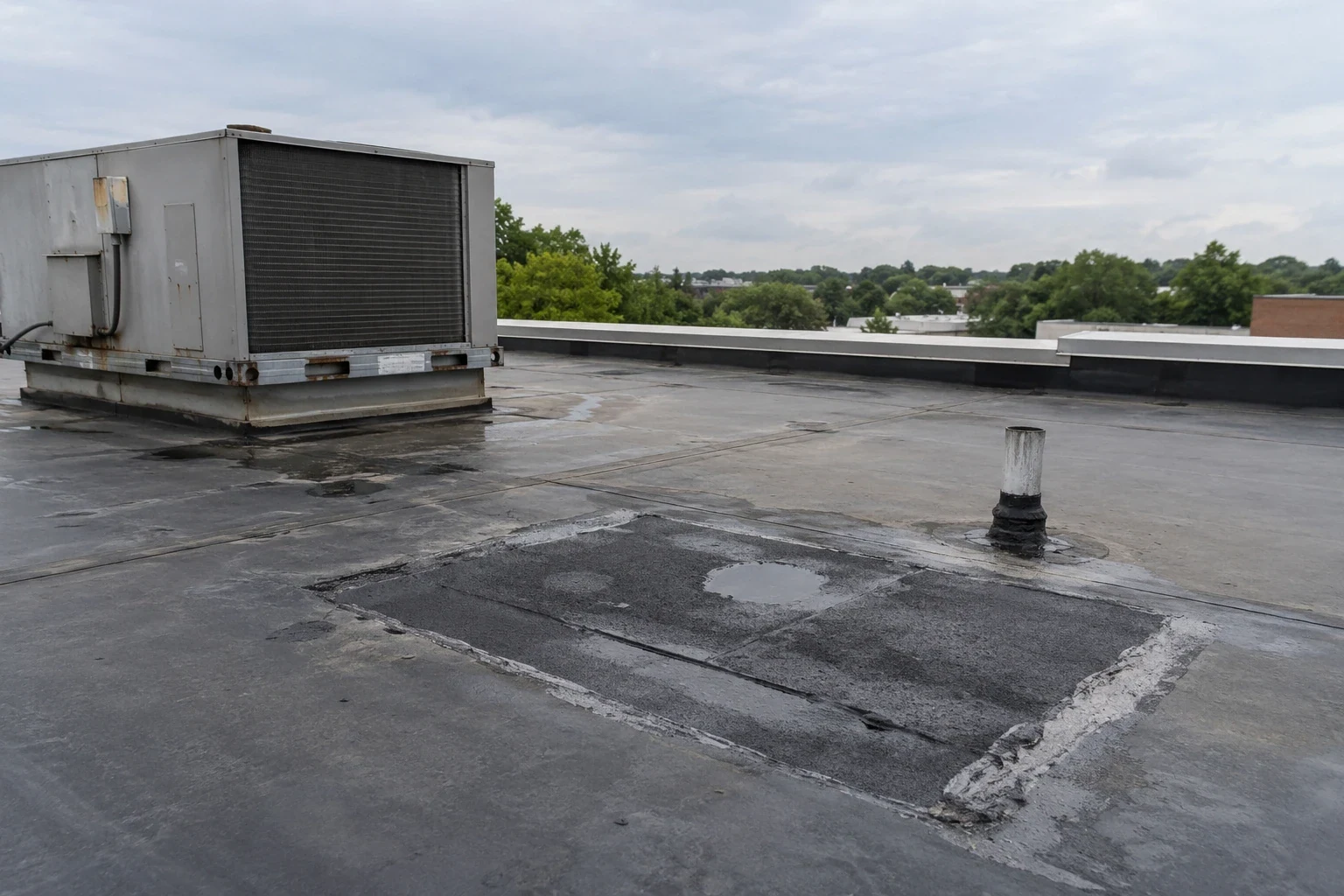
Two routes keep an old metal roof in service without a tear-off. A restoration cleans the panels, secures the fasteners, seals the laps and applies a fluid coating over the whole surface. A retrofit installs a new panel system, or a new membrane over insulation, on framing laid over the old roof. Both avoid removing the existing panels, which keeps the building in use.
The condition record sets which is open. Restoration needs panels that are sound enough to hold a coating and fasteners that can be re-secured, and silicone or acrylic products are the usual choices. Retrofit is for roofs where panels are corroded or the structure has changed, and it requires a check of the framing and the building's capacity for added weight. Where panels are beyond help, a full replacement with standing seam metal roofing is priced next to the retrofit.
Work window: roof access and interior protection
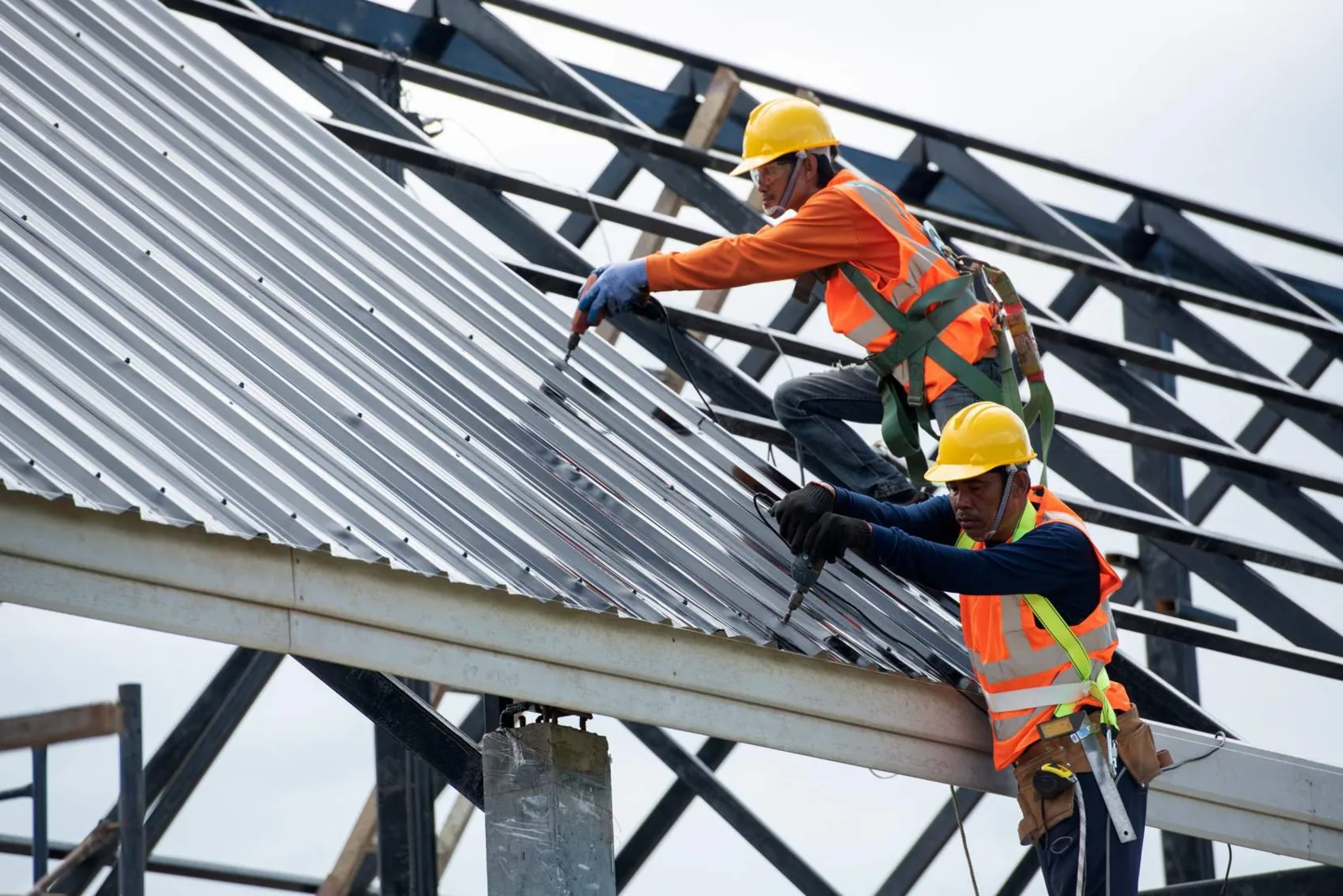
Metal roofs are slippery in the morning dew and hot by afternoon, and the work window follows safe access. Crews tie off, use roof walks and avoid working wet panels. Retrofit and restoration jobs generate dust and debris, and on a working warehouse or shop we protect stock and equipment under the area being worked.
We schedule around operations, forklift traffic, deliveries and tenant hours, and we record the opening and closing time for each roof section. Weather matters in the Metroplex, where spring severe thunderstorms are common, so we size each day's work to be dried in before the crew leaves. On an operating property the sequence matches an occupied-building reroofing job. Along I-35E and SH 121, industrial, retail and office properties sit close together, so neighbors and access routes are shared.
Closeout documentation: fastener counts and lap log
The closeout file lists the sample areas and fastener counts before and after, the fastener types used, the sealants and tapes, the coating or retrofit product category, thickness or coverage checks and the weather on the work days. It includes photographs by zone and a marked roof plan.
Added weight or a changed roof edge can draw permit review, with the 2021 International Building Code among the city's adopted codes. Permit and inspection dates are recorded. Owners with metal roofs in Old Town Lewisville or Lake Dallas can keep one file layout across addresses.
Commercial Roofing Questions
Why do screws back out of a metal roof?
Daily heat cycles move the panel against the fastener until the hole elongates. Re-fastening works only if the purlin or deck still grips.
Can an old metal roof be coated?
Often, after panels are cleaned, fasteners secured and laps sealed. Heavily rusted or pitted panels need replacement first.
What does a retrofit add that a coating does not?
A new weather layer, and in some designs new insulation. It is the route when panels are too far gone to hold a coating.
How are leaks found on a ribbed roof?
By tracing from the stain up the slope to laps, fasteners and trim. Water often travels along a rib before it drips.
What code review does a retrofit draw?
The permit office sets it at filing, and added weight on the framing is part of that review. The 2021 International Building Code is among the codes the city has adopted.
Related
Related Roofing Work
Failed Flashing Repair
Wind Damage Roof Repair
Silicone Roof Coatings
Acrylic Roof Coatings
Standing Seam Metal Roofing
Occupied Building Reroofing
Start with a dated fastener count
Schedule an inspection and receive a condition record with photos, fastener counts by zone, lap findings and recommended next steps marked repair, restore or retrofit.
