
Commercial Roofing for Property Managers in Lewisville, TX
Home // Industries We Serve //
Overview
Property Managers in Lewisville
A portfolio roof list is useful only when each entry points to a real condition. For a property manager in Lewisville, TX, that means tying a leak call, a tenant notice and a repair boundary to the same roof zone. We begin with the operating calendar and access rules, then walk the roof, photograph each finding and record what the surface can establish. The result is a dated condition record that can move from a site contact to an asset review without losing the building detail.
A retail roof may have customer hours to protect, while a multifamily property needs clear notice and a route that avoids resident areas. A manager with buildings around I-35E, SH 121 and the gateways may hold both kinds, so the inspection sequence follows the property and not a portfolio template.
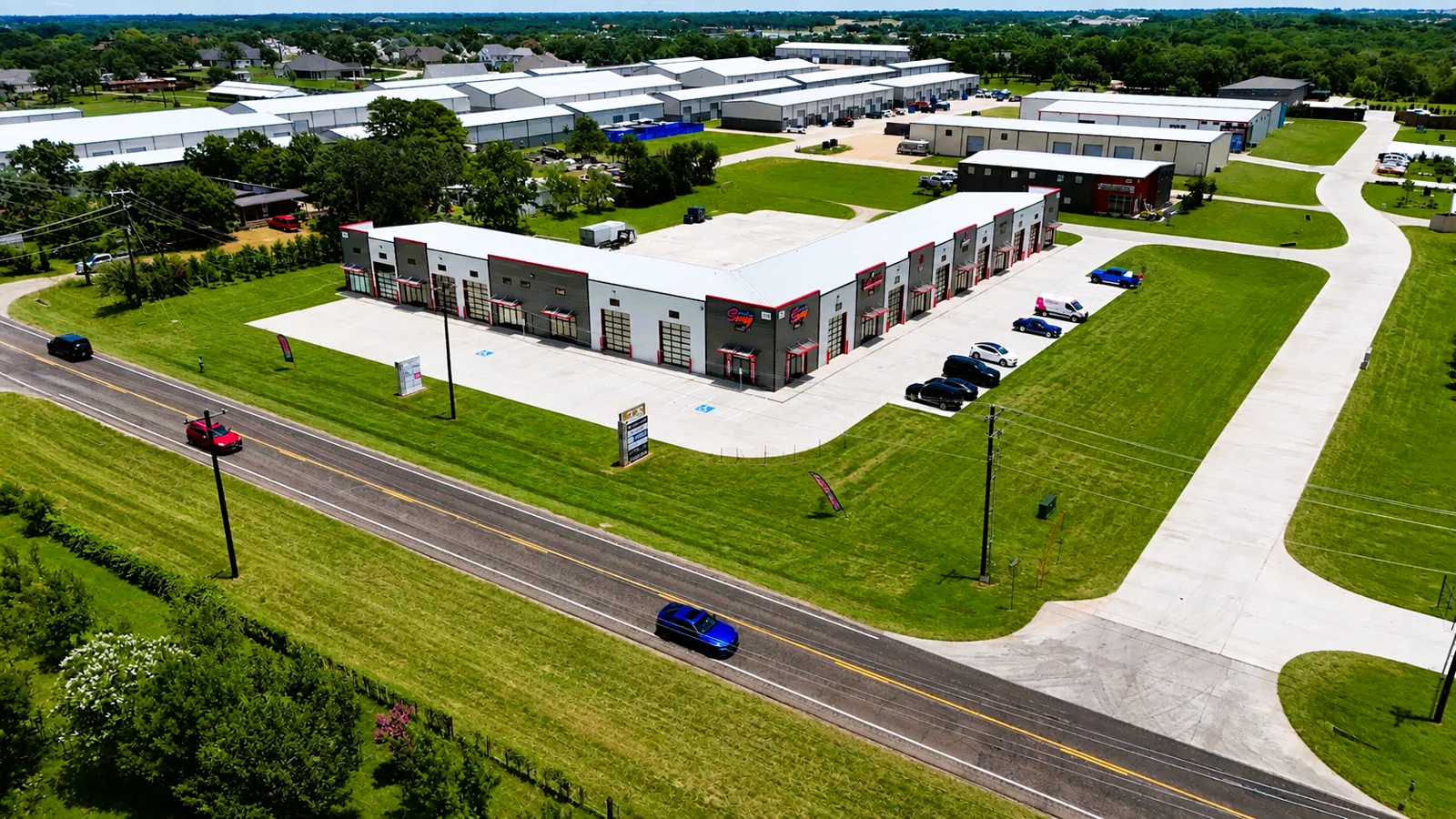
Portfolio record: one format, separate roof decisions
We assign a roof plan and zone names to each property before comparing buildings. The condition record holds the inspection date, photos, observed defects, moisture readings when needed, repair boundary and next action. That gives a manager a view across locations while keeping each roof's evidence distinct. A finding at one address does not become a condition at the next; the portfolio view groups decisions, but every recommendation stays attached to the surface that supports it.
For a multi-site roof program, we can arrange visits around lease cycles, seasonal access limits and planned capital reviews. The schedule marks which roofs need a hands-on inspection, which need a moisture test and which can wait for a routine pass. A roof asset record can then carry the prior photos and repairs forward, so a new manager can see what was observed instead of relying on a handoff note. A portfolio can include a clinic or a plant alongside offices, and the healthcare property review or manufacturer site review for those buildings starts with that building's access limits and roof assembly.
Access plan: tenant hours, keys and roof zones
The access log starts with a person, a door and a time window. We confirm who can open the hatch, whether a ladder is permitted, which mechanical spaces need an escort and whether rooftop equipment may be shut down. On an occupied property, the route also accounts for tenant activity below. If a repair requires interior protection or a temporary closure, that condition is written into the scope before materials arrive.
Old Town's mixed-use redevelopment and transit-oriented planning puts commercial buildings beside active public and residential uses, which can change where a lift stages and when a section can be opened. We coordinate those details with the manager and record the agreed work window, and a roof visit in Old Town is scheduled around the property contact's rules.
Keys deserve their own line. A padlocked hatch, a chained ladder or a rooftop door that reads a badge each needs a named holder and a backup, because a crew that arrives to a locked hatch costs a tenant window and a day. The access log lists the holder, the backup and the number to call, so a change of on-site staff does not stop the visit. When a key cannot be found, the visit is rescheduled in writing and the finding list notes which zones went unreached.
Condition pass: separate active leaks from old repairs
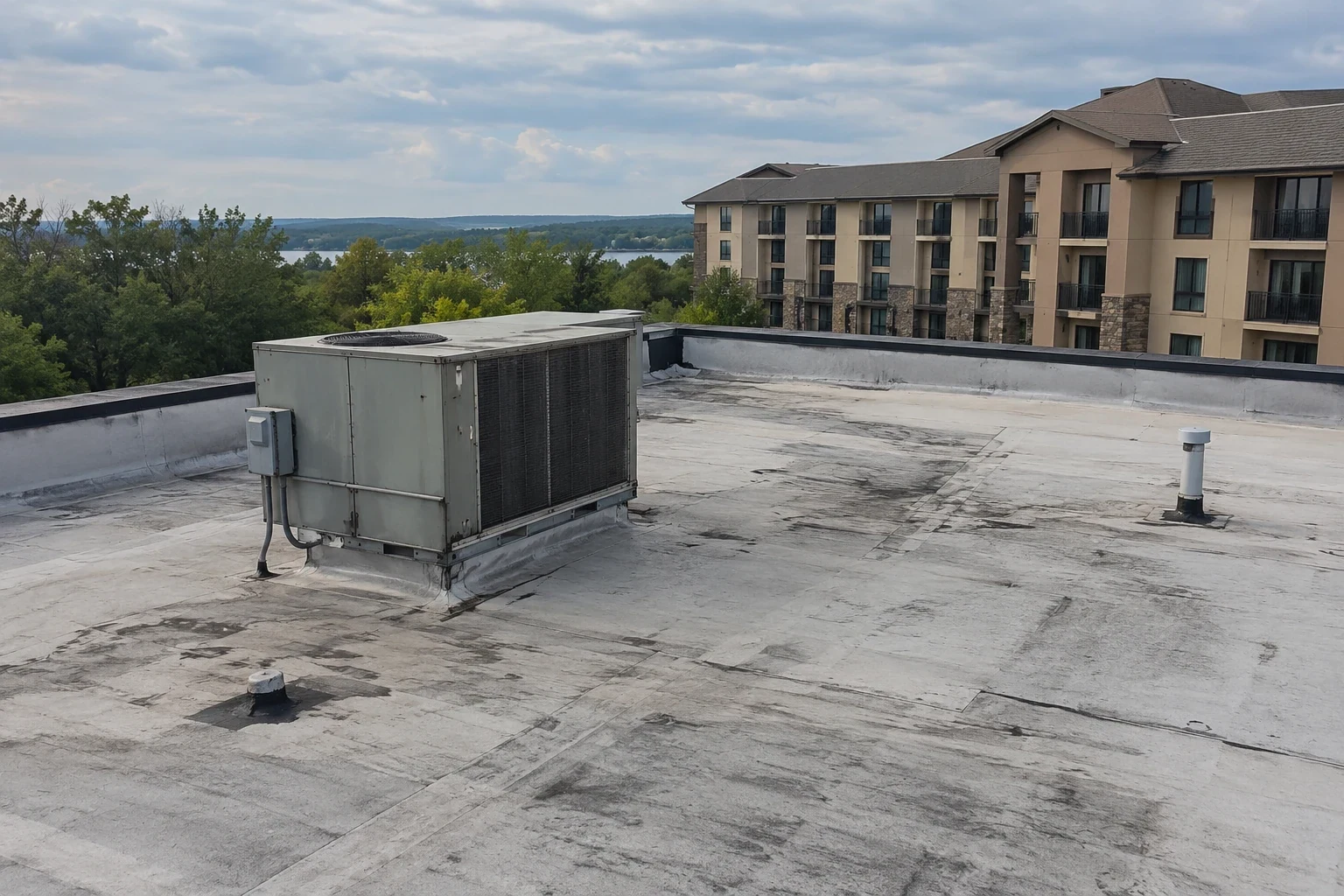
A recurring leak needs a trace, not a larger patch by default. We follow the water path from the interior report to the roof zone, then inspect seams, drains, penetrations and nearby transitions. Each photograph shows context first and the suspect detail next. Where the membrane is soft or a stain suggests trapped moisture, a moisture survey can help define the next test. A scan is not the same as confirmation, so the record states whether a core or other opening is needed before the scope is finalized.
Severe thunderstorms and hail reach the Metroplex in most years, so a reported event sets an inspection priority. We compare current images with earlier records, note fresh and older conditions separately, and use a commercial roof inspection to establish what is present at that building.
Options review: repair, recover or replace
The decision file compares the roof's remaining serviceable areas with the proposed repair boundary. Isolated punctures or loose flashing may support repair when surrounding materials remain sound. If insulation is wet across a wider zone, a recover may not address the underlying condition. We describe the limits of each option, the access needs, expected sequence and items that could change the scope after opening. The manager can then compare disruption and timing with lease obligations and planned capital work.
Flower Mound lists employers in professional services, distribution, manufacturing and transportation, and a manager with buildings there may face different work windows and delivery routes at each. We inspect each address separately, then put the findings into a common review format. A recover assessment can be compared with a repair or replacement scope before the property team commits to the next step.
Closeout record: photos, approvals and next dates
After repair, the closeout packet identifies the area opened, the materials installed, the details completed and any work deferred. Photos should show the repair boundary before and after, with a zone label that matches the roof plan. If a tenant reported the leak, the manager can use the dated finding to explain what was inspected and what remains under observation. The record also lists any access restriction or equipment coordination that affected the work, so the next service visit starts with usable information.
For a claim-related event, we organize photographs and condition notes by date and roof location. That documentation supports a manager's discussion with an adjuster, and a claim documentation review keeps the roof observations separate from the policy determination. The next maintenance date belongs in the same file, with open items assigned to a person rather than left as a general reminder.
Commercial Roofing Questions
How should we compare roof condition across several properties?
Use the same core fields, not the same conclusion. Each property needs its own date, zone map, photographs, moisture findings and repair boundary. We can then group roofs by urgency while leaving the evidence attached to the building that produced it.
What information do you need before entering an occupied property?
The access contact, approved entry point, tenant notice requirements and any equipment shutdown rules set the visit. We confirm those items with the manager, note the agreed window and flag any roof area that cannot be reached during that pass.
Can a leak report be turned into a repair scope immediately?
A visible opening may allow a direct repair, but water can travel under a membrane before it appears indoors. We trace the path, inspect adjacent details and identify whether moisture testing is needed. The scope follows the observed boundary, not the room where the stain appeared.
What goes into the handoff when a property changes managers?
The dated condition record should include the zone plan, open findings, photographs, completed repairs, access notes and next review date. We can organize a current inspection so the incoming manager has a clear starting point and knows which items still need a decision.
How do you fit roof work around tenants and business hours?
We set a work window with the site contact, stage material where approved and divide the roof into sections that can be closed safely. If a tenant operation or equipment constraint changes the sequence, we record the change and update the repair boundary before proceeding.
Related
Related Roofing Work
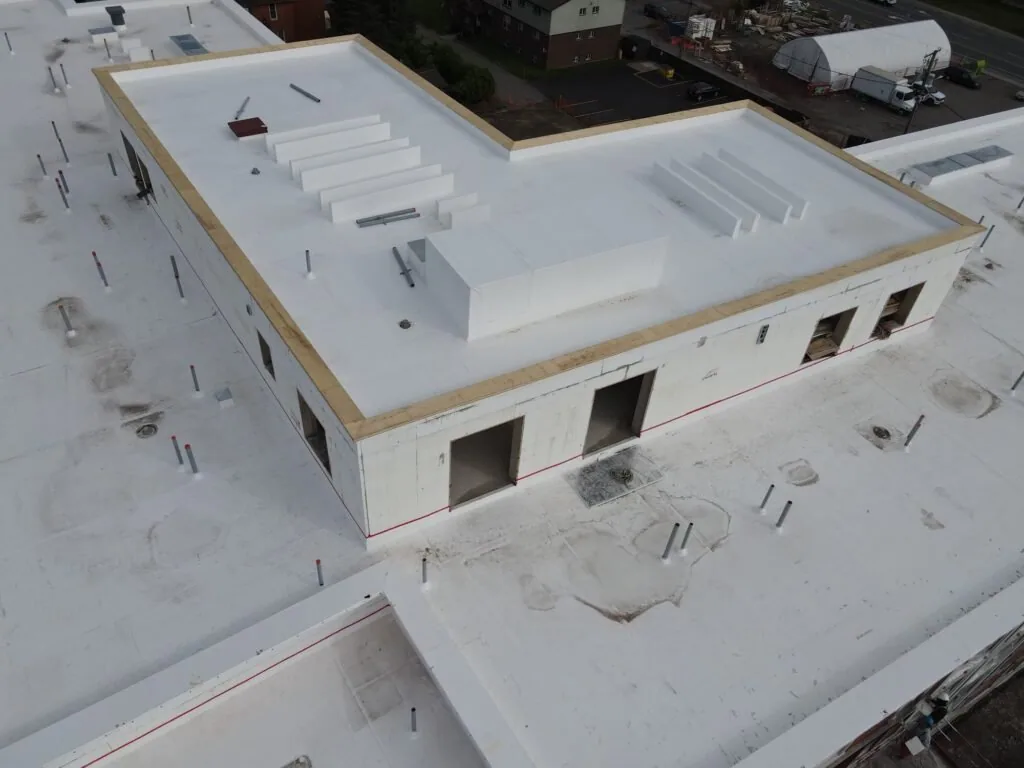
Multi-Site Roof Programs

Roof Asset Management
Healthcare Systems
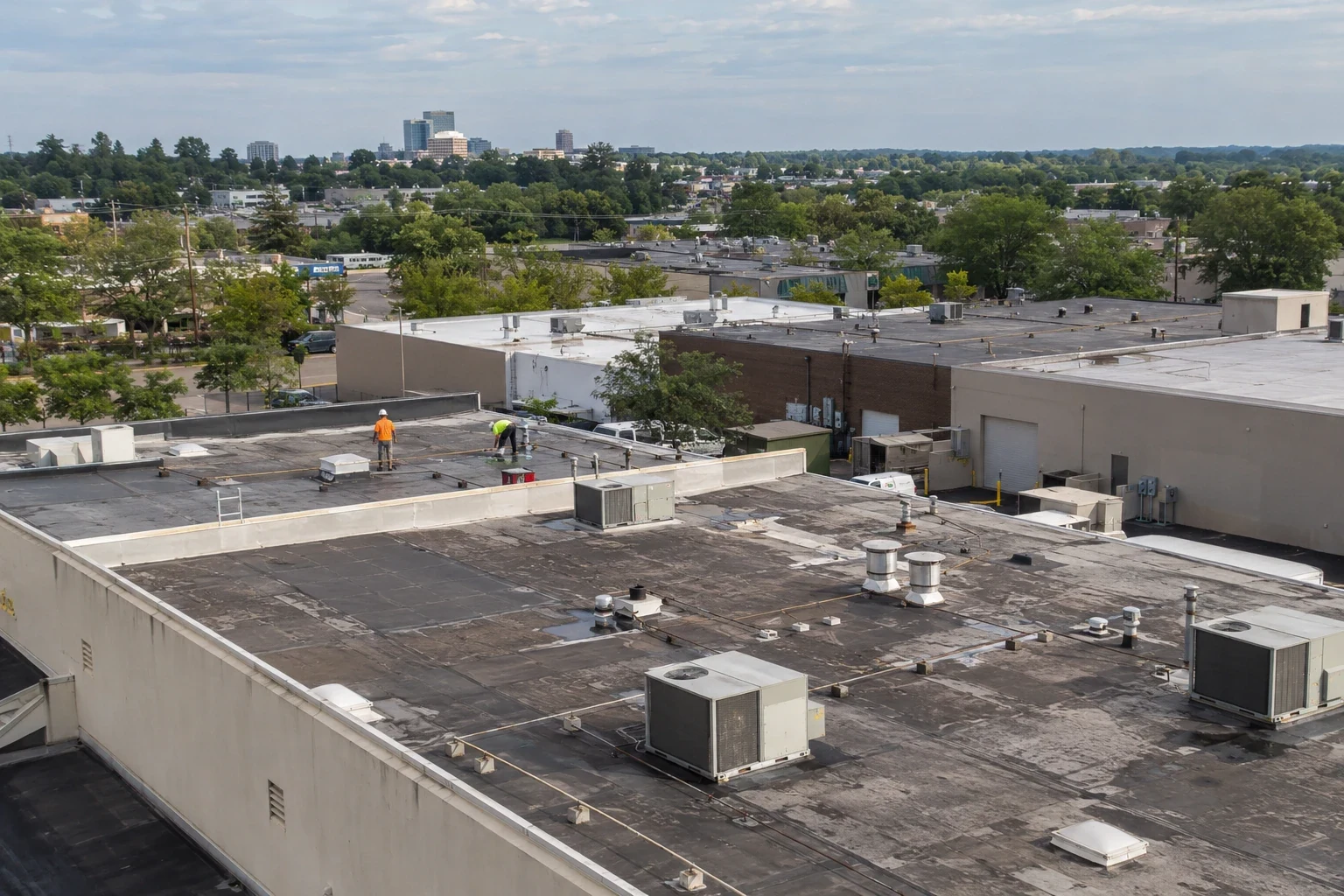
Manufacturers

Old Town
Infrared and Core-Cut Moisture Surveys
Schedule a portfolio roof review
Set an inspection window for your Lewisville properties and receive dated findings, photographs and repair options organized by building and roof zone.
