Commercial Roofing for Logistics Operators in Lewisville, TX
Home // Industries We Serve //
Overview
Logistics Operators in Lewisville
A dock schedule can determine which roof zone is practical to open first. For a logistics or third-party fulfillment operation in Lewisville, TX, trucks, conveyors and stored inventory all sit below roof work. We start with the dispatch calendar, approved lift locations and protection needed on the floor, then match those limits to a roof-zone plan. Each finding is photographed and tied to an operating window, giving the facilities lead a repair boundary that can be compared with outbound commitments.
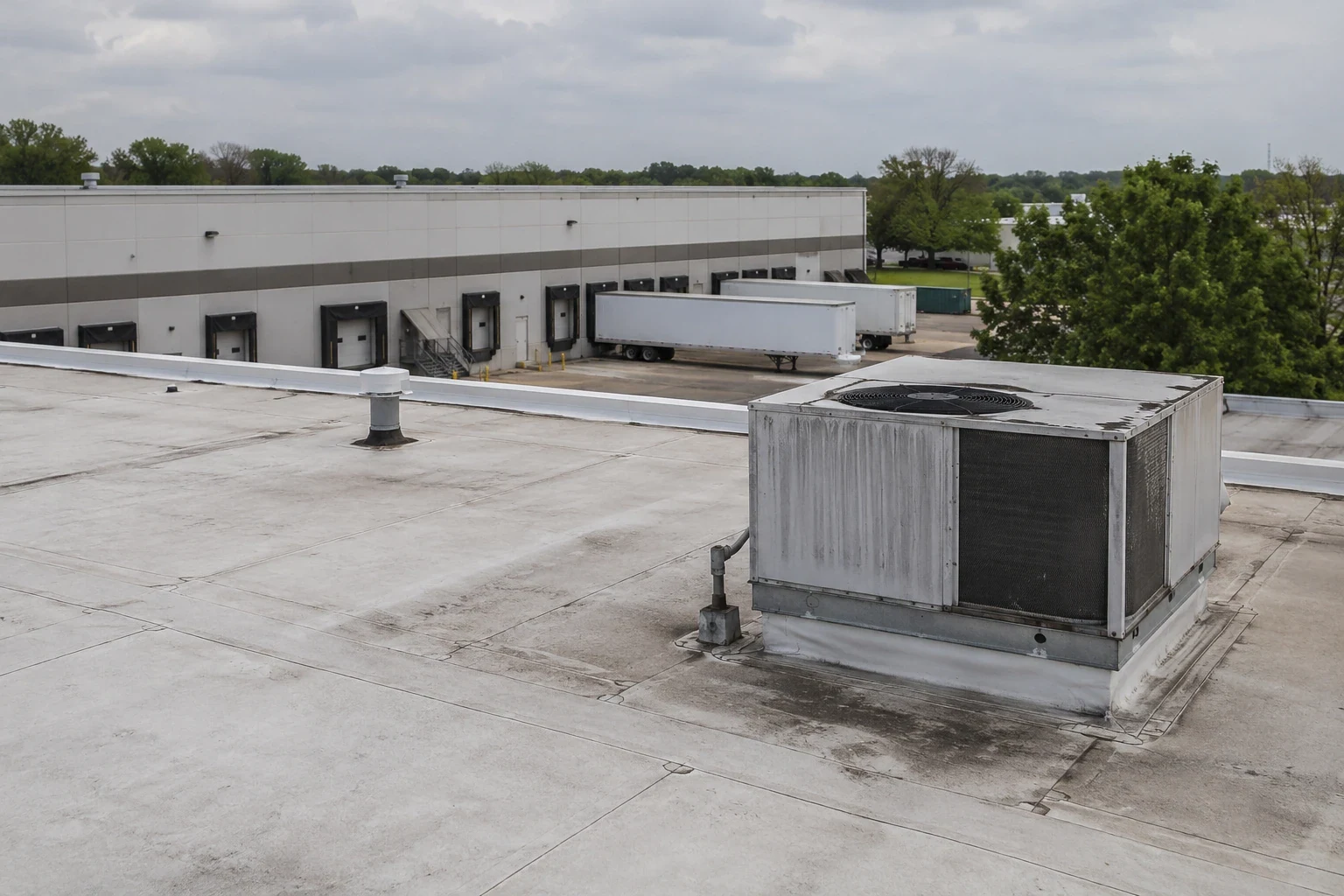
Dispatch map: lifts, docks and freight lanes
Before material is delivered, we confirm where a lift can stand, which gate handles roofing traffic and whether a truck route must remain open. The access log names the site contact, the work window and the stop conditions for rain, wind or a blocked lane. If a section needs to be opened, the plan also states how it will be dried in before the dock returns to full use. Those details are part of the scope, not a note to settle after arrival.
From 2012 to 2022, warehousing and storage ranked among the Metroplex's fastest-growing industries. That growth is why sequencing around freight activity matters in this market. We confirm what runs at the property, since shift patterns differ from one building to the next. A roof inspection in The Colony or Lewisville starts from the site's own circulation plan.
Roof zones: protect the operation below
We divide the roof by the work below it: receiving, sort lines, storage, offices and equipment areas may need different access or protection. A roof plan assigns each zone a name and places defects on that map. The inspection sequence checks edge metal, seams, drains, curbs and penetrations, then records which areas are clear and which need testing. A leak above a control room may require a different response window than a defect over a low-use storage bay.
Flower Mound's local employers span distribution, manufacturing and transportation as well as professional services, so a 3PL with sites across Lewisville and nearby cities meets different loading patterns and access contacts at each address. We record the visible membrane and repair history separately for each. A site with process equipment follows the manufacturer roof review for production access.
Water path: drain capacity and interior exposure
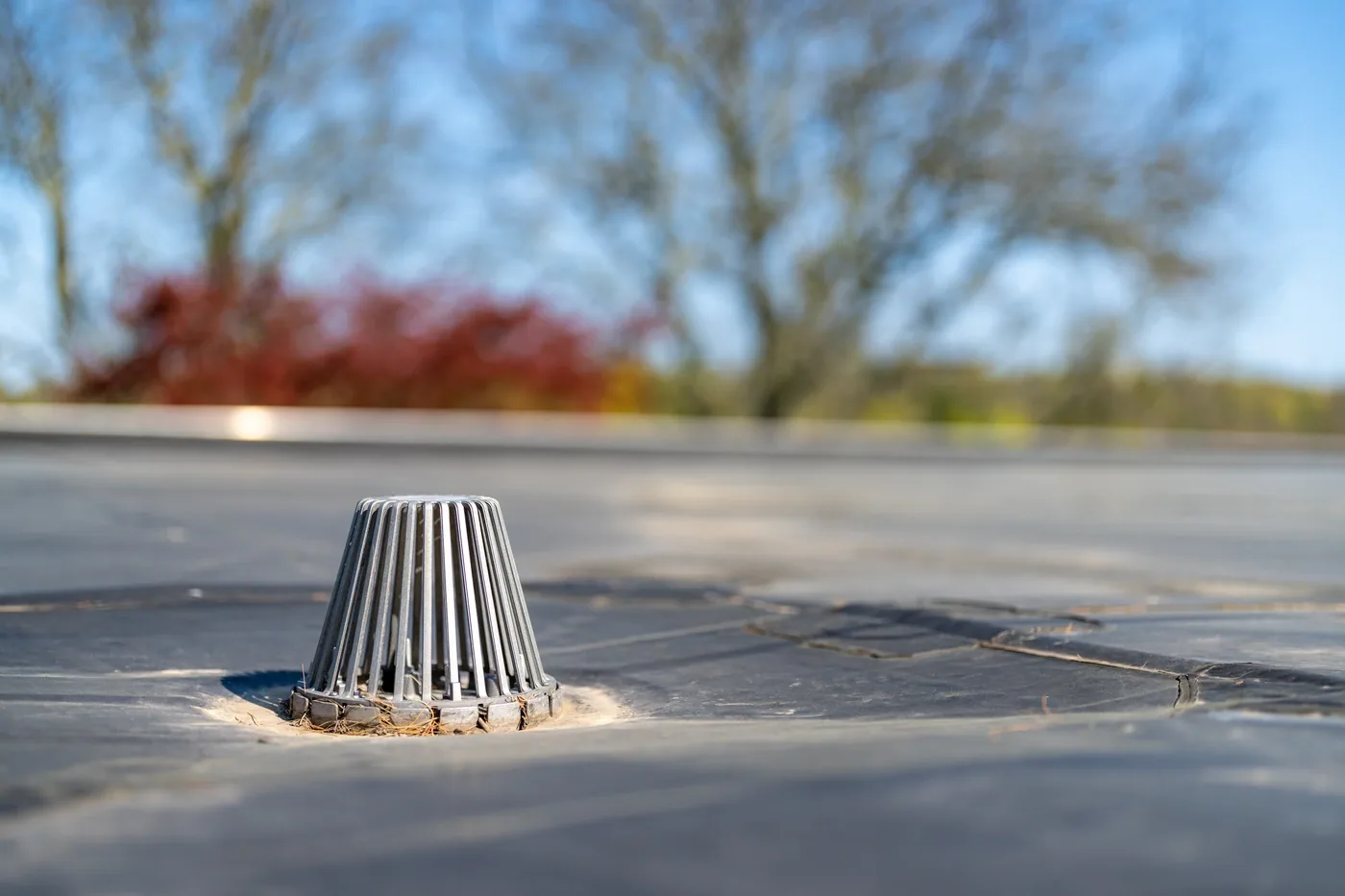
Roof drainage deserves a route of its own. We inspect drain bowls, strainers, overflow paths and the low points that can collect debris. Ponding can increase exposure around seams and patches, while a clogged outlet may send water toward a roof opening or wall. The report photographs each drain and notes whether water cleared after recent rain, if that condition can be established during the visit. A drain and scupper repair is scoped to the observed obstruction or detail, not to a general assumption about the whole deck.
The Metroplex is wettest in spring and fall, with severe thunderstorms peaking in spring. We use that seasonal context when setting inspection and dry-in windows, then rely on the roof itself for the condition call. If an indoor report maps to a distant section, we follow plausible water paths before cutting or sealing. A commercial leak investigation gives the site team a location, photo sequence and test need to review before material is staged.
Work scope: repair, recover or replace
A logistics roof scope should name the section, the loading activity below and the point where daily work must stop. For an isolated seam or puncture, repair may fit if the surrounding insulation and membrane are sound. If wet material extends beyond the visible opening, we identify the additional area for testing. Recover and replacement options account for roof layers, attachment, penetrations, tear-off, disposal and the staging route. Each path receives its own work window so dispatch can plan around the actual sequence.
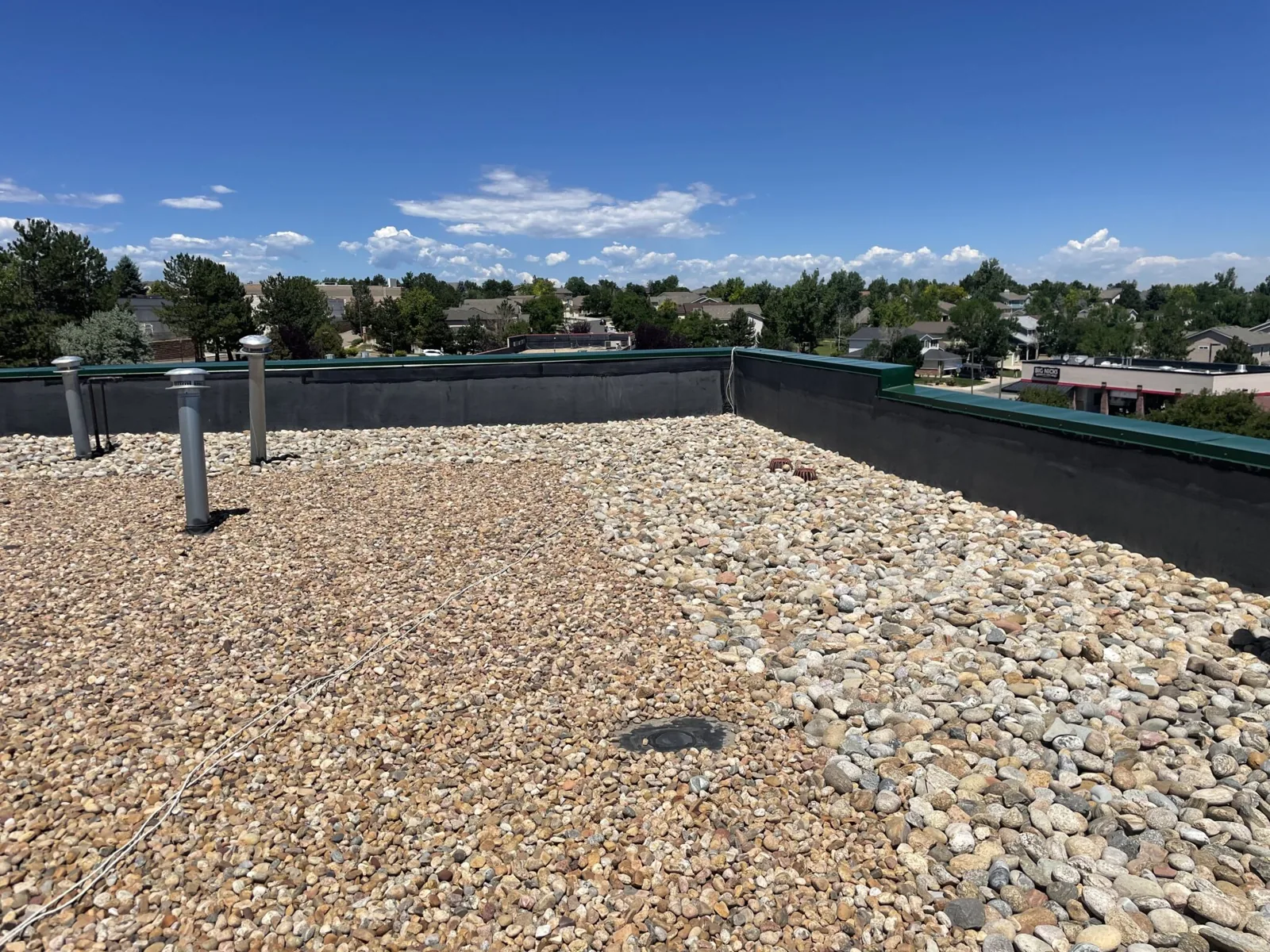
Along SH 121, The Colony pairs commercial and warehouse development with mixed-use projects that include offices, retail, hotels and residences, so truck routes and staging space are shared with busy neighbors. We inspect each building independently. If a roof remains dry below the membrane and the assembly supports an overlay, a recover option can be compared with replacement work before the operator selects a sequence.
Coordination log: equipment, crews and daily closeout
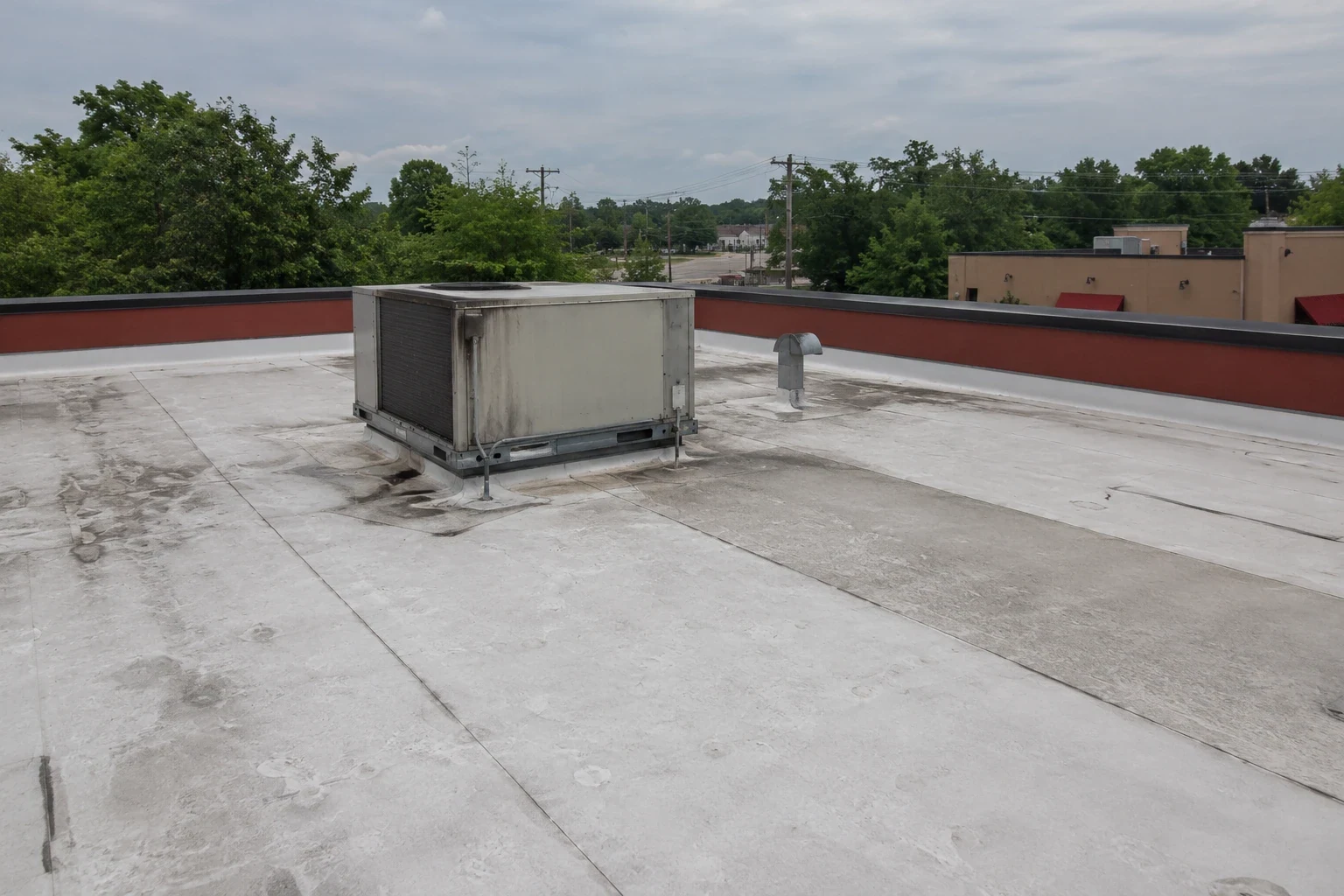
Conveyors, exhaust fans, smoke vents and rooftop units can affect where a crew walks and how a repair is completed. We photograph each curb or support, mark it on the zone map and record whether the equipment owner must approve isolation. Material is staged outside marked traffic paths, and a spotter or barrier can be included when the site's rules call for it. At day's end, the access log states which sections were closed and who accepted the roof condition.
A roofing sequence that crosses multiple shifts needs stop points the warehouse team can recognize. We identify the membrane area opened, the temporary protection used and the test that confirms the repair is ready for the next operating period. A phased occupied-building reroof may work when zones can be closed in sequence. The facilities lead receives the schedule and the remaining items before the next dock window begins.
Closeout packet: one record for each building
The closeout packet carries the roof plan, dated photos, moisture readings when taken, repair limits, materials recorded and any work deferred. It identifies which section was tested and the person who confirmed the area could return to use. For a 3PL managing multiple addresses, consistent fields make it easier to scan open items without blending evidence from one building with another. A multi-site roof schedule can show the next inspection date and unresolved tests beside each location.
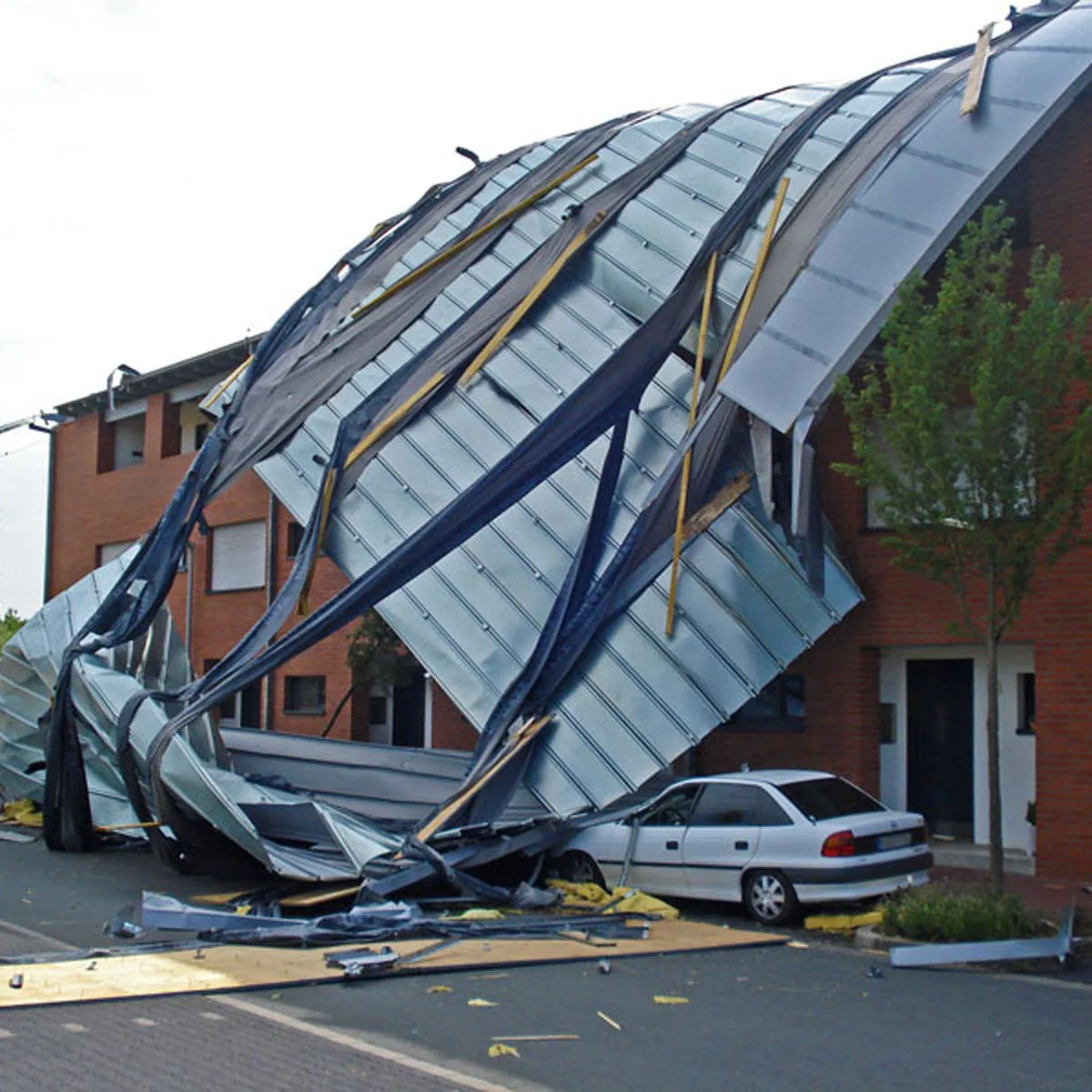
If storm damage is considered, the file distinguishes a regional weather event from what the roof inspection found. We can organize the observations for the owner's claim discussion, but coverage remains a separate policy decision. A claim documentation review keeps the dated photos and roof locations aligned with the repair scope. A portfolio review for property managers carries open roof findings into tenant and building handoffs, address by address.
Commercial Roofing Questions
How do you plan a roof repair around outbound freight?
We confirm the dock schedule, lift placement, traffic lanes and daily stop point with the site contact. The scope divides work into sections that can be protected and closed within the approved window, with a record of any lane or access change.
Can a leaking area be repaired without stopping a sort line?
That depends on where access and protection can be established. We map the reported leak to the roof, identify the repair boundary and coordinate any needed isolation. If the area cannot be made safe within the operating window, the sequence should reflect that limit.
What roof information helps compare several fulfillment buildings?
Keep each property's roof plan, zone labels, system notes, dated photographs, moisture findings, repair history and access limits. A portfolio view can group timing and priority while keeping the evidence attached to each address.
What turns a storm report into a roof finding at a warehouse?
The inspection does. A report may be a reason to schedule a pass, but a finding needs evidence from the building. We inspect seams, edges, penetrations and drainage, then note which conditions are fresh, older or still uncertain.
What should the shift lead receive after roofing work?
A closeout note that identifies the repaired zone, test completed, temporary protection removed, access route restored and any remaining item. The facilities contact can then match the record to the building's work order.
Related
Related Roofing Work
The Colony
Manufacturers
Roof Drains, Scuppers and Ponding Correction
Commercial Roof Leak Repair
Roof Recover and Overlay Systems
Commercial Roof Replacement
Plan a dock-aware roof inspection
Schedule a Lewisville logistics roof visit with your site contact and receive zone-based findings, work-window needs and closeout steps for the operations team.