
Roof Insurance Claim Assistance in Lewisville, TX
Overview
Roof Insurance Claim Assistance in Lewisville
Claim files are won or lost on specifics: which roof zone, which defect, photographed when, and tested how. Insurance for a commercial roof is a conversation between a policy, an adjuster and a building, and the building is the part we can document. Our role is to produce the roof evidence, including hail damage findings where they exist, in a form that a property manager, an adjuster and a contractor can all read, without telling anyone how a claim should come out.
In Lewisville, TX severe storms peak in spring, and office, retail and industrial properties along I-35E and SH 121 share that exposure. Hail, wind and tornado activity reaches the Metroplex nearly every year without reaching every address, so each roof needs its own findings rather than a regional assumption.
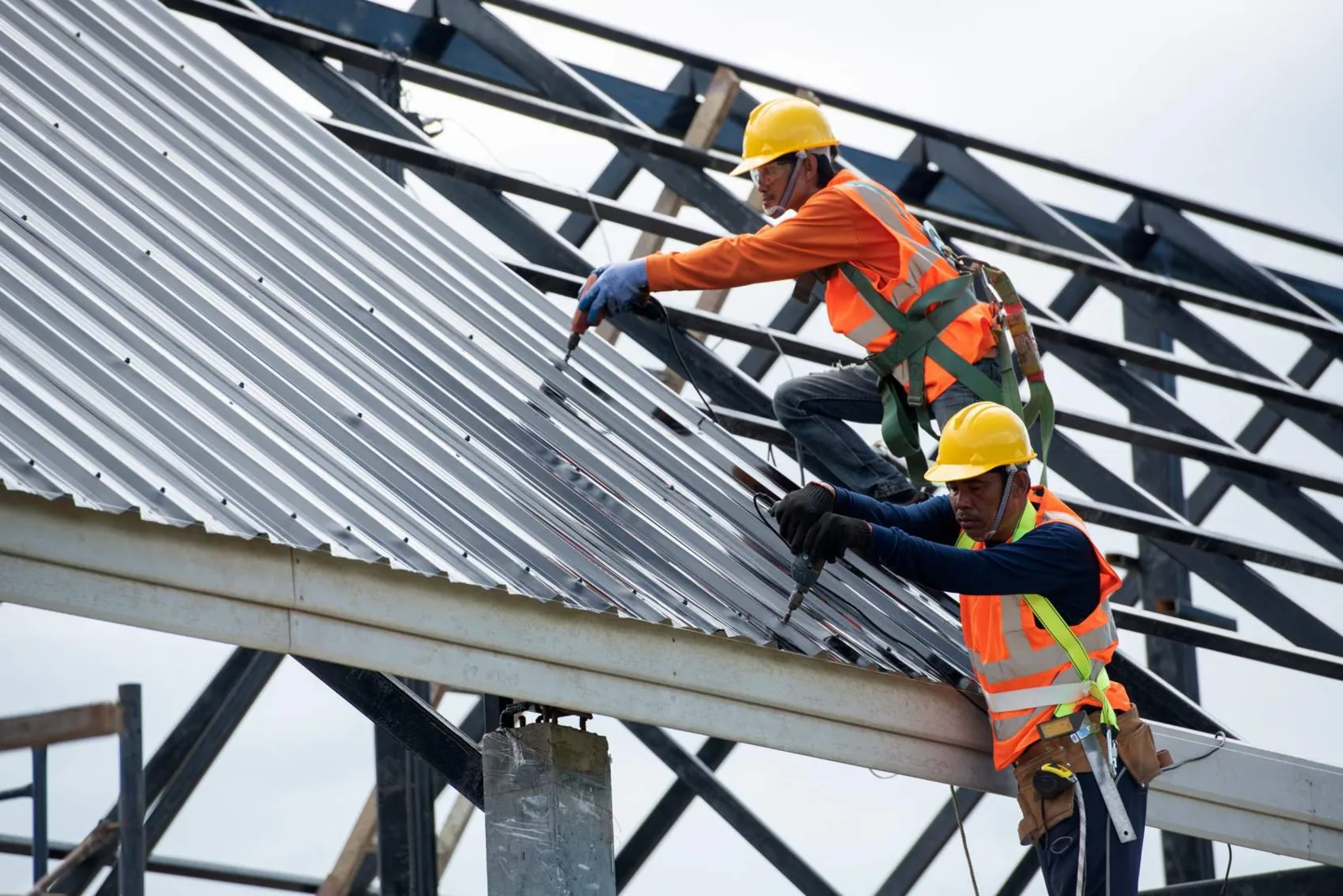
Decision file: what the claim packet starts from
We begin by collecting what already exists: the last roof plan, earlier inspection reports, repair invoices, warranty papers and any photographs from before the loss. The date of the last record matters, and a recent commercial roof inspection is the best one to have, because it fixes the roof condition at a known time. Where no earlier record exists, the first inspection becomes the baseline and the file says so.
A property manager can speed this stage by pulling the service log, the tenant complaint list and the dates of any leaks. Each of those items is scanned into the decision file, which we keep in a consistent order so that an adjuster or a second reviewer can find a fact without a walkthrough.
Dated finding: describing damage without assigning the cause
Each entry in the file has a location, a date, an image and a plain description. We write what is visible, such as a fractured membrane, a displaced coping cap, a bruised surface or a wet core sample, and we leave the cause open unless the evidence settles it. A weather report establishes that a storm occurred in the region. It does not prove what happened on one roof, and the file never claims it does.
When a mark could be new damage or old wear, we say so and note the test that would resolve it. That practice keeps the file credible. An adjuster who sees clear, bounded findings is more likely to work from them than from a broad summary, and the owner is protected from conflicts over details that were never tested.
Moisture reading: showing what the surface hides
Claims over roof loss often turn on whether water reached the insulation. A roof that looks sound can still hold wet board, and that changes the repair from a patch to a section replacement. An infrared moisture survey maps the suspicious areas, and core cuts at marked points confirm the reading.
We photograph each cut, patch it the same day and log its location so it can be found again. The moisture map goes into the file beside the photographs, which lets a reader see at once which roof zone is dry, which is wet and where the boundary runs between them.
Work coordination: adjuster visits, tenants and trades
When the adjuster visits, we arrange roof access, bring the file and walk the marked areas. We answer questions about what we found and how, and we do not speak for the owner on coverage. Interior ceiling damage is often handled by a separate trade, so the moisture map goes to them as well. This avoids a second contractor opening a ceiling that the roof evidence already cleared.
Properties along Business 121 and in Old Town have tenants who keep working while the roof is reviewed. We schedule roof entry with each tenant, log the time and note any restriction on the day, since a restricted area in the log explains a gap in the photographs. If a tenant moves equipment onto the roof after our visit, the change is logged too, with a new photograph of the affected zone and the date it was made.
Options review: repair, partial replacement and full replacement
The file closes with a scope that sets the options side by side. A storm damage repair scope covers isolated impacts and open seams. A section replacement covers a roof zone with wet insulation. A full replacement is a separate line, supported by the moisture map and the age and condition of the rest of the roof.
Each option carries a quantity, a material description and a work sequence. The roof condition report sets out where the repair boundary sits and why. The owner can then show the report to the insurer, the lender or the ownership group, and to any firm in the insurance restoration field involved in the loss, and then decide which option to fund. Permit questions are settled early. Before work starts, the permit office confirms which edition and amendments apply, and the 2021 International Building Code is part of the adopted list.
Closeout packet: what the owner keeps after repairs
When the work is finished, the packet is closed with before and after photographs for every repaired zone, the material list, the dates of each work day and any change to the scope. It also carries the final moisture readings where they were retaken, so a reader can see that the wet areas were removed rather than covered.
That packet stays with the building. A new property manager, a lender doing a review or a buyer's consultant can read the roof history from the first inspection to the last repair photograph without calling anyone. If a second weather event arrives, the closeout packet becomes the baseline, and the next claim file starts from a known roof condition instead of from a blank page. The packet also lists who attended each visit and on what date, so a later reviewer can match every photograph to a day and a person on the roof.
Commercial Roofing Questions
What should a property manager photograph before the roof inspection?
Interior ceiling stains, active drips, wet floors and anything on the roof that is visible from a safe spot, each with the date. Do not pull wet tile or open ceilings that would change the picture, because the moisture path is part of the evidence.
Does a dated roof record from before the loss help?
It does, because it fixes the roof condition at a known time and lets a reader compare the earlier photographs with the new ones. If a record is missing, the first inspection serves as the baseline, and the file states that it was written after the loss.
Will you tell me what the policy covers?
No. Coverage belongs to the policy and the carrier. We supply the roof facts, a repair scope and quantities, and we answer technical questions from the adjuster. The owner decides who speaks about coverage.
What happens when the adjuster and the contractor disagree about the scope?
The file points to the evidence: the photographs, the moisture map and the core cuts. If a disagreement remains, we propose a specific test, such as another core cut or a side-by-side walk, to settle it, and we record the result. Opinions without a test do not move the scope, and the result of the test goes into the file with the same date and location fields as every other entry.
Can temporary repairs be made while the claim is open?
Yes, and they should be. A temporary dry-in protects the building and limits further loss. We photograph the roof first, record the materials and keep the temporary work separate in the scope from the permanent repair.
Related
Related Roofing Work
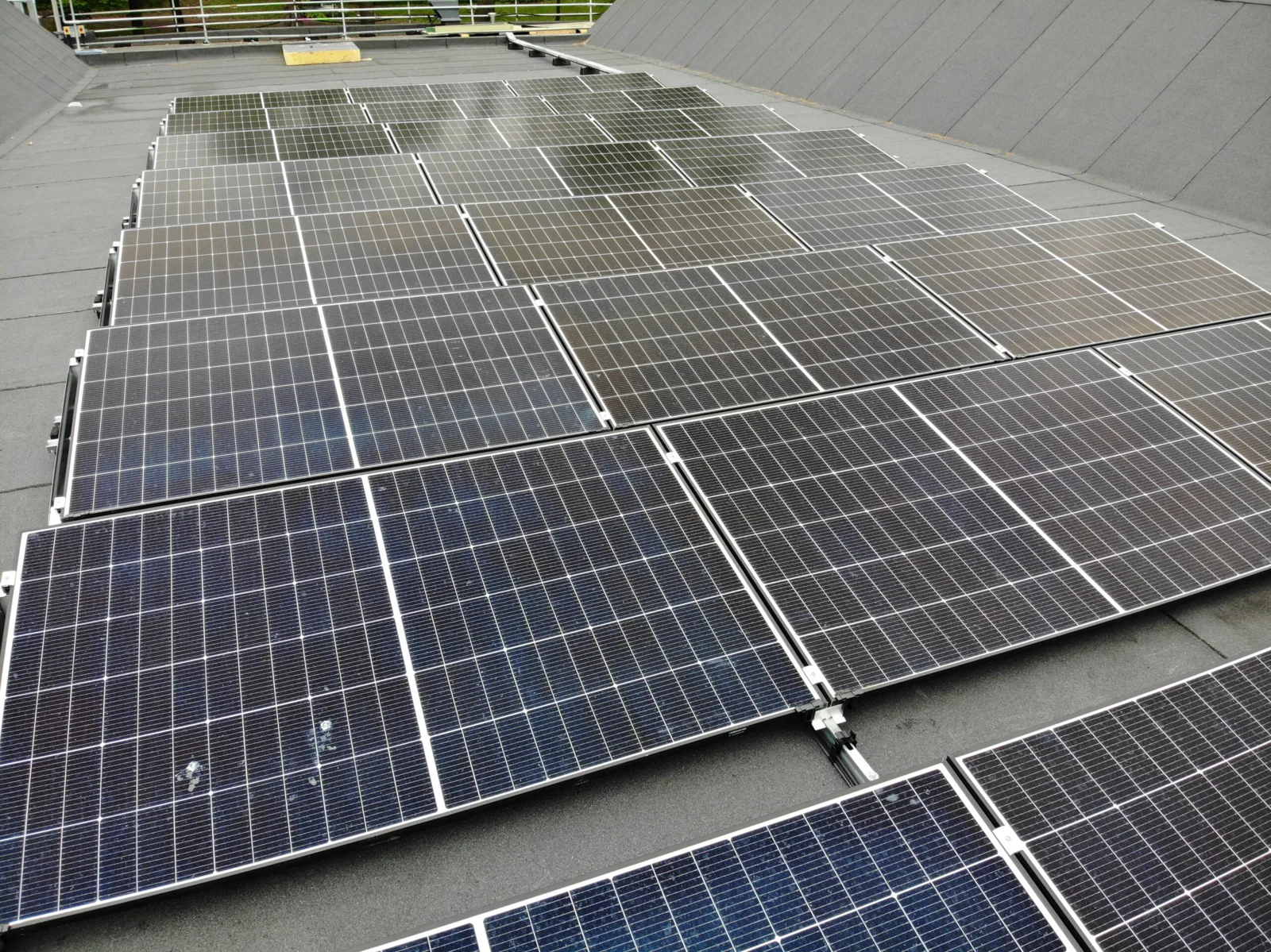
Hail Damage Roof Repair
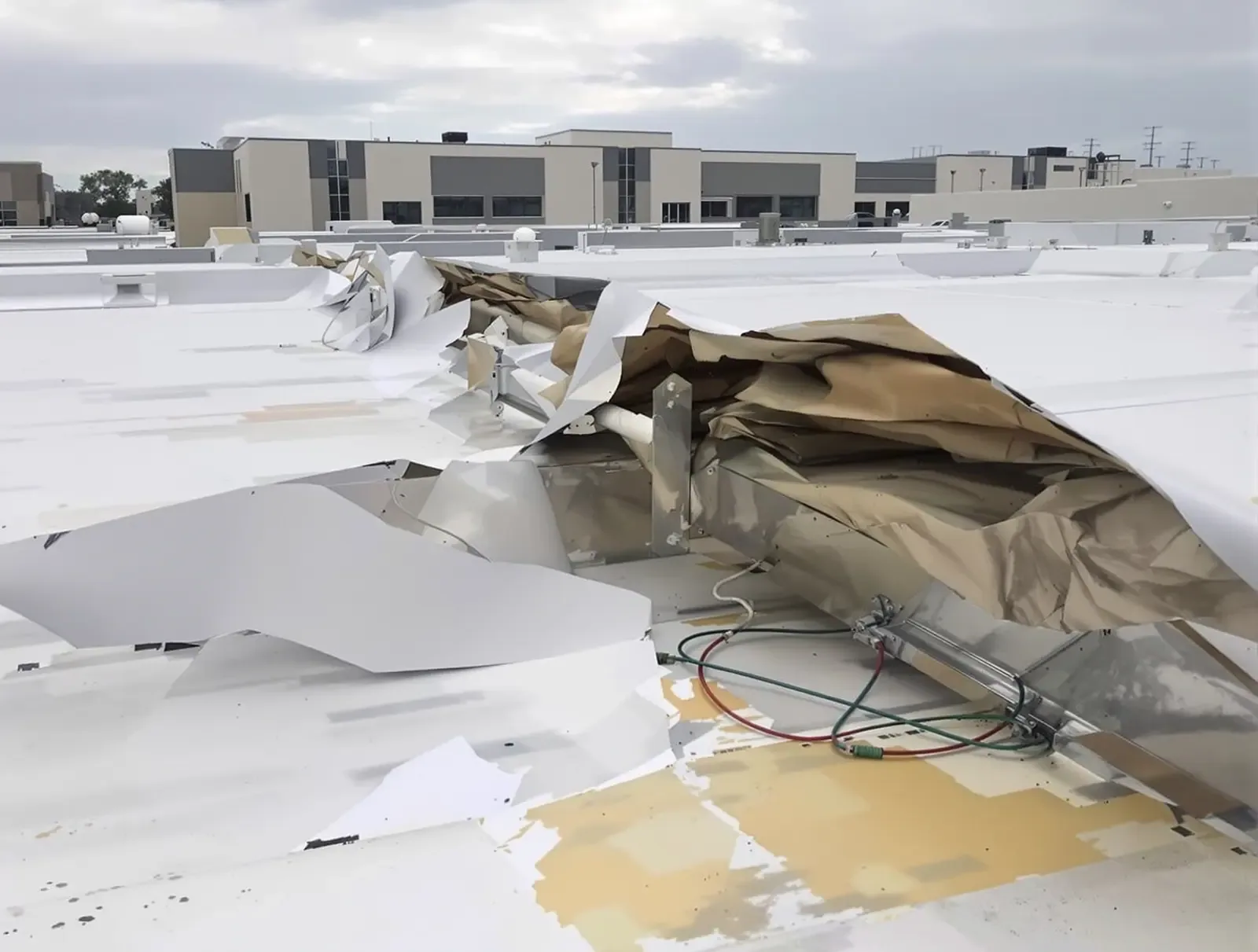
Commercial Roof Inspections
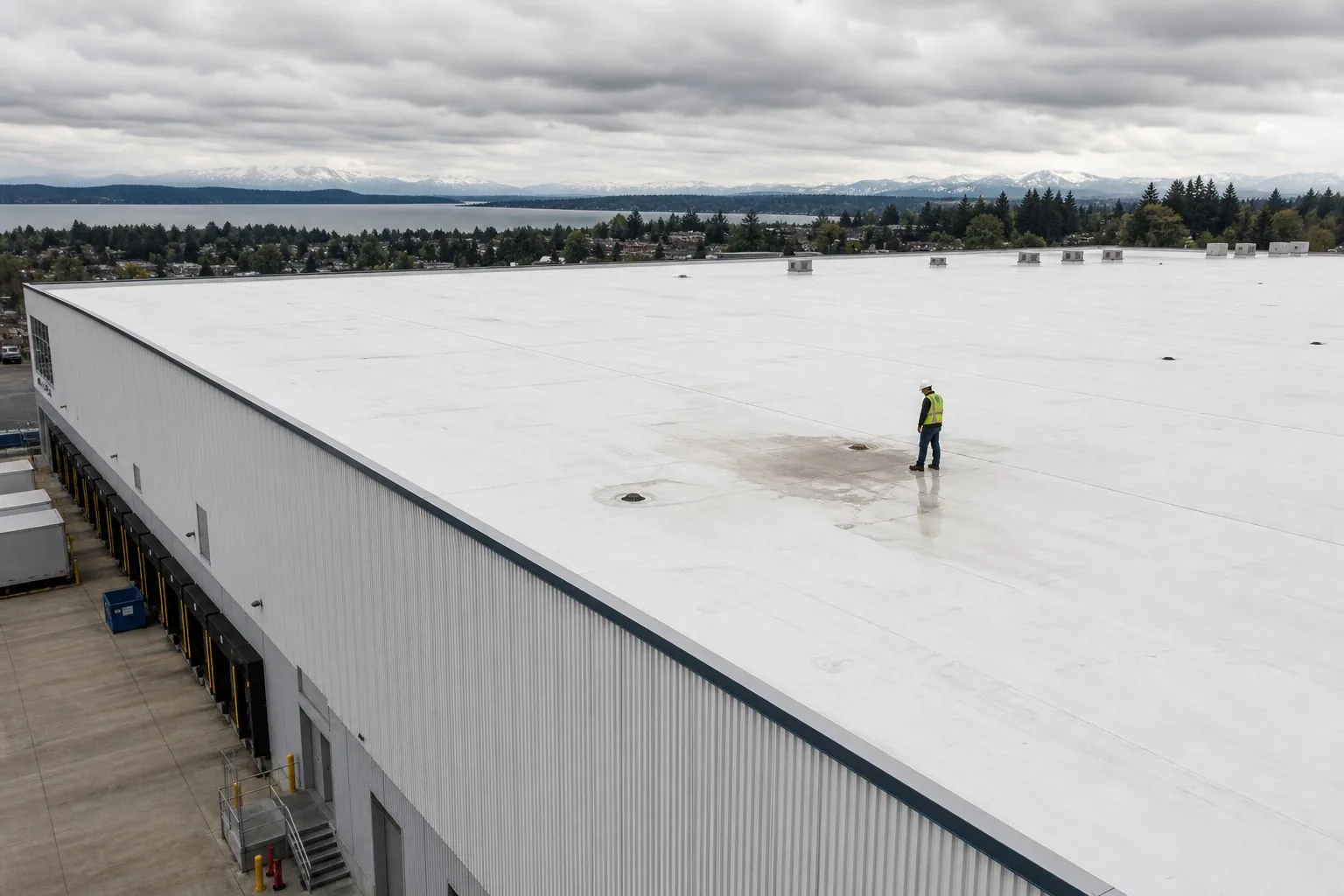
Infrared and Core-Cut Moisture Surveys
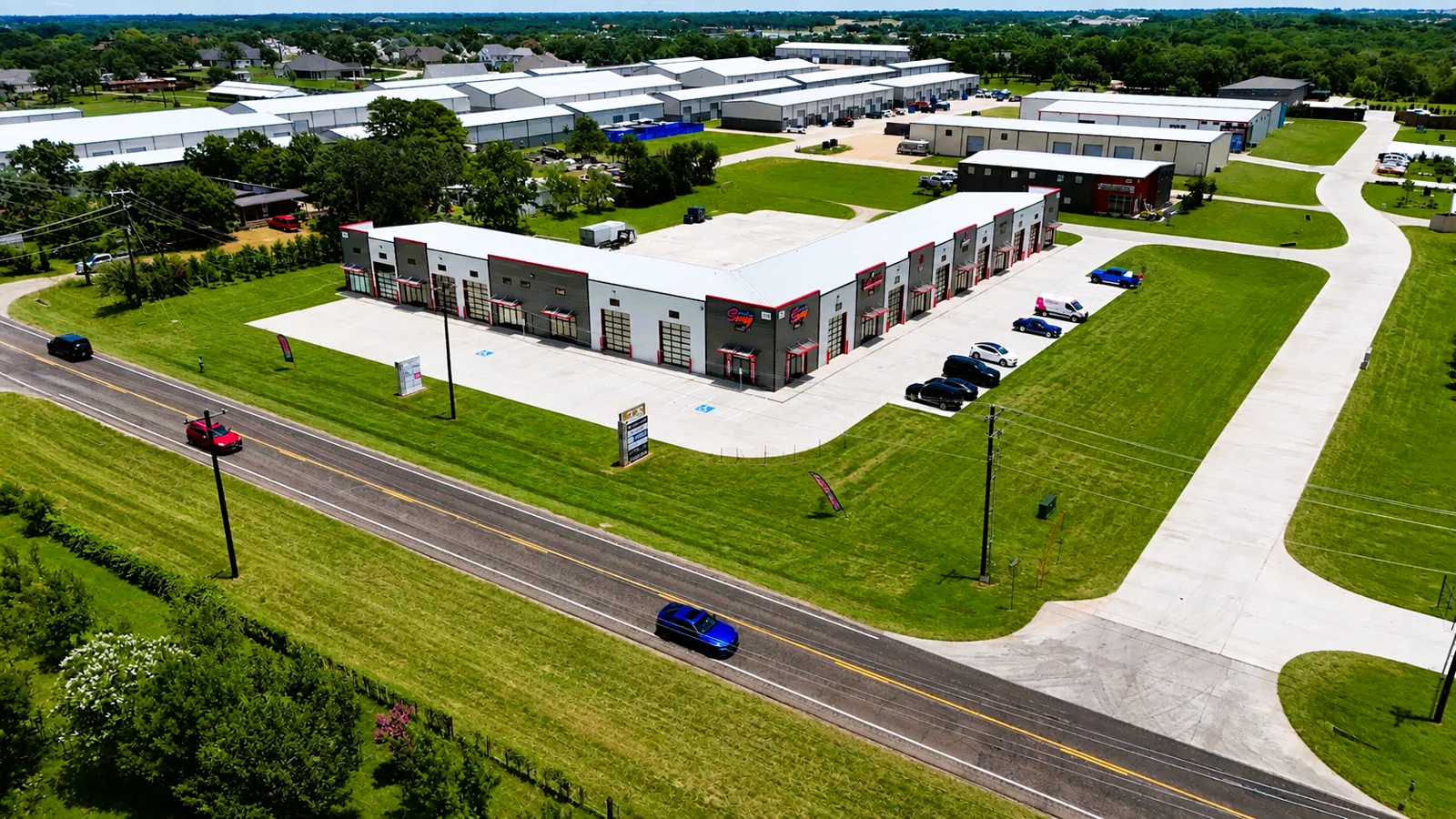
Business 121 Corridor

Old Town
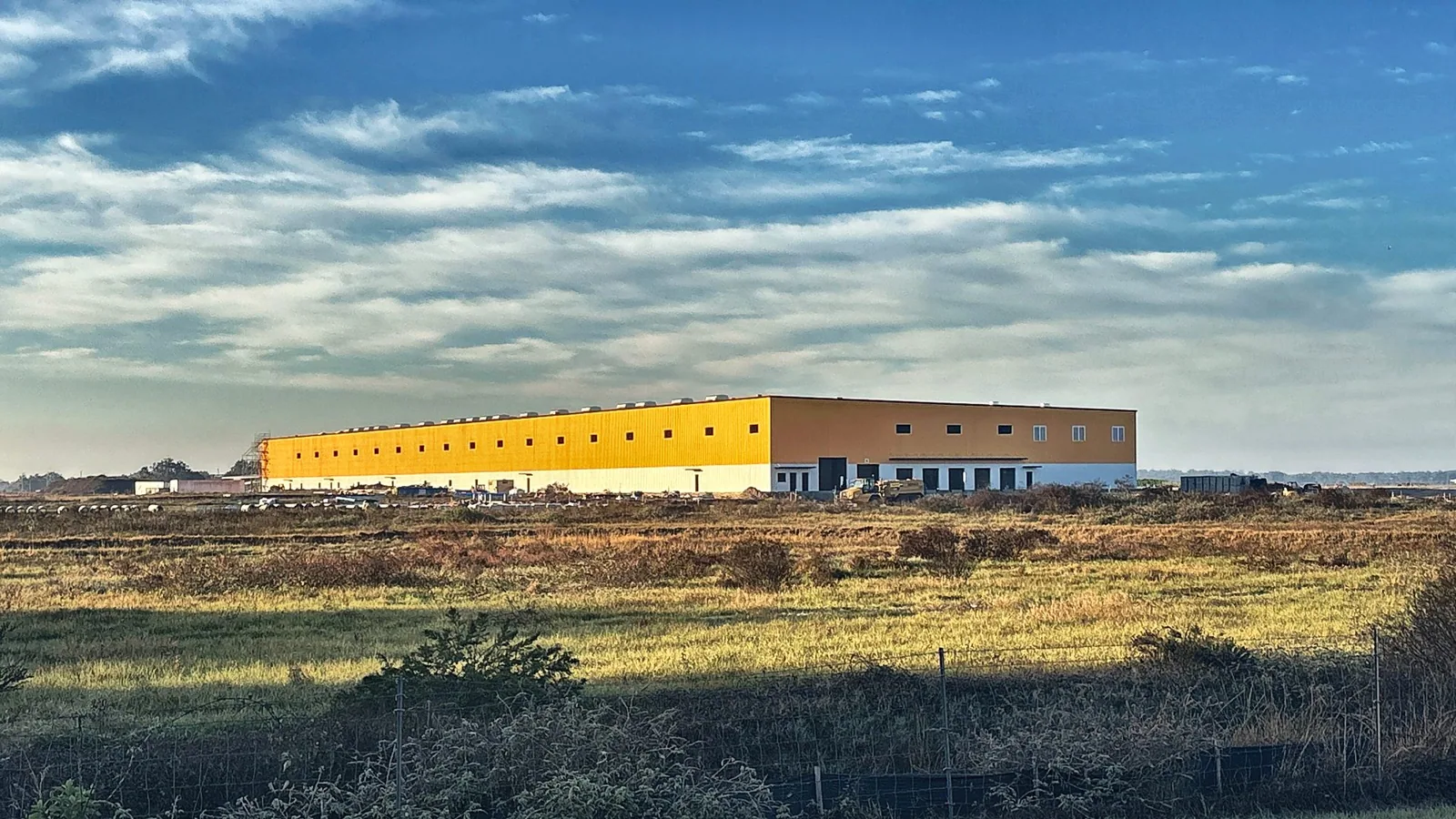
Storm Damage Roof Repair
Build the roof file for your claim
Ask for the roof file before the adjuster visits. It holds dated photos, moisture findings and a zone-by-zone repair scope you can share with the carrier, lender or owners.
