
Hail Damage Roof Repair in Lewisville, TX
Home // Roof Damage Repair //
Overview
Hail Damage Roof Repair in Lewisville
A hail report calls for an inspection; it says nothing yet about one particular Lewisville roof. By NWS account the Metroplex sees large hail, damaging winds, flooding and tornadoes nearly every year, although a given address may be spared in any one year. A radar swath that crosses the city says little about what landed on a given roof, and a claim built on the swath alone invites a dispute. The inspection pass in Lewisville, TX therefore starts with the service log and the last roof plan, then goes to the roof.
Spring is when severe thunderstorms peak in the region, so the pass is usually scheduled after one. The photo sequence shows the whole roof zone first, then moves to suspect details, which keeps a new dent from being confused with older wear. Each finding gets a position, a clear image and the next test it needs.
Dates carry weight here. The storm date, the inspection date and the date of any earlier roof work are all written into the first page of the record. A roof replaced the year before a hail event reads differently from one replaced a decade earlier, and the insurer will ask which applies.
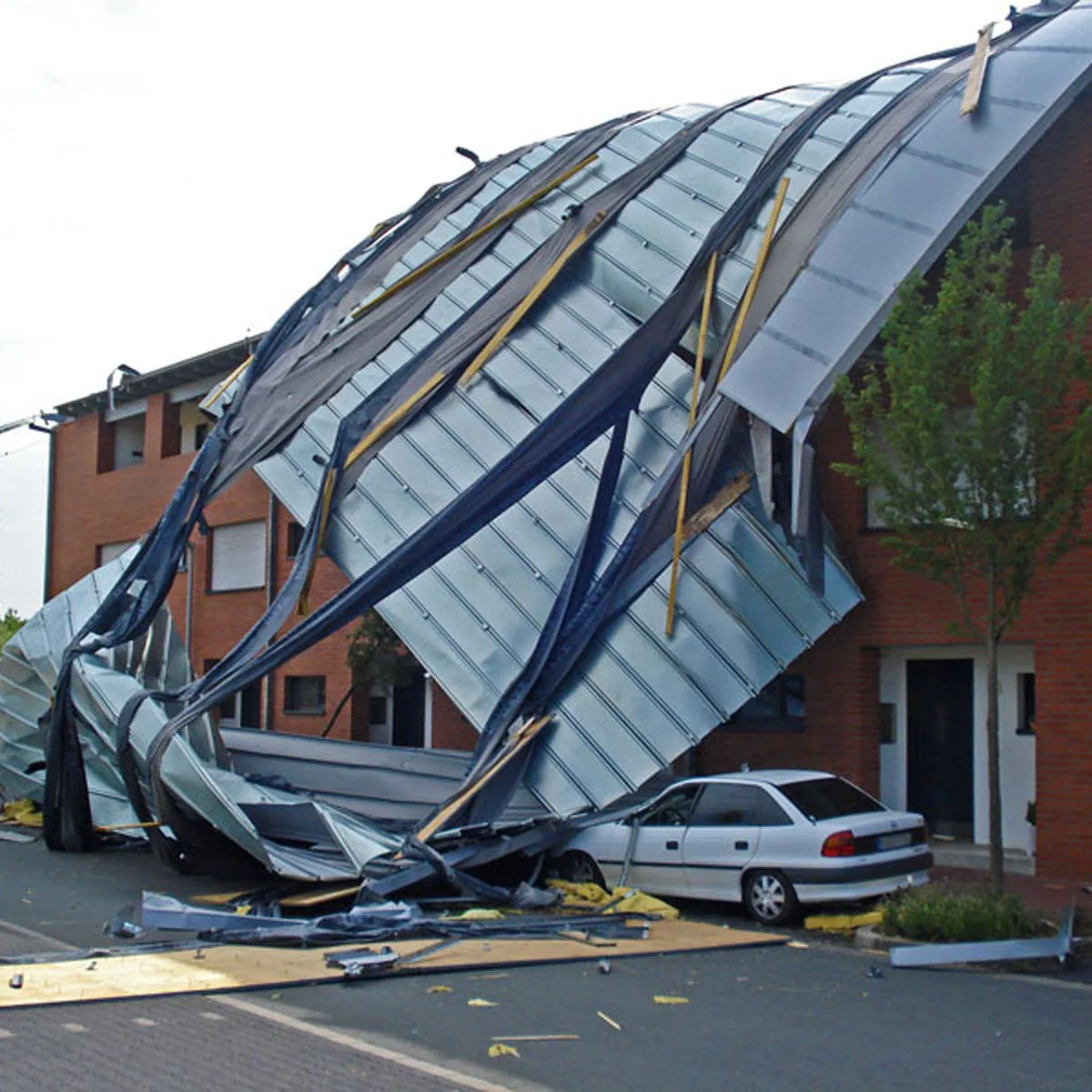
Inspection record: what hail leaves behind
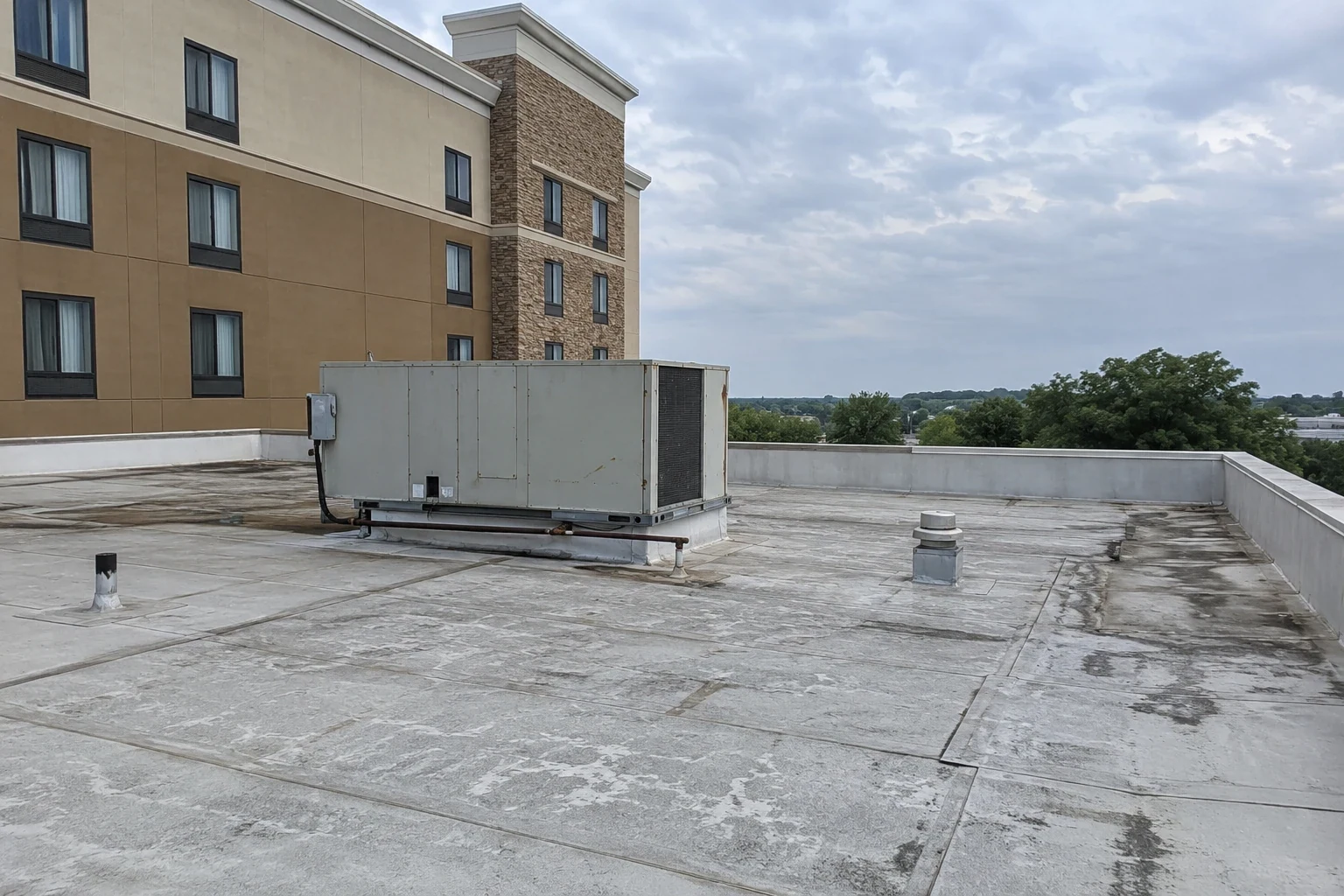
Hail marks differ by surface. On a single-ply sheet, hail can leave bruises, fractures at the point of impact or punctures, and the marks often show as round depressions in a scattered pattern. On modified bitumen and built-up roofs, it knocks granules loose and can crack the surfacing. On metal panels, it dents ribs and can strip coatings. On rooftop equipment, it bends condenser fins and cracks plastic housings and skylight domes.
We look at soft metals first, such as vents, flashings and unit housings, because dents on them give a dated, easily photographed record of hail size and direction. Spatter marks and fresh, bright dents point to a recent event. Weathered, dulled marks point to earlier ones. The record states which kind each mark appears to be.
Ponded areas and low spots collect hail-damaged granules and debris, and drains near them clog. We check each drain and scupper during the pass and photograph the result, since blocked drainage after a storm can turn a repairable roof into a wet one within a rain or two.
Evidence sequence: test squares and mapping
To judge how widespread the damage is, we mark test areas of equal size on each roof slope and count the marks inside each one. The counts, the positions and the photographs go on the roof plan. A slope facing the storm often shows more than the lee side, and the plan shows that pattern. A roof with a handful of cosmetic marks is documented and watched. A roof with fractures through the sheet needs repair.
Hail can damage a roof without leaking right away. A bruise weakens the membrane, and the first heavy rain or the next summer's heat can turn it into a hole. A puncture found during the pass is repaired or temporarily sealed, and the record gives its location and size.
Skylights deserve their own count. A dome that cracked in a storm may still hold water on a dry day and fail in the first rain. Each skylight, vent hood and rooftop unit is listed with its condition, and a skylight flashing repair goes into the scope when the frame or seal is hurt.
Moisture reading: surface or insulation
If hail damage is visible, a moisture survey can show whether the concern reaches the insulation or stays at the surface. An infrared survey on a clear evening maps warm and cool areas, and core samples confirm which are wet. Hail fractures in insulation boards may not show on the surface, so a core at a heavily marked area can find damage the walk cannot.
The reading separates two decisions. A dry roof with surface damage may be repaired or coated. A roof with wet or fractured insulation across a section moves toward replacement of that section. Both go into the options review with the readings attached.
Dates and weather conditions accompany each reading. A survey after a rainy week reads differently from one after a dry week, so the same positions are read twice to show whether the wet area is growing.
Work coordination: access and the storm calendar
Many Lewisville roofs are on properties along I-35E and SH 121, where office, retail, industrial and mixed-use tenants keep different hours and limit roof entry. The access log records each entry, the escort and the hatch. After a widespread storm, owners across a region may call at once, so a booked inspection date and a written plan for the day protect the schedule.
Temporary protection comes first when water is entering: a patch over a fracture, a cover over a cracked skylight, a seal over a torn flashing. The permanent repair waits for a dry window, and spring and fall are typically the wettest seasons, so the plan names a fallback date.
Heat belongs in the plan too. Summer highs near 96 degrees Fahrenheit in the regional normals soften hot surfaces, so crews start early and probe each patch after it cools.
Options review: repair, coat or replace
The options follow the evidence. Scattered fractures on a sound, dry roof are patched. Widespread bruising on an aging sheet may lead to a restoration coating if the insulation tests dry and the manufacturer allows it, or to replacement. Metal panel dents that do not break the coating are cosmetic, and those that do are repaired. The review shows each path with its cost drivers: area, layers removed, insulation, access and work window.
Before any permit, confirm which edition and amendments of the 2021 IBC apply, since Lewisville lists that code among its adopted ones. The scope states the questions early. A roof hit by hail and wind together follows the sequence for storm damage repair, with each hazard recorded under its own heading.
Closeout documentation: claim-ready file
An insurer reads a file faster when it separates weather from building evidence. The decision file holds the dated photographs, the test square counts, the plan with marks and slopes, moisture readings, the temporary protection record and the scope, with emergency and permanent items apart. The record never claims that a storm proves the cause. It shows what the roof displays, and the adjuster draws the conclusion.
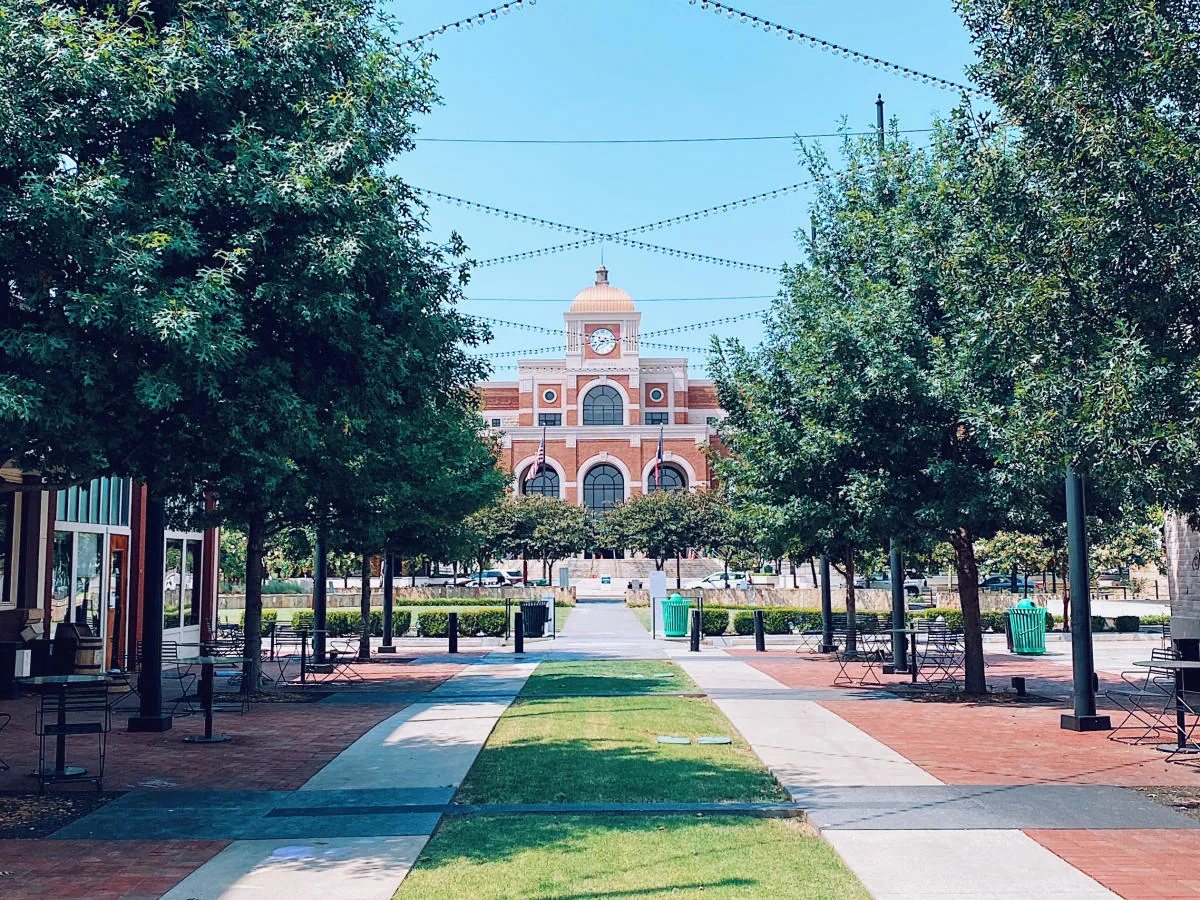
Owners with several buildings near the Business 121 corridor and elsewhere can use the same file for each, which helps in a portfolio review. Wind damage from the same storm goes into the same file under its own heading.
The record closes with a follow-up date. A visit after the next heavy storm checks the repaired areas and any marked bruises, so a mark that has become a leak is found before the interior shows it.
Commercial Roofing Questions
Does a hail report mean my roof is damaged?
Not by itself. The report is a reason to inspect. Dated marks on the roof, counted and photographed, are what support a repair or a claim.
How can new hail marks be told from old ones?
By appearance and pattern. Fresh marks are bright and sharp. Weathered ones are dull, and the record notes which kind each mark seems to be.
Can hail damage hide under a dry surface?
Yes. Fractured insulation or a bruised sheet may show nothing on the surface, so a moisture survey and a core at heavily marked areas are part of the pass.
Will a coating fix hail damage?
Only on a sound roof with dry insulation, and only where the coating maker allows it. Fractures through the sheet need repair first.
What does an adjuster need to see?
Dated photographs, test square counts, a plan marking the damage, moisture readings and the temporary protection record.
Related
Related Roofing Work
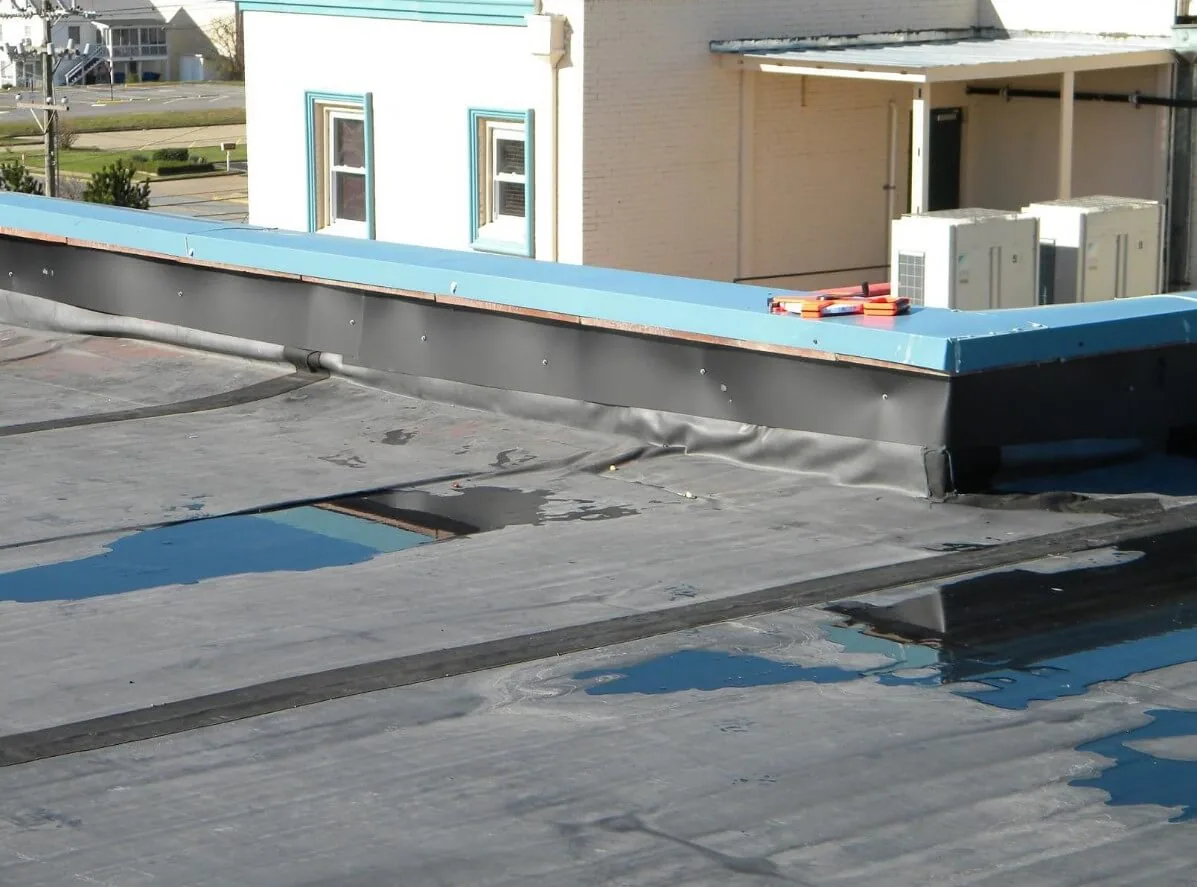
Membrane Puncture Repair

Skylight and Penetration Flashing
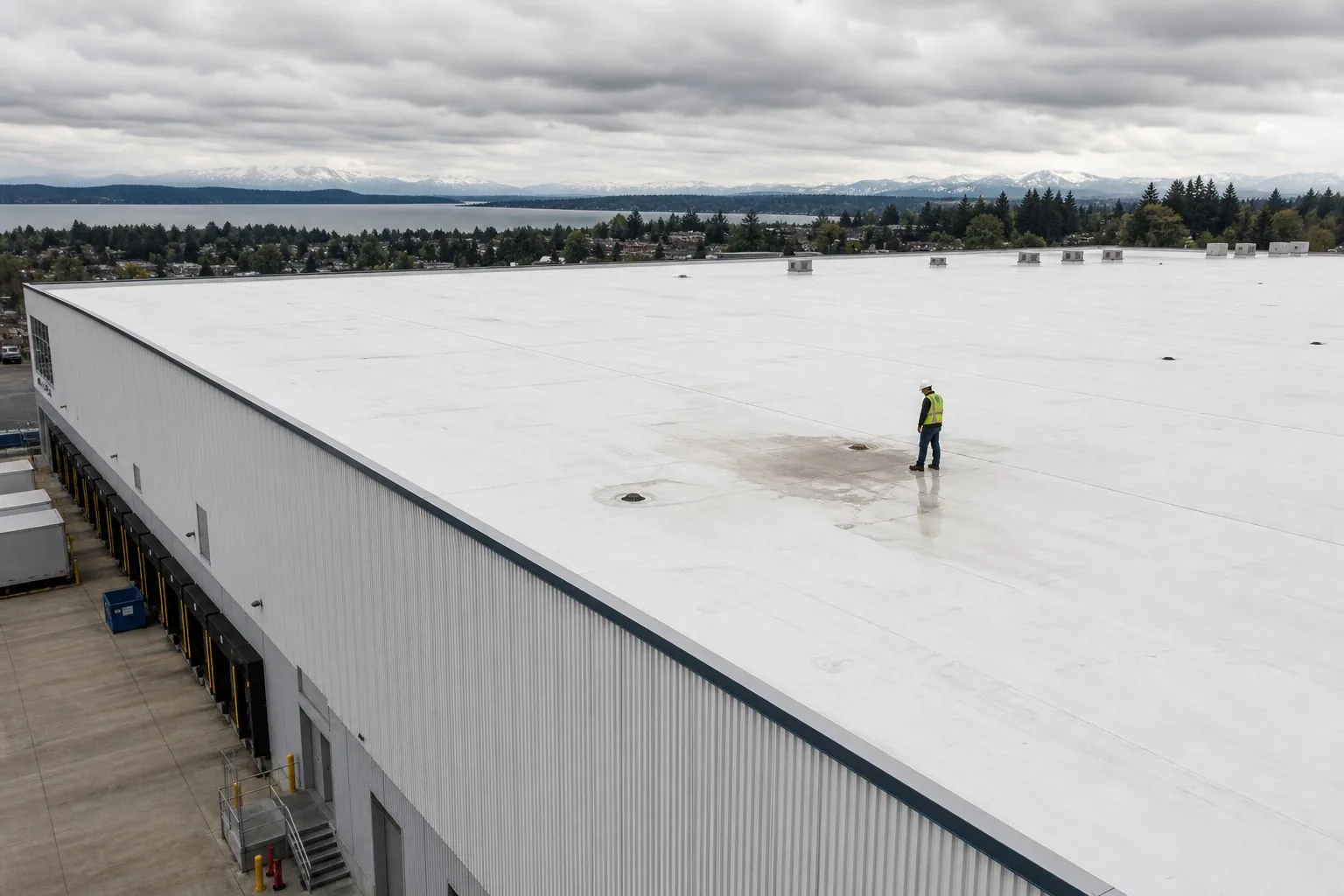
Infrared and Core-Cut Moisture Surveys
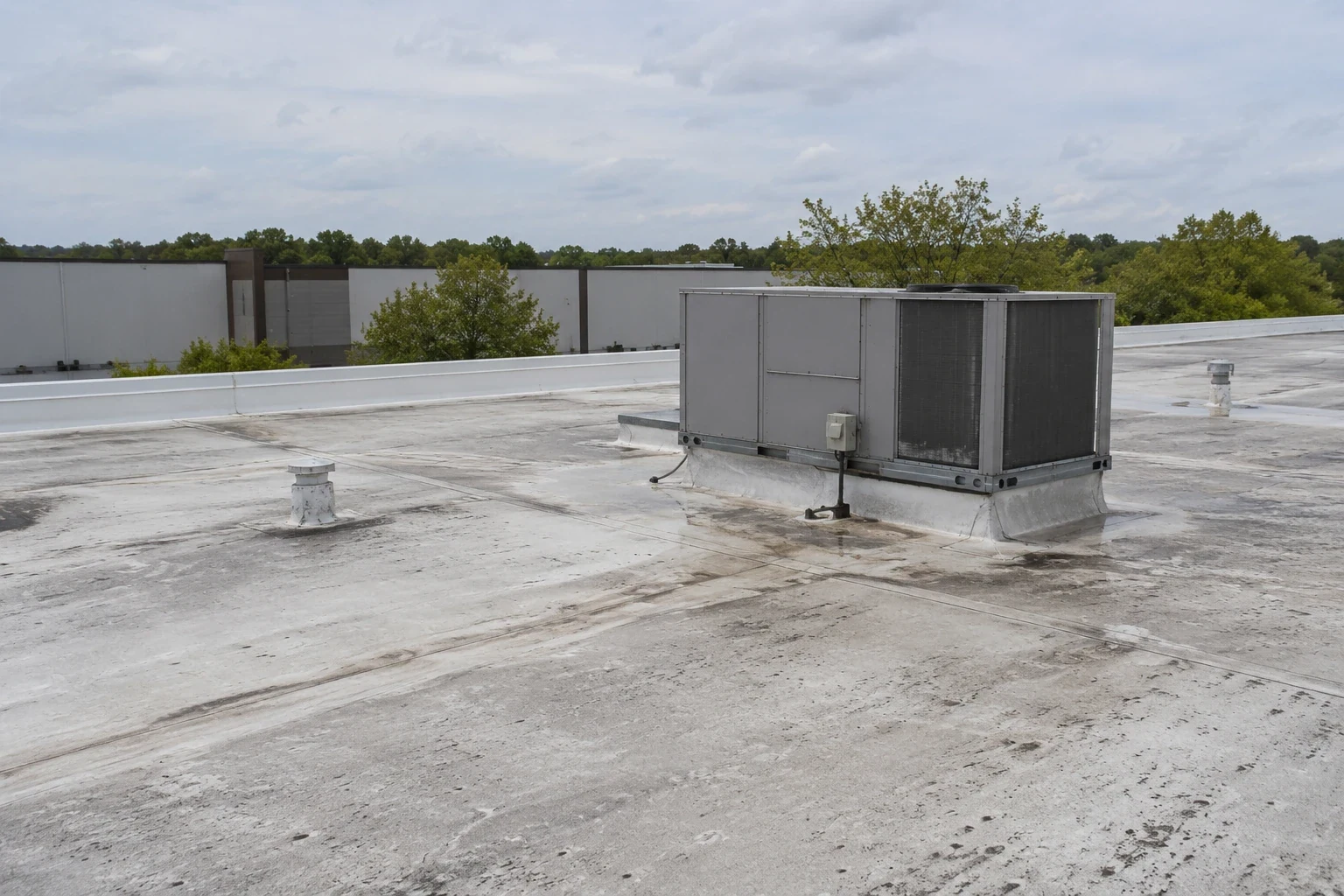
Roof Coating and Restoration
Storm Damage Roof Repair
Business 121 Corridor
Schedule an inspection and get a dated record
Send the property manager's list of roofs, the storm date and any access limits. We will return a dated condition record with photographs, findings and recommended next steps.