
Skylight and Penetration Flashing in Lewisville, TX
Overview
Skylight and Penetration Flashing in Lewisville
Every hole cut in a roof is a place where the membrane has to be rejoined, and the joins fail long before the field does. Skylights, vent stacks, conduit, gas lines, exhaust fans and drain bodies all depend on flashing that is bonded, lapped and sealed correctly. On a Lewisville, TX roof, where July and August normal highs sit near 96 degrees at the Dallas-Fort Worth airport and spring storms drive rain sideways, those joins are exposed to constant movement and wetting. The Weather Service lists large hail and damaging winds among the hazards that occur nearly every year somewhere in the Metroplex, and both find the weakest flashing first.
When a tenant reports a stain, the first question we ask is which penetration sits upslope of it, because that is where a leak path most often begins.

Inspection pass: mapping every penetration on the roof
We start by mapping. Each skylight, curb, pipe, conduit run, vent and support post gets a number on the roof plan and a photograph from two angles. The map lists the type of penetration, the flashing method, the material and the condition. A roof with many penetrations needs many entries, not a general remark that the details look aged.
With the map in hand we look at the common failures: sealant that has cracked or pulled from the surface, flashing that has lifted at a corner, a pipe boot split by sun, a clamp that has loosened, and a curb whose cap has shifted. Where several defects cluster near one unit, we trace the water path before assigning a cause. A cluster usually points to a single failed element that has been sending water in several directions. We mark the suspected source on the plan, note what test would confirm it, and run that test before the repair price is written, because replacing five details when one was at fault wastes the budget.
Attachment detail: skylights, curbs and the glazing joint
A skylight sits on a curb that rises above the roof, and flashing wraps the curb on all four sides. The weak points are the corners, where membrane must fold around a right angle, and the high side, where water running down the slope meets the curb. A cricket behind the high side sends that water around the unit instead of into the flashing.
The glazing joint is a separate matter. Gaskets, glazing tape and sealant at the dome or the frame age under sun, and a leak there looks like a roof leak. We test the frame before the flashing, because replacing a curb flashing does not stop a failed glazing seal. Where a skylight has reached the end of its life, replacing the unit and the curb together usually avoids repairing each piece twice. A unit that sits on a failing equipment curb brings its own flashing problem, and the curb and its supports are assessed in the same pass as the skylight beside it.
Dated finding: pipes, conduit and the small penetrations
Small penetrations leak in large numbers. A rubber boot dries and splits in the Texas sun. A pitch pocket shrinks and opens. A conduit that crosses the roof on a short support rubs through the membrane when the roof expands and contracts. With roughly 20 days a year reaching 100 degrees at the airport, the repeated daily swing wears every one of these details.
Repairs follow the penetration type. Boots are replaced, not patched. Pitch pockets are replaced with a pre-molded flashing or a sealed collar. Conduit supports are raised so the line clears the membrane. Each repaired penetration gets a before and after image tied to its map number, so the file shows exactly which units have been renewed and which are still original, and a future tenant installing new equipment can see at a glance which details sit nearby. A flashing failure repair that skips this step tends to return as a new leak next to the old one.
Moisture reading: how far the water traveled from the penetration
Water that gets past a flashing runs along the deck or the insulation before it shows up at a ceiling. The stain is often several feet from the entry point, and sometimes on another side of the unit entirely. An infrared moisture survey around the penetration shows the wet path, and a core cut confirms it.
If the insulation around a penetration is wet, it is cut out and replaced before the new flashing goes in. Flashing over wet board only hides the problem. We record the extent of the wet area and the replacement so that a later reviewer can see that the cause, not just the symptom, was addressed. The result is a tighter repair boundary and a lower chance of the same leak returning.
Work coordination: skylights over occupied space
Skylights and exhaust fans sit over rooms that are in use, which changes the work plan. Interior protection goes up before any flashing is cut. Tenants are told which areas are affected and when. For offices and retail spaces in the Central I-35E district and along the Business 121 corridor, access hours are set building by building, and the log records the times the roof was occupied by our crew.
Mechanical trades may need to shut down a fan or disconnect a line, so the sequence is agreed with them before the first day. Rain delays the work for the same reason it matters to the building: an open curb during a Metroplex spring storm is a direct path into the space. We close each penetration at the end of every shift, even if the permanent work resumes the next day. For buildings near the SH 121 interchanges, where office, retail and multifamily uses share the same stretch of road, a tenant notice goes out the day before so no one is surprised by crew noise above their space.
Commercial Roofing Questions
How do you tell a skylight glazing leak from a flashing leak?
We test the frame and glazing joint with controlled water before touching the curb flashing, and we check the interior for moisture on the glazing side. If the water stops after the glazing is sealed, the flashing was not the cause. Doing it in this order saves repairing a curb that was sound.
Can a rubber pipe boot be repaired with sealant?
Sealant may delay a leak for a season, but a boot that has split or hardened is replaced. A new boot or a sealed collar bonds into the membrane and gives the pipe room to move. Sealant alone sits on the surface and cracks as the pipe expands.
How many penetrations is too many for one roof?
There is no fixed count. The question is whether each one has a sound, accessible flashing and whether the group has been mapped. A roof with many penetrations needs closer inspection intervals, since each one is a place a leak can start.
Does hail damage skylights?
It can crack domes or crack the finish on frames. A cracked dome may leak or may only look damaged, so we test it. Where hail has reached the glazing, the finding is documented with images from several angles for the owner and any insurer.
What does the penetration map give the property manager?
A numbered list of every penetration, its type, its condition, its repair history and its next-check date. Future roofers, tenants installing new equipment and inspectors can all use it to avoid duplicate work and to find what changed.
Related
Related Roofing Work

Rooftop Equipment Curbs and Supports
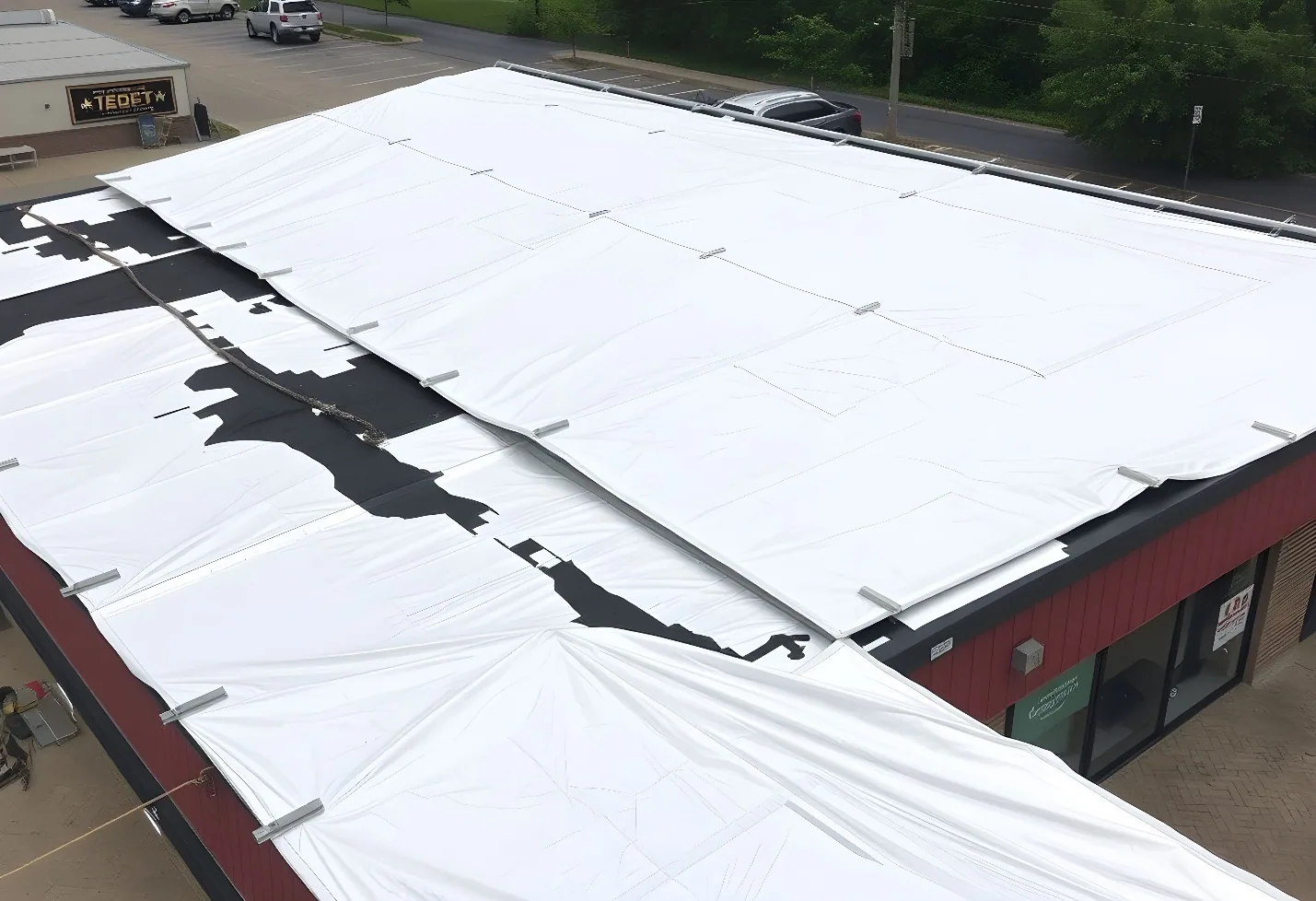
Failed Flashing Repair

Infrared and Core-Cut Moisture Surveys
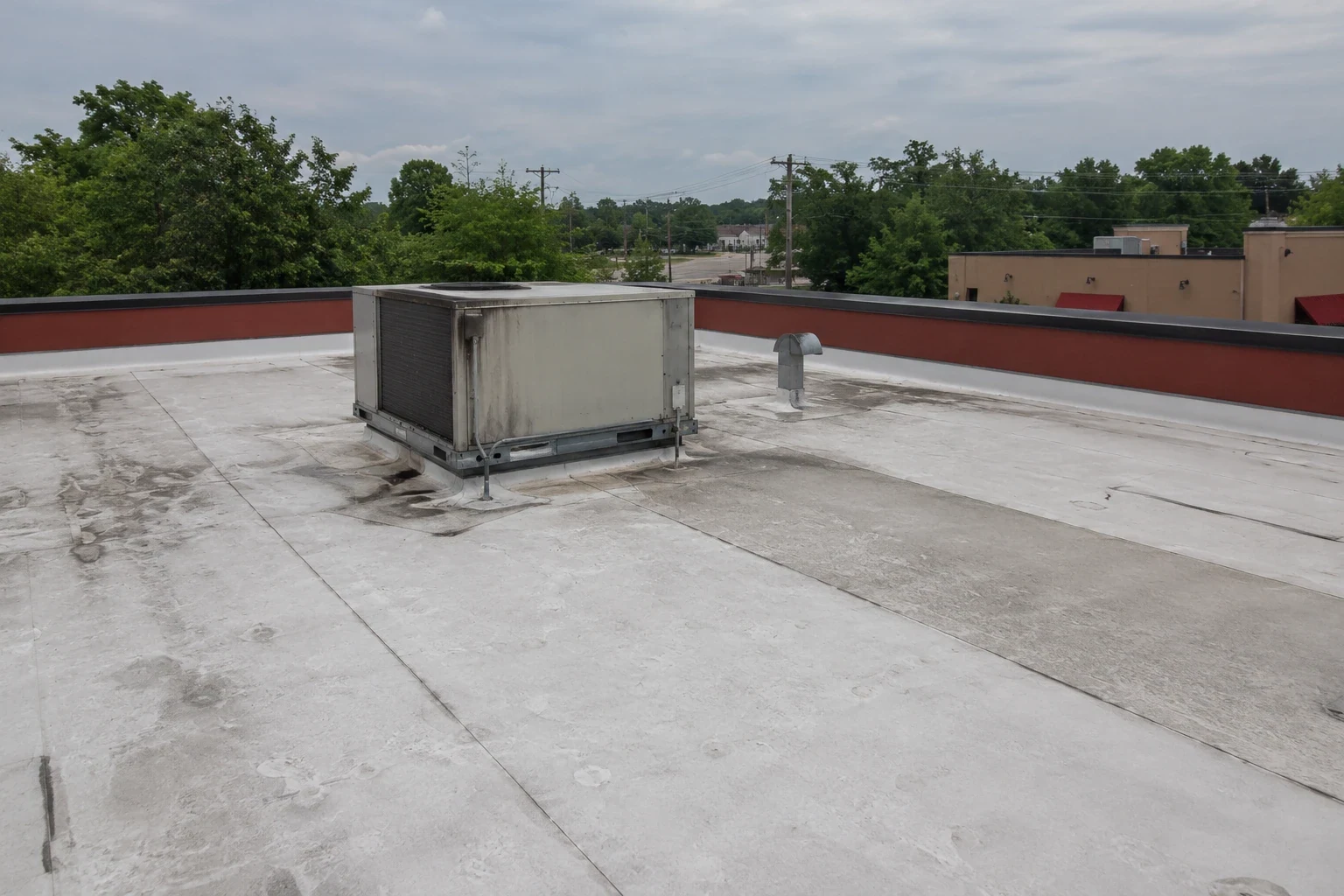
Commercial Roof Leak Repair
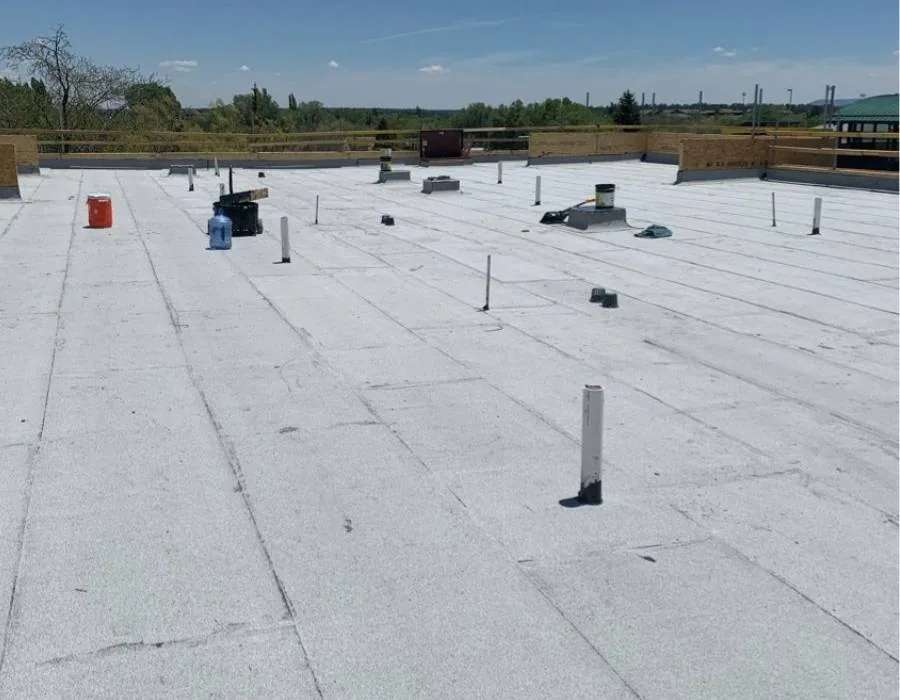
Central I-35E

Business 121 Corridor
Map the penetrations on your roof
Schedule a penetration survey and receive a numbered map of every skylight, curb and pipe, with photos and a repair or replacement recommendation for each.