
Infrared and Core-Cut Moisture Surveys in Lewisville, TX
Overview
Infrared and Core-Cut Moisture Surveys in Lewisville
A moisture survey produces a map before it produces an opinion. The map shows which parts of a roof hold water in the insulation and which parts are dry, and every repair, recover or replacement decision that follows is easier to defend once that map exists. On a Lewisville, TX roof, where heat, spring storms and the occasional hail season stress the same membrane, hidden water is often the fact that changes the plan.
Our survey combines two methods. Infrared scanning finds the suspect areas across the whole roof, and core cuts confirm what is actually inside the assembly. Neither is enough by itself, and the record says which method produced which finding.
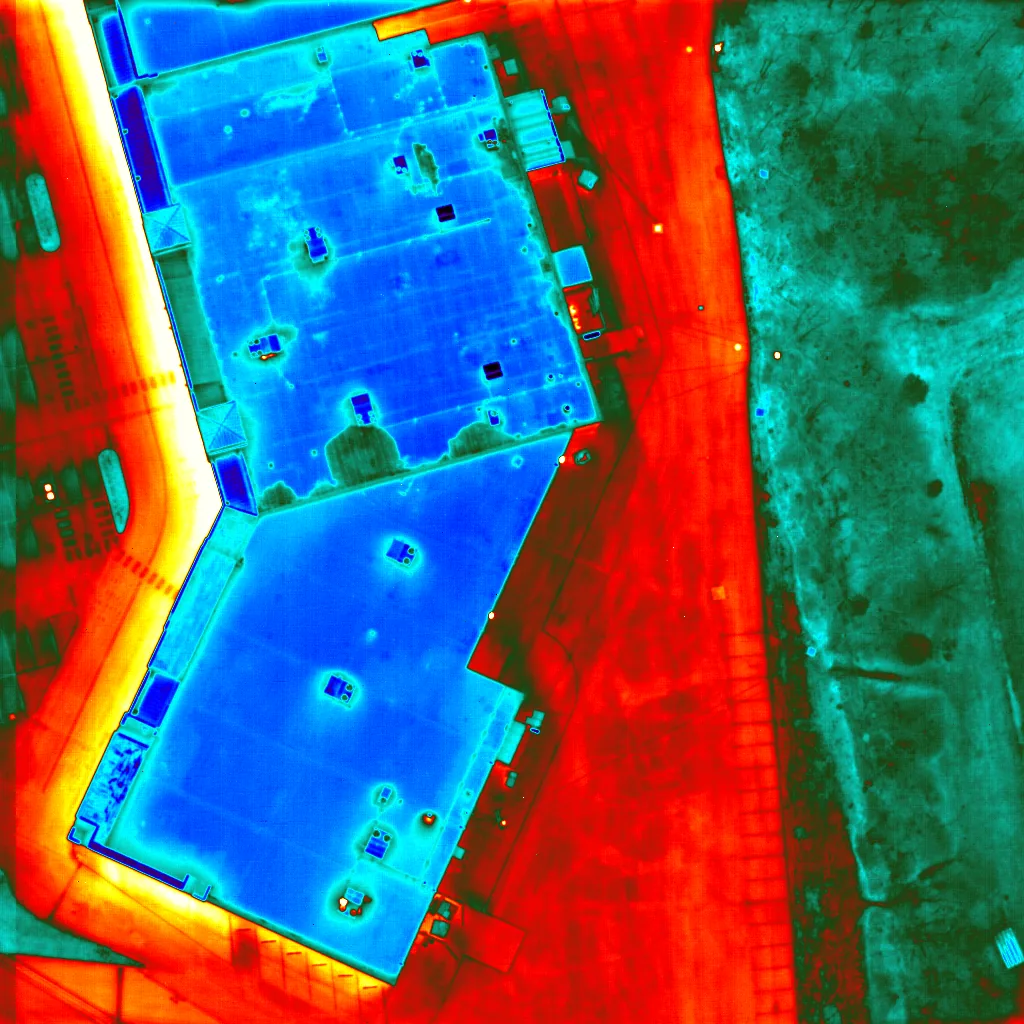
Inspection pass: scanning when the roof gives up its heat
Wet insulation holds heat longer than dry insulation. After a sunny day, as the air cools in the evening, wet areas stay warmer than the dry material around them, and an infrared camera shows the difference. That is why scans run at dusk or after dark, when the surface has stopped absorbing sun and the contrast is clearest. In a Dallas-Fort Worth summer, with July and August normal highs near 96 degrees, the roof stores a great deal of heat and the window for a clear scan opens in the evening.
Conditions matter. A clear, dry, calm day before the scan gives the best result, while rain, a damp surface or high wind weakens it. We note the weather and the time on the record because a scan taken under poor conditions deserves less weight, and the record should say so.
Moisture reading: confirming with core cuts
An infrared image shows temperature, not water. Heat patterns can come from ponded water, debris, dark patches, thicker insulation or an equipment shadow, so each suspect area goes through a second test. We cut a small core through the membrane and insulation, check the material with a probe or meter, photograph it and note the layers we find. The cut is then sealed with a patch the same day.
Cores also tell us things the scan cannot: the number of roof layers, the type and thickness of insulation, the condition of the deck surface and whether the insulation is wet only at the top or soaked through. Those facts matter to a recover decision, because layer count and moisture limit what can be built on top.
Evidence sequence: building the moisture map
The map starts with the roof plan. We mark the scan results, add the core locations and label each as wet, damp or dry. The surveyed roof is divided into zones, and each zone gets a plain description, such as a wet band along one parapet or a wet patch near a drain.
Photographs of every core accompany the map. A property manager can look at the plan, find a core, and see the cut with its layers visible. If a dispute arises later with a tenant, an insurer or a previous roofing contractor, the map and photographs show what the roof held on the day of the survey.
Repair boundary: cut out, dry out or replace
The map turns directly into a scope. If wet insulation is limited to a small area, we cut out the affected section, replace the insulation, and reinstate the membrane with a tested seam. This is the lowest-cost fix and it is only possible because the extent was known in advance. A leak that has been followed back to its entry in a leak repair is a typical case.
If the water covers many zones, repairing only the leak entry will not fix the roof. Wet insulation loses its thermal value, adds weight and feeds corrosion in a steel deck. The record then points toward a full replacement, with the survey acting as the evidence for the budget request. Where insulation is dry and only the membrane has aged, a coating or overlay may be possible instead.
Work coordination: scanning at night on active properties
Evening scans suit most operating sites because tenants have left, but some properties run through the night. Industrial properties near I-35E and SH 121 may run shifts into the night, and offices may have security rules for after-hours access. We confirm the access plan beforehand and keep a log of who authorized the visit and when the crew entered and left.
In the Northern Gateway, where the city's plan describes a mixed-use urban village on roughly 300 acres west of I-35E, properties may combine commercial and residential roofs in the same area. Each building there is scanned and recorded on its own, with access timed to its tenants.
Options review: what each result means for the roof
A dry roof is good news and it deserves a record as well, dated and tied to the same roof plan as any wet result. It supports a decision to maintain, to coat, or to overlay with confidence. Small wet areas support targeted repair. Widespread moisture supports replacement, and in either case the owner can tell a lender, a buyer or an insurer what was found and how. After hail, the survey also shows whether impact damage reached the insulation or stayed at the surface, which is the question behind most hail damage claims.
Surveys are often paired with a hands-on inspection or a drone flight, and they are valuable before a purchase, where a due diligence survey must settle the condition of the roof before closing.
Closeout documentation: the survey record
The record contains the scan images, the annotated roof plan, the core photographs and layer descriptions, the weather and time of the scan, and a plain statement of what the survey established. It is dated, so a repeat survey after repairs or a season of use can show whether the wet areas are stable, shrinking or growing.
Commercial Roofing Questions
Why are the scans done in the evening?
Wet insulation holds heat longer than dry insulation, so the contrast is clearest as the roof cools after sunset. Daytime scans mix sun heating into the picture and lower the contrast. We note the time and conditions of each scan, so the reader knows how much weight the result deserves.
How big are the core cuts and what happens to them?
Small, only large enough to see the layers and test the insulation. Each one is photographed, labeled by location and sealed the same day with a patch compatible with the membrane. The patch locations are marked on the roof plan, so later inspections can find and check them.
Can a survey tell me if hail damage reached the insulation?
It can show whether water has entered the assembly in areas where the membrane was damaged. Hail leaves different marks on different membranes, so the survey is paired with a visual inspection. The two together show whether the damage is surface-level or has reached the layers below.
What if the scan finds nothing wet?
Then the record says the insulation was dry on that date, under those conditions, and that is a result worth having. It supports maintenance, coating or recover choices and gives a baseline for the next survey. A roof with active leaks and a dry scan points to a fault that needs another tracing method.
When is a survey worth doing before a property purchase?
Whenever the roof is a meaningful part of the price or the age is unknown. A survey during due diligence shows whether the insulation is dry and what the layers are, so the buyer can price repairs or replacement before closing instead of discovering them afterward.
Related
Related Roofing Work

Roof Recover and Overlay Systems

Commercial Roof Leak Repair
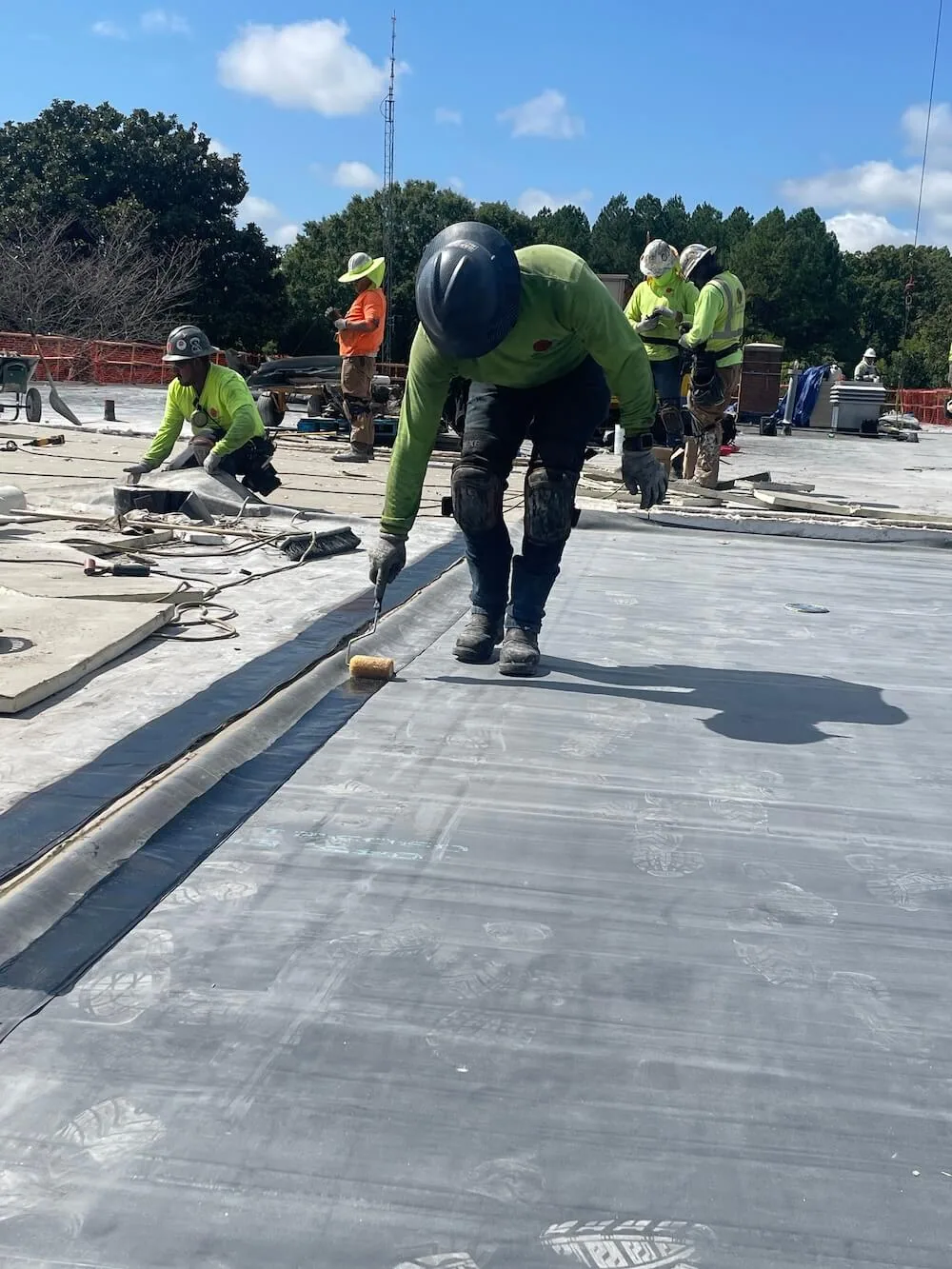
Commercial Roof Replacement
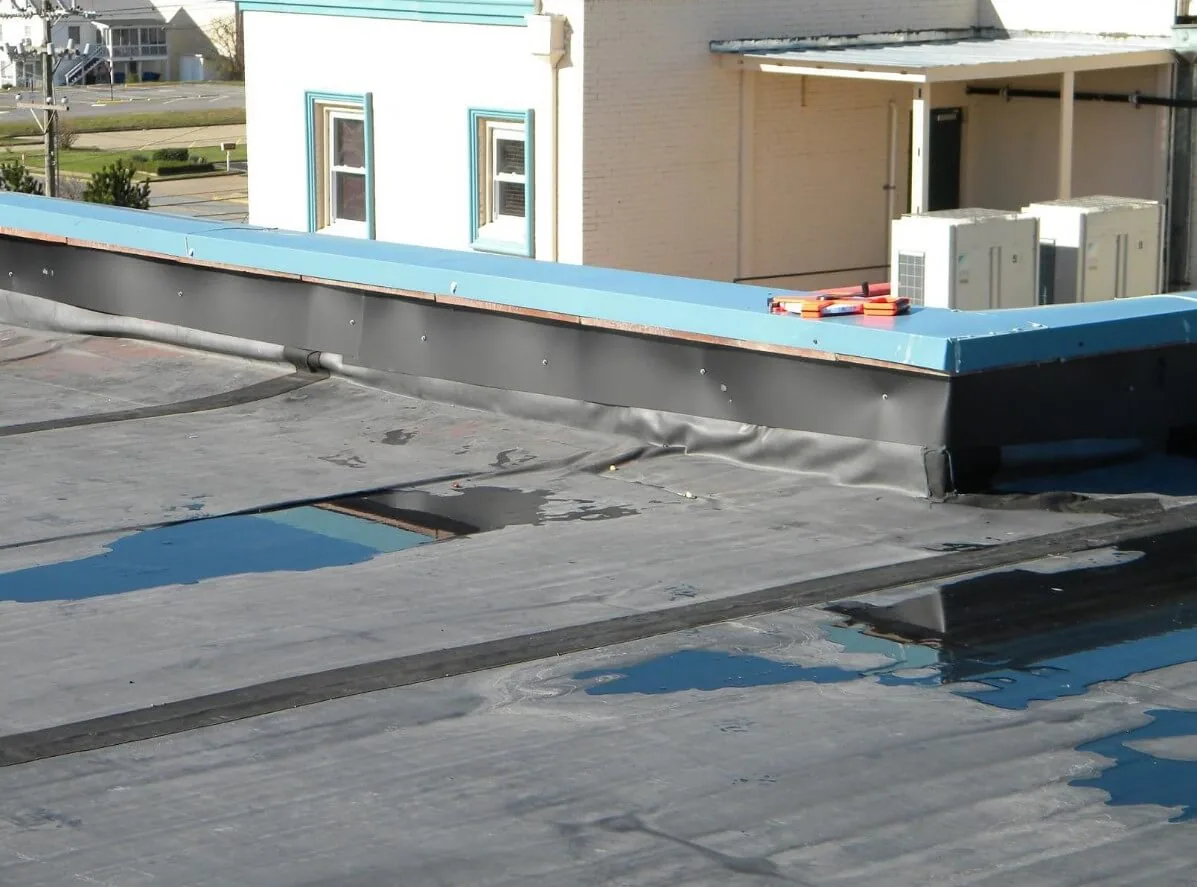
Northern Gateway

Hail Damage Roof Repair
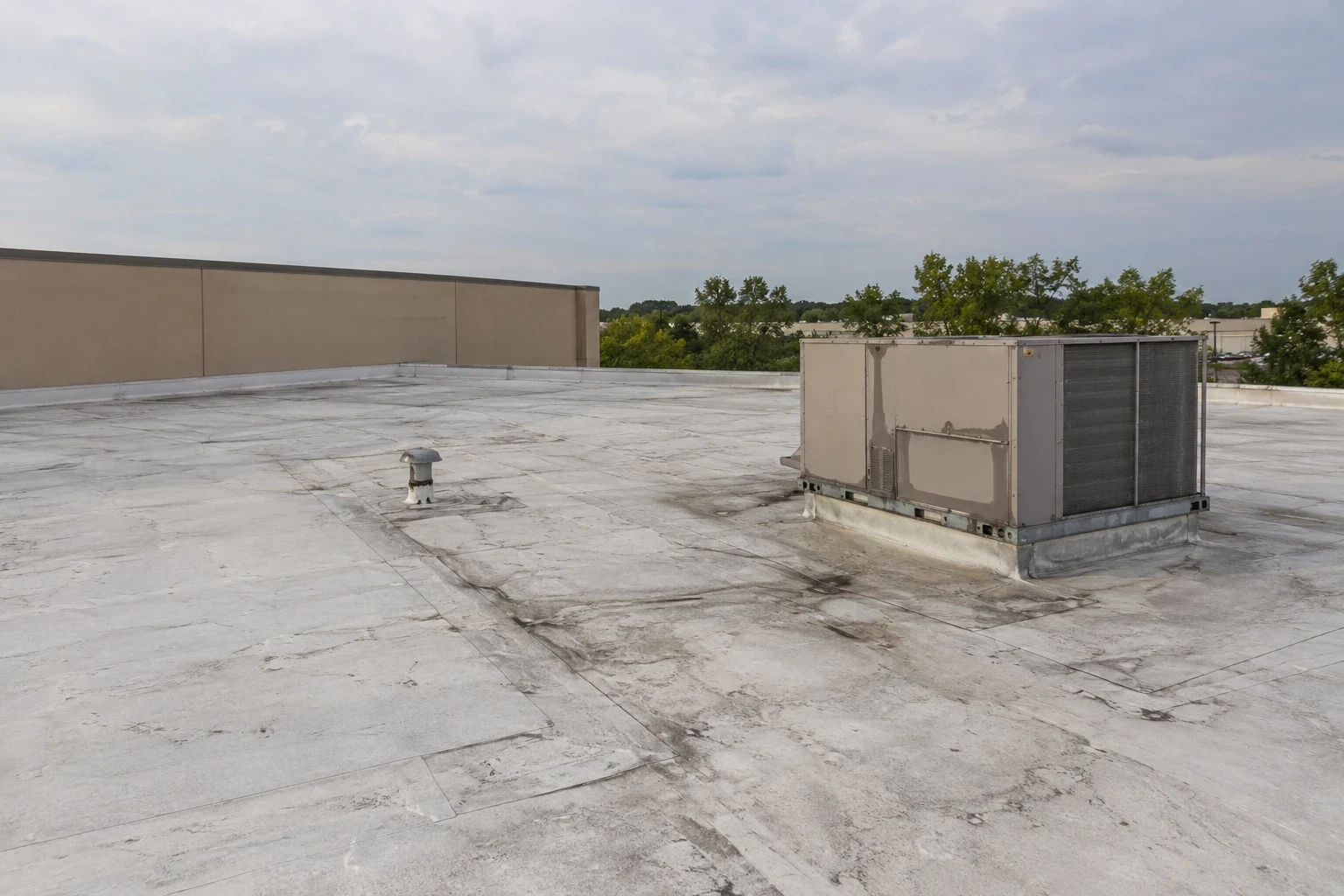
Commercial Roof Inspections
Map the moisture before you decide
Schedule a survey for your Lewisville roof and receive a dated moisture map with core photographs, findings and recommended next steps.
