Modified Bitumen Roofing in Lewisville, TX
Home // Roof Systems //
Overview
Modified Bitumen Roofing in Lewisville
A gutter or drain bowl full of dark granules is the first thing worth photographing on a modified bitumen roof, because it shows the surface has been losing the layer that shields the asphalt from sun. Modified bitumen is a rolled asphalt membrane reinforced with fabric and modified with a polymer: SBS, a rubber-like additive that makes the sheet flexible, or APP, a plastic additive that makes it more heat-stable. It is installed in one to three plies, with a granule or coated cap sheet on top. On Lewisville, TX industrial, retail and office buildings, it is a system with a long record on low-slope roofs.
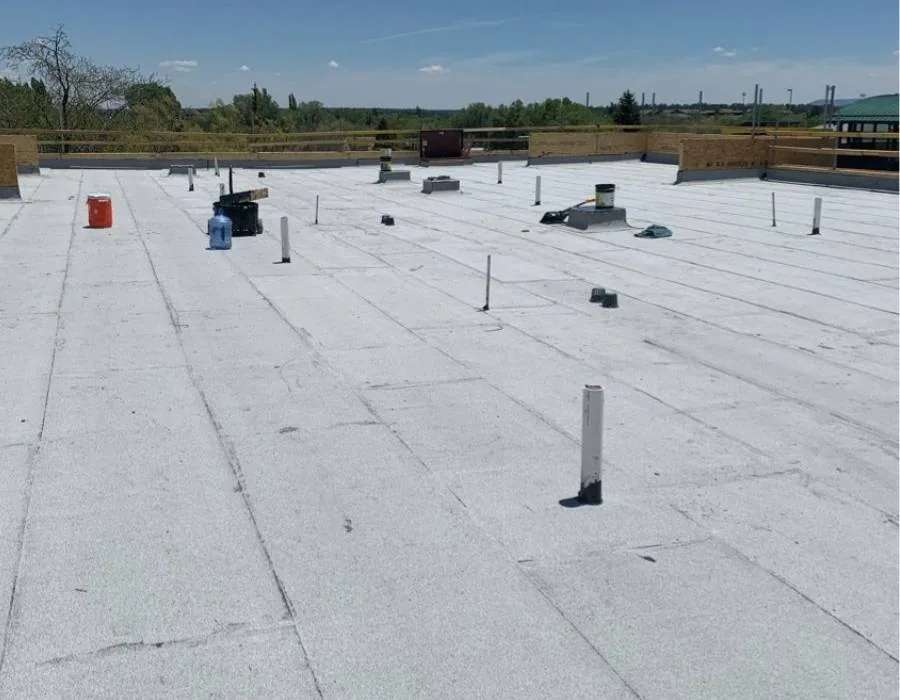
We start by recording the type of modified bitumen if it is known, the number of plies, the surface and the way the sheet was applied, then walk the roof for granule loss, laps, flashings and blisters.
Inspection record: granules, laps and flashings
The surface comes first. Granules protect the asphalt from ultraviolet light. Where they have worn away, the asphalt is exposed, and it ages faster, cracks and splits. We photograph bare areas, note their size and location and mark whether they follow a drainage path, where water has been carrying granules off the roof.
- Cap sheet surface, with granule loss mapped by roof zone
- Side laps and end laps, checked for open edges and fishmouths
- Flashing sheets at walls, curbs and parapets, with their terminations
- Blisters, ridges and splits in the field of the sheet
- Drain bowls, scuppers and the sheet around them
A lap that has opened by a fraction of an inch lets water under the cap sheet, where it travels along the base ply. A probe along the edge of each lap tells us where the bond has held and where it has not. The finding is photographed, marked on the roof plan and dated.
Attachment detail: torch, adhesive and self-adhered application
The way the sheet was applied changes how it fails and how it can be repaired. A torch-applied roof is heated to bond to the base; a cold-applied roof is set in adhesive; a self-adhered roof sticks by its own backing. Torch work involves open flame, and many properties require a hot work permit and a fire watch, which affects both the original application and any repair that uses heat.
We ask how the roof was installed because the answer controls the repair method. A torched lap is repaired with heat and a patch; a cold-applied lap may need adhesive and a cap strip. Where the property restricts open flame, we use cold or self-adhered repair materials and record why. Flashings are the usual weak point, since they are formed by hand on vertical surfaces and exposed to movement. Compared with a single-ply system such as TPO, modified bitumen is thicker and more resistant to foot traffic, but it also depends more on the surface layer staying intact.
Evidence sequence: telling hail from age
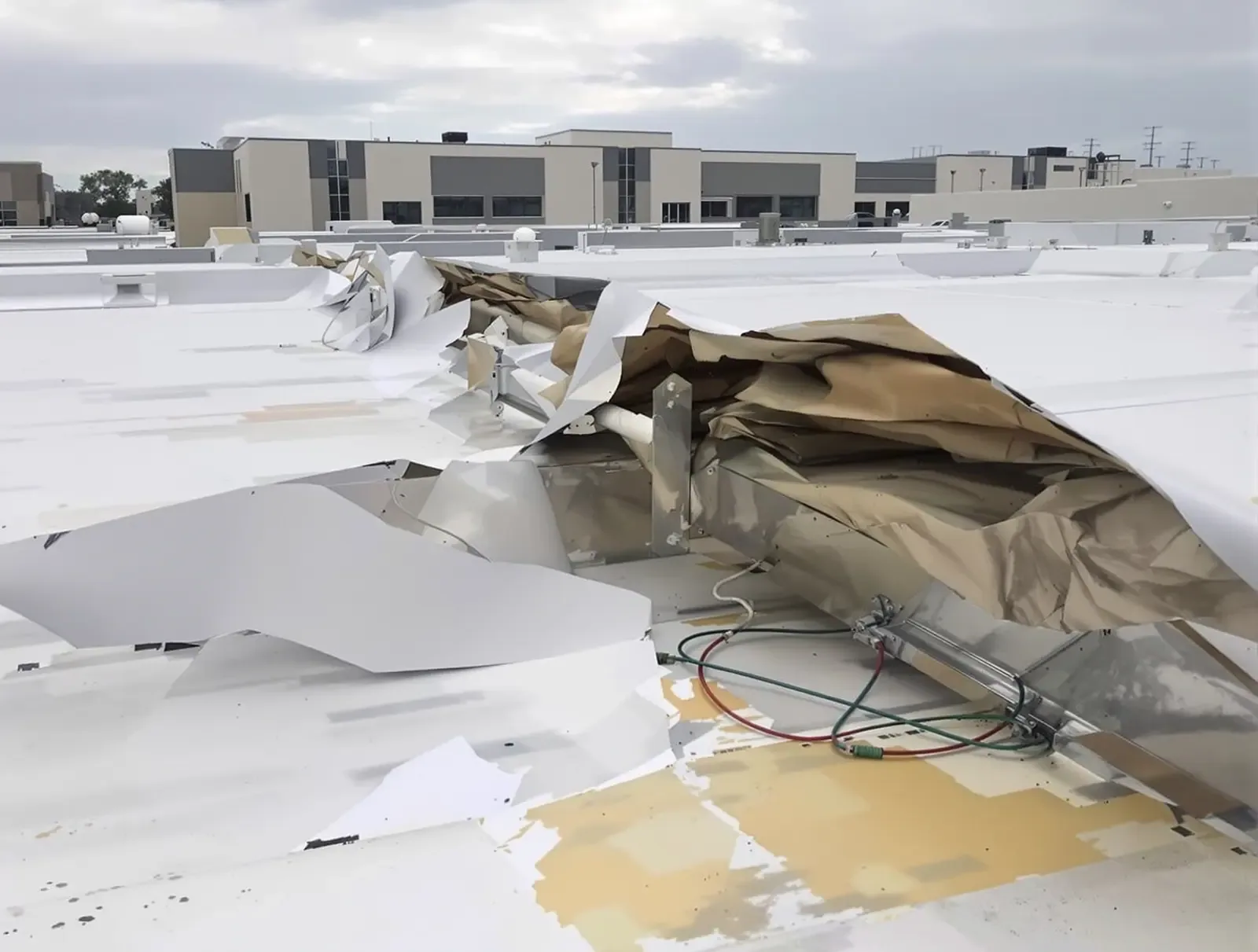
Hail and age leave similar marks on a granulated surface. Large hail reaches the Metroplex in most years, though not every address in every season. A regional hail report calls for an inspection, and the roof itself supplies the finding.
We photograph the whole roof first, then compare the surface on different slopes and in different exposures. Fresh hail marks show as round bruises with displaced granules and sometimes a fracture in the asphalt below; age shows as general granule loss, crazing and splits along stress lines. A hail strike that cracks the reinforcement can start a leak that appears months later. When the record shows widespread hail damage, a hail damage repair scope can proceed, and the same photographs feed insurance claim documentation if a claim is filed. Heat is the other factor: the airport averages 96 degrees in July and August, and its twenty-odd 100-degree days a year keep the asphalt softening and re-hardening.
Repair boundary: cap-sheet patches, recoating and cut-outs
A small split or blister on a sound modified bitumen roof gets a cut-out and a patch with new cap material, tied into the surrounding sheet. A worn surface with sound plies below may be restored with a coating or a new granulated layer. A roof with wet insulation, a spongy deck or repeated leaks in the same area needs a larger scope.
The boundary is set by the moisture reading and the condition of the plies. We cut a small core where a survey shows doubt and photograph the layers. If the base ply is sound and dry, repairs hold. If water has traveled between plies, the wet section is removed. The record marks each repair patch, wider fix or monitor item. For a roof with many past repairs, an infrared moisture survey can show whether the leaks share a source.
Ponding is a separate flag. Water that stays on a modified bitumen surface for days softens the granule bond, collects dirt and ages the sheet in a ring around the low spot. We mark every place where water remains after the rest of the roof has dried and say whether the cause is a drain set high, a compressed insulation board or a deck that has deflected, since each leads to a different fix.
Options review: restore, recover or replace
Owners of an aging modified bitumen roof can restore the surface with a coating, repair and monitor, recover with a new membrane or replace. Coatings suit a roof with dry insulation and sound plies, and acrylic roof coatings are a common choice for reflectivity and surface protection. A recover works when layer count and moisture allow, and a replacement is the answer when the plies are failing or the insulation is wet.
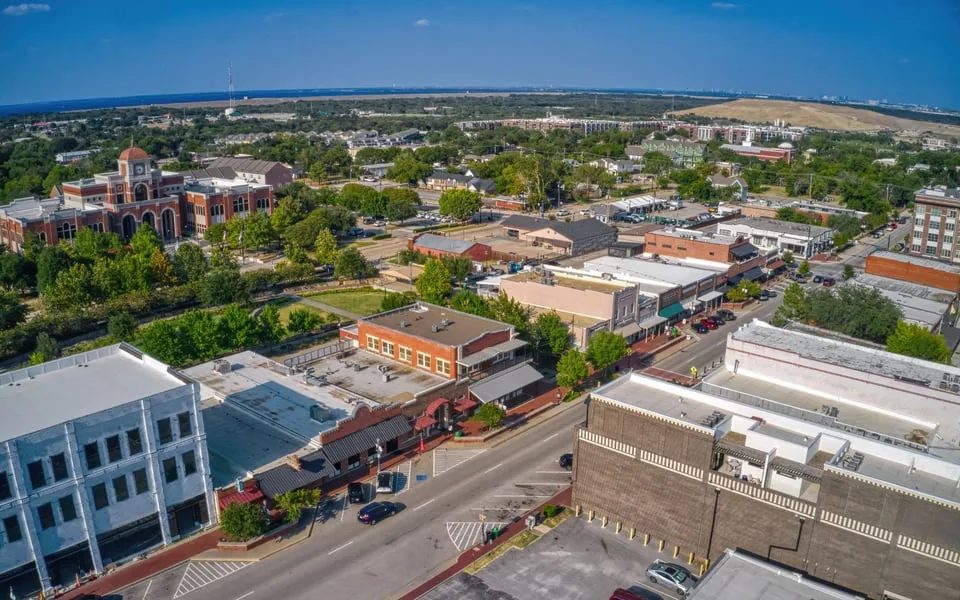
For a roof that is a candidate to be replaced with a different system, built-up roofing and single-ply options are priced next to a new modified bitumen roof. Lewisville's planners identify industrial park, commercial, retail and mixed-use areas, and a modified bitumen roof can serve any of those building types. We recommend after seeing the deck, drainage and use. Owners with several roofs can rank them from roof condition reports before a budget is set.
Closeout documentation: ply, lap and flashing log
The closeout file lists the sheet type, number of plies, application method, any hot work permit, the flashing details and the laps tested. It includes photographs by zone before and after each repair, with the location of each patch on the roof plan.
The permit follows whichever code edition and amendments are in force at filing, and Lewisville's adopted codes include the 2021 International Building Code. Permit and inspection dates go in the same file. Owners with roofs in Old Town Lewisville or The Colony can compare them against the same baseline.
Commercial Roofing Questions
Why are granules in the gutter a concern?
They protect the asphalt from sun. When they are gone, the sheet ages faster, so we map bare areas and decide whether a surface restoration is warranted.
Can a modified bitumen roof be repaired without a torch?
Yes. Cold-applied and self-adhered patches are available, and we use them where open flame is restricted.
What is the difference between SBS and APP?
SBS adds rubber-like flexibility, and APP adds plastic-like heat stability. Which one is on the roof changes the repair materials and method.
How do you tell hail damage from age?
Hail leaves round bruises with displaced granules; age leaves general wear and splits. Photographs by slope make the difference visible.
Which code governs a modified bitumen replacement?
The one the permit office names at filing. Lewisville's adopted codes include the 2021 International Building Code, and hot work adds its own review.
Related
Related Roofing Work

TPO Roofing
Hail Damage Roof Repair
Roof Insurance Claim Assistance
Infrared and Core-Cut Moisture Surveys
Acrylic Roof Coatings
Built-Up Roofing (BUR)
Start with a dated surface and lap record
Schedule an inspection and receive a condition record with photos, lap and flashing findings, granule loss by zone and recommended next steps marked patch, restore or replace.