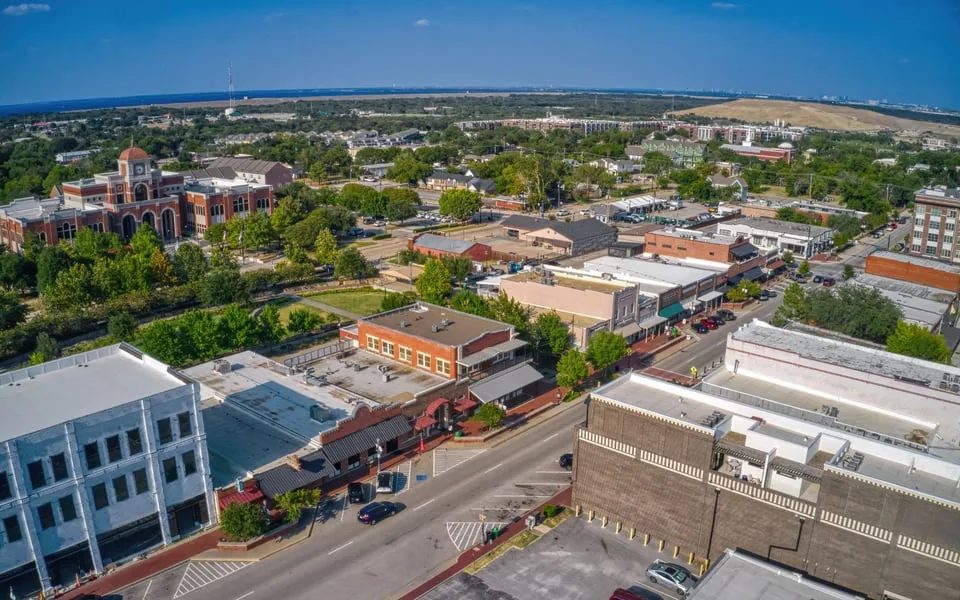
Commercial Roofing in Main Street Subdistrict, Lewisville, TX
Home // Service Areas //
Overview
Main Street Subdistrict in Lewisville
A highway splits a district into two job sites. In the Main Street Subdistrict, which surrounds I-35E at West Main Street in Lewisville, TX, a roof on one side of the interstate and a roof on the other can belong to the same redevelopment plan and still need separate crews, separate access and separate delivery routes. The first thing a roof file here needs is a map of who can reach what, and from where.
The city describes the subdistrict as an entrance to Old Town from the highway, and its planning calls for coordinated redevelopment on both sides of I-35E near the Old Town Design District. Coordinated redevelopment is good news for roofs, because it makes room for coordinated roof work: one inspection cycle, one set of standards, one calendar.
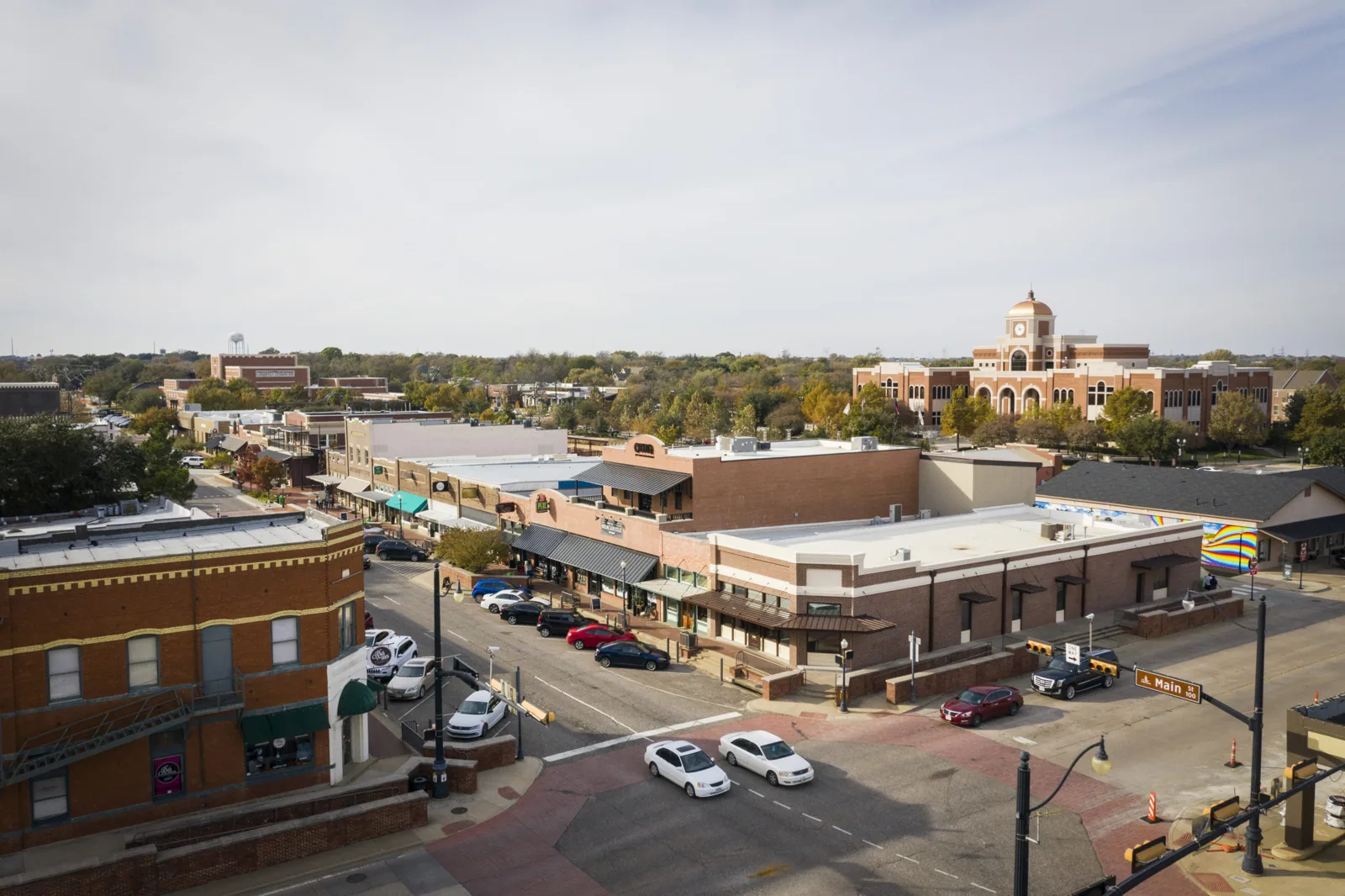
Survey method: from the air first, then on foot
Where roofs sit close to a highway and the access route is awkward, a drone survey is a sensible first pass. It gives a full-roof view without scaffolding or lane closures, shows ponding, displaced edge metal and large surface defects, and creates a photographic baseline. It does not replace the walk. Seams have to be probed, flashing pressed and moisture read in person.
The photo sequence moves from the overview to the detail: the full roof zone, then edges, drains, penetrations and seam runs, then close images of anything that looks open. Each image is dated and placed on the roof plan. The access log notes how the roof was reached, whether a hatch, a ladder or a lift was used, and any restriction on hours. It also notes the nearest frontage road a delivery truck can use, since highway frontage limits where a lift can stand.
Findings that need a test get one. A moisture reading shows whether a suspect membrane has wet insulation under it. A core shows the layers and their thickness. Together they decide whether the repair boundary is a patch or a section.
Edge metal and first impressions
A subdistrict that serves as a gateway is seen by drivers all day. Roof edges and parapet caps are part of what they see. Loose coping, sagging gutters and stained fascia read as neglect from the road, and they usually point to a real problem: water getting behind the metal or finding the wall.
We check edge metal and coping for fastening, joint sealing, slope and corrosion, and look at the membrane termination behind it. Where a section has moved, we mark whether it is a fastener issue or a deeper substrate problem. A cap that has lifted once will lift again if the cleat behind it is bent or the blocking is soft.
This is also the part of a roof most exposed to wind. Damaging wind reaches the Metroplex in most years. An edge that is secure and sealed is the least expensive protection a roof can have against that pattern, and the record shows its condition on the date it was checked.
Work coordination across a highway
Redevelopment on both sides of I-35E means more than one owner and more than one schedule. Roof work in this setting benefits from planning the shared items first: crane or lift positions, material staging, haul-off and the days when adjacent construction is loudest.
We write the coordination into the scope as dated items. Which side goes first, how long each section stays open, where the lift sits during tear-off, and who is called when weather moves in. If two owners want the same crane day, the cost of the mobilization splits and both pay less. If one project slips, the other should not be forced to wait on a hold that nobody priced.
Where the building is occupied, interior protection and quiet hours are separate lines. Emergency leak response sits outside the planned schedule and runs at any hour, with a temporary dry-in first and the permanent repair scheduled when conditions allow.
Climate record: heat, hail and the wet seasons
Summers are hot, spring and fall run wettest, and severe thunderstorms peak in spring. Large hail reaches the Metroplex in most years, and summer adds mid-nineties highs with about twenty days a year at 100 or more at the regional airport.
After a hail event the question for an owner is narrow: does this roof show new damage, and does it reach the insulation? The photo sequence answers the first part, and a moisture survey answers the second. A recorded finding with location, image and next test gives a carrier or a buyer something specific to review.
Heat and ultraviolet exposure age the membrane on every roof, hailstorm or not. We note the signs, and they feed the remaining-life estimate that the options review depends on.
Options review: what to do with each zone
Each roof zone leaves the inspection with a recommendation. Repair for a sound membrane with local defects. Recover where the existing roof is dry and can carry another layer. Replacement where moisture is widespread or the assembly is spent. The scope prices each with access, interior protection and weather risk shown separately.
Timing is the other half of the option. A repair that holds this season may be worth doing now and revisiting at the next inspection pass; a replacement that can wait for a better work window may save money if the roof stays dry in the meantime. The moisture reading is what makes that judgment safe, because dry insulation can wait and wet insulation cannot. The decision file records which reading supported which choice, so the next person to open it sees the reasoning and not only the result.
A manager or owner with roofs in this subdistrict and in neighboring ones can fold them into one program. Old Town, Central I-35E and Old Town North all sit within the same planning conversation, and a shared inspection format keeps the records comparable.
A closeout packet of photographs, a repair plan, materials and warranty paperwork ends the job.
Commercial Roofing Questions
What can a drone survey show that a walk cannot?
The whole roof at once: ponding patterns, displaced edge metal, scattered surface defects and drainage lines. It does not probe seams or read moisture, so the walk follows. Used together they cost less than a walk alone on a large or awkward roof.
How is work kept from affecting traffic near the highway?
By planning staging, deliveries and lift positions away from travel lanes and entrances. The scope names the lift location, the hours for deliveries and the path for haul-off, and these are agreed before any equipment arrives.
Does loose coping always mean a leak?
Not always, but it is a leak path in waiting. Loose metal lets wind and water behind the wall flashing. We check the fasteners and the membrane termination behind the cap and mark whether it is a quick fix or a larger repair.
Can two neighboring owners share a crane day?
Yes, and it usually lowers both bills. Mobilization, crane time and haul-off are split, provided both roofs are ready on the same date and the scopes are written so one delay does not stall the other.
What does an owner get after a hail inspection?
A dated record with photos of each finding, its location on the roof plan and the next test if one is needed. The record says what is present and what is not, so repair and claim decisions rest on the building.
Related
Related Roofing Work
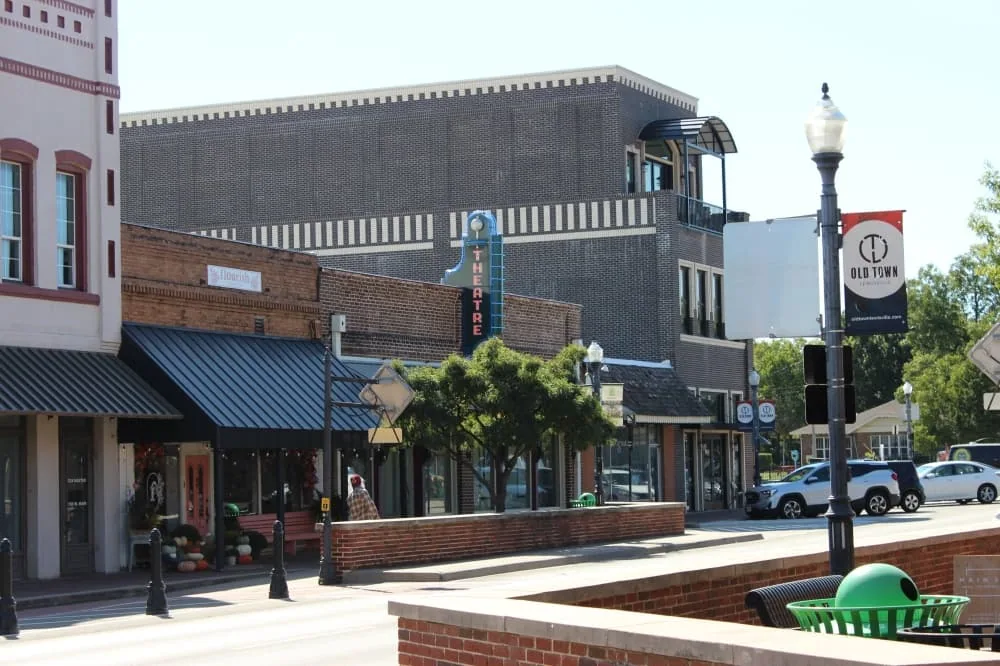
Drone Roof Inspections
Edge Metal, Coping and Gutters
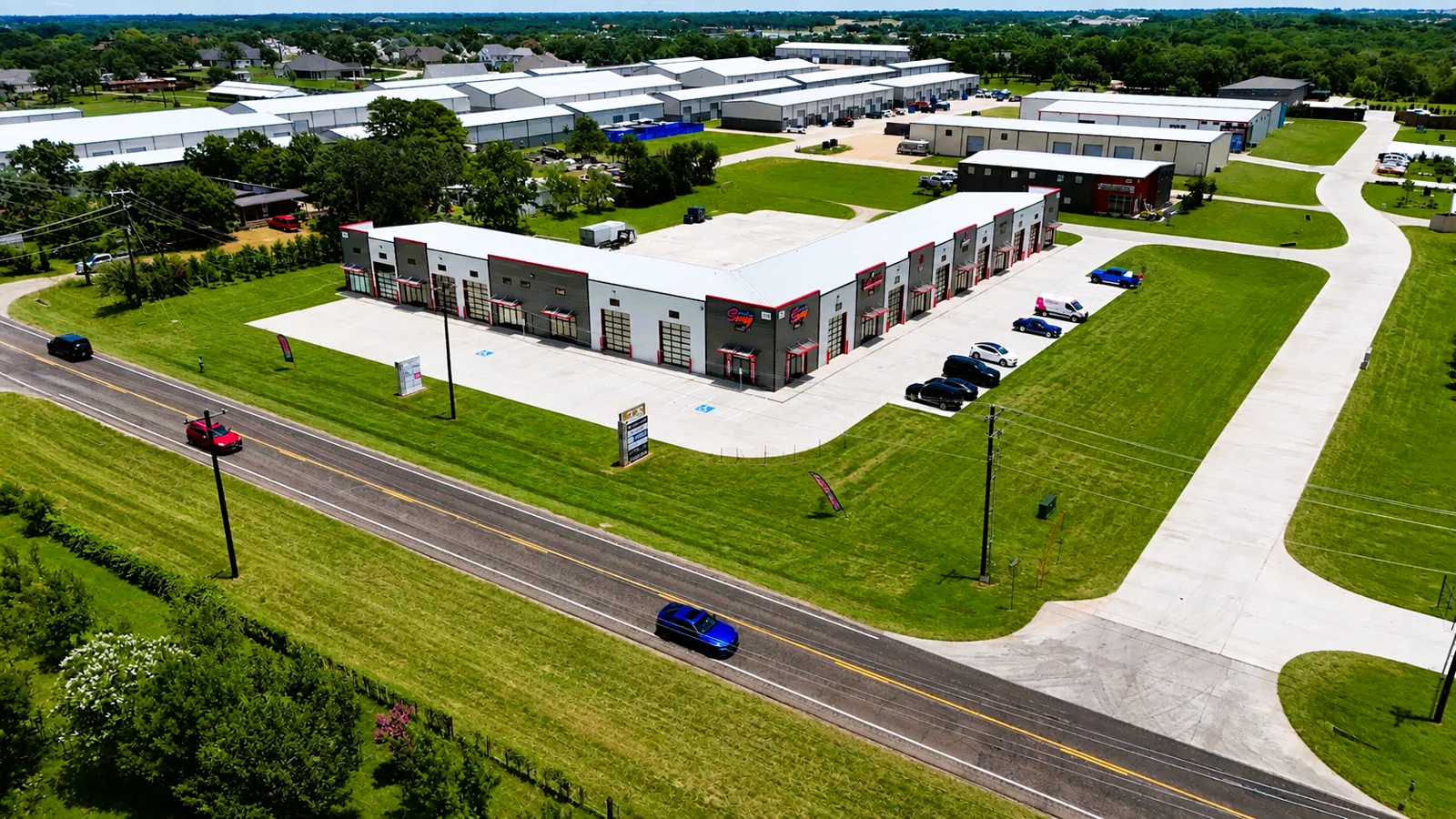
Emergency Roof Repair

Old Town
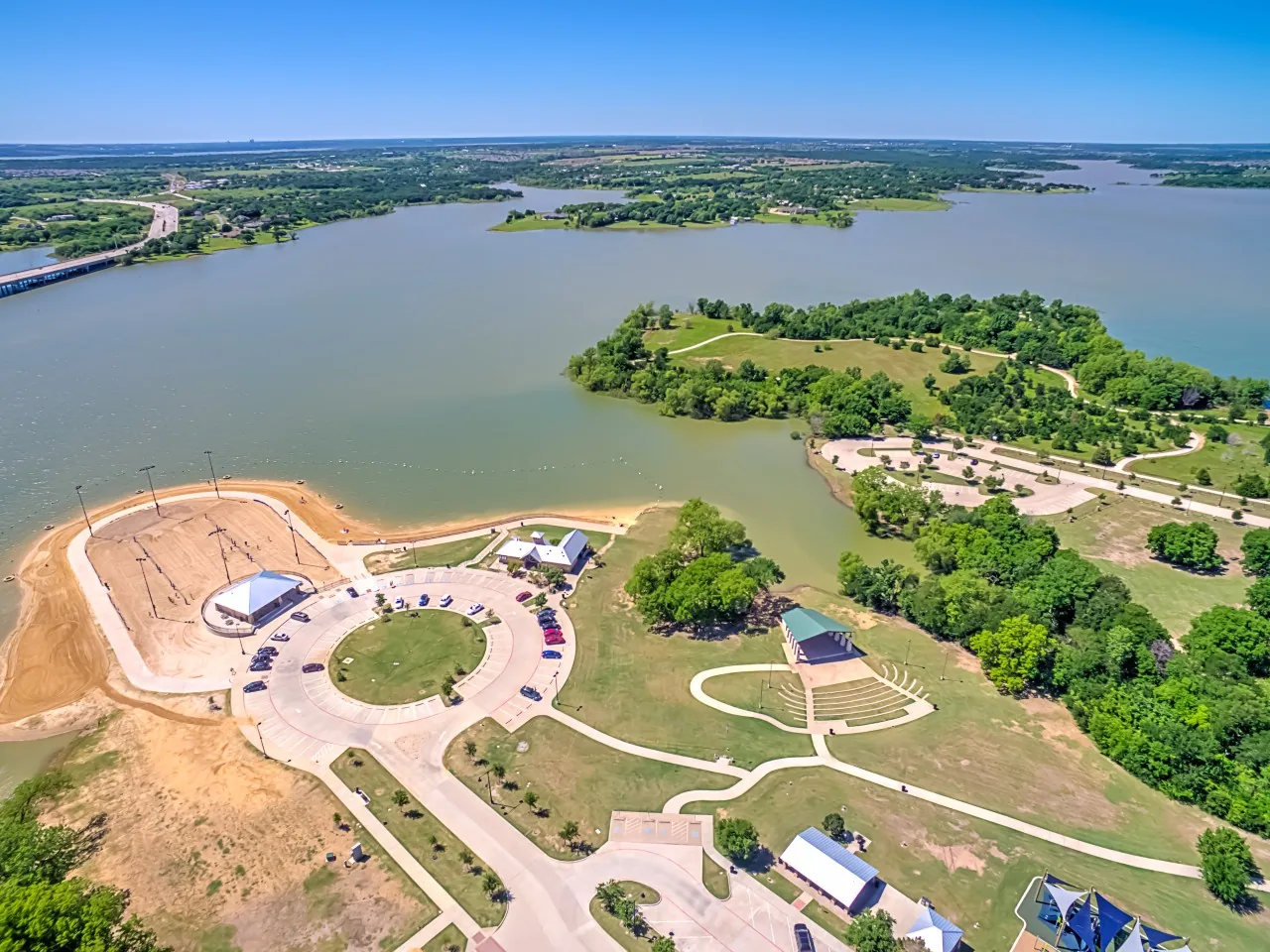
Central I-35E
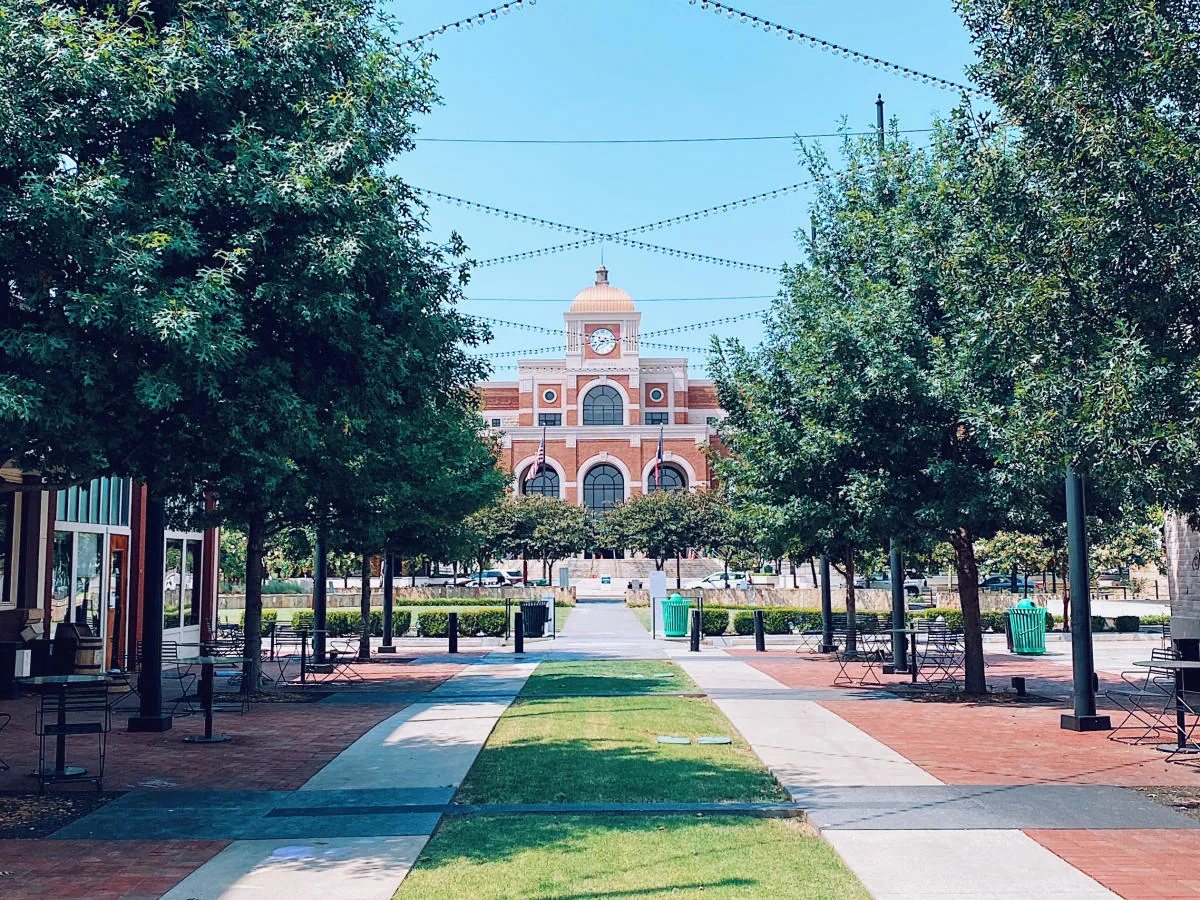
Old Town North
Schedule an inspection pass on your side of the highway
Tell us the building, the access you have and your neighbors' plans. You will receive a dated condition record with photos, findings and recommended next steps, marked by roof zone.