
Emergency Roof Repair in Lewisville, TX
Overview
Emergency Roof Repair in Lewisville
The first thing an emergency job produces is an entry in the access log, because the person who answers the phone needs the building address, the roof access point, the location of the water and a name for the on-site contact before a truck leaves. Our response line is staffed through nights, weekends and holidays, and the log begins with that call. In Lewisville, TX, where the National Weather Service describes damaging winds, large hail and tornadoes as yearly hazards somewhere across the Metroplex, the log is often the first record of a storm loss.
The goal of the first visit is narrow: stop the water from getting worse and capture the roof in photographs before anything is moved. Permanent repair follows once the building is dry and the extent of damage is understood.
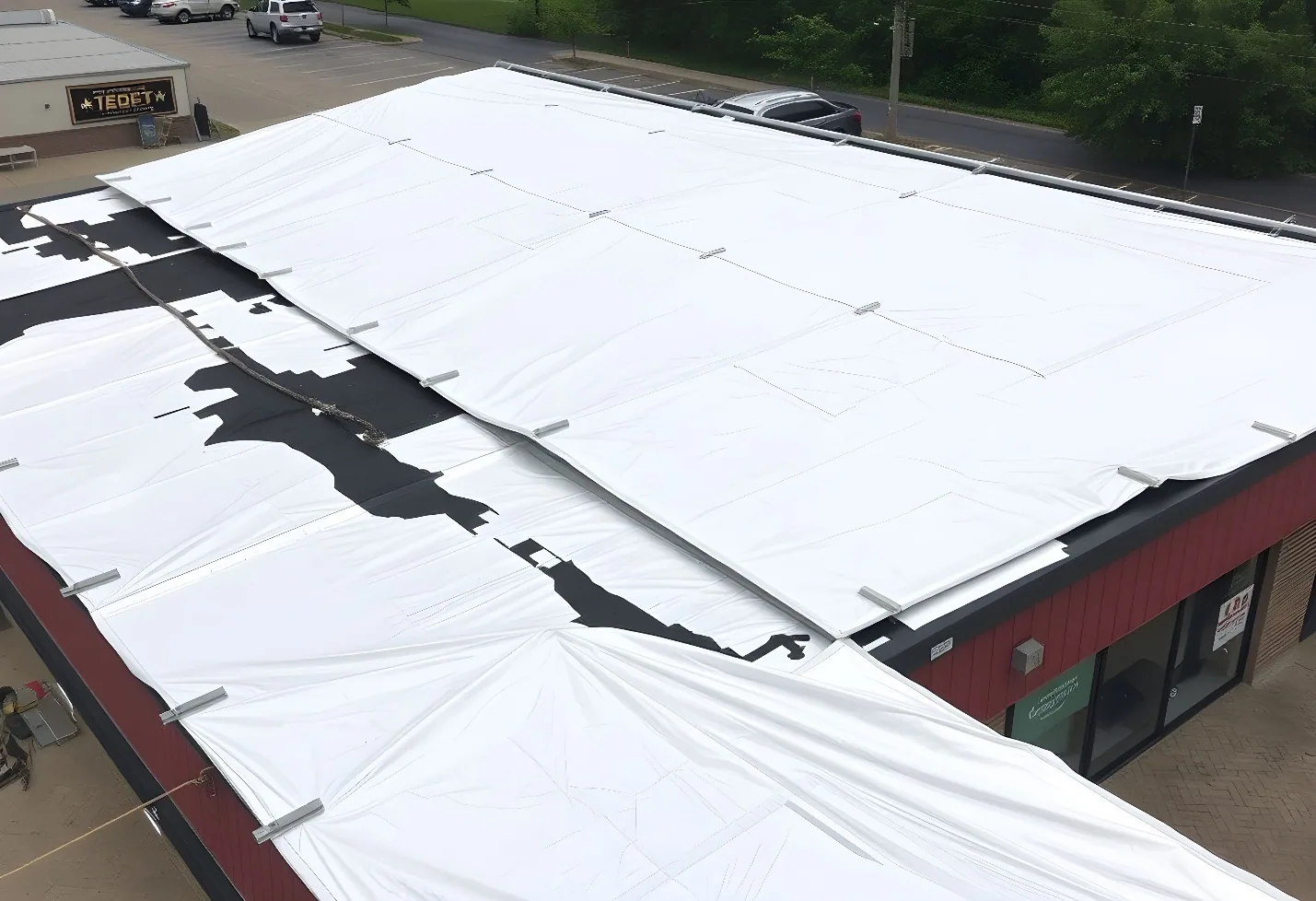
Access log: what we record in the first hour
On arrival we walk the interior first when we can. Water location, ceiling condition, electrical exposure and stored inventory decide the order of work. A ceiling that is bulging with water is a safety issue, and we tell the property manager to clear the area before we do anything on the roof. Then we photograph the interior damage with a time stamp, including any damaged contents the tenant wants recorded, and note where power or data lines run near the wet area.
On the roof, the first pass is a safety and condition pass: fall hazards, loose membrane, displaced equipment, missing panels, debris and standing water. We photograph the whole roof zone before closing in on the damaged area. The photo sequence matters because it separates damage from the storm from older wear, which is something an insurer will want to see later.
Work window: tarping and dry-in in the right order
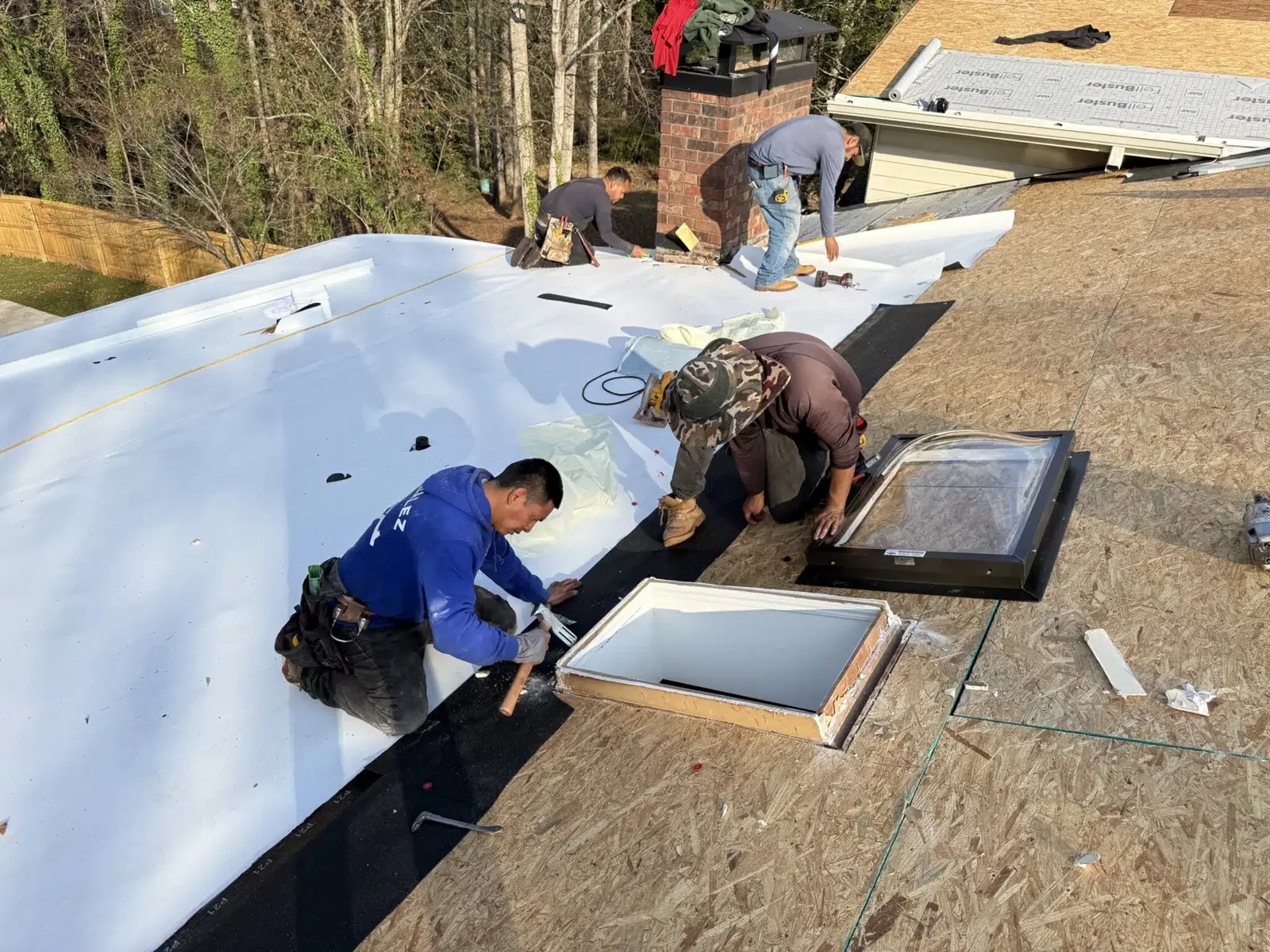
Dry-in means putting a temporary covering on the open part of the roof. Where membrane has torn, we cut back to sound material, secure a temporary patch or sheet, and fasten it across the opening with battens or ballast suited to the wind. A tarp is only as good as its edge. The tarp is lapped to shed water, fastened beyond the damage into sound deck, and kept tight so it does not flap in the next gust.
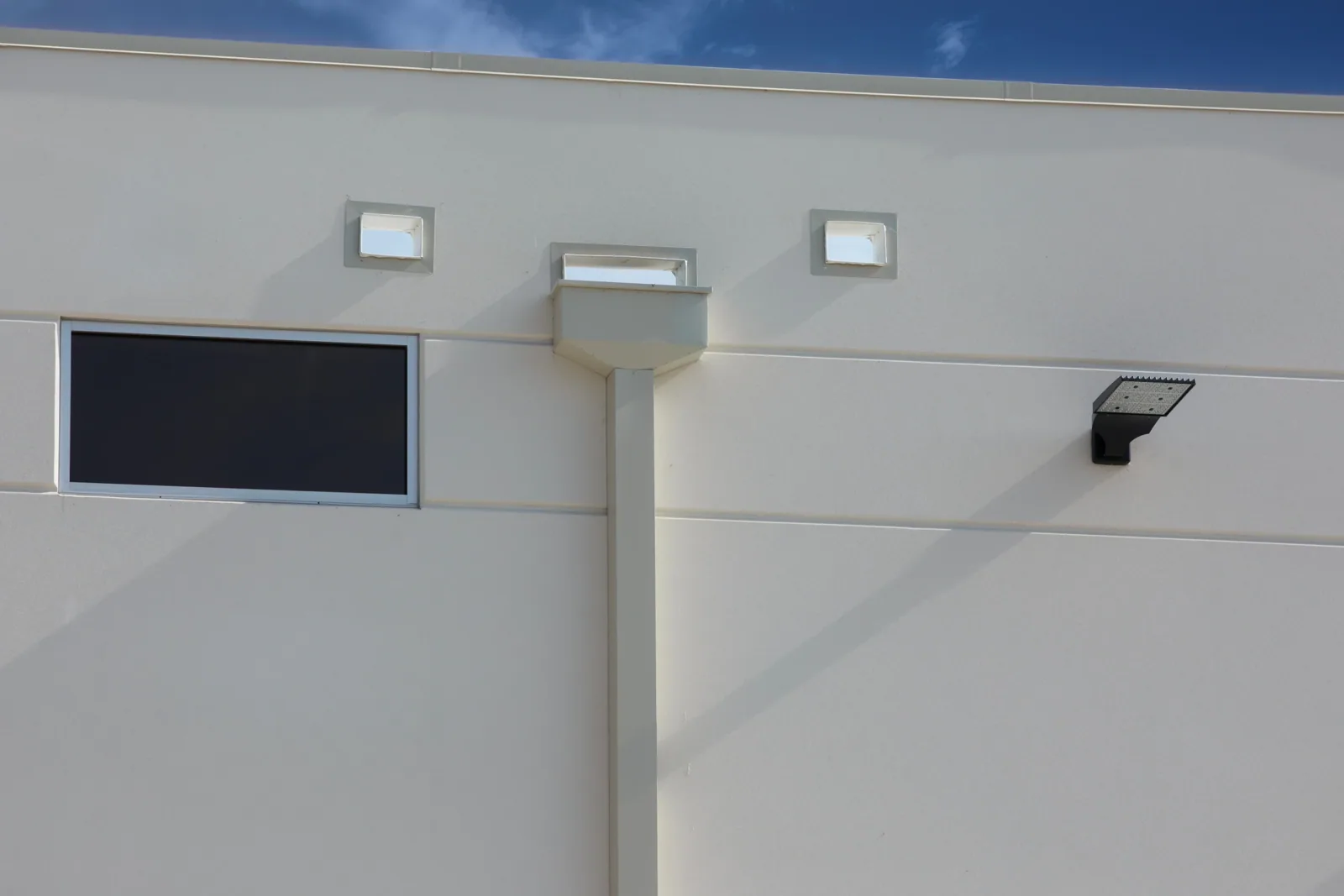
Where decking is exposed, we may lay a temporary underlayment before the tarp. Roof drains and scuppers near the damage are checked and cleared, because a blocked drain adds weight and sends water where it should not go. The temporary work is photographed from two directions and logged by time so there is a clear record of when the building was dried in.
Storm response: hail, wind and tornado-producing weather
Severe thunderstorms peak in spring across the Dallas-Fort Worth region, and some mix of hail, wind, flooding or tornado reaches the Metroplex almost every year. A given Lewisville property may be missed in a given season, so a storm report alone is not a finding. What counts is the condition of the roof in front of us.
After hail we look for bruised or punctured membrane, cracked coverboard, dented metal edge and damaged rooftop equipment. After high wind we look for lifted edges, peeled membrane, displaced coping and debris strikes. The marks left by hail damage and wind damage look different on the roof, and the record keeps them apart. Tornado-related loss follows the same record method but may involve structural issues that call for an engineer.
Moisture reading: finding the water we cannot see
Once the roof is covered, the interior damage is only part of the picture. Water travels into insulation and stays there. We schedule a moisture survey once the weather clears, using infrared scanning and core cuts where needed, so that wet insulation is identified and removed instead of being buried under the permanent repair. The reading is dated and attached to the original emergency record.
For a building along I-35E or SH 121 with active tenants, this step also helps decide which spaces can be reoccupied and which need drying equipment. The property manager gets a written list instead of a verbal estimate.
Drying is a decision with a clock on it. Wet insulation left in place keeps moisture against the deck and the membrane above it, and the reading tells us whether the affected area is a small cut-out or a section that has to be rebuilt. We also check the interior side for mold-prone conditions such as damp ceiling tile and report what we see to the manager, who can arrange interior remediation separately.
Repair boundary: temporary measures and the permanent plan
Emergency work is temporary by design. The record says so: it names the date of the dry-in, the materials used and a date by which the permanent repair should be in place. Without that date, a tarp can sit through a summer of heat and become its own source of failure. Permanent repair can follow as storm damage repair or, where the roof is beyond repair, as a larger replacement.
We also point out items that were not part of the emergency but showed up during it, such as aged sealant, worn flashings and ponding near drains. These go into the record as findings, not as pressure, and the owner decides when to address them.
Closeout documentation: the packet an insurer reads
The emergency record includes the call log, interior and roof photographs, a description of conditions, the temporary measures taken and the moisture findings. We do not decide coverage, and the record does not claim a cause beyond what the evidence shows. It does give the adjuster dated material to work from. Property managers who want help assembling it can use claim documentation support, and the same packet is the starting point for a full roof inspection.
For commercial buildings along Main Street in Old Town, the log also notes who holds roof access and where the access point sits, so the next visit does not start from scratch.
Commercial Roofing Questions
What happens between my call and the first crew on the roof?
We take the address, the access point, the water location and a contact on site, then dispatch. If the interior is unsafe, we tell you to clear it first. The crew arrives to photograph conditions, then dries in the opening. The log timestamps each step so the sequence of events is on file.
Is a tarp a real repair?
A tarp is a holding measure and the record treats it that way. It keeps water out while permanent materials are ordered or conditions improve. We write down when it was installed and the date by which permanent work should replace it, because sun, wind and heat wear a tarp down quickly.
How soon after a hailstorm should the roof be checked?
As soon as it is safe, and before the next rain. Early photographs separate new impact marks from older wear, which helps with any claim. The storm report alone does not prove damage to your specific roof, so the inspection pass is what establishes whether bruising, punctures or displaced metal exist.
Can you work in the dark or in high wind?
Safety sets the limit. We will dry in at night when the site is lit and the roof can be accessed safely. In high wind, working on an open roof can endanger the crew and the building, so we may secure what we can from the ground or inside and return when conditions allow.
Will emergency work void a manufacturer warranty?
Temporary work should not, if it is done with compatible materials and documented, but warranty terms differ by manufacturer. We record what was applied and where, so the warranty holder can review it. Any permanent repair follows the manufacturer's requirements for the roof system in place.
Related
Related Roofing Work
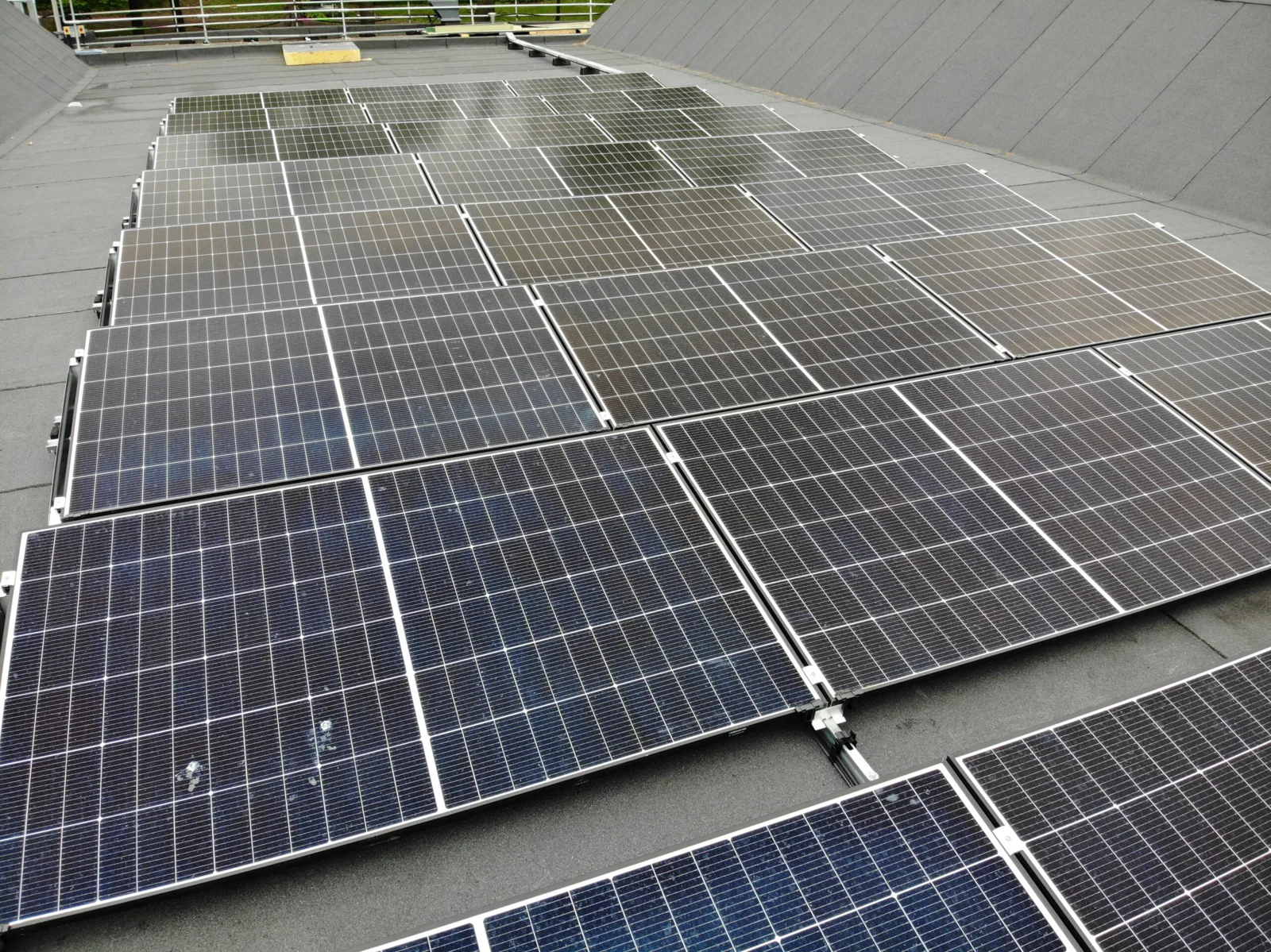
Hail Damage Roof Repair
Wind Damage Roof Repair
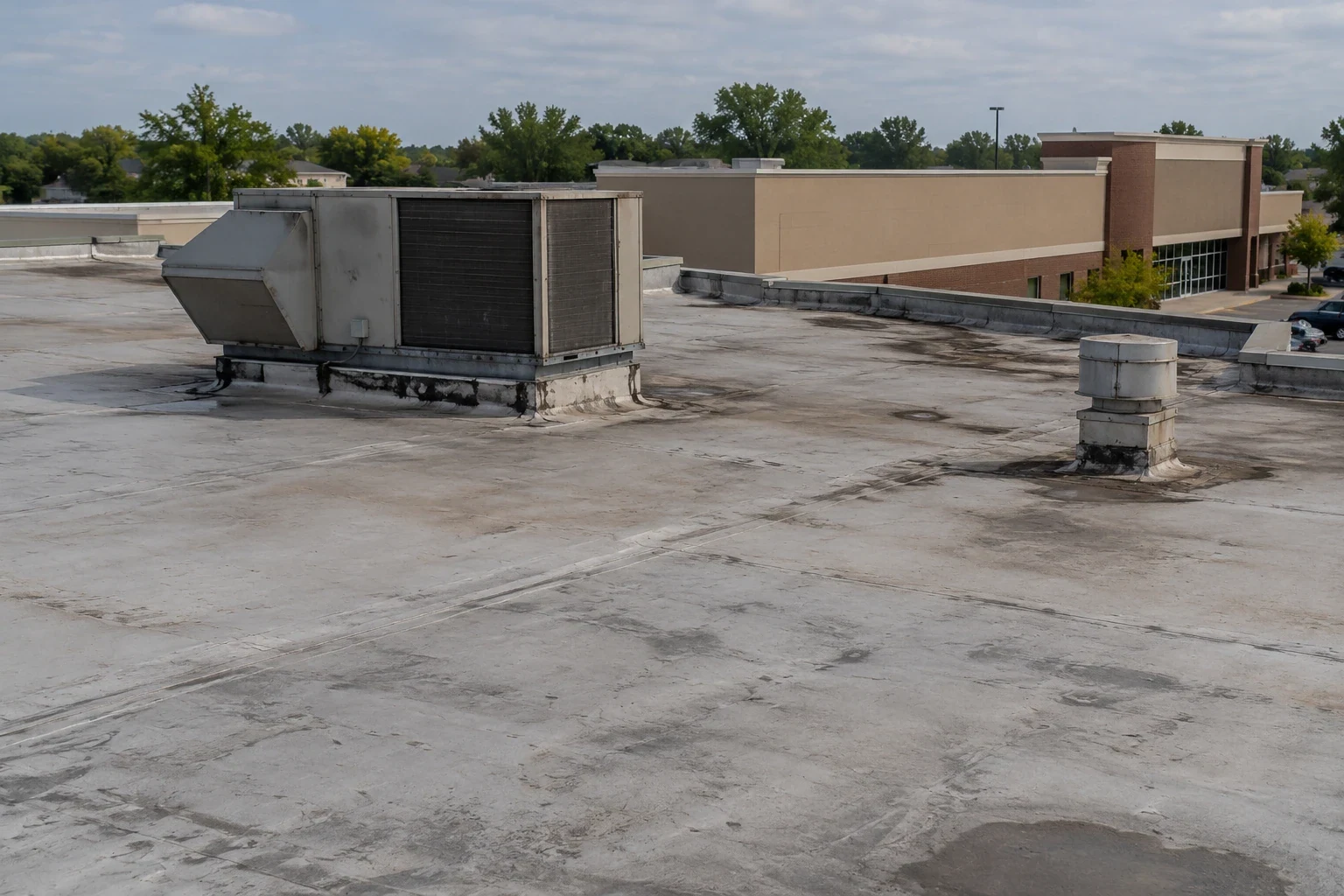
Storm Damage Roof Repair
Roof Insurance Claim Assistance

Commercial Roof Inspections
Old Town
Call for dry-in, then request the record
Call any hour for emergency response. After the building is dry, schedule an inspection to receive a dated condition record with photos, findings and recommended next steps.
