
Data Center Roofing in Lewisville, TX
Home // Property Types We Roof //
Overview
Data Center Roofing in Lewisville
Where the water goes when a drain fails is the question a data center roof record must answer in writing. A server hall in Lewisville, TX tolerates almost no water overhead, and the downside of a leak is measured in outage hours, not in repair invoices. So the first pages of the condition record are not about membrane at all. They show each primary drain, each overflow, each scupper and the route the water would take, with the rooms below graded by how much a drip would cost.
Everything after that follows the same logic: which zones are inspected first, which penetrations are removed, which are sealed and which are watched.
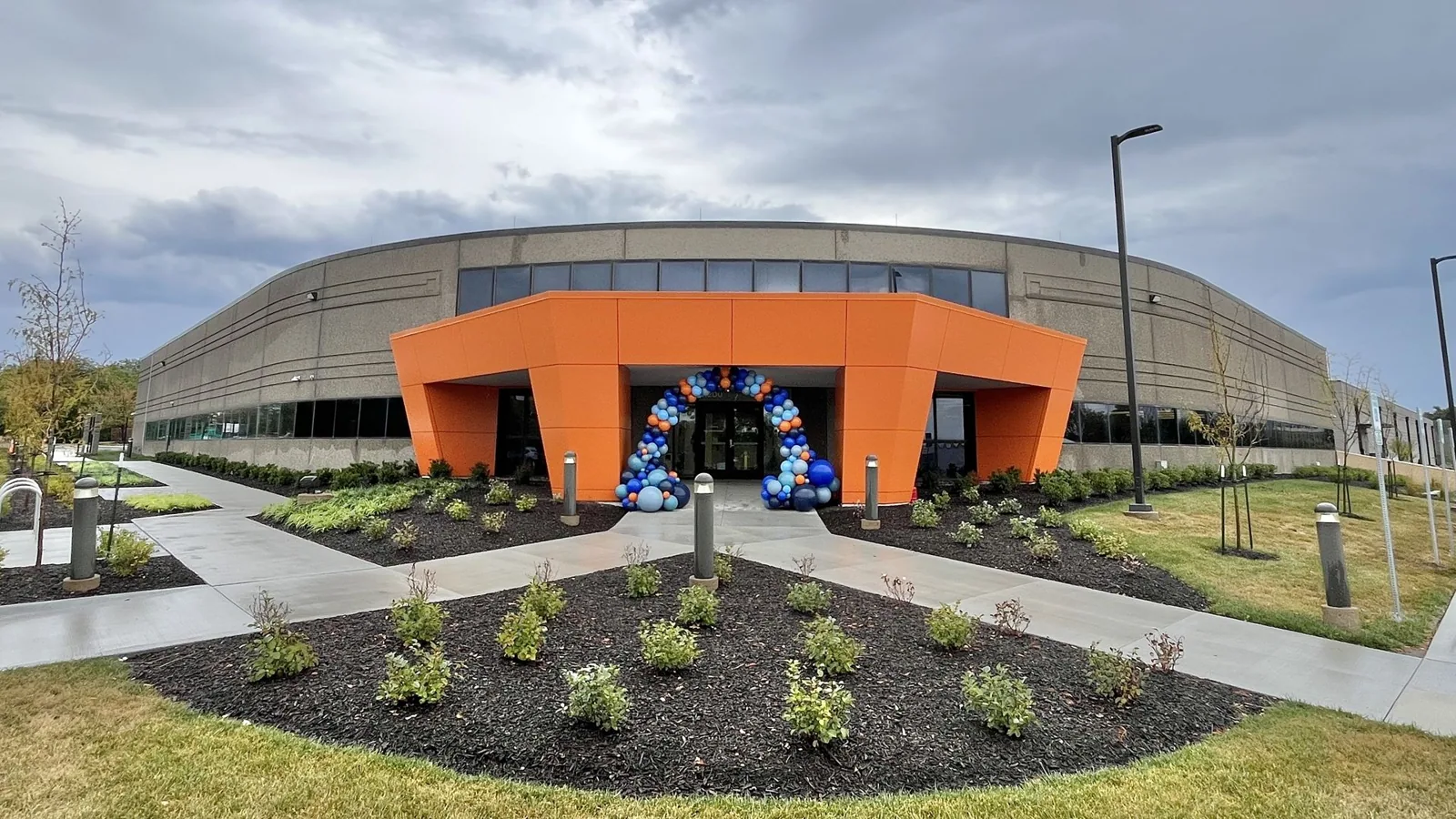
Leak consequence: grading roof zones by what sits below
We give each zone a grade from the room underneath. Server halls, switchgear and battery rooms rank highest. Network closets and mechanical rooms rank next. Offices, loading areas and corridors rank lowest. The grade sets the inspection frequency, the number of moisture readings and how fast a defect must be contained.
The same defect can be minor in one zone and urgent in another. A hairline seam opening above a corridor goes on the monitor list with a photograph and a date. The same opening above a hall gets temporary protection that day and a permanent repair scheduled with facility staff. The zone grade lives on the roof plan so no one has to remember it.
Graded zones also change who is told. A finding in a top-grade zone goes to facility operations the same day, with the photograph, the location and the temporary protection already in place. A finding in a low-grade zone goes into the weekly roof log. The distribution list is written on the plan next to the grade, so a defect never waits while someone works out whom to call.
Drainage test: primary, overflow and the path between
Redundant drainage is the core of the design. Primary drains carry ordinary rain and overflow outlets sit higher to take the rest if a primary clogs. Texas thunderstorms drop a lot of water fast, and the weather service lists flooding among the near-annual Metroplex hazards, so a clogged bowl is not a theoretical failure.
We test roof drains and scuppers by running water into each bowl and timing the flow, then walk the overflow path to confirm it discharges where the plan says. Results go into the condition record by drain number, and the next test date is set before the spring storm season.
Winter and spring bring different problems. Debris from trees and equipment piles up at drains over the dry months, and the first heavy storm of spring finds every weak point at once. Cleaning and testing are therefore scheduled in late winter, ahead of the wettest season, and the results are logged by drain number so a slow bowl shows up as a trend, not a surprise.
Metroplex context: where data infrastructure sits
The Metroplex economy includes computer services and corporate management alongside communications equipment manufacturing, and Lewisville's planners describe office and industrial development around I-35E and SH 121. Richardson's Telecom Corridor and Irving's technology and finance sectors are part of the wider regional picture. None of that establishes what any particular building's roof is made of, so every scope begins with a core and a drawing review.
The Southern Gateway at the SH 121 and I-35E intersection is one of the districts where mixed-use investment is guided by a city plan. Any facility near that kind of redevelopment shares roads and construction activity with its neighbors, and the access log notes the effect on roof access.
Attachment detail: cooling plant, piping and supports
Cooling equipment often sits on the roof: condensers, dry coolers, exhaust fans and the piping that links them. Every pipe through the membrane is a penetration, and every support is a point load. We number them on the plan, photograph each flashing and check each support for wear against the sheet.
Summer heat is the working load. Cooling plant runs hardest when the roof is hottest: the 1991-2020 normals put July and August afternoons close to 96 degrees, with roughly twenty days a year at triple digits. Our rooftop equipment curbs and supports findings tie each unit to its curb detail and the date of its last flashing check.
Pipe supports deserve a careful look. Many cooling lines rest on small blocks that were set when the equipment was installed, and the blocks grind into the sheet through years of daily thermal movement. We lift a sample of them in each zone, photograph the membrane beneath and replace worn pads with protected supports that spread load. Unused penetrations are removed and patched to match the membrane, not left open under a cap.
Storm evidence: hail on a facility that cannot stop
Large hail and damaging wind are near-annual hazards across the region, and a data hall cannot wait for an adjuster to schedule a visit. After a significant report we run a fast pass on the highest-grade zones first: drains, flashings at penetrations, seams and the membrane over the hall. Findings are compared with the last dated photo sequence so a new bruise is not confused with older wear.
If hail damage appears, a moisture reading shows whether insulation is wet. The hail damage repair boundary follows from that reading, and an insurance file, when needed, starts from dated records.
Options review: redundancy, membranes and secondary protection
Fully adhered single-ply membranes are common over server halls because they have few mechanical fasteners and every seam can be probed. Some owners also ask for secondary protection over the highest-grade zones, such as a drainage mat or a second membrane. That adds cost and weight, and the options review shows both so the choice is made with numbers.
Insulation and cover board are selected for fire rating and thermal value under the 2021 International Building Code that the city lists among its adopted codes, subject to the edition and amendments that govern the permit.
Seam testing is stricter in top-grade zones. Every weld is probed, a share are also pulled as test cuts, and the readings are tabulated by roof zone. Flashings over the hall are inspected twice, once when the base is set and again before the counterflashing closes the detail, and both photographs are kept in the packet.
Closeout packet: what the facility team keeps
The packet contains the grade map, drain test results, penetration list, moisture readings, dated findings with photographs, product sheets and the next inspection date. An office building or hospital next door can use the same format, which lets an owner with mixed holdings read every roof the same way.
Access to the roof is part of the record too. A log of who walked the roof, when and why explains later punctures and gives the facility team a way to tie a finding to an event. Walk pads mark the route between hatches and equipment so foot traffic stays off seams.
Commercial Roofing Questions
How are roof zones prioritized above a server hall?
By the grade of the room below. Server and switchgear zones are inspected first and most often, and their defects are contained the same day.
Why test overflow drains?
Because they are the last line when a primary drain clogs. Running water into each bowl shows whether the flow and the discharge route work.
Do moisture sensors replace inspection passes?
No. A sensor can raise an alert, but only a walk finds the defect, its cause and the surrounding wear.
What happens after a hail report?
A fast pass over the highest-grade zones, then the rest of the roof. New findings are compared with the last photo sequence before anything is attributed to the storm.
What is in the closeout packet?
The grade map, drain tests, penetration list, moisture readings, photographs, product sheets and next inspection date.
Related
Related Roofing Work
Roof Drains, Scuppers and Ponding Correction
Southern Gateway
Rooftop Equipment Curbs and Supports
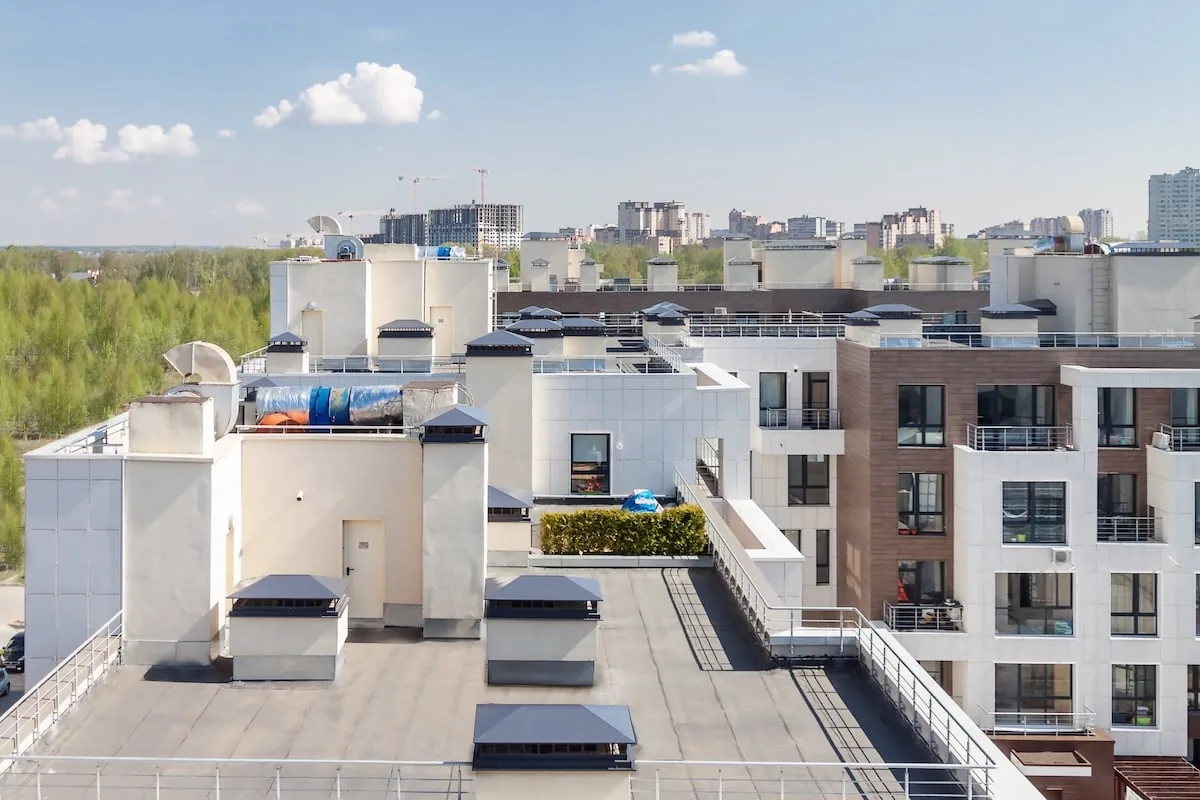
Hail Damage Roof Repair
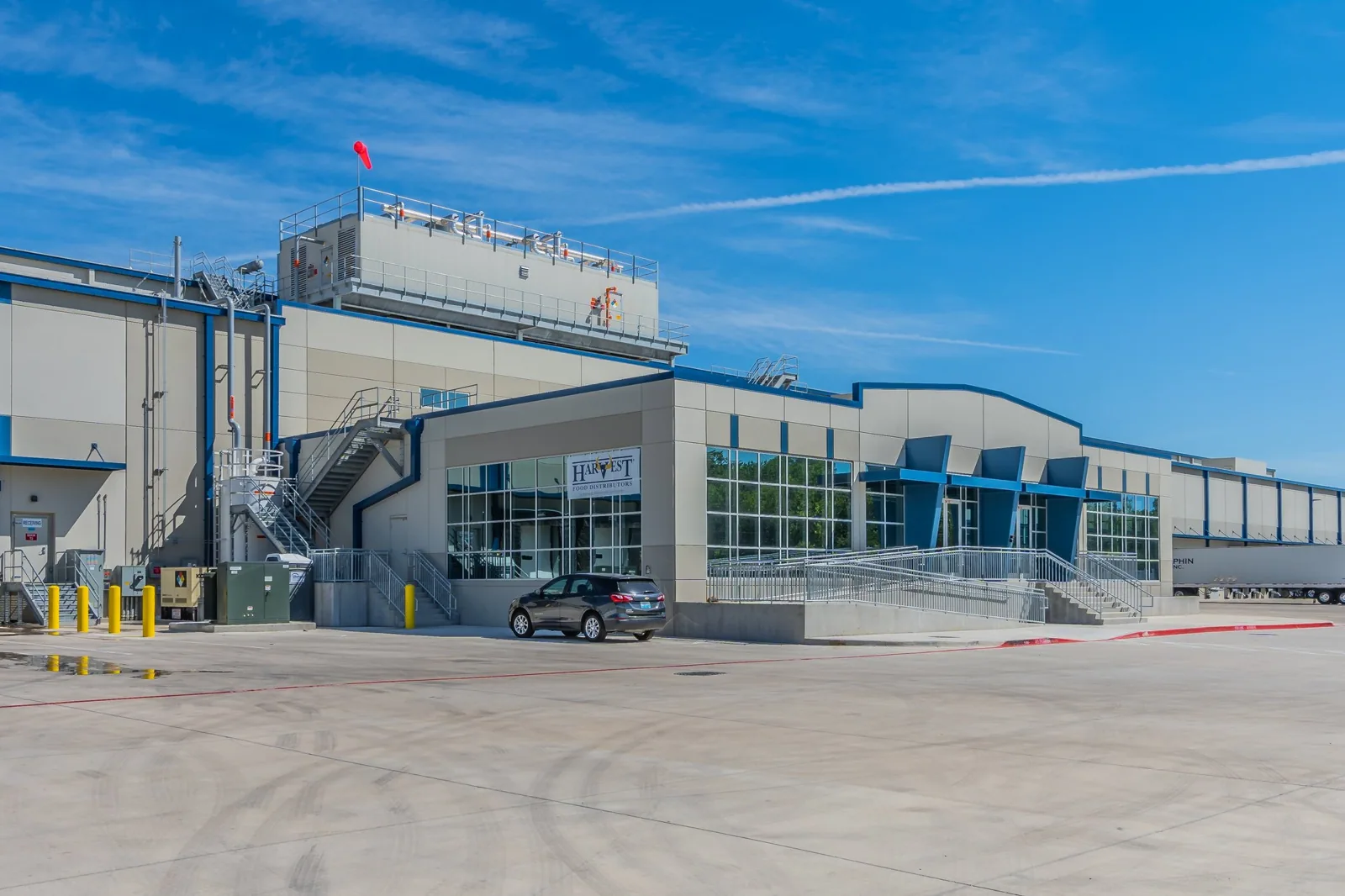
Office Building Roofing
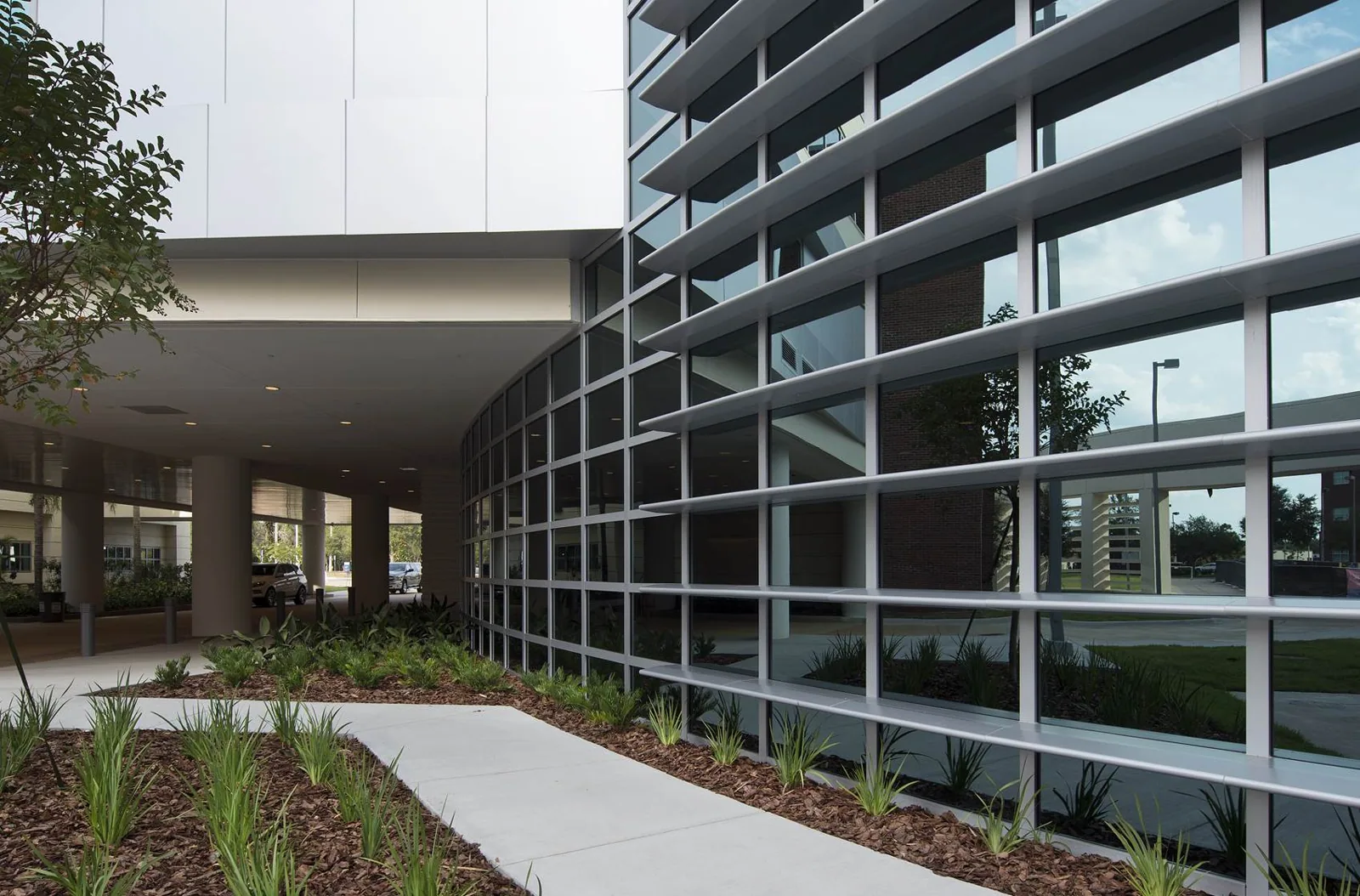
Hospital Roofing
Schedule a graded inspection
Send the drain layout and the room grades, then schedule an inspection to receive a dated condition record with photos, findings and recommended next steps by roof zone.
