
Roof Drains, Scuppers and Ponding Correction in Lewisville, TX
Overview
Roof Drains, Scuppers and Ponding Correction in Lewisville
Standing water leaves a record: a ring of dirt where it dried, algae on the membrane, a seam that has softened at the low point. Reading that record is the first step in any drainage job, and it tells us whether the problem is a clogged outlet, a roof that was never sloped to its drains, or insulation that has compressed under years of wet load. On a Lewisville, TX roof that has to shed the heavy rain of a Dallas-Fort Worth spring and fall, the difference decides whether a cleaning visit is enough or a tapered scope is needed.
We trace the water from where it falls to where it leaves the building, and we record every point it stops along the way.
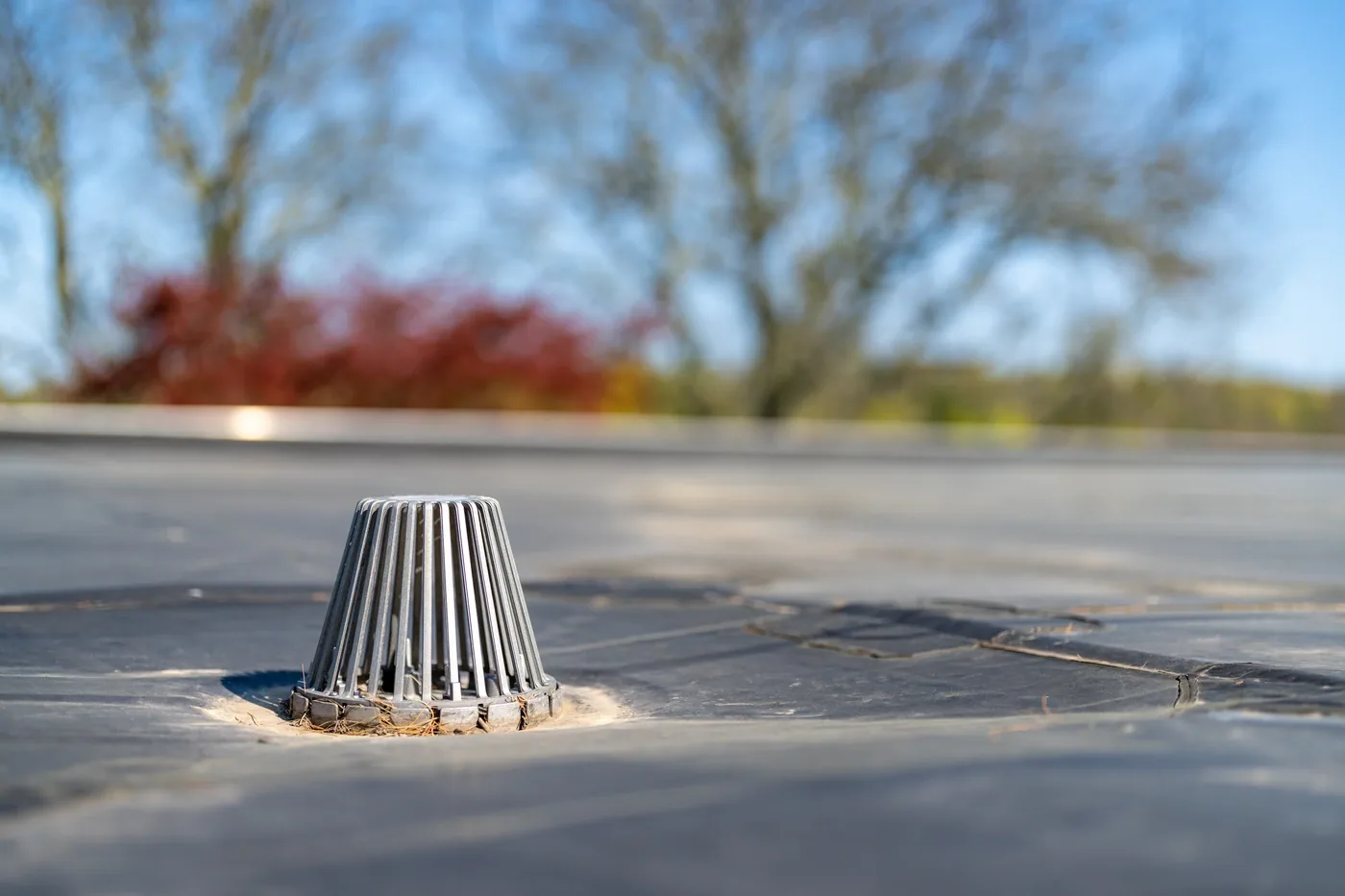
Inspection pass: tracing the drain path from field to outlet
The pass starts at the high points and follows the slope. We note which direction water moves in each roof zone, where it collects, and how far it sits from the nearest drain or scuppers. After a rain, or with a controlled water test, we look for water that remains more than a day on the membrane, since a short puddle drains out while a persistent one signals a depression or a blocked outlet.
At each drain we check the strainer, the clamping ring, the sump and the connection to the pipe below. At each scupper we check the throat, the liner and the seal to the wall. Debris in an outlet is logged with a photograph, because a drain that fills with leaves every spring points to a nearby source that can be managed. Property managers can pair this pass with scheduled maintenance so outlets are cleared before storm season. A second look after the first heavy rain shows whether the cleared outlets keep up, and any pond that returns within a day is flagged as a slope finding rather than a cleaning item.
Moisture reading: what standing water has done below the surface
Water that sits on a roof can enter at seams and flashings and wet the insulation below. An infrared scan and moisture meter readings around ponded areas show how far the damage has spread, and a core cut confirms it. The result tells us whether the correction is a drainage change over sound insulation or a section replacement with new tapered board.
Compressed or wet insulation also dips under load, which deepens a pond year over year. That feedback loop is why a minor depression ignored for several seasons becomes a scope in its own right. The ponding water repair work starts with this reading, and the dated finding lets a reviewer see how the area has changed from one pass to the next.
Attachment detail: drain bodies, sumps, scupper boxes and overflow
The place where membrane meets a drain is a common source of leaks. Clamping rings loosen, membrane pulls away from the sump and sealants dry. We reflash the drain with new membrane, a proper flange seal and a clamping ring set to the right torque, and we replace cracked bodies instead of coating over them.
Scuppers pass water through a parapet wall, and their liners and seals take constant wetting. A scupper set too high leaves a pond behind it, and one that is too small backs up in heavy rain. We check the opening size against the drained area, confirm that an overflow route exists, and verify that downspouts and gutters carry the water clear of the wall, a detail tied closely to edge metal, coping and gutters.
Options review: crickets, tapered insulation and added drains
Once the cause is clear, three corrections are on the table. A cricket diverts water around a rooftop unit or a wall and toward a drain. Tapered insulation builds slope into a flat area. An added drain or a scupper gives water a second way out. Each has a cost, a work window and a limit, and we write them next to one another. A cricket is usually the lowest cost and works only where the depression sits next to an obstruction. Tapered board has the widest reach but needs a roof opened to the deck. An added drain depends on pipe access below and on the structure's capacity to carry the added load.
Where the roof is due for recovering or replacing, tapered insulation under the new membrane solves a ponding problem at its root, and the choice of insulation, tapered board and cover board sets how much slope the new roof can carry. Where the membrane is sound, a localized cricket and a drain upgrade can end the pond for far less. The record shows the depth of the pond and the area it covers, so the owner can judge which route fits the budget.
Work coordination: plumbing, permits and tenant hours
Moving or adding a drain involves the plumbing below, and sometimes a permit. Moving a drain can bring permit review, so we check which edition of the building code and which local amendments govern that permit before the work is scheduled. Interior access to pipe runs is arranged ahead of time, particularly for tenants in mixed-use areas such as the Main Street subdistrict and the Eastern Gateway, where each building sets its own roof access and interior hours.
Drain work is sequenced so water always has a path. We never close an old drain until the new one is live, and temporary pumps or hoses are on site during any shutdown. A forecast with heavy rain pauses the work, because the National Weather Service lists flooding among the hazards that occur nearly every year in the Metroplex, and an open drain sump in a downpour is a water-entry point. Roofs near I-35E and SH 121 that sit under larger commercial buildings may need a crane or hoist for drain bodies, and that equipment is booked with the access log in hand.
Commercial Roofing Questions
How long can water sit on a flat roof before it becomes a problem?
A puddle that remains more than a day or so after rain is a concern, and one that never fully dries is a clear finding. Persistent water stresses seams, grows algae and can force moisture into the insulation. The first fix is a clear outlet, and the second is a correction to slope.
Should a clogged drain be cleared by the tenant or by the roofer?
Anyone who can reach the roof safely can clear leaves from a strainer, but the record should note it. A roofer also looks at the clamping ring, the sump and the pipe, which tenants may not inspect. A drain that fills repeatedly belongs on the maintenance schedule.
Can scuppers be enlarged without replacing the roof?
Often, yes. The wall is opened, a larger liner is installed and the membrane is tied in. We confirm the area the scupper serves and whether an overflow exists before changing the opening. A structural check is added when the parapet is thin.
Does tapered insulation always require a full replacement?
No. Tapered board can be installed over a sound deck as part of a recover, and in some cases in a limited zone around a low spot. The moisture reading and the deck condition decide how far the scope extends.
What does the drainage record show after the work?
Before and after photographs of each drain and scupper, the slope direction by zone, the materials used and the results of any water test run after completion. The record also names the outlets that need a periodic check.
Related
Related Roofing Work
Preventive Roof Maintenance
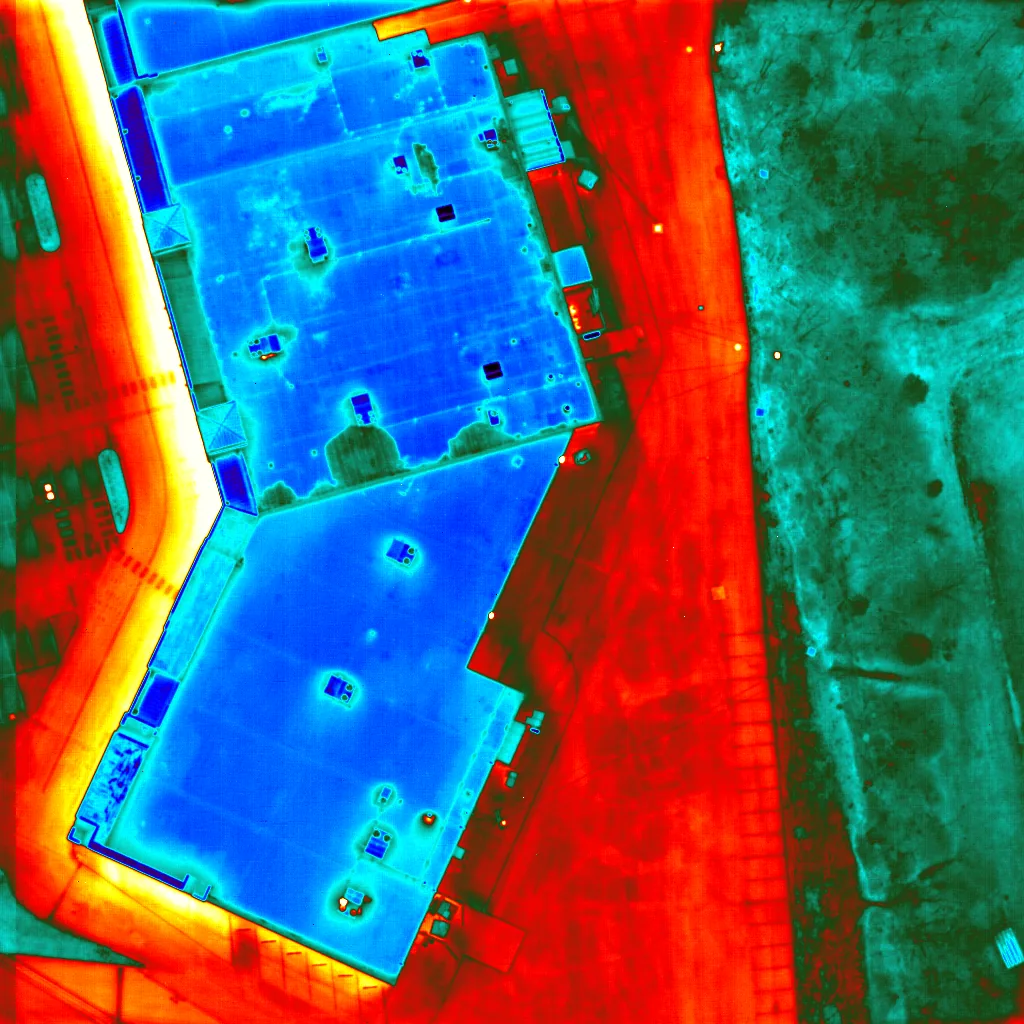
Ponding Water Roof Repair

Edge Metal, Coping and Gutters
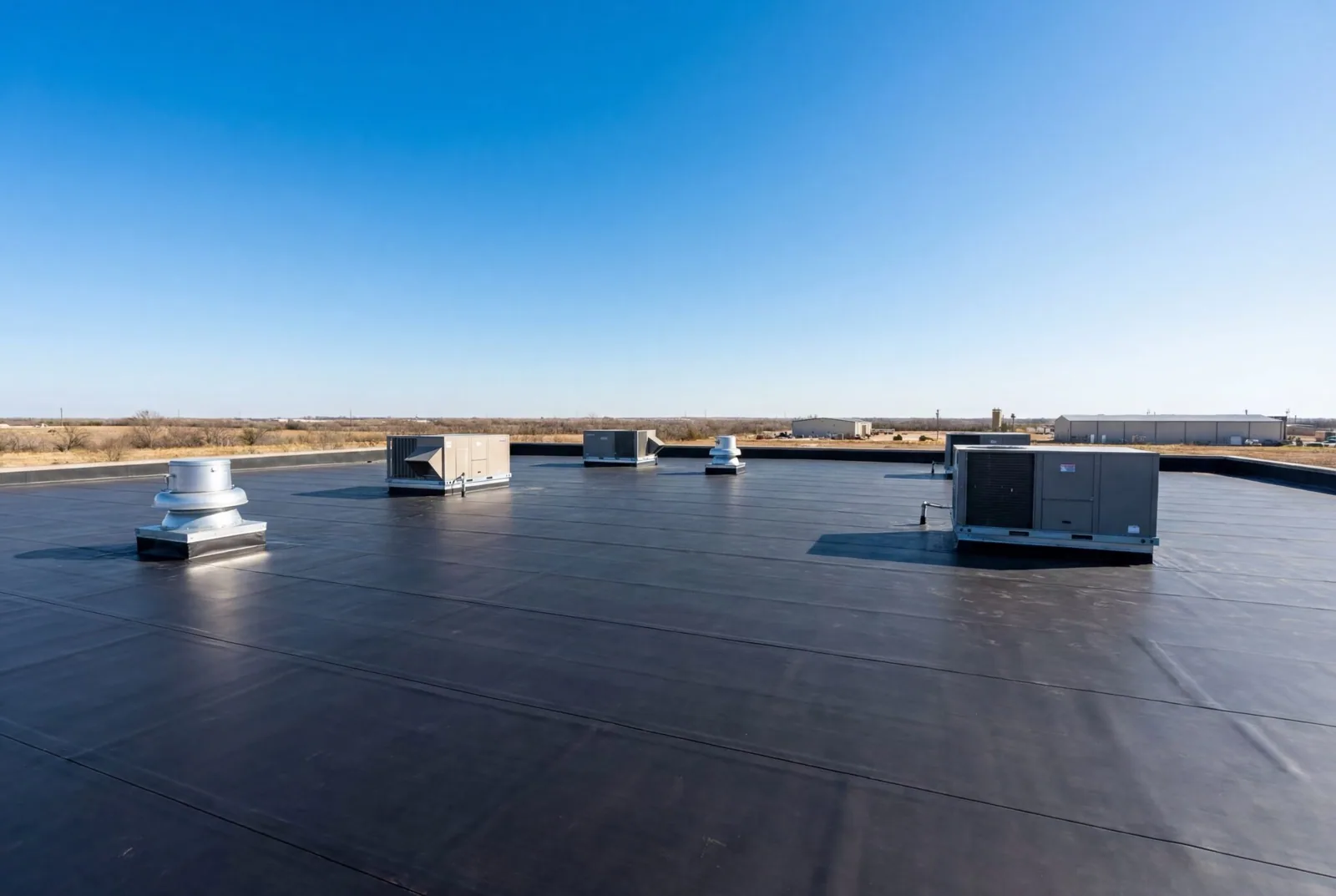
Roof Insulation, Tapered Systems and Cover Board
Main Street Subdistrict
Eastern Gateway
Get the drain path traced
Book a drainage walk and receive a record of each drain, scupper and ponded area, with photos, slope notes and the correction we recommend for each.
