
Commercial Roofing in Eastern Gateway, Lewisville, TX
Home // Service Areas //
Overview
Eastern Gateway in Lewisville
Four building types, one gateway, four different roof problems. Lewisville identifies its Eastern Gateway at the SH 121 entrance into the city, and the city describes retail, industrial, residential and high-density mixed-use development there. A property manager working that stretch of Lewisville, TX may hold a strip of shops, a distribution suite, an apartment building and a mixed-use block in the same portfolio, and a single inspection template will miss what each one needs.
So the first step is to sort the roofs by what sits under them and how they are built. A wide industrial roof drains and ages differently from a small retail roof with rooftop units, and both differ from a residential roof where a leak arrives as a tenant complaint within hours.
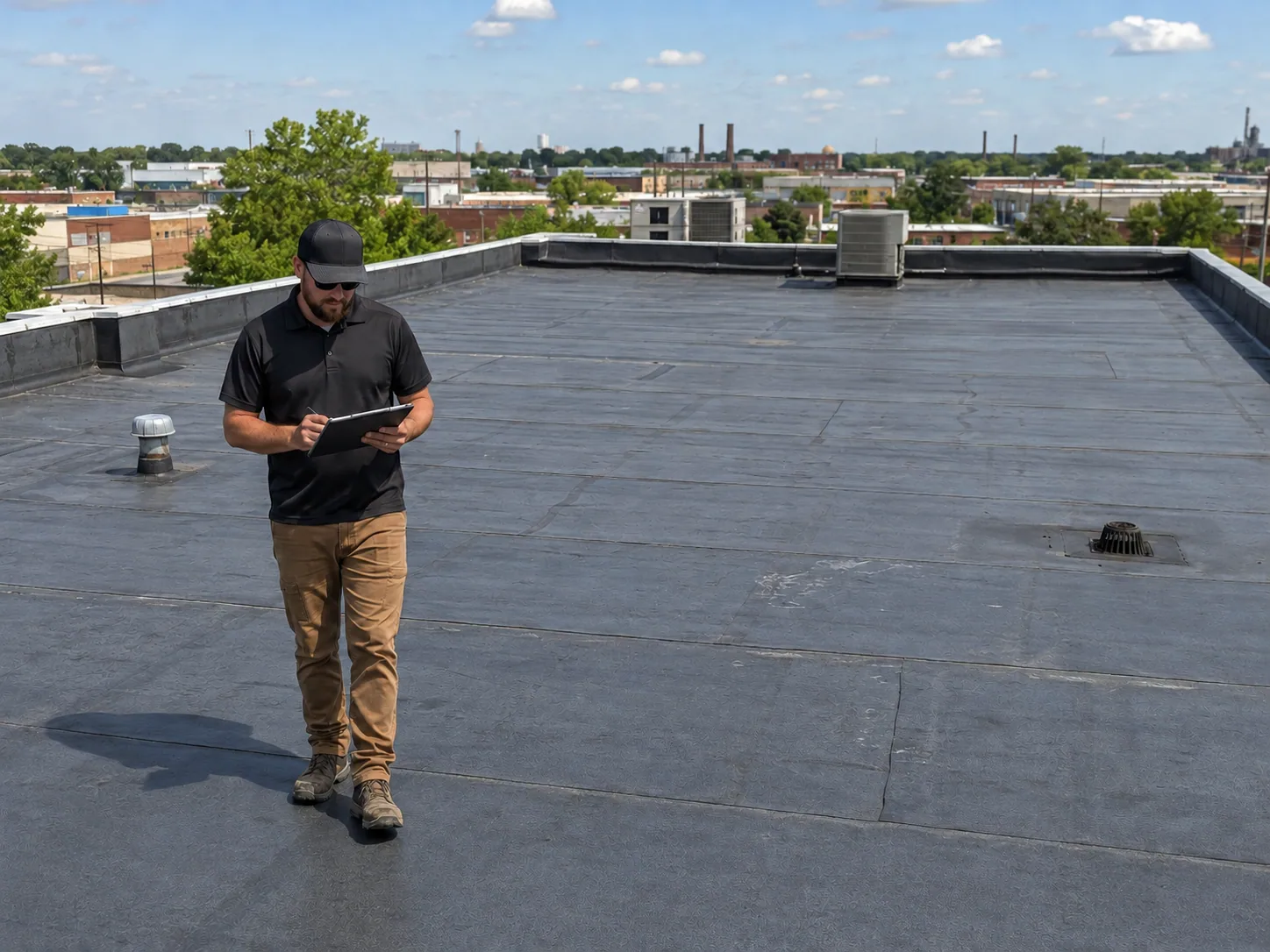
Roof classes: sorting a mixed portfolio
We tag each roof zone with a class: low-slope single-ply, bituminous, metal, or something else, and with the use below. The class decides the method for patching, seaming and flashing. The use decides how fast a leak becomes a cost. A roof over inventory or electrical gear ranks above one over an empty bay, regardless of age.
The first-pass photo sequence is the same on every class: the whole roof zone first, then edges, penetrations, drains and seam runs, then close images of findings. What changes is what we probe. Single-ply laps get a probe along the full seam. Bituminous roofs get a check for blisters, ridging and granule loss. Metal roofs get fastener and panel-lap inspection. The results go into one report with the classes marked, so a manager can compare roofs of different types on the same page.
A TPO membrane on a retail building and a modified bitumen roof on an older industrial unit are repaired by different methods, and the report says which is.
The options review then sorts each zone into repair, recover or replacement and shows what drives each cost: tear-off and disposal, insulation condition, access, lift time and interior protection. On a retail building that stays open, the access lines are heavier. On an industrial building with clear space below, the roof area drives the price. Presenting the lines separately lets an owner with several building types see why one roof costs more per square foot than another without guessing.
Wide roofs: drainage and ponding
Industrial roofs, where they appear, usually cover a large area with little slope. Drains and scuppers are few relative to the area they serve, so one blocked outlet can put a large pool on the roof. Standing water adds weight, speeds membrane wear and finds any weak seam within reach.
We look for ponding by checking staining and debris lines, and by walking the roof a day after rain when the opportunity exists. Low spots are marked on the plan, and the drain and scupper outlets are photographed. Sometimes the fix is cleaning and a new strainer. Sometimes it is a tapered insulation insert or an added drain at the next replacement. A ponding repair is scoped to the cause, not just the pool. Photographs of each outlet before and after cleaning show whether the drain was the problem or only part of it.
Spring and fall are typically the wettest seasons in the region, so a drain check before those seasons is inexpensive roof work with a clear payoff. The warehouse roof program treats it as the first line in the maintenance plan.
Small roofs, many penetrations
A retail building tends to have a smaller roof with a crowded surface: exhaust fans, rooftop units, vent stacks, conduit and signage supports. Each one is a flashing detail and a place where foot traffic wears the membrane. The risk is that service work disturbs those details and nobody records it.
The inspection marks every penetration on the roof plan, notes the type of flashing and checks that terminations are fastened and sealed. Walkway pads go along service routes. Where a tenant brings in a new unit, we recommend a check of the curb before and after the swap, so the record shows what changed.
For restaurants and other users that vent grease, the membrane near the exhaust gets special attention, since grease attacks some roofing materials. The finding names the discharge point and the condition of the membrane around it.
Heat ages these small roofs quickly, because dark surfaces near rooftop units run hotter than the open field. We look for chalking, shrinkage at the curb base, hardened sealant and split laps beside the units. Those are the first places a retail roof opens, and a short repair there often extends the life of the rest.
Climate record: hail, wind and heat
The Eastern Gateway sits in the same weather as the rest of the Metroplex: hail and damaging wind in most years, spring and fall storms, and summers whose July and August highs average 96 degrees, plus about twenty days at 100 or more. A roof there may be missed in a given season, so the record states only what the building shows.
After a storm, we inspect and record: hail bruising or fractures, displaced edge metal, new punctures, wet insulation. Each finding gets a location, an image and a next test. If the roof was already worn, the record says so. The owner and the carrier then review the same specific evidence, and the repair scope covers what the evidence supports.
A commercial roof inspection on a regular cycle keeps the baseline current, so every storm comparison starts from a recent picture.
Related gateways and corridors
The Eastern Gateway shares the SH 121 corridor with other parts of the city. The Southern Gateway sits where SH 121 meets I-35E, the Business 121 Corridor follows the 8.4-mile SH 121 Business route, and Castle Hills adds a planned development along SH 121. An owner with property in several can run one cycle of inspections and keep the records in one format.
At the end of each job the owner keeps the photographs, the repaired-zone plan, the materials list and the warranty paperwork.
Commercial Roofing Questions
Why does a mixed portfolio need roof classes?
Because repair methods differ by system. A single-ply seam is welded or taped, a bituminous roof is patched with plies or mastic, and a metal roof is resealed and refastened. Tagging each zone keeps the right method with the right roof.
How can ponding be told from normal slow drainage?
Water that remains well after the rain has stopped, with staining or debris lines at its edges, is ponding. The plan marks the low area, and the drain check shows whether blockage or the roof shape is the cause.
What should a retail owner do when a tenant replaces a rooftop unit?
Photograph the curb and flashing before and after the swap, and have the flashing checked. A disturbed termination can leak weeks later, and the photographs show whether the unit work or older wear is the cause.
Can an apartment roof be repaired without disturbing residents?
Usually, with noise limits, protected walkways and short work days. Leaks are traced quickly because tenants report them fast. The temporary dry-in goes on first and the permanent repair follows on a planned day.
How often should each roof class be inspected?
On a cycle that fits its age and use, with a pass after significant storms. Older or higher-consequence roofs get more visits. The report sets the interval for each roof so the schedule rests on condition.
Related
Related Roofing Work
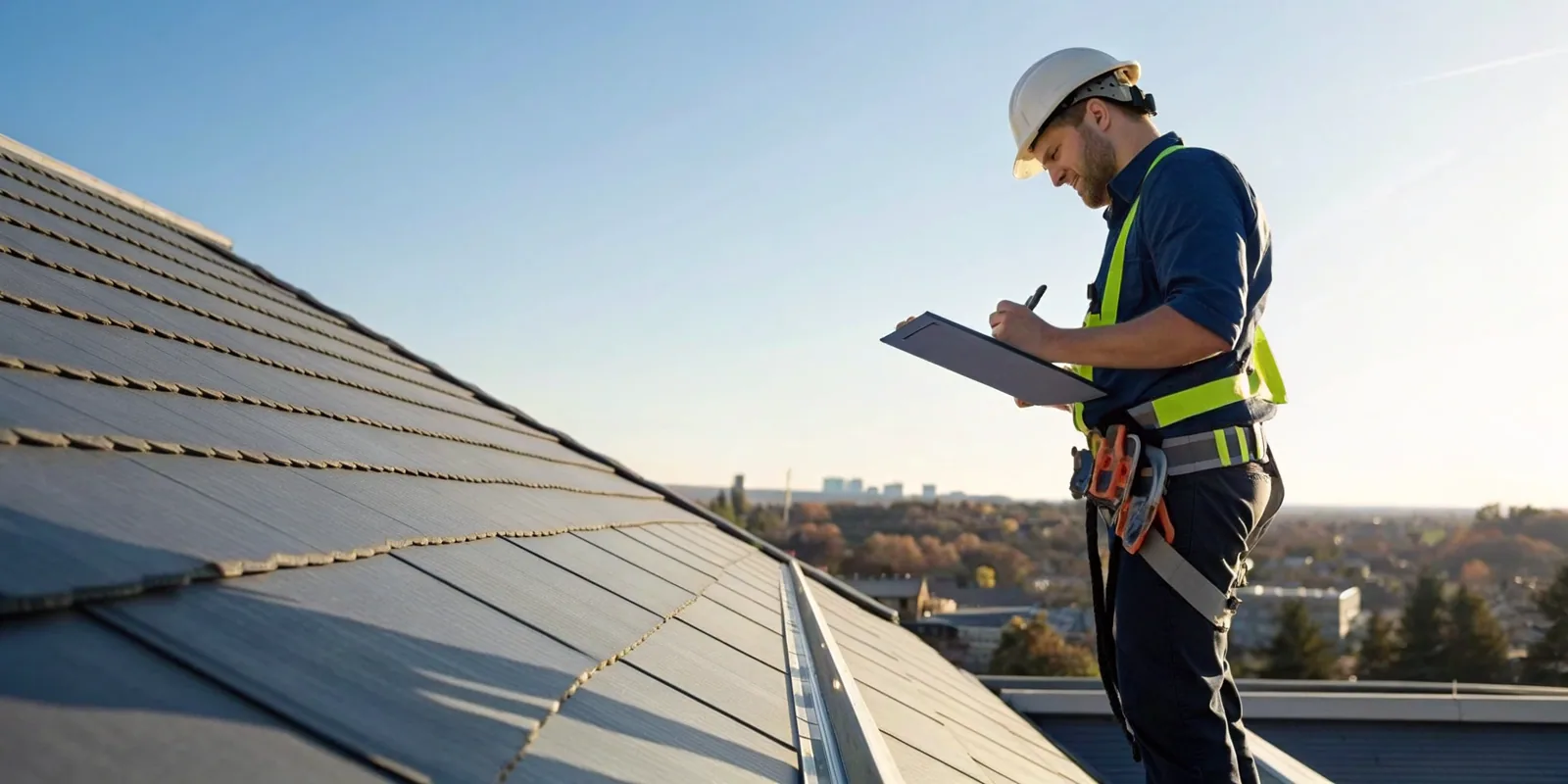
TPO Roofing
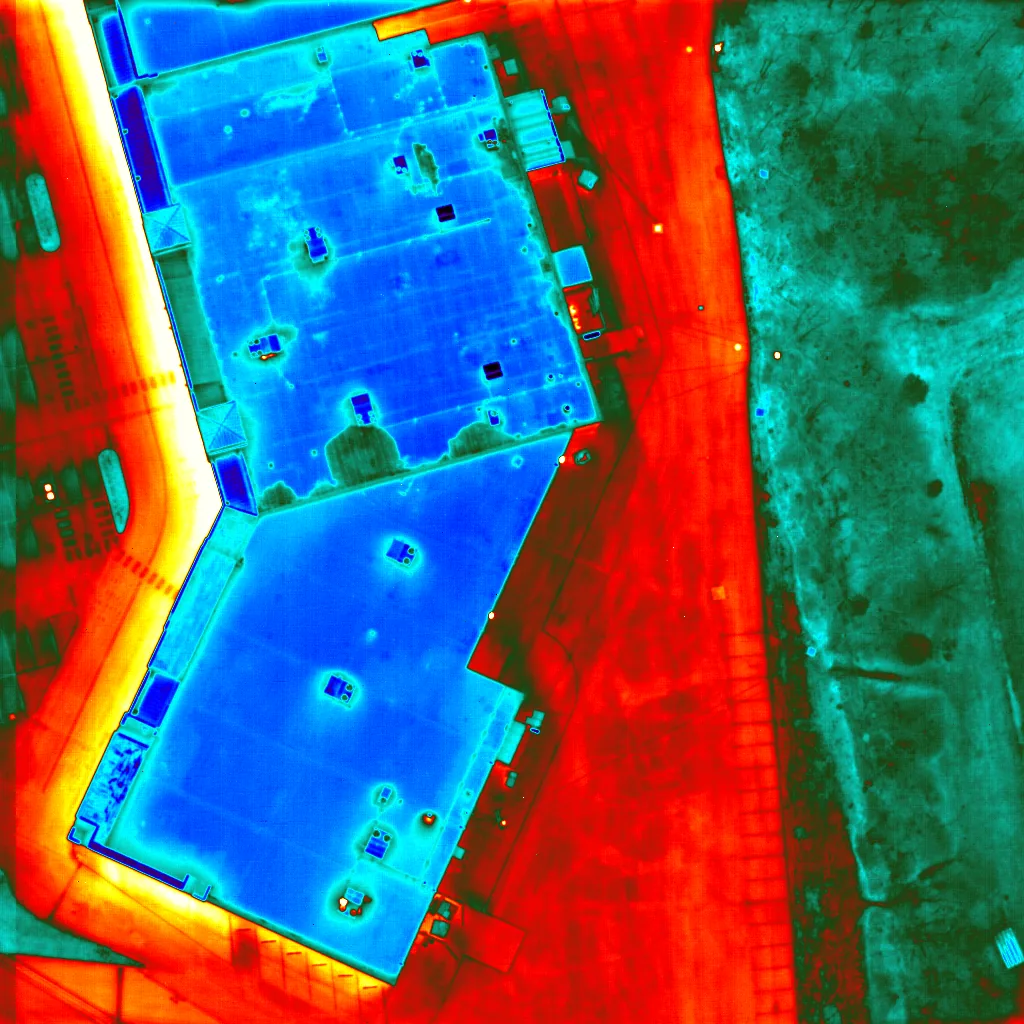
Ponding Water Roof Repair
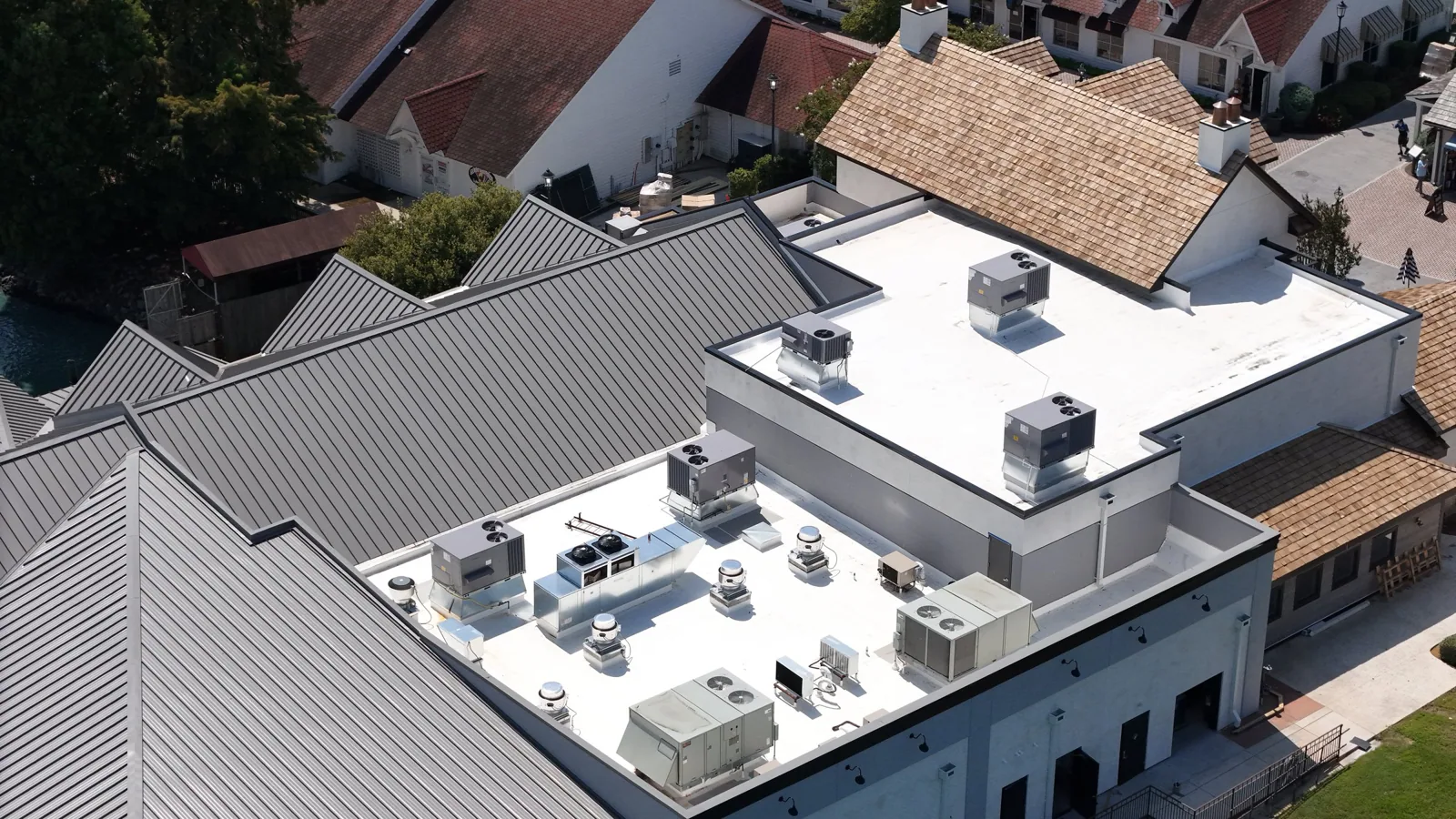
Warehouse Roofing
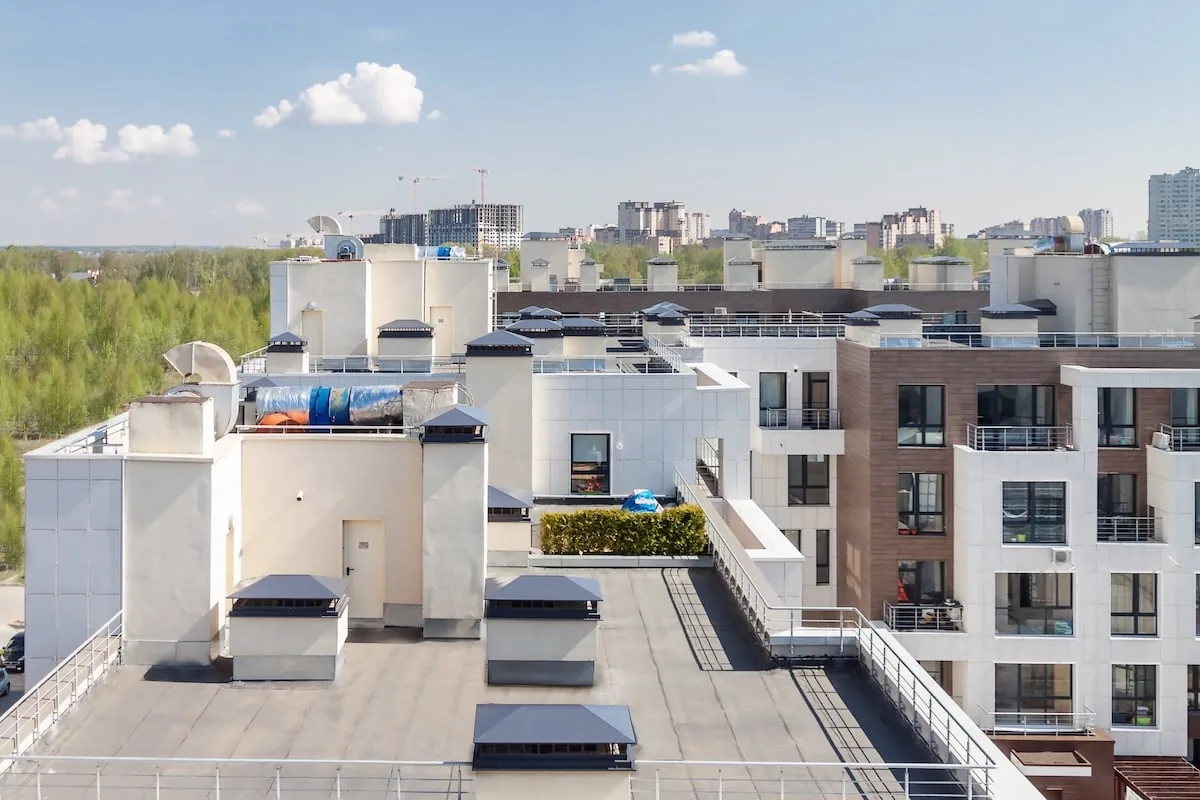
Commercial Roof Inspections
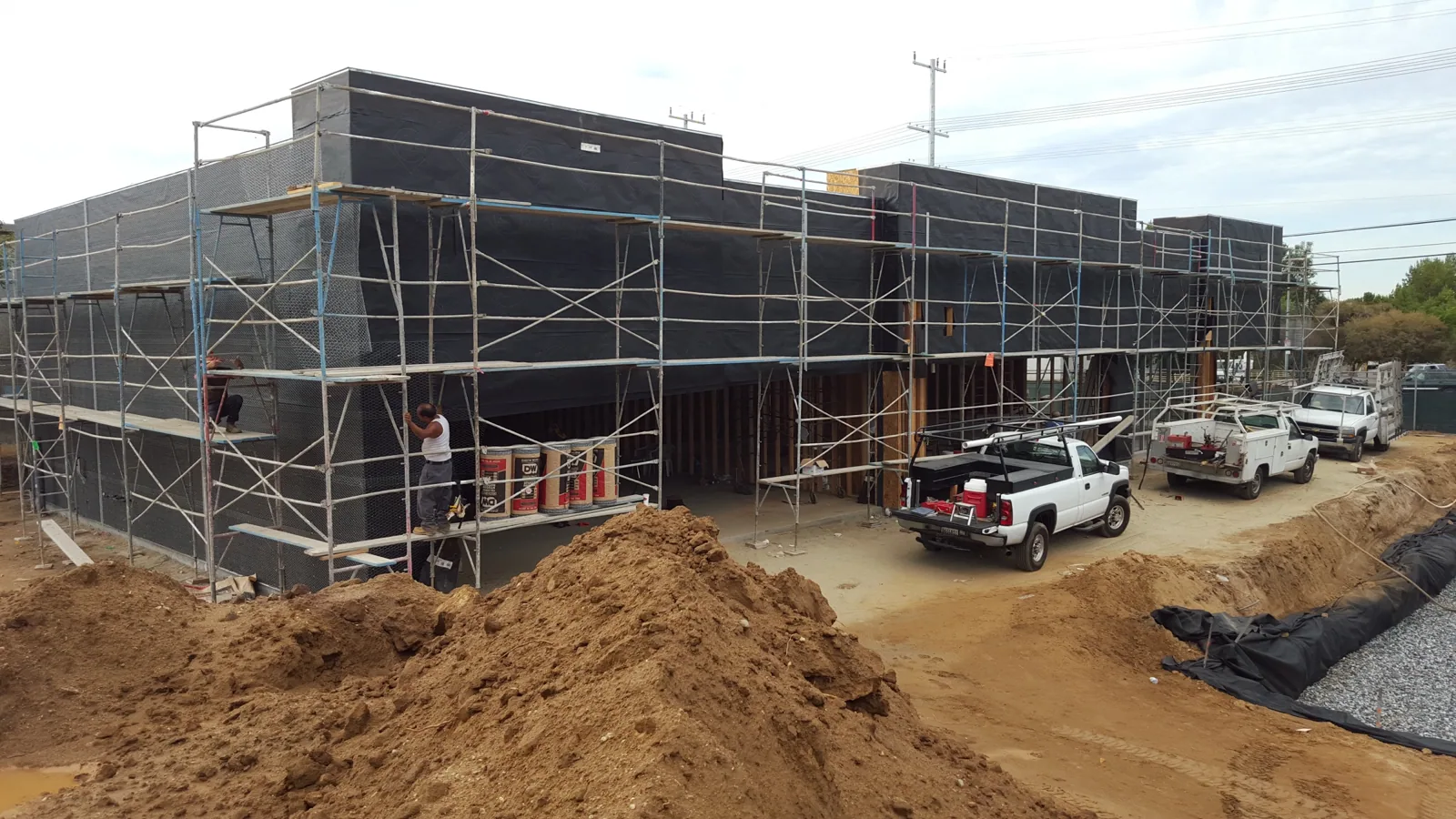
Southern Gateway
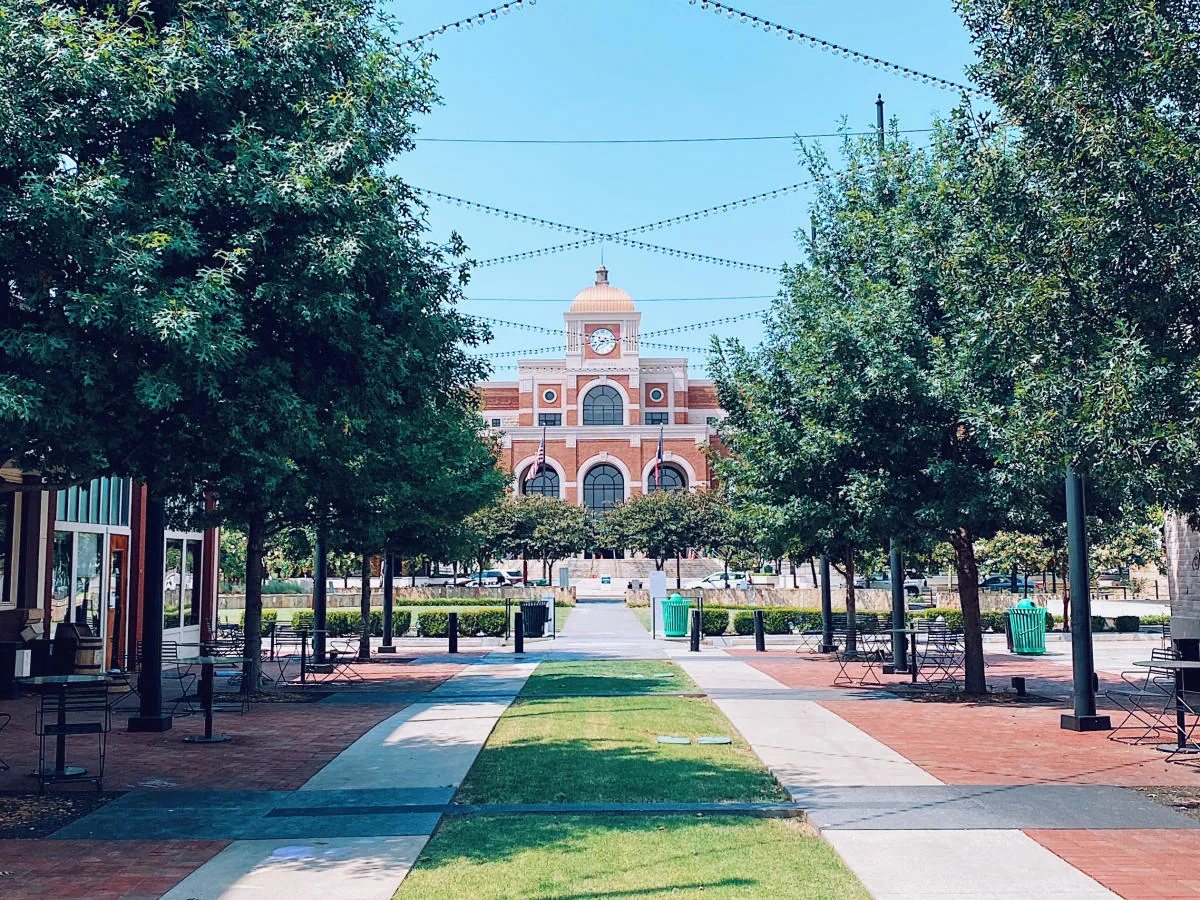
Business 121 Corridor
Schedule an inspection pass for each roof you manage
Send the list of buildings and what each is used for. You will receive a dated condition record with photos, findings and recommended next steps, with every roof zone marked by class and by the work it needs.
