
Roof Damage Repair in Lewisville, TX
Home //
Roof Damage Repair in Lewisville
Damage on a commercial roof leaves a pattern, and the first job is to read it before touching it. Hail, damaging wind, flooding and tornadoes strike the Metroplex in most years according to the National Weather Service, although one address may be spared in a given season. For a Lewisville, TX building near I-35E or SH 121, that means a storm report starts the inspection and does not finish it.
We photograph the whole roof zone, then the detail, then mark the repair boundary so the owner can separate fresh damage from old wear.
Temporary protection comes first when water is entering, and it is photographed so the later permanent scope can be priced separately.
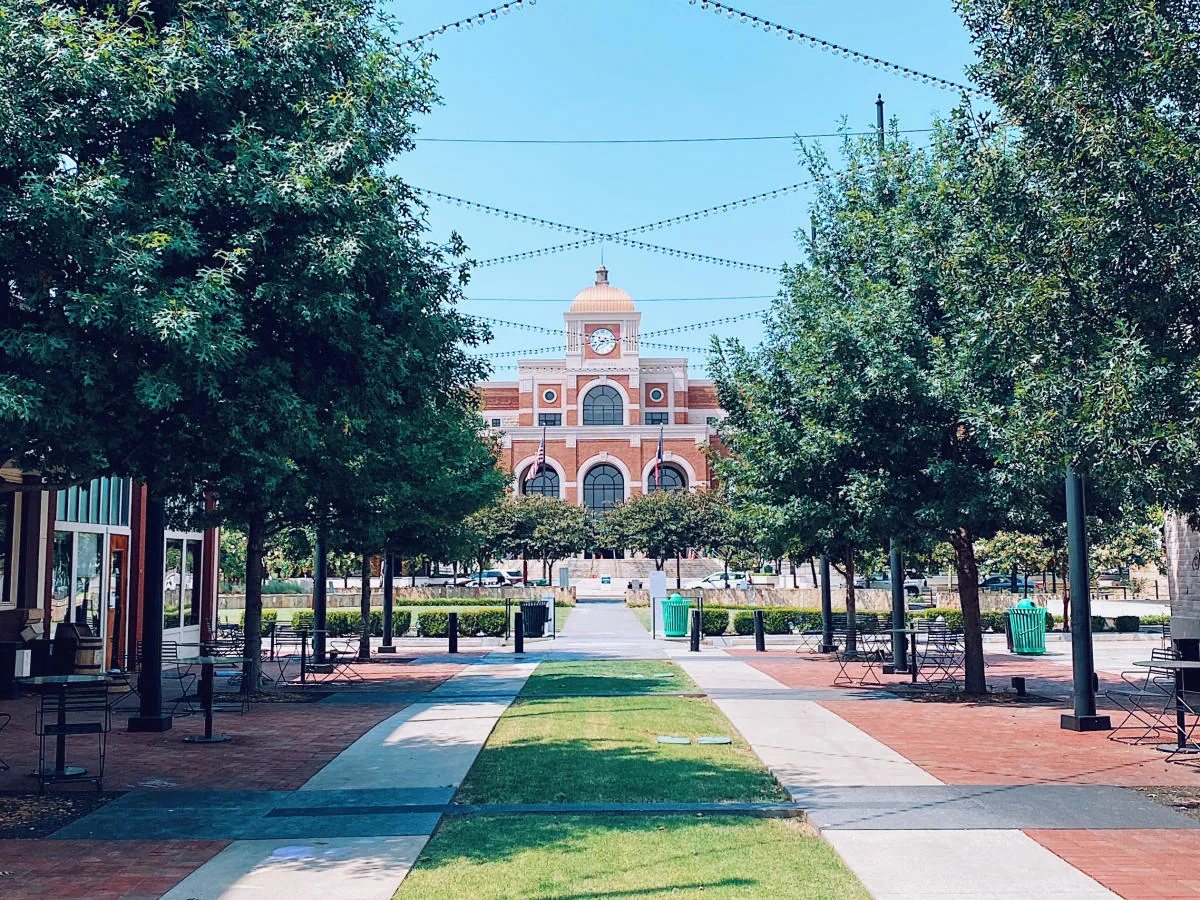
Roof Damage Repair
Explore Roof Damage Repair
Choose a page for scope details, local conditions and next steps.
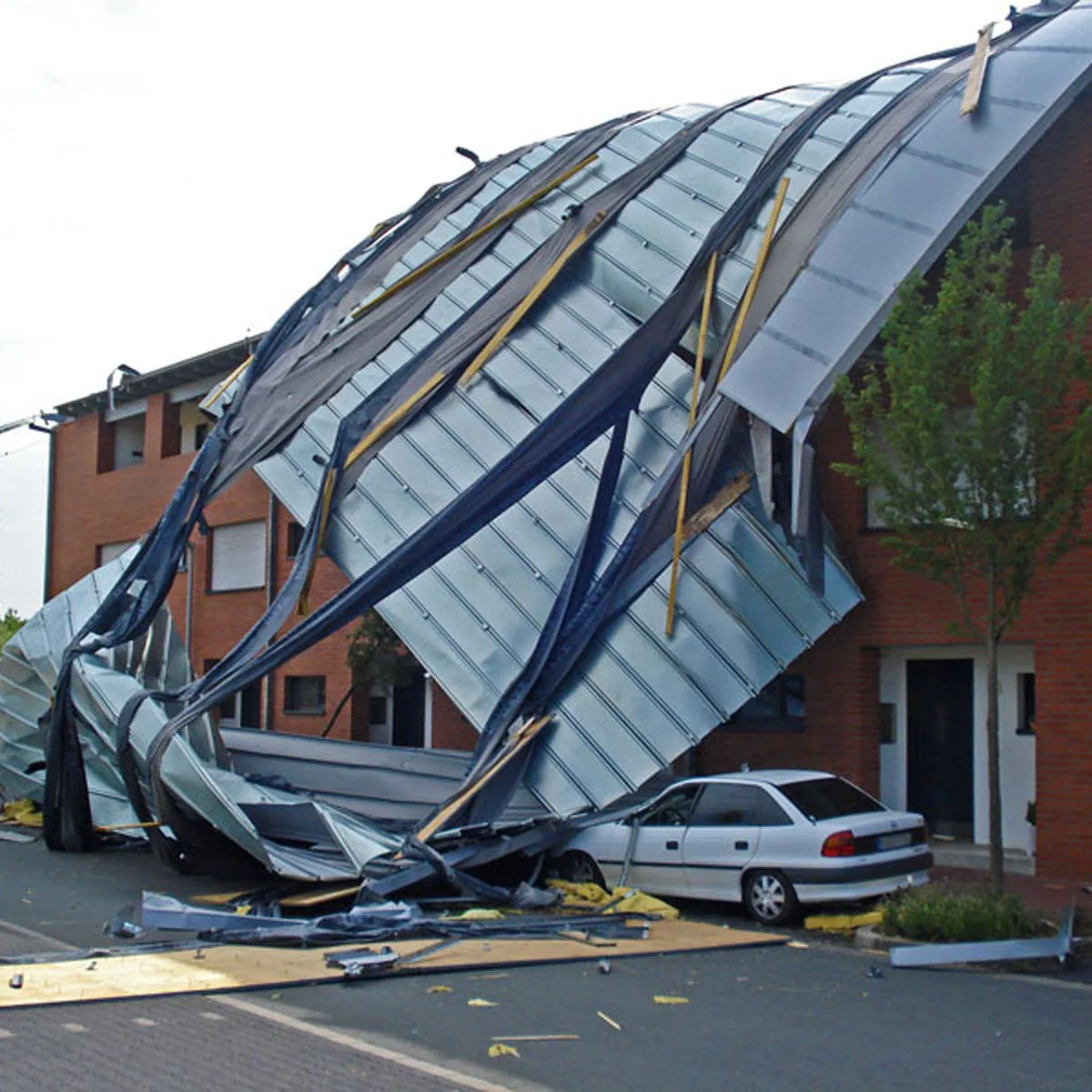
Wind Damage Roof Repair
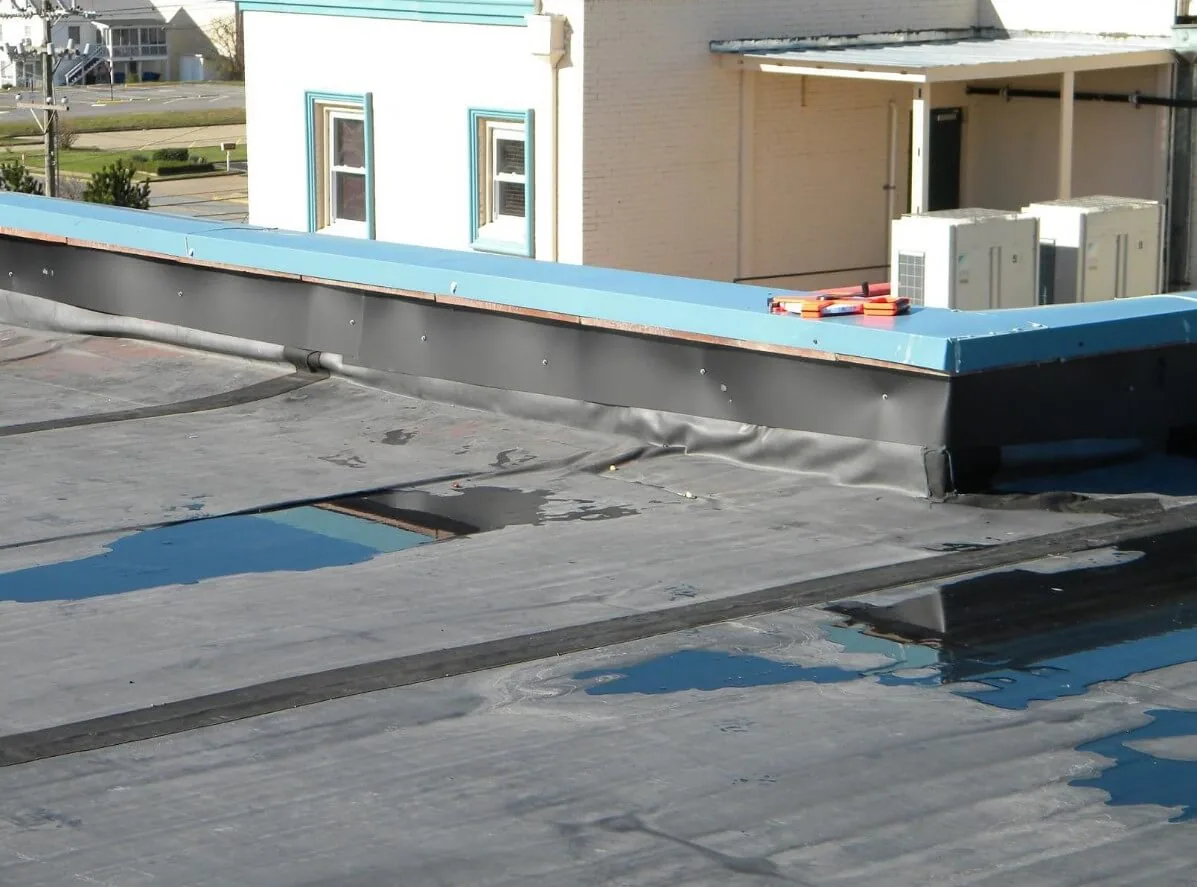
Ponding Water Roof Repair
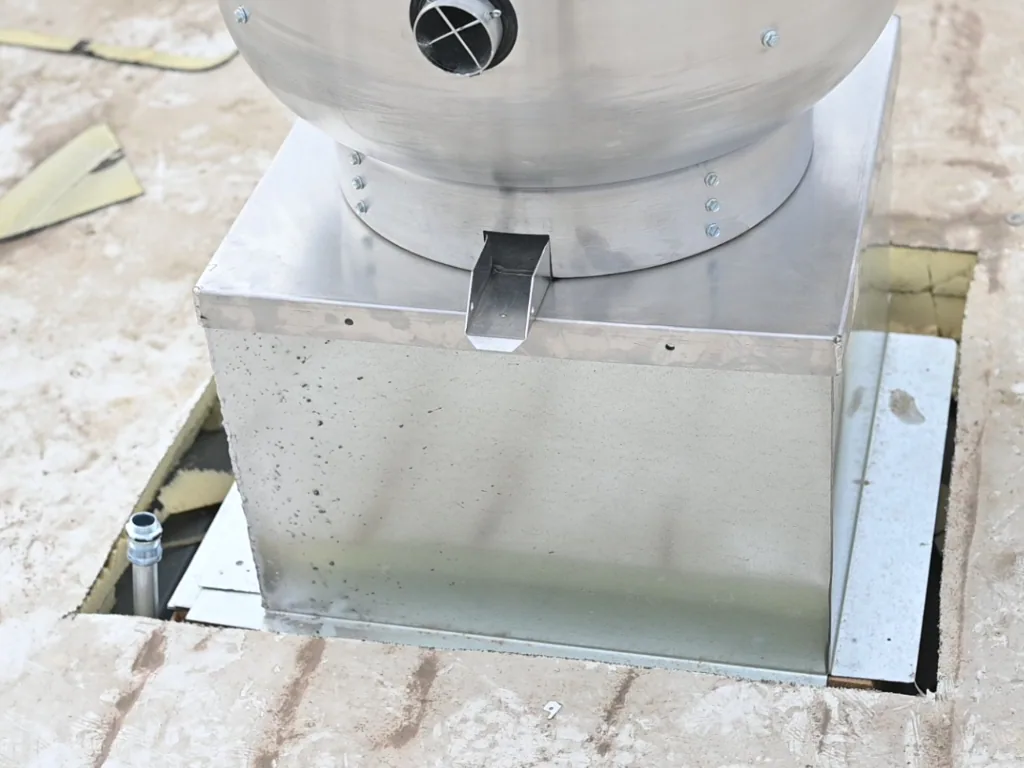
Failed Flashing Repair
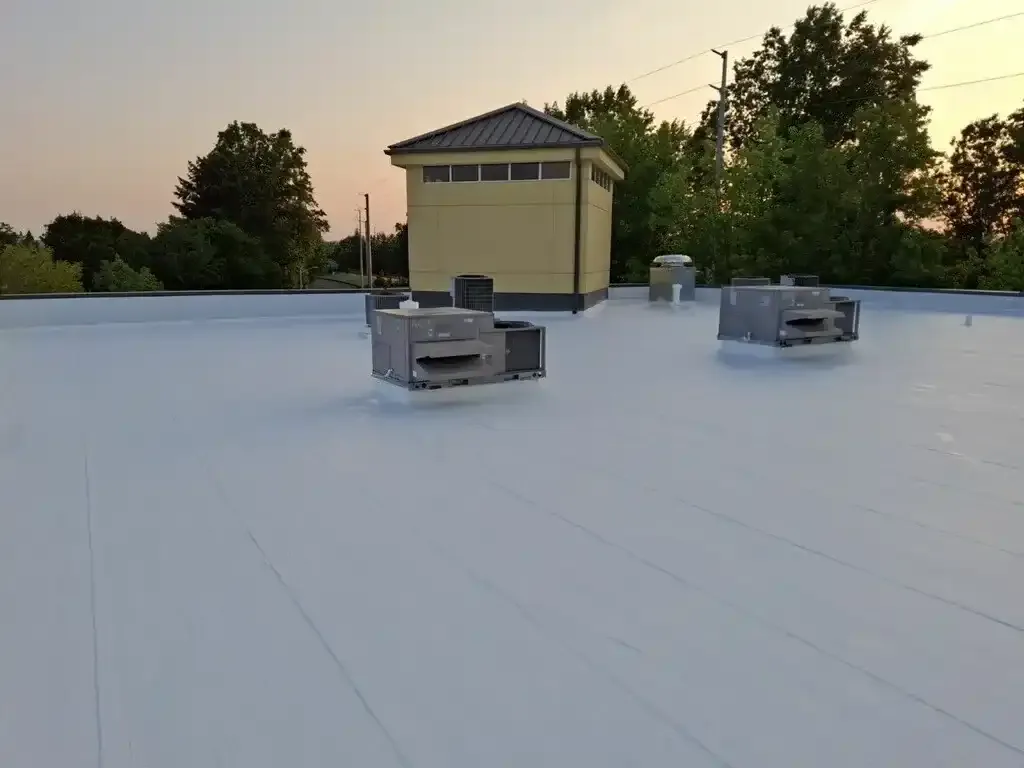
Split and Open Seam Repair
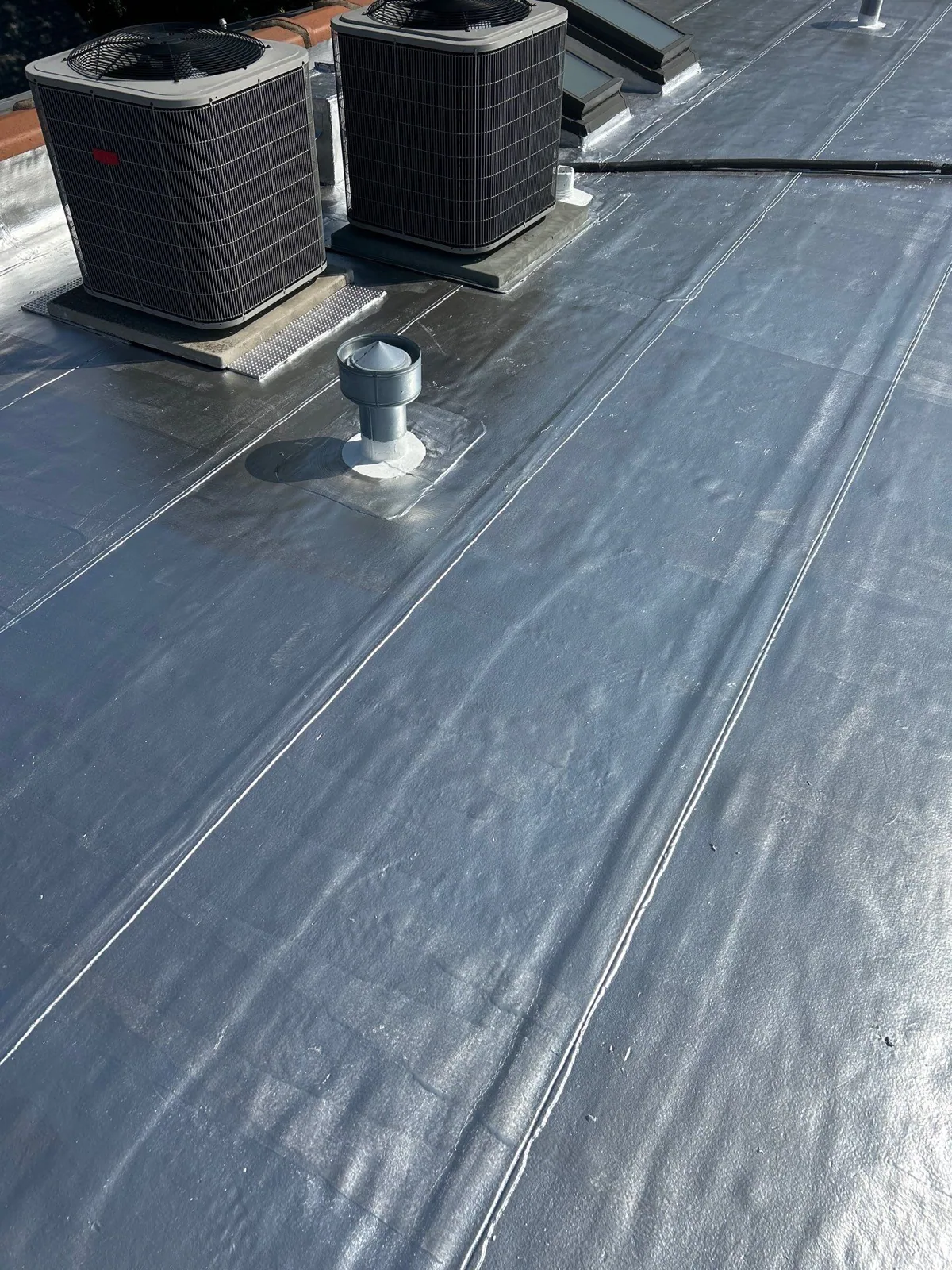
Membrane Puncture Repair
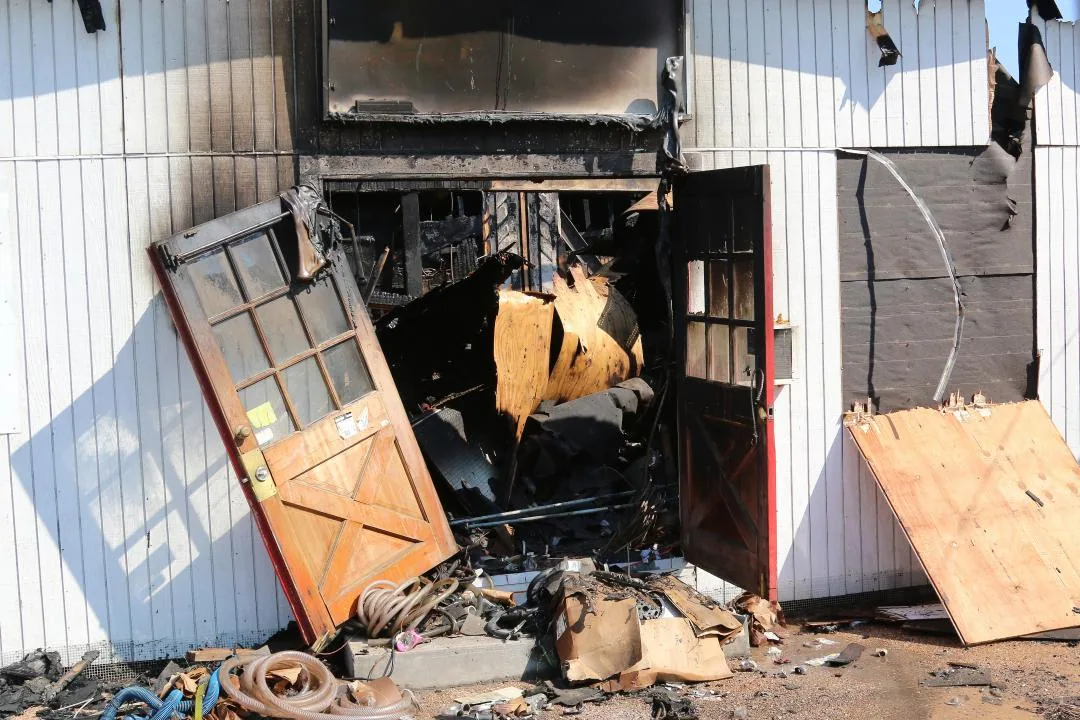
Fire and Smoke Damage Roof Repair
Hail Damage Roof Repair
Tornado Damage Roof Repair
Heat and UV Roof Damage Repair
More Detail
Storm evidence: hail, wind and tornado
Hail damage is counted by test square and confirmed with moisture readings. Wind damage concentrates at corners, perimeters and loose edge metal. After a tornado warning or a confirmed touchdown, tornado damage repair begins with debris, deck exposure and temporary closure, because open decks take on water within hours.
Each of these starts with the same question: is the damage confined to the surface, or has it reached insulation and deck? Infrared and core samples answer it, and the answer decides between a patch, a section replacement and a full reroof.
Water path: ponding, seams and flashing
Slow failures accumulate where water lingers or edges meet. Ponding water points to deck deflection or drain problems, seam failure shows where sheets let go under heat and movement, and flashing failure is the usual source of leaks at walls, curbs and penetrations.
Surface condition: punctures and heat
Rooftop service traffic leaves its marks, and membrane punctures are patched after the surrounding insulation is checked for moisture. With temperatures at the regional airport reaching 100°F or more on about twenty days a year, heat and UV damage shows as crazing, shrinkage and brittle sealant, usually well before a leak appears.
Closeout documentation: fire and insurance records
Fire damage repair requires a structural check of the deck and a decision on insulation that has taken on smoke or water. The closeout packet keeps the photographs, scope and temporary-protection record together, so an insurer, a lender and the owner all read the same file.
Commercial Roofing Questions
How soon should a roof be checked after a hailstorm?
Within days, before rain or later storms muddy the record. Fresh marks are easier to date, and any open seam can be closed temporarily while the claim is prepared.
Is a repair enough after wind damage?
A repair is enough when the attachments and the deck are sound. If fasteners are pulled across a field, a larger section is replaced and the edge metal is reset to current details.
Why do patches sometimes fail on a ponding roof?
The water source remains. A patch over a low spot treats the symptom, so the plan adds drain work, tapered insulation or a recover that changes the slope.
What belongs in the file for an insurer?
Dated photographs, a roof plan with the marked areas, moisture readings, the storm date and an itemized scope that keeps emergency and permanent work apart.
Report the damage and get a dated record
Send the address, the storm date and any access limits. We return a dated condition record with photographs, findings and recommended next steps.
