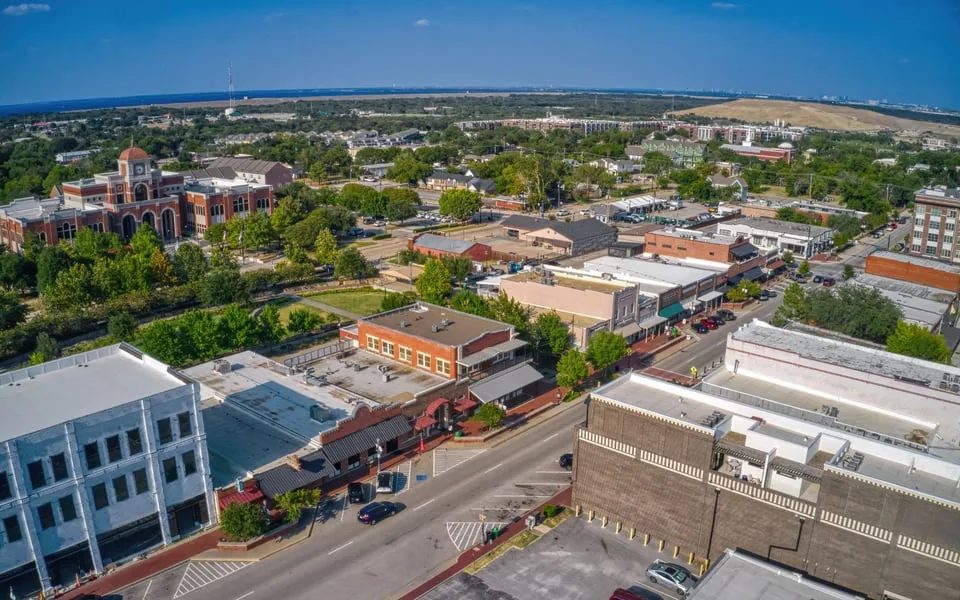
Split and Open Seam Repair in Lewisville, TX
Home // Roof Damage Repair //
Overview
Split and Open Seam Repair in Lewisville
Run a blunt probe along the lap before calling a seam failed. The probe finds an unbonded edge in minutes without cutting the sheet, and the result is the first dated finding on the condition record: tight, partly open or gone. The inspection pass on a seam report in Lewisville, TX marks each opening with paint, photographs it with a scale and logs its length, so the repair boundary can be drawn on measurement.
Seams are the longest joints on a single-ply roof, and the Dallas-Fort Worth heat works on them every summer. Regional airport normals put July and August highs a little under 96 degrees Fahrenheit, with roughly 20 days a year at 100 or higher. A membrane that expands in the afternoon and contracts overnight pulls on every lap, and the roof zone that shows the first opening is the one the record follows.
Dates and positions matter on this repair. A seam is easy to forget once it is closed, so each repaired lap is photographed with a scale, its length goes on the roof plan and the method used is listed. A later leak near the same spot can then be checked against the earlier work.
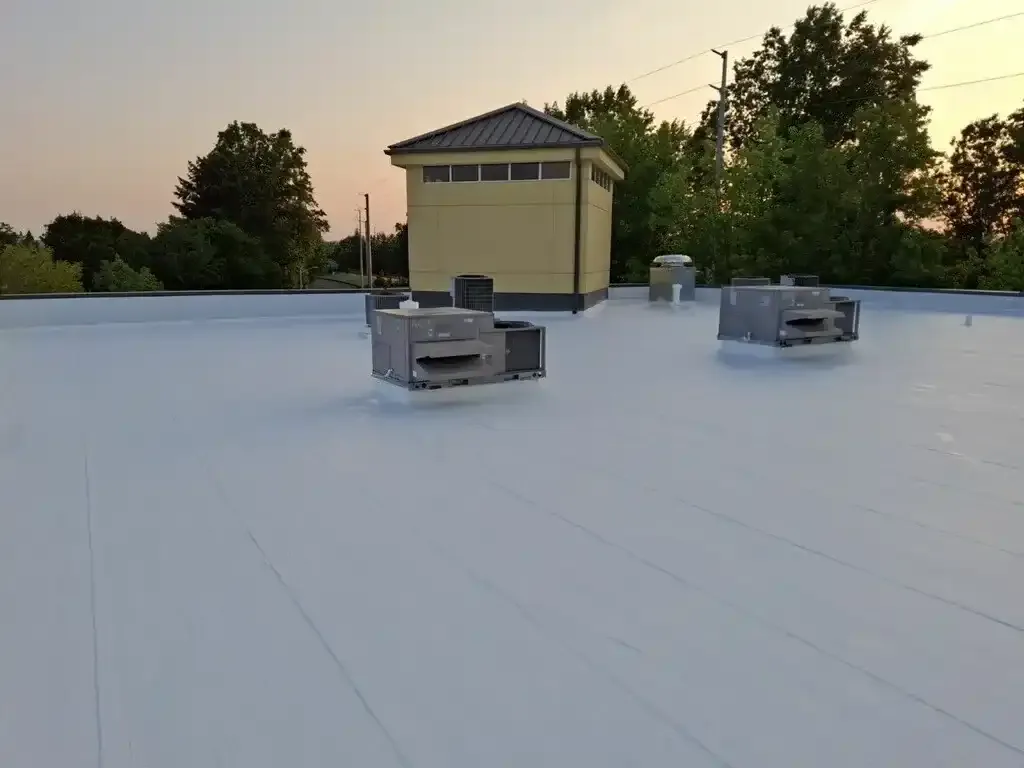
Attachment detail: welded, adhered and taped seams
How a seam fails depends on how it was made. In TPO and PVC, heat-welded seams fail when the weld was cold, the surface was dirty or the membrane has aged and shrunk. In EPDM, seams are bonded with adhesive or tape, and failure shows as a lifted edge or a gap in the splice. In modified bitumen, laps fail where edges were not fully sealed or have weathered.
The repair follows the system. A welded seam is cleaned and re-welded with a hot-air gun and a roller, with a cover strip where the lap is damaged. A bonded seam is cleaned, primed and re-spliced with the correct tape or adhesive. A TPO roof and an EPDM roof take different materials, and mixing them is how a repair fails a second time.
Age changes the method. A membrane that has hardened or shrunk will not take a new weld well, because the old material has lost the plasticizers that let it fuse. In that case, a cover strip across the failed lap, or a cut-out patch from an unweathered sheet, gives the repair a sound edge to join. We test a scrap of the existing sheet before choosing.
Evidence sequence: probe, photograph, measure
The pass follows a fixed route. It starts at the stain or the report and works outward along the nearest seams, probing each lap at close spacing. Open sections are marked and photographed. T-joints, where three layers meet, get extra attention because they are the weakest points in most seam patterns.
We also look at the sheet beside the seam. Shrinkage pulls the membrane away from the flashing and thins the lap. Dirt trapped in the lap, scuffing from foot traffic and ponded water all point to causes beyond the seam. A seam repaired without addressing the cause fails again, so the record names both the opening and the condition behind it, and a ponding water finding goes into the same file when it applies.
Foot traffic is part of the pass. Seams along service routes to rooftop units wear faster, and walk pads over them protect the repair. Where a route crosses a seam, the record notes the crossing and the pad added.
Moisture reading: under the open lap
An open seam lets water under the sheet, and it can travel a long way before it finds a fastener hole or a deck joint. The stain inside may be many feet from the opening. An infrared moisture survey maps wet insulation, and a core sample confirms it. The wet area becomes part of the repair boundary.
If the board is wet, closing the seam is not enough. Wet insulation holds water against the deck and loses thermal value, so damaged board is removed and replaced before the membrane is closed. Where the wet area is small, a patch scope fits. Where it spreads, the scope grows toward a section replacement, and the options review says so with the readings attached.
Interior protection runs with the survey. Ceiling tiles that have taken on water are marked, stock is covered and the facility team is told which areas to avoid. The readings and the interior marks are shown on the same plan.
Cause finding: wind, hail and age
Seam openings in a line parallel to the roof edge often point to wind lift, a pattern seen after wind damage. Scattered openings across the field point to age or workmanship. Hail can bruise a sheet and open a lap at the point of impact. Large hail, damaging winds and tornadoes strike the Metroplex nearly every year by NWS count, but a given site may be missed, so a storm report prompts an inspection and settles nothing.
The record keeps the cause as a hypothesis until the evidence supports it: fresh tears, clean edges and clusters at the windward side for wind, round marks for hail, chalking and shrinkage across the field for age.
Work window: heat, rain and access
Welding and bonding need a clean, dry surface and workable temperatures. In a Texas summer, midday surface heat softens membranes and speeds adhesives, so crews schedule seam work for the cooler hours. Spring thunderstorms can interrupt a job, so a temporary seal goes on the same day when water is entering, and the permanent repair waits for a dry stretch.
Access shapes the order. Along I-35E and SH 121, tenant hours often cap when the roof can be entered, and the access log notes each visit. If a repair grows into a large replacement, check it against the amendments to the 2021 IBC that Lewisville has adopted.
Temporary seals deserve a dated entry of their own. A cold-applied or tape seal over an open lap holds for a limited time, and the entry states the date, the material and the date by which it should be replaced.
Options review: repair, coat or replace
Seam repair is priced by linear foot, with additions for wet insulation, flashing work and access. A short isolated opening is a small job. A long run of failed laps across a roof zone raises the question of whether repair or replacement is the better use of money. If seams are opening faster than they can be repaired, a restoration coating or a recover may fit, provided the insulation tests dry.
The closeout packet carries the photographs, the plan with every repaired lap marked, moisture readings and product data. Properties near Lewisville's northern gateway follow the same record.
Owners with several buildings can ask for a seam survey across all their roofs in one season. The combined report ranks roofs by the length of open seam and the moisture found, which sets the order of work.
Commercial Roofing Questions
What makes a seam open on a roof only a few years old?
Usually a weld or splice made on a damp or dirty surface. Daily heat cycles then pull on the weak lap until it opens.
Is a cover strip as good as a re-weld?
A cover strip fits damaged or shrunken laps where a re-weld has no good material to join. Where the lap is sound, a re-weld leaves a cleaner seam.
How long a section is repaired?
The failed seam plus the length on each side where the probe finds a tight bond. Wet insulation beneath adds its own boundary.
Can seams be repaired during a hot week?
Yes, with schedule changes. Crews start early, avoid midday surface heat and probe each repair after it cools.
What if seams are failing across the whole roof?
That points to aging. The options review then compares repair with coating, recover and replacement using the probe results and moisture readings.
Related
Related Roofing Work

TPO Roofing
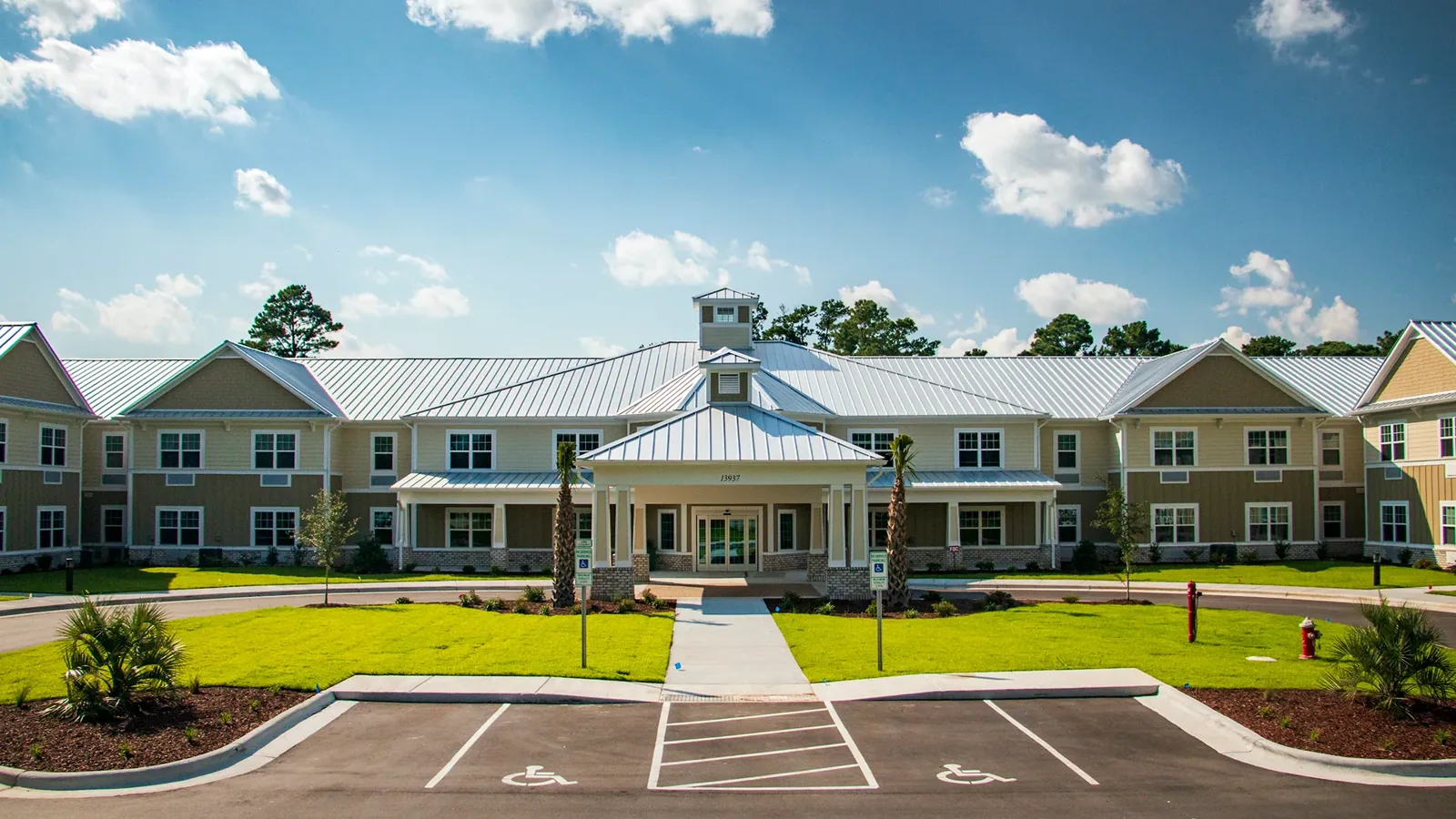
EPDM Roofing
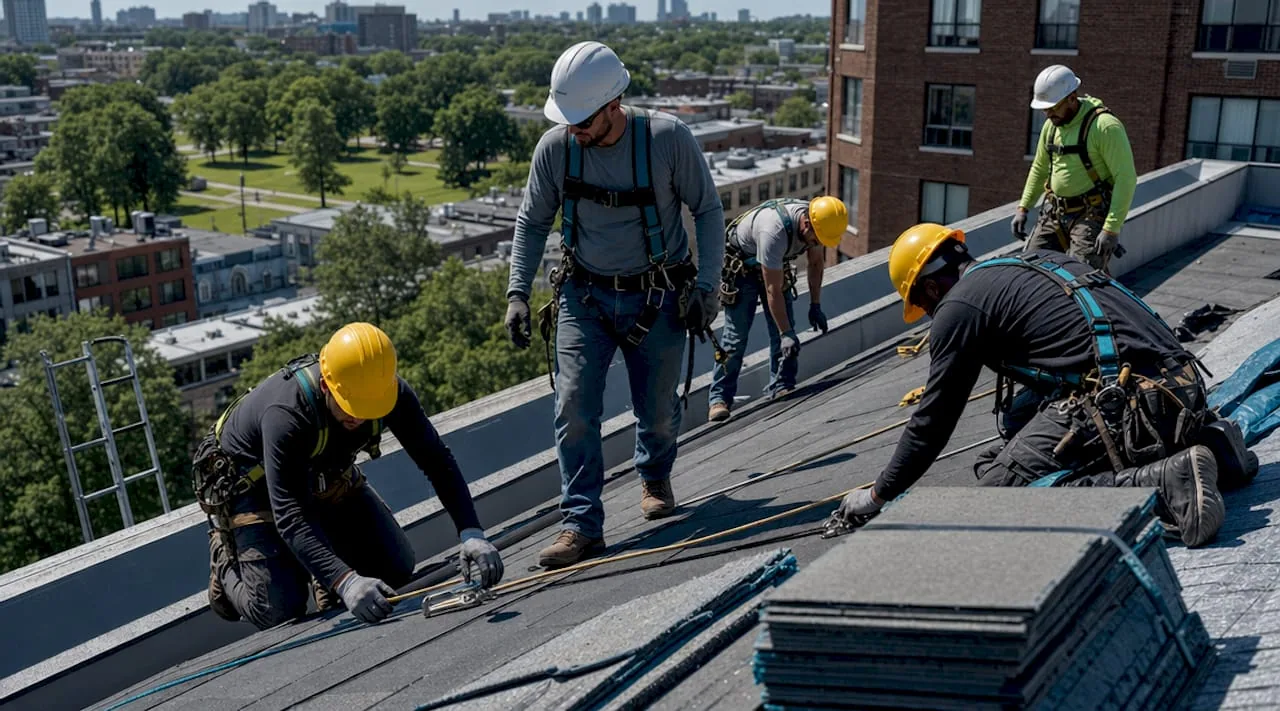
Ponding Water Roof Repair
Infrared and Core-Cut Moisture Surveys
Wind Damage Roof Repair
Roof Coating and Restoration
Schedule an inspection and get a dated record
Send the property manager's list of leak locations, access limits and any past roof plans. We will return a dated condition record with photographs, findings and recommended next steps.