Commercial Roofing in The Colony, TX
Home // Service Areas //
Overview
The Colony in Lewisville
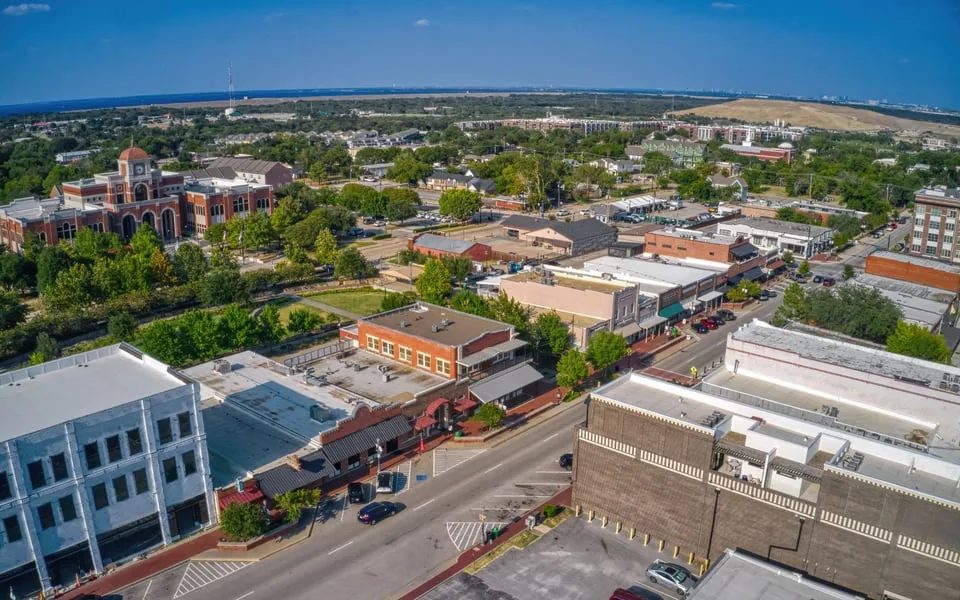
A hotel roof and a warehouse roof can share a highway and nothing else. The city of The Colony, TX describes commercial and warehouse development along SH 121 and mixed-use projects with office, retail, hotel and residential uses, and its economic-development corporation supports commercial-base development and redevelopment. A property manager with one of each knows the difference: the warehouse leaks onto pallets, the hotel leaks onto guests, and the repair scheduling for the two has almost nothing in common.
The inspection record has to hold both. It starts with a use tag for each roof zone, a dated photo sequence and a list of what sits below, then branches into the checks each building type needs.

Warehouse roofs: wide areas, few outlets
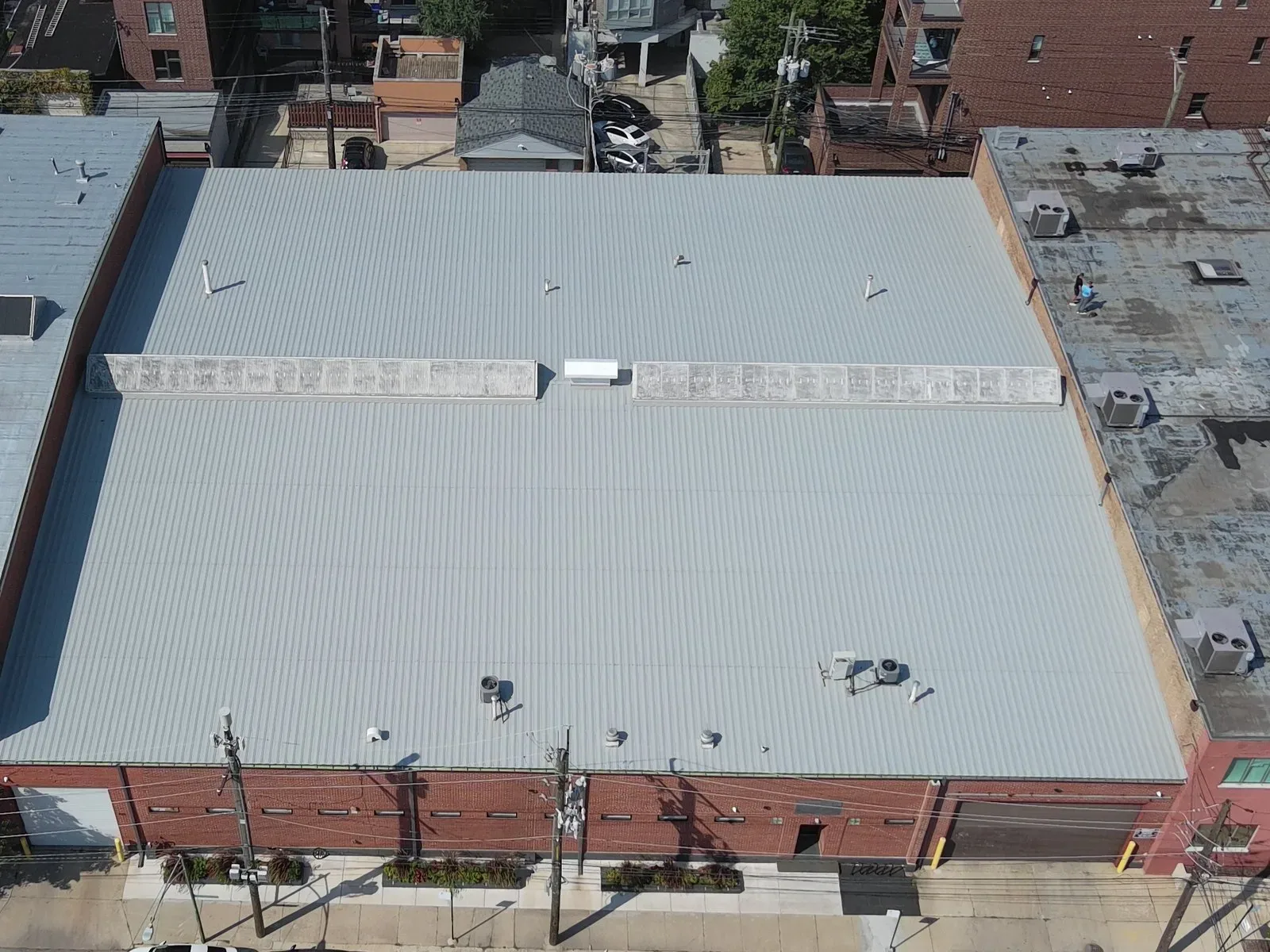
On a warehouse roof the questions are about water and weight. How many drains serve the area, where do low spots sit, how do seams look along the long runs, and what hangs below that would suffer from a leak? We photograph each outlet, mark ponding on the plan and probe seams for their full length, because visible lift is often shorter than the weak stretch.
Inside, dock hours and racking set the work window. A crew that opens the roof over racked inventory needs a dry-in plan that holds through a storm, and the scope shows it. Staging for a long building goes along the side that keeps dock doors and truck turning areas free, and haul-off is timed away from shipping peaks. The warehouse roof program adds a drain check before spring and fall, the wettest seasons in the region, since a clear drain is inexpensive roof work with a clear payoff.
A core in each zone exposes the layer stack and the moisture state of the insulation. A roof recovered once may carry two assemblies stacked, which hold heat and hide moisture, so the layer count feeds both the repair boundary and any replacement price.
The file also records which bays hold goods that must stay dry, so the dry-in sequence opens the least sensitive bay first and the most sensitive one last, with the time each opening was sealed written beside it.
Hotel roofs: rooms, nights and quiet hours
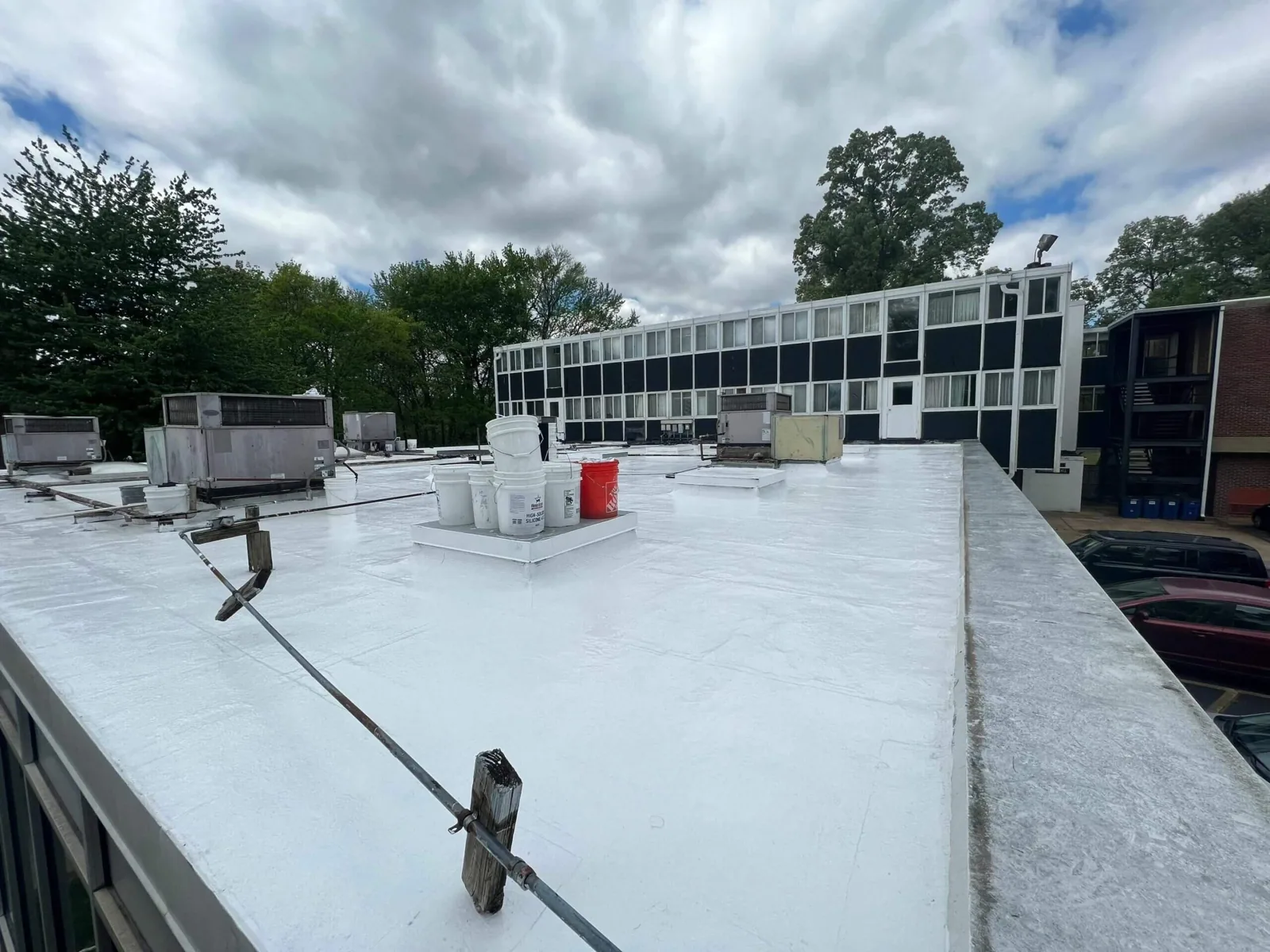
A wet guest room is a room out of service. The first question on a hotel roof is how many rooms sit under the failing zone and for how many nights they would be blocked. The roof record ties each zone to the rooms below, so a report of water leads to the right door within minutes and the front desk can plan.
Hotels commonly carry heavy mechanical loads: guest-room units, kitchen exhaust, laundry vents and pool equipment. Each adds penetrations and moisture or grease exposure. We photograph every discharge point and flashing and mark the paths staff walk. Work is scheduled around check-in and check-out and around events, with noisy tear-off kept out of sleeping hours. Hotel roofing is sequenced one section at a time, with interior protection and a dry-in at the end of every shift.
For a group with several properties, the hospitality group program ranks roofs by rooms at risk, so replacement money goes where an outage would cost the most.
An emergency leak at a hotel runs on a short clock. The dry-in goes over the opening, furniture and bedding below are covered, and the room is blocked until moisture readings above the ceiling come back dry. The update to the general manager lists the rooms affected, the interim protection used and the date each room should return, and it is revised if the readings change. Cosmetic ceiling repair that hides a wet assembly only moves the complaint to a later date, so the closeout record includes a dry reading, not just a clean ceiling.
Mixed-use projects: shared roofs, shared risk
Where office, retail, hotel and residential uses sit in one project, the roof is shared and so is the risk. A leak over a retail suite can come from an amenity deck above, and the owner of one use may bear the consequence of another's equipment. The record maps penetrations and equipment ownership, so a repair is routed to the party responsible and the cost is split on facts.
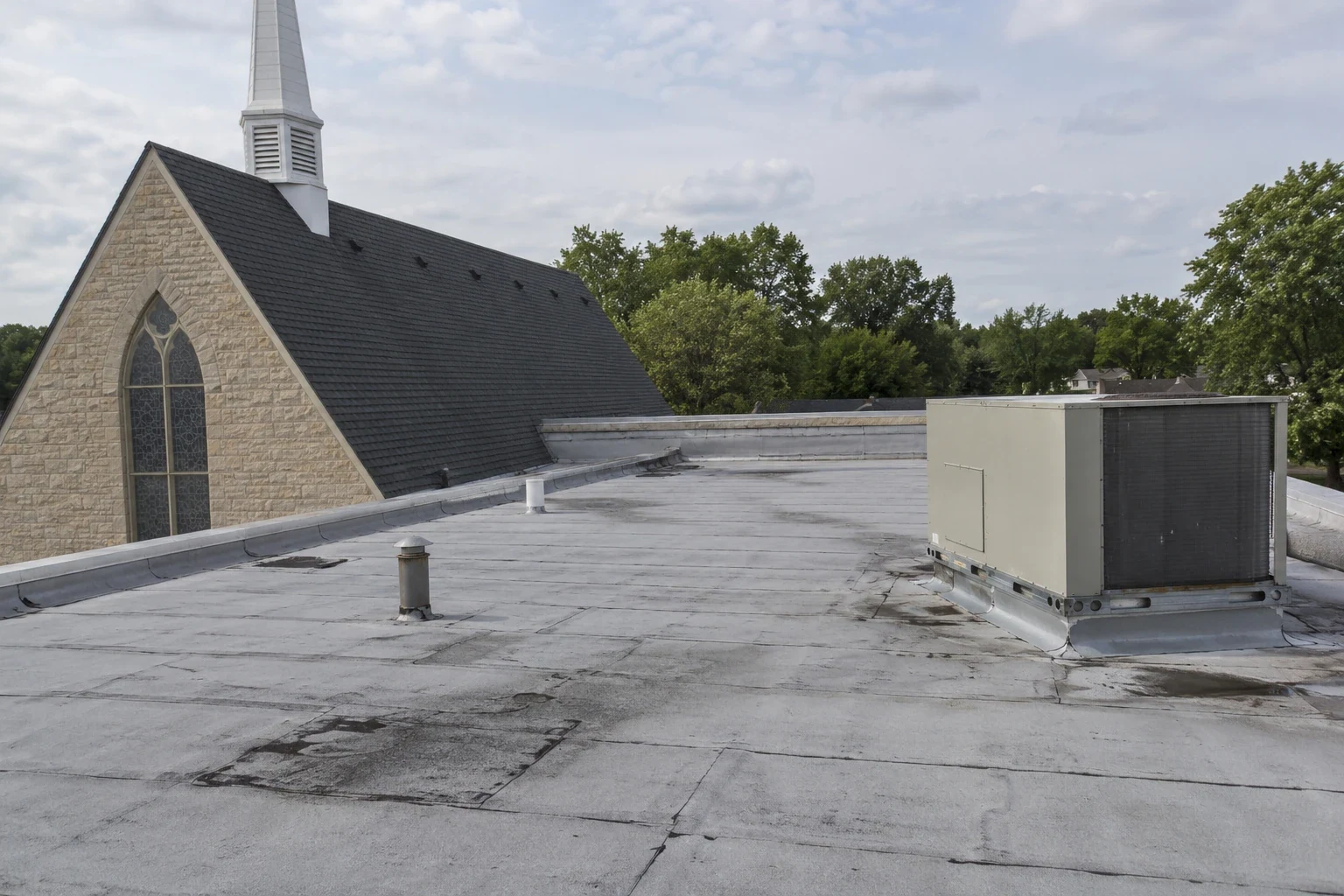
New projects bring their own checks. In the first years, we compare the roof against its drawings: curbs flashed as designed, drains set at the right level, edge metal fastened as specified. Warranty documents are read for conditions on repair methods and notice periods, and the warranty file goes with the roof record so later repairs follow the terms.
Redevelopment projects add another variable: old and new roofs side by side. The transition between them is its own detail and gets its own line in the scope.
Climate record: what the region does to a roof
Spring and fall run wettest in Dallas-Fort Worth and severe thunderstorms peak in spring. Hail and damaging wind reach the Metroplex in most years, though a given Colony roof may be missed, and summer adds the airport's mid-nineties highs and roughly twenty days a year at triple digits.
After a storm we inspect the building and compare it against earlier photographs. A hail repair scope covers the documented damage and no more. Where heat has aged the membrane, the report states that separately, so the carrier and the owner see storm damage and wear as two different findings. A cool roof surface can be priced against the standard system at replacement, to show the cost and expected benefit side by side.
Options review and nearby towns
Each roof zone leaves with a recommendation, repair, recover or replace, with cost lines for tear-off, insulation, access, interior protection and weather risk. Owners with property in Little Elm, Frisco and Flower Mound can use the same format across all of it. At the close of a job the owner gets the photographs, the repaired-zone plan, the materials and the warranty paperwork. That same packet is what a lender, a buyer or an insurer will ask to see, which makes it worth keeping complete from the first visit.
Commercial Roofing Questions
How is a hotel reroof scheduled around guests?
Section by section, with the rooms under each open section blocked and the rest in service. Noisy work stays out of sleeping hours, and each section is dried in at the end of the shift. The scope shows the room-night effect of each schedule option.
Why do warehouse roofs need a core?
A core exposes how many layers there are, how thick they are and whether the insulation is wet, and it reveals earlier recovers, which add weight and hide moisture. The repair boundary and any replacement price depend on those facts.
Who pays when one tenant's rooftop unit damages a shared roof?
The lease decides, but the roof record supplies the facts. Before and after photographs of the curb and nearby membrane show what changed. With them, the owner can ask the right party to correct the damage.
What does a first-year inspection on a new roof find?
Differences from the drawings and early defects: a drain set too high, a curb flashed short, a termination missing fasteners. They are cheap to fix in year one and easier to attribute while the installer is still reachable.
How are storm damage and ordinary wear kept apart?
By comparing the roof against its earlier photographs and by taking readings where needed. The report lists new findings separately from existing conditions, so the repair scope and any claim rest on the same record.
Related
Related Roofing Work

Warehouse Roofing
Hotel Roofing
Hospitality Groups
Roof Warranty Management

Hail Damage Roof Repair
Cool Roof Installation
Schedule an inspection pass for each building type
Tell us the building, what it is used for and what sits below the roof. You will receive a dated condition record with photos, findings and recommended next steps, marked by roof zone.