
Commercial Roof Inspections in Lewisville, TX
Overview
Commercial Roof Inspections in Lewisville
Roof zones get names before they get photographed. Zone A might be the northeast corner above the loading dock, zone B the field behind the parapet, zone C the strip around the rooftop units. Once the roof has names, every finding can be tied to a place, and a photograph taken in June can be compared with one taken in the following March. That habit is what makes a Lewisville, TX roof inspection more than a walk-through.
Our inspections are done on foot, with the roof plan in hand, a moisture meter available and a camera for every finding. The result is a dated condition record that a property manager can use for a repair list, a budget request, a lease conversation or a claim.
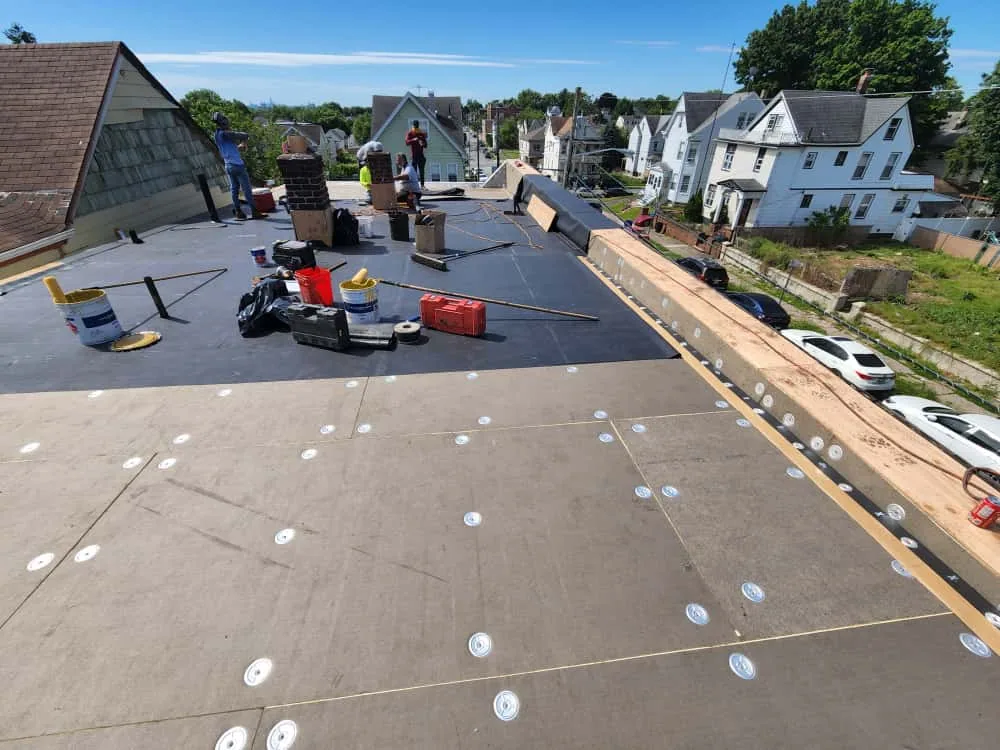
Inspection pass: the route across the roof
We walk the roof in the same order each time so nothing is skipped: perimeter first, then penetrations, then seams and laps, then drains, then the open field, then rooftop equipment. At the perimeter we check coping, edge metal, base flashings and the condition of parapet walls. At penetrations we look for dried sealant, split boots and loose clamps. In the field we look for blisters, ridges, punctures, ponding stains and areas of granule loss or chalking.
Drainage gets a dedicated look. Clogged drains and scuppers, debris at the low points, and standing water more than a day after rain tell us whether the roof is shedding water as designed. Each of those items is recorded with a photograph and a roof zone label so the manager can see exactly where it sits.
Evidence sequence: photographs that can be compared
The photo sequence starts wide. We shoot each roof zone from a consistent point, then move in on each finding with a scale reference such as a ruler or a hand. The same camera angle used on every visit makes changes visible over time: a seam that has crept open, a patch that has lifted, a stain that has grown.
The finding list that follows is simple. Each item has a number, a location, a description of what we saw, our best read on the cause, and a recommended action: monitor, repair, or investigate further. Items that need more than a visual check, such as suspected wet insulation, are marked for a moisture test. Nothing is left as a vague remark, since a vague remark cannot be priced or scheduled.
Moisture reading: where the surface tells only part of it
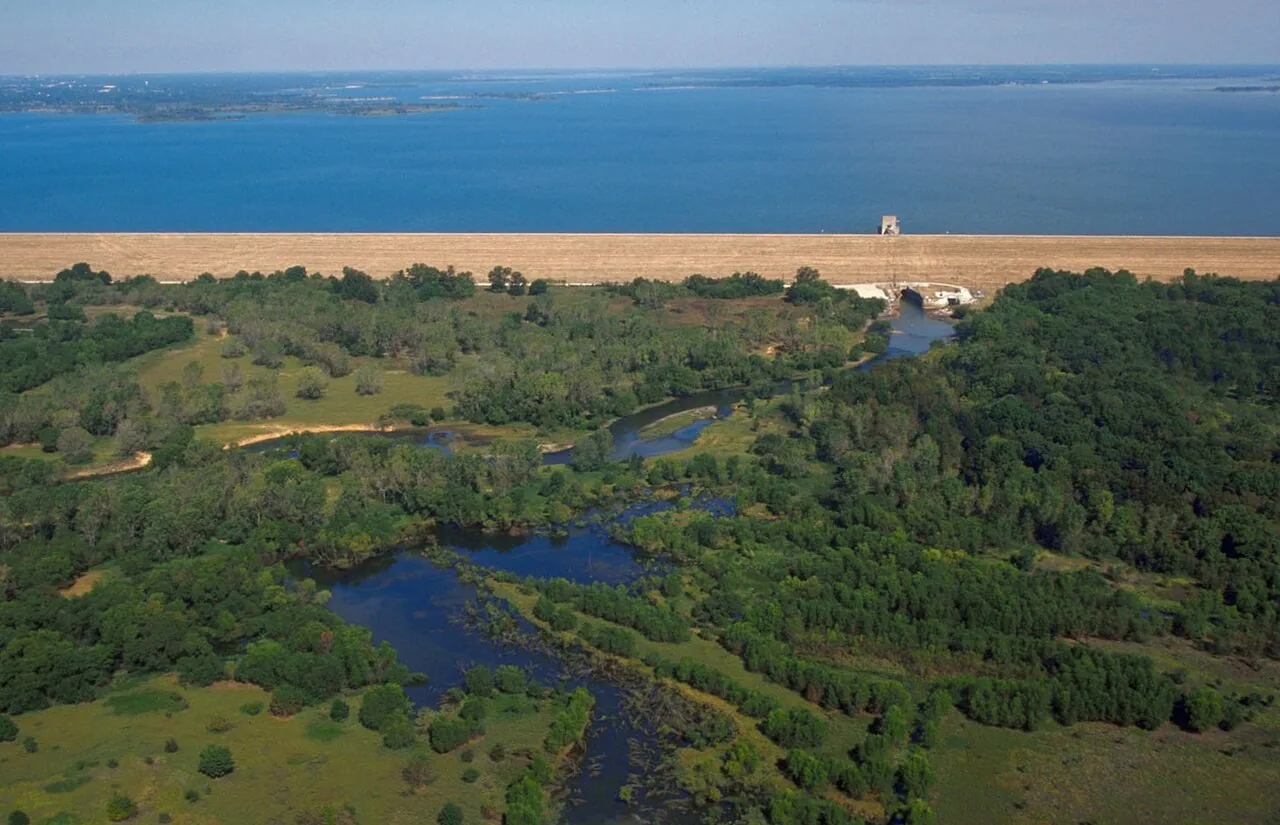
A roof can look sound and still hold water. When an inspection finds suspect areas, or when the roof is old enough that hidden moisture is likely, we add a moisture survey to the visit. For larger or harder-to-reach roofs, a drone inspection adds imaging before anyone steps on the surface, which helps with safety and with planning.
We keep these tools in their lane. Infrared shows temperature patterns, not water by itself, so a core cut confirms what the scan suggests. A drone image shows what is visible from above, not what is inside the assembly. The record states what each method established and what it did not, so the owner does not read more into a picture than the picture supports.
Work coordination: access on an operating property
Roof access varies a lot across Lewisville. Properties near I-35E and SH 121 include office, industrial, retail, healthcare-related and multifamily development, and each has its own rules for who can enter a roof and when. We confirm the access point, the hatch or ladder, any lockout for rooftop equipment and the contact on site before the visit, and the access log records who opened what.
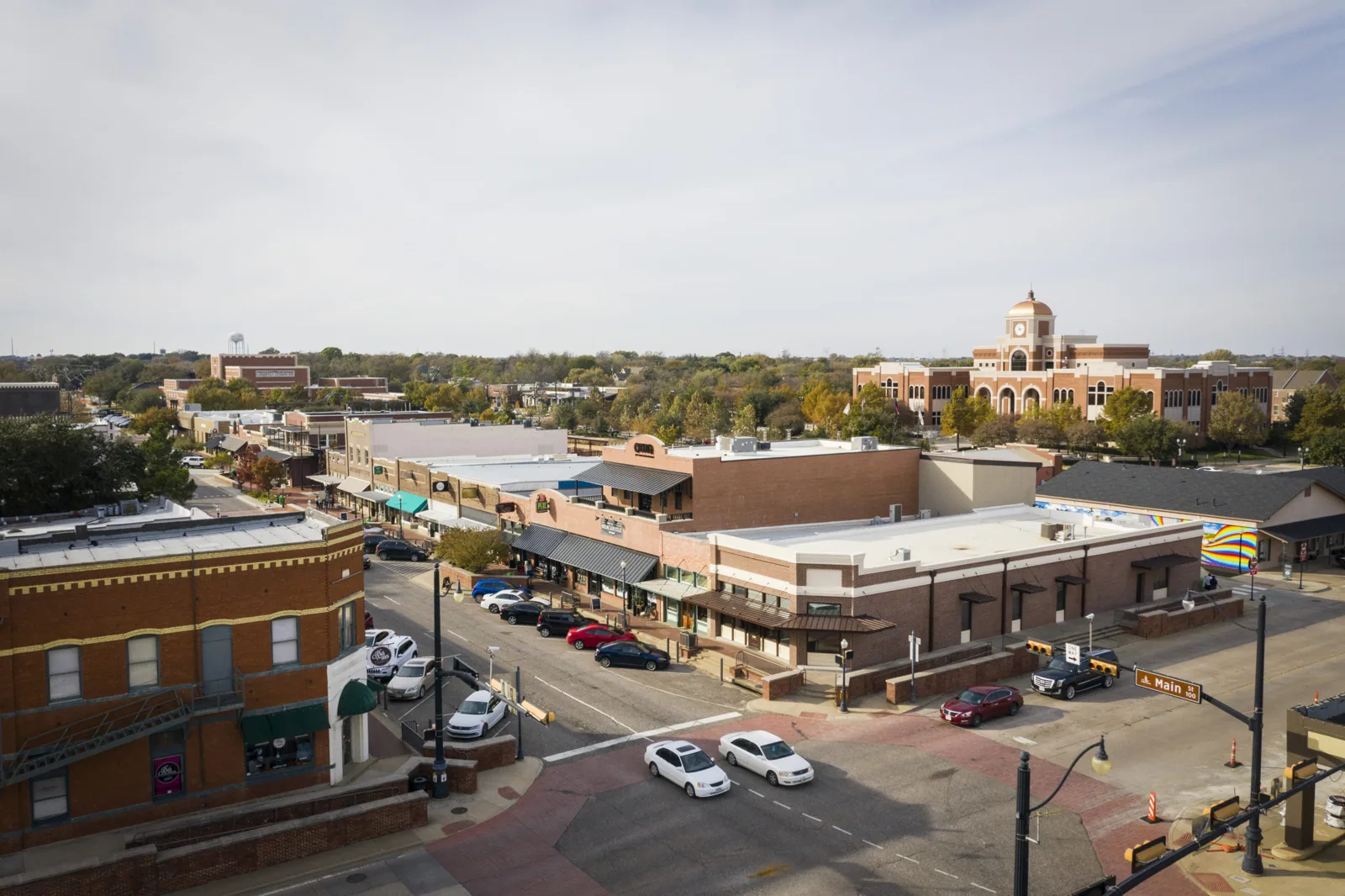
In the Old Town North district, where an adopted small area plan guides public and private investment, each property is inspected on its own record. A neighbor's roof says nothing reliable about yours, and the zone labels, photographs and findings belong to one building at a time. Weather scheduling matters too: we avoid wet surfaces for safety, and we try to arrive within a few days after a hail event, when fresh impact marks are still distinguishable from older wear.
Options review: what the findings lead to
The inspection record ends in a recommendation with choices. A roof with isolated defects gets a repair list and a date to re-check. A roof with a growing pattern of failures gets a comparison among continued repair, restoration and replacement. A roof in good condition gets a maintenance schedule that keeps it that way, which is the basis for preventive maintenance.
For owners planning budgets, the findings feed directly into roof capital planning, because they show which roofs need money soon and which can wait. For buyers and lenders, the same record forms the starting point of a due diligence review before a transaction closes, and it gives a lender a dated picture of the asset.
Closeout documentation: the condition record itself
The final record is what the owner keeps. It contains the roof plan with zones marked, the full photo sequence, the numbered finding list, any test results and the recommended actions. It is dated and kept in the decision file, so a manager who inherits the property next year reads the same account the current one has. Where findings are minor, the record says so in plain terms and sets a date for the next pass, which turns a one-time visit into a routine that catches change early. A later condition report builds on it, and after a storm the record gives you a baseline: this is what the roof looked like before. The National Weather Service describes large hail as occurring nearly every year somewhere across the Metroplex, and a baseline is the only way to tell new damage from old.
Commercial Roofing Questions
What does a Lewisville roof inspection include that a drive-by does not?
Contact with the surface. Walking the roof lets us press on seams, feel for soft spots, look under flashing lips, check sealant and read the condition of every drain. A photograph from the ground or a drone shows what is visible from a distance, while a walk reveals what the material is actually doing.
How soon after hail should an inspection be scheduled?
Within days if possible. Fresh impact marks are easiest to identify before weather and foot traffic blur them. The visit looks at your specific roof, because a regional hail report does not establish damage at a particular property. The photographs also protect the claim timeline if damage turns out to be present.
Will I get a price at the end of the inspection?
You receive a prioritized finding list with a recommended action for each item. Pricing follows once the scope is agreed, since a firm number depends on what is chosen: patch, repair, section replacement or a broader project. Items needing tests are marked so the scope is not guessed.
Do you inspect roofs with rooftop equipment that tenants control?
Yes, and we coordinate access beforehand. Rooftop units, exhaust fans and antennas mean curbs, penetrations and service paths we need to check. If equipment must be shut down or locked out, we arrange it through the property manager and note the time and responsible person in the log.
How does the record help with a lease or sale?
It shows the roof's condition on a date, with photographs and findings, which answers the questions a tenant, lender or buyer will ask. A dated list of known issues and recommended actions is easier to negotiate from than a general impression, and it keeps both sides working from the same facts.
Related
Related Roofing Work

Infrared and Core-Cut Moisture Surveys
Drone Roof Inspections
Old Town North
Preventive Roof Maintenance
Roof Capital Planning
Roof Condition Reports
Book the inspection pass
Schedule an inspection of your Lewisville property and receive a dated condition record with photos, numbered findings and recommended next steps.
