
Commercial Roofing for Manufacturers in Lewisville, TX
Home // Industries We Serve //
Overview
Manufacturers in Lewisville
Production below the roof changes how an inspection is sequenced. A manufacturing site may have exhaust, make-up air, process lines and controlled areas that cannot be interrupted on short notice. For a plant in Lewisville, TX, we start by mapping those constraints to roof zones and confirming who can authorize access. The inspection record then connects each visible defect to the equipment, work window and test needed before a repair or replacement scope is priced.
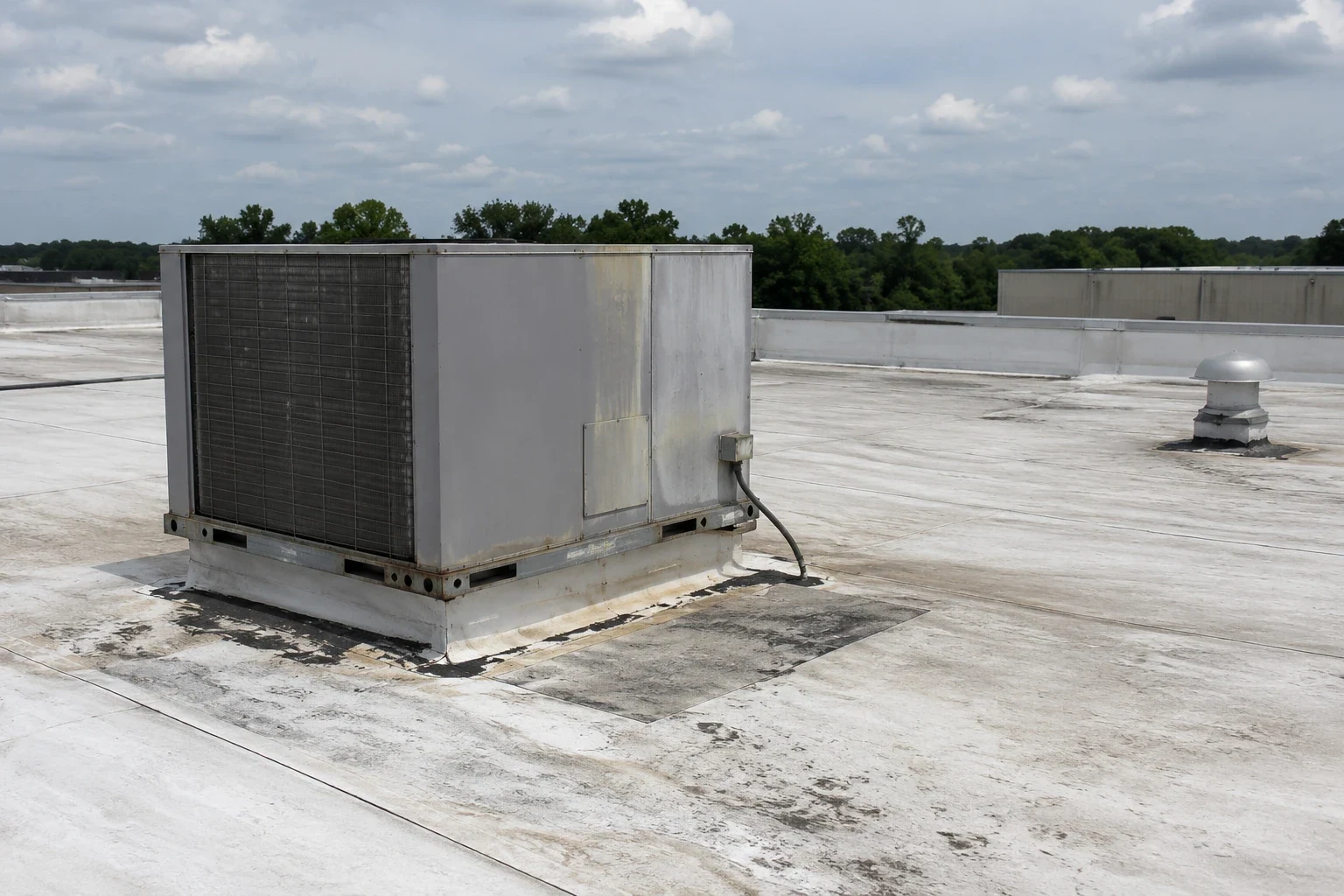
Production map: access, equipment and work windows
Before the roof walk, we identify the hatch or ladder, service routes, crane or lift locations and any equipment that must remain active. We ask which production areas need protection below and whether a shutdown window is available for work at curbs or exhaust penetrations. Those details guide the sequence: a section that can be opened, dried in and tested within the approved window is a different work package from one that requires a longer interruption.
The Metroplex economy includes communications equipment manufacturing, air transportation, warehousing, computer services, corporate management and insurance-related activity. That mix means a plant's roof can sit over anything from equipment manufacturing to warehousing, so we confirm the actual process at the property rather than assigning it by industry. A logistics roof review and a contractor roof coordination plan address different handoffs, even when both involve active loading areas.
Assembly record: membrane, deck and insulation
We note the visible roof system, attachment where it can be established, prior repairs and details where separate materials meet. At a pipe support or equipment curb, movement and vibration can stress the membrane and flashing. We photograph the full roof zone before documenting each attachment detail, then mark areas where a core or pull test may be needed. The report distinguishes a surface observation from a confirmed condition below the membrane so a repair boundary does not extend farther than the evidence.
Denton's Westpark is an industrial reinvestment zone covering about 800 acres north of Airport Road, and a plant in the Denton service area gets its actual assembly confirmed on site. If insulation is wet or the deck needs evaluation, we note the required test before comparing recover work with replacement.
Weather window: protect open work and stored product
July and August highs at DFW run near 96 degrees, with about twenty days a year at or above 100. Heat can make roof surfaces difficult to handle and affects when crews can safely work with certain materials. Spring and fall are usually wetter, with severe thunderstorms peaking in spring. We use the current forecast to plan each opening and set a daily dry-in point, rather than leaving a production building dependent on a broad regional weather statement.
Hail and damaging wind arrive in the Metroplex most years. After a reported event, we compare the plant's dated roof photos with current seam, edge and penetration conditions, and a storm repair assessment records what the inspection finds at the property and what remains to test.
Repair boundary: isolate the affected process area
A roof leak near a production line needs a location that maintenance staff can match to the interior. We trace the reported water path, inspect the membrane and nearby transitions, then identify whether the defect is isolated or tied to a wider drainage or attachment issue. Where a repair is appropriate, the scope sets the limit of removal, substrate treatment, material tie-in and test. If the insulation is wet beyond that limit, we show the additional area as a separate option for review.
The roof's maker has to be established before a repair is chosen. We identify the existing sheet or coating by visible markings when possible and confirm the assembly from available records or a test. A TPO repair differs from an EPDM or metal detail, and we match the proposed material to compatibility and substrate conditions. The repair scope names the system, work area and evidence that supports the selected material.
Capital sequence: repair, recover or replace
For a plant team, roof work is both a capital decision and an operating schedule. We compare targeted repairs with recover and replacement by showing the areas involved, testing needed, access plan, temporary protection and expected sequence. Cost drivers include tear-off depth, wet insulation, penetrations, edge metal, staging and work-hour restrictions. The estimate can then be reviewed beside a planned outage or maintenance window without treating a roof allowance as a fixed answer before testing.
Carrollton's comprehensive plan identifies Valwood Industrial Park, Frankford Trade Center and the East Belt Line Road Industrial Area, so an operator with plants in Lewisville and Carrollton can hold buildings in several industrial districts. For a multi-building operator, we keep separate zone maps and inspection dates for every site. A capital plan can group the timing of those decisions while preserving each building's assembly, open tests and production limits.
Closeout packet: return the roof to operations
Before production resumes below an opened area, the crew tests the completed detail, records the material and photographs the repaired zone. The closeout packet notes any temporary measures, weather delays, access changes and work still pending. A plant maintenance lead can use that record to match the roof location with an interior work order. When the next inspection occurs, the same zone labels make it easier to see whether a seam, curb or drain has changed.
For a larger facility, a condition inspection can establish the baseline, while a roof schedule keeps dates and unresolved tests visible across the portfolio. The record stays factual: what we saw, what was repaired and what still needs a decision.
Dust and fume control follows the process below. A paint line or a clean assembly area cannot take grit or adhesive odor through an open penetration, so the plan covers intakes, seals openings during work above them and names the person who checks the floor below at the end of each shift. Wet insulation found beside a hot process vent is mapped separately from wet insulation found at a drain, since the repair differs, and the plant's seasonal peaks are marked on the roof calendar so heavy work avoids them.
Commercial Roofing Questions
Can roof work be coordinated with a production shutdown?
Yes. We can schedule an access window around a planned outage when the site team provides the approved dates and equipment controls. The scope should identify which zones can be opened, how they will be protected and what test confirms closeout before operations resume.
How do you handle exhaust fans and process penetrations?
We photograph each curb, flashing and nearby membrane, then confirm whether equipment must be isolated before work. The repair boundary includes the transition and any support detail that could move against the roof surface.
What if the leak appears far from the production area above it?
Water can travel within an assembly before it becomes visible indoors. We map the report to the roof plan, trace likely paths and mark testing needs. A repair is priced after the affected area and substrate are clear enough to define.
Will you identify the existing roofing manufacturer?
We record a manufacturer or product only when markings or reliable building records support the identification. If that information is missing, we describe the visible system type and use compatibility checks before specifying a repair material.
What documents should plant maintenance retain?
Keep the access log, roof-zone map, dated photographs, test results, material notes, repair limits and any deferred item. The next inspection can use them to check the same locations instead of rebuilding the history from memory.
Related
Related Roofing Work
Logistics Operators
General Contractors
Denton
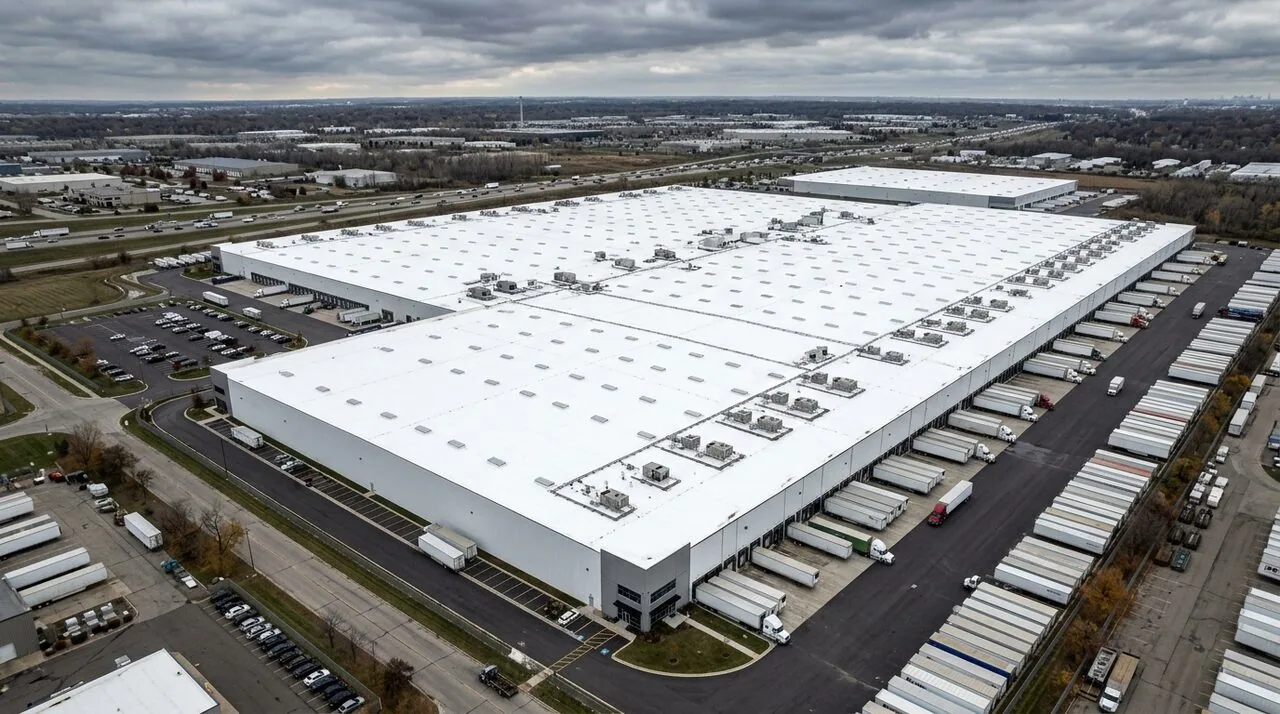
Roof Recover and Overlay Systems
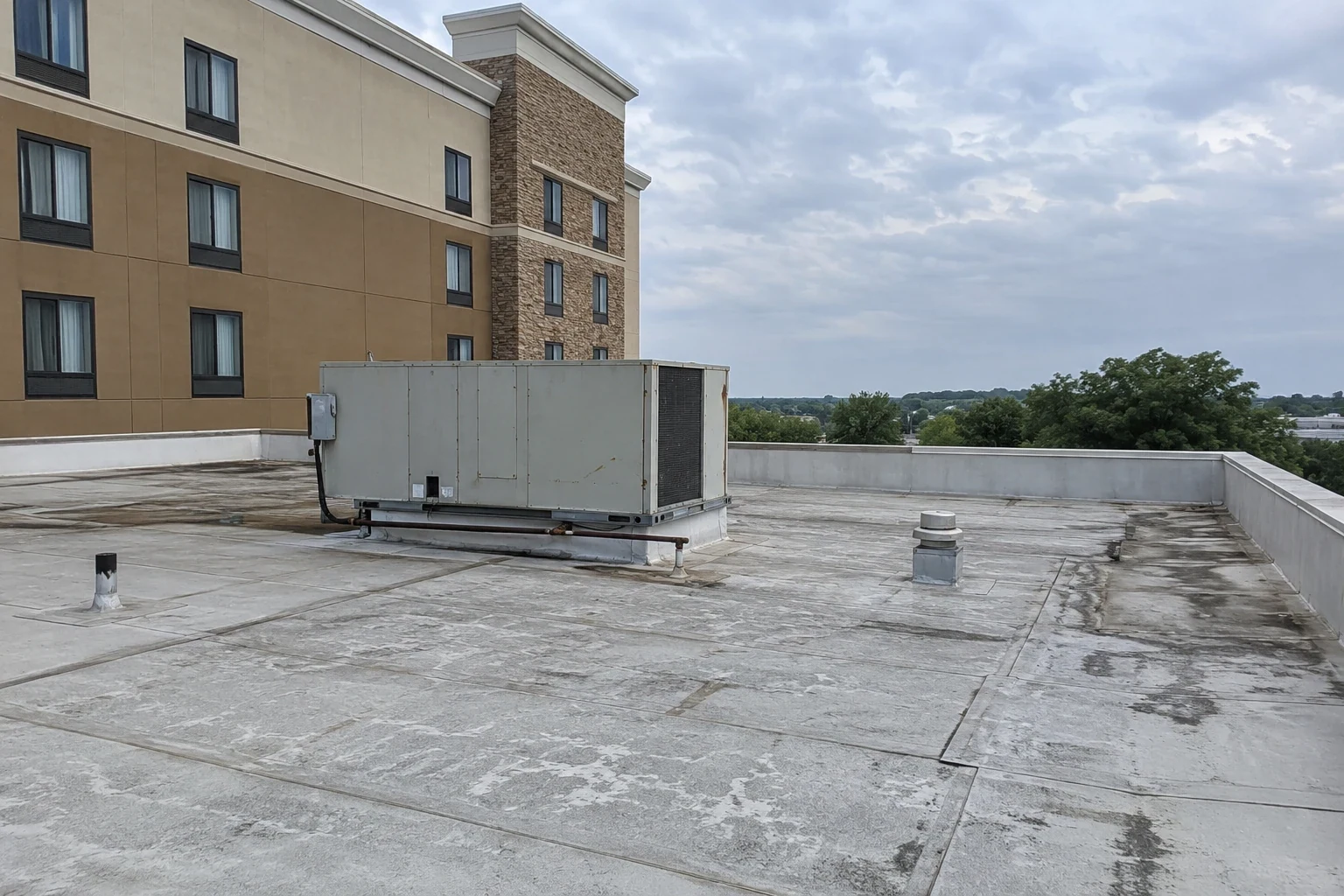
Storm Damage Roof Repair
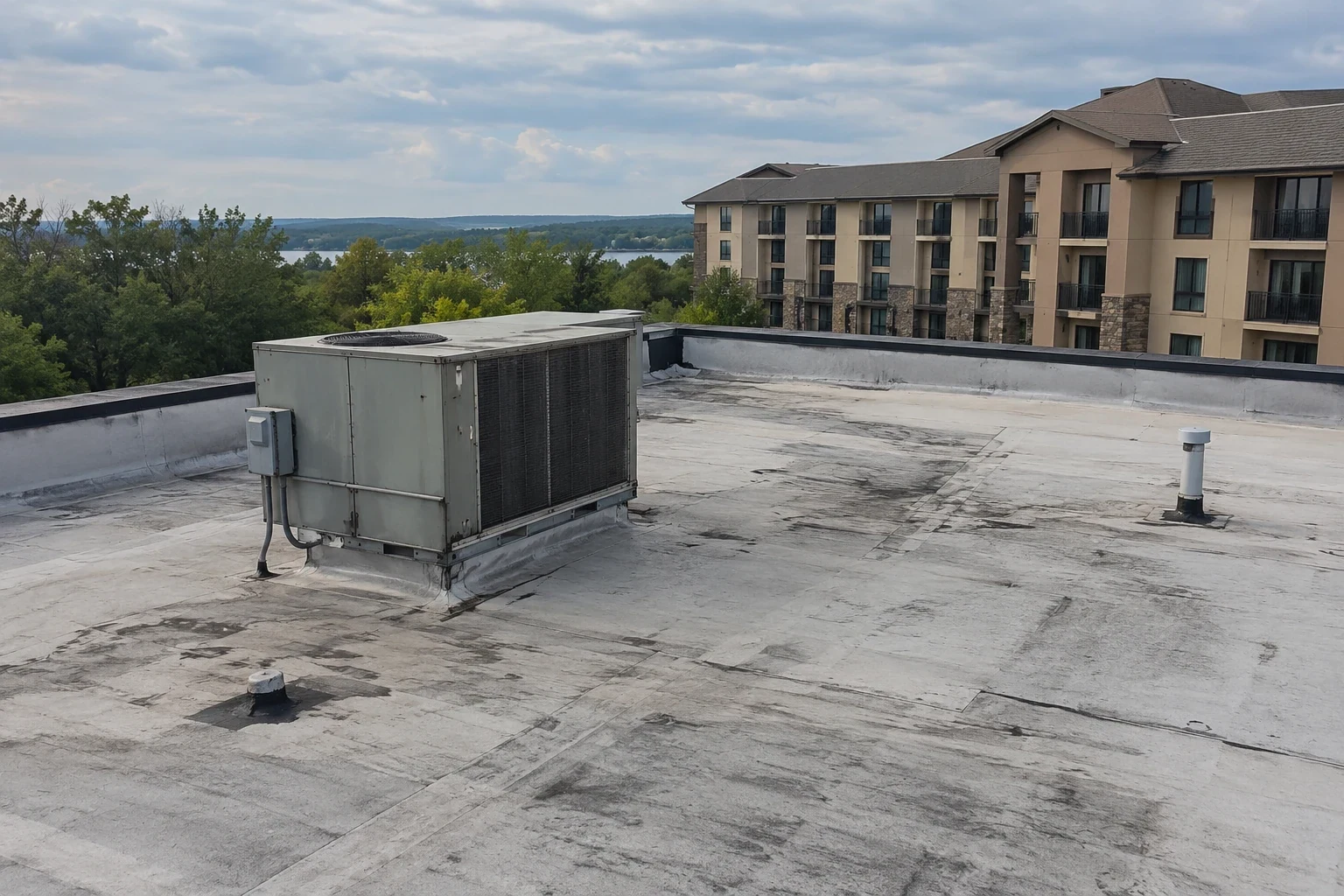
TPO Roofing
Schedule a plant roof review
Set a Lewisville inspection window with your operations contact and receive zone-based findings, access notes and repair options for the plant team.
