
EPDM Roofing in Lewisville, TX
Home // Roof Systems //
Overview
EPDM Roofing in Lewisville
A flashing at the edge of an EPDM roof that is tight enough to hum when flicked means the membrane has shrunk, and the shrinkage is the finding that matters. EPDM is a synthetic rubber sheet, usually black and sometimes white, laid in large pieces so that the roof has fewer seams than many other systems. The seams that exist are joined with tape or adhesive, not heat. On a Lewisville, TX industrial or retail building near I-35E, an EPDM roof may run for a long time with little attention and then show its age at the edges and the splices.
We begin by recording how the sheet is held down, where the splices are, and how the membrane meets walls, curbs and drains. The condition record then sorts the roof into areas that are sound, areas under watch and areas that need work.
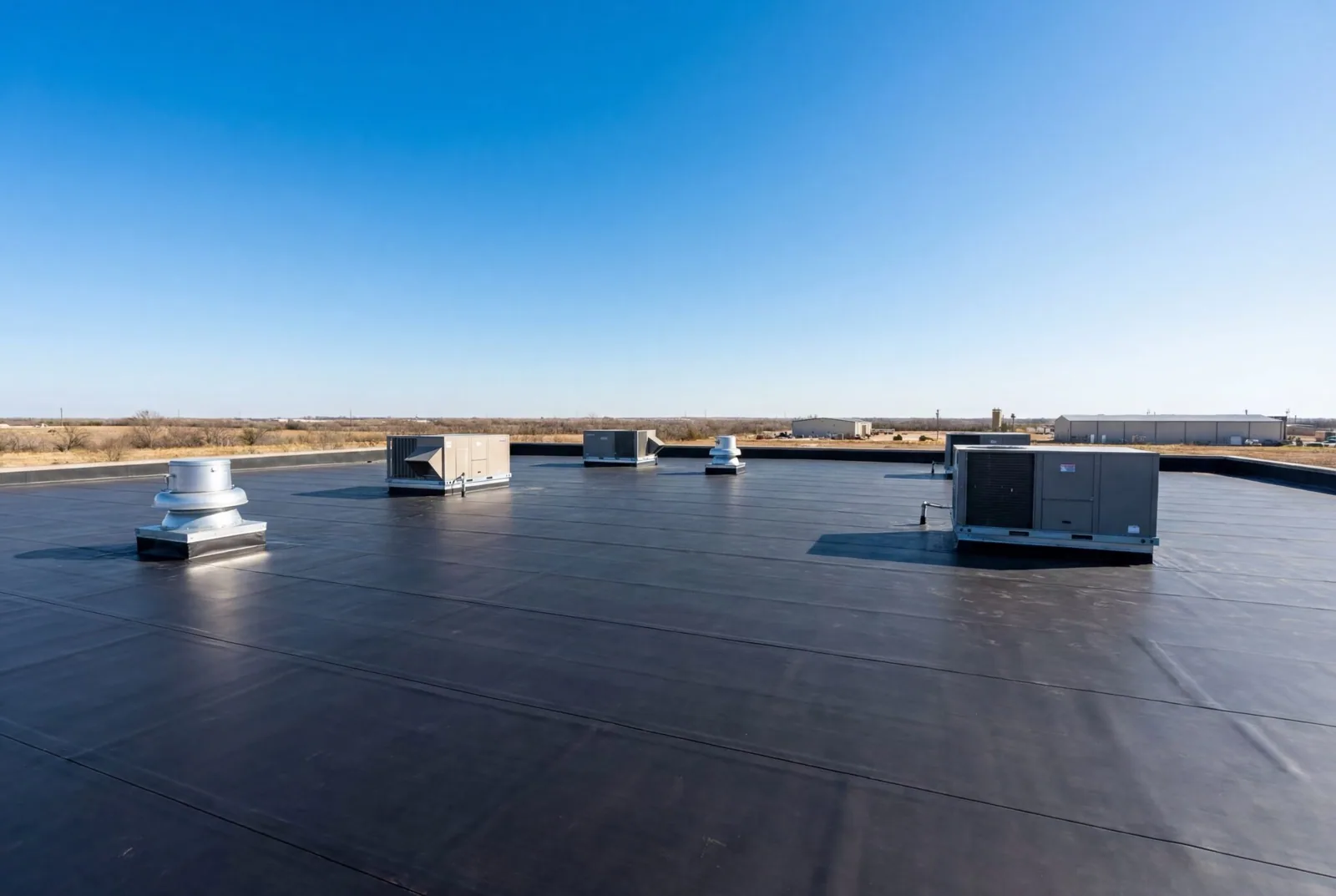
Inspection record: splices, tapes and the edges
The inspection follows the splices first. A taped splice should lie flat, with a continuous edge and no fishmouths, the small gaps where the top sheet lifts. An adhesive splice should show no bubbles or open edges. We press along each edge and mark any that lift, and we look for dirt, debris or old sealant that was used to hold a splice.
- Field splices and the intersections where several sheets meet
- Flashing at walls, curbs and penetrations, including the cut edge
- Edge termination at the parapet or roof perimeter
- Pipe boots and corner patches, checked for cracks
- Ballast or adhesive, depending on how the sheet is held down
Every finding carries a date, a photograph and a location on the roof plan. The photo sequence shows the whole roof zone before it shows the detail, so a stained patch is placed in context.
Attachment detail: ballast, adhesive and fasteners
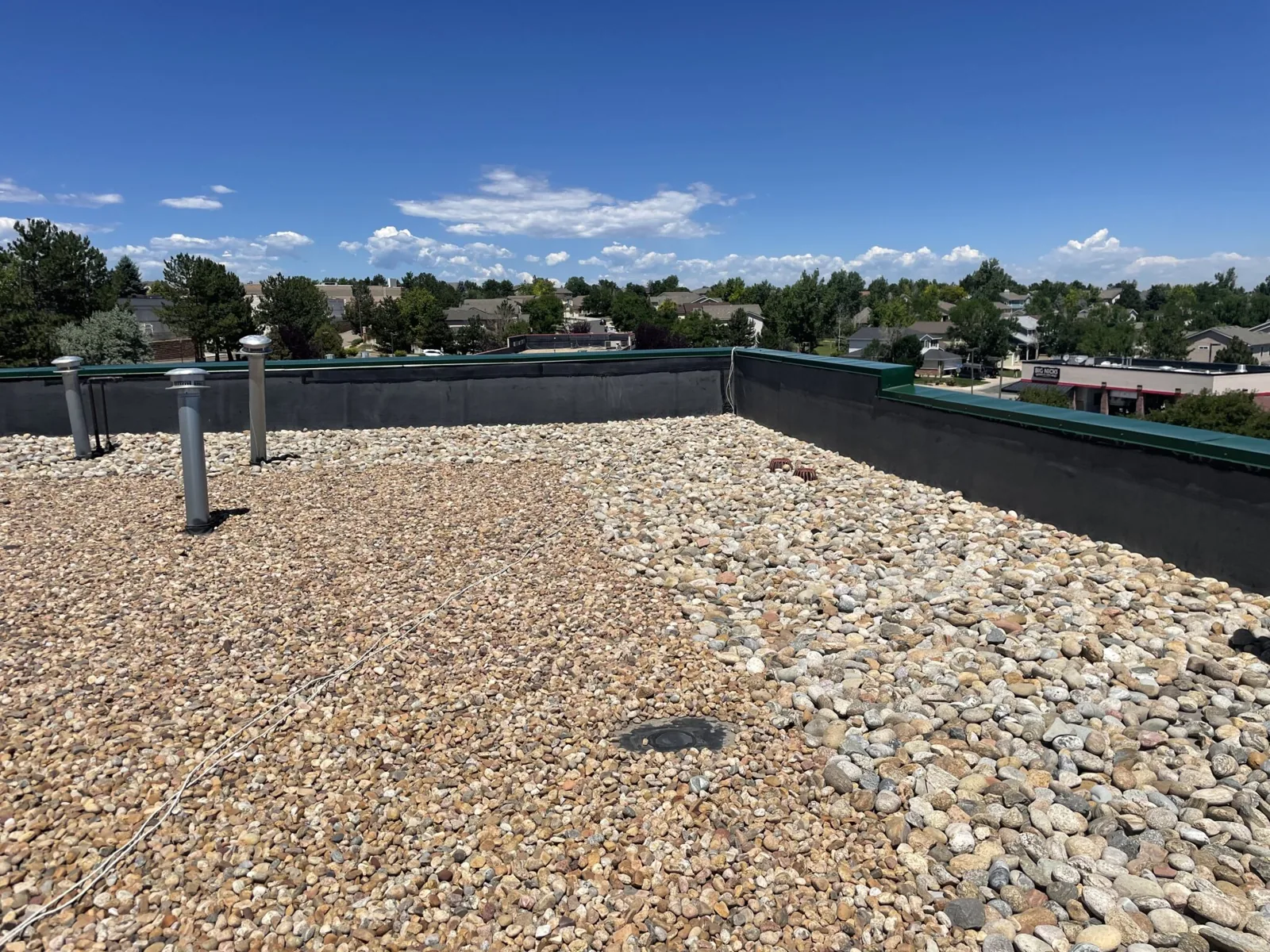
EPDM is installed one of three ways: ballasted with stone or pavers, fully adhered to the substrate or mechanically attached with fasteners and plates. Each fails differently. A ballasted roof can hide a problem under the stone, and ballast can shift and wear the sheet. A fully adhered roof can lose bond and form a blister or a wrinkle. A mechanically attached roof can lift a fastener plate through the sheet.
We check the ballast for even coverage and for places where the stone has moved. We tap and press on a fully adhered area for hollow spots and for lifting at the edges. We look at fastener lines for bumps. Where a ballasted roof has to be repaired, the ballast is moved, the repair is made on the clean membrane and the ballast is replaced in the same pattern, which is recorded in the photos. Weight matters, since extra layers and stone add load, and the deck is part of the decision.
Evidence sequence: shrinkage, heat and hail
EPDM shrinks over time, and the movement pulls the sheet away from walls and curbs and stresses the flashing and the splices. The record documents the gap at each wall, the height of the flashing and any place where the membrane is under tension. A dark sheet takes the full summer: airport normals put July and August highs near 96 degrees and count about twenty days a year at 100 or more, which is a lot of daily heat cycling.
Hail is a regional condition, present most years across the Metroplex and absent from many individual roofs. EPDM tends to take impact by deforming, and the damage is often a bruise or a small puncture that shows up later as a leak. After a storm, the inspection pass looks for those marks and for tears at the edges and seams. A hail damage repair record separates new marks from old wear, and it supports a claim if one is made.
Repair boundary: patching rubber and retaping a seam
EPDM repairs depend on cleanliness. Old rubber accumulates dirt, and a patch applied over dirt will peel. The repair sequence is to clean the area, apply primer where the system requires it, set a cured or uncured patch with generous overlap and roll it down firmly. A lifted splice is cleaned, primed and retaped. A shrunken flashing is replaced, not stretched back into place.
Each repair is photographed beside a ruler, so a later reviewer can read its size and position without asking anyone. The boundary is set by the surrounding sheet. If the membrane is flexible and the insulation below is dry, repairs hold. If the rubber is hard, cracked or heavily weathered, patches lift at the edge, and the record marks the repair as short-term. Repeated leaks in one zone, wet insulation or a soft deck move the boundary outward. A moisture survey shows how far the wet material extends before the owner commits to a repair or a replacement.
Options review: restore, recover or replace an EPDM roof
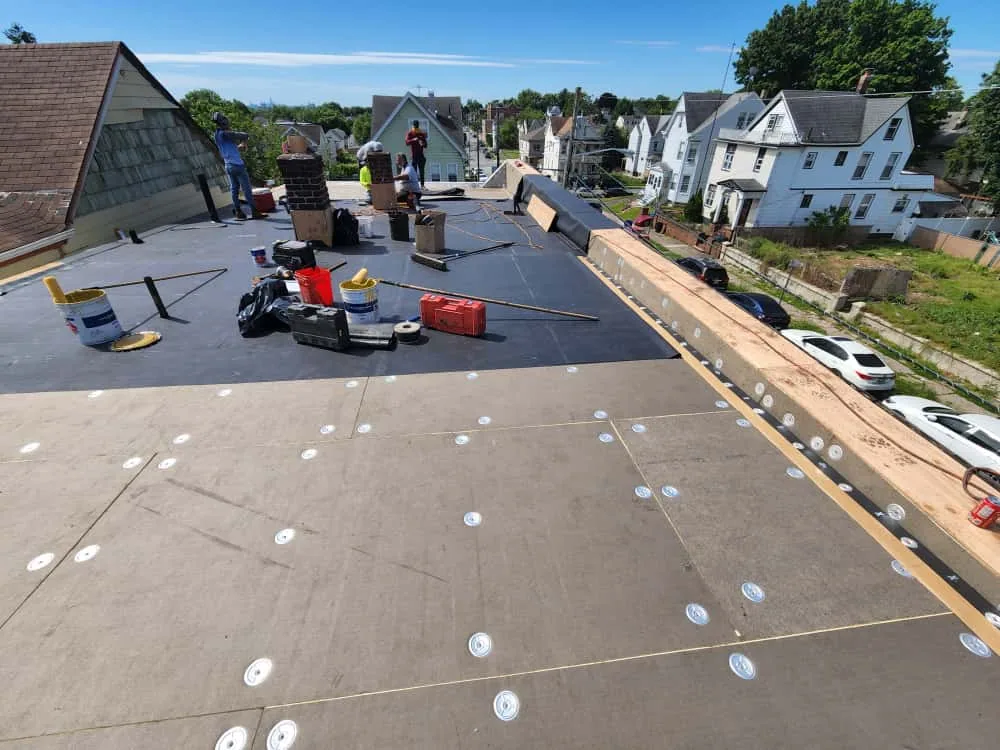
An EPDM roof with dry insulation and sound splices can be repaired and, in some cases, coated. Silicone and acrylic products can be used over EPDM when the surface is cleaned and primed correctly; silicone roof coatings are one such route. A recover adds a new membrane over the old one when moisture and layer count allow. A full replacement is the option when insulation is wet, the sheet is failing across the field or the deck is damaged.
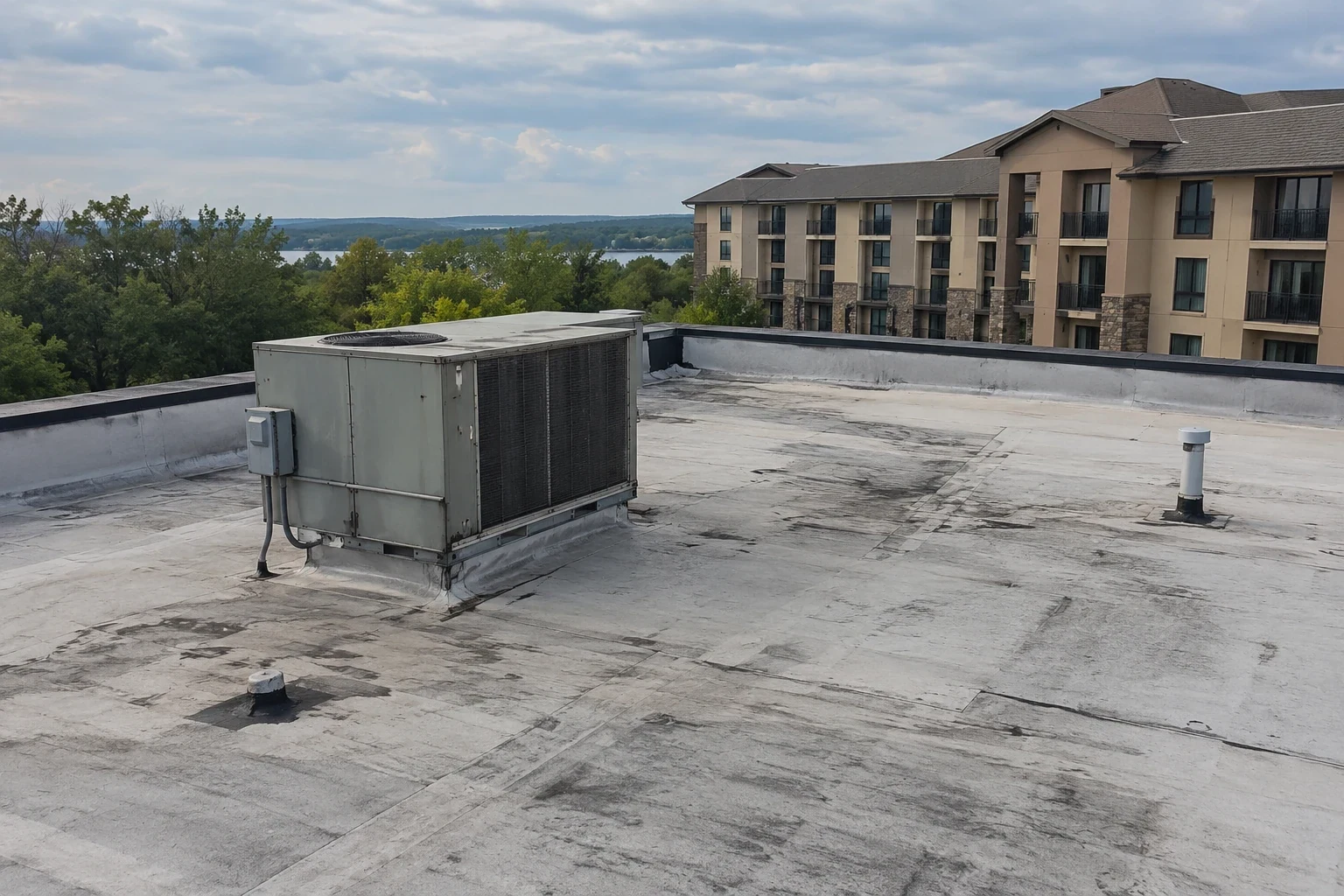
Lewisville's planning documents identify industrial park and commercial areas where low-slope buildings are common, and the question for an aging rubber roof is how long a repair program makes sense. The findings answer it: the moisture reading, the flexibility of the rubber and the count of repairs in the last few years. If the roof needs a new sheet and the owner wants a light-colored surface with welded seams, TPO is the usual comparison, and the cost difference, seam method and reflectivity are priced side by side with the EPDM option. Owners with several buildings can sequence the work through roof capital planning.
Closeout documentation: the splice and flashing log
The closeout packet lists the membrane, the attachment method, the splice type, the primer and adhesive products used, the cleaning steps and the weather on the repair days. It includes photographs by zone, taken before and after each repair, with each splice and flashing numbered on the roof plan.
The 2021 International Building Code appears on the city's adopted list, and the edition and amendments in force at filing govern any permit. We record permit and inspection dates in the same file. Owners with buildings in Old Town Lewisville or in Flower Mound can use the log as a baseline for later comparison.
Commercial Roofing Questions
How can I tell if my EPDM roof has shrunk?
Look at the flashing at walls and curbs. A sheet pulled tight, bridged across a corner or lifted from the wall base has moved, and the inspection measures how much.
Can a ballasted EPDM roof be repaired?
Yes. The stone is moved, the repair is made on the clean membrane and the ballast is replaced in the same pattern.
Why does a patch peel?
Dirt or old residue on the rubber. A clean, primed surface and firm rolling are what make a patch hold.
Does hail leave marks on EPDM?
Often as bruises or small punctures. The sheet may look fine until water finds the damaged spot, so we check after a storm.
What does the permit office look at on an EPDM replacement?
It applies whatever edition and local amendments are in force at filing; the adopted list includes the 2021 International Building Code. Local amendments can change what a rubber replacement needs.
Related
Related Roofing Work
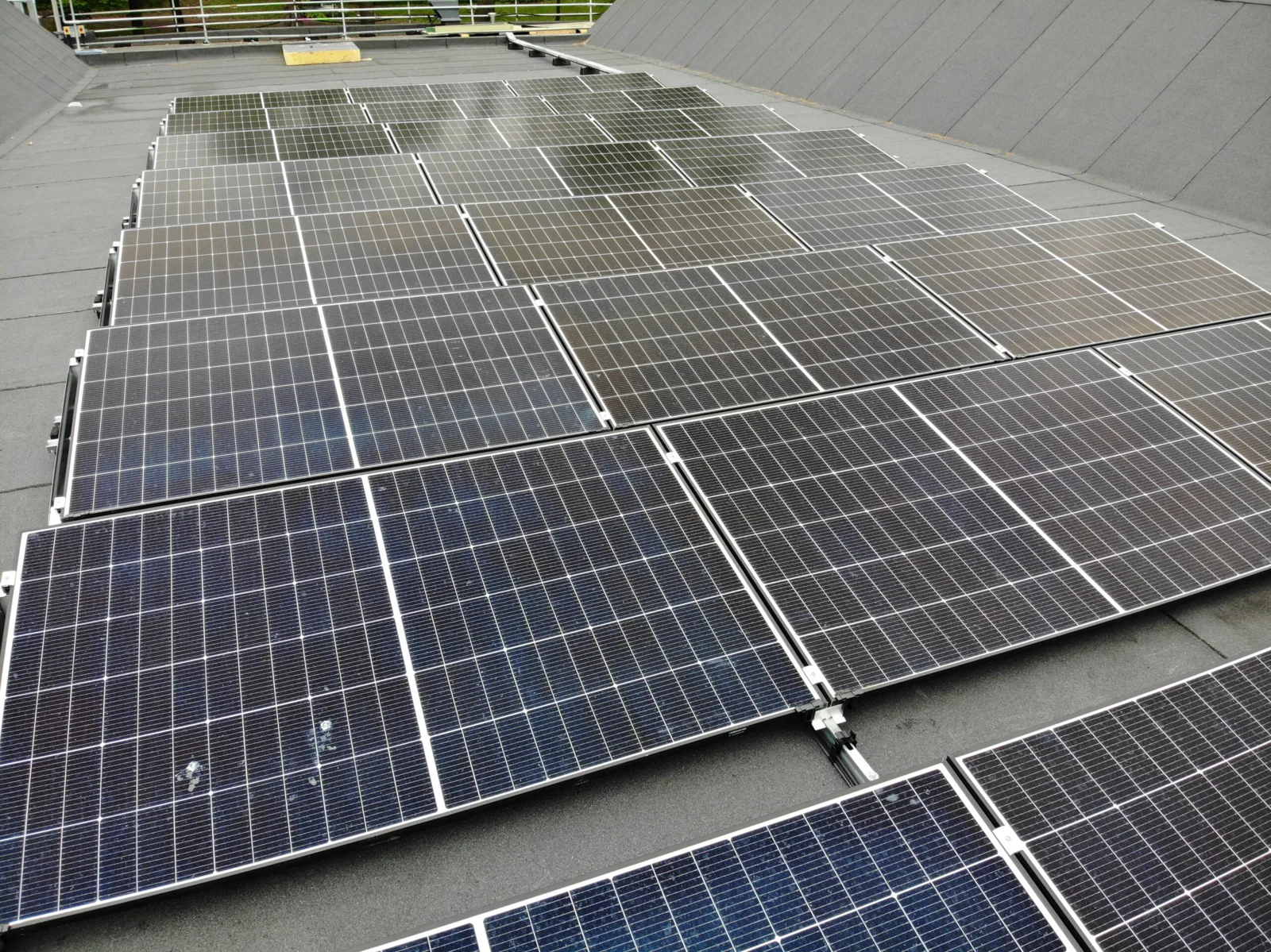
Hail Damage Roof Repair
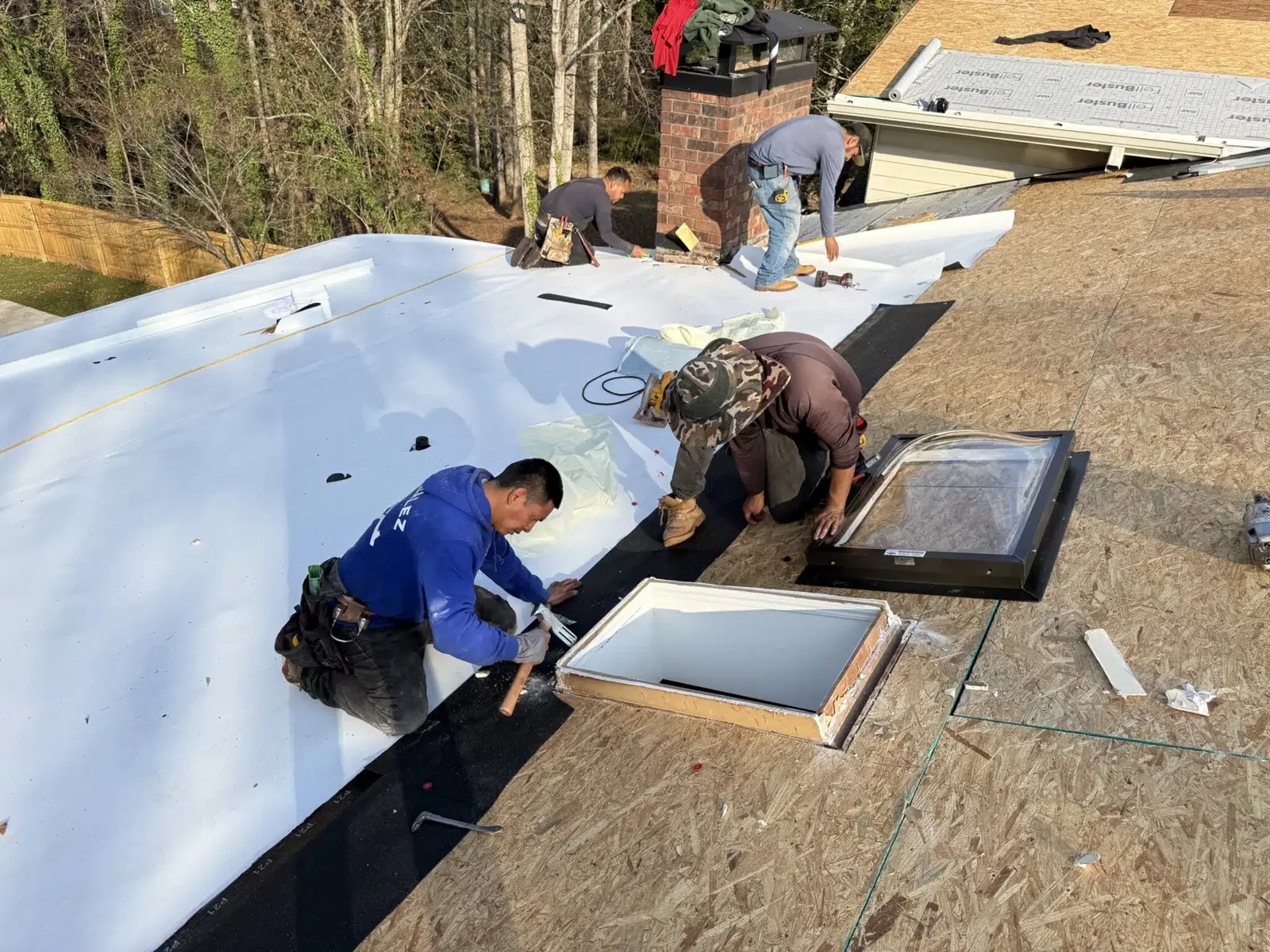
Infrared and Core-Cut Moisture Surveys
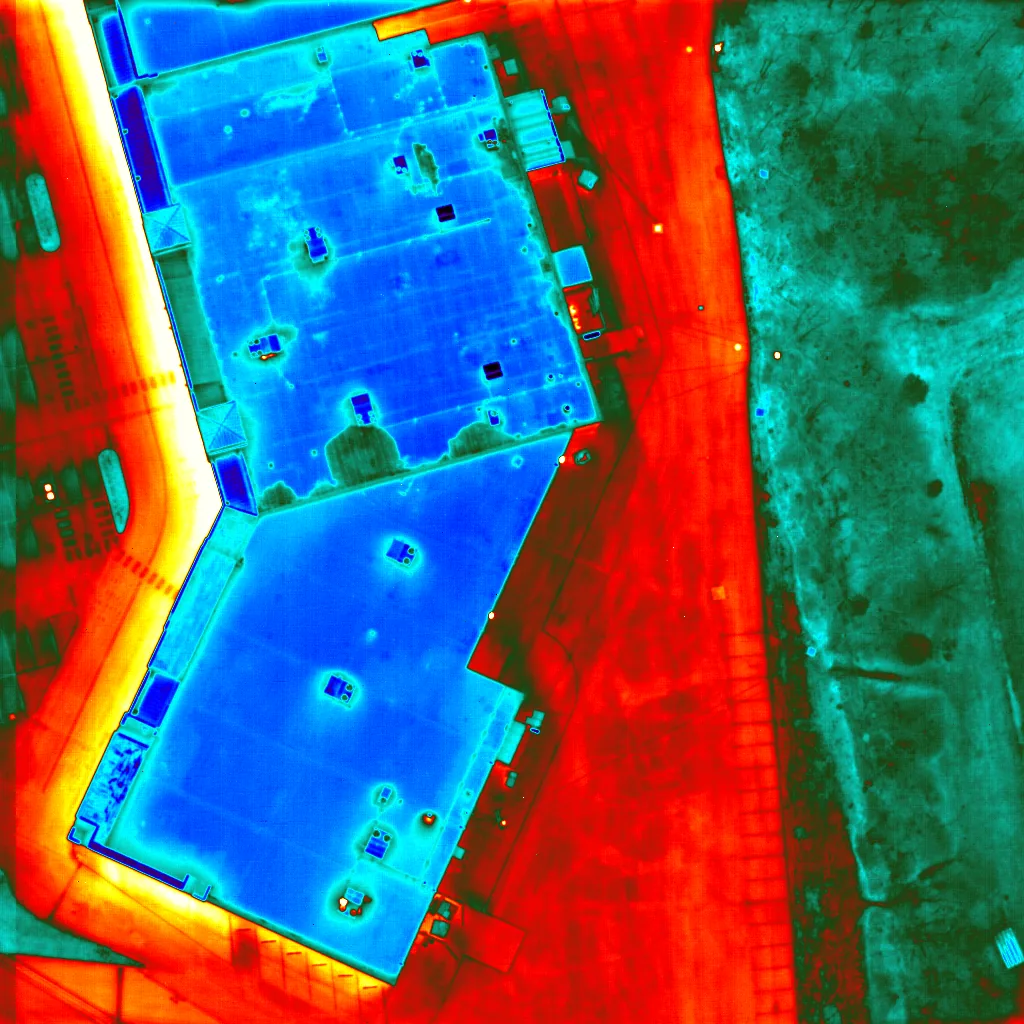
Commercial Roof Replacement
Silicone Roof Coatings
Roof Recover and Overlay Systems
TPO Roofing
Start with a dated splice record
Schedule an inspection and receive a condition record with photos, splice and flashing findings and recommended next steps marked patch, repair or replace.
