Roof Coating and Restoration in Lewisville, TX
Overview
Roof Coating and Restoration in Lewisville
A coating decision rests on one reading before it rests on any product: whether the insulation under the existing membrane is dry. If it is, a coating system can restore the surface, seal the seams and push the next replacement years out. If it is not, the coating only covers a problem. For a Lewisville, TX property manager the question is practical, because the same roof faces spring hail, long hot summers and the occasional 100 degree stretch, and a coating has to survive all three.
We start with the evidence, then describe the system, the preparation and the thickness record that will be kept afterward. A property manager should be able to read that record in a few minutes and know what was done to each roof zone, what was tested, and when the next check falls due.
Condition record: proving the roof can take a coating
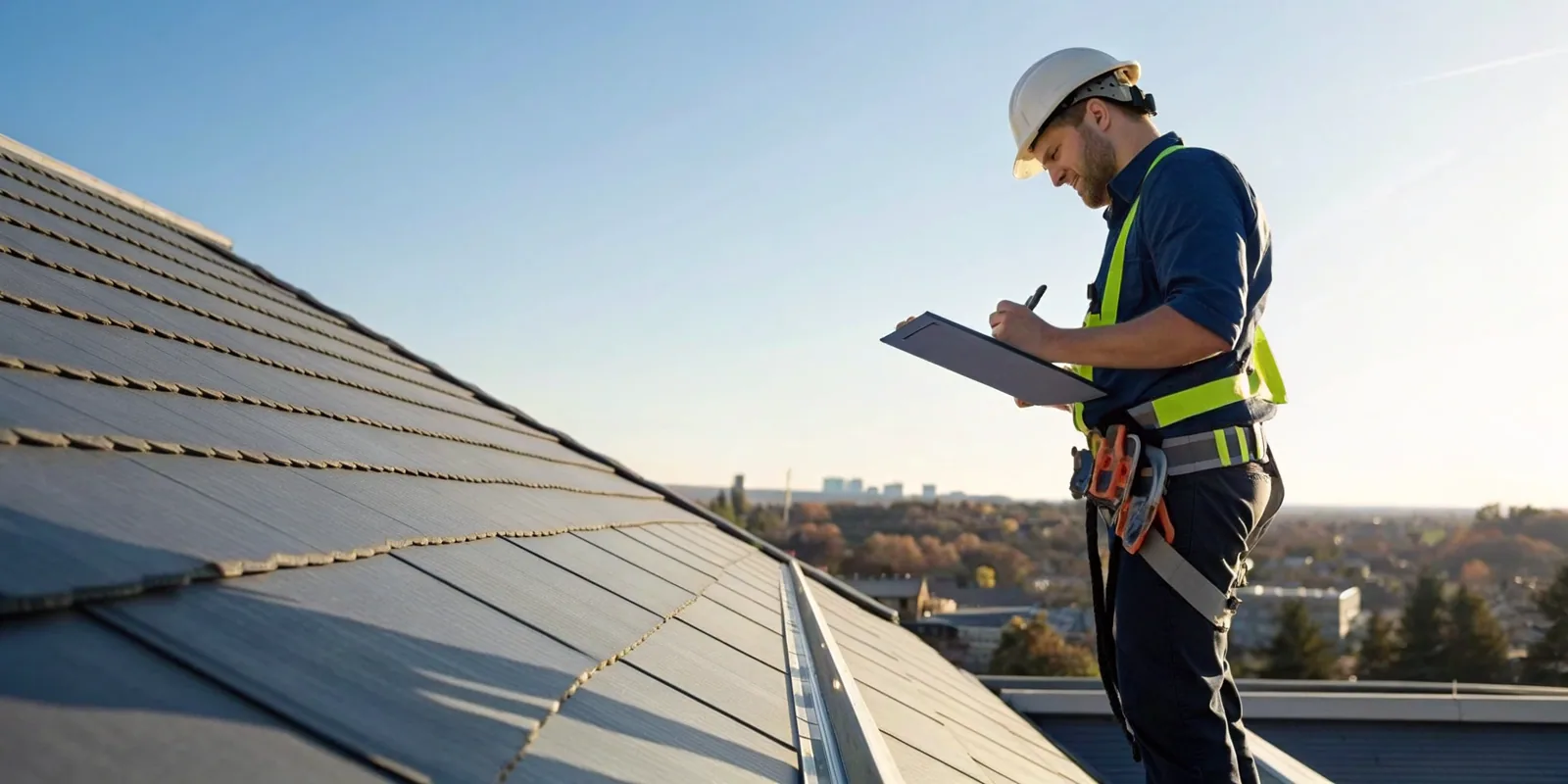
The qualifying checks come first. An infrared moisture survey, followed by core cuts at the suspicious spots, maps wet insulation. Adhesion pulls on the existing surface show whether a coating will bond. We also look at seams, laps and flashings, because a coating bridges hairline gaps but not open ones.
Roofs with a few wet areas can still be coated. The wet sections are cut out, the insulation is replaced and the membrane patched, then the whole roof is treated as one surface. A roof with wet insulation across most of its area has passed the repair boundary, and the comparison to make is with replacement. The record shows which side each roof zone falls on. That page, with the moisture map beside it, is what a committee needs to approve one path or the other, and it keeps the coating budget from absorbing money that belongs in a replacement line.
Surface preparation: where most coating failures start
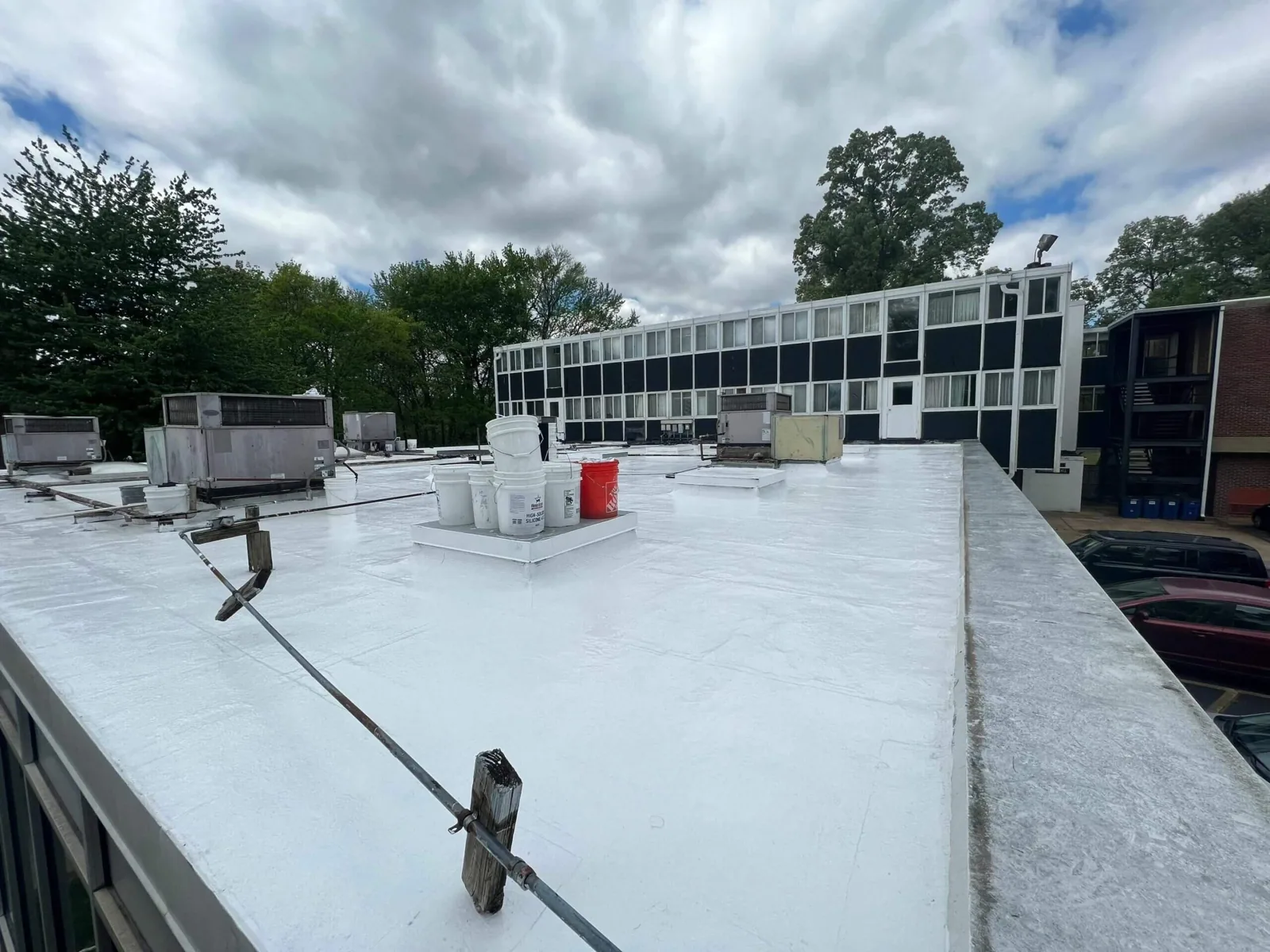
Coatings fail at the bond line far more often than in the coating itself. The surface is power washed or cleaned to remove chalking, dirt and biological growth, then allowed to dry fully. Rust on metal is treated, loose sealant is removed, and every seam, penetration and corner is reinforced with fabric and a heavier coat before the field is coated.
We photograph each stage in sequence so the record shows the surface before cleaning, after cleaning, with reinforcement in place and with the first coat down. If a section will not bond, the finding is logged with a location and an image, and the property manager decides whether that section is cut out, overlaid or left outside the coating scope. Ponded areas get extra attention, since dirt and algae collect there and weaken the bond if they are not fully removed.
System choice: silicone, acrylic and the ponding question
Silicone and acrylic behave differently on a low-slope roof. Silicone coatings tolerate standing water and keep their reflectivity, which suits a roof with shallow ponding that cannot be corrected. Acrylic coatings are not meant to sit under water, so they fit roofs that drain well. Where ponding is the real cause of the wear, the ponding water repair comes first, because a coating cannot change the slope of the deck. Where the low spots are a few inches deep and drains sit above them, tapered insulation or a new drain location may be the better first dollar.
Reflectivity matters here. The Dallas-Fort Worth normals put July and August highs near 96 degrees, with about 20 days a year at or above 100 at the airport, so a white or light coating lowers the surface temperature of the roof. Owners looking at energy as well as life extension can compare it with cool roof installation.
Work window: cure time against Metroplex weather
A coating needs dry weather to cure. The Weather Service notes that spring and fall are typically the wettest seasons in Dallas-Fort Worth, and that severe thunderstorms peak in spring, so we watch the forecast and apply each coat in a window with no rain expected before cure. A shower on a wet coat can wash it off or leave it blemished.
For occupied buildings in the Central I-35E district and along SH 121, we apply the coating by zone, with fumes, access and noise planned around the tenant day. Work starts early, stops when surface temperature runs too high for the material and resumes the next morning. Every day's start and stop times, surface conditions and coat quantities are entered in the access log. Rooftop units stay running, so intakes near the work area are covered or sequenced to avoid drawing coating odor into the building, and tenants receive notice of which zones are being coated each day.
Repair boundary: what the coating does and does not fix
A coating protects the surface and seals small defects. It does not repair a damaged deck, wet insulation or a failed structural attachment. It does not restore a membrane that has split at its seams. Those items are repaired before the coating goes on, and each one appears in the record with a before and after image.
The thickness of the finished coat matters as much as the product. We verify it with wet-film readings during application and dry-film checks after cure at marked points on each roof zone. Those readings, with the batch and mixing records, become part of the roof condition report the owner keeps for the next recoat decision.
Commercial Roofing Questions
Which roofs in the Central I-35E district are poor candidates for a coating?
Roofs with wet insulation across most of their area, decks that move, membranes that have split open at the seams and surfaces that will not hold an adhesion test. A moisture survey and a few pulls will sort a roof into one of those groups before any product is chosen, which is why the survey is the first line of the estimate rather than an optional extra.
Will a coating stop an existing leak?
Only if the leak comes from a seam, a flashing or a small defect that the system can bridge. Leaks from wet insulation or failed attachments come back through the coating. We find the entry point first, repair it, and then coat.
How long before a coated roof needs another coat?
The interval is set by the system, the thickness achieved and the roof zone exposure, not by a fixed number. We re-inspect on a schedule and measure film condition, and the findings tell us when a maintenance coat is due before the surface wears through. A roof that was coated at the right time and kept clean can take another coat over the first, which is a common way to extend service life a second time.
Can hail damage be coated over?
Not before it is assessed. Hail can bruise a membrane or fracture insulation without a visible hole, so the roof is surveyed first. If damage reaches the insulation, the damaged zone is repaired before coating, and the property manager can use the record for an insurer. The coating schedule then waits on that repair, and the roof is not coated until the survey results are in the file.
What does the closeout packet include?
Surface-preparation photographs, adhesion test results, wet-film and dry-film readings by zone, the material batch records and the dates of each coat. It also lists the zones to re-check at the next inspection pass, with a photo of each reference point, so the next reviewer can compare the coating against its day-one condition without guessing where we looked.
Related
Related Roofing Work
Infrared and Core-Cut Moisture Surveys
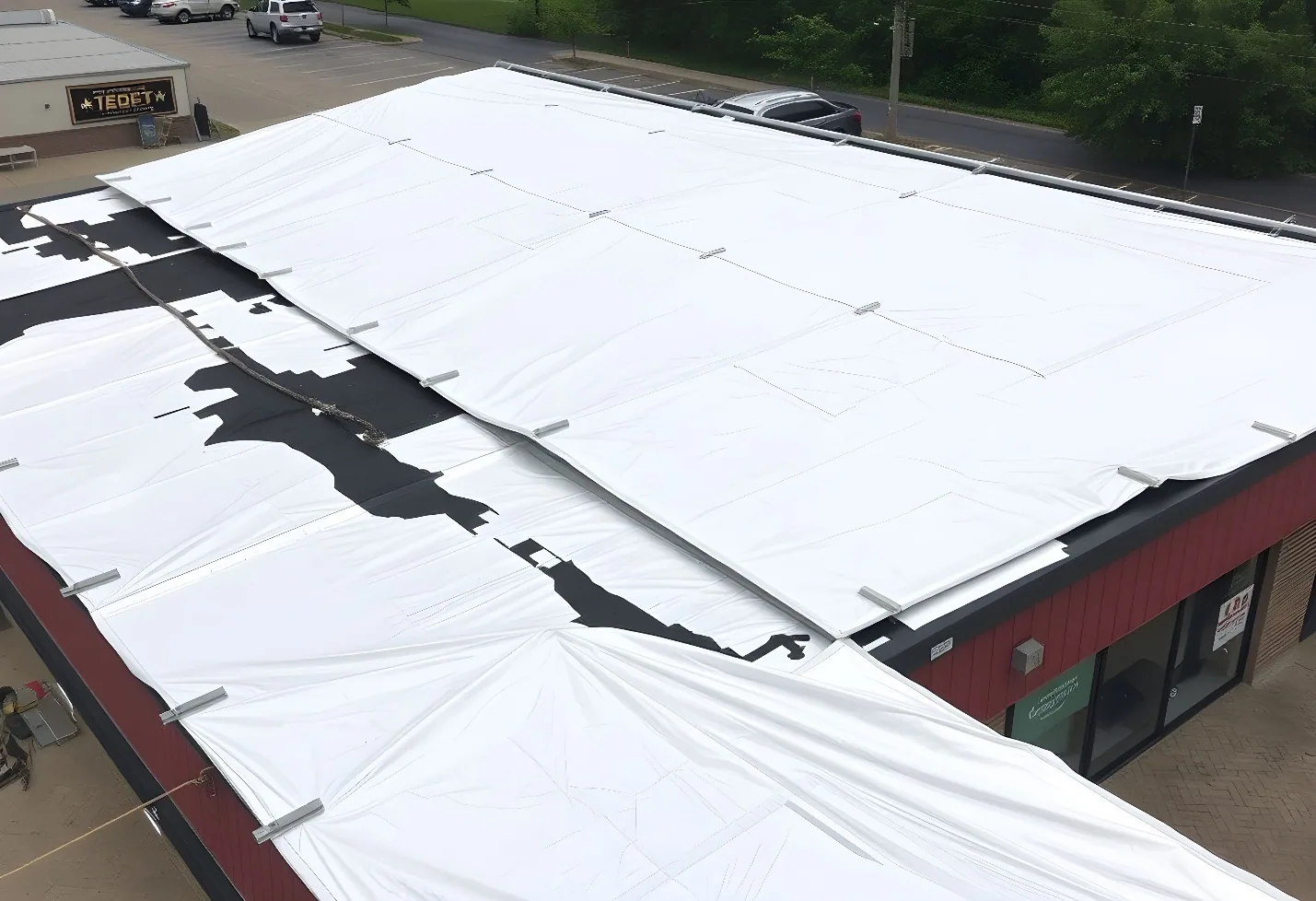
Commercial Roof Replacement
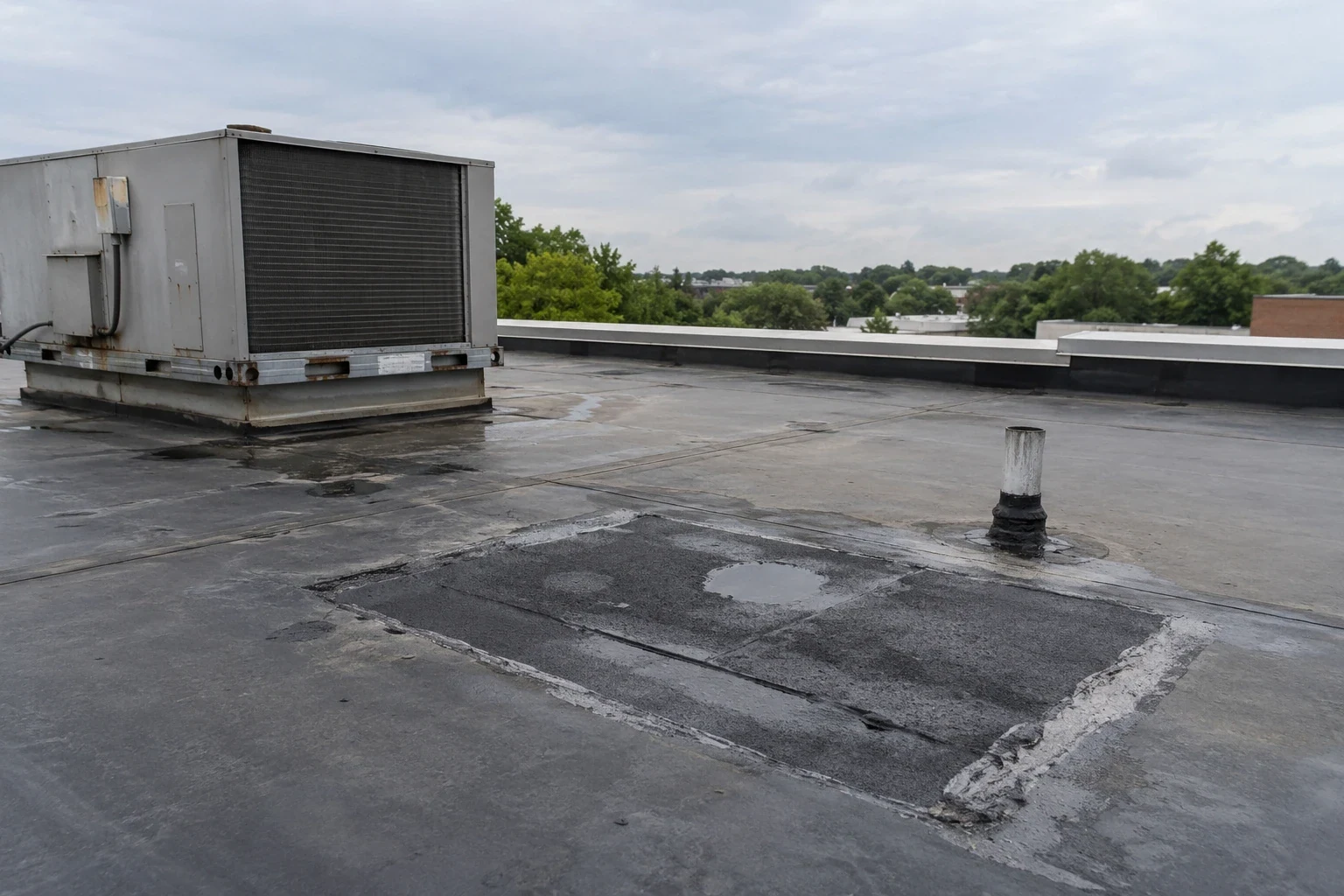
Silicone Roof Coatings
Acrylic Roof Coatings
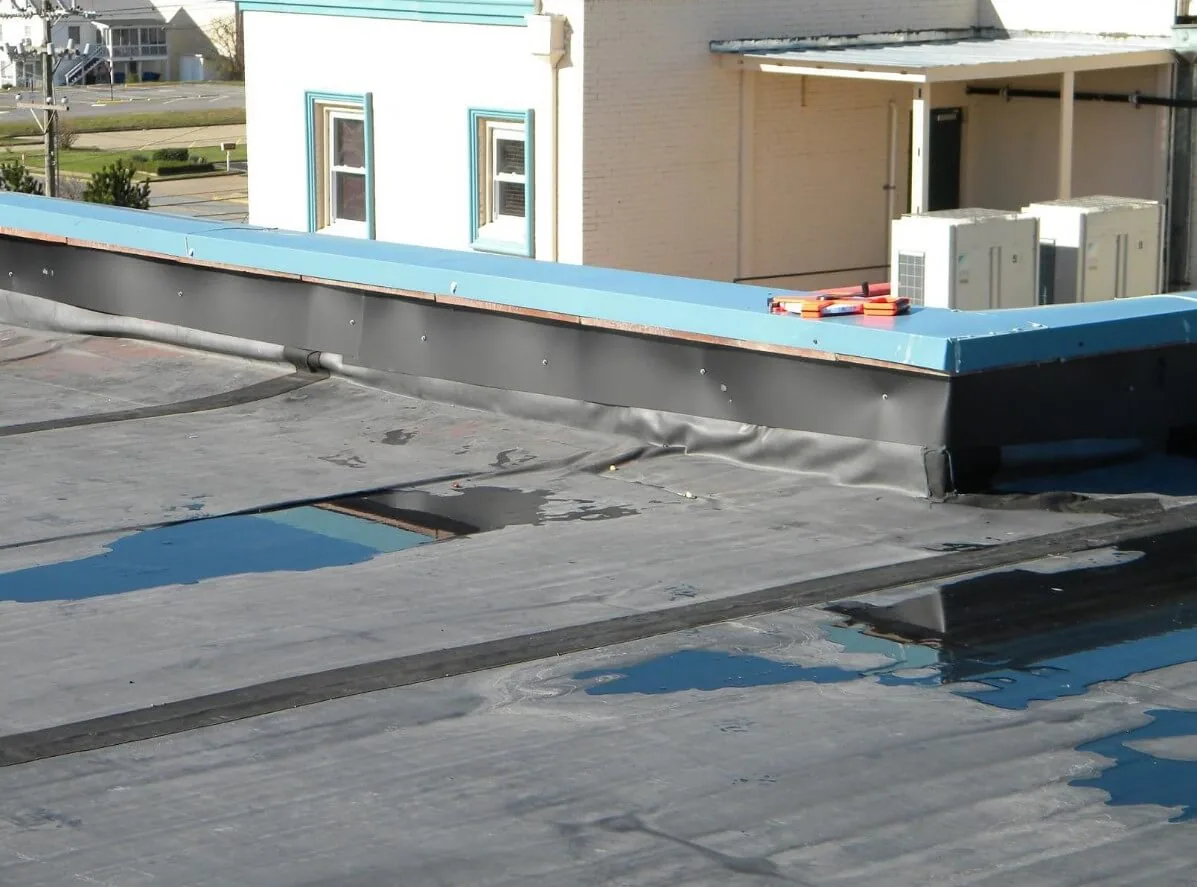
Ponding Water Roof Repair
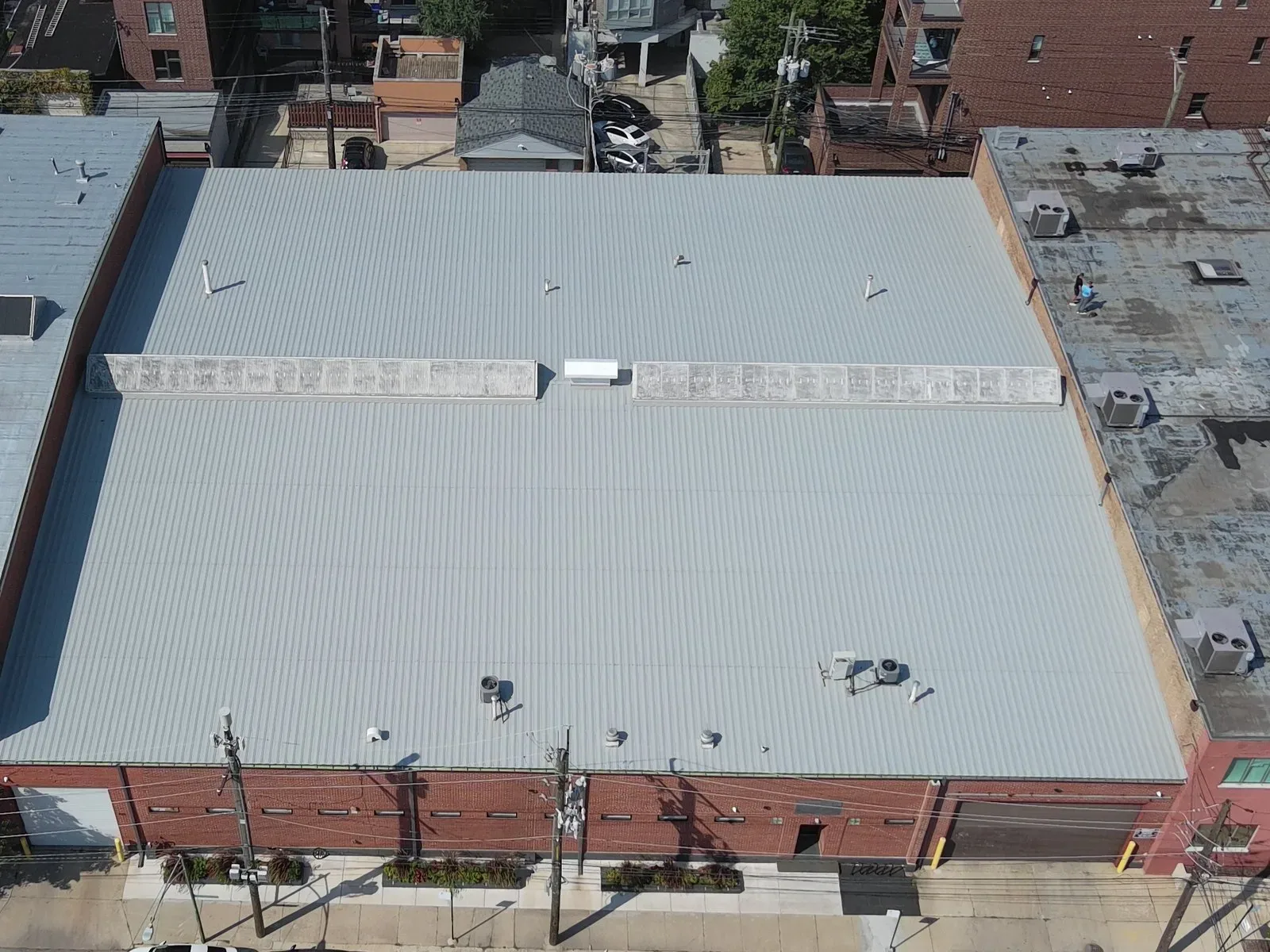
Cool Roof Installation
Request a coating evaluation
We test moisture and adhesion first, then send a written recommendation on coating, repair or replacement, with photos of each roof zone.