
Acrylic Roof Coatings in Lewisville, TX
Home // Roof Systems //
Overview
Acrylic Roof Coatings in Lewisville
A hose test on a freshly coated acrylic roof, run in a low corner after the coating has cured, shows whether the drainage story in the inspection record was right. Acrylic roof coatings are water-based, liquid-applied systems that cure into a reflective, flexible film. They extend the life of a sound but weathered roof, and they are usually the more economical of the common coating chemistries. Their limit is water: acrylic is not meant to sit under standing water for long, so the roof has to drain. On Lewisville, TX warehouses, retail buildings and offices with good slope to the drains, it is a restoration route worth pricing.
We begin with a drainage and surface survey, recording where water goes, where it stays and what the existing roof is made.
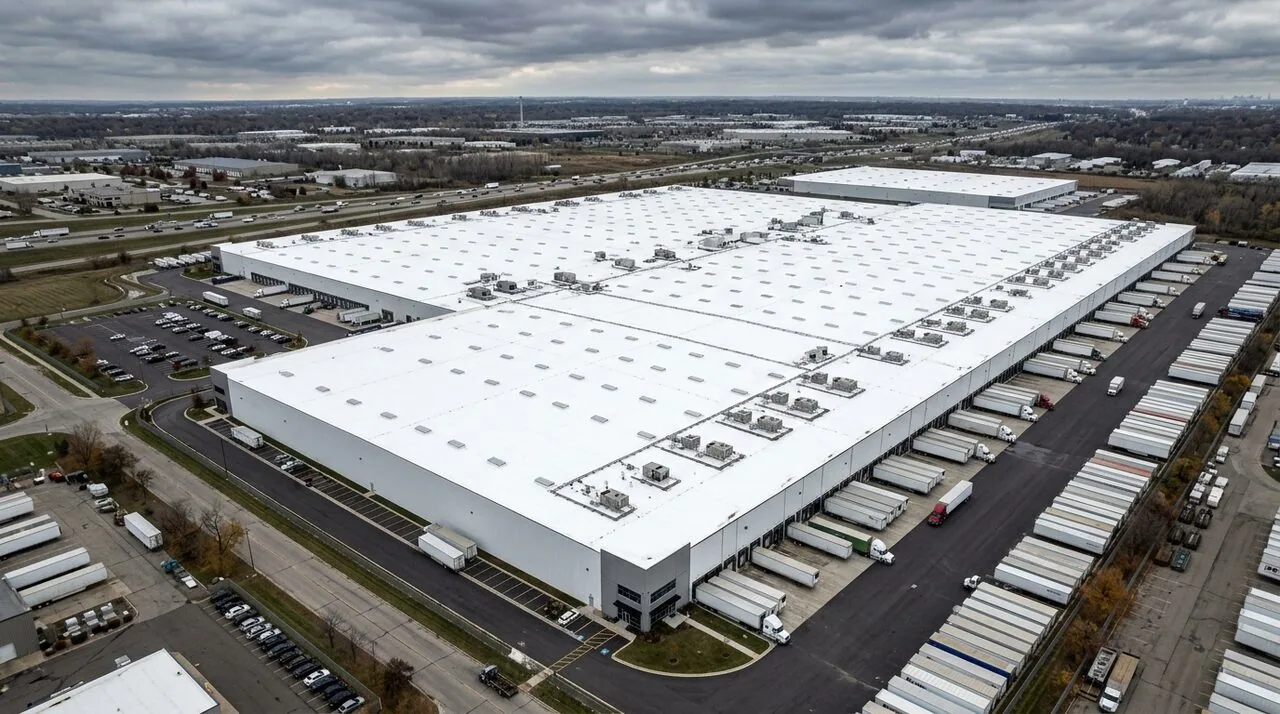
Roof zone: where water stays after rain
The first drawing is a ponding map. After a rain, or after a controlled wetting if the weather is dry, we mark every place where water remains on the roof after the rest has drained, and we return the next day to see what is still there. Short-lived puddles are an inconvenience. Water that stays for days is a problem for acrylic, which can soften, blister or wash out under constant wetting.
- Low spots and the length of time water remains in them
- Drains and scuppers, and whether they are clear and set at the low point
- Areas around rooftop equipment where water collects
- Slopes toward walls instead of away from them
- Debris that blocks flow
Where ponding exists and cannot be corrected, the options review compares silicone roof coatings, which tolerate standing water better, with drainage correction at a later replacement. Where the drainage is sound, acrylic remains open.
Inspection record: surface, seams and what to repair first
The existing roof decides what the coating will bond to and how long the result lasts. We record the membrane type and age, the condition of the surface, seams, laps and flashings, and the moisture state of the insulation. A moisture survey finds wet areas that must be removed before coating. Acrylic over wet insulation traps the water and the roof deteriorates from the inside.
Test patches go on early. We clean a sample area, apply the coating and check adhesion after cure. A surface that is chalky, oily or contaminated needs more preparation, and some surfaces need a primer. Seams and flashings are reinforced with fabric embedded in coating. Cracks and splits are repaired first. A seam failure repair before coating prevents the coating from bridging a defect that will reopen. Dates, photographs and roof-plan positions go with the record, along with the preparation steps.
Evidence sequence: weather windows, hail and heat
Acrylic is applied in dry weather to a clean, dry surface and needs time to cure before rain. Spring and fall run wettest in Dallas-Fort Worth, and thunderstorms crest in spring. A coating that is hit by rain before it cures can wash out or blister, so the schedule follows the forecast, and days are held in reserve.
Hail is the other weather record. Hail reaches the Metroplex in most years, though a given roof can go a season without a strike. It can bruise or puncture a thin film. After a storm, new impact marks are weighed against older wear, and a hail damage repair record shows where touch-up is needed. Reflectivity earns its place on a coating job here, since airport highs run near 96 degrees in July and August and the count of 100-degree days is about twenty a year.
Repair boundary: the limit of what a coating can do
A coating seals small cracks and gives a roof a new weathering surface, but it does not fix structural problems. It cannot close an open seam, dry wet insulation, lift a low spot or hold a loose flashing. The repair boundary lists what must be done before coating goes on and what is left as is.
We replace wet insulation, re-secure fasteners, patch holes and splits, reflash penetrations and clean drains. If the roof has widespread wet material, a deck that is soft or an old membrane that is brittle and splitting, the boundary is wider than the coating can cover, and a replacement or recover is the better route. Where a roof is a candidate, we apply the coating in coats to a specified thickness and check it with gauges. A roof coating restoration program also sets a recoat date.
Work coordination: wash water, overspray and tenant notice
Coating a roof begins with washing it, and the wash water has to be managed so debris does not reach drains and neighboring property. Spray application brings overspray risk, so vehicles, glass, rooftop equipment and air intakes are covered, and wind is monitored. Tenants are told when washing and spraying will happen and what to expect.
Compared with replacement, a coating job is quieter, produces little debris and leaves the existing roof in place, which suits an operating property. We record access, parking, equipment shutdowns and the opening and closing time of each section. The method follows the same planning used for occupied-building reroofing. Lewisville's I-35E and SH 121 districts include office, retail, industrial and mixed-use properties, each with different working hours. Roofs in Old Town Lewisville sit near other businesses and need clear notice.
Options review: acrylic, silicone, foam or a new roof
The choice for a sound but weathered roof is among coating chemistries and, in some cases, a new system. Acrylic suits roofs with good drainage and a need for a cost-conscious restoration. Silicone suits ponding. A foam roof is recoated with a compatible coating, and the process for that appears in spray polyurethane foam roofing. Metal roofs can be coated after fasteners and laps are secured, which relates to metal roof retrofit work.
We lay out the options against the findings: moisture, substrate, drainage, budget and the owner's holding period. Owners with many roofs may sequence work through a roof capital plan, putting the roofs with the most remaining service first, and holding back those where a coating would only delay an obvious replacement. Recoating is part of the cost picture, since an acrylic coat is usually renewed on a cycle set by inspection. That cycle is a line in the owner's budget, and the closeout file names the date of the first check so it is not forgotten.
Closeout documentation: coats, thickness and cure
The closeout file lists the substrate, cleaning method, repairs, primer, coating product category, number of coats, measured thickness, adhesion results and the weather on the application days. It includes photographs by zone, the date of the first recoat check and the next inspection date.
On a coating job, the permit office decides whether review applies and which edition of the adopted 2021 International Building Code governs.
Commercial Roofing Questions
Why is acrylic limited on roofs that pond?
Constant wetting can soften or wash out the film. If water stays, silicone or a drainage correction is the better path.
What happens if it rains right after application?
The coating can wash out or blister before it cures, so we schedule around the forecast and keep reserve days.
Can acrylic seal an open seam?
No. The seam is repaired and reinforced first, and the coating covers the repaired area.
How do you check coating thickness?
With gauges at test points as the coats go on. The readings go into the closeout file.
Does an acrylic coating project draw permit review?
Sometimes. The permit office confirms whether a permit applies at all and which code edition governs.
Related
Related Roofing Work
Silicone Roof Coatings
Split and Open Seam Repair
Hail Damage Roof Repair
Commercial Roof Replacement
Roof Coating and Restoration
Occupied Building Reroofing
Start with a ponding and surface record
Schedule an inspection and receive a condition record with photos, a ponding map, moisture readings and recommended next steps marked repair, coat or replace.
