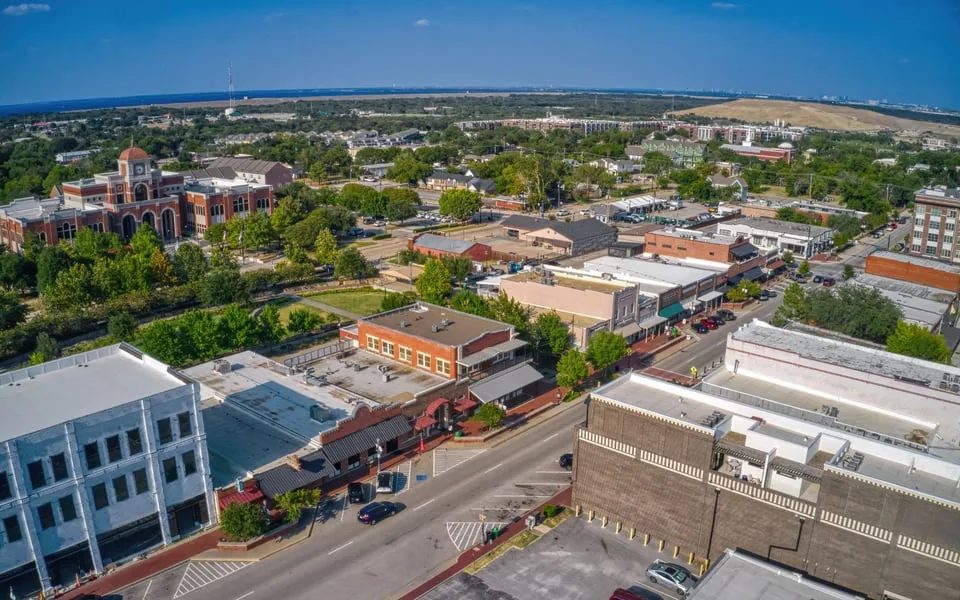
Spray Polyurethane Foam (SPF) Roofing in Lewisville, TX
Home // Roof Systems //
Overview
Spray Polyurethane Foam (SPF) Roofing in Lewisville
The coating on top of a foam roof is the roof's real skin, and the foam is the part that must never be left exposed. Spray polyurethane foam, or SPF, is a two-part liquid that expands into a rigid, closed-cell foam when sprayed on a clean, dry substrate, forming a continuous layer that is insulation and waterproofing in one. It does not last unprotected: ultraviolet light breaks the surface down quickly, so the foam is covered with an elastomeric coating, often with granules in high-traffic zones. In Lewisville, TX, where hail is a regular regional hazard and summer heat is long, the state of that coating is the first thing to record.
We begin with a surface survey, walking the roof and photographing coating condition, thickness where it can be checked, ponding and every penetration or puncture.
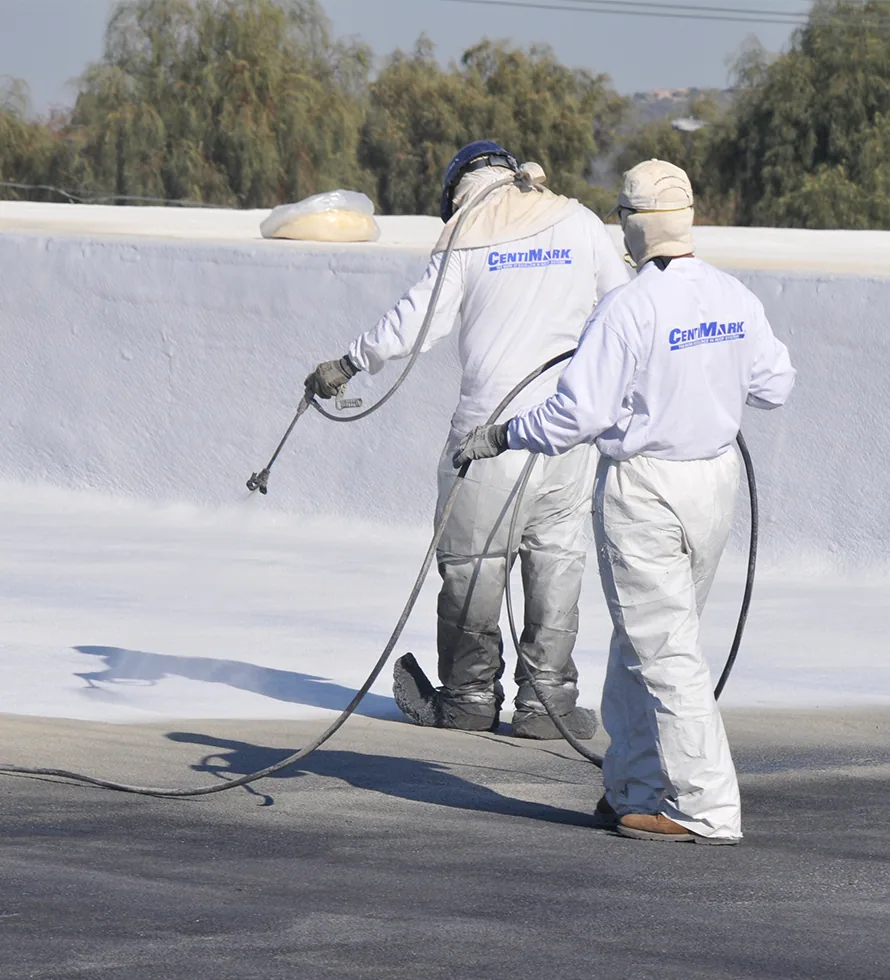
Inspection record: coating, foam and surface wear
On a foam roof we look for places where the coating is thin, chalked, cracked, blistered or missing. Chalking is normal in some coatings and shows UV aging; cracking and bare foam are findings. Bare foam is easy to see: it turns from a smooth white or tan surface to an orange or brown crust as it degrades, and it erodes quickly under sun and rain.
- Coating thickness checks at sample locations
- Cracks, blisters and areas of lost adhesion
- Punctures, divots and impact marks from hail or foot traffic
- Penetrations, curbs and wall terminations
- Ponding areas where the surface stays wet
Each finding is dated, photographed and placed on the roof plan. Where we suspect water in the foam, a moisture reading and infrared scan help find it. Closed-cell foam resists absorbing water, but a breach in the coating lets water in, and water that enters at a puncture can spread beneath the coating.
Evidence sequence: hail, heat and what the foam shows
Hail visits the Metroplex in most years, though a given roof may be spared. It can bruise or puncture the coating and dent the foam beneath, and a foam roof records impact in a way a gravel roof does not. Divots, craters and cracked coating are visible, and we photograph and measure them against a consistent reference.
Heat is the other record. A foam roof in direct sun expands and contracts through each day, and the airport's mid-nineties July and August highs, with about twenty days a year at 100 or more, give it plenty of cycles. The coating has to move with it. We separate impact damage from age by looking at the pattern: scattered round marks across a slope point to hail, general cracking points to a coating that has hardened. A hail damage repair record on a foam roof sets out the number and location of punctures before a repair is priced.
Repair boundary: patching foam and recoating
A small puncture is repaired by cleaning and drying the area, cutting back damaged foam to a sound edge, spraying or filling new foam, trimming it flush and recoating with a coating compatible with the existing one. The patch must overlap onto sound coating. Cracks in the coating are cleaned, reinforced where needed and recoated.
The boundary is set by moisture and foam condition. If a core or scan shows wet foam, the wet area is cut out. If the foam is sound and dry but the coating is worn across the field, a full recoat is the repair, and it can extend service for years if done before bare foam appears. If the foam is degraded across the field, or the roof has repeated puncture damage, replacement or a recover becomes the question. Foam is also hard to inspect once recoated several times, so thickness records matter. A roof coating restoration plan sets out the schedule for recoating.
Penetrations deserve their own pass. Foam is sprayed up and around pipes, curbs and drains, and the coating at those points sees the most movement and the most foot traffic. We check each one for cracks at the base, for foam that has pulled away from a pipe and for coating that has worn through where technicians step. Walk pads or granule-surfaced coating protect the paths used to reach rooftop units, and we add them where the survey shows repeated wear.
Work window: weather limits, overspray and protection
SPF is sensitive to conditions at the moment of application. Temperature, humidity, wind and surface moisture all affect how the foam rises and bonds. Wind is also a risk to cars, glass and neighboring property, since overspray can drift. North Texas weather is wettest in spring and fall and summer heat is long, so scheduling requires watching the forecast closely and holding days in reserve.
We protect vehicles, windows, rooftop equipment and air intakes with covers and barriers, set up wind monitoring and stop when conditions leave the product's range. Occupants are told about odors and any areas to avoid during spraying and curing. We record the time each section is opened and closed, the weather on the work day and the coating cure. On a working property the same discipline used in occupied-building reroofing applies: no section is left open when the crew leaves.
Options review: recoat, recover or replace a foam roof
For a foam roof the owner's choices are a maintenance recoat, a repair program with spot recoating, a recover with a new system or full replacement. Recoating is the usual maintenance cycle for a sound foam roof and is the lowest-cost way to protect the foam. Silicone and acrylic coatings are both used, and the choice depends on ponding, traffic and the existing coating.
If the foam is wet, replacement is the only reliable route, and the moisture evidence shows how much to remove. Replacing foam with a single-ply or another system is a design decision that includes insulation thickness and the energy code. Which edition and amendments apply is the permit office's decision, and the city's adopted list includes the 2021 International Building Code. Owners with several roofs may rank them by condition using roof condition reports before setting a budget.
Closeout documentation: foam, coating and mil log
The closeout file records the foam thickness at test points, the coating type and measured thickness, surface preparation, the weather on application days, cure times and photographs by zone before and after. It lists repairs by location and the materials used.
We keep dated photographs for the recoating cycle, so the owner can see when the next coat is due and how much the last one has weathered since it was applied. Properties in Old Town Lewisville or Lake Dallas can use the same format, and owners near I-35E or SH 121 can compare their roofs against the same baseline.
Commercial Roofing Questions
Why does the foam need a coating?
Sunlight breaks down bare foam quickly. The coating shields it, so keeping the coating intact is the maintenance job.
How do you repair a hail puncture?
We cut back to sound foam, fill and trim it flush, then recoat with overlap onto sound coating. Wet foam is removed first.
How often does a foam roof need recoating?
Inspection findings set the schedule. Chalking, thin coating and cracks signal that a recoat should be planned before bare foam shows.
Can foam be sprayed in any weather?
No. Temperature, humidity, wind and surface moisture all matter, and we stop when conditions leave the product's range.
What does the permit office decide for a foam replacement?
The edition and amendments that apply at filing, from an adopted list that includes the 2021 International Building Code.
Related
Related Roofing Work
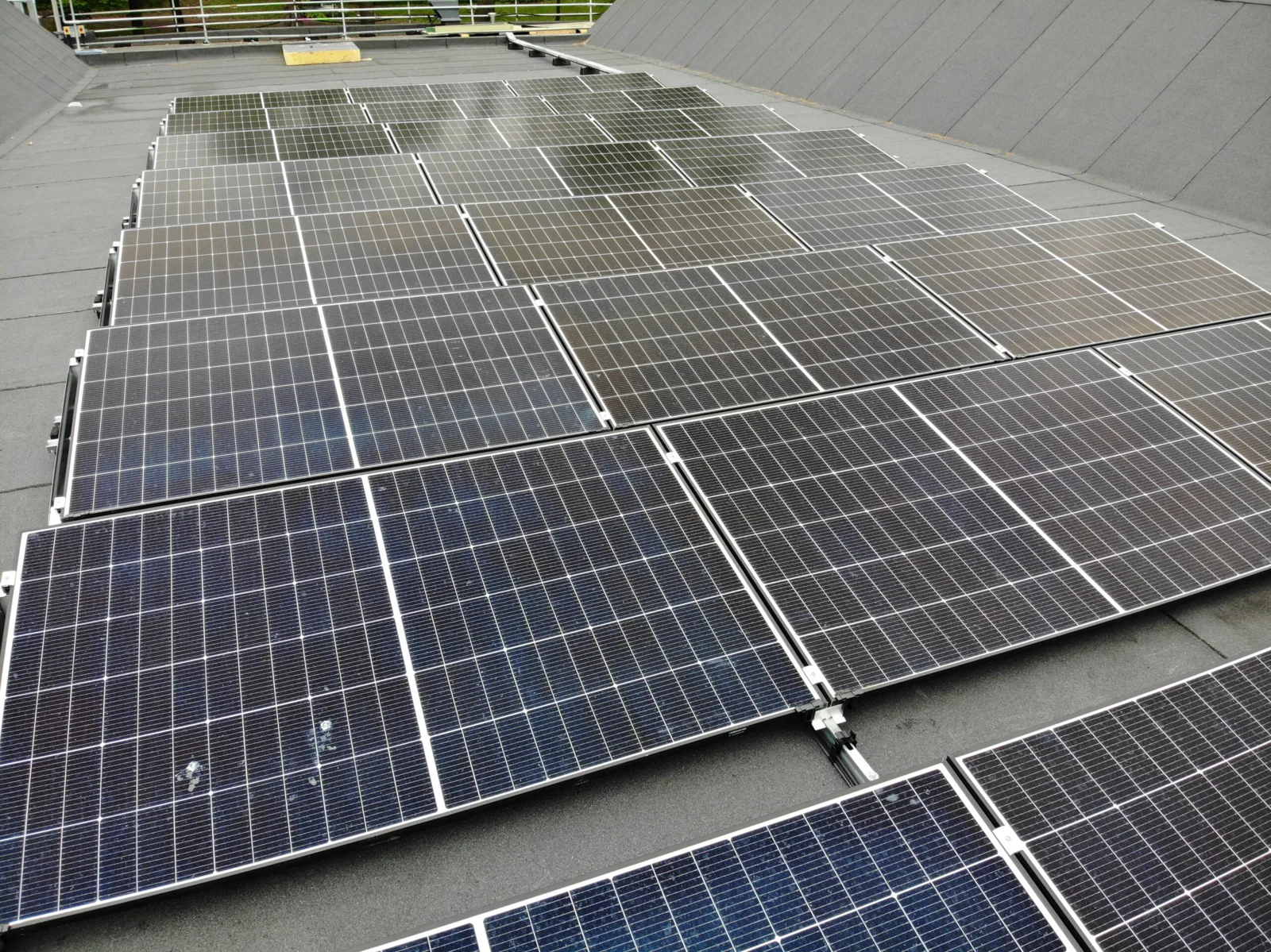
Hail Damage Roof Repair
Roof Coating and Restoration
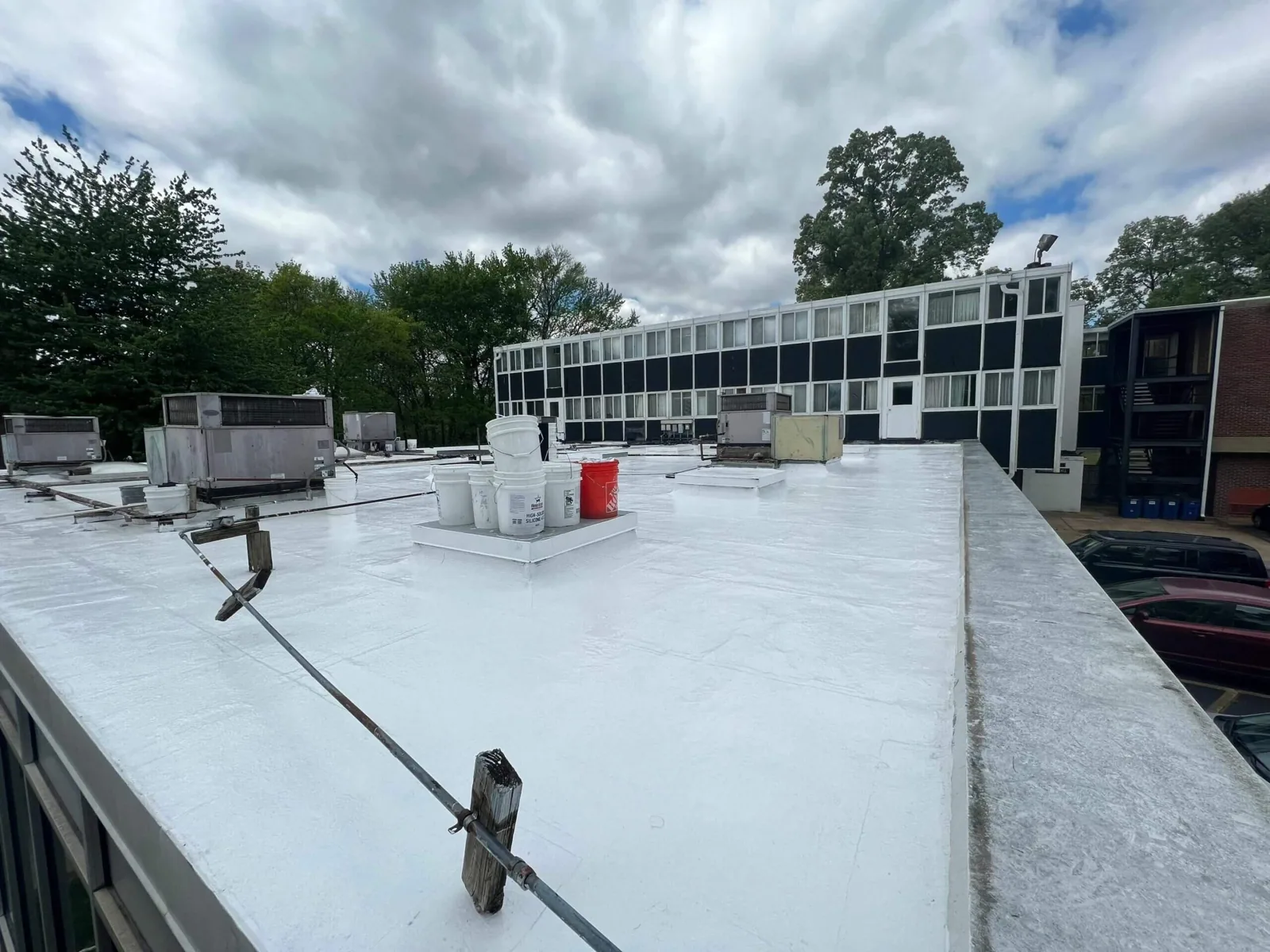
Occupied Building Reroofing
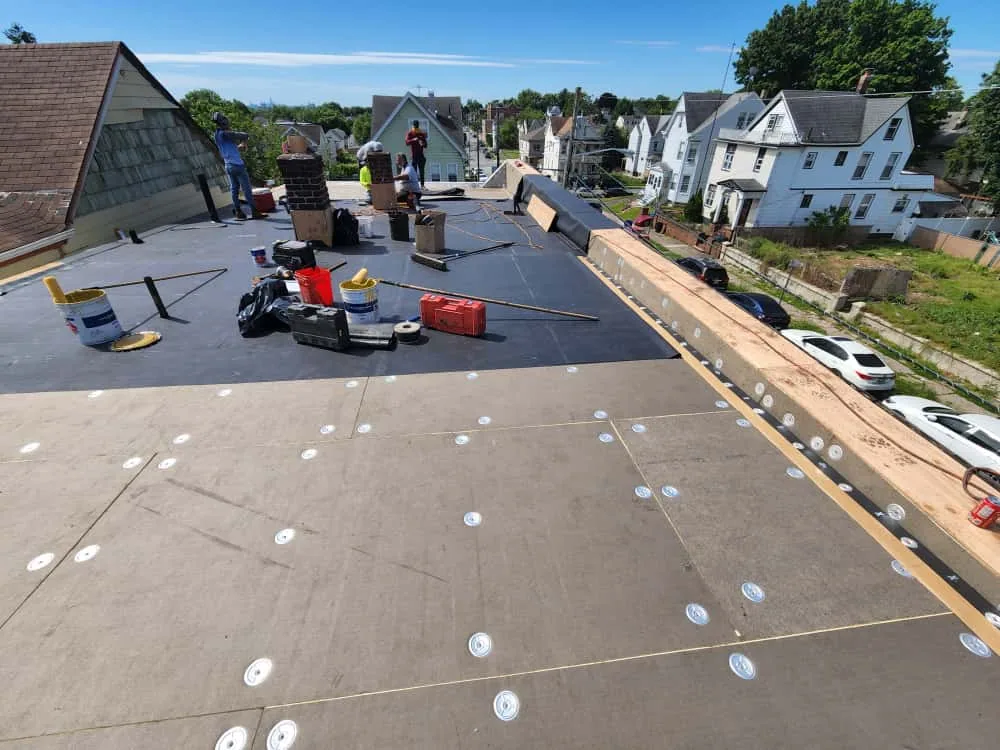
Silicone Roof Coatings
Acrylic Roof Coatings
Roof Condition Reports
Start with a dated coating record
Schedule an inspection and receive a condition record with photos, coating and foam findings, puncture locations and recommended next steps marked patch, recoat or replace.