Commercial Roofing for Insurance Restoration in Lewisville, TX
Home // Industries We Serve //
Overview
Insurance Restoration in Lewisville
A storm date is the first line of a restoration file, and the roof condition is the second. For an adjuster, restoration contractor or property owner in Lewisville, TX, the first useful record ties the reported event to a specific building, date and roof zone. We photograph the visible condition, identify prior repairs where records are available and mark any test needed before the scope grows. That leaves the claim discussion with a condition record that distinguishes what was observed from what still requires review.
Event record: date, location and roof baseline
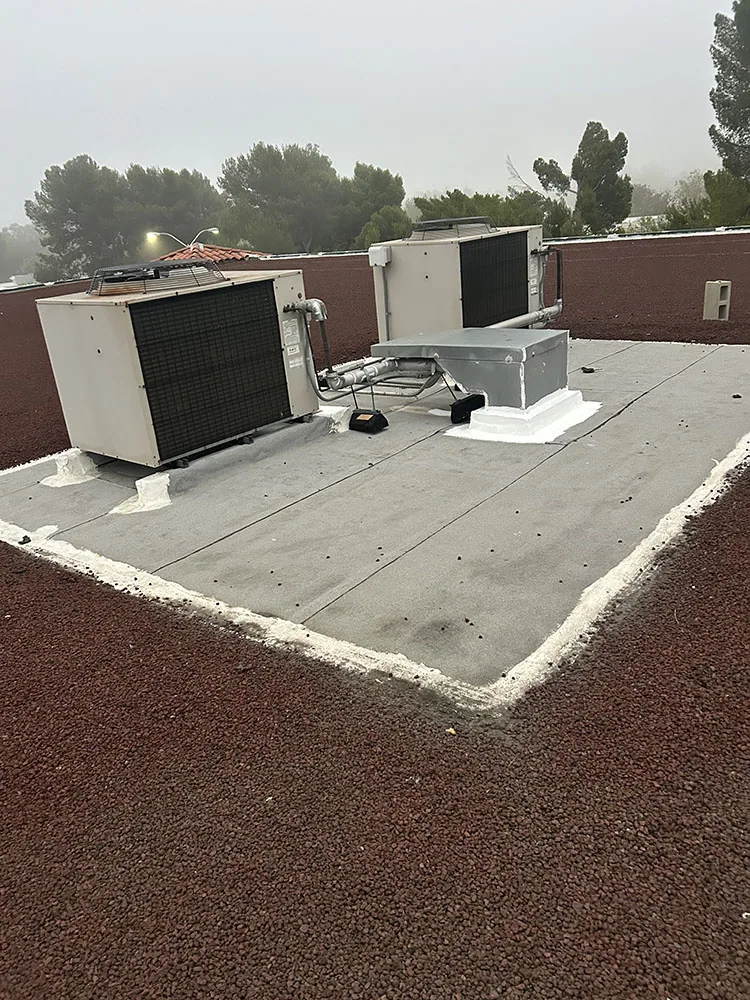
We begin with the owner's report, access to the roof and any prior inspection photographs. The inspection pass checks edges, seams, penetrations, drains and interior leak locations. Each image includes the surrounding zone and the suspect detail, so the file can show where a finding sits rather than presenting a close-up without context. If old patches or wear are visible, we record them separately from fresh conditions and note what cannot be dated from the roof alone.
Hail and damaging wind turn up in the Metroplex nearly every year, so a report guides when to inspect and the roof supplies what is found. We use dated photos and field observations. A storm repair scope follows the roof evidence and states the boundary being addressed.
Dates carry the weight here. The owner's storm date, the first interior report, the first roof visit and any temporary protection each get their own line in the file, in order, so a reviewer can read the sequence of events without reconstructing it from invoices. Where a date comes from the owner and not from a photograph, the file says so.
Photo sequence: show the roof zone and detail
A restoration record needs more than a collection of close-ups. We photograph the roof section first, then move toward the detail and include a reference point that can be found on a return visit. If a seam is lifted, an edge is loose or a puncture is visible, the report notes its location, dimensions where measured and nearby repairs. Interior photographs can be linked to the roof zone when the owner provides a room map, but the roof path is still checked before a cause is assigned.
Where the surface appears dry but the insulation may be affected, we identify a moisture test or controlled opening. An infrared pattern can narrow an area for confirmation, but it does not by itself prove water in the assembly. The report says which method was used and what it established. A moisture survey can support a test plan, and a commercial inspection can create the dated baseline for later comparison.
Repair boundary: separate emergency work from restoration
When water is entering, temporary protection and permanent repair are separate actions. We document the immediate opening, the area protected and what must be revisited after conditions allow. The final repair boundary follows the defect and substrate, not simply the room where water appeared. If insulation is wet beyond the visible damage, we identify the additional test and show how its result could change the scope.
Cost drivers include access, tear-off depth, material compatibility, edge details, equipment curbs, disposal and the protection needed below. We can list those factors without treating an estimate as a coverage decision. A claim documentation review keeps the roof record and proposed repair aligned, while the carrier determines policy coverage. If the existing assembly supports an overlay, a recover comparison can be presented beside replacement, with the tests and assumptions stated.
Local conditions: permit questions and weather timing
A restoration permit is reviewed under whatever edition and amendments the authority names, starting from the 2021 International Building Code that Lewisville has adopted. A restoration scope may involve more than patching if the affected area leads to replacement, so we identify the proposed assembly and any permit question for the project reviewer.
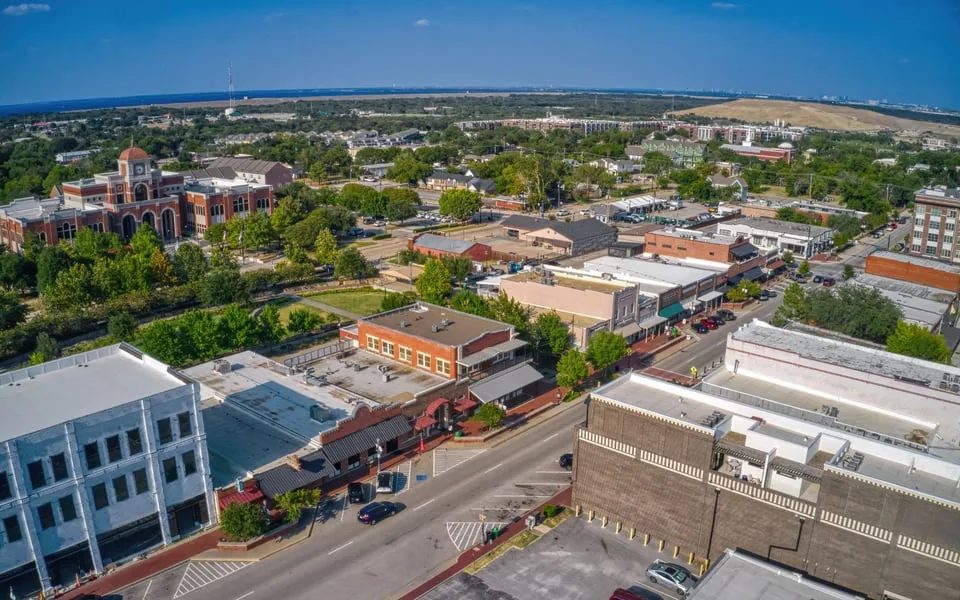
Old Town Lewisville has commercial buildings along Main Street and mixed-use redevelopment planned around the district, which makes access, pedestrian protection and staging relevant to a restoration project nearby. We coordinate the access route with the site contact, and a roof visit in Old Town records its own zone map and work limits.
Review file: keep facts separate from coverage
For a claim review, the roof file can include the inspection date, weather date supplied by the owner, prior condition images, current photographs, moisture results and the repair boundary. It should also identify exclusions from the inspection, such as locked zones or areas that could not be reached. If a test remains open, we list the method and the decision that depends on it. The resulting scope is easier to compare with an adjuster's questions because it ties each item to a location and observed condition.
When several trades have worked on the roof, we keep their records separated by date and location. A prior patch may explain an existing seam or surface difference, but it does not establish who caused a later leak. We note what the owner provided, what we observed during the current visit and which repair was completed under the present scope. That chain of dated findings gives a reviewer a more useful comparison than a single close-up with no roof-zone reference.
For public owners, a public agency roof record may need a separate permit or approval handoff. Property teams can use manager-ready condition notes to coordinate tenants and follow-up work. In either case, photos document the roof, not a promise about reimbursement, claim acceptance or future performance.
Closeout packet: complete the restoration record
After work, we add photographs of the completed repair, materials noted, test results and any item deferred. The record states whether temporary protection was removed and which roof zones remain under observation. If an insurer or owner requests additional information, the dated files make it possible to identify the exact finding and work performed. The maintenance team can then schedule a later inspection using the same roof-zone labels.
A good closeout gives the property owner and restoration team the same account of what was done. It leaves coverage, payment and policy interpretation with the parties responsible for those decisions, while keeping the contractor's scope tied to the roof evidence. We can list the date of the next inspection and the condition to watch, so a later change can be compared with the completed repair rather than reconstructed from memory.
Commercial Roofing Questions
What does a hail report add to a restoration file?
A date and a reason to inspect. The building still needs its own evidence, so we photograph the roof zones, compare available prior records and note the tests required before describing a damage boundary.
Can your roof report determine insurance coverage?
The report documents conditions and proposed work; the carrier applies the policy. We keep observations, repair recommendations and coverage decisions separate in the file.
What if water appears far from the roof opening?
We map the interior location and inspect plausible paths across seams, curbs, drains and transitions. Water can travel within the assembly, so we test before expanding the repair boundary.
What belongs in a restoration photo set?
Include a view of each roof zone, a closer image of each defect, a location reference and dated after-work photos. Add test results and note any area that could not be inspected.
How do you handle a temporary leak measure?
We record where it was placed, what it protects and when the permanent repair should be reviewed. Temporary protection is identified separately from a completed repair so the remaining scope stays visible.
Related
Related Roofing Work
Storm Damage Roof Repair
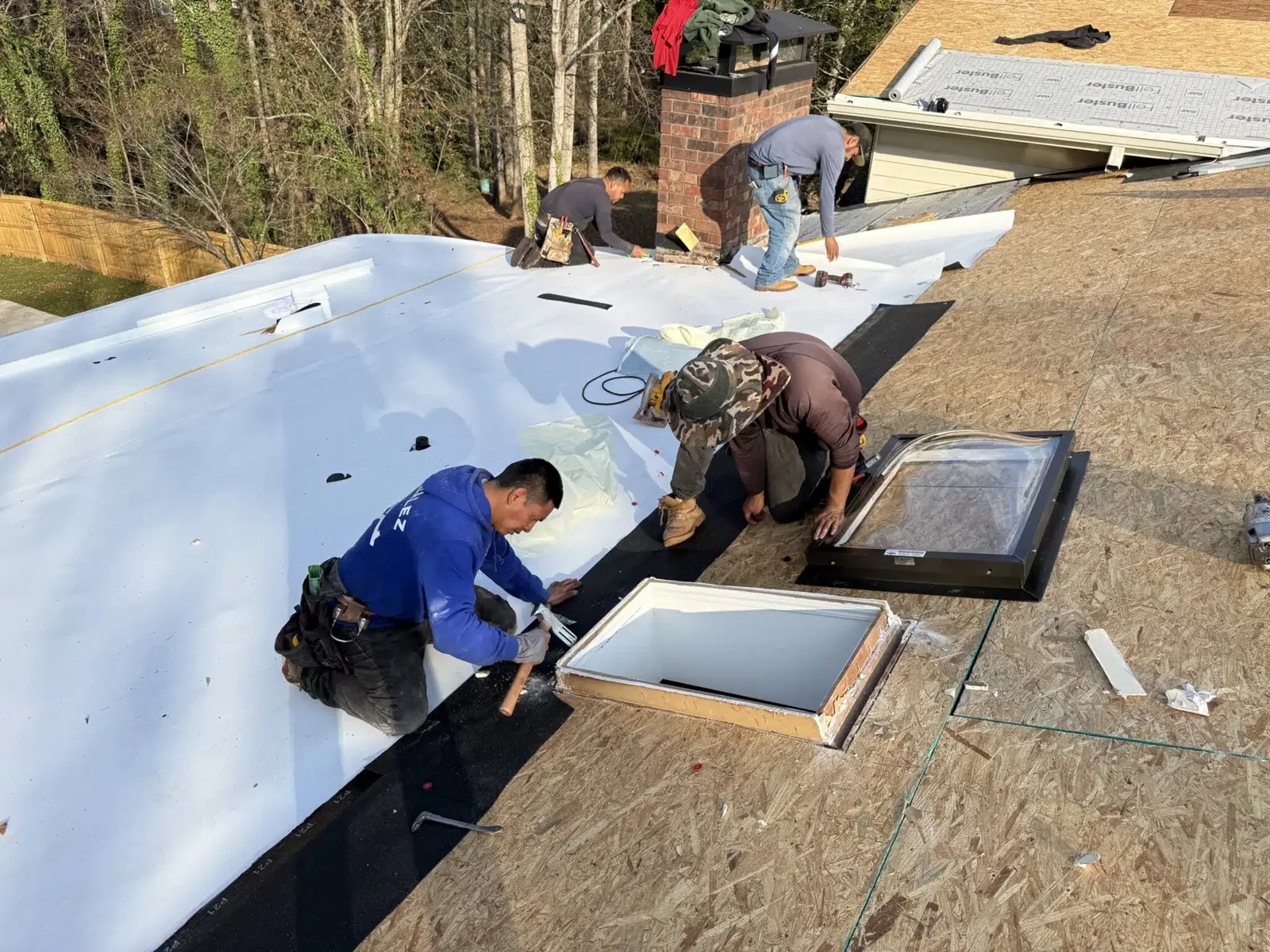
Infrared and Core-Cut Moisture Surveys
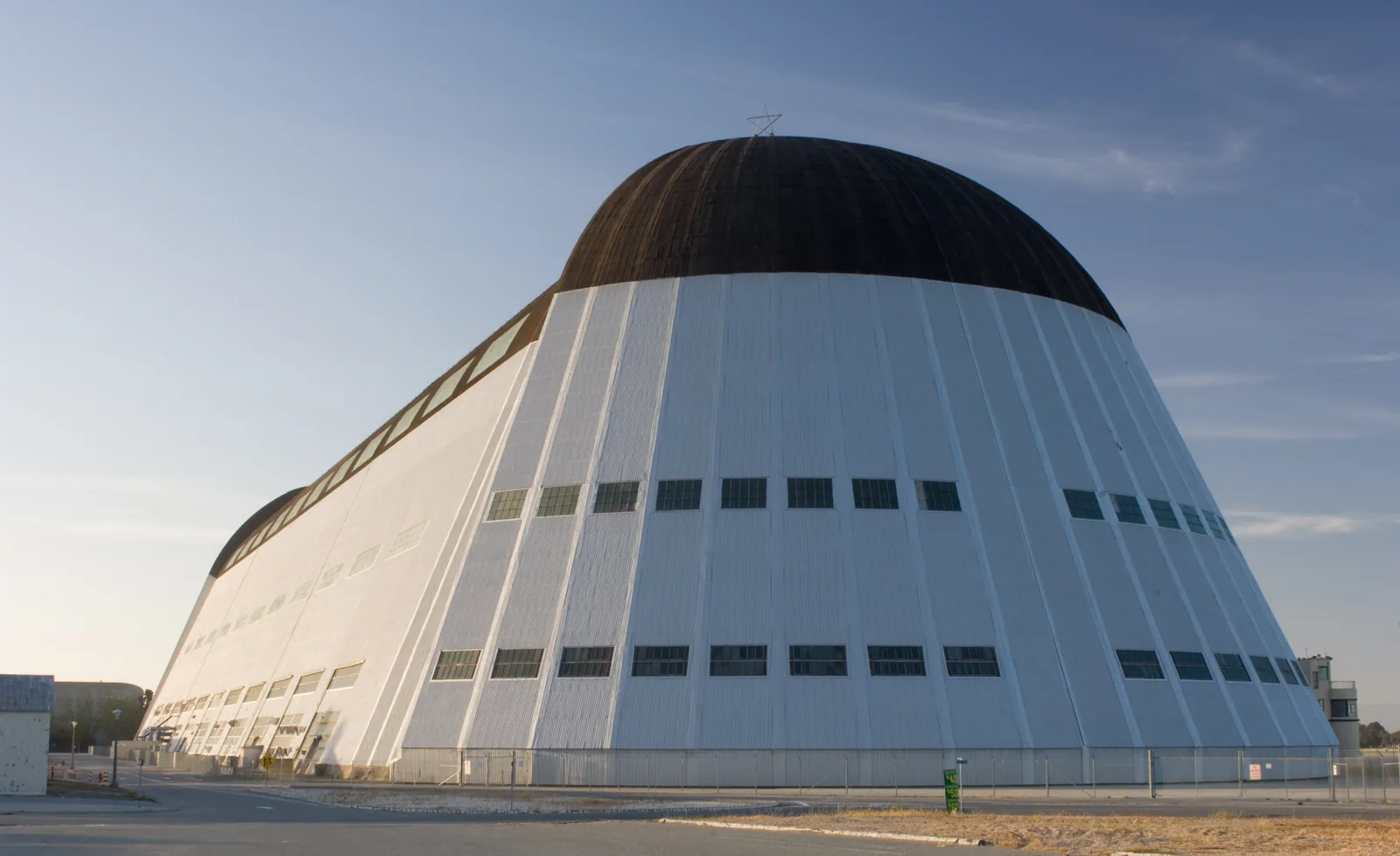
Commercial Roof Inspections
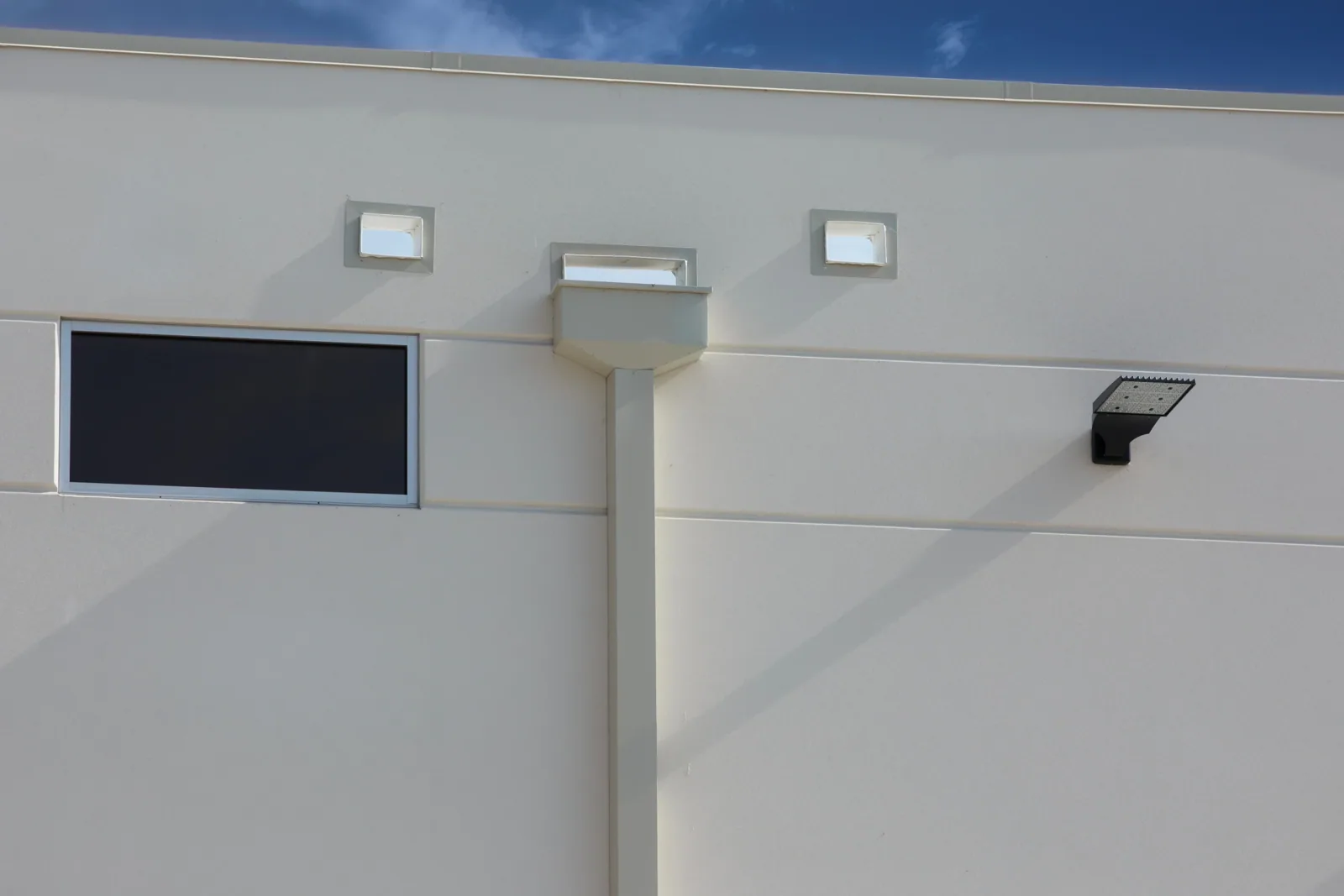
Roof Insurance Claim Assistance
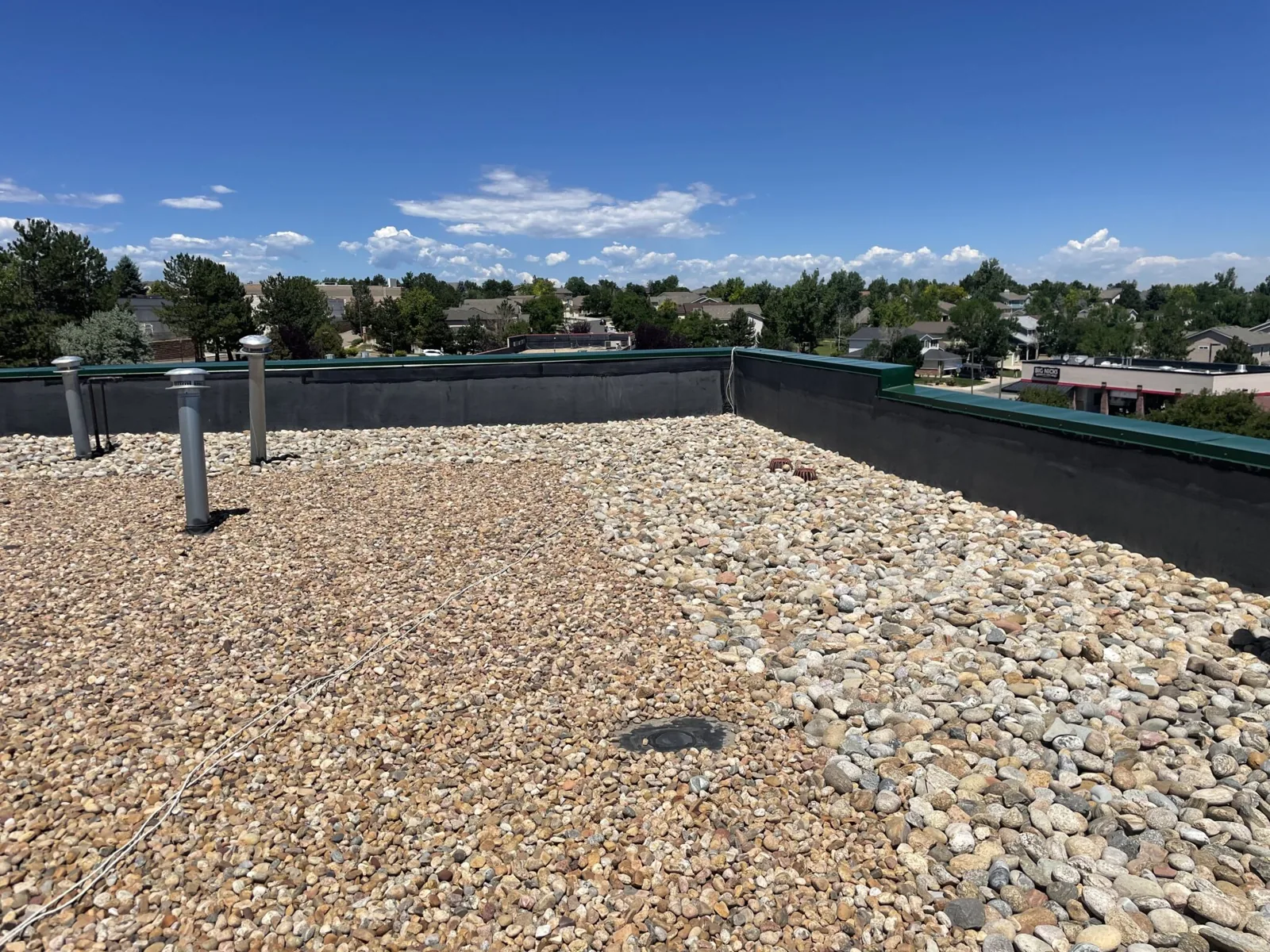
Roof Recover and Overlay Systems
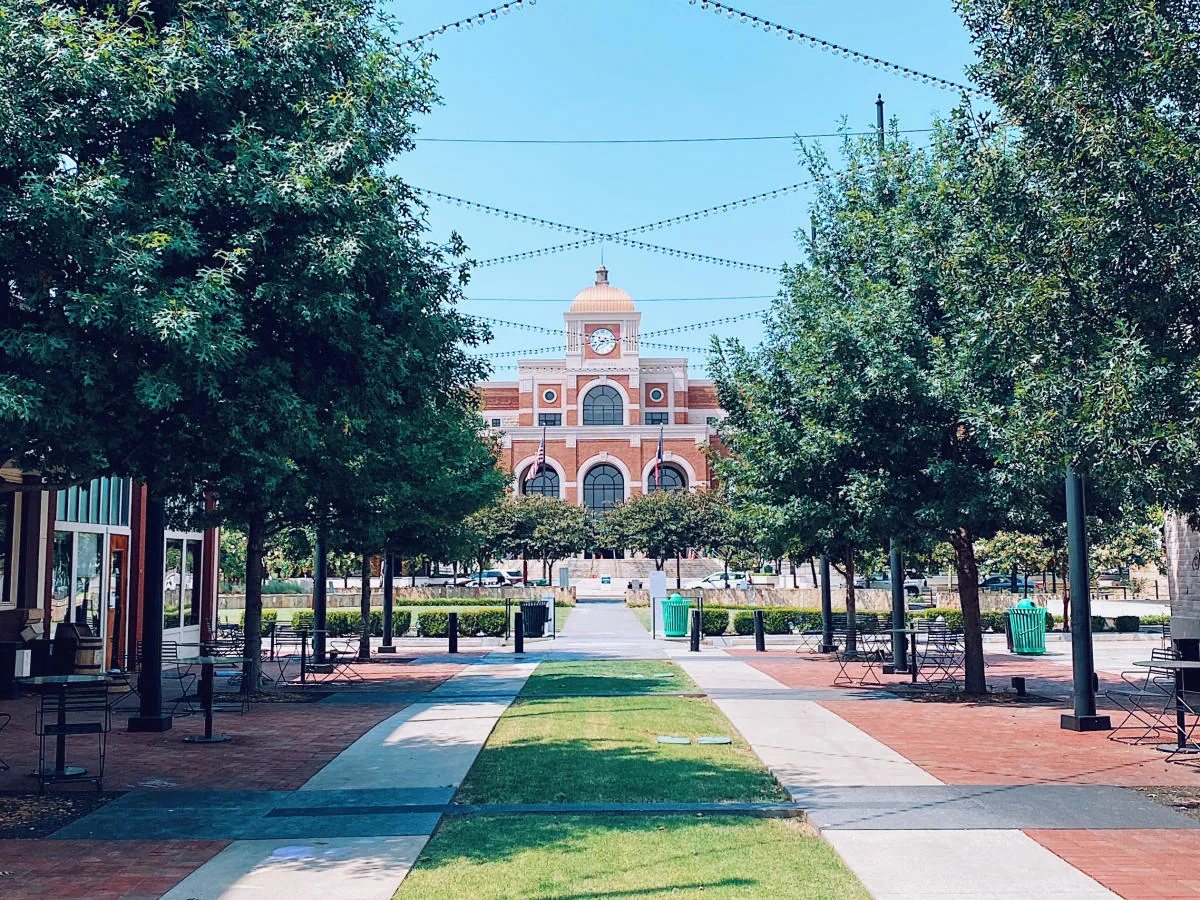
Old Town
Schedule a documented roof inspection
Arrange a Lewisville inspection and receive dated photographs, findings, test needs and repair boundaries for the property file.