Commercial Roofing for Public Agencies in Lewisville, TX
Home // Industries We Serve //
Overview
Public Agencies in Lewisville
A public roof scope needs a finding that can be reviewed, priced and handed to the next department without changing its meaning. For a city or agency property in Lewisville, TX, we map the roof zones, photograph defects and separate observed conditions from tests still needed. The record identifies access limits, repair boundaries and the next approval question. That gives facilities staff a basis for planning while leaving procurement and permit decisions with the officials responsible for them.
Scope record: findings that can be reviewed
We begin with the roof plan and any maintenance record the agency can provide. Each zone is checked for seams, drains, penetrations, edge metal and earlier repairs. Photographs show context and the detail, while notes distinguish active water entry from a condition that needs testing. A scope can then list the work area, substrate questions, temporary protection, access requirements and closeout test. If a core or other opening is needed, we state where it would occur and what decision it would support.
Under Lewisville's adopted codes, which include the 2021 International Building Code, the permit authority determines the edition and amendments that apply. We document the proposed assembly for the agency's project reviewer. A condition inspection provides the roof evidence, and a condition report can keep findings and unresolved items together for review. For a public facility, the scope should also identify occupied areas below the work, how entry is controlled, and what condition must be met before the space is returned to use. Where a department shares a building with a library, a clinic or a court counter, the access plan lists each public entrance and the hours it serves, and the crew's route keeps visitors away from lifts and material drops. The plan also records the contact who can close a door or reroute foot traffic on the day.
Access plan: public use and operating spaces
Public facilities have access rules that may include staff escorts, restricted rooms, visitor schedules or equipment shutdown approvals. We confirm the entry point and responsible contact before the visit, then note which roof zones can be reached. During construction, the plan identifies pedestrian paths, loading space, lift placement and protection needed below. A daily closeout records whether the section was dried in and who accepted the area, leaving the agency with a record of the handoff.
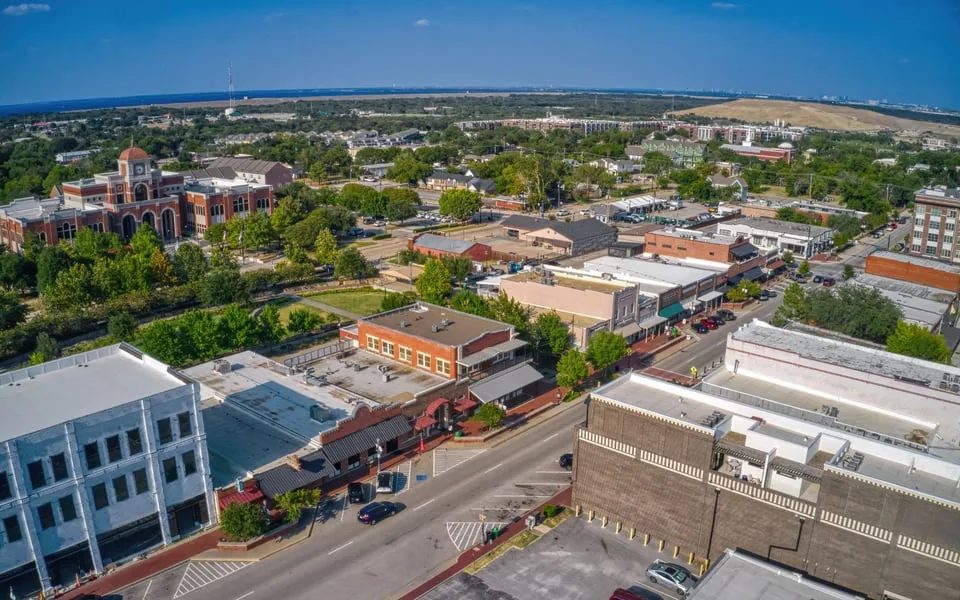
The city's economic-development materials point to investment and jobs near I-35E, SH 121 and Old Town, and the Business 121 corridor plan covers an 8.4-mile route of commercial, office and mixed-use activity. An agency building on that corridor gets a corridor property inspection built on the site's own access procedures and roof plan.
Options review: distinguish urgent work from capital work
We separate an active leak repair from work that can be scheduled with a capital project. A localized defect may be repaired if the membrane and insulation around it remain suitable. Broader moisture, repeated seam failure or an aging assembly can support a recover or replacement comparison. Each option should identify testing, removal, access and temporary protection separately, so reviewers can understand what drives the scope and which assumptions remain open. We note whether tear-off, crane access, disposal or substrate repair could change the sequence after opening.
For a public property, the project record can also show when a service interruption is required and which building users need advance notice. We avoid putting a cost on an unverified area; instead, the scope marks the test that would refine it. A capital plan can sequence roof needs by timing and condition, while keeping the field findings attached to the facility that produced them. Separate line items help a reviewer distinguish the immediate water-control work from options that can be considered in a later budget cycle. Where approval is staged, we identify the boundary of each phase.
Regional weather: hail season and public buildings
Summers in Dallas-Fort Worth are hot, spring and fall bring more rain, and severe thunderstorms peak in spring. Hail and damaging wind are regular Metroplex visitors, so agencies set inspection priorities after a regional event, and we compare dated photographs, repair records and current conditions before recommending work.
Old Town Lewisville's Main Street commercial buildings sit inside an area slated for mixed-use redevelopment, so a public facility there may carry work-hour and pedestrian restrictions. We record areas that were inaccessible and request an approved follow-up where needed. For occupied public buildings, an occupied-site reroof sequence shows how each section will be isolated and returned to service.
Handoff file: photos, approvals and deferred items
The closeout packet lists the roof zones touched, dates, materials noted, photographs, test results, repair limits and items deferred. It can include the access log and the name or role of the staff member who accepted the section. If a permit review or approval remains open, the packet identifies it as an open item rather than treating it as completed. That record gives maintenance, finance and project staff the same reference when the next decision comes up.
For a portfolio with different public uses, we keep each property record distinct. The school district roof record and healthcare facility review may use different access windows, but both can retain dated findings and clear repair boundaries. If weather damage is part of the discussion, a claim documentation review organizes roof observations without promising an insurer's decision.
Next inspection: preserve the decision trail
After the agency accepts the work, we can set a return date for deferred areas or a routine maintenance pass. The same zone names and photo points make it easier to see whether a detail changed. If building operations or access rules change, we update the visit plan before returning. The decision file remains useful because it distinguishes what was inspected, what was repaired and what still needs authorization. We can also label each item by responsible role, such as facilities, procurement or the permit reviewer, so the next action does not disappear between departments.
When the roof is inspected again, the dated record gives the agency a clear comparison point. New moisture or movement can be checked against the prior condition instead of being mistaken for an older repair issue. That keeps budget discussions tied to observed changes.
Commercial Roofing Questions
Can you prepare a scope for agency review before a bid?
We can document the observed roof condition, repair boundary, access requirements, tests needed and closeout expectations. The agency sets its procurement process and review requirements; the scope should leave those decisions with the responsible officials.
How do you handle permit questions?
We record the proposed assembly and identify the code or permit question for the project reviewer. Lewisville's adopted-code list includes the 2021 International Building Code, but current editions and amendments for a particular permit must be confirmed with the authority.
What if a public building cannot be closed during repairs?
We plan the work in sections, identify access and protection below, and set a daily stop point. If the available window cannot support a safe dry-in and test, we list the restriction and propose a separate sequence for approval.
What turns a regional weather event into a roof finding?
The event starts the inspection, and the property supplies the evidence. We compare dated photos and repair records with current seam, edge and drainage conditions, then identify any test still needed.
Which records should stay with the building after work?
Keep the roof-zone plan, dated photographs, repair limits, material notes, tests, access approvals and deferred items. That gives the next facilities contact a usable starting point and clarifies which decisions remain open.
Related
Related Roofing Work
Commercial Roof Inspections
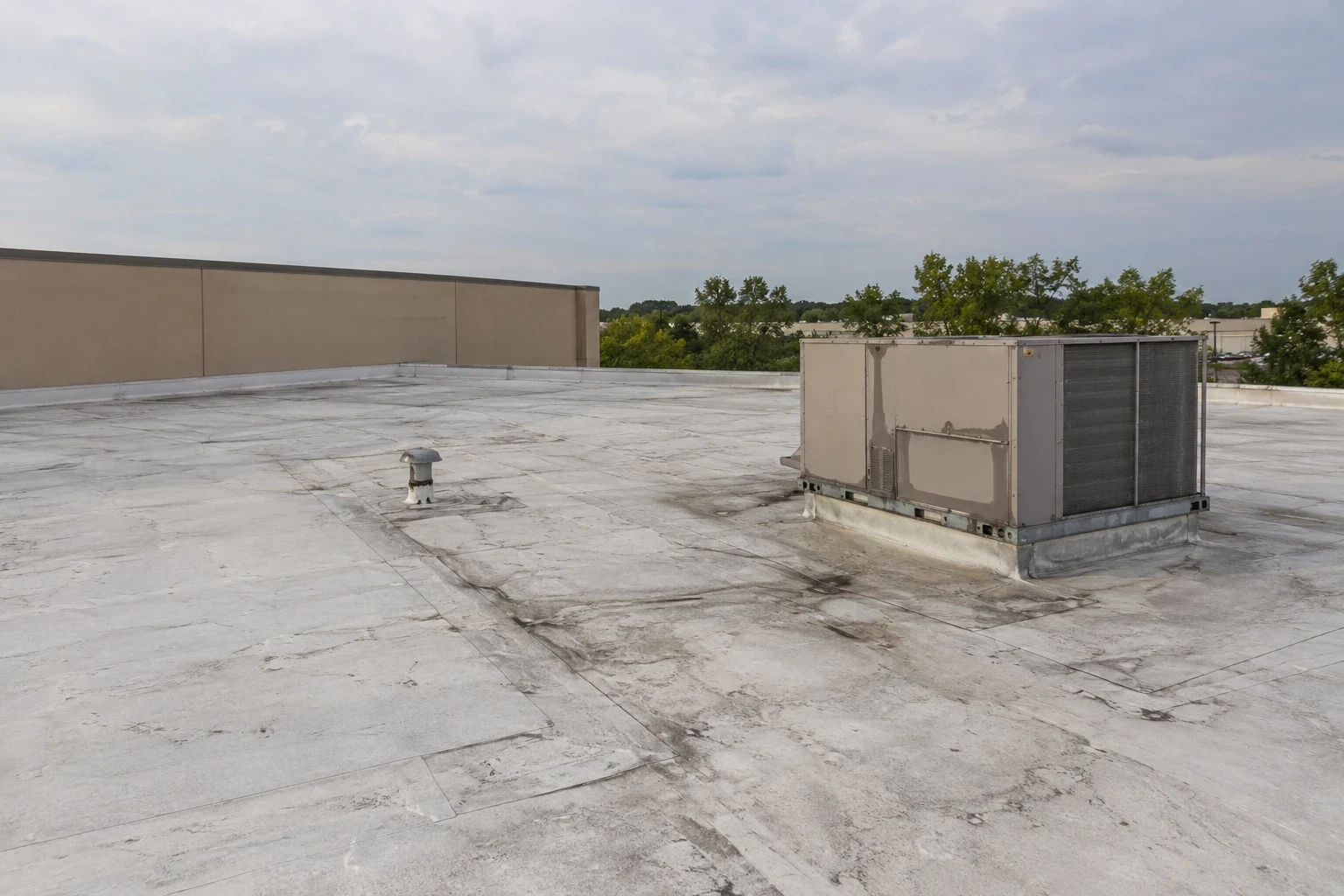
Roof Condition Reports
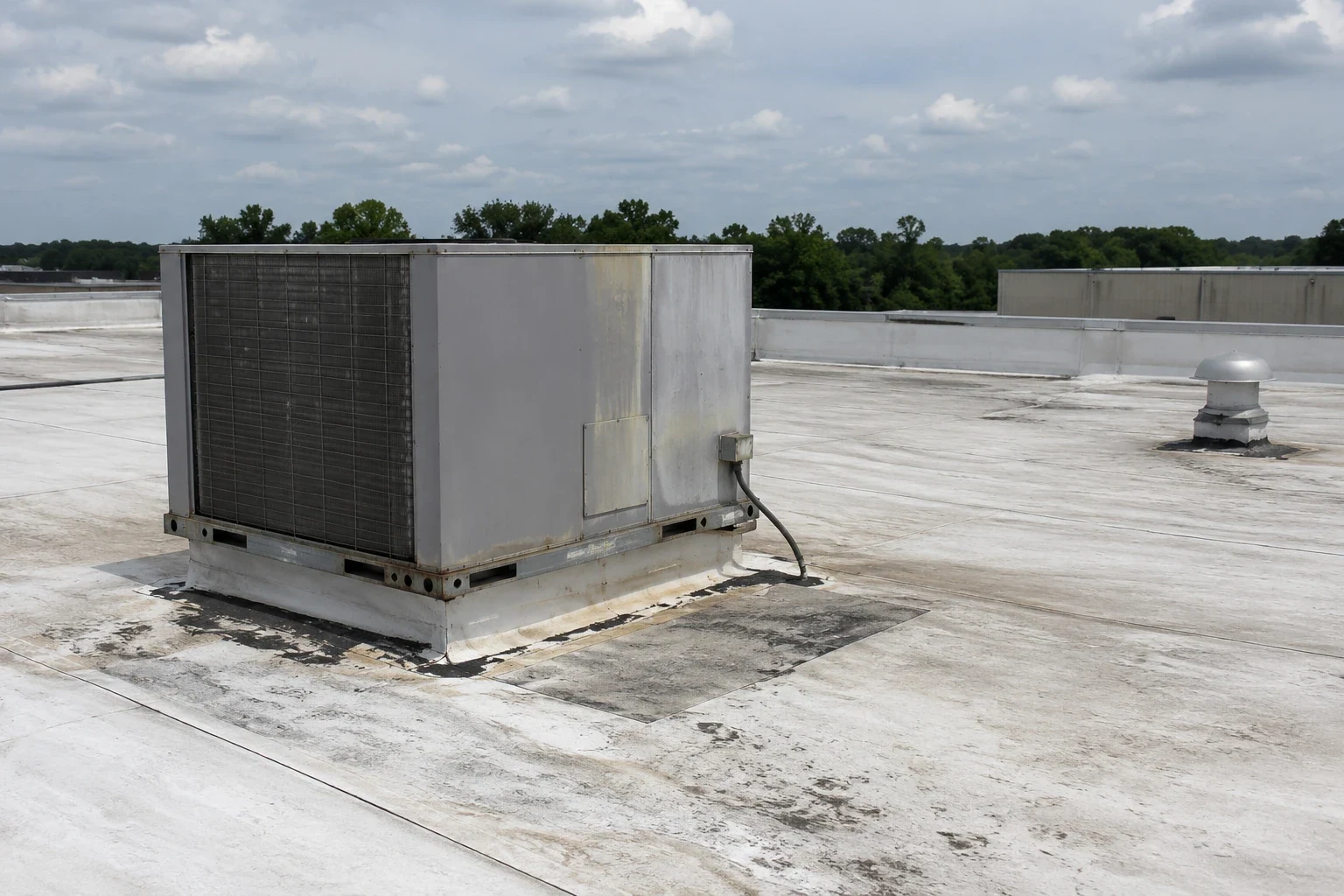
Business 121 Corridor
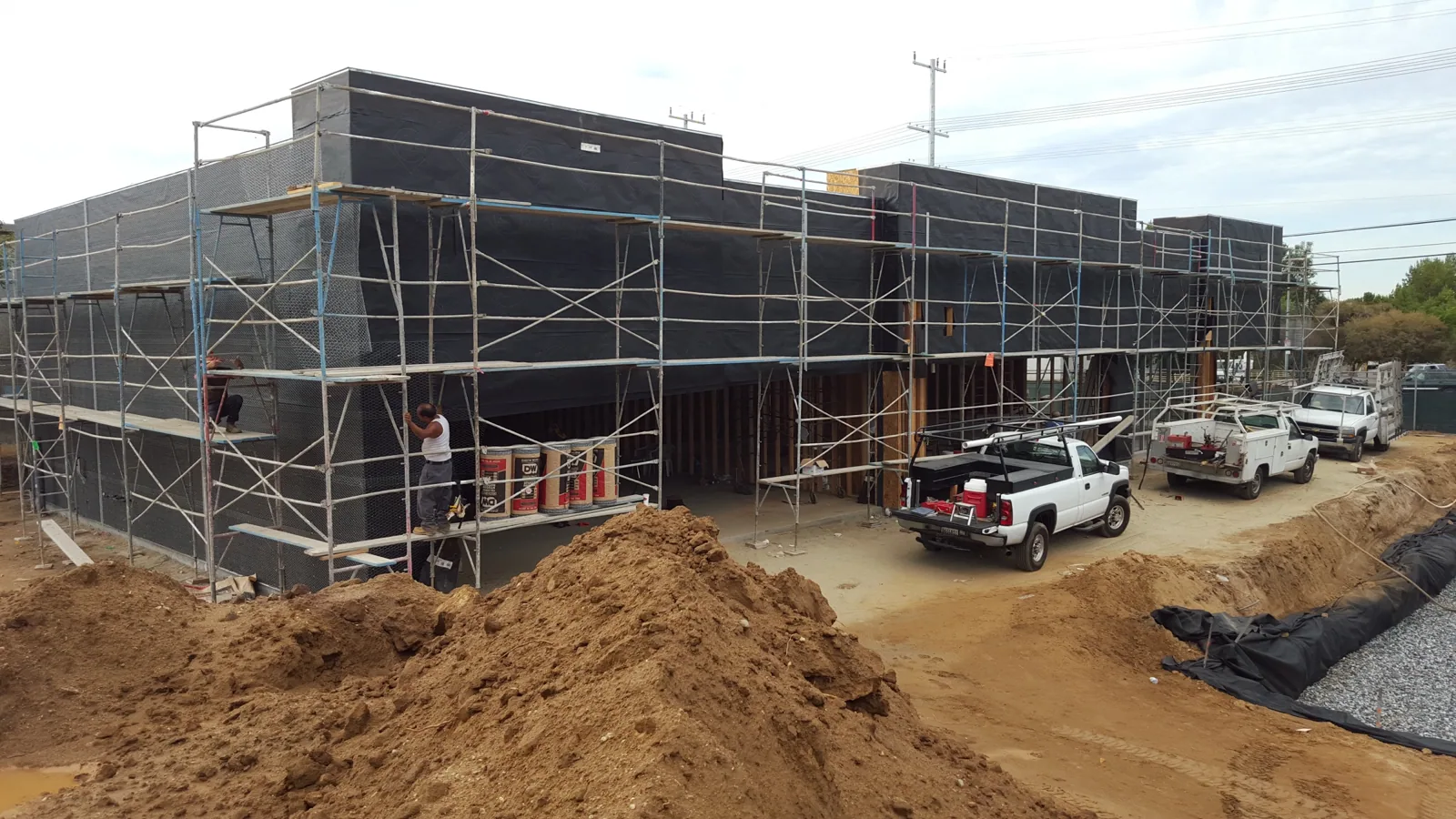
Roof Capital Planning
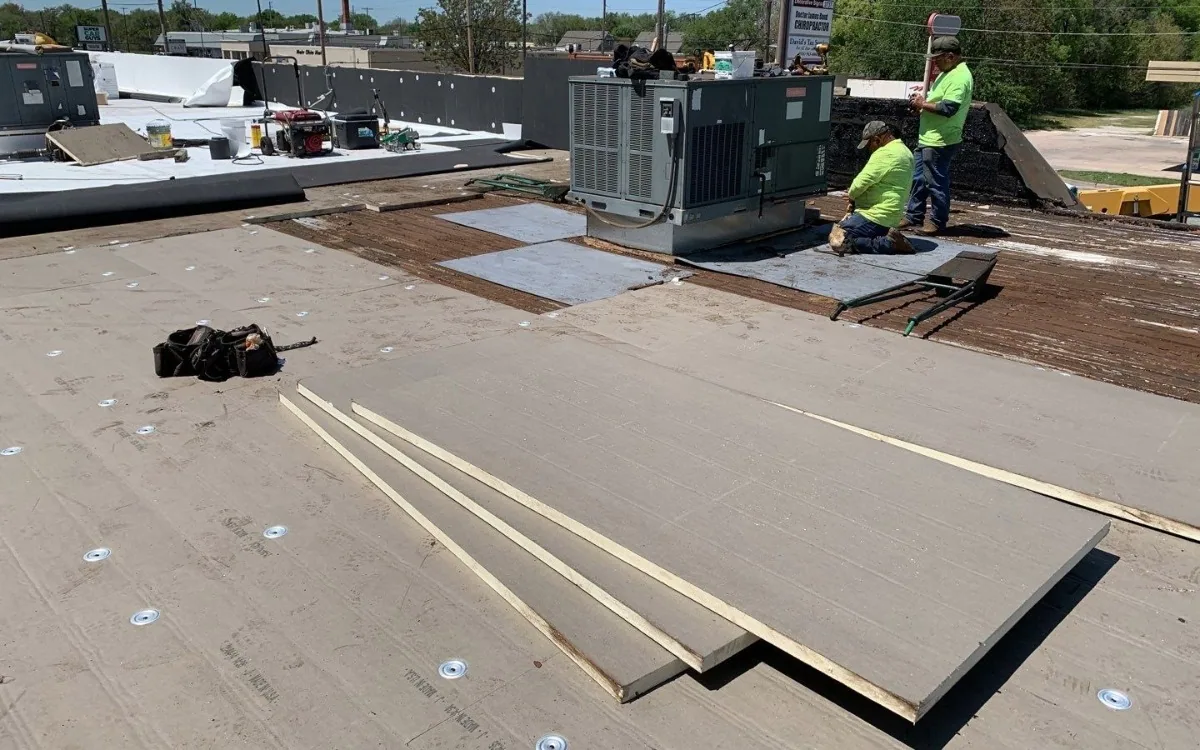
Occupied Building Reroofing
School Districts
Schedule an agency roof inspection
Arrange a Lewisville facility visit and receive dated findings, access notes and repair options organized for the agency's review process.