
Commercial Roofing in Addison, TX
Home // Service Areas //
Overview
Addison in Lewisville
Addison describes a business community of about 4.4 square miles with office, hotels, retail and restaurants, and its Addison Circle study identifies a mixed-use district near the Cotton Belt rail alignment and the Dallas North Tollway. Those uses sit close together, so one roofing contractor may be asked about an office tower's equipment penthouse in the morning and a restaurant's grease-stained curb in the afternoon. The common thread is occupancy. Each Addison roof covers people who are working, sleeping or eating, and a leak has a customer attached. Our file for an Addison property begins with a tenant map and a quiet-hour plan. The same method serves owners in Lewisville, TX.
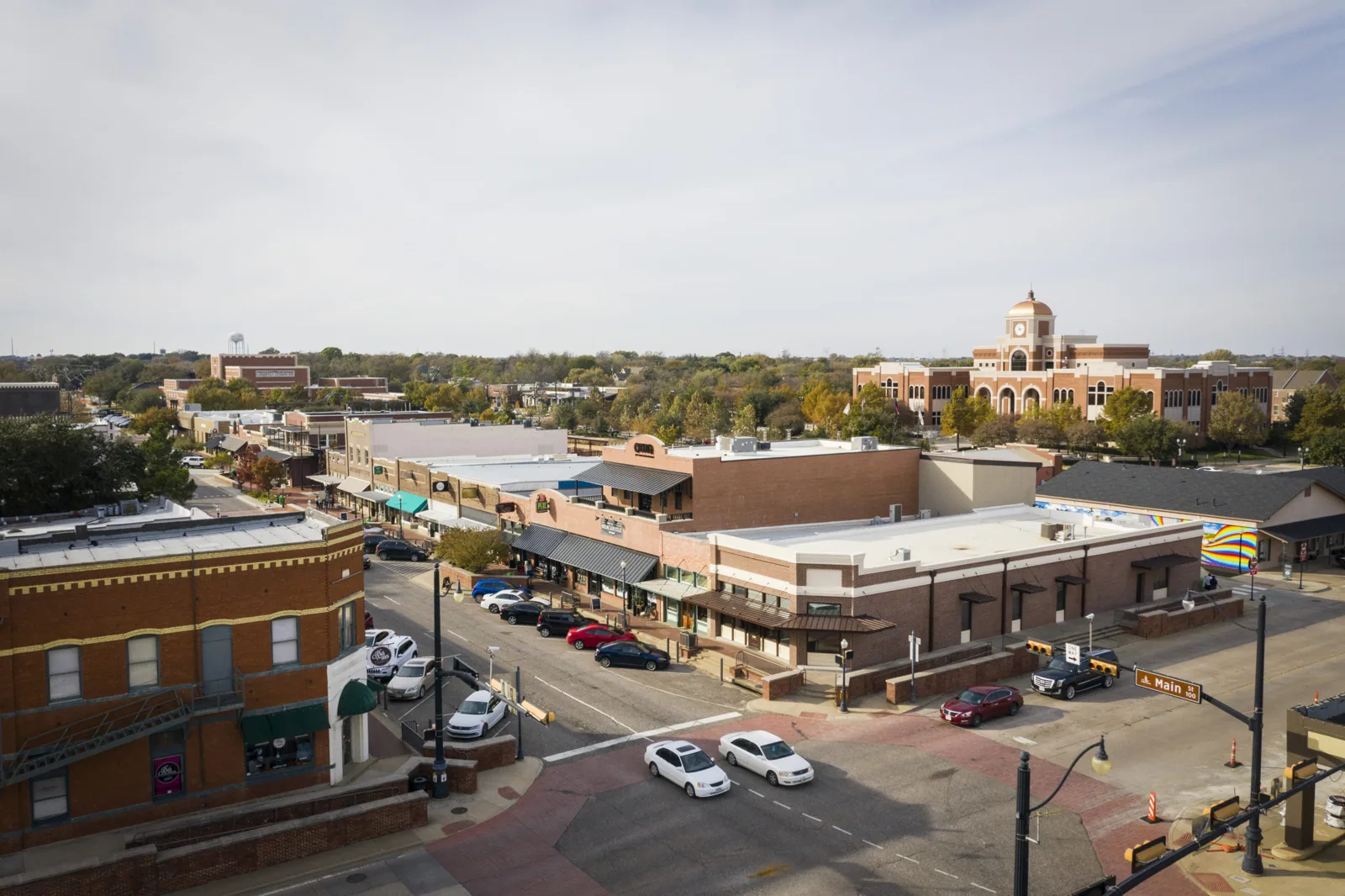
Tenant map: who sits under each roof zone
In a district this compact, uses sit close together, and one roof may border a different use on each side. We mark the use beneath each roof zone on the plan, rank sensitivity and note any needs: a kitchen that cannot lose exhaust, a guest floor that needs quiet by evening, an office that holds client meetings in the morning.
With the map in hand, the inspection pass proceeds from the most sensitive zones outward. The first priority is finding water before it reaches a guest room or a server closet, and the second is documenting how it got there so the repair can be targeted.
Updating the map is part of the job. Tenants move, uses change and a suite that held an office last year may hold a clinic or a server room now. We ask the manager what changed at each visit and revise the sensitivity ranking so the work order reflects the building as it is used today.
The ranking also guides temporary protection. Catch systems, plastic sheeting and covers over equipment go where the map says water would do the most harm, and they are removed and logged when the roof is sealed.
Drone first: surveying roofs without foot traffic
Where roofs sit close to occupied space, reducing foot traffic and noise helps. A drone roof inspection maps the surface, finds ponding and displaced equipment and photographs hard-to-reach areas without a crew walking on a membrane above a quiet suite. Findings from the drone pass guide a focused hands-on visit.
An infrared scan follows when the images suggest trouble. It shows wet insulation as a temperature pattern, and a few cores confirm the reading. The combined record lets an owner or a manager decide on repair or replacement with images and numbers, not guesses. Lighting and sky conditions are noted beside each image so that later readers know how much weight the images carry.
Weather and time of day affect the survey. A clear afternoon gives sharp images of ponding and discoloration, and an evening infrared scan reads wet insulation best after the sun has warmed the roof. We log the conditions so a reader can judge how reliable each image is, and we repeat a scan on a second day when the first is unclear.
Hotel and hospitality roofs: guest rooms come first
A hotel roof protects inventory. A closed room costs revenue, and a stain over a bed costs reputation. We map roof zones to room blocks and order the work so the sections over occupied rooms are dried in first. Pool areas, kitchens and laundry rooms add humid air and exhaust, which wear membranes and fasteners faster. Our hotel roofing work accounts for those exposures.
Work hours follow the guest rhythm. Late morning after checkout suits sections over vacant rooms, and early evening does not. The manager gets the schedule, the noise windows and the name of the person who can pause the crew.
Emergency calls at a hotel come at any hour, and our emergency roof repair response answers around the clock. The first step is protection of guests and rooms, then a dry-in, then the permanent plan with the room-block schedule attached.
Office and restaurant roofs: equipment and grease
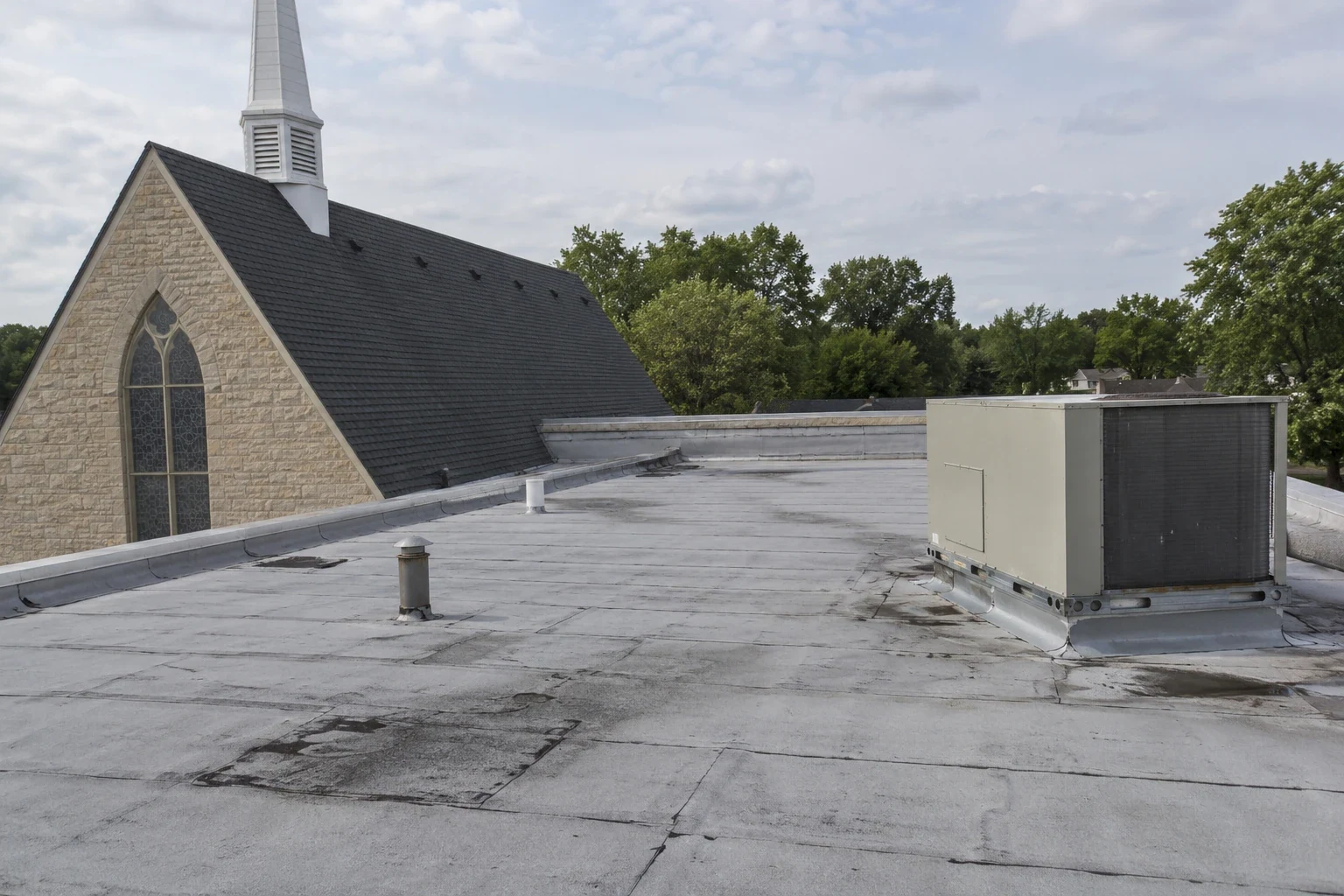
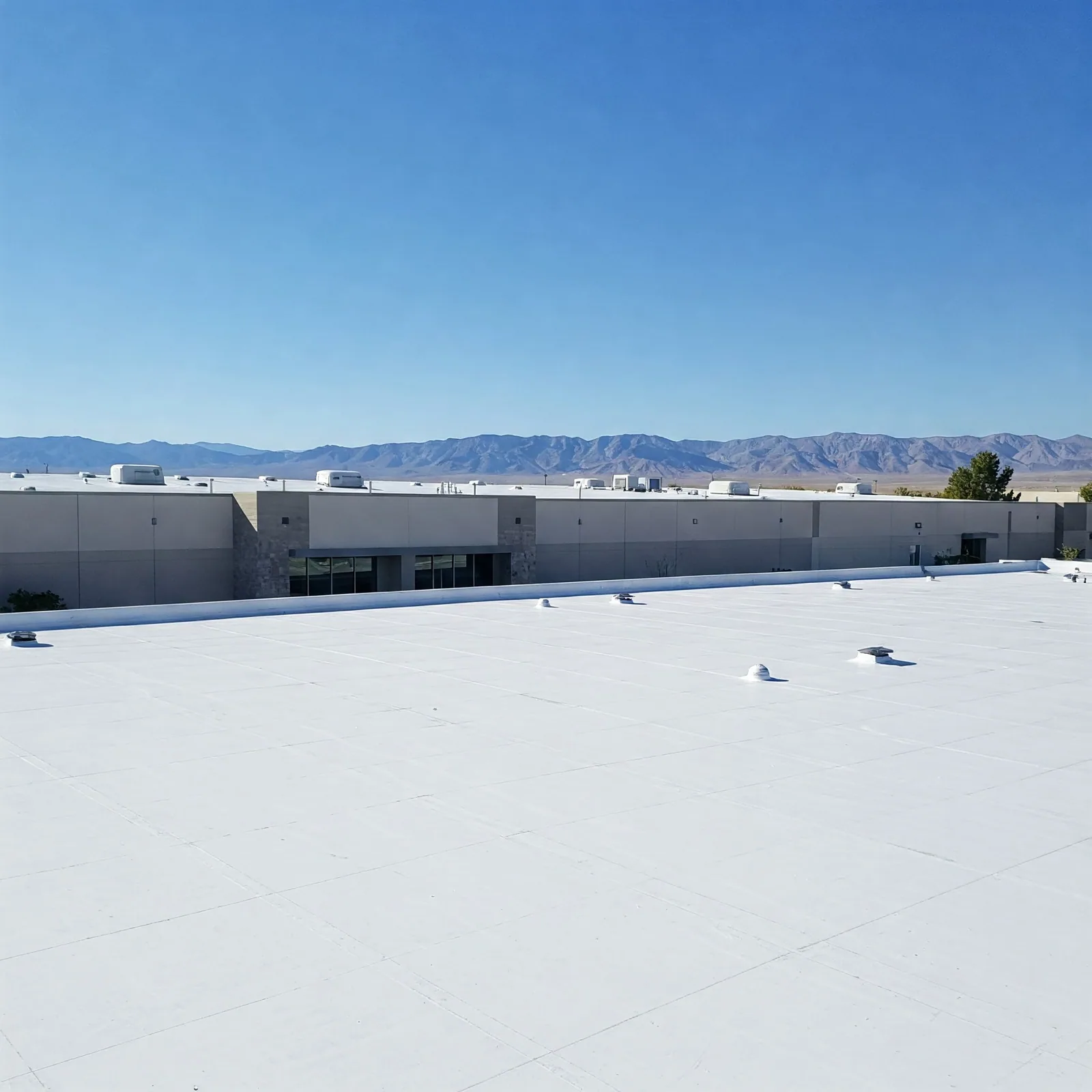
Office roofs hold mechanical equipment, and restaurants hold grease. Each strains the membrane in a different way. Mechanical units add curbs, lines and foot traffic, and our office building roofing checks focus on curb flashing, walk paths and lines resting on the sheet. A restaurant roof adds a grease path from the exhaust fan, which can soften membrane and clog drains.
On mixed buildings, the grease and equipment zones are separated in the record, so each can be repaired with the right material. Photos of the same spots over time show whether wear is slow or accelerating.
Cost differences between buildings come from the same few drivers: area, wet insulation, penetration count, lift access and the hours tenants allow. We list them in the proposal, so a manager with an office tower and a restaurant pad sees why the numbers differ.
Addison Circle and the rail edge: access and staging
A mixed-use district near a rail alignment and a major tollway has tight access. Lifts need space, trucks need a window and the neighbors need to be told. We plan staging with the property manager, mark closed areas and schedule deliveries for quiet hours. Lift and crane positions are agreed in writing, and the access log shows each entry.
Weather adds its own limit. Spring storms in North Texas can arrive quickly, so each night the roof is dried in and materials are secured.
Heat belongs in the plan as well. Summer afternoons near 96 degrees at the regional airport bake dark membranes, and equipment-dense roofs gather heat from exhaust. A late-summer pass finds hardened sealants, chalked surfaces and shrinkage before the fall storms.
Options review: repair, recover or replace on an occupied building
With the drone images, moisture map and cores in hand, the owner can compare options on facts. A repair addresses a known leak path and leaves the rest under watch. A recover adds a new membrane over a sound system with dry insulation. A replacement strips to the deck and resets the roof's life, and it allows corrections to slope, drains and insulation depth.
On an occupied building, each option carries a different disruption. Repairs are short and quiet. A recover removes less material and makes less noise than a tear-off. A replacement runs in sections, with interior protection and daily dry-in. The proposal lists the sections, the hours of loud work and the interior protection, so a manager can announce the schedule to tenants with confidence.
Cost follows area, wet insulation, penetrations, access and work hours, and the proposal states each driver. When two options cost about the same, the one that corrects the cause of the leak is preferred over one that hides it.
Portfolio programs for owners across the district
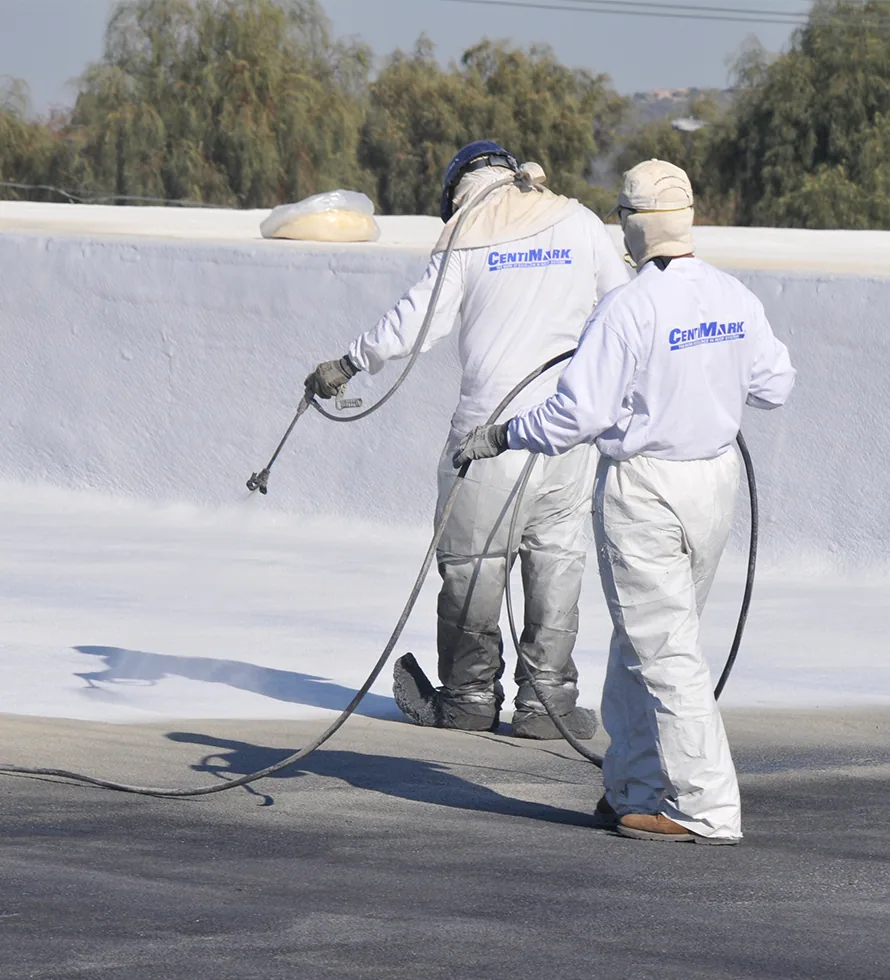
An owner with several Addison buildings can join a multi-site roof program with one format and one calendar. Properties in Farmers Branch and Richardson fit the same cycle. The closeout packet for each building holds photographs, readings, plan, warranty notes and open items.
Commercial Roofing Questions
Why start with a drone near occupied suites?
It limits foot traffic and noise above the tenants and finds problems quickly. A focused walk then confirms what the images show.
How are hotel roof repairs scheduled?
Around checkouts and room blocks, with sections over occupied rooms dried in first. The manager gets noise windows in writing.
What damages a restaurant roof fastest?
Grease from the exhaust fan and clogged drains. Softened membrane near the fan and stained curbs are early signs.
Can the roof be inspected without disturbing tenants?
Mostly. Drone and infrared passes need little access, and hands-on work targets only suspect areas.
What is in the closeout packet?
Dated photographs, readings, a marked plan, warranty notes and a list of open items with target dates.
Related
Related Roofing Work
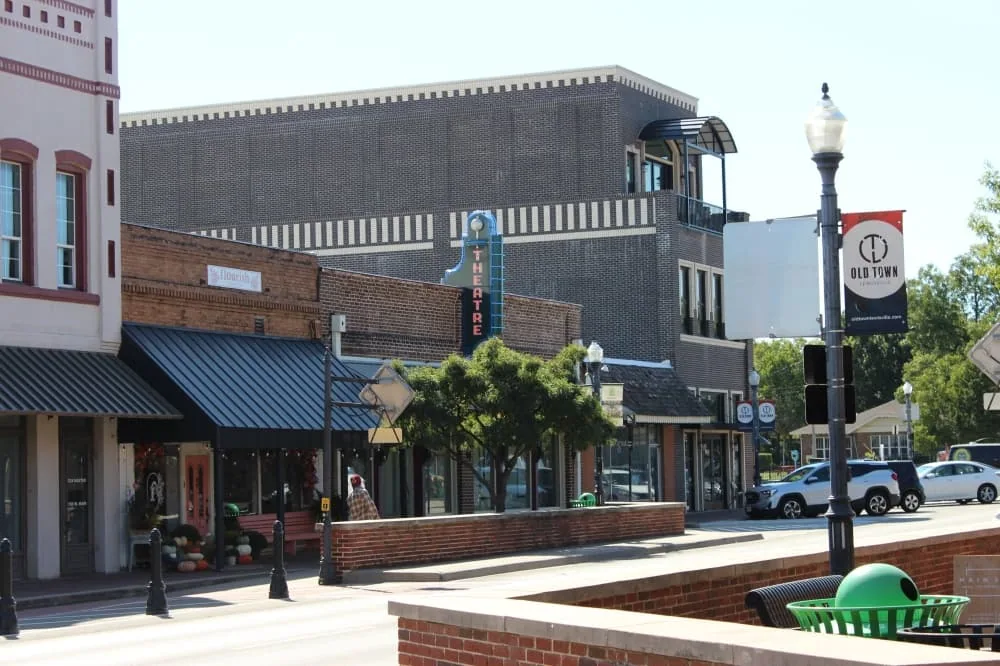
Drone Roof Inspections
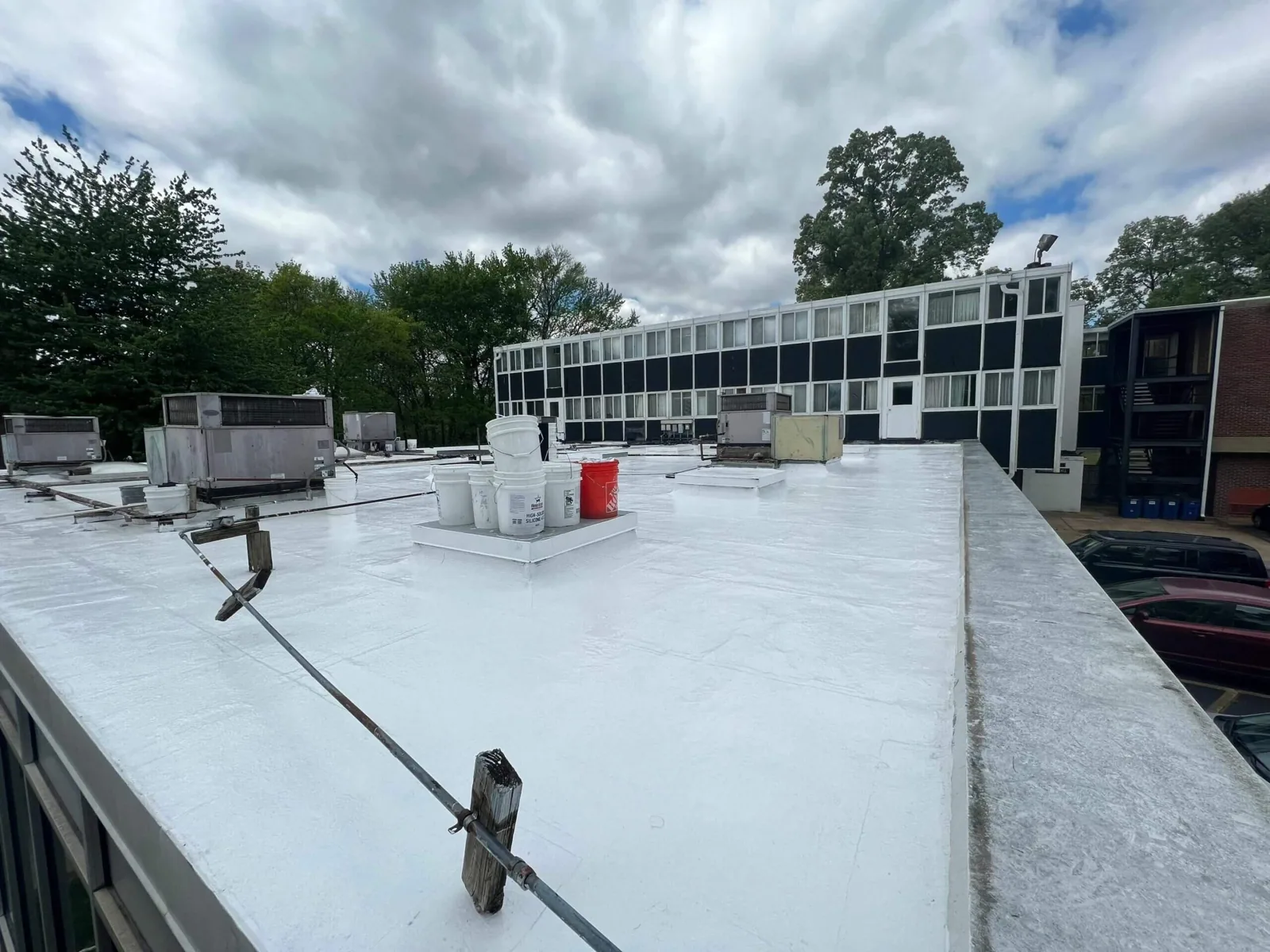
Hotel Roofing
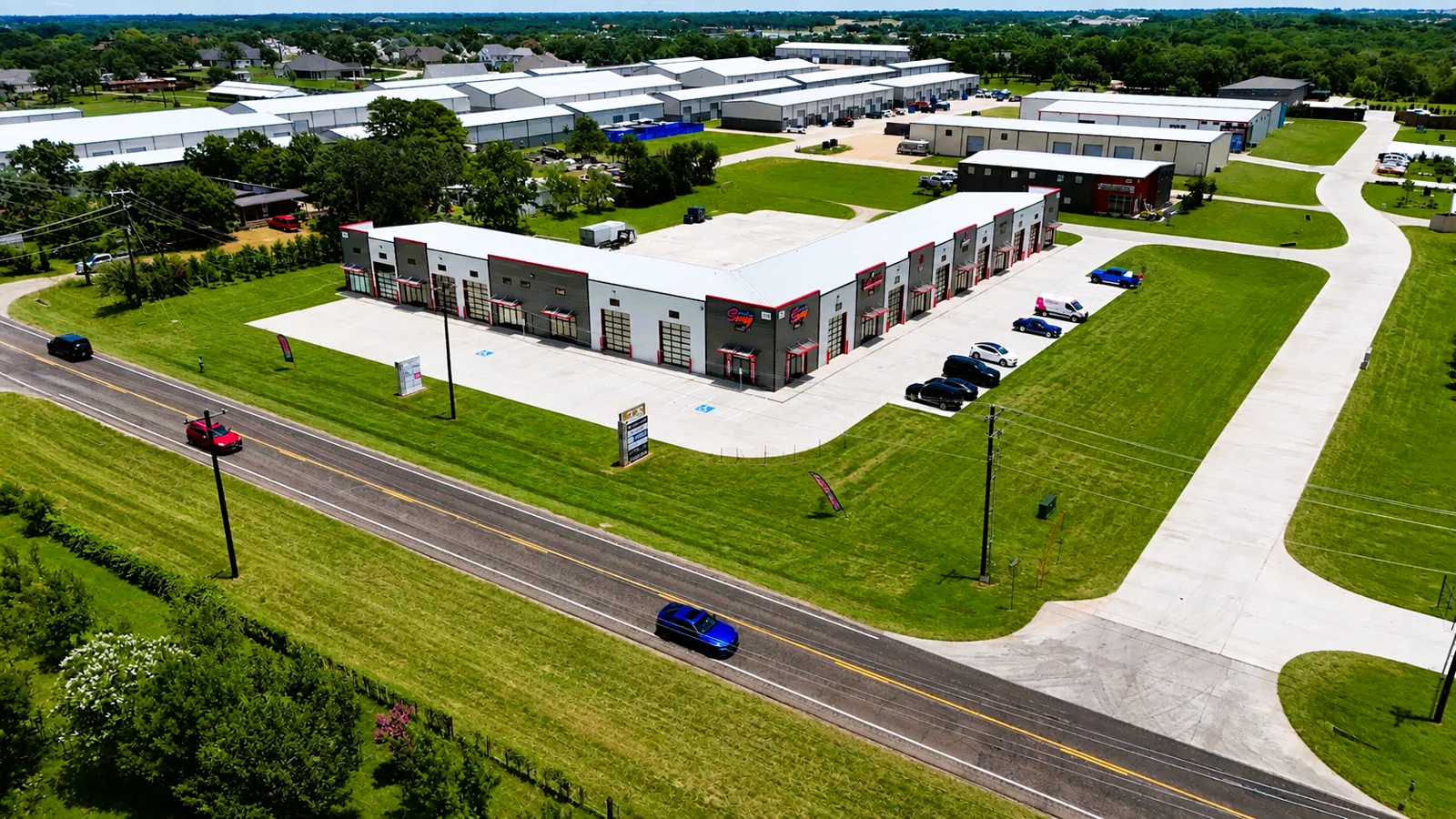
Emergency Roof Repair
Office Building Roofing
Restaurant Roofing
Multi-Site Roof Programs
Schedule an inspection and receive the dated record
Tell us the building, who occupies it and where water appears. We will inspect, send photographs and findings with dates, and recommend next steps.
