
Commercial Roofing in Farmers Branch, TX
Home // Service Areas //
Overview
Farmers Branch in Lewisville
A roof record that stops at the last invoice leaves a Farmers Branch owner guessing at the next one. Commercial buildings in Farmers Branch, TX, include the industrial and business properties the city tracks in its economic-development updates, and each of them depends on a roof whose condition is easy to lose track of between tenants, lenders and management changes. We begin with whatever record exists, a roof plan, a service log, a warranty folder, and then walk the roof to find out how closely it matches what is overhead.
The result is a dated condition record with photographs, findings and a recommended next step for each roof zone, written so that someone who was not on site can follow it.
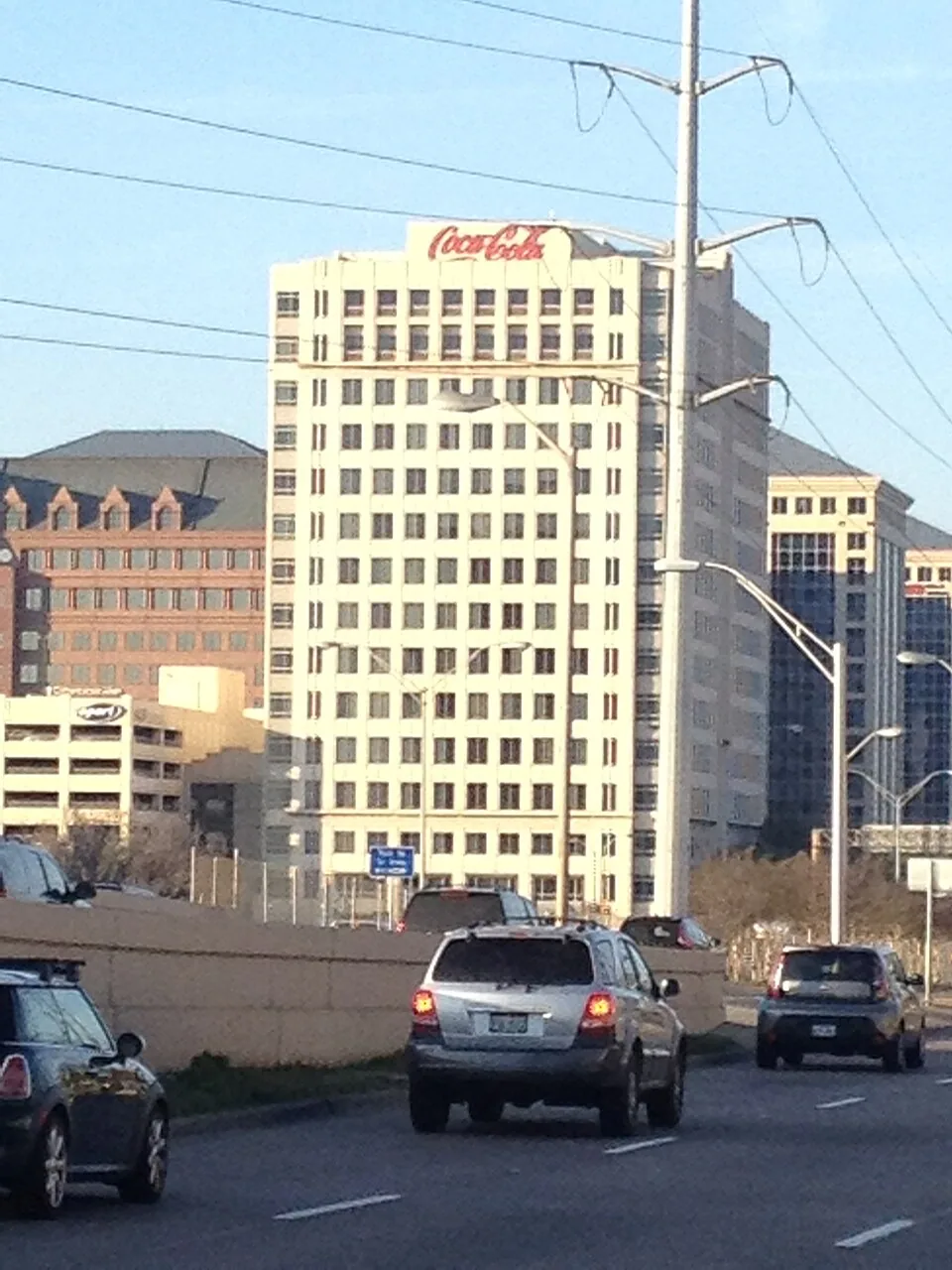
First pass: matching the paper to the roof
The inspection starts on the ground, with the roof plan in hand and a list of what the owner remembers: past leaks, patched areas, replaced units. On the roof, we label each zone and photograph it from a fixed point before moving close. Edge metal, drains, penetrations, seams and flashing are checked in a set order, and every image is dated and tied to a spot on the plan.
Where the plan and the roof disagree, we record the difference instead of smoothing it over. A drain that does not appear on the plan, a curb added after the last survey or a patch with no work order behind it are all dated findings. Those entries tell the next person what has changed and give the owner a firm baseline for any decision that follows.
Industrial and business roofs: what changes the checklist
The city's recent economic-development update reports on industrial market conditions and business retention, which points to industrial space in the local mix. A building like that puts a lot of roof over operations that run on schedules, and the work order has to respect them. Dock hours, forklift routes and shift changes decide where staging can go and when a crew can be on the roof.
We ask for the access log before pricing: who holds the roof key, which hatch or ladder is used and what is stored near it. Large flat roofs also carry exhaust fans, makeup air units and conduit runs, each with its own curb or support, and each is a place we mark for a closer look. Ponding near a unit, a loose termination bar or a cracked pipe boot is photographed and noted with its location from a drain or a wall.
Storm record: separating weather from roof evidence
North Texas forecasters warn that hail, straight-line wind, flash flooding and tornadoes strike somewhere in the Metroplex almost every year, with spring bringing the worst of it. Whether a particular Farmers Branch roof was touched is a separate question. A storm date earns weight only when it is matched to visible marks, dated photographs and what the roof looked like before.
After a severe storm, we compare fresh images with the baseline: soft metal at edges, bruised membrane, displaced flashing, debris in drains. If something has changed, it goes into the record with a location and a next test. If nothing has changed, that is recorded as well, so a later claim conversation starts from evidence. That habit pays off at renewal time too, since an insurer or a lender who asks for the roof's condition can be sent the record itself.
Heat and UV: the slow failure
Summer sets the pace of wear here. At the regional airport, midsummer afternoons run in the mid-nineties and about twenty days a year reach 100 or more. Dark membranes and exposed sealants absorb that directly, and over several summers seams can lose bond, sealant at penetrations can crack and flashing can shrink from the wall.
On the roof walk we press at seam edges, check the condition of sealant lines and look for chalking, crazing or shrinkage. Findings are logged by roof zone with a photo reference. A repair boundary is drawn around each weak area, and areas that show widespread aging are flagged for a closer look with a moisture survey before the owner commits to patching.
Work coordination: keys, tenants and weather holds
The work plan names the person who releases roof access, the tenant contacts who need notice and the weather that stops a shift before a crew mobilizes. A tear-off section is sized so it can be dried in before anyone leaves, and the stop condition is written down: wind, rain risk or a lightning warning each ends the shift and secures the open area. The affected zone is recorded in the access log, so the next morning begins with the same information the previous evening ended with.
Tenants below get a short written notice with the dates, the noise window and the roof zone involved. Rooftop equipment that must be shut down is listed with the facility contact in advance, and its restart is noted when the crew finishes. If a tenant reports dust or noise outside the window, the entry goes in the log with the time, which gives the property manager a factual account instead of recollection when questions come up later.
Options review: repair, recover or replace
The decision file compares the same zones under each path. A repair lists the defect, its boundary, the material and a follow-up date. A recover identifies the existing layers, the attachment, the drainage changes and the details that must be rebuilt. A replacement shows tear-off limits, insulation work and the phasing that keeps the building dry.
A moisture survey separates dry areas from wet insulation, which keeps the scope from averaging a good section with a bad one. Owners with several buildings can fold the results into a capital plan and rank roofs by urgency.
Closeout packet: the record that stays
When the work ends, the owner holds a packet: before-and-after images, a plan marking the repaired or replaced zones, readings or core findings, product information and a dated log of site access. Deferred items keep a location and a review date, so a small issue stays visible.
Neighboring owners in Carrollton, Addison and Coppell can use the same packet format, and a building near central I-35E in Lewisville gets the same treatment. A packet that stands on its own is easy to hand to a lender, a buyer or the next property manager.
Commercial Roofing Questions
What should an owner gather before a first roof walk?
The latest roof plan, any warranty paperwork, past invoices and a list of leak dates. If those do not exist, we start from the roof itself and build the plan as we go.
How does a storm date change the inspection?
It sets the question. We compare images taken after the storm with an earlier baseline, so any new dent, tear or displaced flashing is recorded with a location and a date.
Can work around dock hours and shift changes be planned?
Yes. The access log names the key holder, the route to the roof and the staging area, and the work window is set around dock and shift activity before material is ordered.
Is a recover possible over an older flat roof?
Sometimes. The existing layers, attachment and moisture condition control the answer, and a moisture survey tells us whether insulation below is dry enough to keep.
What does the closeout packet contain?
Photographs from before and after, a zone plan, moisture results, material information and an access log with dates. Deferred repairs carry a review date.
Related
Related Roofing Work
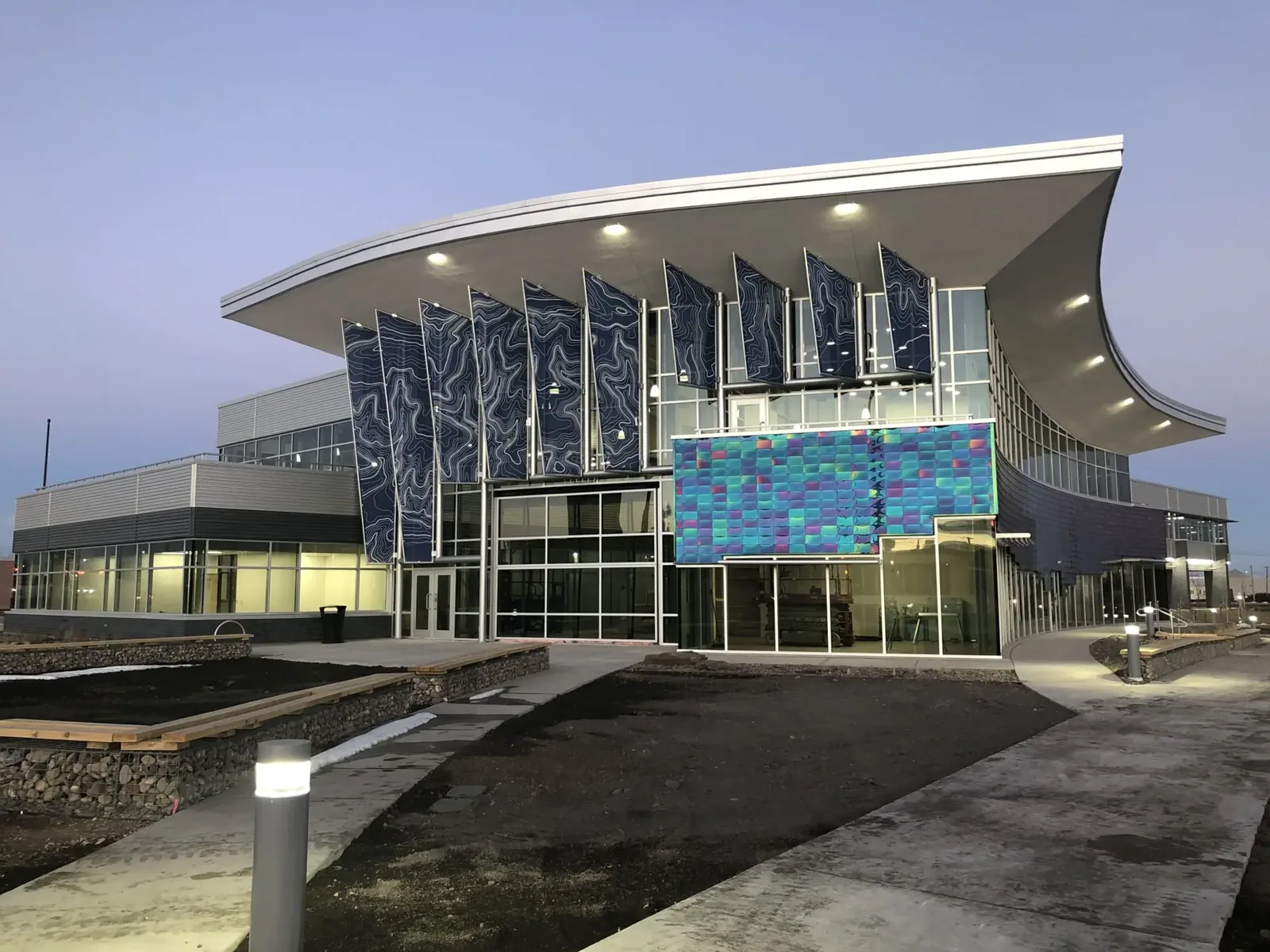
Commercial Roof Repair
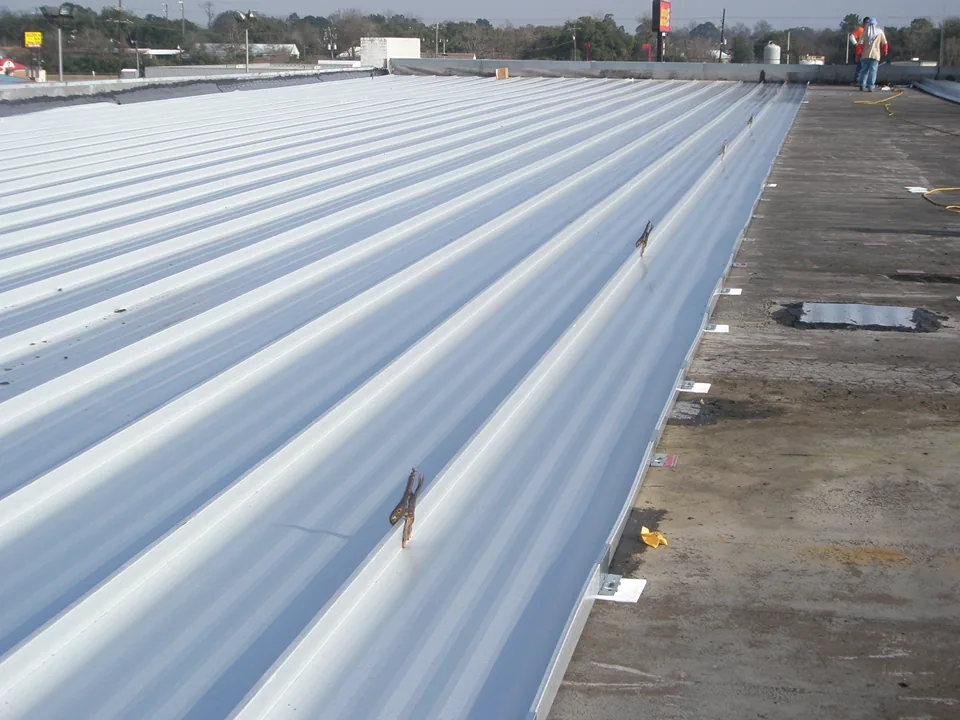
Roof Recover and Overlay Systems
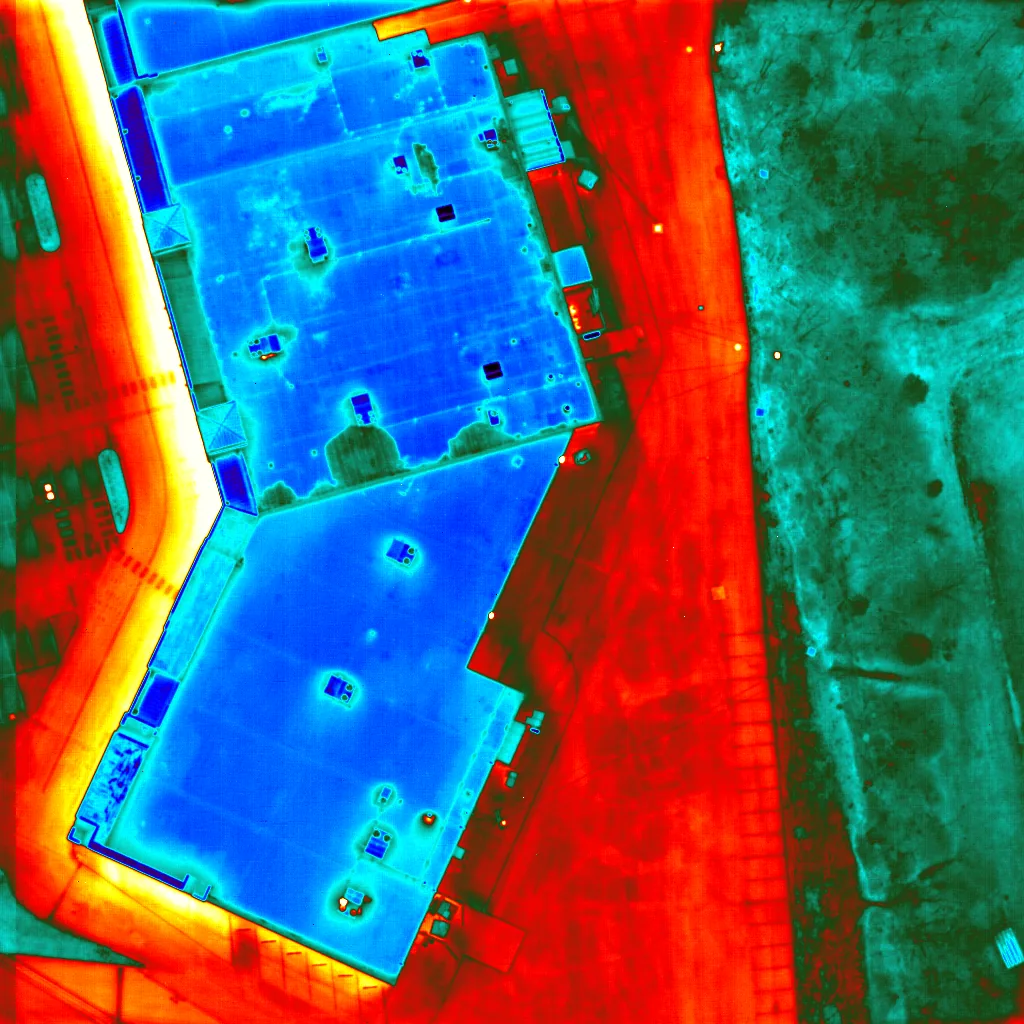
Commercial Roof Replacement
Infrared and Core-Cut Moisture Surveys
Roof Capital Planning
Carrollton
Schedule a Farmers Branch roof inspection
We will inspect each roof zone, coordinate the access window with your site contact, and send a dated condition record with photos, findings and recommended next steps.
