
Commercial Roofing in Coppell, TX
Home // Service Areas //
Overview
Coppell in Lewisville
Coppell's most recent financial report calls industrial its largest commercial-space category, with office, light-industrial, retail and hospitality development alongside it. That mix means a Coppell roof file seldom starts from one assumption. A warehouse roof is judged on drainage and dock operations, an office roof on tenant access, a restaurant roof on kitchen exhaust, and a hotel roof on the rooms under it. We start every property with the same step, a dated condition record, and then let the building type decide which findings carry the most weight. Owners who also hold property in Lewisville, TX can keep both on one record format.

Industrial space: reading a large roof in zones
A big industrial roof is easiest to understand when it is divided into zones: the dock side, the office corner, the production or storage bays, and the areas around rooftop units. We assign each zone a number, photograph it from a fixed point and walk it in a set order, so findings can be compared from one visit to the next. The method is slow at first and fast afterward, because the second walk needs only to confirm what changed.
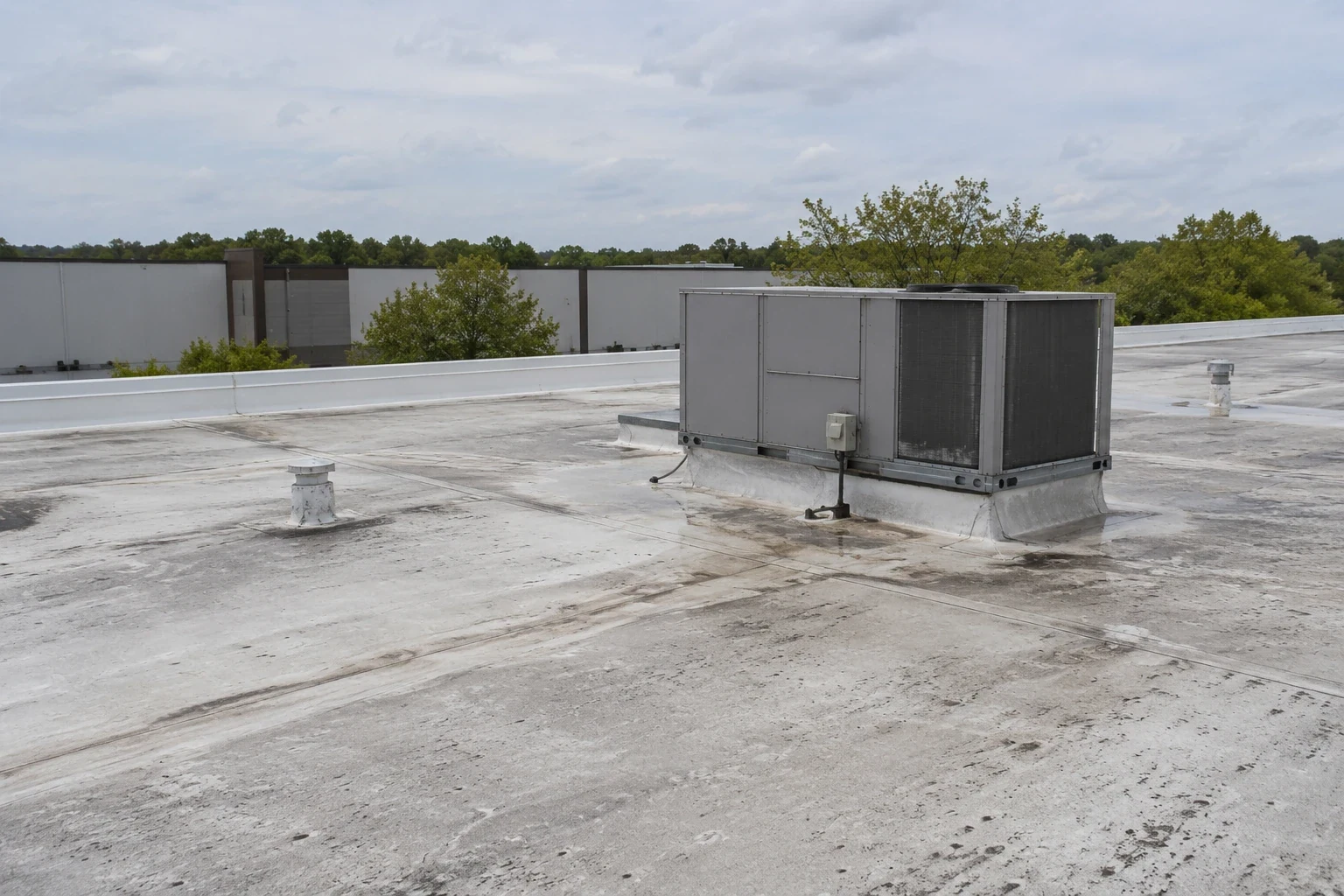
Drainage gets early attention. Ponding after rain, stained membrane near a scupper, a drain bowl packed with debris or a missing overflow all signal trouble, and each is logged with a photograph and a depth reading. Where a zone looks suspect, a moisture reading tells us whether the insulation is wet before anyone prices a repair. Our distribution center roofing approach uses the same zone logic for buildings with heavy truck traffic.
Skylights, smoke vents and roof hatches get their own line in the record. A skylight curb is a continuous run of flashing with four corners, and a cracked dome or a split corner leaks as surely as a torn seam. We note the condition of each opening, whether guards or covers are in place and whether fall protection is needed for anyone who must cross that zone on service calls.
Old Town Coppell: shops, restaurants and the square
The city describes Old Town Coppell as a historic district with shops and restaurants around its town square. Roofs on buildings like those carry demands that office roofs do not. A restaurant roof has an exhaust fan and a grease path, a retail roof has many small penetrations, and a roof over a shared wall has flashings that depend on the neighbor's maintenance.
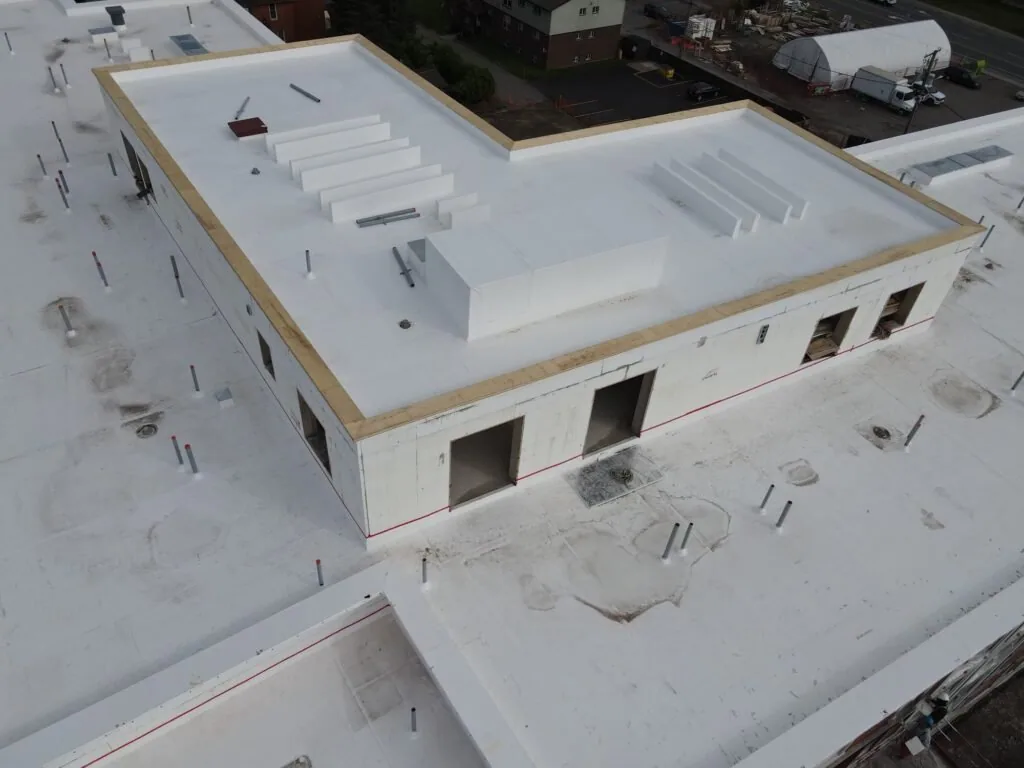
We do not guess the age or construction of any building in the district. A core cut shows what is there, and the findings drive the repair choice. For restaurant roofing, the first checks are the curb under the exhaust fan, the grease containment and the membrane within a few feet of the fan, where grease softens some materials. Dated photographs of those spots tell the next inspector whether the condition is stable or worsening.
Shared walls deserve a separate note. Where two buildings meet, the flashing at the common wall depends on both owners, and a leak there can start on one roof and show on the other. The record marks the common wall, photographs its condition from both sides where access allows and lists who maintains which side.
Office and hospitality roofs: tenants first
With office and hospitality buildings, the first constraint is almost always the people below. A hotel needs rooms kept in service, a call center needs a quiet window, and an office suite needs its server closet kept dry. We map each roof zone to the space beneath it and note which zones can accept loud work, which need protection and which should be finished first.
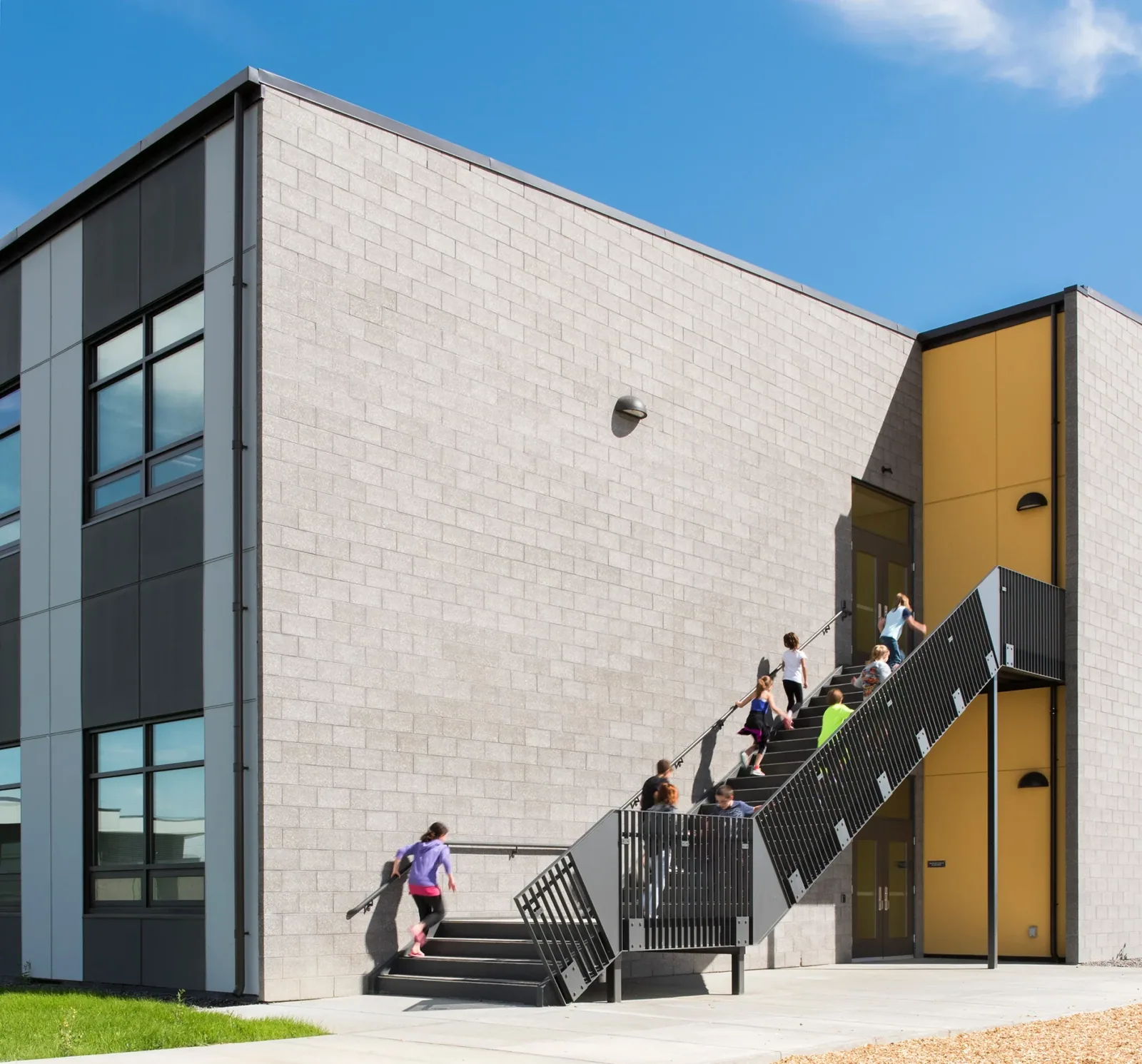
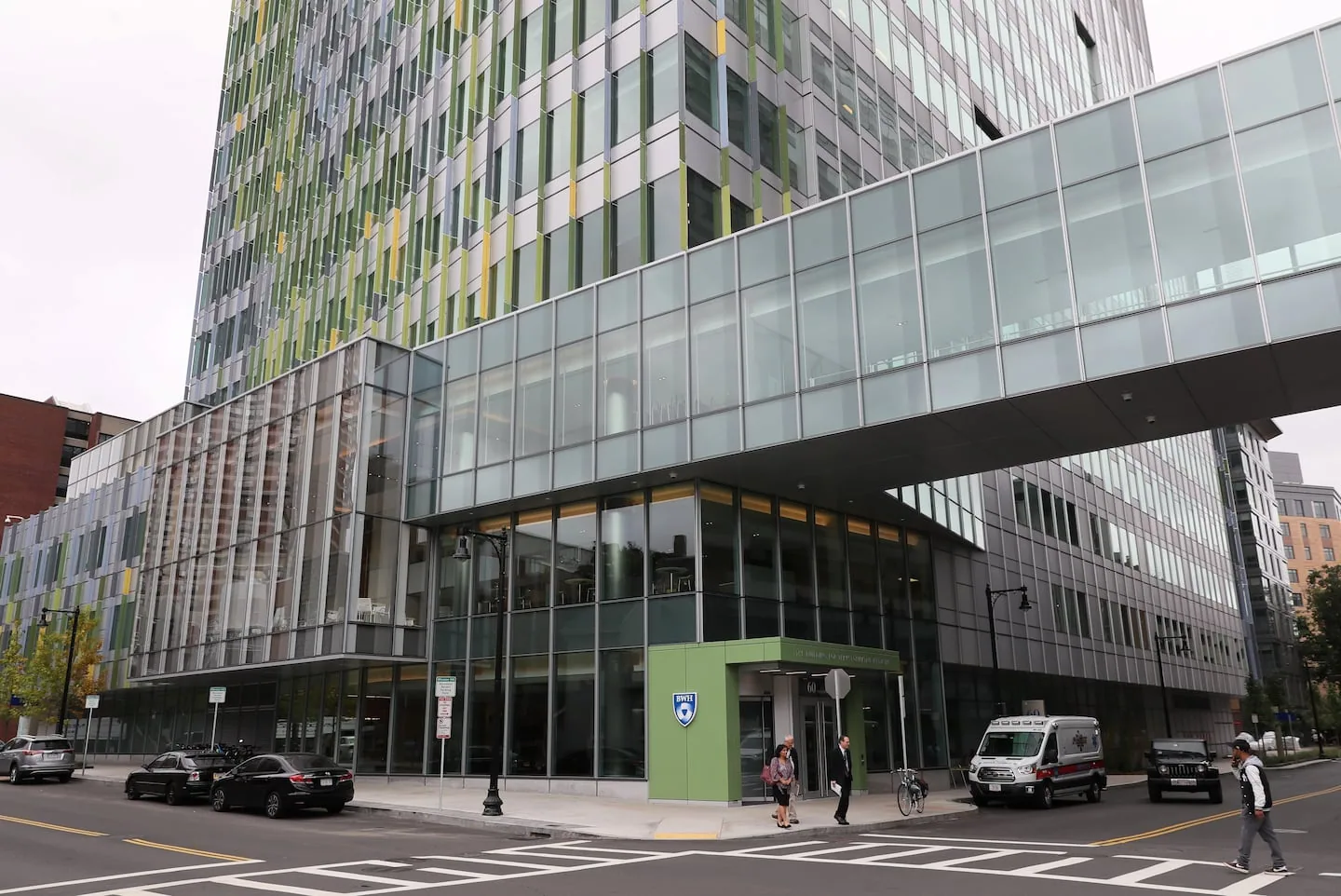
That map sets the order of an preventive maintenance visit and, if work is needed, the sequence of the repair. Rooftop units on these buildings add curbs, supports and refrigerant lines. Our equipment curb and support checks look for lines resting on the membrane and for curbs whose flashing has cracked.
Spring storms: from regional report to roof finding
Humid subtropical weather and hot summers define the Dallas-Fort Worth climate, and thunderstorms turn severe most often in spring. The Weather Service lists hail, wind, flooding and tornadoes as yearly Metroplex events, although any single address may escape them. Any one Coppell roof may be missed in a given season.
After a storm, our inspection pass looks for what the report cannot say: fresh impact marks, lifted edges, displaced equipment and water in the insulation. A wind damage check starts at corners and edges, where uplift is strongest, and works inward. The result is a dated finding for each affected zone, which the owner can place beside the storm date.
When a storm leaves an opening, the first job is a dry-in. We seal or cover the opening, photograph it before and after, and note the materials left on the roof. The permanent repair follows once the roof is dry enough to take adhesive or heat, and the temporary items are removed and logged. That sequence keeps the claim file clear about what the storm did and what the repair added.
Options review: repair, recover or replace
Once the record shows what is wet, what is worn and what is sound, the owner has real options. A roof with dry insulation and localized damage is a repair candidate. A roof with a sound base and a tired membrane may take a recover. A roof with wide wet areas needs replacement of the affected sections or the whole system.
Cost and timing follow the same drivers on every building: the area, the amount of wet insulation, the number of penetrations, access for lifts and the work windows tenants allow. We state those drivers in the proposal so a manager can see why one building costs more than another. A roof asset management plan then spreads the replacements across budget years.
Heat belongs in the review as well. Normal highs at the regional airport sit near 96 degrees in July and August, with about twenty days a year at or above 100. A dark roof under that sun ages its seams and sealants, so recoating and reflectivity enter the choice when the membrane and insulation are sound.
Handoff record: what stays in the decision file
When work finishes, the file gets the photo sequence, the moisture readings, the plan with repaired areas marked, the materials list and a dated list of open items. A property manager with buildings in Carrollton and Grapevine as well as Coppell can lay the three files side by side, and the comparison shows which roof needs attention first.
Commercial Roofing Questions
How is a large Coppell industrial roof inspected?
In numbered zones, from a fixed photo point, in a set order. That structure lets each later walk confirm what changed.
Does Old Town Coppell's historic status change roof work?
It can change what is visible from the street and what approvals apply. Work behind parapets often stays out of view, and the owner should confirm local requirements.
What do you look for on a restaurant roof?
The exhaust curb, grease containment, softened membrane near the fan and clogged drains. Grease wears some membranes faster than weather does.
How do you keep tenants working during repairs?
By mapping zones to the rooms below and ordering the work around their needs. Loud steps go where they disturb the least.
Can a storm report support a claim by itself?
No. The report points to a reason to inspect. Dated photographs and moisture readings from the building itself carry the claim.
What goes in a decision file for a Coppell property?
The condition record, photographs in sequence, moisture readings, repair plan, open items and warranty notes. A new manager can pick it up and know the roof's history.
Related
Related Roofing Work
Distribution Center Roofing
Restaurant Roofing
Preventive Roof Maintenance
Rooftop Equipment Curbs and Supports
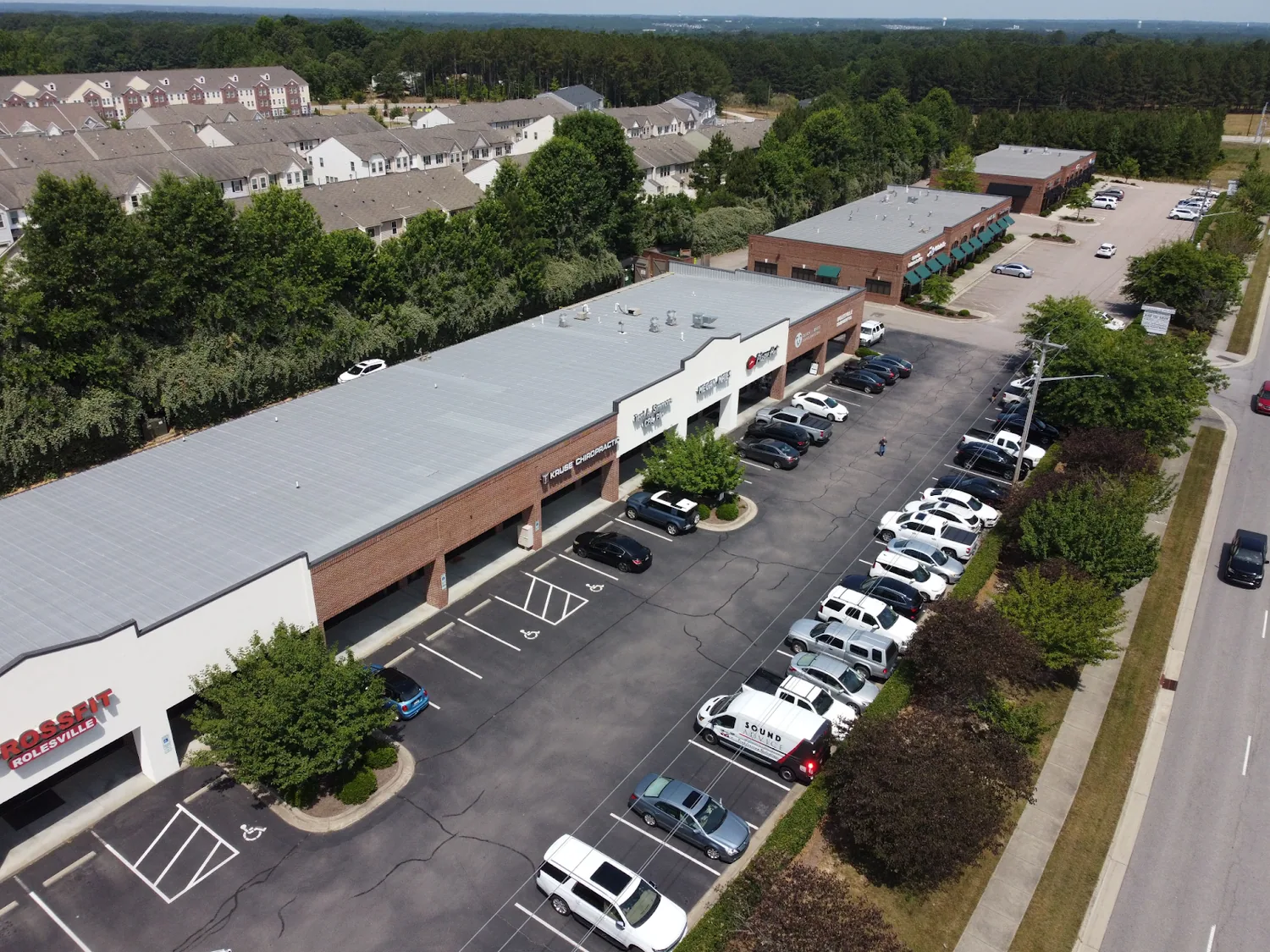
Wind Damage Roof Repair
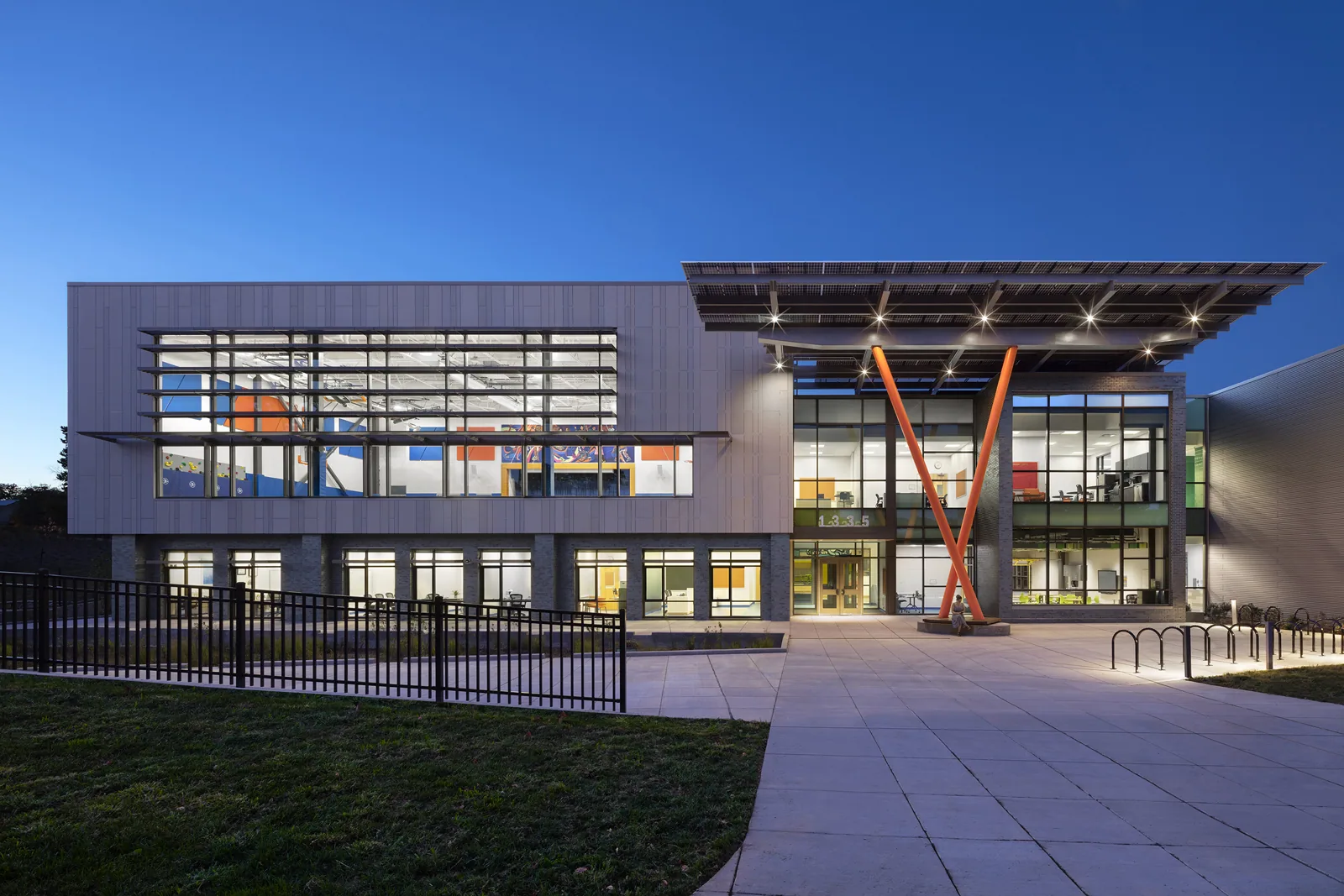
Roof Asset Management
Schedule an inspection and receive the dated record
Tell us the building type, where water has appeared and how roof access works. We will inspect, send a dated condition record with photographs and findings, and recommend next steps.
