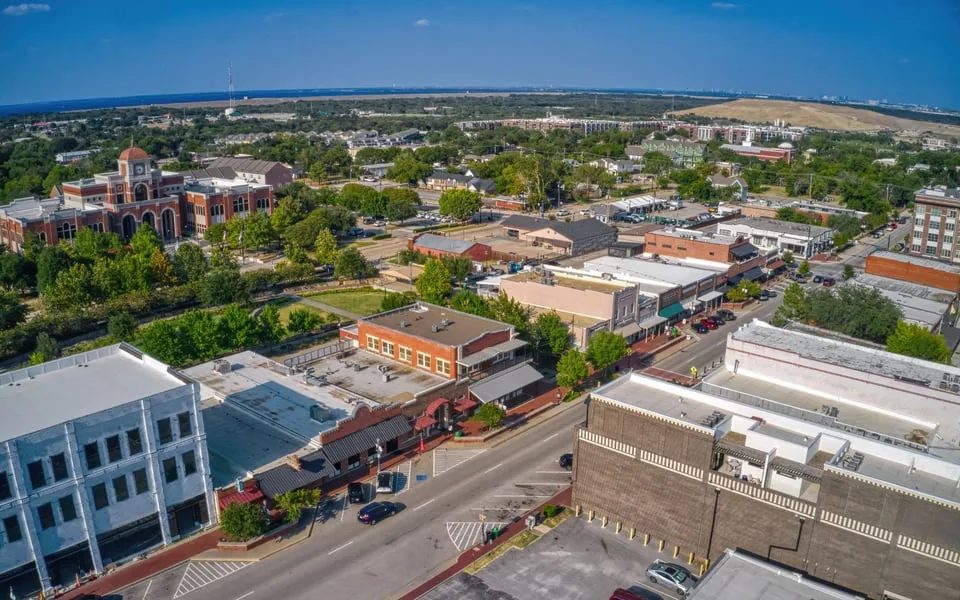
Commercial Roofing in Grapevine, TX
Home // Service Areas //
Overview
Grapevine in Lewisville
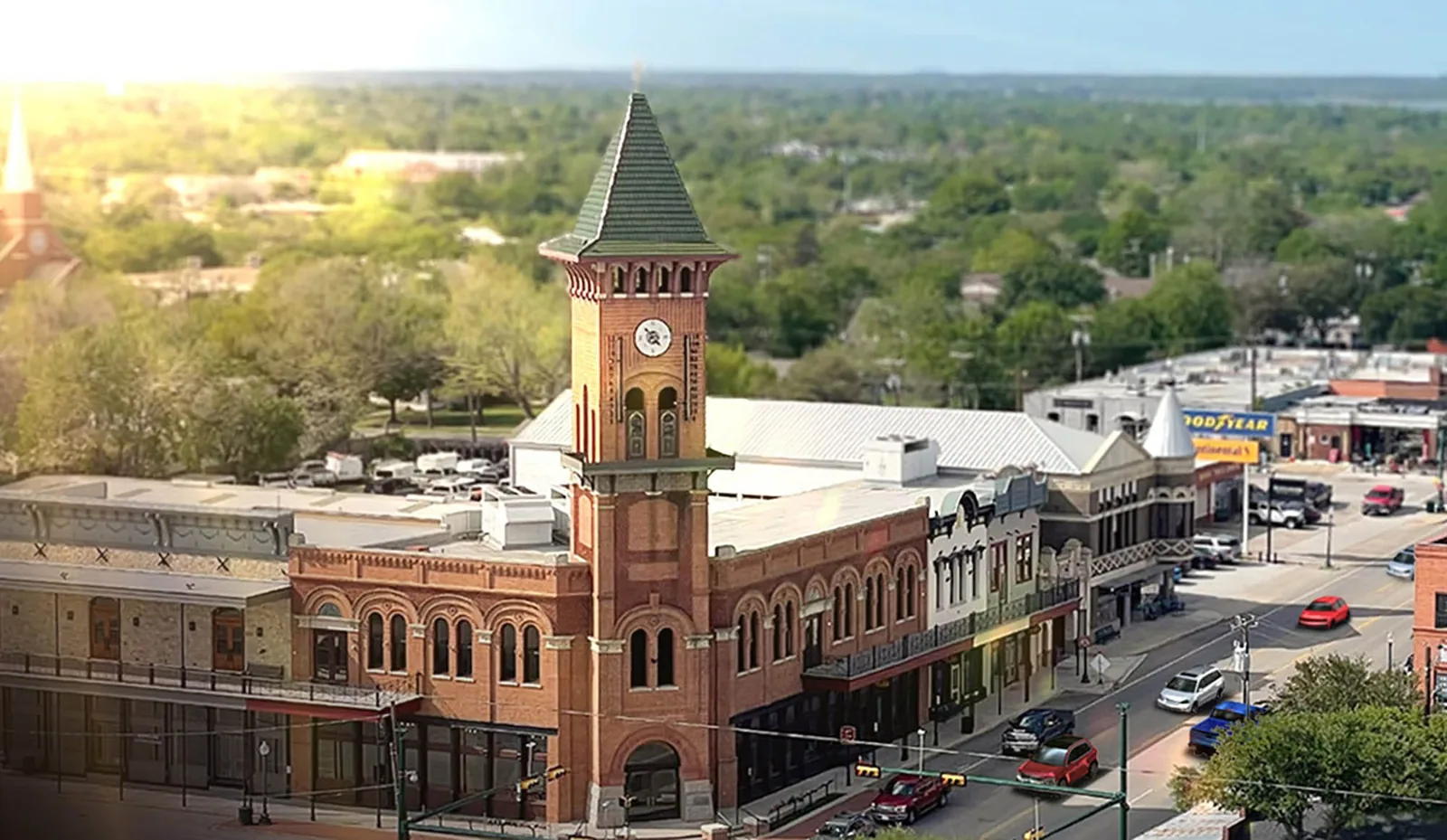
Grapevine's comprehensive plan sorts land into central business, commercial, business-park and industrial categories, and it sets aside designated places for industrial and heavy-commercial activity. For a roofing contractor, those categories are a useful first sort. A building in a central business setting often shares walls and parapets, a commercial building has storefront exposure and tenant turnover, a business-park building tends to carry rooftop units, and an industrial building asks for drainage and access planning. Our inspection record for a Grapevine property begins by recording which of those conditions applies, then builds the roof zone map around it.
Land-use categories: what each asks of the roof
A roof does not know its zoning, but the use below it shapes the work. In a central business setting, the question is often how the roof meets neighbors, how water leaves and how access is arranged when the building sits tight against others. In a commercial setting, storefront canopies, signage supports and rooftop equipment add penetrations, and tenants come and go with their own fit-out plans.
In a business-park setting, repeated building forms make a program possible. When several buildings share a membrane type and a service history, one inspection format covers them all, and findings can be compared. In an industrial setting, drainage, traffic and heavy equipment lead the list. The inspection pass changes with each, but the record always carries the same fields: location, finding, image and next test.
Because the plan treats these categories as distinct places, an owner with property in more than one of them ends up with roofs of very different character. We keep the records separate by category and then summarize across them, so a manager can see where the oldest membranes and the most urgent items sit without reading every report.
Heavy-commercial and industrial roofs: loads and exhaust
Where activity is heavy, so is the wear on the roof. Exhaust stacks discharge heat and fumes, make-up air units pull in grit, and service traffic crosses the membrane to reach equipment. Chemical exposure shortens the life of some membranes, and grease or oil can soften others. Before choosing a repair, we find out what the building emits and where it lands.
On the roof, we map equipment locations and trace the paths that technicians use. Where traffic is steady, a membrane puncture check along the walk path comes first, and walkway pads are added where the sheet shows scuffing. Our manufacturing plant roofing work uses the same exposure map to pick materials.
Work coordination matters as much as material choice. A plant with a continuous process cannot stop for a roof, so the plan names work windows, hoisting routes, hot-work rules and the contact who can pause the process if a hazard appears. The access log records every entry to the roof, and any tool or material left overnight is listed.
Drainage review: where water goes after a downpour
Flat roofs in a storm-prone region live or die by drainage. Spring thunderstorms can drop a lot of water fast, and a roof with a slow drain or a missing overflow holds that water until it finds a seam. We pour water at each drain to confirm flow, look for debris in bowls and strainers, and check that scuppers sit at the right height for overflow.
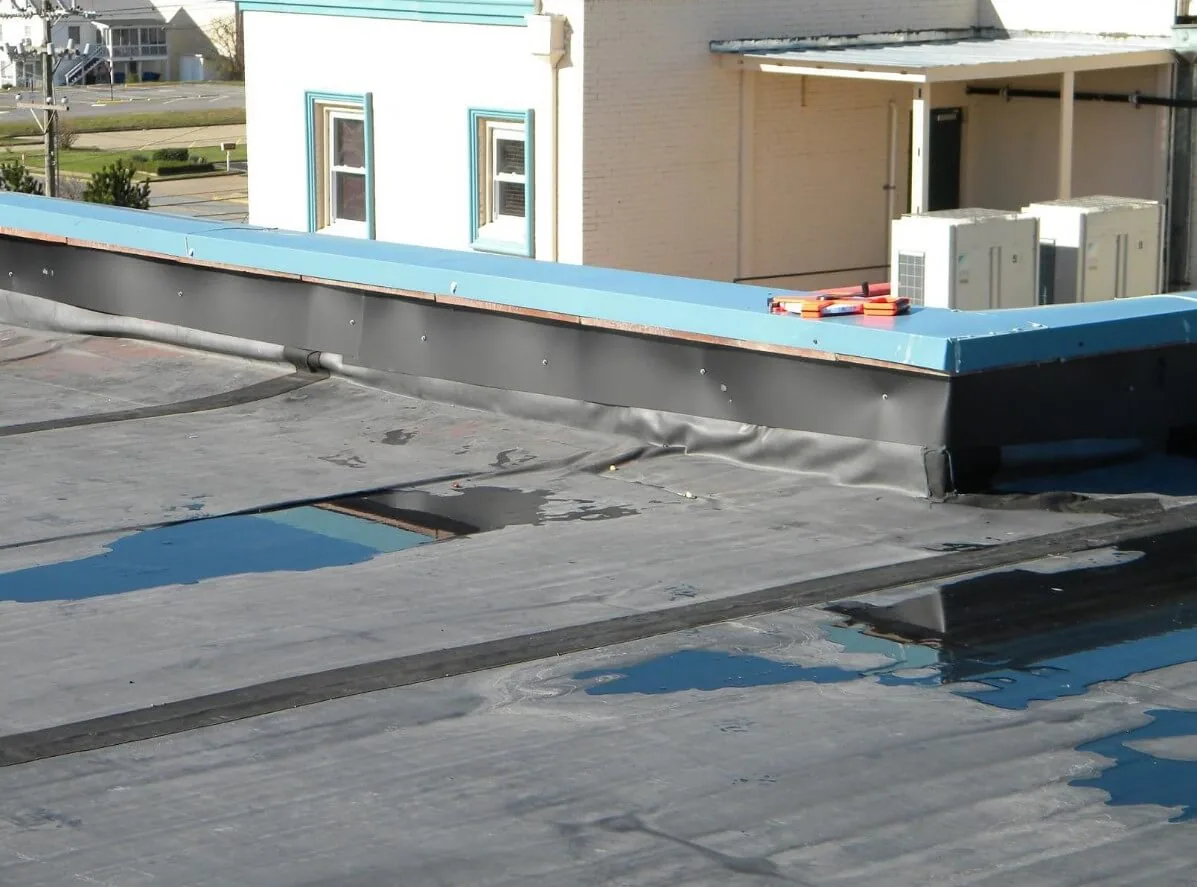
Persistent low spots get a depth measurement and a photograph. A ponding water repair may call for tapered insulation, a sump or an added drain, and the repair boundary follows the wet area found by a moisture reading. Our drain and scupper repairs reach the outlets themselves, from cleaning to replacing cracked bowls.
Climate context: hot summers, short winters
The Dallas-Fort Worth region has hot summers, and the regional airport logs roughly twenty days a year in the triple digits. Wintry precipitation is infrequent across the Metroplex, and many winters end with little or no measurable snow. For a Grapevine roof, that shifts the emphasis from snow load to heat, UV and thunderstorm exposure.
Heat ages sealants, boots and membrane surfaces, and a roof coating restoration can extend a sound sheet while adding reflectivity. The record relies on what the roof itself shows: chalking, crazing, shrinkage at walls and hardened sealants, each photographed and dated.
Storm response belongs in the same plan. Hail, damaging wind and flooding occur yearly somewhere in the Metroplex, according to the Weather Service, though one address may escape them. After an event, we run a fresh inspection pass, compare it to the last dated record and mark what changed. That comparison is the strongest evidence an owner can bring to an adjuster.
Edge metal and wind exposure
Wind damage on a flat roof starts at the edges, so coping, drip edge and gutters get a hands-on check. We press on each length, look for gaps and lifted cleats, and note loose fasteners. Edge metal that moved in one storm is likely to move in the next, and a stronger attachment pattern is a modest cost next to a lifted membrane. Edge metal and coping repairs restore a continuous line and reduce the chance of repeat damage.
Options review: what the findings make possible
Findings lead to options, and options come with trade-offs the owner should see in writing. A repair keeps cost low and extends service, but it leaves unproven areas of the roof untouched. A recover adds a new layer over a sound base, costs more than a repair and avoids tear-off debris. A replacement resets the roof's life and allows changes to slope, insulation and drainage.
Each option comes with an estimate of the area involved, the work windows it needs, the way tenants or operations are protected and the warranty path that follows. When two options are close in cost, the one that fixes the cause of the problem wins over the one that hides it. A commercial roof repair that ignores a ponding cause, for example, only buys time until the next storm.
We lay these out as a short comparison table in the decision file, so a property manager can take the choice to an owner or a board with the evidence attached.
Closeout documentation for owners and lenders
Completed work leaves a packet: photographs in sequence, readings, a marked plan, materials and open items with recommended dates. Owners who also hold property in Southlake or Flower Mound can keep each building's packet in one decision file, and a lender or buyer reading it sees the roof's history at a glance.
Commercial Roofing Questions
How do land-use categories affect a roof inspection?
They hint at tenancy, equipment and access. The inspection still records what the roof shows, and the category helps set the order of the pass.
Which membranes tolerate exhaust and grease?
That depends on the chemistry of the exposure. We identify what the building emits first, then choose a membrane that resists it.
Should a business-park owner standardize roof records?
Yes. One format across buildings lets the owner compare condition and plan replacements in sequence.
Is snow a concern for Grapevine roofs?
Less than heat and storms. Wintry precipitation is infrequent across the Metroplex, so the review leans toward UV, drainage and storm damage.
What does a drainage test involve?
Pouring water at each drain, watching flow and checking for ponding after it clears. Results are logged with photographs.
When does a recover make more sense than a replacement?
When the insulation is dry, the deck is sound and local codes allow another layer. Wet insulation or damaged decking rules it out.
Related
Related Roofing Work
Membrane Puncture Repair
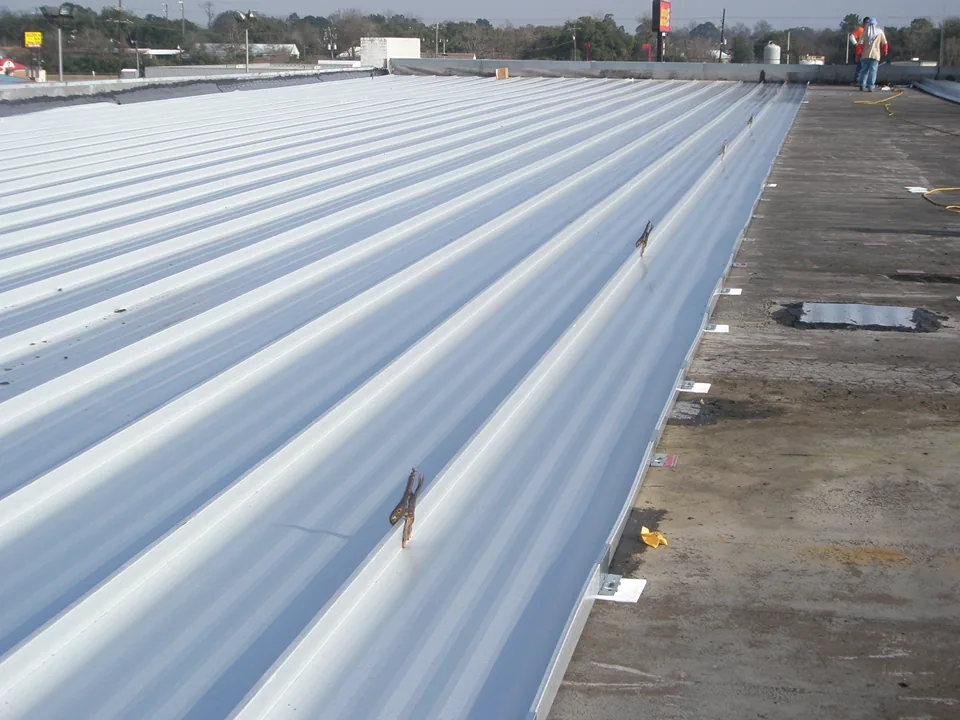
Manufacturing Plant Roofing
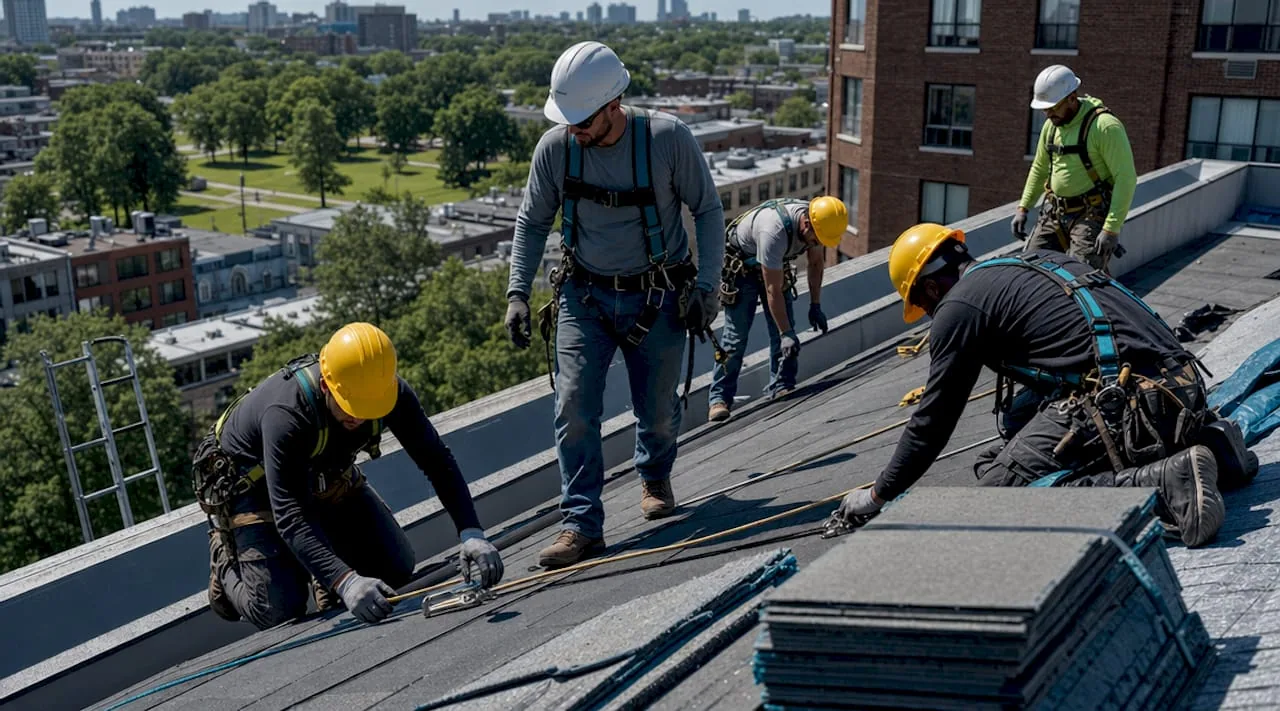
Ponding Water Roof Repair
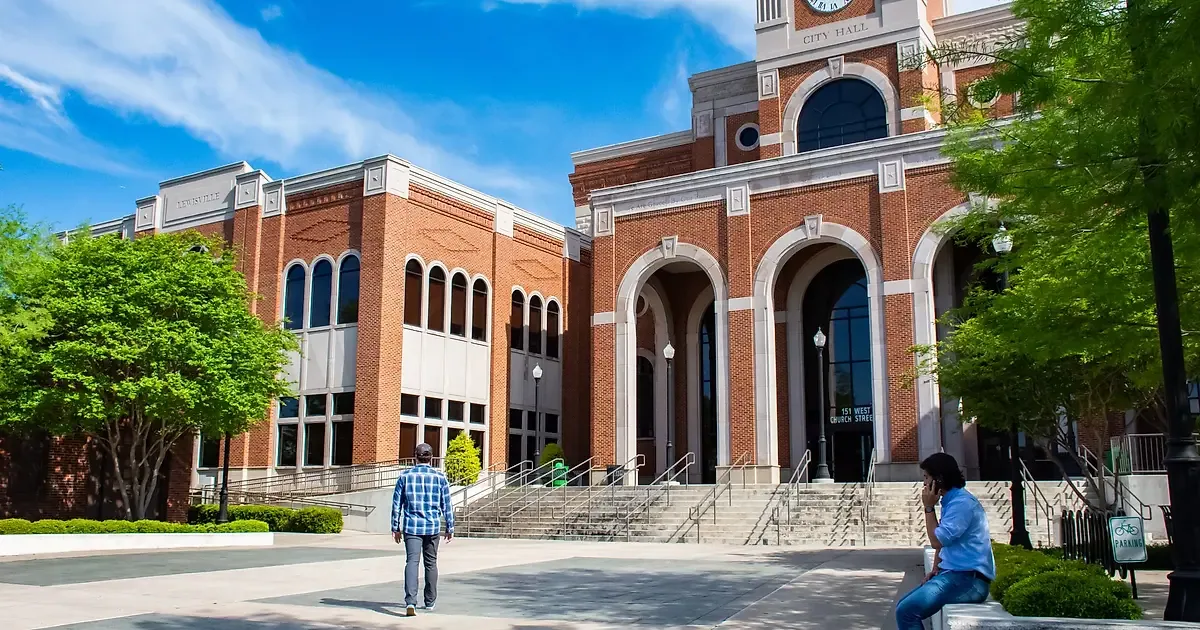
Roof Drains, Scuppers and Ponding Correction
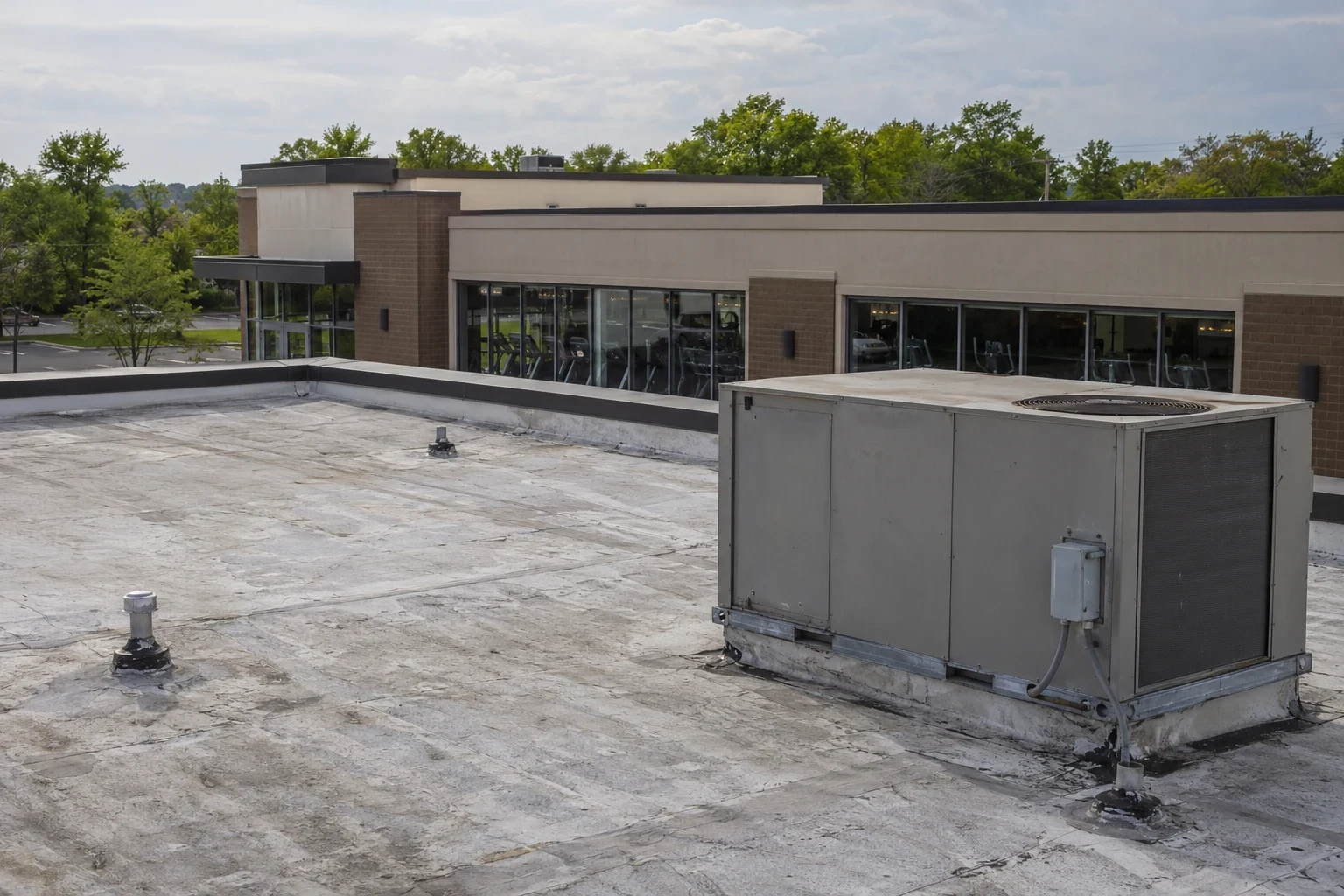
Roof Coating and Restoration
Edge Metal, Coping and Gutters
Schedule an inspection and get a dated condition record
Tell us the building type, where water has appeared and how roof access works. We will inspect the roof, send photographs and findings with dates, and recommend next steps.